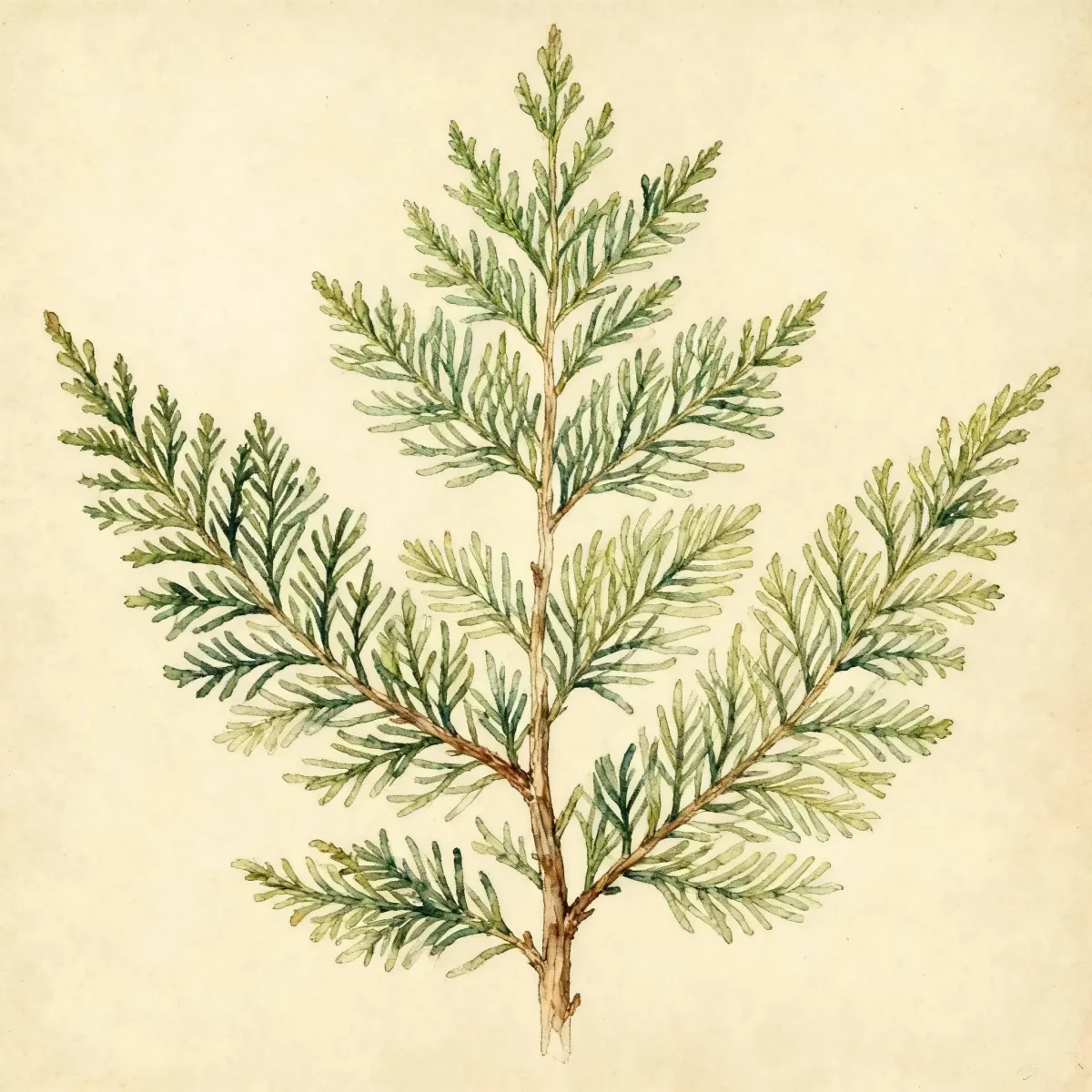
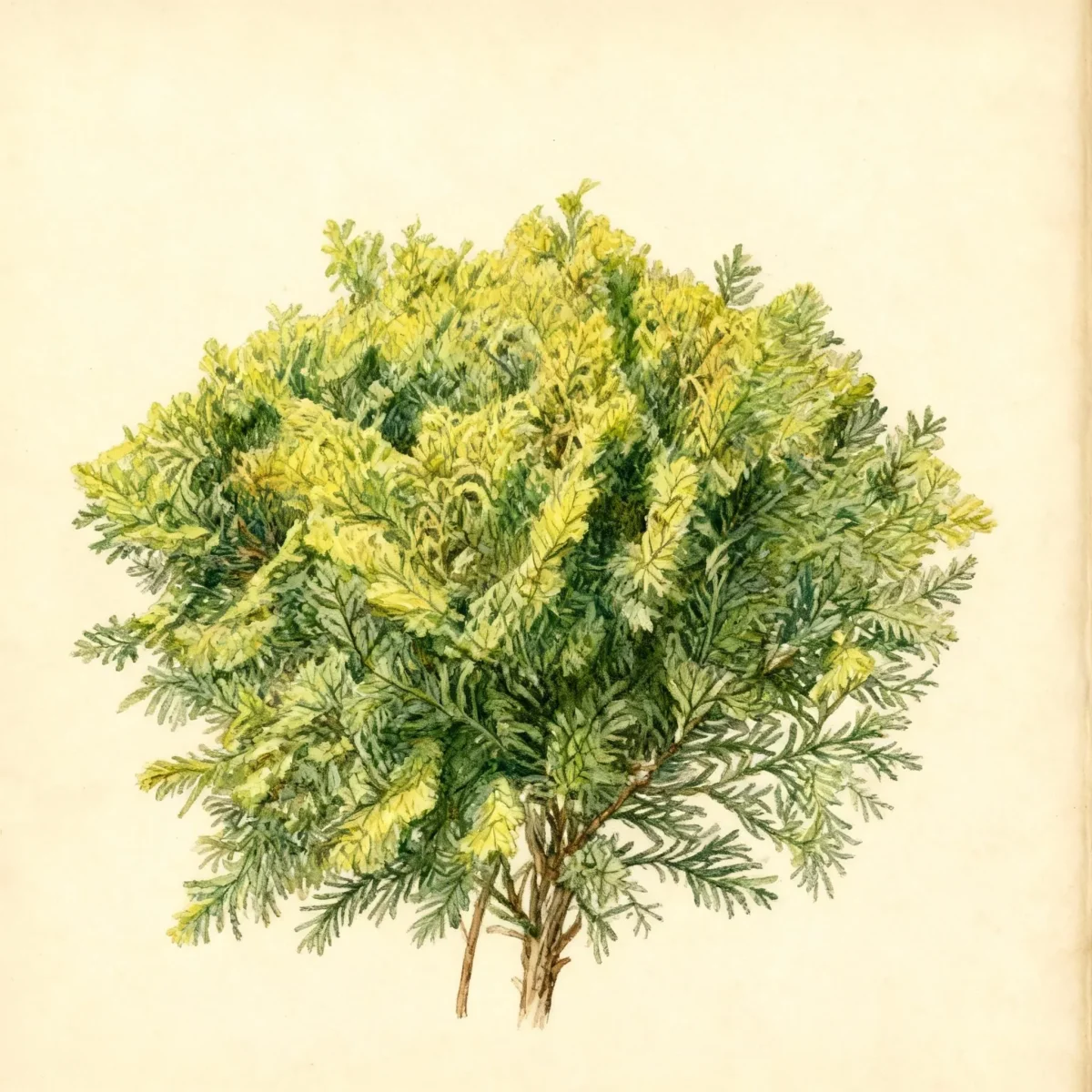
Hinoki cypress (Chamaecyparis obtusa 'Nana Lutea')
Chamaecyparis obtusa 'Nana Lutea' is a dwarf Hinoki cypress valued for its golden-yellow accented, fan-shaped foliage in compact dimensions.
Scroll down to discover growing tips, care requirements, companion plants, and more
Complete Plant Information
Overview
The Chamaecyparis obtusa ‘Nana Lutea’, commonly known as Hinoki cypress, is a highly sought-after dwarf cultivar prized for its distinctive, layered, fan-shaped foliage that sports a striking golden-yellow hue. This slow-growing selection offers vibrant color contrast in smaller garden spaces where its full-sized relatives would overwhelm the landscape. Gardeners appreciate the reliability and low maintenance associated with this classic conifer.
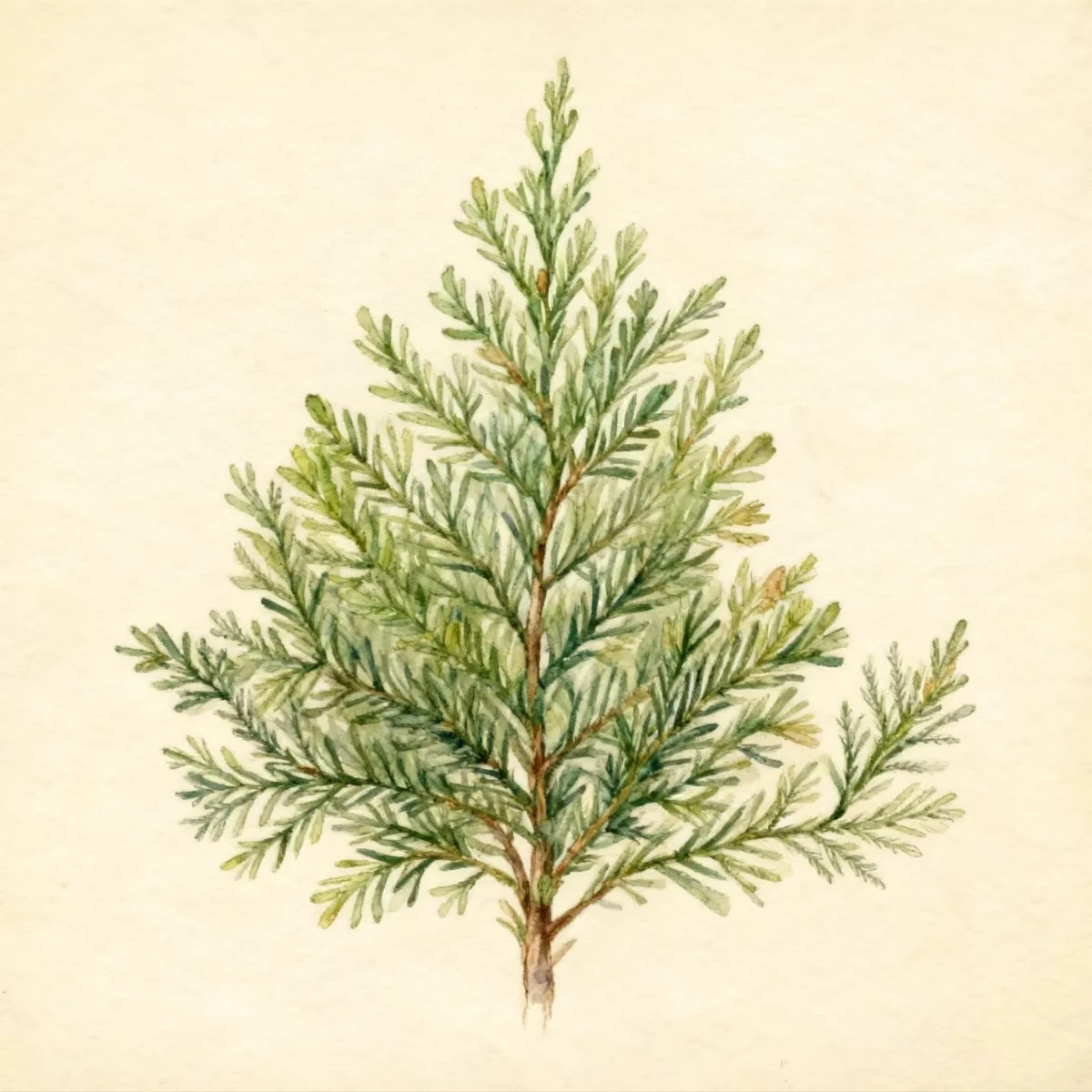
Originating as a sport, this specific Hinoki cypress cultivar forms a neat, narrow pyramid, making it an ideal vertical accent. Its year-round color and tidy habit ensure visual interest across all seasons, fulfilling the need for reliable structure in foundational plantings or specimen placements.
The appeal of the Chamaecyparis obtusa ‘Nana Lutea’ lies in its combination of manageable size and unique coloration, providing a formal yet cheerful texture to shaded or partially sunny borders. Its slow growth rate means less frequent pruning is required to maintain its desired shape.
Fast Facts
- Plant Family: Cupressaceae
- Plant Type: Needled evergreen
- Hardiness Zones: USDA Zones 4-8
- Size at Maturity:
- Height: 3-5 ft
- Spread: 3-5 ft
- Bloom Time: Non-flowering
- Sun Exposure: Full sun to part shade
- Water Needs: Medium
- Maintenance Level: Low
How to Grow
Planting the Chamaecyparis obtusa ‘Nana Lutea’ is best done in spring or early fall when temperatures are moderate, allowing the roots time to establish before extreme weather hits. Ensure the planting location provides average, medium moisture, well-drained soils. While this Hinoki cypress tolerates part shade, it performs best when situated in full sun to maximize the golden coloration of its foliage.
Watering should be consistent, aiming for medium moisture levels, especially during the first few growing seasons. Avoid planting in areas where water collects, as wet, poorly-drained soils can quickly lead to root rot, one of the potential problems for this species. While adaptable, this dwarf conifer thrives in rich, fertile soil conditions.
Maintenance for the Hinoki cypress is generally low once established. While pruning is seldom required due to its compact, slow growth habit, any necessary shaping should occur in early spring. It is beneficial to shelter plants from strong winds, which can potentially cause damage or windburn to the delicate foliage tips.
Landscape Uses
The Chamaecyparis obtusa ‘Nana Lutea’ excels as a year-round specimen evergreen conifer where structure and color are needed. Its manageable 3 to 5-foot height and spread make it perfectly suited for foundation plantings, tucked near entryways, or placed in visually important corners of the garden. Its upright, narrow pyramidal form also works well to break up long, horizontal lines in a mixed perennial border.
Due to its slow growth, it is an excellent addition to rock gardens or Asian-inspired landscapes requiring understated elegance. Consider planting it near darker green conifers or broadleaf evergreens to enhance the visibility of its striking golden-yellow outer foliage. This plant provides excellent vertical punctuation in small-scale designs.
Standout Features
Noteworthy Characteristics
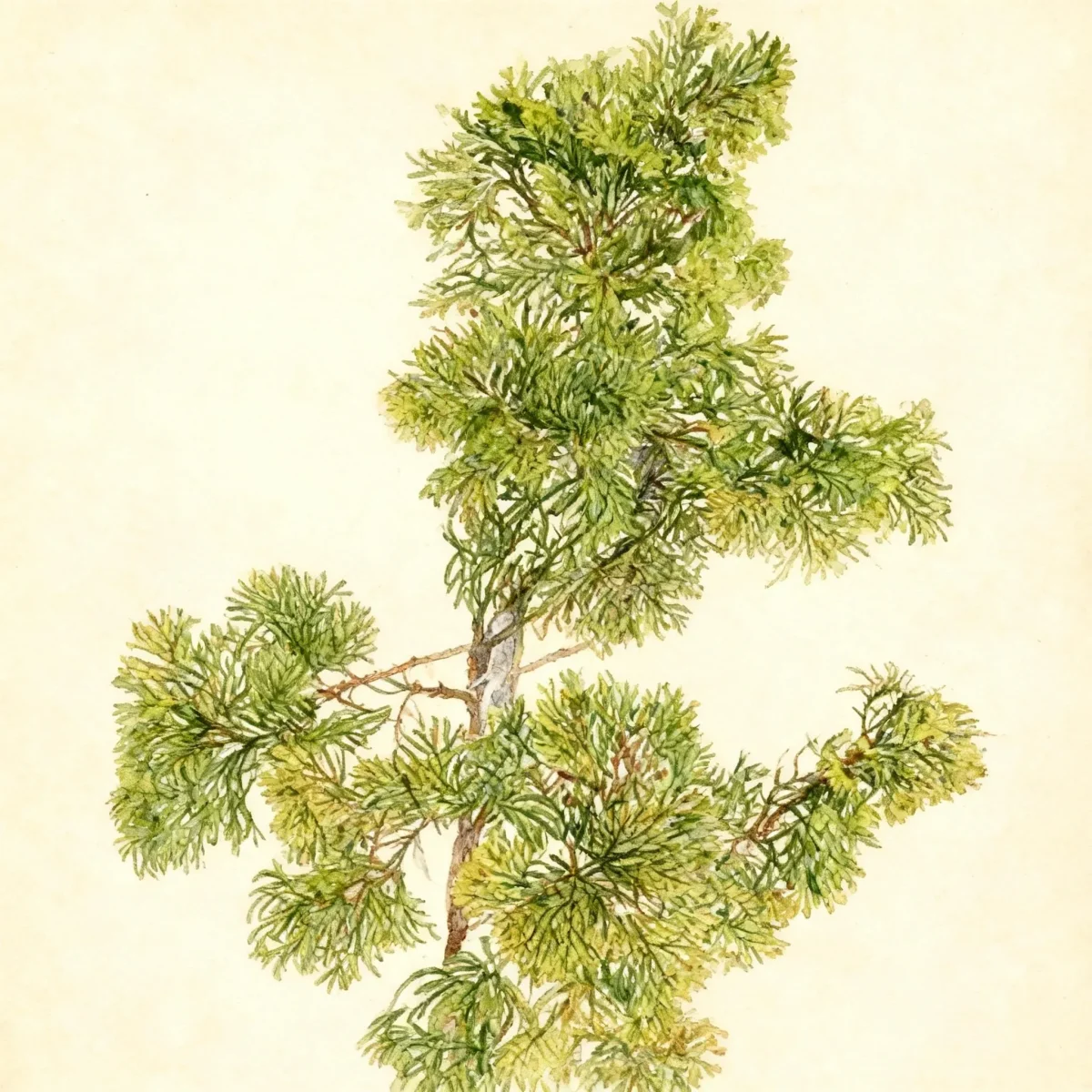
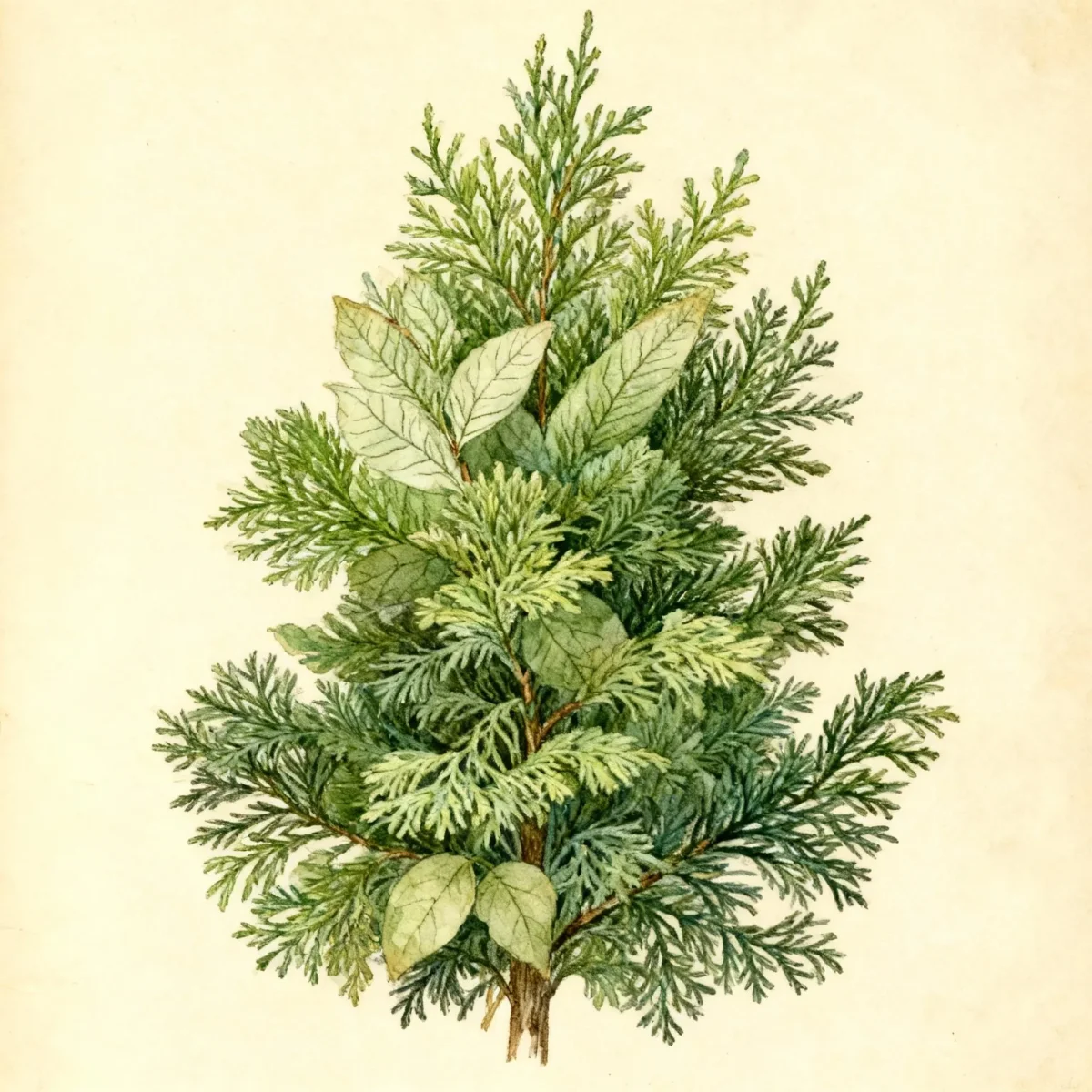
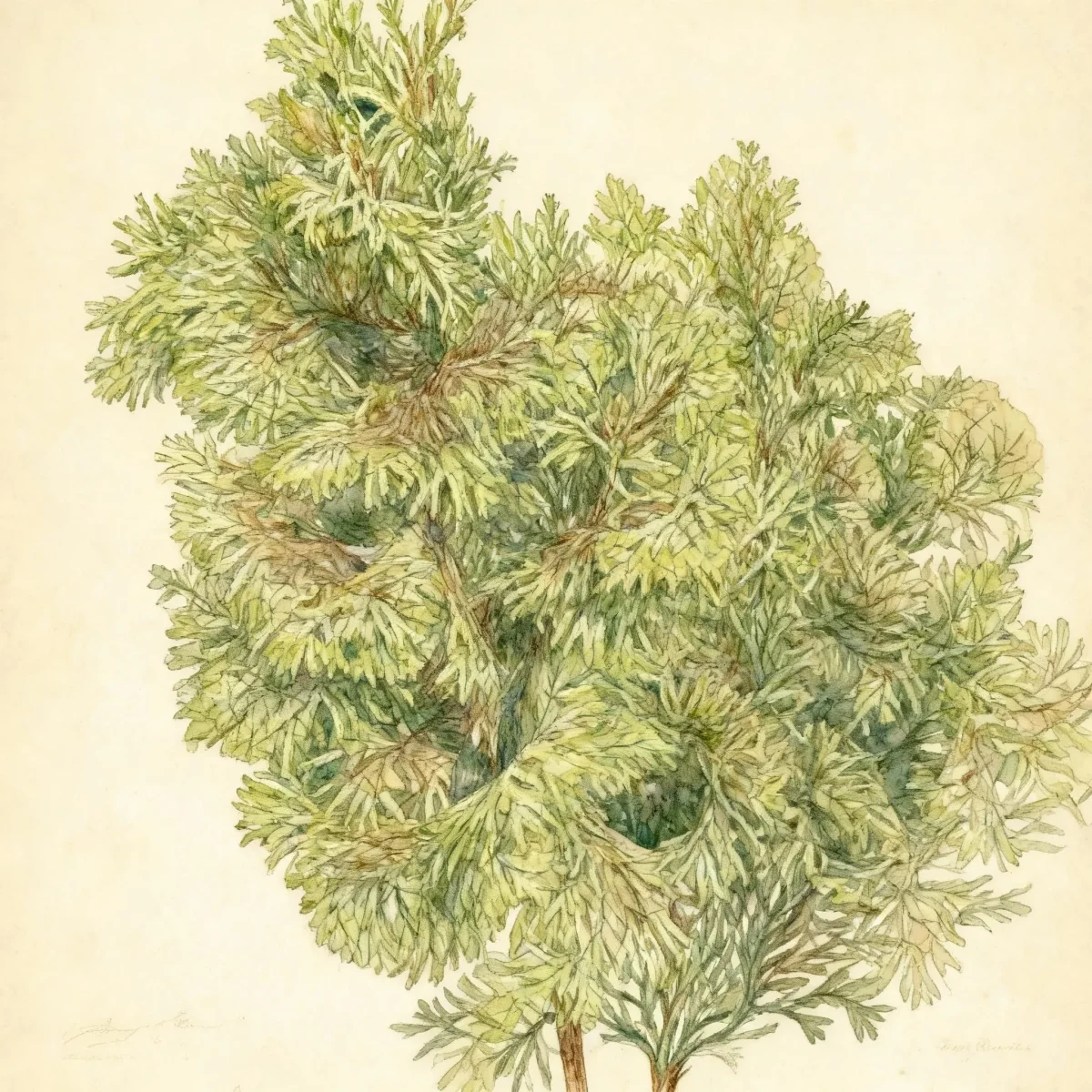
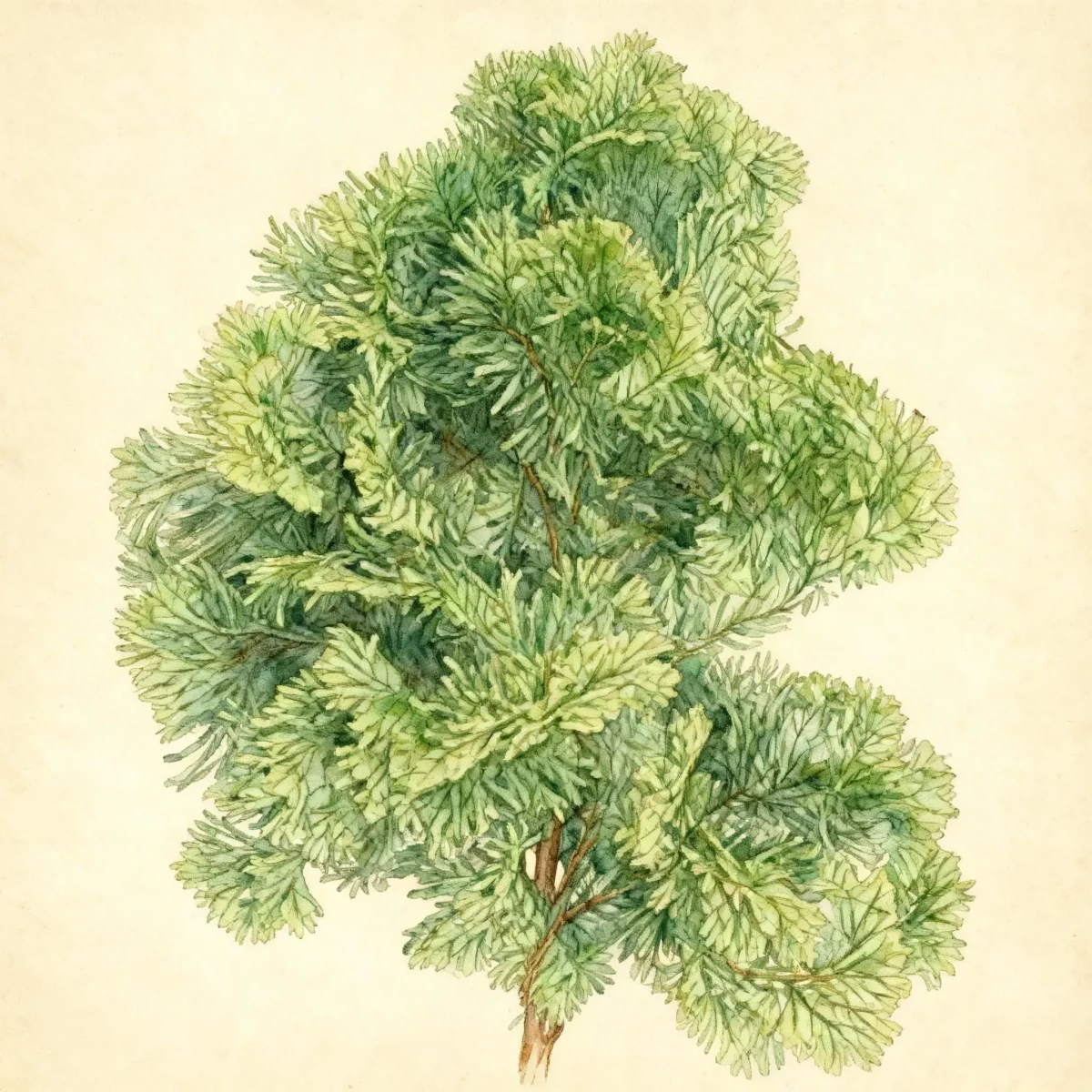
Chamaecyparis obtusa is native to Japan and is commonly called hinoki cypress or hinoki falsecypress. It is an evergreen conifer that typically grows much taller in its native habitat, but the ‘Nana Lutea’ selection is a slow-growing, dwarf selection of Hinoki cypress that will form a narrow pyramid as it matures, reaching only 3 to 5 ft tall and wide. Its fan-shaped foliage forms overlapping layers with the outer foliage a golden yellow accented with tones of pale butter yellow while the inner foliage remains dark green, offering beautiful textural contrast. The genus name reflects its Greek origins, linking it to dwarf cypress trees, while the specific epithet means rounded, referencing the leaf tips.
Tolerances
- Good for foundation/rock garden plants
Potential Problems
The Chamaecyparis obtusa ‘Nana Lutea’ shows some susceptibility to common issues affecting cypress varieties. Gardeners should watch for juniper blight, which can cause browning or dieback. Root rot is a significant risk, especially if the plant is situated in heavy, water-retentive soil—ensure excellent drainage remains a top priority during site selection and planting.
Be vigilant for insect pests such as bagworms. Regular inspection of the foliage, particularly in early spring, allows for prompt treatment if infestations begin. Maintaining appropriate growing conditions (full sun, good air circulation, proper moisture) is the best preventative measure against stress-related issues.
Frequently Asked Questions
What hardiness zones is Hinoki cypress suitable for?
The Chamaecyparis obtusa ‘Nana Lutea’ is generally hardy and suitable for USDA Zones 4 through 8.
How large does the dwarf Hinoki cypress grow?
This cultivar typically matures to a height and spread between 3 and 5 feet, maintaining a narrow pyramidal form.
What sun exposure does Chamaecyparis obtusa ‘Nana Lutea’ need?
This conifer requires full sun to part shade for best performance; full sun encourages the richest golden coloring in its foliage.
When does the Hinoki cypress bloom?
This plant is non-flowering as it is a conifer; it produces small cones rather than showy flowers.
Conclusion
The Chamaecyparis obtusa ‘Nana Lutea’ remains a premier choice for adding manageable structure and vibrant, year-round golden color to the landscape. Its low maintenance profile makes the effort worthwhile for gardeners seeking continuous interest. Before planting your Hinoki cypress, confirm that your site offers the necessary full sun and excellent drainage to support its slow, picturesque growth.
Companion Planting
Selecting appropriate neighbors helps highlight the unique color of the Chamaecyparis obtusa ‘Nana Lutea’. Plant it near deep purple or dark green shrubs to create maximum visual contrast. Good companions include Japanese maples (Acer palmatum cultivars) allowed to retain a weeping form, or dark-leafed Heucheras planted beneath its canopy in shadier spots.
Because it prefers consistently moist but well-drained soil, pair it with other acid-loving, moisture-tolerant plants. Avoid placing the dwarf Hinoki cypress directly beside plants that become extremely dry in summer, as maintaining perfectly even moisture for both can become difficult.
Design Ideas
The narrow pyramidal shape of this dwarf Hinoki cypress makes it perfect for formal arrangements where symmetry is desired. Use pairs of Chamaecyparis obtusa ‘Nana Lutea’ to flank a walkway or doorway for an elegant, year-round statement. Its compact size also lends itself well to specimen planting in large containers near patios where its golden foliage is easily appreciated up close.
In modern or minimalist garden designs, its clean lines work exceptionally well against hardscaping materials like gravel or smooth stone. The yellow tips catch the morning and evening light beautifully, adding dynamic interest to any planting scheme throughout the year.