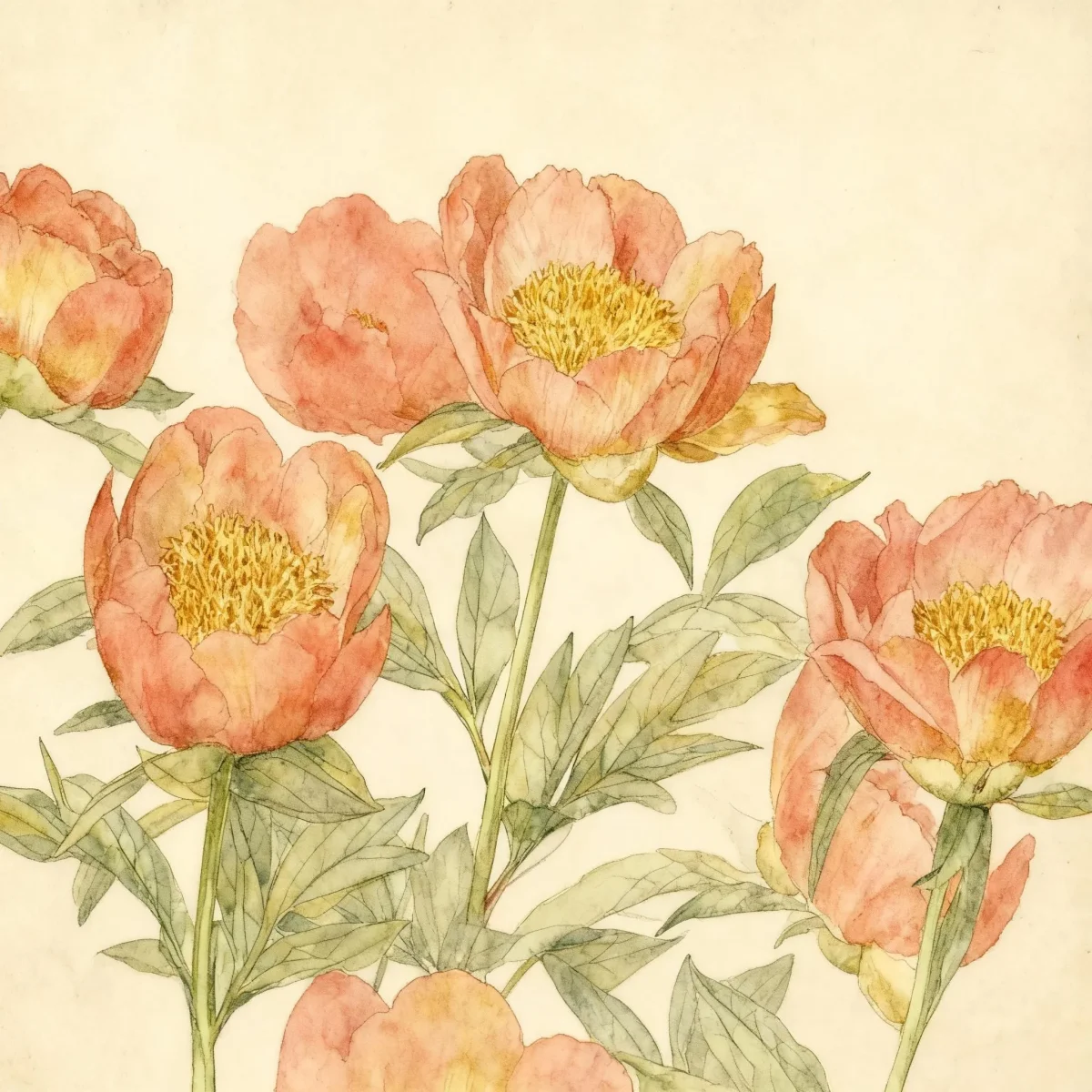
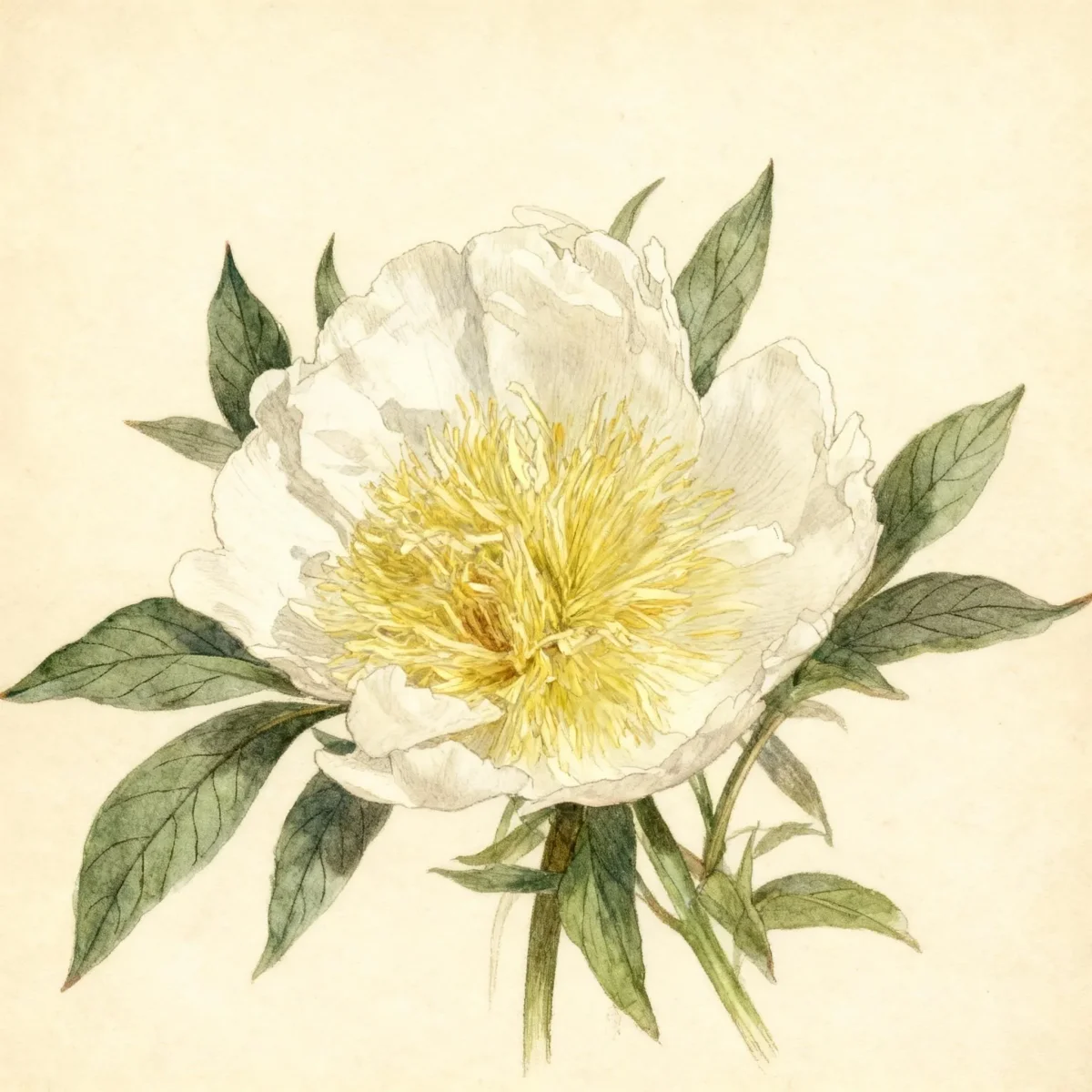
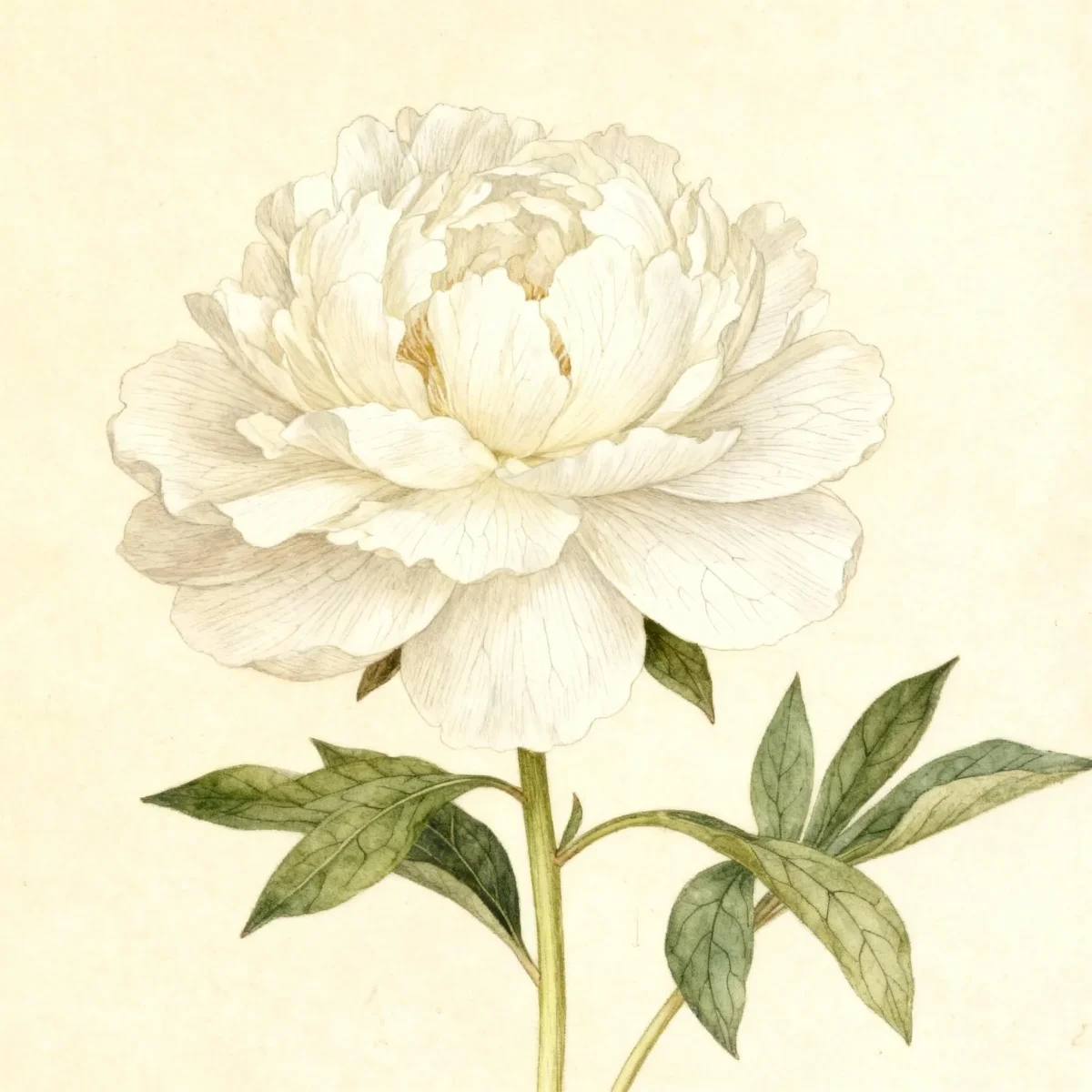
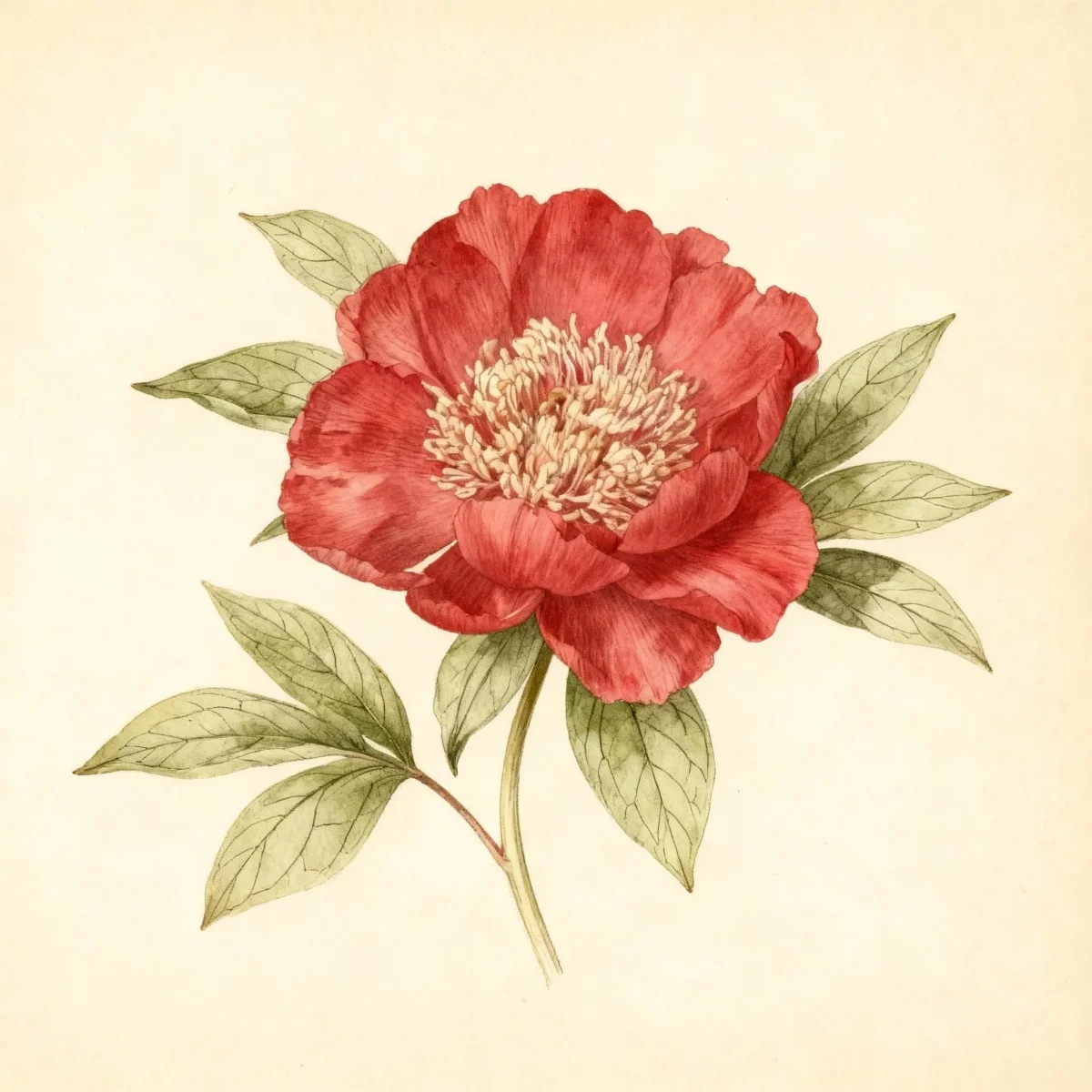
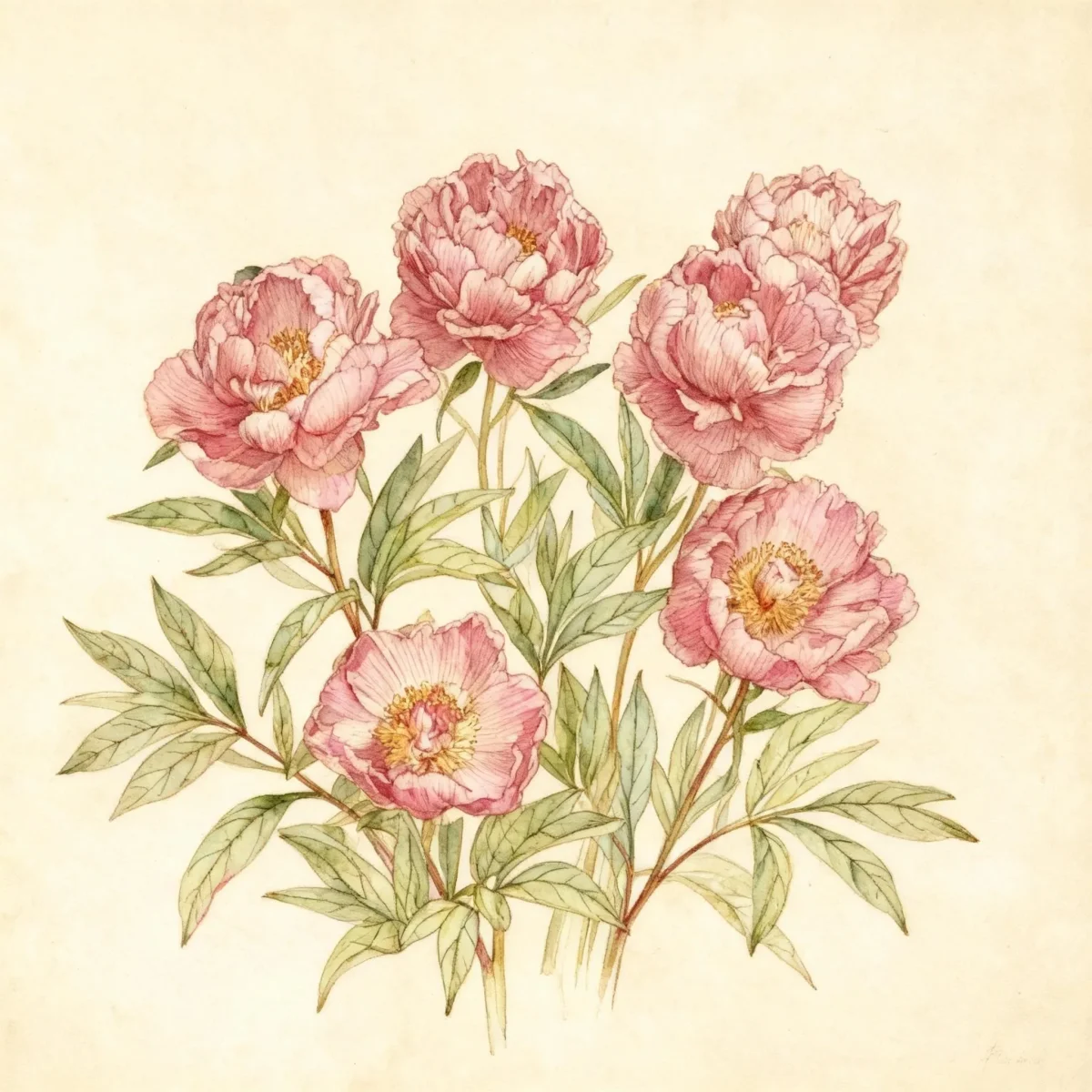
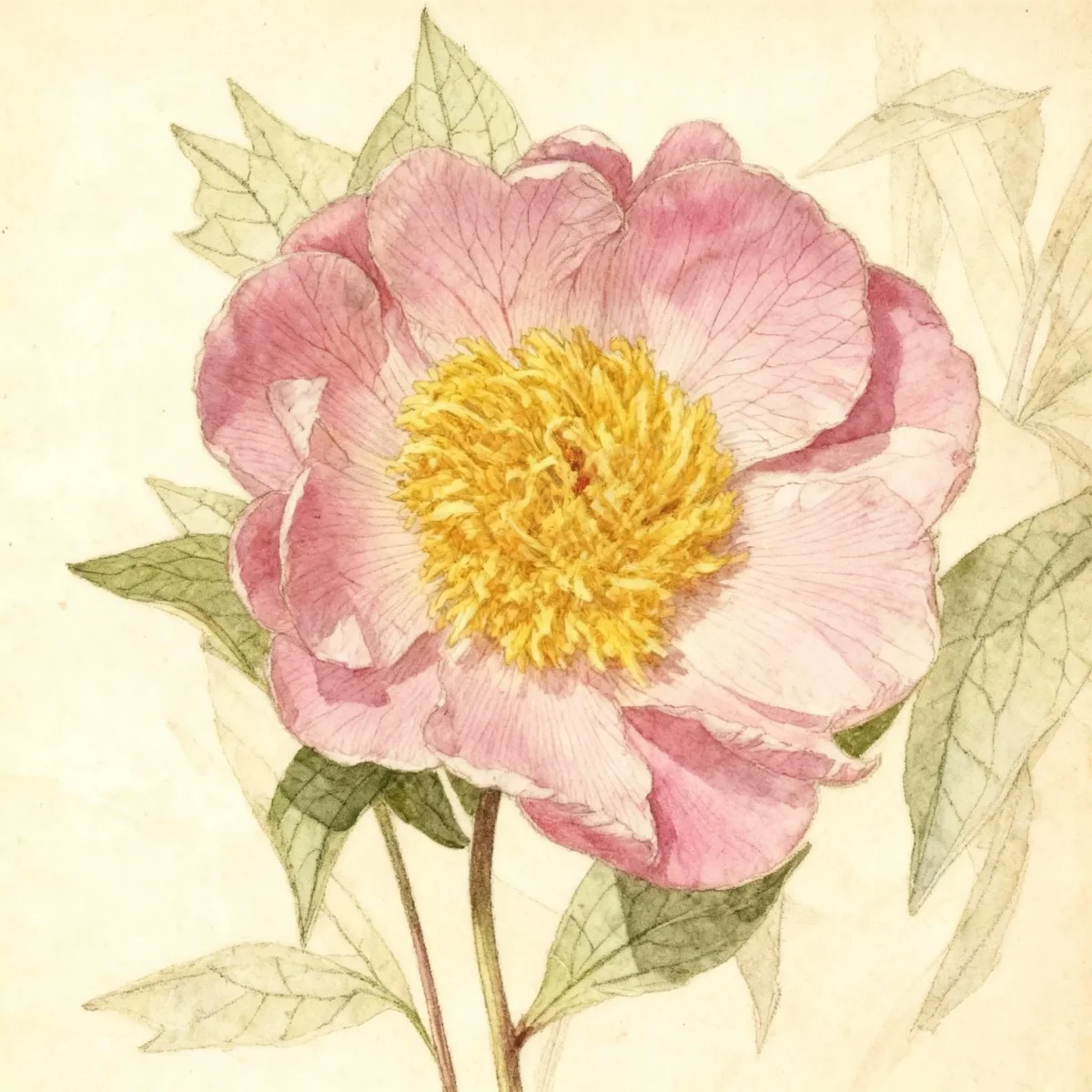
Peony (Paeonia lactiflora 'Angel Cheeks')
Paeonia lactiflora 'Angel Cheeks' is a stunning Herbaceous perennial Peony featuring showy, fragrant white blooms blushed pink. Ideal for USDA Zones 3-8.
Scroll down to discover growing tips, care requirements, companion plants, and more
Complete Plant Information
Overview
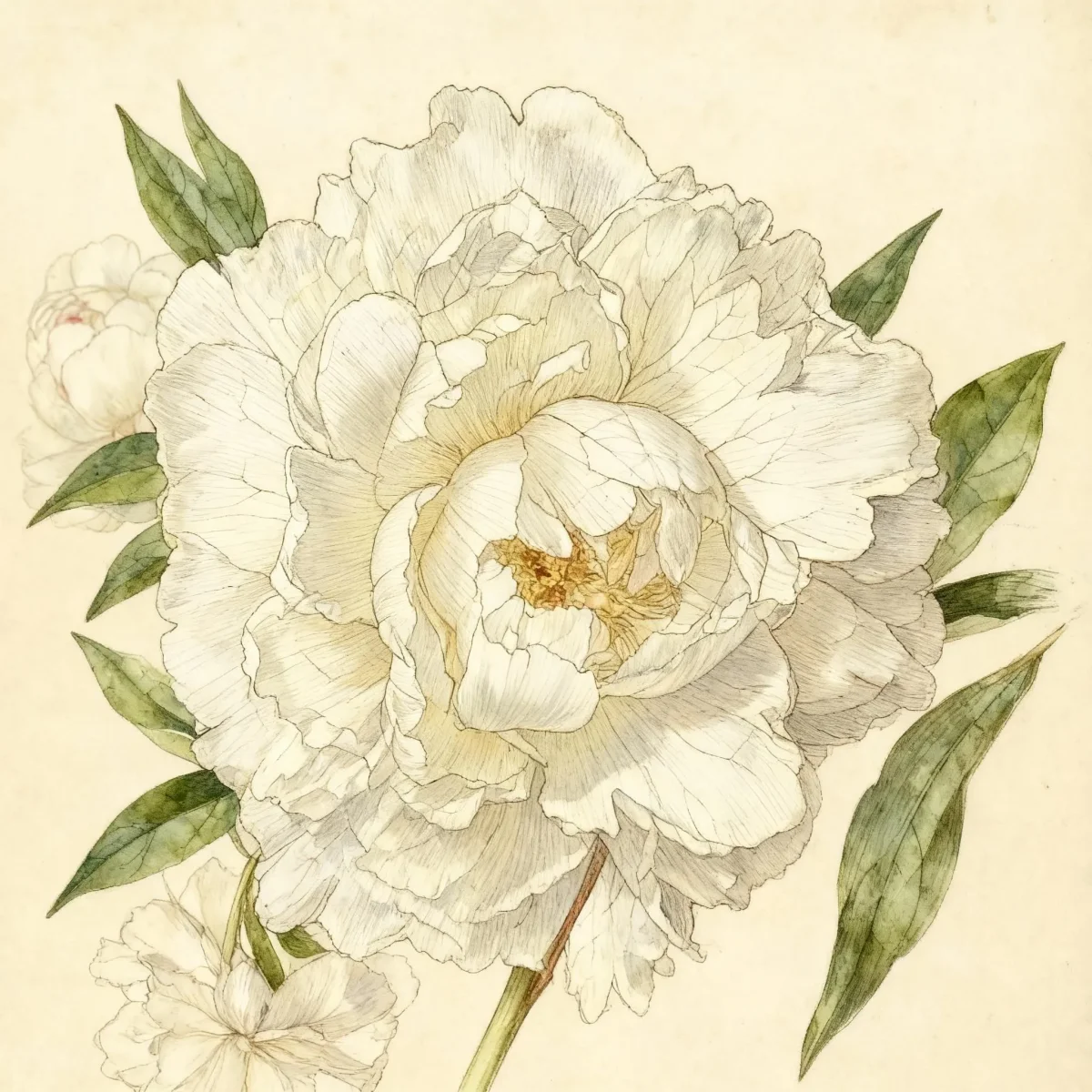
The captivating Paeonia lactiflora ‘Angel Cheeks’ is a highly prized herbaceous perennial, famous for transforming spring gardens with its lush, double blooms. This specific Peony cultivar showcases gorgeous, double white flowers delicately blushed with pink, offering remarkable garden theater in mid-season. As a long-lived variety, once established, ‘Angel Cheeks’ requires minimal division, making it a reliable anchor plant for perennial borders.
This shrub-like beauty provides more than just magnificent flowers; its dark green foliage remains attractive throughout summer and early fall, offering consistent structure even after the short blooming period concludes. Gardeners cherish this Peony for its stature, fragrance, and the classic cottage garden charm it brings to any landscape setting.
Cultivating Paeonia lactiflora ‘Angel Cheeks’ successfully centers on correct planting depth and recognizing its need for consistent moisture during establishment. It brings significant aesthetic value and performs best in climates that provide a distinct, cold winter dormant season necessary for robust flower production.
Fast Facts
- Plant Family: Paeoniaceae
- Plant Type: Herbaceous perennial
- Hardiness Zones: USDA Zones 3-8
- Size at Maturity:
- Height: 2-2.5 ft
- Spread: 2-2.5 ft
- Bloom Time: May
- Bloom Description: White blushed pink (double)
- Sun Exposure: Full sun to part shade
- Water Needs: Medium
- Maintenance Level: Medium
How to Grow
Planting Paeonia lactiflora ‘Angel Cheeks’ requires attention to detail, particularly regarding the root structure. Ensure the soil is rich, fertile, and well-drained; amend the area with compost before planting. The most critical step is placing the rootstock eyes only about 2 inches below the soil surface. Proper depth ensures reliable blooms; planting too deep or too shallow frequently leads to no flowers.
During the growing season, maintain medium moisture levels, ensuring the plant receives abundant water early on. While Paeonia lactiflora ‘Angel Cheeks’ thrives in full sun, it benefits from some light afternoon shade in regions experiencing very hot summers. These plants are exceptionally long-lived and should generally not be disturbed or divided once they settle in a suitable location.
Seasonal care involves routine deadheading immediately after the week-long bloom period finishes to maintain neatness. After the first hard frost in autumn, cut the entire foliage mass to the ground and remove the debris from the garden area. Preparing for winter is important, especially where snow cover is unreliable; applying a layer of mulch over the root area provides crucial insulation.
Remember that the P. Lactiflora species blooms late in the season. You can extend the garden’s overall Peony bloom window to about six weeks by strategically combining early, midseason, and late-blooming cultivars in your borders.
Landscape Uses
Peonies serve as timeless standards in the perennial border, making Paeonia lactiflora ‘Angel Cheeks’ an outstanding focal point or specimen plant. Their dense, shrub-like structure allows them to function effectively as low, herbaceous hedges along walkways, drivewalls, or bordering fences where structure is needed throughout the season.
Because the flowers of this Peony are so showy and large, they look superb when planted alongside perennials that offer complementary textures or later blooms, such as ornamental grasses or taller Salvias, which can fill the space after the Peony finishes flowering. Allowing them to frame a foundation planting provides years of reliable structure and color.
These long-lived plants integrate well into traditional English garden designs or more formal settings where clean lines and predictable performance are desired. Use the fragrant, showy cuts from your Paeonia lactiflora ‘Angel Cheeks’ indoors, then enjoy the remaining healthy foliage as a backdrop for summer annuals.
Standout Features
Flower Qualities
- Showy
- Fragrant
Noteworthy Characteristics
Paeonia lactiflora, commonly known as common garden peony or Chinese peony, is an erect, clump-forming, shrub-like, herbaceous perennial that typically grows to 20-30” tall on stems tinged with red. This cultivar, ‘Angel Cheeks’, features double white blooms blushed pink with dorsal red striping on the uppermost petals, appearing mid-season. Green foliage is divided into oval to lance-shaped segments, remaining attractive throughout summer and early fall before stems die back after frost.
Tolerances
- Rabbit
- Deer
Potential Problems
Peonies are generally robust and considered pest-free, though gardeners should watch for Botrytis blight and Phytopthora blight under overly moist conditions. Ants frequently gather on the buds, which is a common and harmless occurrence—they are attracted to the nectar, not the plant tissue itself.
If your Paeonia lactiflora ‘Angel Cheeks’ fails to produce flowers, check planting depth first, as this is the most common error. Other causes include insufficient sun exposure or the plant being too young after transplanting. If the large, semi-double blooms become heavy after rain, the stems may arch toward the ground, requiring minor staking support.
Control potential mildew by ensuring good air circulation, especially as foliage matures in the fall; though harmless, unsightly mildew can be managed by cutting the foliage back after the first frost. Both rabbits and deer typically avoid consuming this tough perennial.
Frequently Asked Questions
What hardiness zones is Peony suitable for?
This Peony thrives in USDA Zones 3 through 8, though best performance is typically seen between Zones 5 and 7.
How large does Peony grow?
Paeonia lactiflora ‘Angel Cheeks’ matures to a height and spread of approximately 2 to 2.5 feet.
When does Peony bloom?
This cultivar generally blooms in mid-season, typically during May, producing showy, double white flowers blushed pink.
What sun exposure does Peony need?
For the best flowering display, plant Paeonia lactiflora ‘Angel Cheeks’ where it receives full sun, though it can tolerate light part shade.
Conclusion
The Paeonia lactiflora ‘Angel Cheeks’ offers incredible seasonal rewards through its fragrant, voluminous blooms, cementing its status as a garden classic. This resilient Peony provides excellent structure even when not in flower, making it highly valuable for long-term landscaping plans. Ensure you plant the eyes shallowly and select a site with appropriate sun exposure to guarantee many years of enjoyment from this stunning perennial.
Companion Planting
Companion planting around peonies should focus on utilizing plants that offer contrasting textures while sharing similar cultural needs, primarily full sun and medium moisture. Consider planting shorter, spring-blooming perennials like Iris or early Alliums near the base. These companions finish their cycle before the peony foliage matures, ensuring the base of the peony remains interesting.
For summer interest after the bloom, pair Paeonia lactiflora ‘Angel Cheeks’ with plants that tolerate its mid-summer water needs without requiring excessive humidity. Lamb’s Ears (Stachys byzantina) offers soft, contrasting texture, while Catmint (Nepeta) provides lower mounds of blue purple that complement the white and pink blooms beautifully.
Seasonal Care Calendar
Early Spring (When shoots emerge): Begin applying a balanced, slow-release fertilizer if desired, avoiding piling fertilizer directly against the crowns. Ensure winter mulch is pulled back slightly to allow soil warmth to penetrate the root zone.
Late Spring/Bloom Time (April-May): Water consistently, especially as buds swell. If heavy rains are expected, place thin stakes or use peony rings preemptively to support the heavy blooms of Paeonia lactiflora ‘Angel Cheeks’. Remove spent flowers immediately after bloom concludes.
Summer (Post-Bloom): Maintain medium water levels, especially during dry spells. Check foliage for signs of powdery mildew, which often appears in late summer heat and humidity.
Fall (After Frost): Cut the entire stem mass down to the ground level and dispose of the cuttings to prevent overwintering disease spores. Apply a fresh layer of mulch over the crown area for winter insulation, particularly in colder zones.