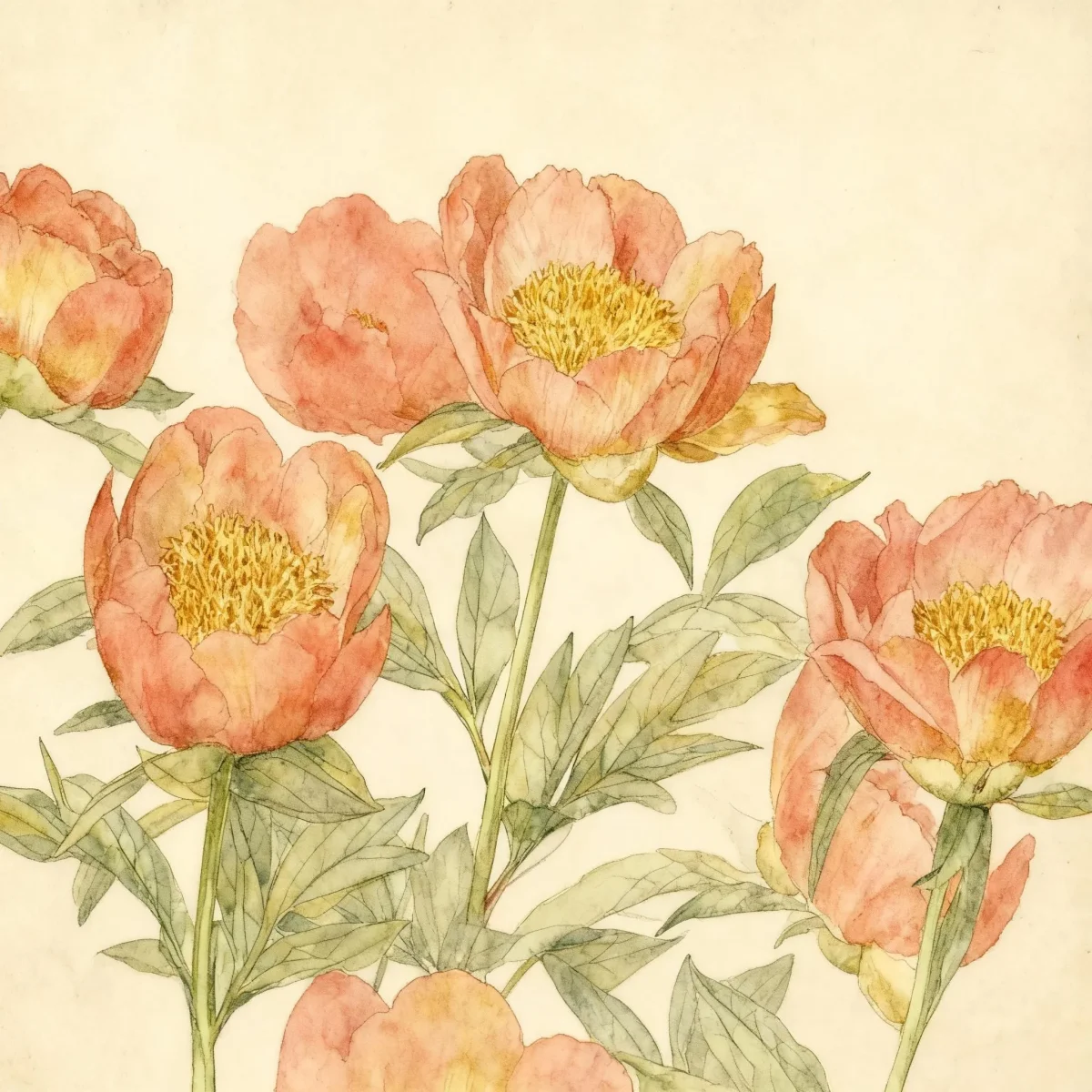
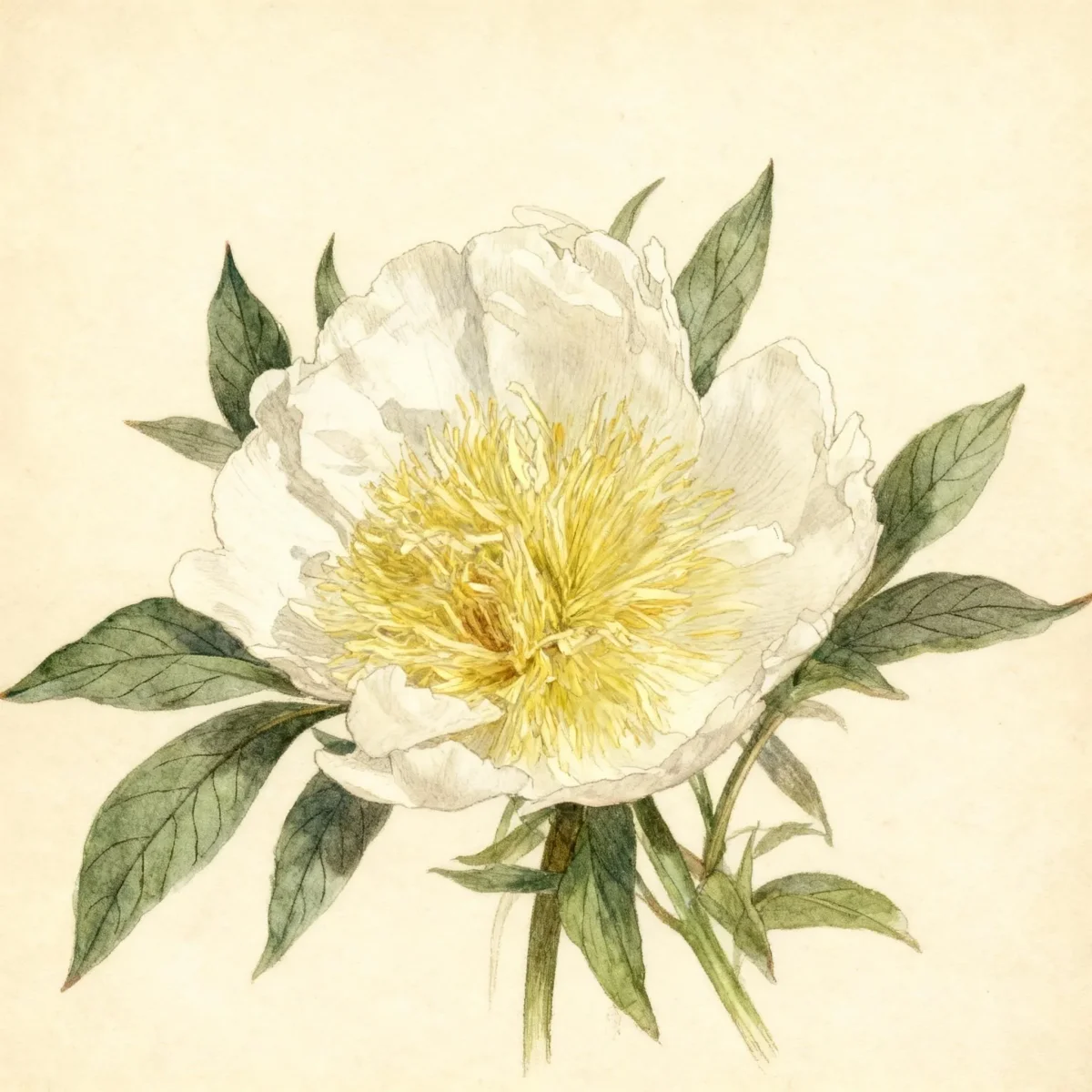
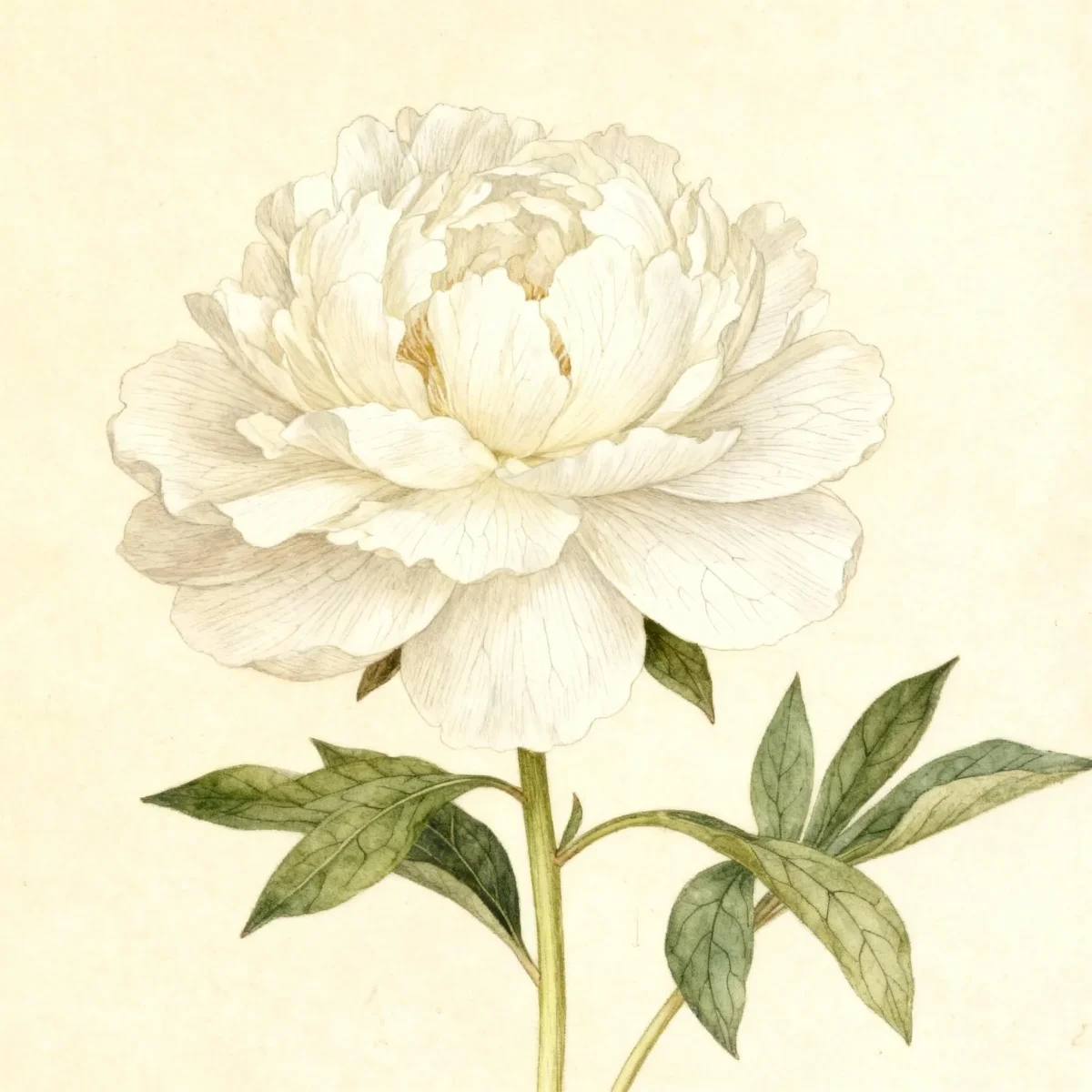
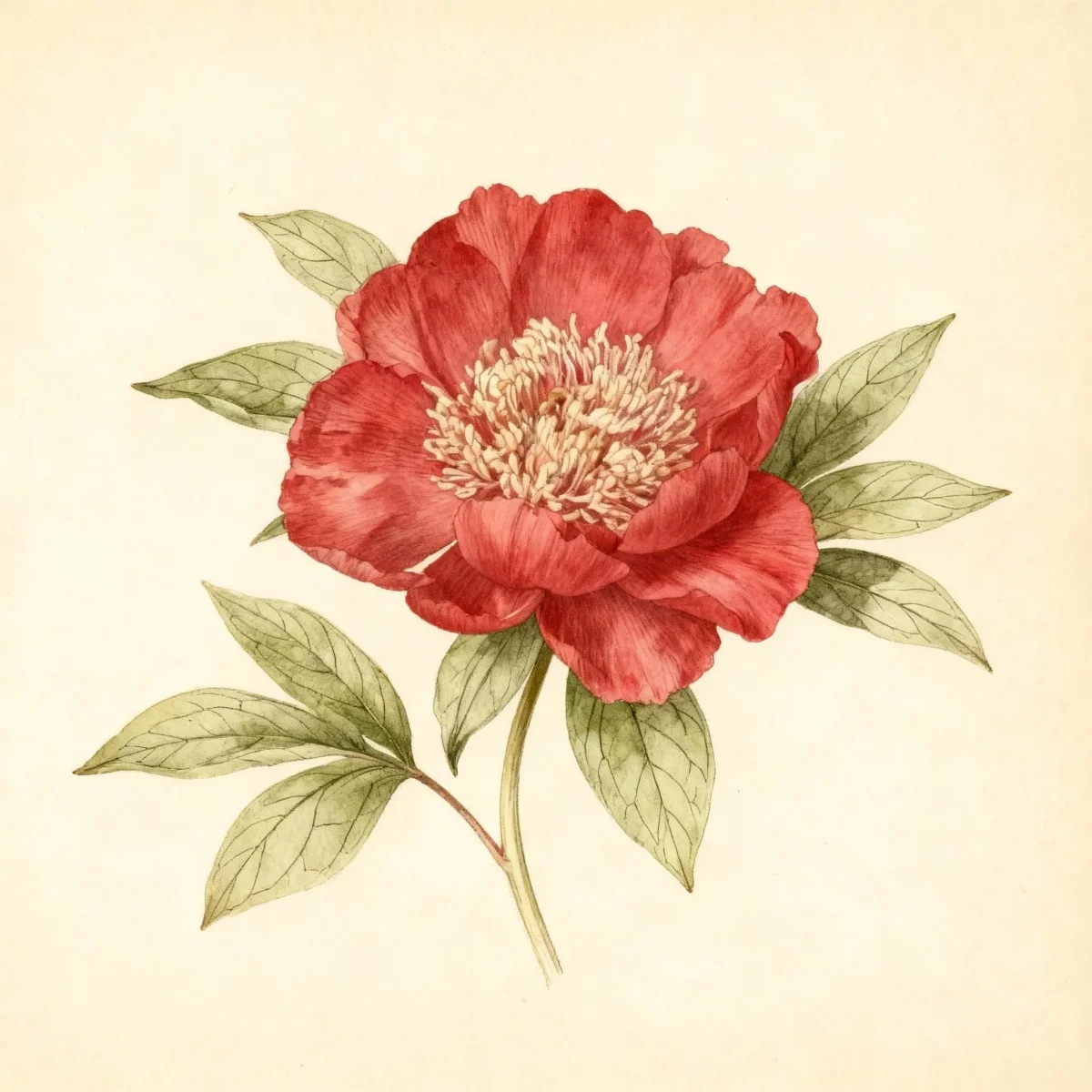
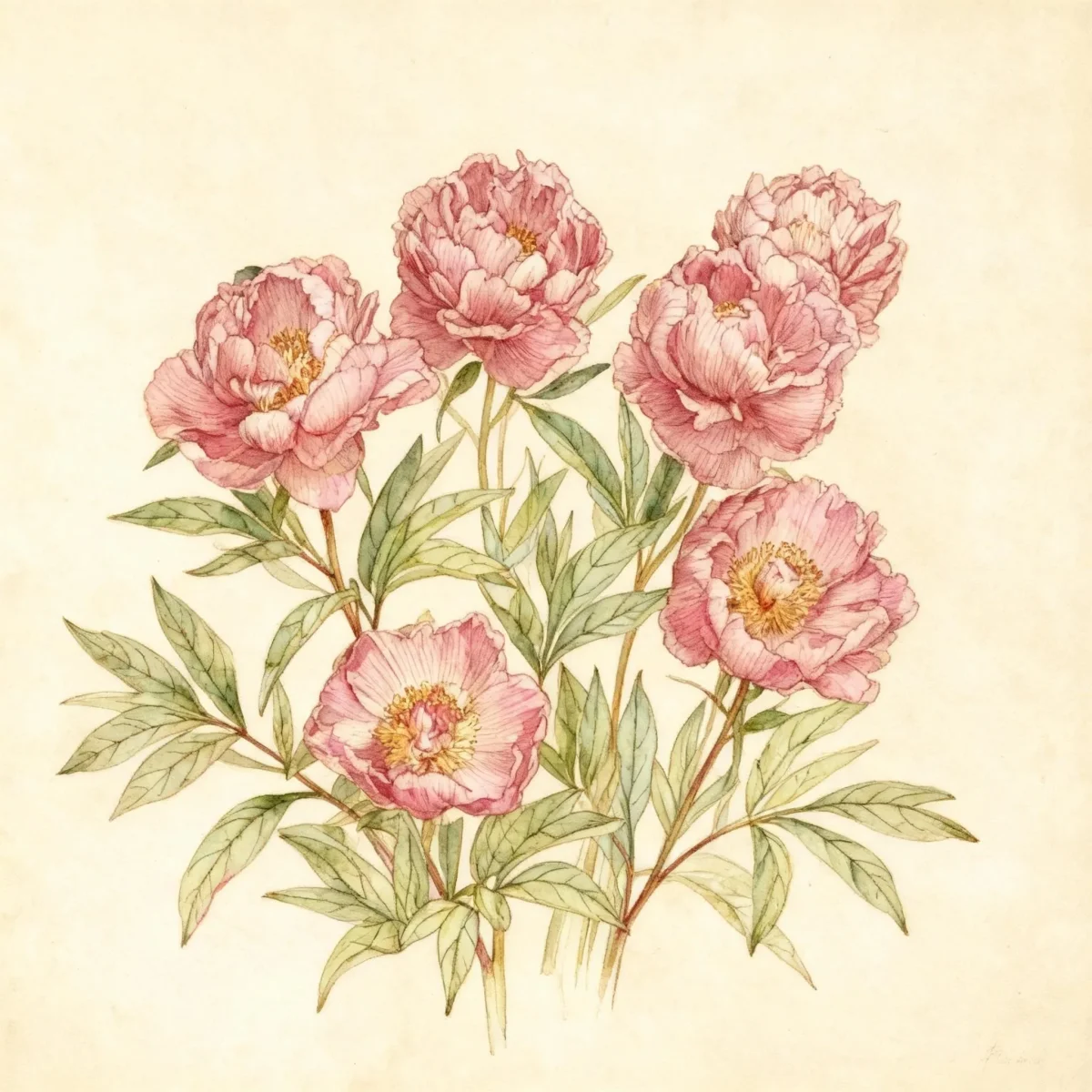
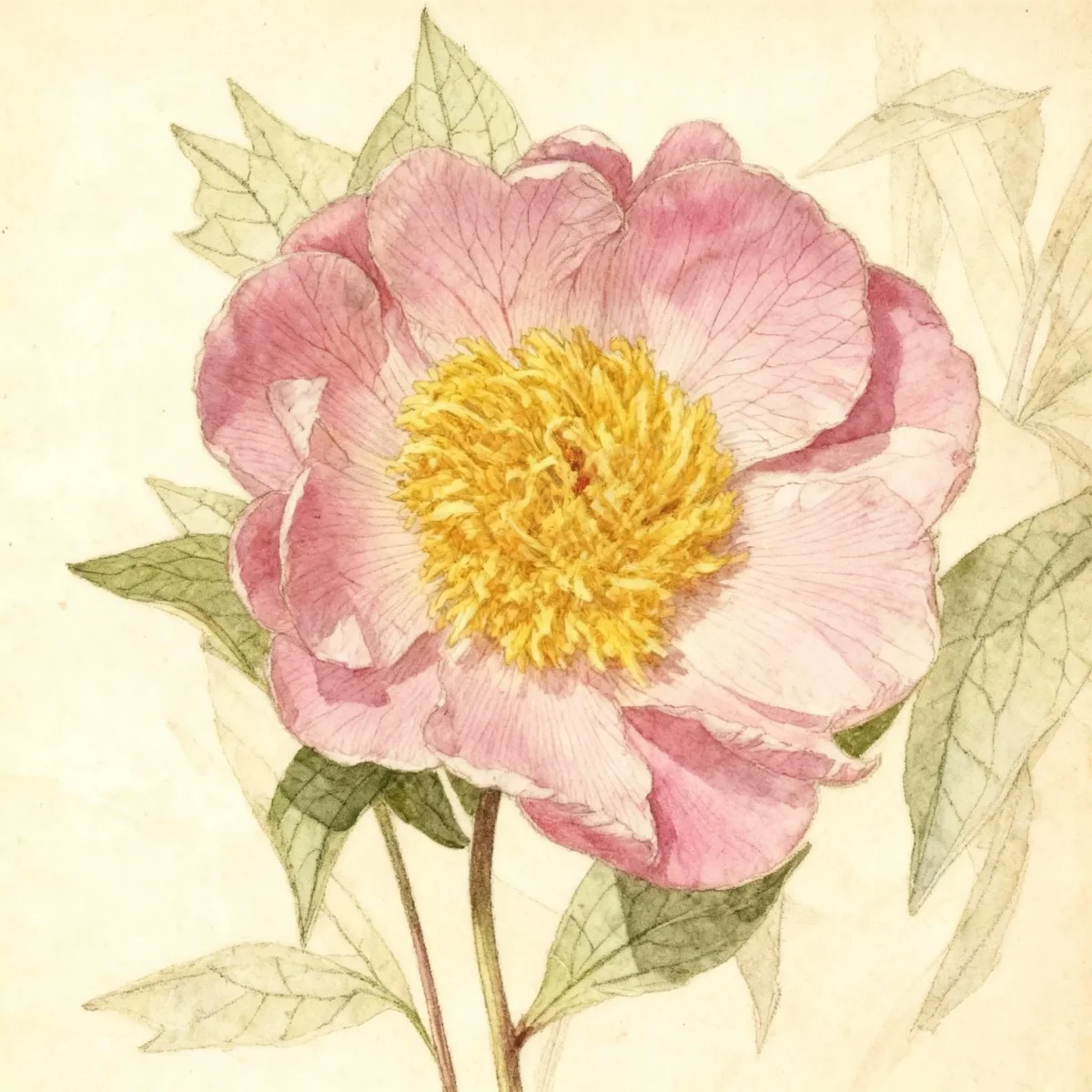
Peony (Paeonia lactiflora 'Falcon')
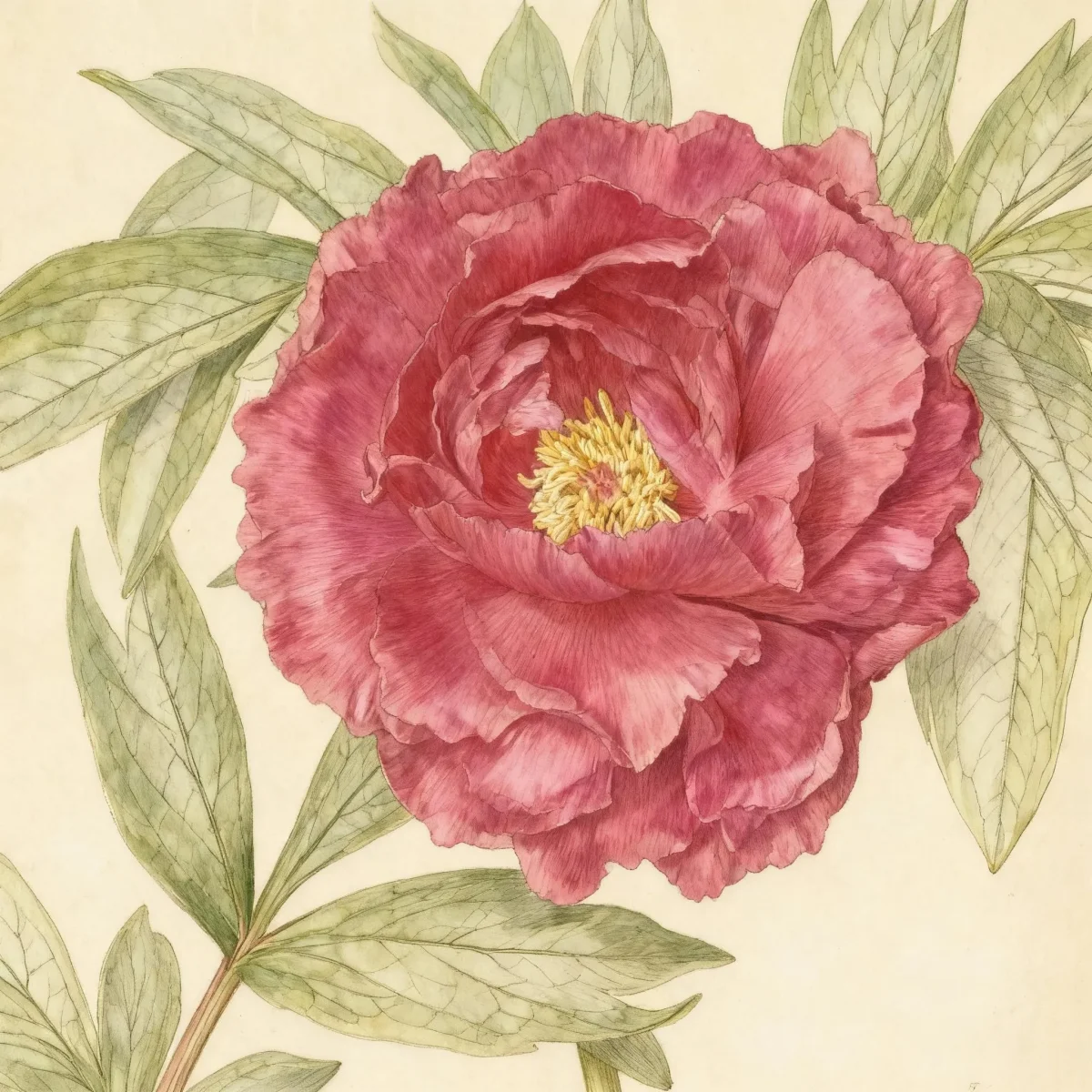
Paeonia lactiflora 'Falcon' offers double mahogany red blooms in May. This reliable Peony is deer/rabbit resistant and ideal for perennial borders.
Scroll down to discover growing tips, care requirements, companion plants, and more
Complete Plant Information
Overview
The Paeonia lactiflora ‘Falcon’ is a cherished addition to any established garden, known for its robust, shrub-like structure and stunning mid-season color display. As an herbaceous Peony, it reliably returns each spring, offering deeply cut, attractive foliage that persists long after the flowering period ends. Gardeners prize this cultivar for its deep mahogany red, double blooms, which create a commanding visual presence in late spring borders.
This plant thrives as a long-lived perennial, demanding relatively consistent location and care once established. While Paeonia lactiflora ‘Falcon’ requires medium maintenance, the dramatic results far outweigh the effort needed in proper placement and seasonal cleanup. Its ability to establish deep roots means it anchors the garden structure beautifully throughout the growing season.
A significant benefit of selecting Paeonia lactiflora ‘Falcon’ is its ornamental versatility and dependable performance within its temperature range. It offers high visual impact, serving as a classic specimen plant or providing stunning accents along pathways, making it a cornerstone for traditional and cottage garden designs.
Fast Facts
- Plant Family: Paeoniaceae
- Plant Type: Herbaceous perennial
- Hardiness Zones: USDA Zones 3-8
- Size at Maturity:
- Height: 2.5-3 ft
- Spread: 2-2.5 ft
- Bloom Time: May
- Bloom Description: Mahogany red
- Sun Exposure: Full sun to part shade
- Water Needs: Medium
- Maintenance Level: Medium
How to Grow
The success of your Peony largely depends on correct initial placement and planting depth. Plant rootstock buds, called eyes, approximately 2 inches below the soil surface in rich, fertile, well-drained soil. Paeonia lactiflora ‘Falcon’ prefers full sun but appreciates a bit of afternoon shade, particularly in hotter climates, which helps protect the deep mahogany red blooms from scorching.
During the early part of the growing season, ensure plants receive abundant moisture to support robust growth and bud development. Maintain medium watering throughout the season, avoiding soggy conditions which can encourage root rot. While annual feeding is often unnecessary for mature plants, incorporating compost before planting helps enrich the soil structure.
After the blooming period, promptly remove spent flowers to maintain tidiness. A crucial maintenance step for this perennial is cutting all foliage to the ground in the fall after the first hard frost occurs. This practice helps prevent overwintering fungal spores. Because Peonies are exceptionally long-lived, they should not be disturbed or divided for many years, though winter root protection with mulch is wise in areas with minimal snow cover.
Landscape Uses
The Paeonia lactiflora ‘Falcon’ is a foundational specimen in permanent landscape designs. Their height of up to three feet makes them perfect for the middle to rear sections of perennial borders, where they act as a strong visual anchor. They serve effectively as low, informal hedges along driveways or sidewalks, providing texture and color where other shrubs might be too large.
Due to their reliable structure and attractive green foliage lasting from spring through fall, these Peonies pair exceptionally well with less permanent or shorter spring bloomers. Consider planting them near earlier-flowering bulbs or late-season structural plants that can fill in the space after the Peony bloom concludes. They look magnificent when massed in groups for a dramatic cottage garden effect.
Standout Features
Flower Qualities
- Showy
Noteworthy Characteristics
The species Paeonia lactiflora, known widely as the common garden peony, is an erect, shrub-like perennial native to central Asia, cultivated in China since antiquity. The cultivar ‘Falcon’ is an herbaceous peony that typically reaches 30-32 inches tall, featuring notable double mahogany red blooms in mid-season, usually late May. Unlike many relatives, the flowers of this specific cultivar are noted as being not fragrant, though its divided green foliage remains appealing throughout summer.
Tolerances
- Rabbit
- Deer
Potential Problems
Peonies generally resist most pests, but gardeners should monitor for fungal issues like Botrytis blight and Phytophthora blight, especially in humid conditions or poorly drained soil. Ants crawling on the flower buds are common during spring but are harmless visitors collecting nectar.
If your Paeonia lactiflora ‘Falcon’ fails to produce flowers, check the planting depth—eyes planted too deep or too shallow are the most common culprits. Insufficient chilling during winter dormancy or disturbing the plant after transplanting can also delay blooming. The large, heavy blooms may require staking, as rain or wind can push the stems toward the ground.
Leaf discoloration in the fall, often powdery mildew, is aesthetically present but rarely harms the plant; the foliage can simply be cut back to the ground in late fall removal. Always remove fallen leaves to reduce fungal inoculum for the following season.
Frequently Asked Questions
What hardiness zones is Peony suitable for?
This Peony variety, Paeonia lactiflora ‘Falcon’, performs best in USDA Zones 3 through 8, though optimal performance is usually seen in Zones 5-7.
How large does Peony grow?
Mature specimens typically reach heights between 2.5 and 3 feet tall, spreading to a width of 2 to 2.5 feet.
What sun exposure does Paeonia lactiflora ‘Falcon’ need?
This plant thrives best in conditions ranging from full sun exposure, which maximizes blooming, to light part shade.
When does Peony bloom?
The Paeonia lactiflora ‘Falcon’ blooms reliably in May, producing distinctive mahogany red flowers.
Conclusion
The Paeonia lactiflora ‘Falcon’ offers gardeners a dependable, low-impact perennial that delivers spectacular results with its rich, double Peony blooms. Its high tolerance for adverse wildlife and attractive summer foliage make it a garden staple that offers exceptional multi-season interest. Before planting this season, confirm your site offers appropriate sun exposure and that the planting depth is precisely 2 inches below the soil line for guaranteed flowering success.
Companion Planting
Selecting suitable neighbors is key to maintaining the aesthetic appeal of your Peony border throughout the season. Because Paeonia lactiflora ‘Falcon’ has a relatively short bloom window—about a week in mid-season—pair it with early bloomers like Iris or late bloomers like tall Salvias or Russian Sage. These companions can visually fill the space once the heavy Mahogany red flowers have faded.
Choose companions that also appreciate well-drained soil and do not excessively crowd the root zone of the established Peony. Avoid plants that establish dense, shallow root systems directly around the crown, as this can compete for water and nutrients necessary for strong stem growth next year.
Seasonal Care Calendar
Spring care starts by removing the winter mulch once the danger of hard freezes has passed and new shoots emerge. Provide adequate water during the early growth spurt, as moisture is critical for bud setting. In the heat of summer, cease significant watering unless drought conditions prevail, as the plant is less reliant on heavy moisture post-bloom.
Fall is the time for final cleanup; once the foliage has been killed back by frost, cut all stems down to the ground level and remove the debris from the garden area to minimize overwintering disease spores. Apply a shallow layer of fresh compost or light mulch over the root area to insulate against extreme winter cold, especially if you are gardening near the edge of Zone 8 or Zone 3.