Peony (Paeonia lactiflora 'Kinda Cute')
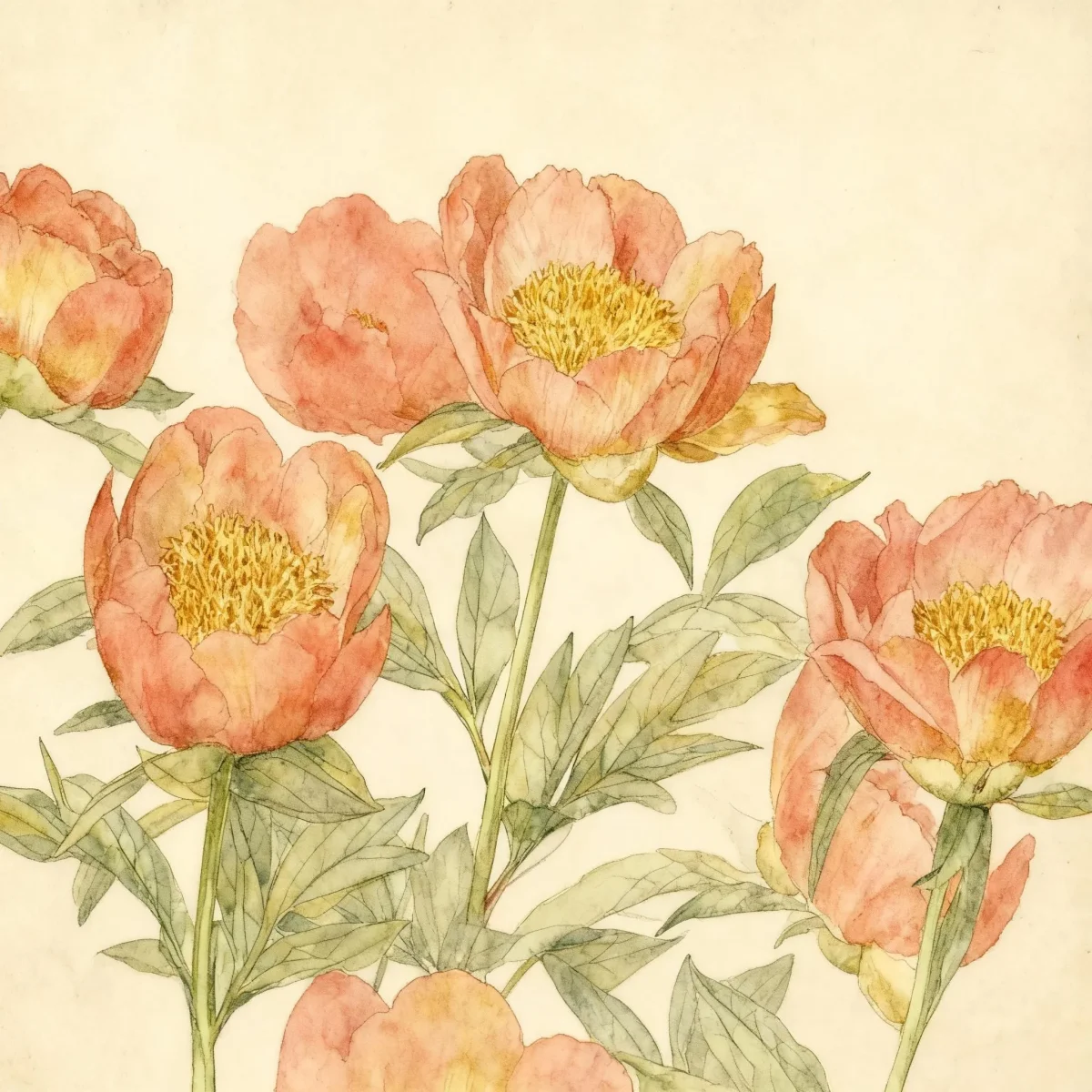
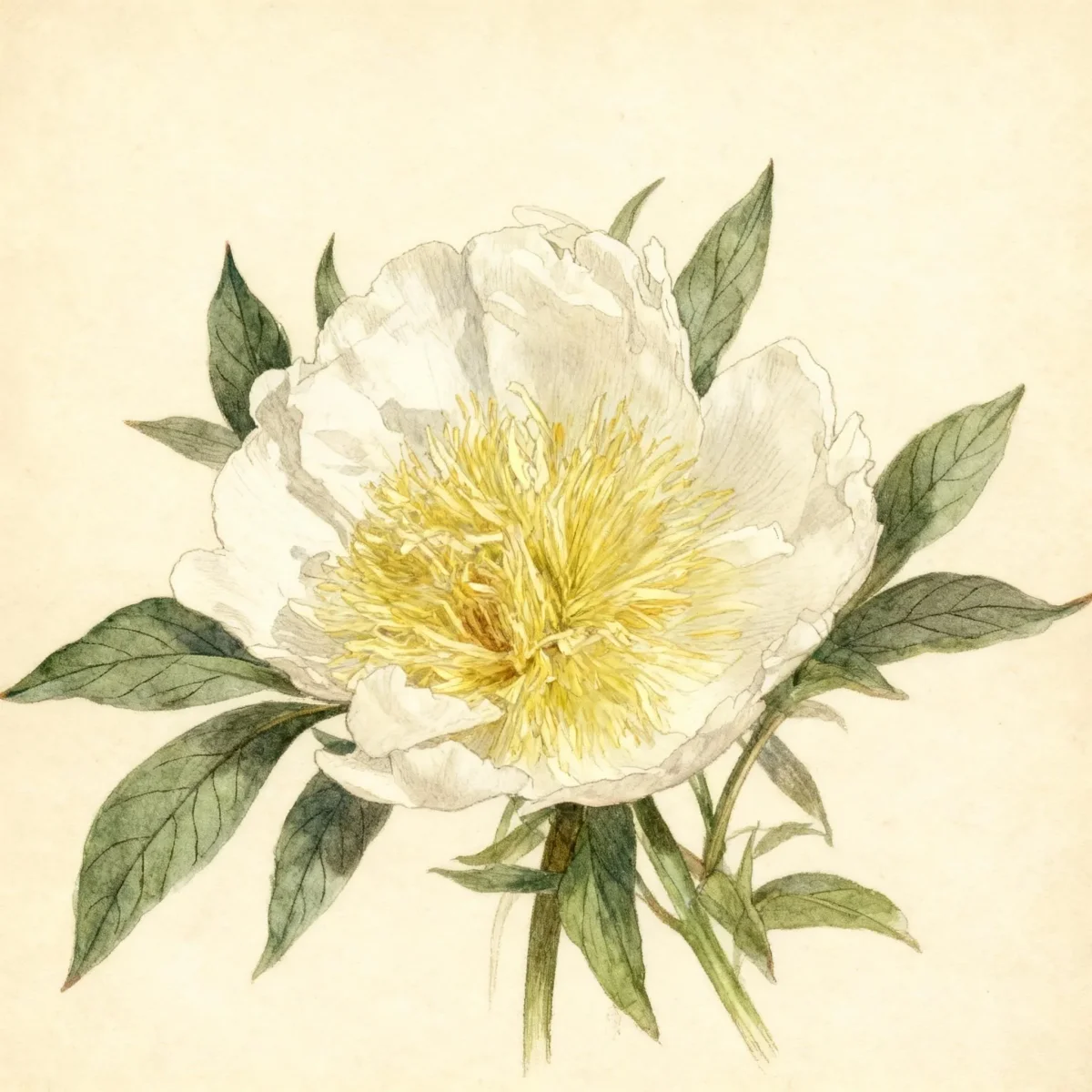
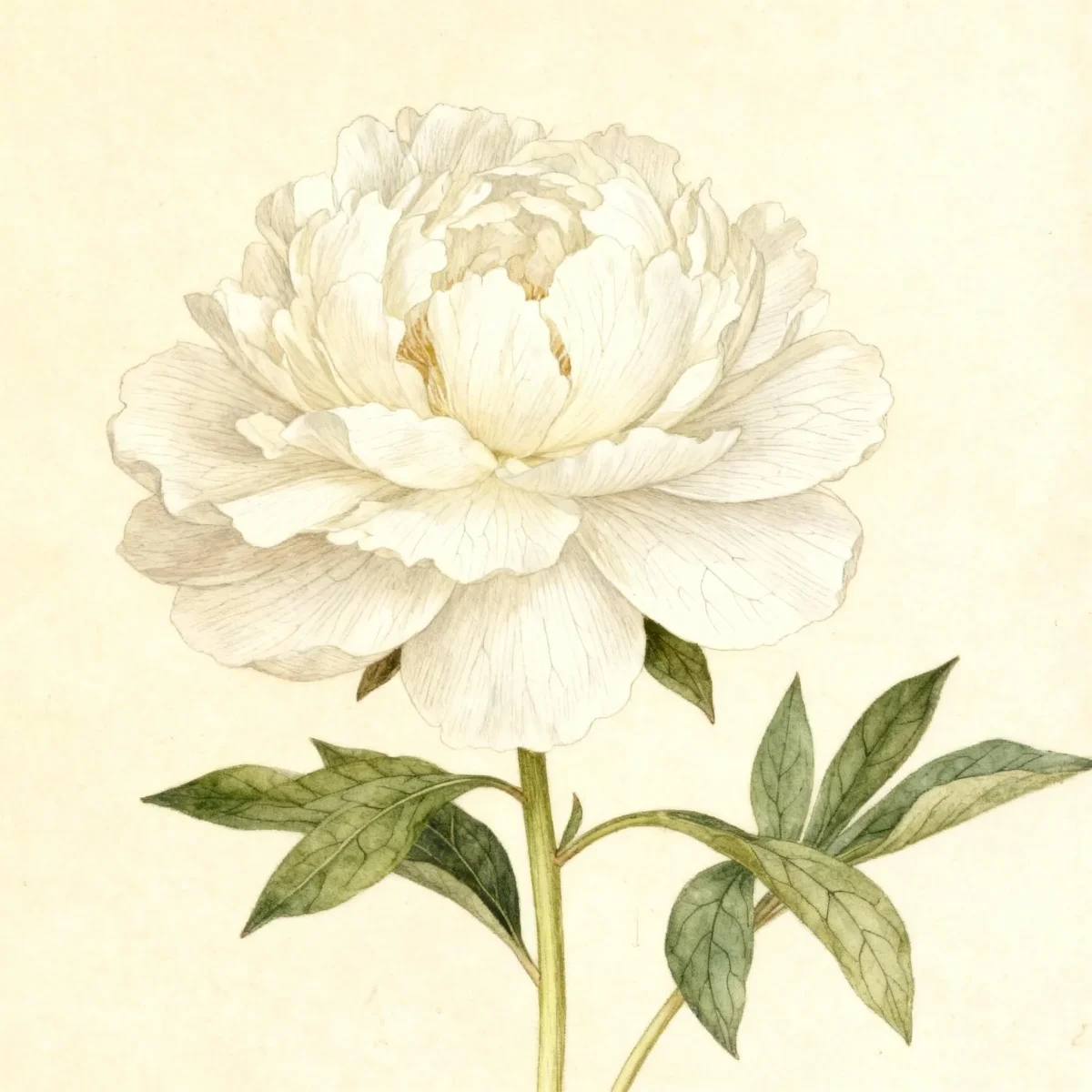
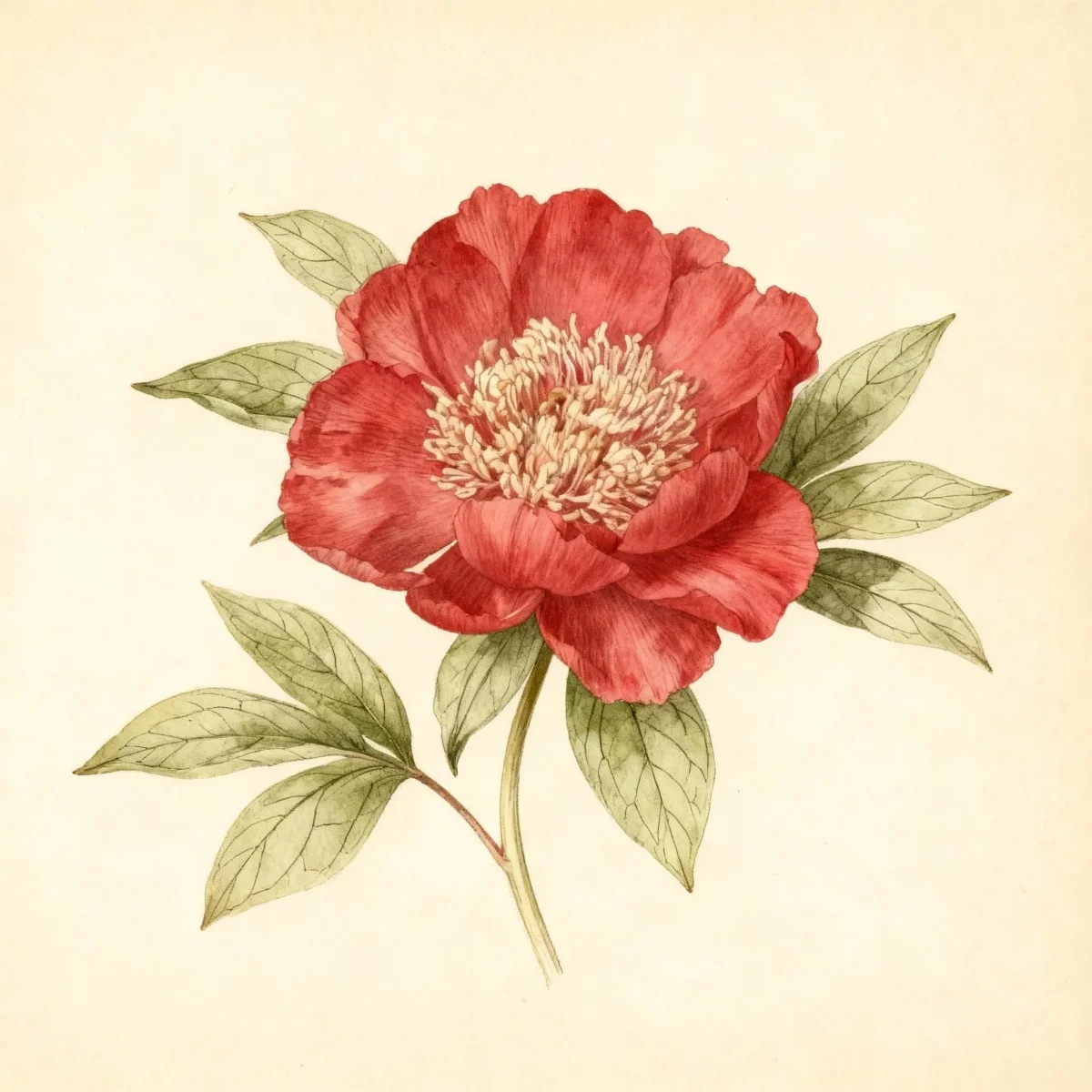
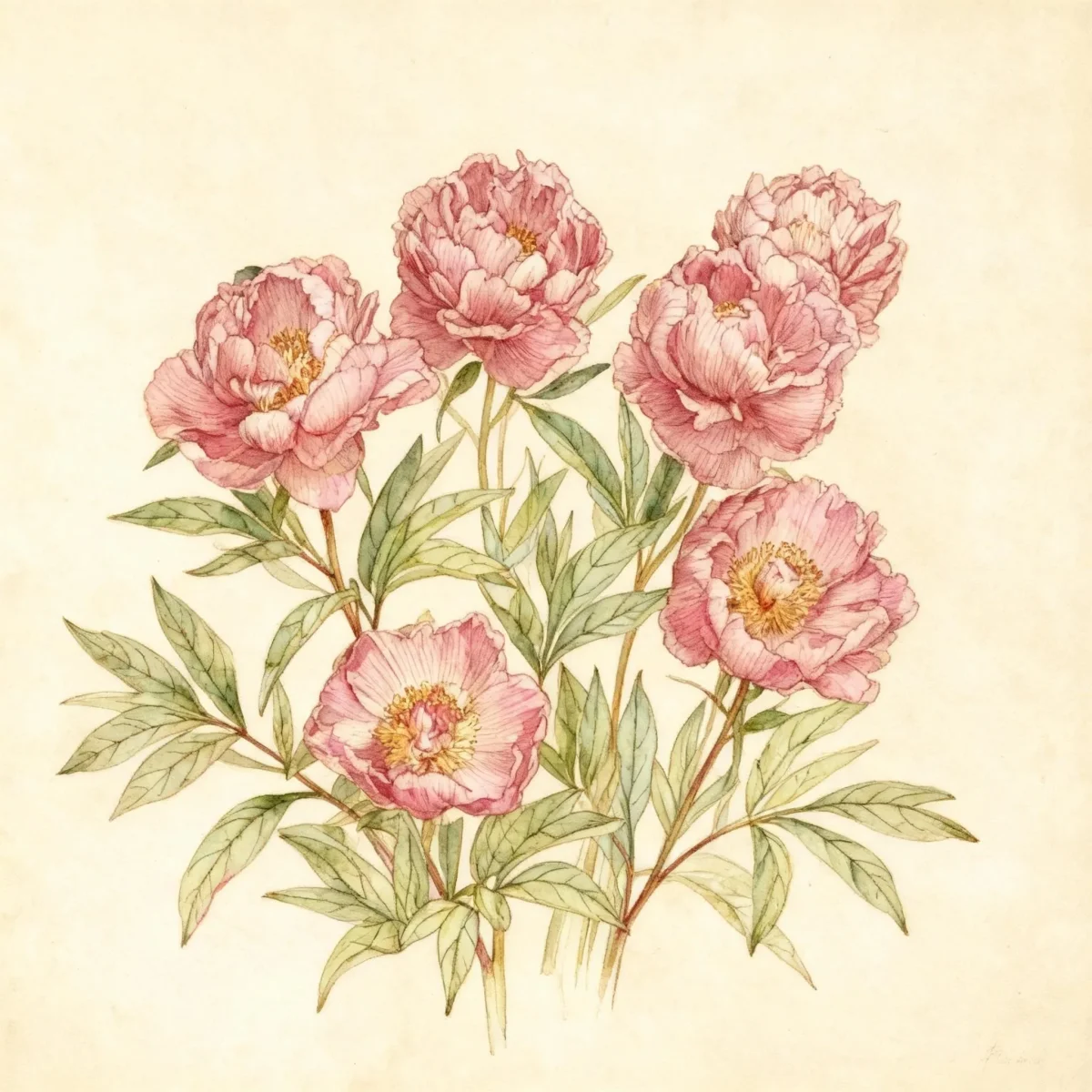
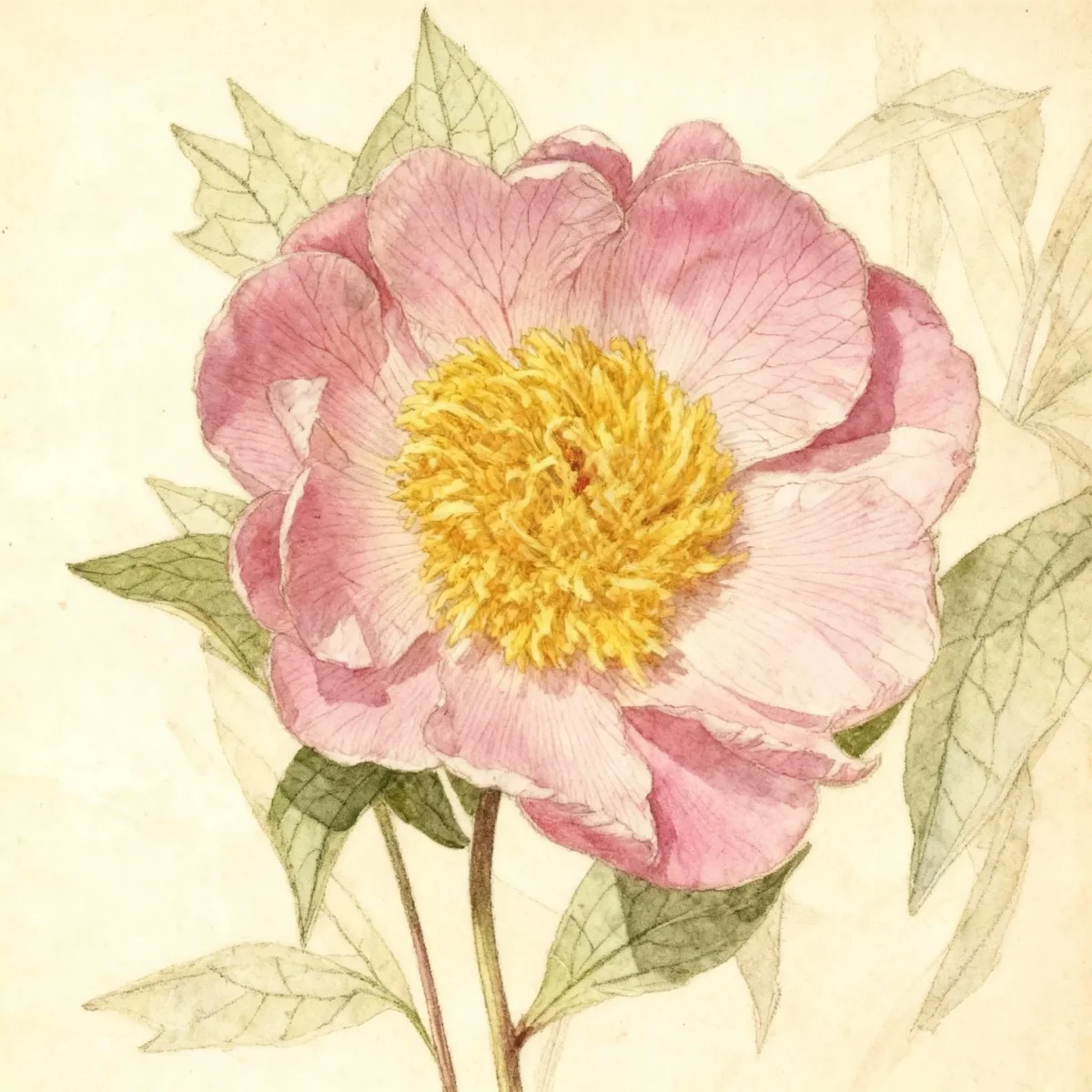
Paeonia lactiflora 'Kinda Cute' is a showy, fragrant herbaceous perennial Peony offering double deep pink blooms in mid to late season.
Scroll down to discover growing tips, care requirements, companion plants, and more
Complete Plant Information
Overview
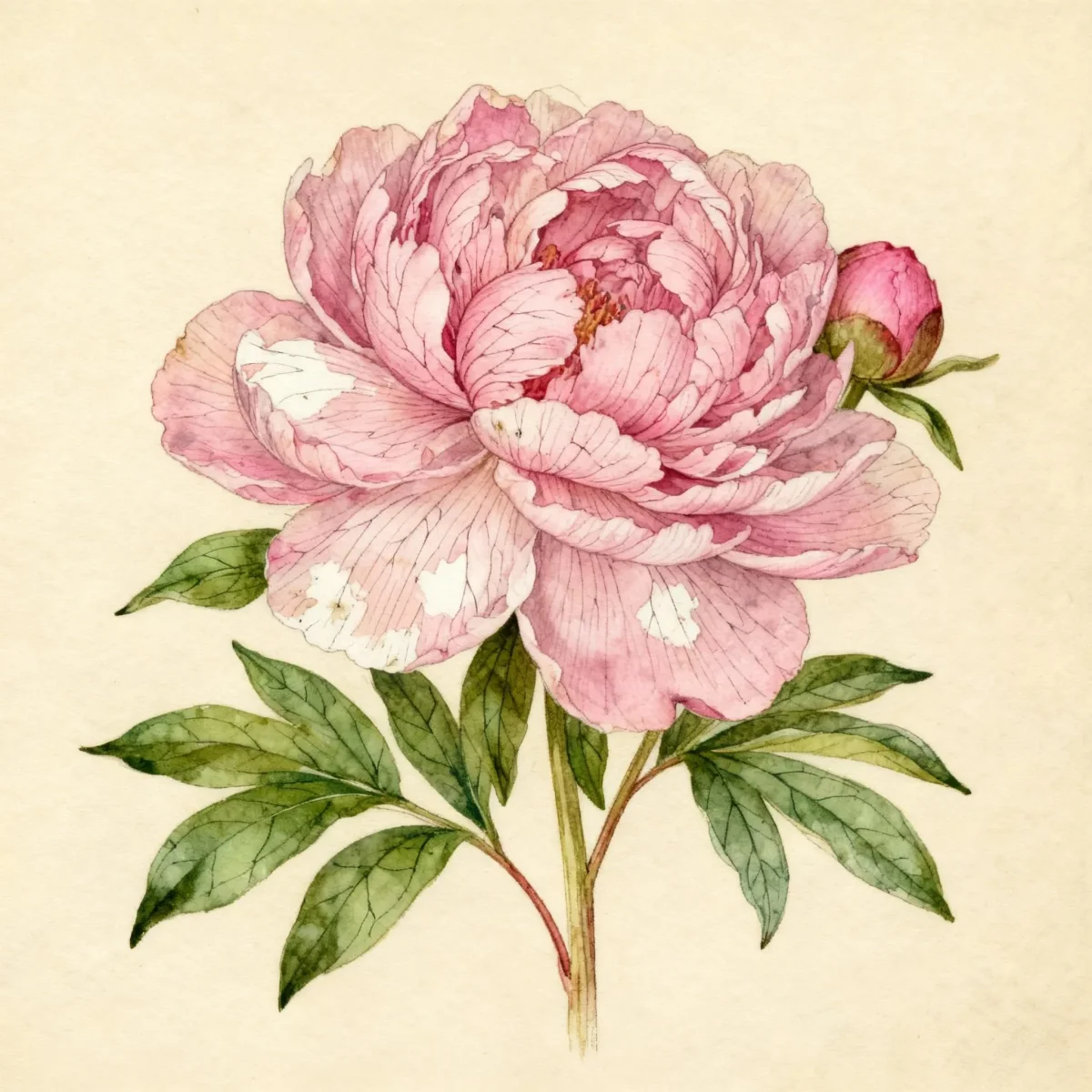
Paeonia lactiflora ‘Kinda Cute’ is a highly valued herbaceous perennial, offering gardeners the classic beauty associated with the Peony genus. This cultivar provides double deep pink blooms that are both showy and mildly fragrant, making it a standout in the late spring garden. As a long-lived plant, it establishes a reliable presence, returning year after year with dependable performance.
This shrub-like perennial typically reaches 2 to 2.5 feet tall, maintaining attractive green foliage throughout the summer and early fall before the stems die back after the first hard frost. The rich history of Paeonia lactiflora, dating back centuries in Asian horticulture, continues today through durable and beautiful cultivars like ‘Kinda Cute’.
Gardeners appreciate the substantial blooms of this Peony, which are excellent for cutting. Successful cultivation relies on proper planting depth and meeting its mid-season moisture needs, ensuring spectacular floral displays come early summer.
Fast Facts
- Plant Family: Paeoniaceae
- Plant Type: Herbaceous perennial
- Hardiness Zones: USDA Zones 3-8
- Size at Maturity:
- Height: 2-2.5 ft
- Spread: 2-2.5 ft
- Bloom Time: May
- Bloom Description: Pink
- Sun Exposure: Full sun to part shade
- Water Needs: Medium
- Maintenance Level: Medium
How to Grow
Plant Paeonia lactiflora ‘Kinda Cute’ in a location that receives full sun to part shade, especially appreciating some afternoon shade in hotter climates. They thrive in rich, well-drained soil with medium moisture levels. For peonies, correct planting depth is crucial; ensure the rootstock buds, referred to as ‘eyes’, are set approximately 2 inches below the soil surface. Adding compost during preparation benefits the soil structure and fertility.
Maintain medium water requirements, focusing on providing abundant moisture early in the growing season when active growth is occurring. While Peonies are long-lived and rarely need division, proper cleanup ensures good health. After the foliage dies back following the fall frost, cut the stems to the ground and remove them from the garden area.
Peonies require a cold winter dormant season to set buds successfully. In areas with minimal snow cover, applying a layer of mulch over the root zone in winter will help insulate the roots. Remember that named cultivars like Paeonia lactiflora ‘Kinda Cute’ will not reproduce true to type if grown from seed.
Landscape Uses
Peonies are foundational plants in traditional perennial borders, serving exceptionally well as specimen plants due to their striking, showy blooms. They create impressive visual anchors, either planted individually or in thoughtful groupings. Their substantial size also allows them to function effectively as informal herbaceous hedges lining driveways, sidewalks, or fences, providing structure when many other perennials are just starting out.
The dense summer foliage of the Peony remains attractive, framing or acting as a backdrop for later-blooming perennials, helping to mask fading spring bloomers. Position Paeonia lactiflora ‘Kinda Cute’ where its mid-to-late season pink flowers can be easily viewed and appreciated, perhaps near a frequently used pathway or seating area.
Standout Features
Flower Qualities
- Showy
- Fragrant
Noteworthy Characteristics
Paeonia lactiflora, commonly known as common garden peony or Chinese peony, is an erect, clump-forming, shrub-like, herbaceous perennial that typically grows to 20-30” tall on stems tinged with red. ‘Kinda Cute’ is particularly noted for its double deep pink blooms appearing mid- to late season. The plant features divided green foliage throughout the warmer months, adding consistent texture even when not in flower.
Tolerances
- Rabbit
- Deer
Potential Problems
Peonies are generally robust plants with few significant pest issues. Ants commonly swarm the buds, but they are present to sip nectar and cause no harm to the flower development itself. Common diseases include Botrytis blight and Phytopthora blight, which require good air circulation and avoiding overly wet conditions to manage.
If your Paeonia lactiflora ‘Kinda Cute’ fails to bloom, potential causes often relate to planting depth (too shallow or too deep) or insufficient winter chilling. Recently moved plants may also skip blooming for a year or two. Prone to flopping after heavy rain, large blooms may benefit from temporary staking or support during inclement weather. Powdery mildew can appear on the leaves late in the season, which, while unsightly, doesn’t harm the long-term health of the Peony.
Frequently Asked Questions
What hardiness zones is Peony suitable for?
Paeonia lactiflora ‘Kinda Cute’ performs best in USDA Zones 3 through 8, though optimal blooming is often seen in Zones 5-7.
How large does Peony grow?
This herbaceous perennial typically matures to a height between 2 and 2.5 feet, with a similar spread of 2 to 2.5 feet.
When does Peony bloom?
This specific cultivar typically shows its pink blooms in mid- to late season, often around late May, providing excellent color toward the end of the main Peony blooming period.
What sun exposure does Peony need?
Paeonia lactiflora ‘Kinda Cute’ thrives in full sun but benefits greatly from part shade, especially in hotter regions where afternoon shade can prevent stress.
Conclusion
Paeonia lactiflora ‘Kinda Cute’ is a treasured addition for any gardener seeking reliable, high-impact spring color combined with resilient, attractive foliage. Its strong growth habit and resistance to common pests make this Peony a low-stress performer once established. Before planting, verify that your location falls within USDA Zones 3-8 and plan to plant those crucial root eyes just 2 inches deep for the best flowering success next May.
Companion Planting
Since Peonies require rich, well-drained soil and benefit from support for their heavy blooms, consider companion plants that enjoy similar conditions but fill in later in the season. Hostas and Siberian Irises (Iris sibirica) thrive near Peonies, offering textural contrast to the broad Peony leaves without competing too heavily for nutrients during the bloom phase. Avoid planting shallow-rooted annuals too close, as they may deplete surface moisture needed by the Peony roots early on.
Seasonal Care Calendar
Spring care for Paeonia lactiflora ‘Kinda Cute’ centers on moisture. Ensure plants receive ample water as new growth emerges and the flower buds develop, as good spring hydration dictates bloom quality. Immediately after the mid-to-late season bloom finishes, deadhead the spent flowers to keep the garden tidy and redirect the plant’s energy into foliage and root development for next year. Keep an eye out for ants on the buds, remembering these are harmless visitors.
Fall cleanup is vital for perennial health. Once the foliage has been blackened by frost, cut all stems down to ground level and discard the material away from the garden to prevent overwintering fungal spores. In late fall, applying a light layer of mulch over the root zone provides necessary winter protection, especially in colder or drier winter climates, ensuring your fabulous Peony is ready to emerge next year.