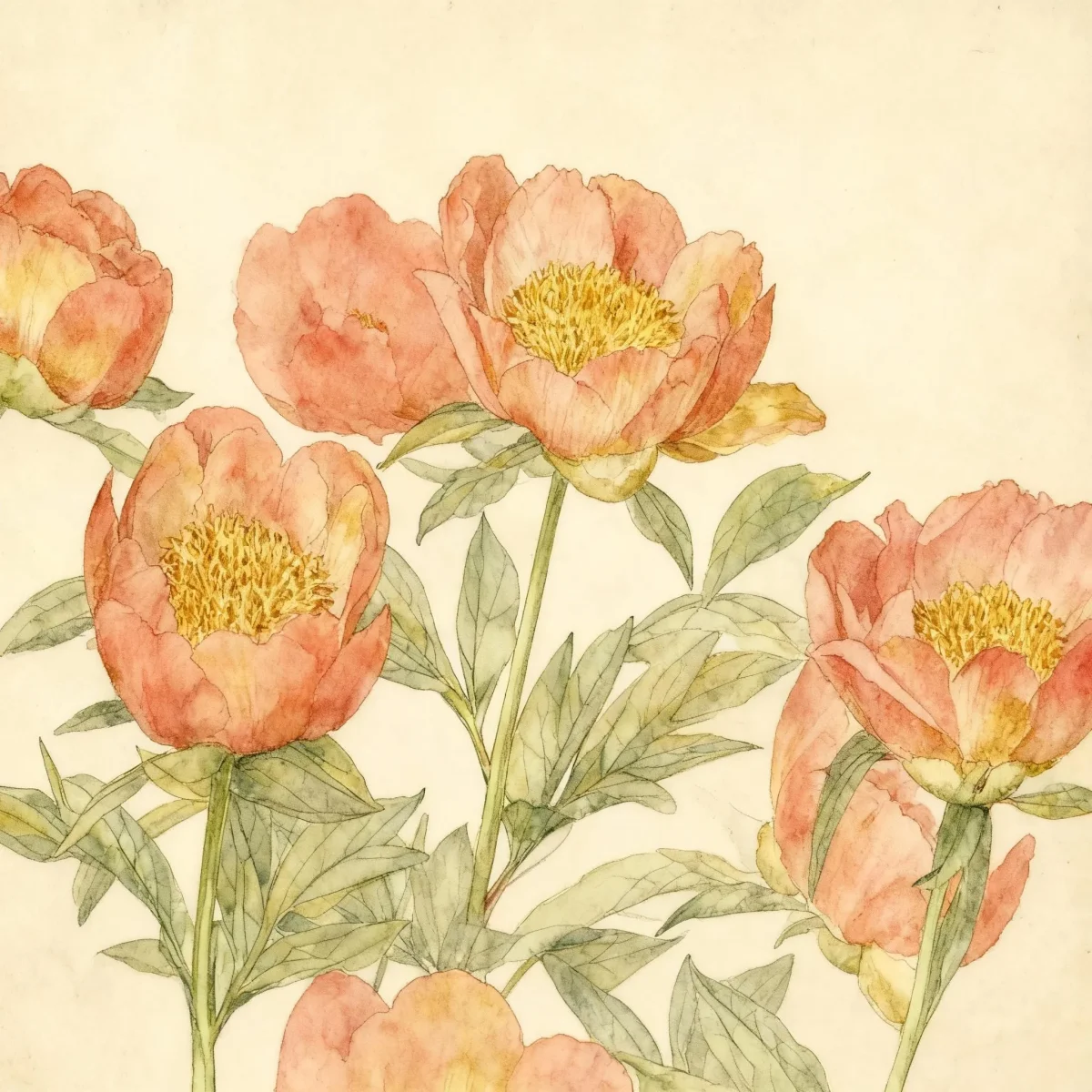
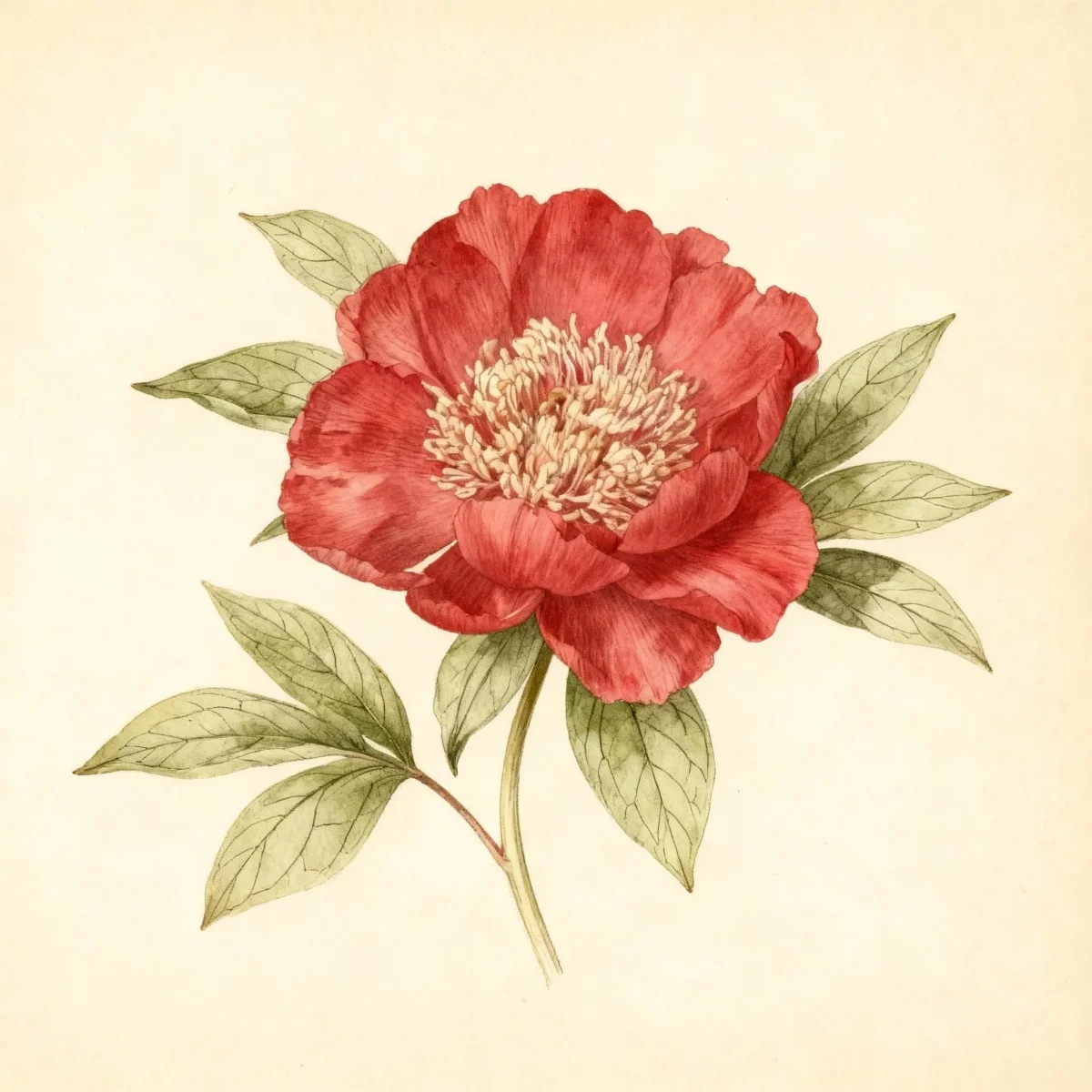
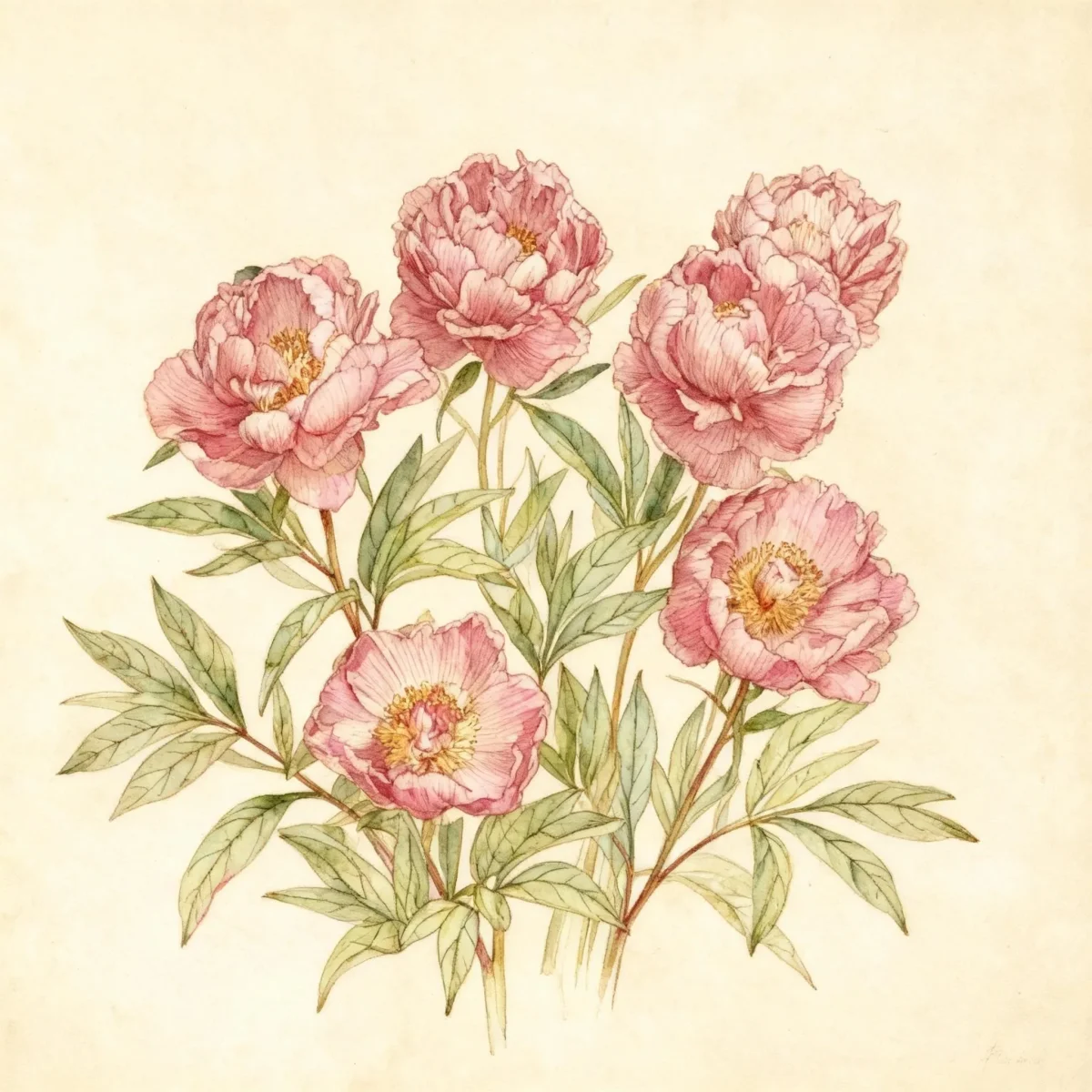
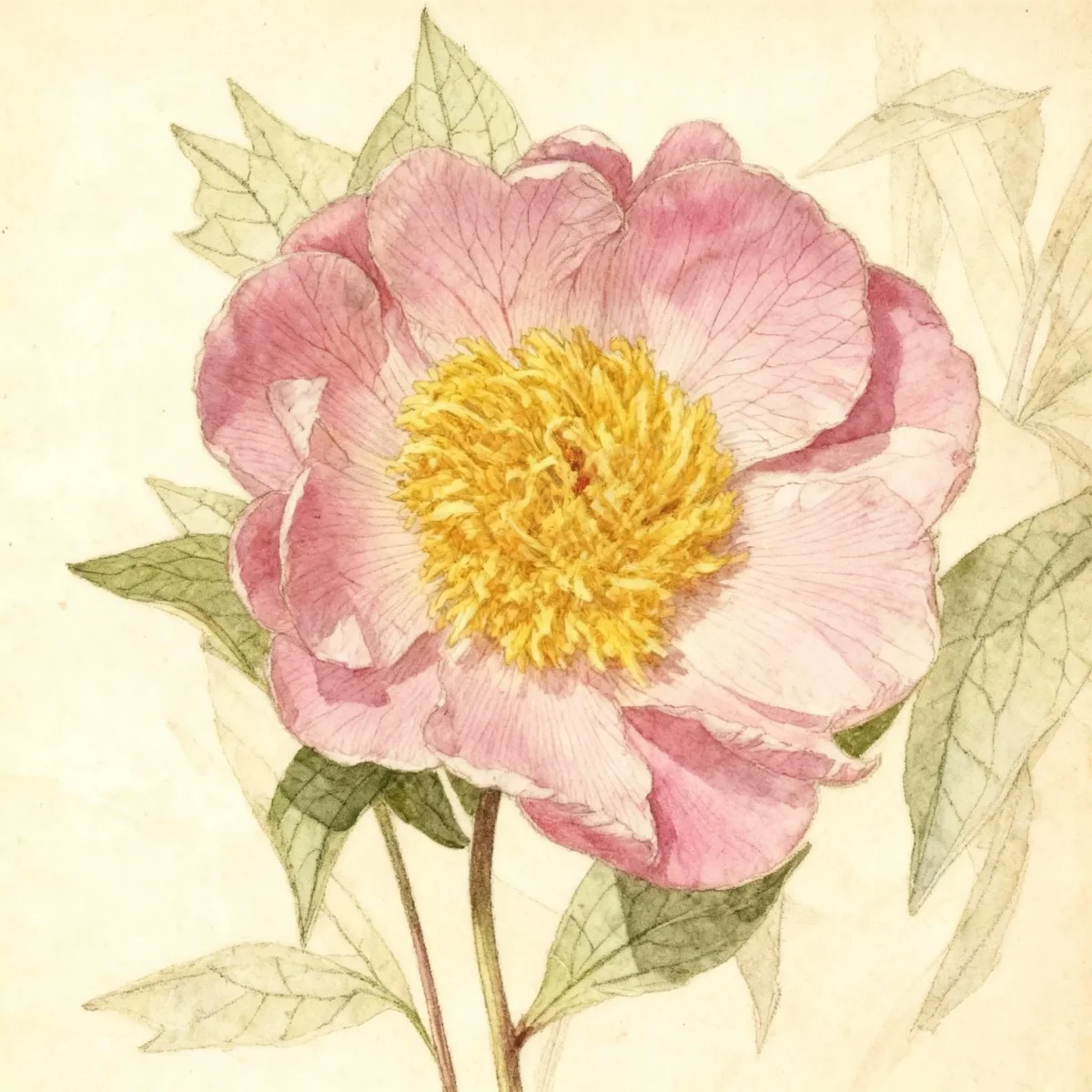
Peony (Paeonia lactiflora 'Marshmallow Button')
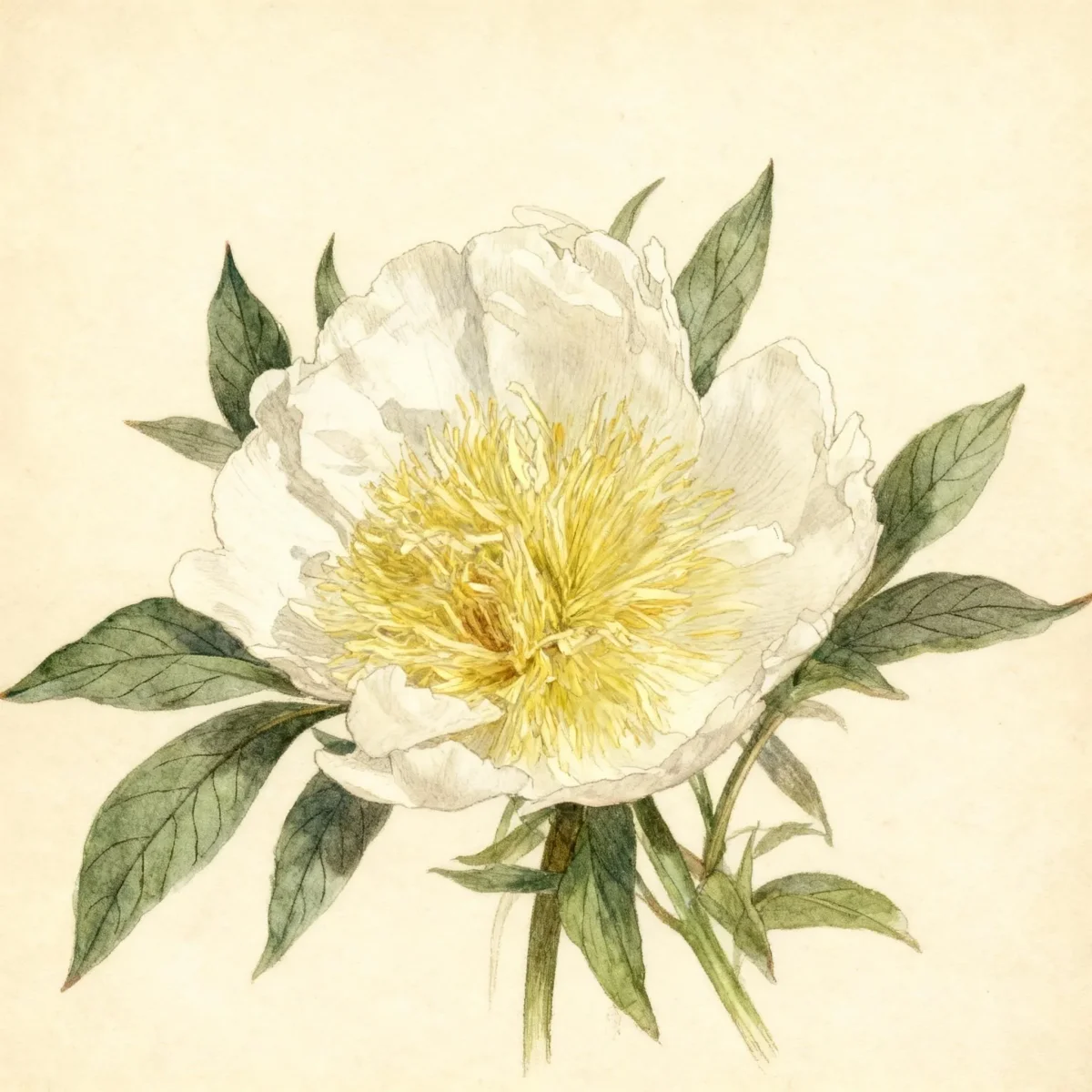
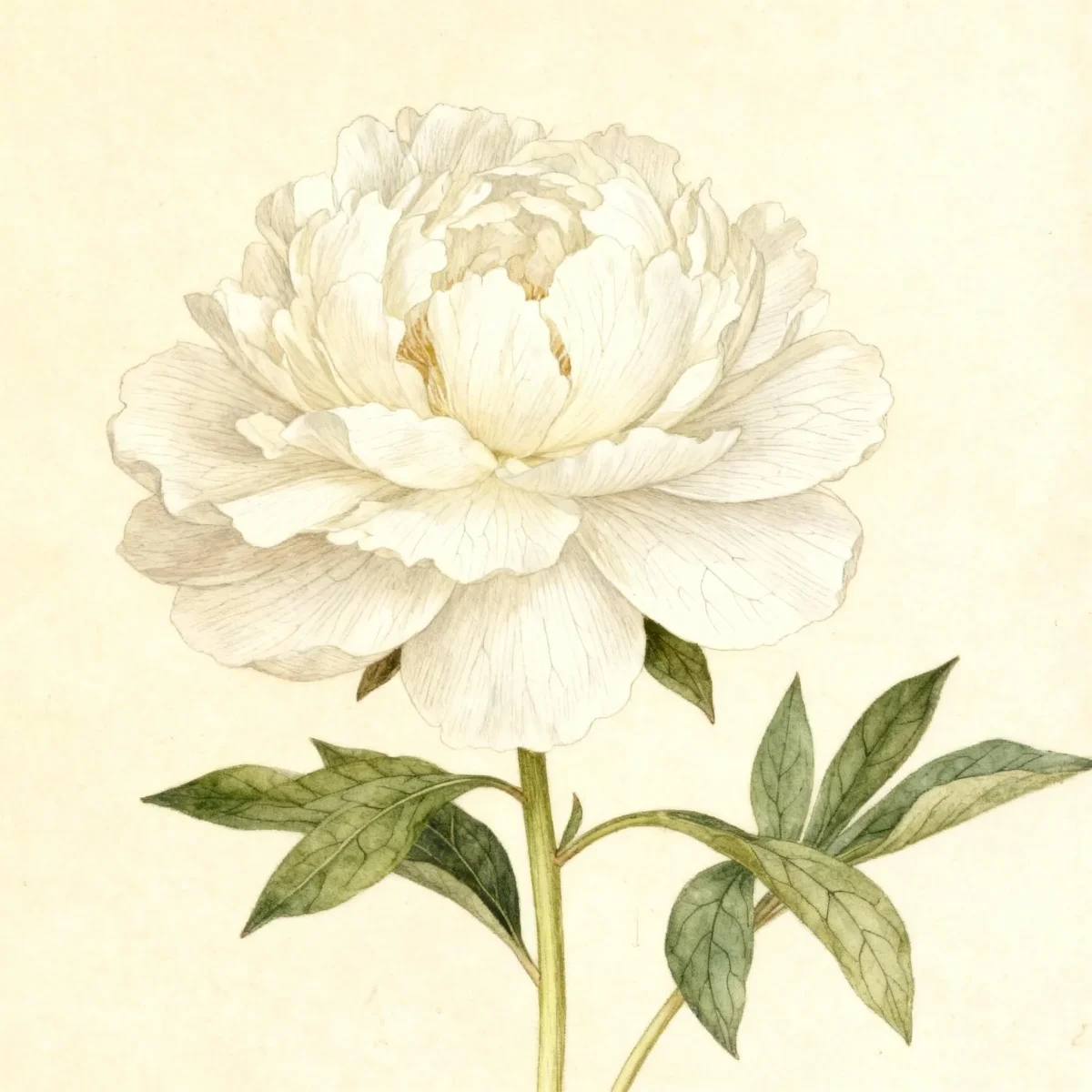
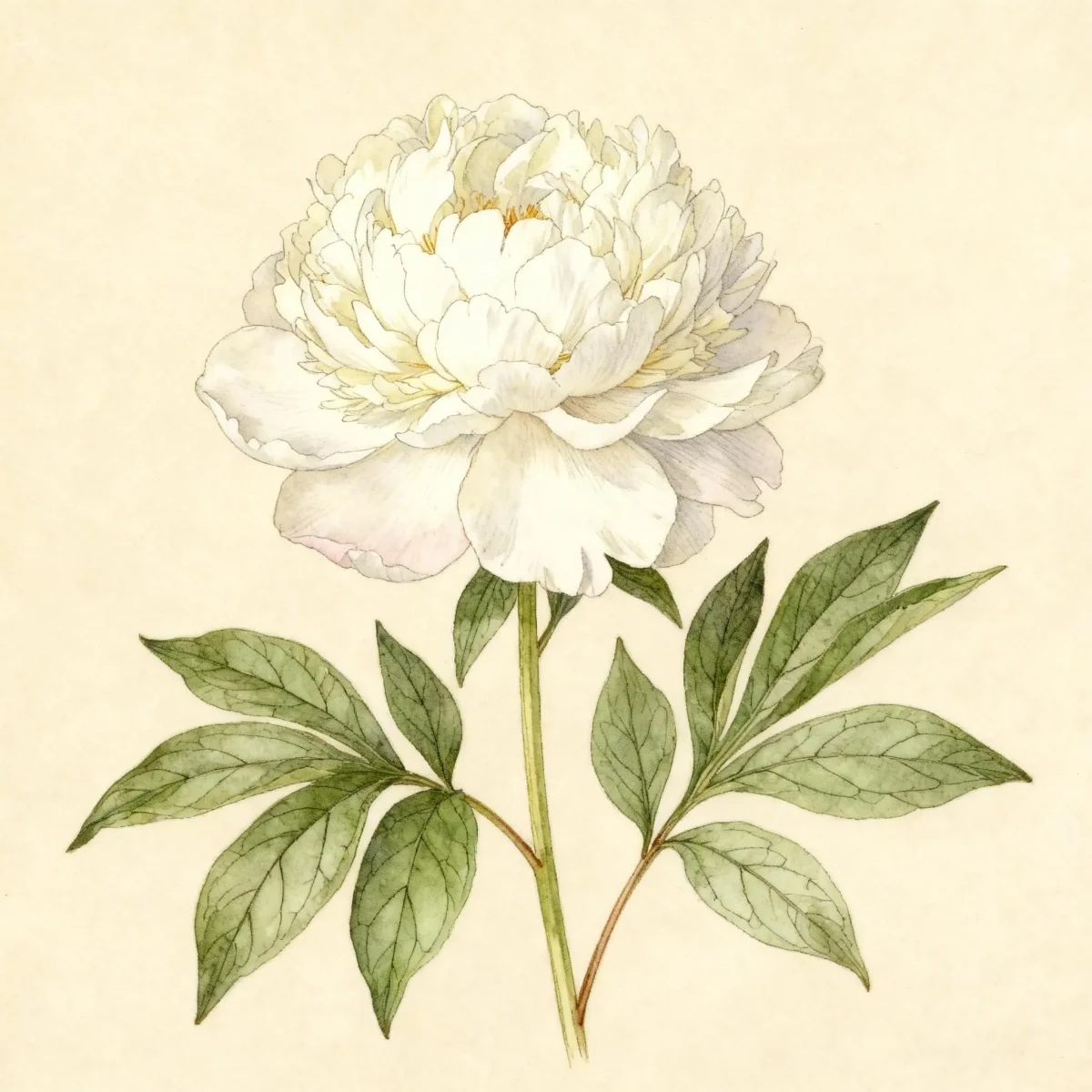
The Paeonia lactiflora 'Marshmallow Button' Peony offers showy, fragrant white blooms in May. This reliable perennial thrives in Zones 3-8.
Scroll down to discover growing tips, care requirements, companion plants, and more
Complete Plant Information
Overview
The Paeonia lactiflora ‘Marshmallow Button’ stands out as a classic choice for perennial borders, prized for its shrub-like form and stunning mid-season flowers. This herbaceous perennial, commonly known as a Peony, delivers fragrant, showy white blooms that signal the height of late spring. Gardeners value this cultivar for its long-lived nature and its ability to provide consistent structure and color without demanding constant division or attention.
This specific Peony cultivar is a robust performer, typically growing 1.5 to 2 feet tall and wide. While blooming only lasts about a week to ten days in May, the deep green foliage remains attractive throughout the summer and into the fall until frost kills the top growth. This reliable cycle makes the Paeonia lactiflora ‘Marshmallow Button’ a foundational element in traditional garden designs.
For optimal performance, ensure the location provides sufficient light and respects the plant’s need for a distinct cold dormant period. When sited correctly, this Peony requires medium moisture and relatively low maintenance, rewarding the gardener with decades of dependable spring spectacle.
Fast Facts
- Plant Family: Paeoniaceae
- Plant Type: Herbaceous perennial
- Hardiness Zones: USDA Zones 3-8
- Size at Maturity:
- Height: 1.5-2 ft
- Spread: 1.5-2 ft
- Bloom Time: May
- Bloom Description: White
- Sun Exposure: Full sun to part shade
- Water Needs: Medium
- Maintenance Level: Medium
How to Grow
Planting should occur when the dormant rootstock is available, ensuring the eyes (rootstock buds) are placed no deeper than 2 inches below the soil surface. Paeonia lactiflora ‘Marshmallow Button’ thrives in rich, fertile, and well-drained soils. While full sun is preferred, especially in cooler climates, these Peonies appreciate some afternoon shade in hotter summer regions to protect the blooms. Incorporate ample compost before planting to build that rich soil base.
Maintain medium soil moisture, paying special attention to providing abundant water during the early part of the growing season when the plant is actively developing buds and foliage. These long-lived plants rarely require dividing or transplanting if sited well initially. In colder areas where snow cover is sparse, applying mulch over the root area in winter helps insulate against extreme freeze-thaw cycles.
After the spectacular peony bloom period, remove spent flowers to tidy the appearance. Late in the fall, once hard frost has occurred, cut all foliage down to the ground and remove it from the garden space. Remember, this late-blooming species, like many Peonies, requires that essential cold winter rest period to properly set buds for the following season.
Landscape Uses
Peonies serve as enduring standards in the perennial border due to their excellent structure and long lifespan. Paeonia lactiflora ‘Marshmallow Button’ works beautifully when planted in groups or utilized as a stately specimen plant, offering high visual impact. Their robust nature makes them ideal candidates for defining pathways, bordering driveways, or acting as permanent vertical accents against walls or fences.
As an herbaceous hedge, a row of these Peonies creates a soft yet controlled boundary that softens hardscape edges. Their exceptionally showy flowers are best viewed up close, suggesting placement near seating areas or entryways. Once the bloom fades, the attractive green foliage provides a sturdy, non-invasive backdrop framing later-season perennials.
Standout Features
Flower Qualities
- Showy
- Fragrant
Noteworthy Characteristics
Paeonia lactiflora, commonly known as common garden peony or Chinese peony, is an erect, clump-forming, shrub-like, herbaceous perennial that typically grows to 20-30” tall on stems tinged with red. ‘Marshmallow Button’ specifically features fragrant, double white blooms that appear in mid-season, usually late May. This species has deep historical significance, having been cultivated in China since the 7th century, and the classic Peony is renowned for its tuberous roots and attractive, divided green foliage.
Tolerances
- Rabbit
- Deer
Potential Problems
Peonies are generally robust plants, considered relatively pest-free compared to many flowering specimens. However, watch for fungal issues like Botrytis blight or Phytophthora blight, particularly in overly damp conditions. Ants frequently congregate on peony buds; these are harmless and often leave once the flower opens.
A common issue for new growers is non-blooming. If your Paeonia lactiflora ‘Marshmallow Button’ fails to flower, check if it was planted too deeply—the eyes must be shallow—or if late frosts killed the developing buds. Large peony blooms, including semi-doubles, sometimes benefit from staking, as heavy rain can weigh them down toward the soil.
If the foliage appears dusty in the fall, this is likely powdery mildew, which is unsightly but does not harm the established Peony plant; you may trim it back after the first heavy frost. Fortunately, pests like deer and rabbits typically avoid chewing on the foliage of this hardy classic.
Frequently Asked Questions
What hardiness zones is Peony suitable for?
The Paeonia lactiflora ‘Marshmallow Button’ is reliably hardy across USDA Zones 3 through 8, though it performs best in Zones 5-7.
How large does Paeonia lactiflora ‘Marshmallow Button’ grow?
This Peony typically matures to a height between 1.5 and 2 feet, with a similar spread ranging from 1.5 to 2 feet.
What sun exposure does Peony need?
This plant prefers full sun but will tolerate part shade, especially in hot climates where afternoon shade can be beneficial.
When does Peony bloom?
The bloom time for this cultivar is May, featuring white, fragrant flowers.
Conclusion
The Paeonia lactiflora ‘Marshmallow Button’ remains a treasured, long-lived perennial, offering exceptional spring fragrance and showy white blooms that anchor any garden design. Its combination of deer and rabbit resistance, coupled with its low division needs, makes this Peony a superb investment for decades of seasonal beauty. Before planting, confirm your garden fits within USDA Zones 3-8 and focus on providing rich, well-drained soil to ensure this classic beauty thrives.
Companion Planting
Selecting companions that share similar cultural needs heightens the success of integrating your Paeonia lactiflora ‘Marshmallow Button’ into the border. Because peonies bloom relatively early (mid-season) and their foliage declines after fall frost, strategic planting ensures successive interest. Pair them with summer-blooming perennials like tall Salvia, Veronica, or Catmint (Nepeta), which will grow up and fill the space left behind as the peony foliage disappears.
Consider groundcovers that are not overly aggressive near the crown of the Peony. Creeping Thyme or hardy Geranium varieties work well at suppressing weeds without competing too heavily for surface moisture or nutrients needed by the robust peony roots. Always leave adequate space around the base to ensure good air circulation, which is vital for preventing the occasional fungal issues common to established Peonies.
Seasonal Care Calendar
Spring is focused on careful hydration; ensure the Paeonia lactiflora ‘Marshmallow Button’ receives medium, consistent watering, especially as new shoots emerge and buds swell. Avoid disturbing the crown area once growth begins. Deadheading spent flowers promptly after bloom will keep the garden tidy, but avoid cutting the foliage back at this time.
In late summer and early fall, focus shifts toward cleanup and preparation for dormancy. Once the first hard frost hits, prune the sturdy stems of your Peony down to the ground level and remove the debris from the garden to minimize overwintering fungal spores. Finally, in cold zones (Zones 3 and 4), a light layer of mulch over the root area provides insulation throughout the winter dormant phase.