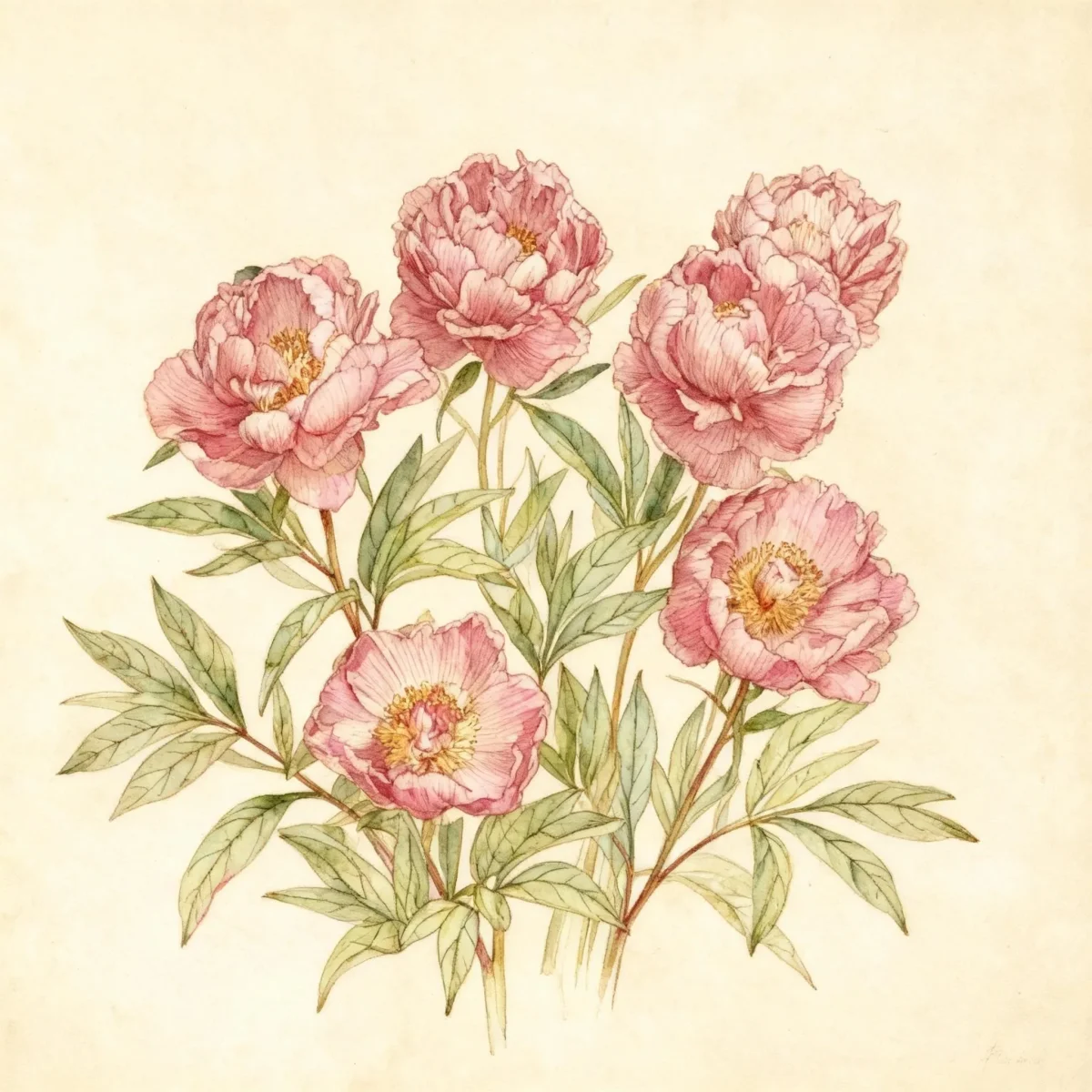
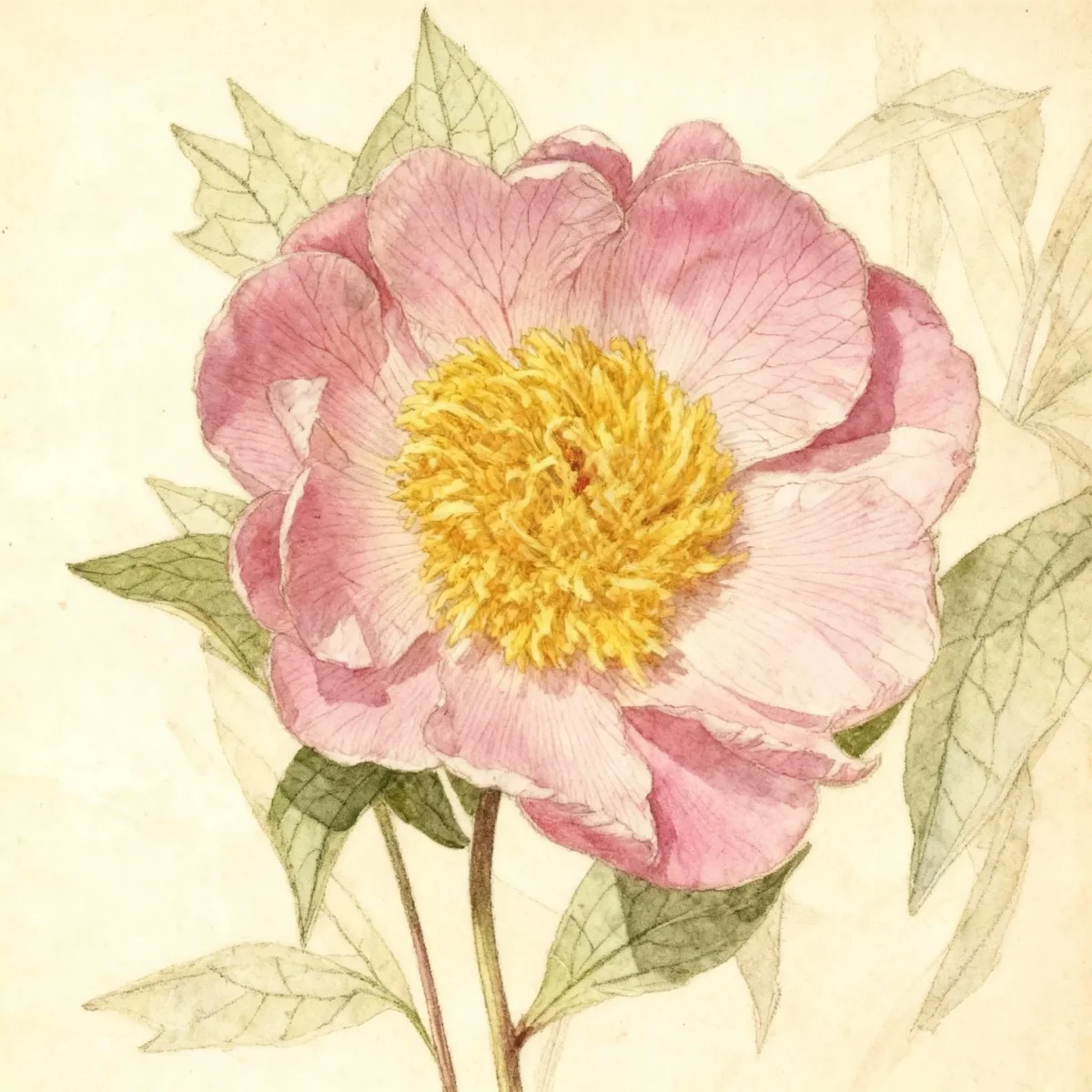
Peony (Paeonia lactiflora 'Raspberry Rumba')
Paeonia lactiflora 'Raspberry Rumba' Peony offers showy, mid-season blooms, creamy white streaked with raspberry, ideal for zones 3-8.
Scroll down to discover growing tips, care requirements, companion plants, and more
Complete Plant Information
Overview
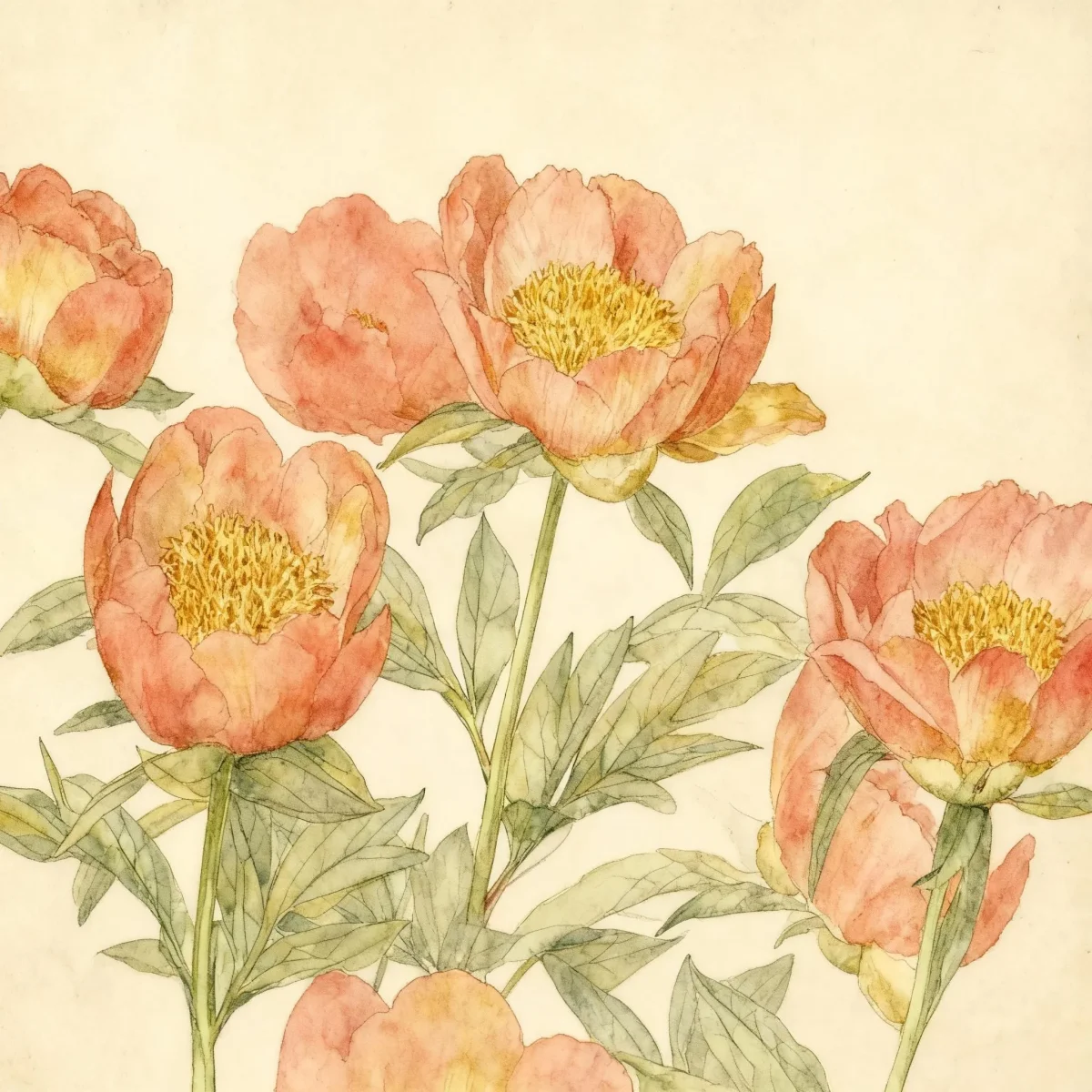
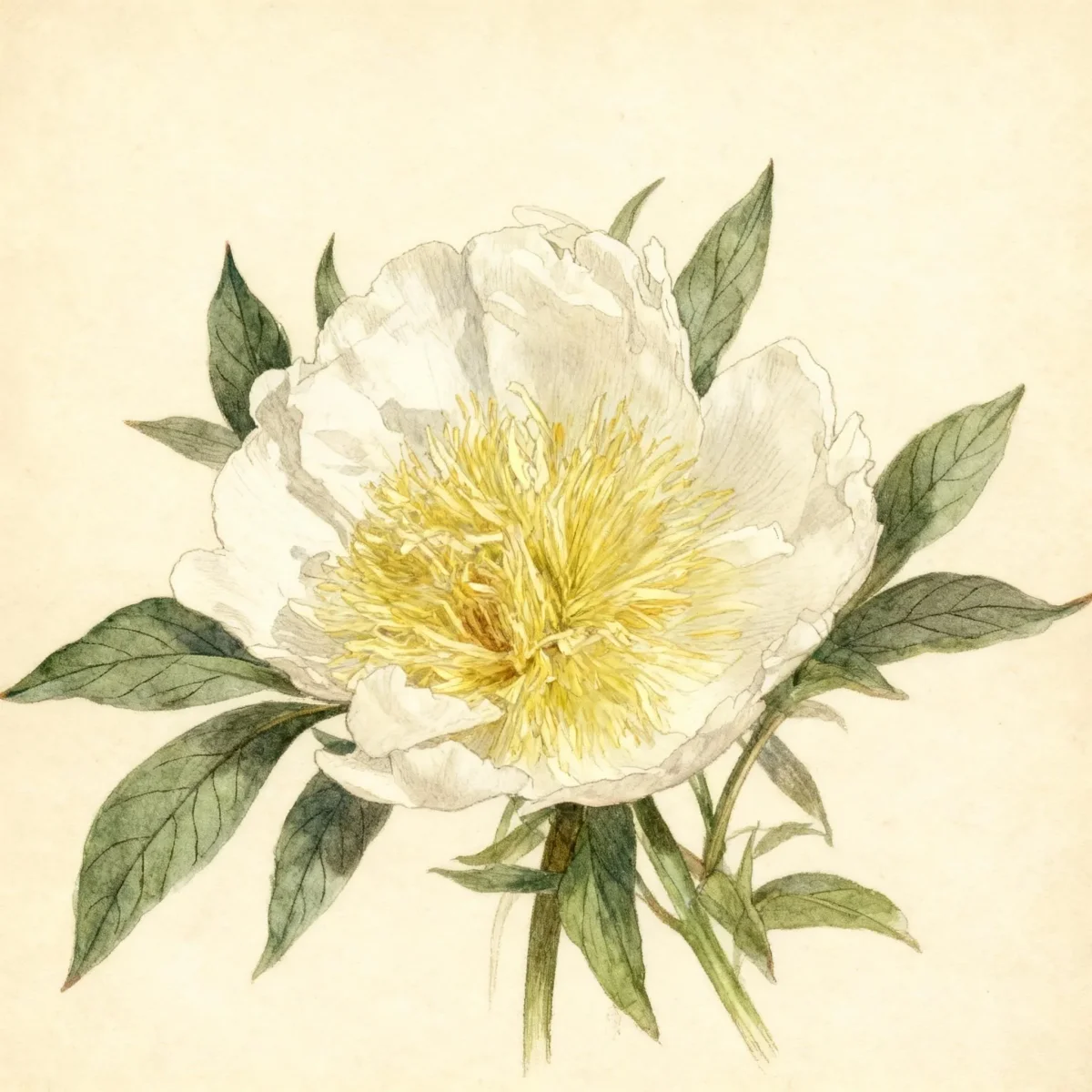
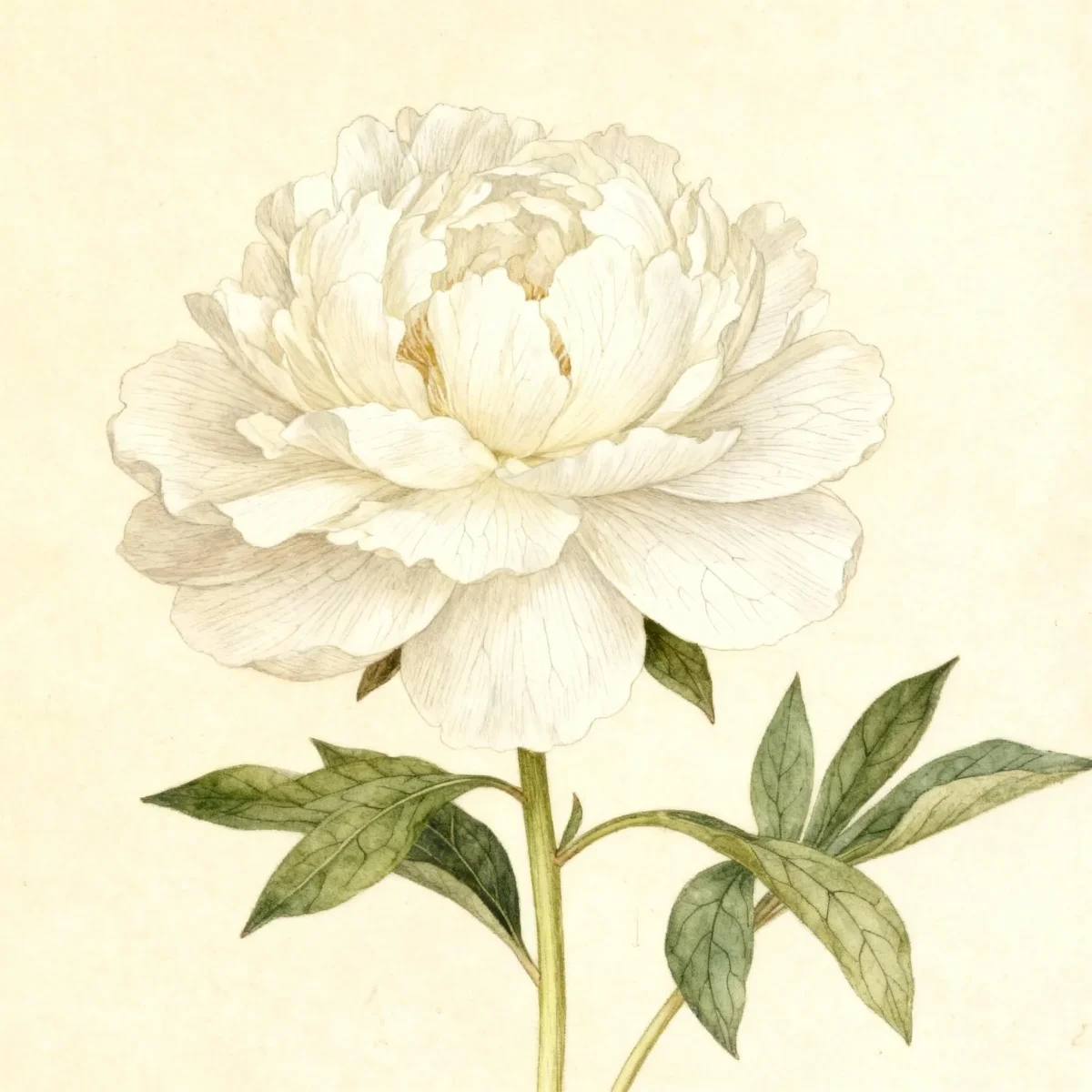
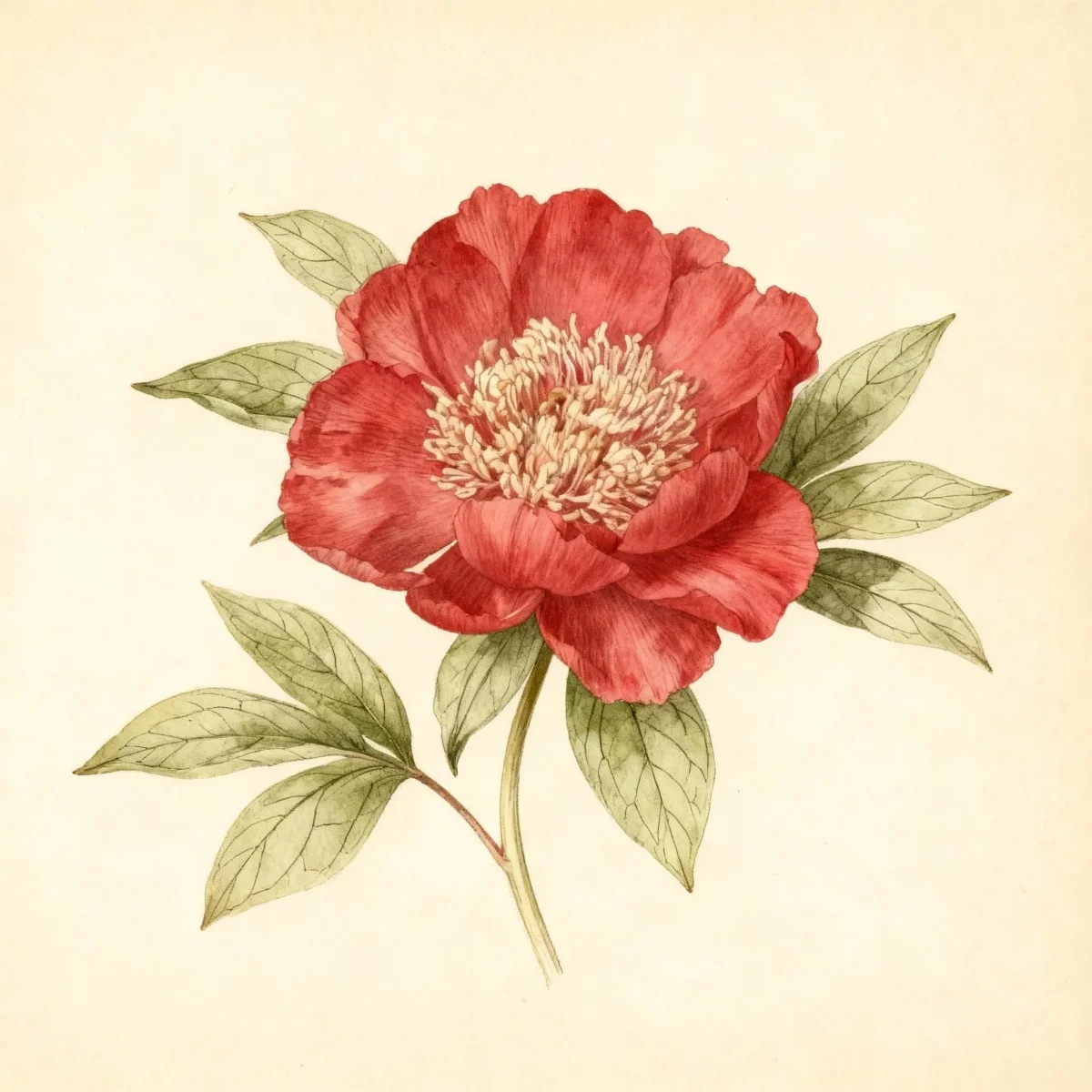
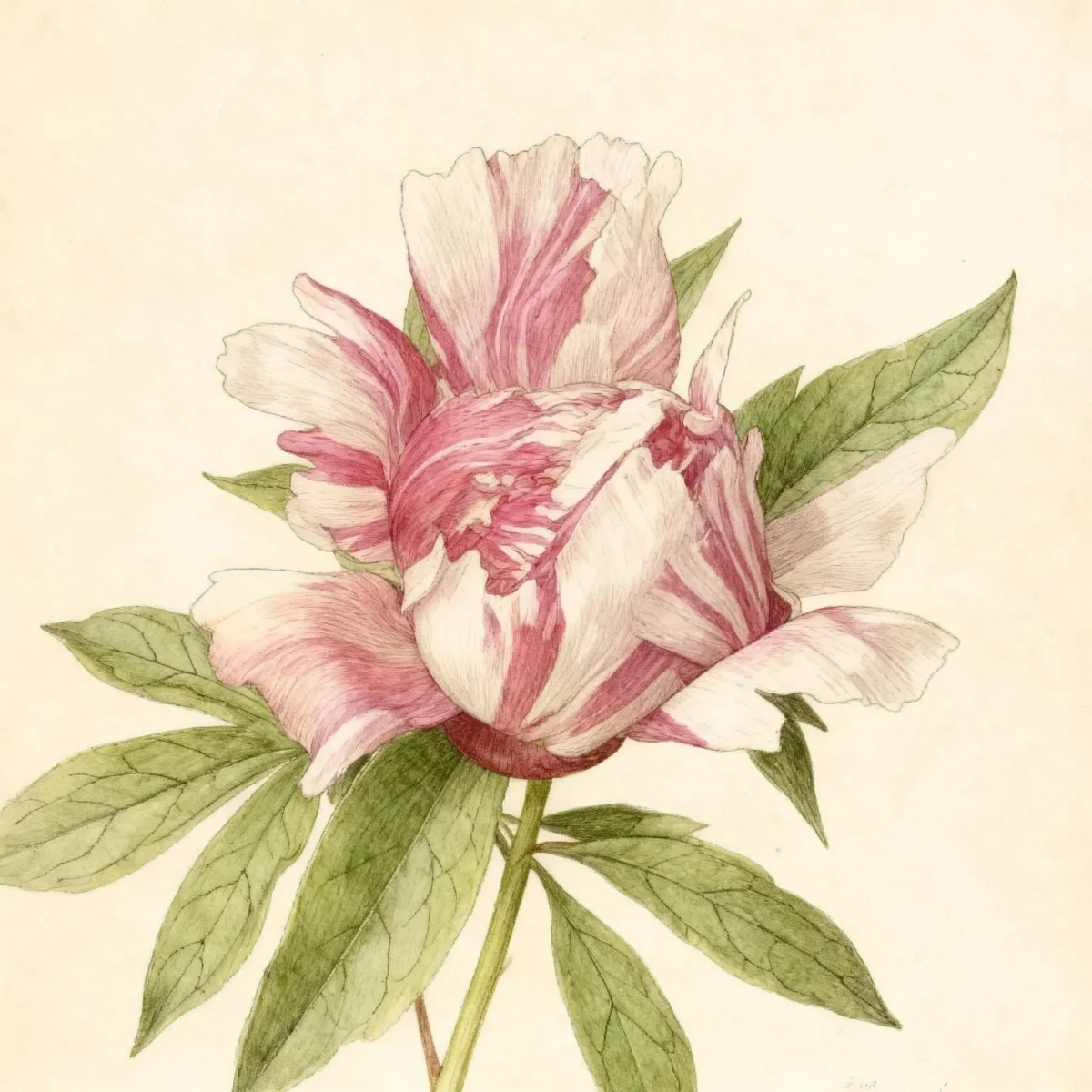
The Paeonia lactiflora ‘Raspberry Rumba’ Peony is a highly sought-after herbaceous perennial treasured for its unique, stunning blooms. This variety stands out with single flowers that boast twisted creamy white petals vividly streaked with raspberry hues, contrasting beautifully against bright yellow stamens. As a long-lived classic in the garden, this Peony provides reliable structure and color, thriving across a wide range of Northern climates.
Paeonia lactiflora ‘Raspberry Rumba’ offers robust, mid-season flowering typically occurring in May, giving gardeners a beautiful display for about 7-10 days annually. While the blooms are the highlight, the deep green, divided foliage remains attractive throughout the summer and early fall, offering excellent backdrop texture before the stems die back completely after the first hard frost.
Gardeners appreciate this Peony for its relatively low maintenance once established and its resistance to common garden pests like rabbits and deer. Careful placement in a sunny spot with rich, well-drained soil ensures years of dependable performance from this shrubby perennial.
Fast Facts
- Plant Family: Paeoniaceae
- Plant Type: Herbaceous perennial
- Hardiness Zones: USDA Zones 3-8
- Size at Maturity:
- Height: 2.5-3 ft
- Spread: 2-2.5 ft
- Bloom Time: May
- Bloom Description: Creamy white streaked with raspberry
- Sun Exposure: Full sun to part shade
- Water Needs: Medium
- Maintenance Level: Medium
How to Grow
Planting should occur in early autumn when the plants are dormant, ensuring the perennial has time to establish roots before winter sets in. Select a location offering full sun to light part shade; afternoon shade is highly beneficial in hotter summer climates. Paeonia lactiflora ‘Raspberry Rumba’ requires rich, fertile, medium moisture, well-drained soil. Incorporate compost before planting, ensuring the rootstock buds (eyes) are situated approximately 2 inches below the soil surface for successful flowering.
Watering should be consistent, providing abundant moisture during the early growing season when the plant is producing its impressive spring growth and flowers. While these peonies are long-lived and should not be divided frequently, they benefit greatly from consistent moisture upkeep. They readily perform best across USDA Zones 5-7, though they should establish well into Zone 8.
Cultural care is straightforward. Although the flowers are showy, the large blooms may occasionally require staking or support to prevent arching after heavy rain. After flowering concludes, remove spent blooms. The foliage should be cut back entirely to the ground only after a killing frost in the fall, returning the garden’s energy to the root system for the next season.
These plants require a cold winter dormant season to thrive. In areas with minimal snow cover, adding a layer of protective mulch over the root area in winter is recommended for insulation. Remember that named cultivars, like Paeonia lactiflora ‘Raspberry Rumba’, will not grow true to type if started from seed.
Landscape Uses
Peonies are foundational plants in traditional perennial borders, serving equally well as formal specimen accents or massed plantings for greater impact. The structural form of this Peony makes it excellent for defining the edge of a walkway or driveway, acting as a low, temporary herbaceous hedge that screens less attractive foundational structures. Foliage remains green and attractive throughout summer, serving as a reliable backdrop for shorter, mid-to-late summer blooming perennials.
Because of their upright structure, these peonies pair well with complementary textures that fill in after their bloom period ends, such as large ornamental grasses or hardy hostas, which can mask any potential late-season issues on the peony foliage. Consider planting them alongside complementary mid-season bloomers to extend the flowering season across the garden border, making sure to account for the mid-season bloom time of Paeonia lactiflora ‘Raspberry Rumba’.
Standout Features
Flower Qualities
- Showy
Noteworthy Characteristics
Paeonia lactiflora, commonly known as common garden peony or Chinese peony, is an erect, clump-forming, shrub-like, herbaceous perennial. The cultivar ‘Raspberry Rumba’ features spectacular single blooms, sometimes compared to the cactus/dahlia type, showcasing twisted creamy white petals heavily streaked with raspberry and centered with bright yellow stamens. This variety flowers in mid-season and maintains attractive deep green foliage throughout the summer until frost causes the stems to die back to the ground.
Tolerances
- Rabbit
- Deer
Potential Problems
Peonies are generally hardy and resist most pests, though gardeners should monitor for Botyrtis blight and Phytopthora blight, particularly in overly wet conditions. Ants are commonly observed crawling on the flower buds; these are harmless and are typically attracted to the nectar. If your Peony fails to bloom, check planting depth—eyes planted too deep or too shallow are common causes—or ensure the plant receives adequate sun exposure.
For bloom support, large semi-double flowers on Paeonia lactiflora ‘Raspberry Rumba’ may occasionally need staking as they can arch strongly towards the ground, especially after rain. While powdery mildew can appear on leaves late in the season, it typically does not harm the venerable Peony plant; the foliage can simply be cut back after fall frost. Avoid disturbing the roots of established plants, as they resent being moved.
Frequently Asked Questions
What hardiness zones is Peony suitable for?
The Paeonia lactiflora ‘Raspberry Rumba’ Peony is hardy across a wide range, thriving in USDA Zones 3 through 8.
How large does Paeonia lactiflora ‘Raspberry Rumba’ grow?
This herbaceous perennial typically reaches a mature height between 2.5 and 3 feet tall, with a spread ranging from 2 to 2.5 feet wide.
When does Peony bloom?
The bloom time for this cultivar is generally May, featuring creamy white blooms heavily streaked with raspberry color.
What sun exposure does Paeonia lactiflora ‘Raspberry Rumba’ need?
Optimal performance occurs in full sun, though this Peony tolerates light to part shade conditions.
Conclusion
The Paeonia lactiflora ‘Raspberry Rumba’ Peony brings undeniable elegance to the perennial garden, famous for its unique raspberry-streaked, showy blooms and long-lived nature. Its resilience against common garden nibblers like deer and rabbits adds significant practical value. Before planting, ensure your site meets the full sun to part shade requirement and check your local USDA Hardiness Zone compatibility.
Companion Planting
When selecting companions for your Paeonia lactiflora ‘Raspberry Rumba’, focus on plants that thrive in similar conditions (full sun/part sun, medium moisture) but bloom either earlier or later. Early spring bulbs like tulips or daffodils fade just as the foliage of the Peony begins to emerge, offering sequential interest. For late summer structure, consider pairing the Peony with silver-leafed Lamb’s Ears (Stachys byzantina) or salvias; these plants establish texture and color while the Peony is dormant or fading post-bloom.
Consider incorporating mid-summer anchoring perennials like tall Alliums or hardy Geraniums near the base. Since Peonies prefer not to be crowded, ensure companions do not aggressively compete for surface moisture or sunlight near the root zone, especially during the Peony’s crucial early spring growth phase.
Seasonal Care Calendar
Spring preparation for your Paeonia lactiflora ‘Raspberry Rumba’ is vital for bloom success. As soon as the ground thaws, gently clear any winter mulch away from the crown to encourage proper bud development, ensuring buds are not deeply shaded. Mid-spring is the ideal time to apply a balanced, slow-release fertilizer if soil fertility is low.
Summer care centers on maintaining consistent moisture, especially throughout May and June when the plants are actively flowering and setting foliage. Deadheading spent blooms is the primary task unless you wish to allow the decorative seed pods to mature, though this shouldn’t interfere with the plant’s long-term health.
Post-fall frost is when you must intervene in autumn cleanup. Cut all the foliage of the Paeonia lactiflora ‘Raspberry Rumba’ down to ground level and remove it from the garden to minimize the potential overwintering of fungal diseases like powdery mildew. Apply a light protective layer of mulch after the ground freezes, particularly in new plantings or colder zones.