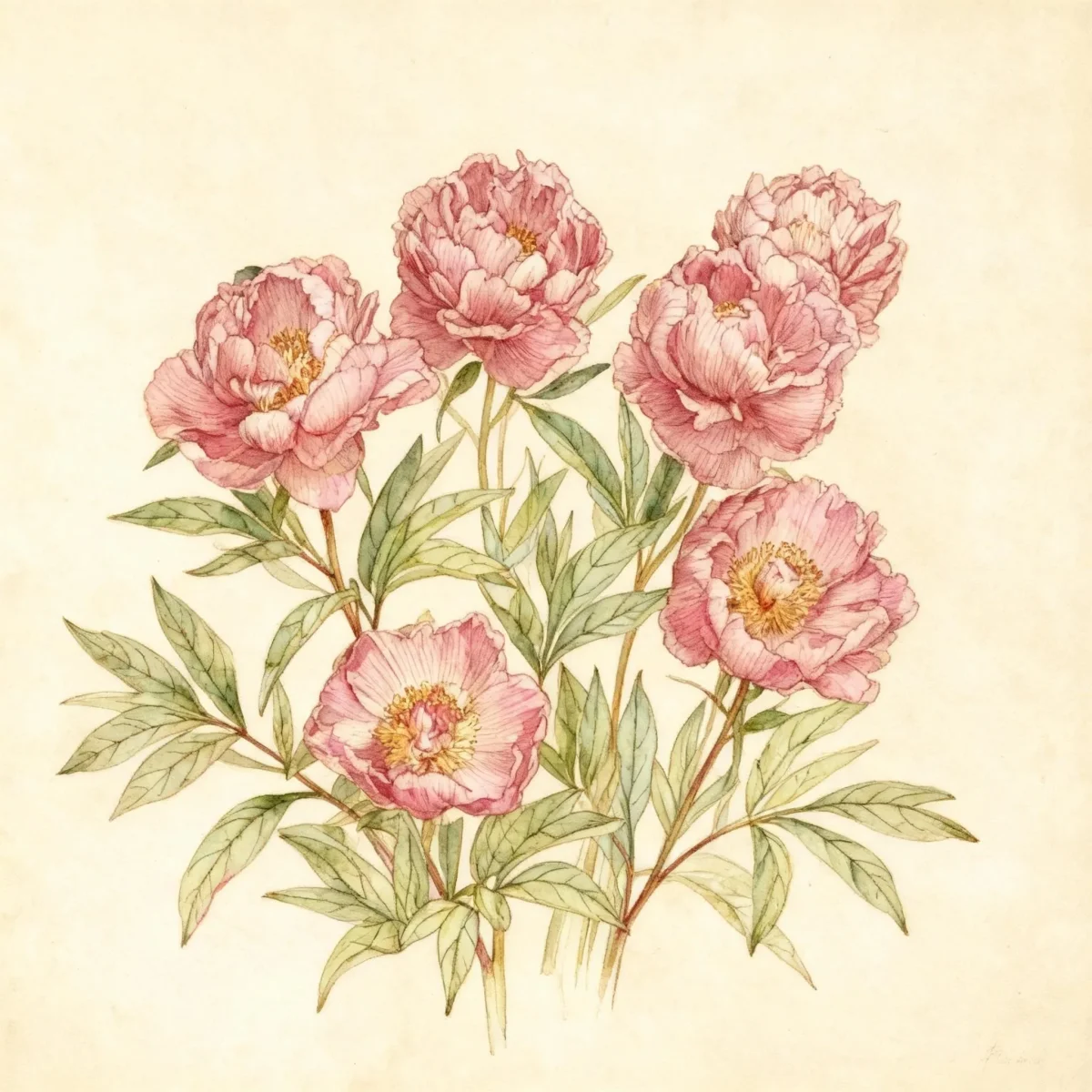
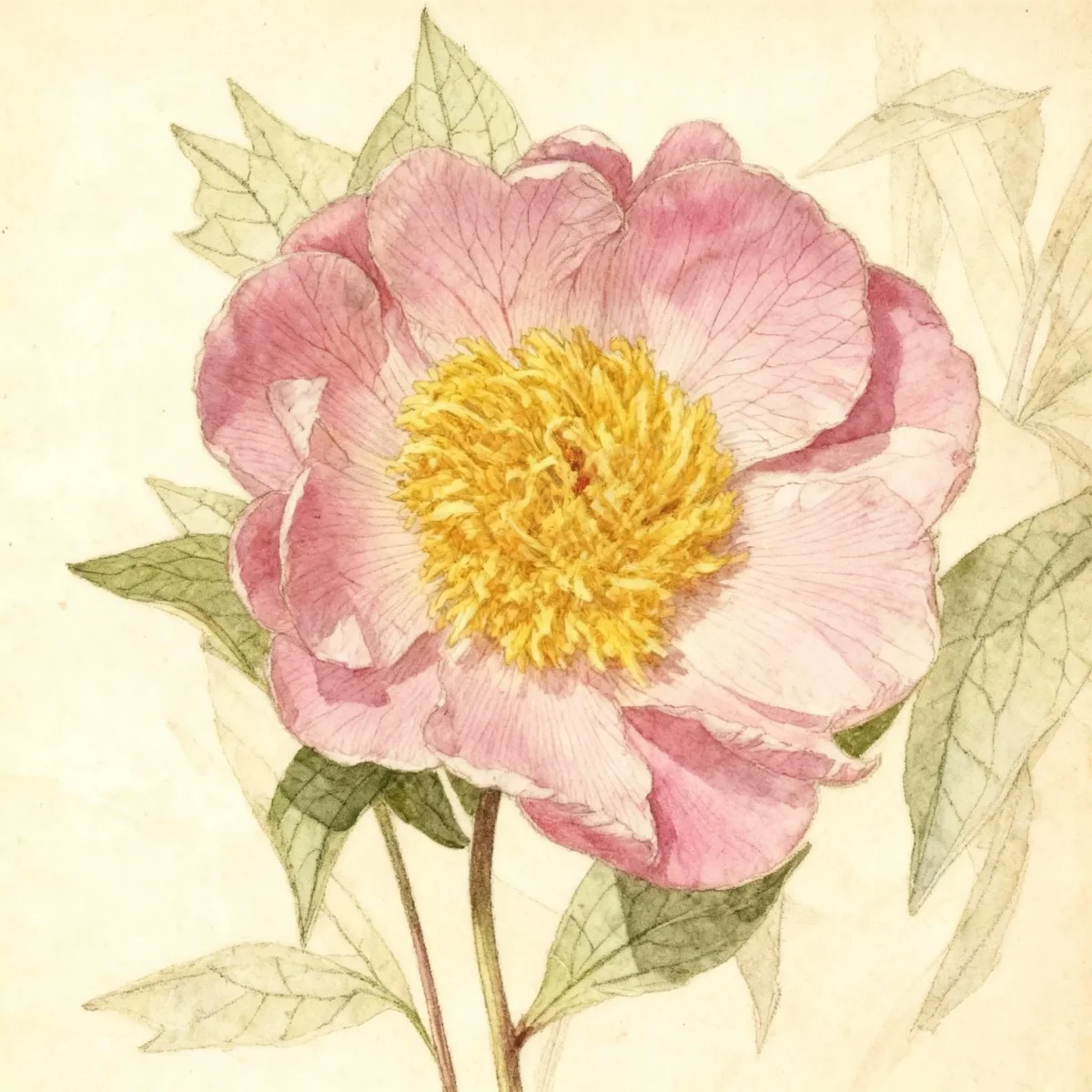
Peony (Paeonia lactiflora 'Waltz')
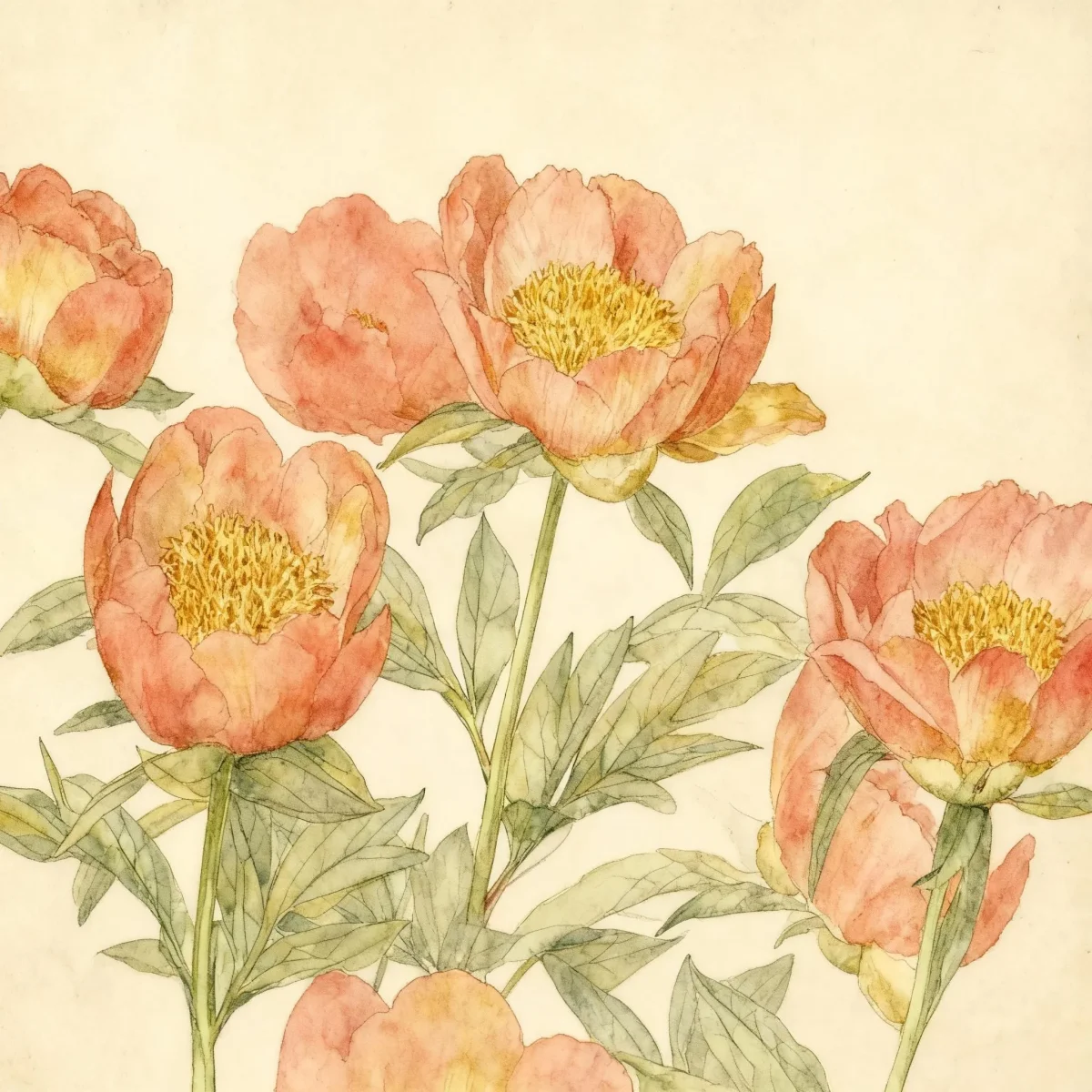
A robust Herbaceous perennial Peony, Paeonia lactiflora 'Waltz' offers showy, rose pink blooms in May across USDA Zones 3-8.
Scroll down to discover growing tips, care requirements, companion plants, and more
Complete Plant Information
Overview
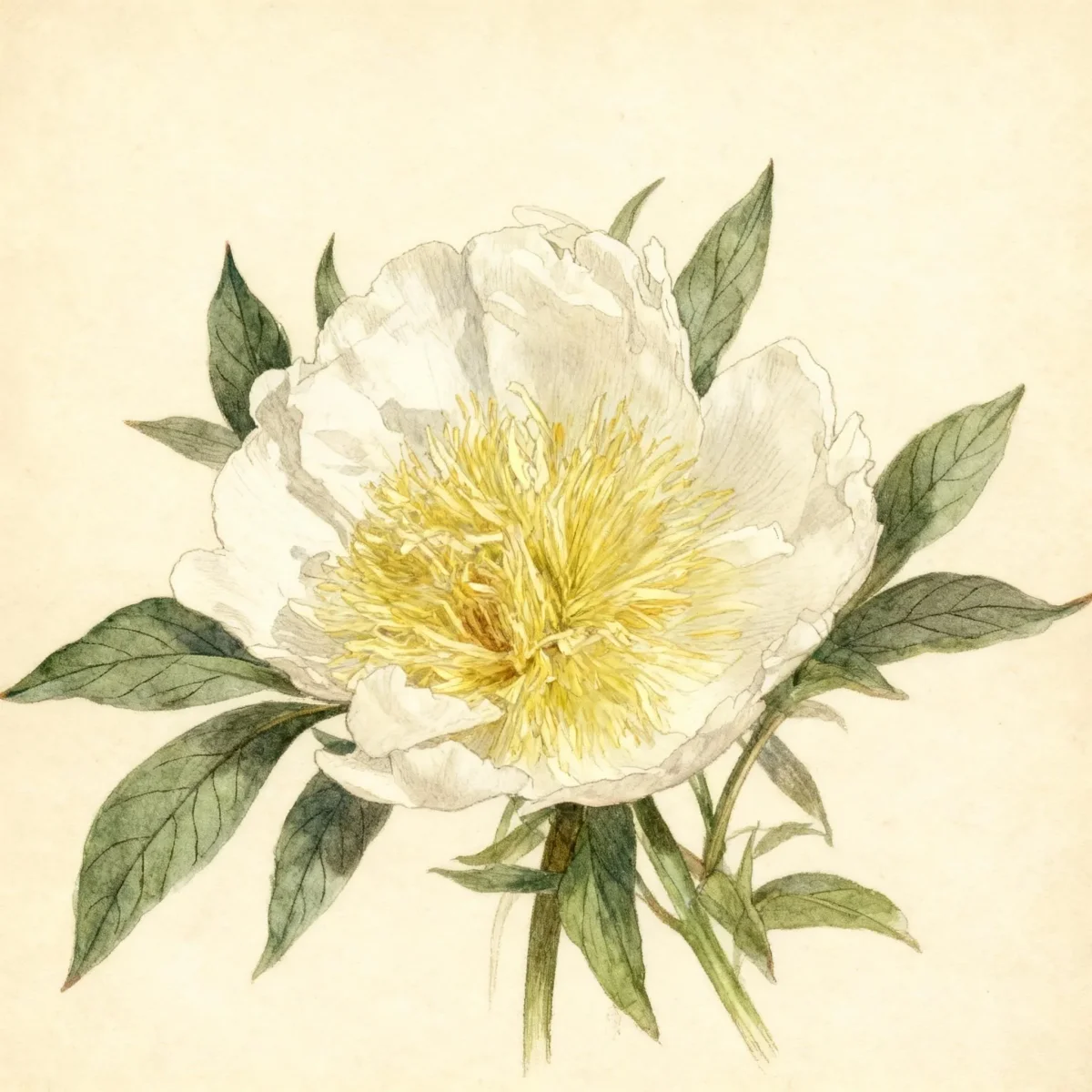
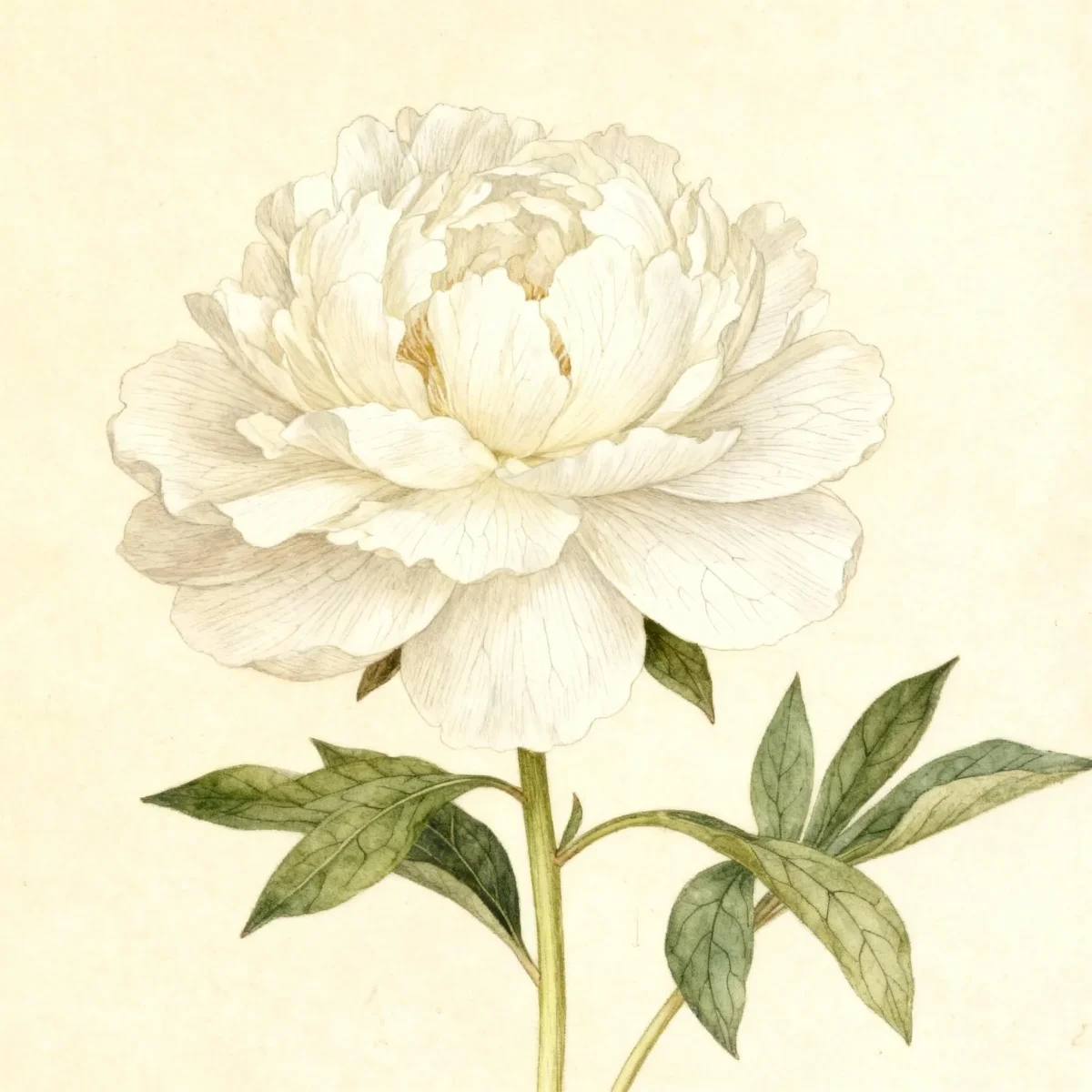
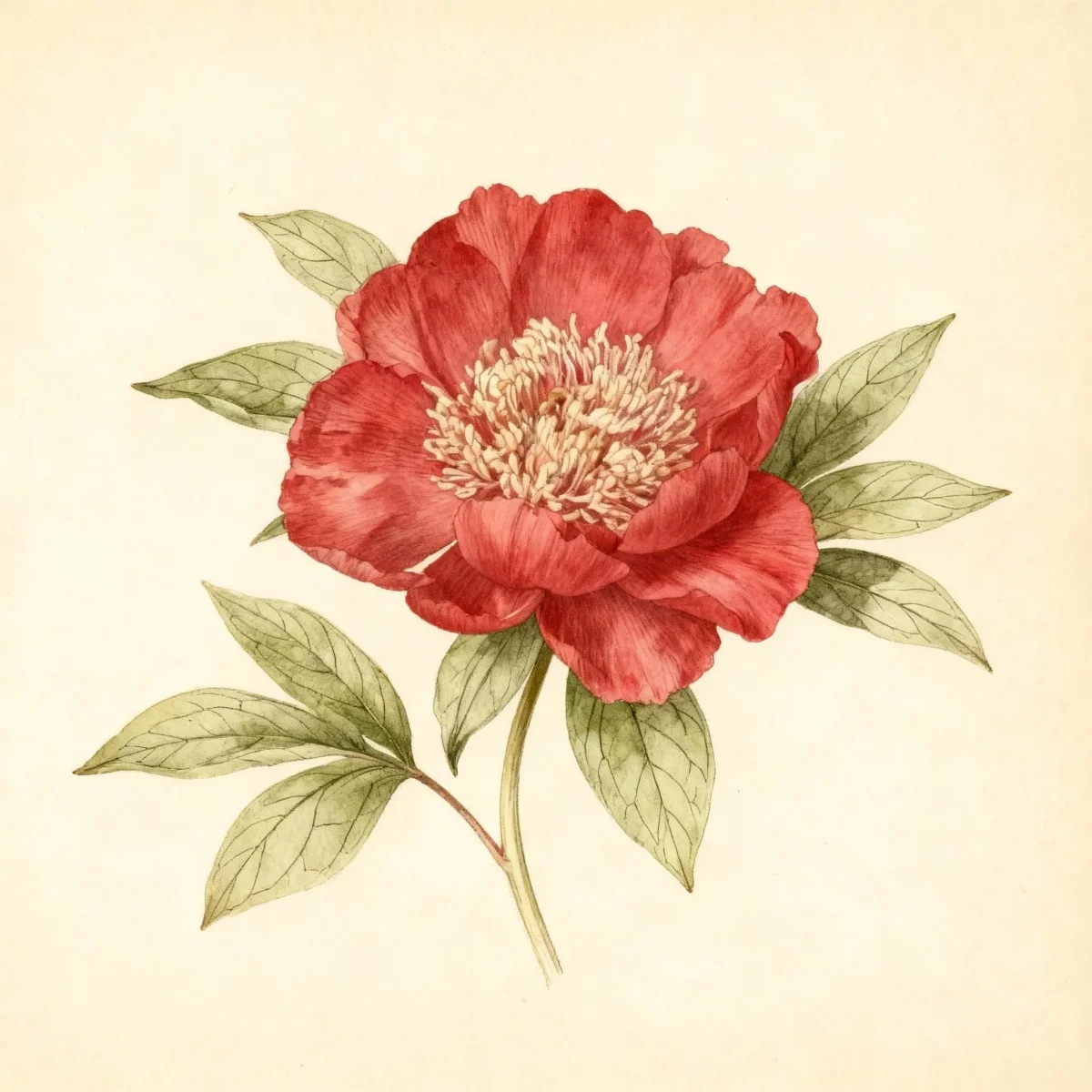
The Paeonia lactiflora ‘Waltz’, commonly known as the Peony, is celebrated for its classic garden presence and reliable, shrub-like structure throughout the growing season. This herbaceous perennial delivers wonderfully showy flowers that feature captivating rose pink petals surrounding bright yellow centers, distinguishing it even among other fine Paeonia cultivars. As a long-lived plant, investing in Paeonia lactiflora ‘Waltz’ provides years of predictable beauty and requires minimal division, making it a cornerstone for perennial borders.
This variety thrives when provided adequate moisture, particularly early in its growth cycle, and appreciates protection from the hottest afternoon sun in warmer climates. Its manageable size, reaching 1.5 to 2 feet tall and wide, allows it to integrate seamlessly into various landscape settings without overwhelming surrounding plants. Gardeners value not only the stunning mid-spring bloom display but also the attractive green foliage that remains appealing well into the fall.
The structural integrity and aesthetic appeal of the Peony make it an excellent long-term investment in the landscape. While the bloom period is relatively short—about 7 to 10 days—growing a succession of early, midseason, and late bloomers ensures continuous color. Consider integrating the reliable Paeonia lactiflora ‘Waltz’ into your mixed borders for dependable spring interest.
Fast Facts
- Plant Family: Paeoniaceae
- Plant Type: Herbaceous perennial
- Hardiness Zones: USDA Zones 3-8
- Size at Maturity:
- Height: 1.5-2 ft
- Spread: 1.5-2 ft
- Bloom Time: May
- Bloom Description: Rose pink with yellow centers
- Sun Exposure: Full sun to part shade
- Water Needs: Medium
- Maintenance Level: Medium
How to Grow
Planting your Paeonia lactiflora ‘Waltz’ should occur when the ground is workable, ensuring the rootstock eyes are situated approximately 2 inches below the soil surface. These peonies require rich, fertile, well-drained soils and plenty of moisture during the initial spring growth phase. For optimal results, place them where they receive full sun, though some part afternoon shade is beneficial where summers are especially hot. Remember that late-blooming species like P. Lactiflora, including this cultivar, benefit from companions that bloom earlier so the garden aesthetic remains strong.
Routine care for this Peony involves ensuring consistent, medium moisture, especially before and during bloom. Plants are long-lived and do not usually require dividing; they prefer to be left undisturbed for many years once established. After flowering, promptly remove the spent blooms to keep the plant tidy.
Seasonal maintenance is straightforward but important for longevity. After the late fall frost, cut all foliage down to the ground and remove it from the garden area to minimize potential disease carryover. As the Peony needs a cold winter dormant season, ensure the root zones are covered with a layer of mulch during the winter, especially in areas that lack consistent snow cover, though note that plants perform best in USDA Zones 5-7.
Landscape Uses
Peonies are foundational plants in classic garden design, serving perfectly as enduring specimens or planted in deliberate groups for greater visual impact. The size and structure of Paeonia lactiflora ‘Waltz’ make it ideal for buffering the transition between lower-growing perennials and taller shrubs. They function excellently as accents along pathways, driveways, or acting as a loose, informal herbaceous hedge near fences or walls.
Because the dark green foliage of this Peony remains attractive throughout the summer and early fall, it provides excellent structure even when not in bloom. Use the foliage as a framing element or a consistent green backdrop against which shorter, flashier summer flowers can stand out. When selecting companions, choose spring-blooming bulbs or earlier perennials whose fading foliage will be obscured by the emerging peony leaves, creating a seamless display.
Standout Features
Flower Qualities
- Showy
Noteworthy Characteristics
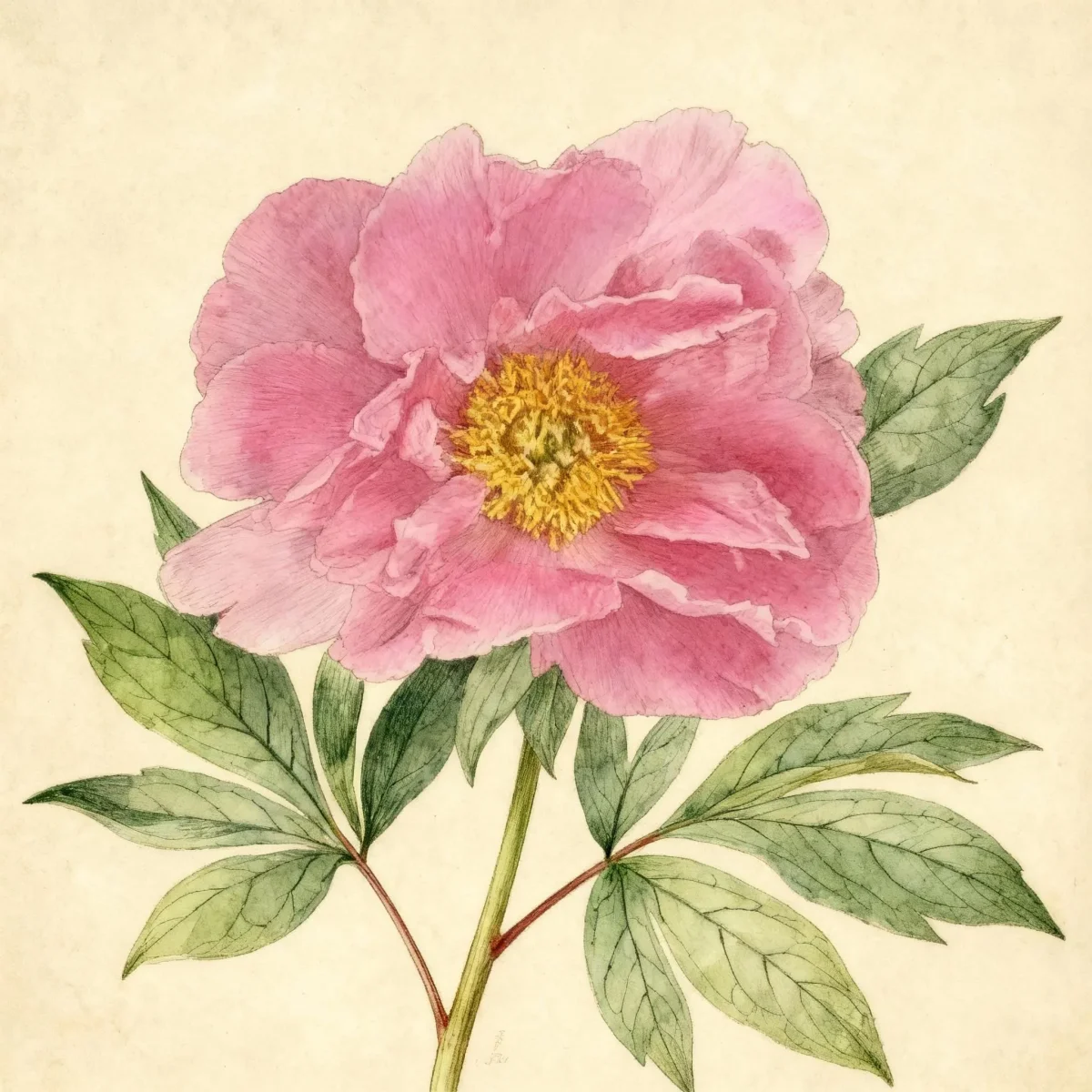
The cultivar ‘Waltz’ is an herbaceous perennial that typically grows 20-22 inches tall, featuring striking single blooms with rose pink petals and contrasting bright yellow center stamens in early season, usually mid-May. Classified under Paeonia lactiflora, it has attractive, divided green foliage that persists into autumn before stems die back completely after the first hard frost. This variety is specifically noted as an excellent choice for cut flowers.
Tolerances
- Rabbit
- Deer
Potential Problems
Peonies are generally resilient, but vigilance against fungal issues is wise; Botrytis blight and Phytophthora blight are reported occasional problems requiring good air circulation. Ants are frequently observed crawling on the developing buds, but they are harmless and should be tolerated, as they do not damage the plant. If your Peony fails to bloom, check planting depth (too deep or too shallow), excessive shading, or if the plant was very recently moved.
Blooms, especially if large and semi-double, may benefit from staking or support; they can become heavy with rain and arch toward the ground. While pests are few, keep an eye out for thrips, scale, or hoplia beetles. Powdery mildew can appear on leaves later in the season, which is cosmetic; if unsightly, the foliage can be cut back in the fall.
Frequently Asked Questions
What hardiness zones is Peony suitable for?
This Peony, Paeonia lactiflora ‘Waltz’, is suitably hardy across USDA Zones 3 through 8, although it performs best nestled in Zones 5-7.
How large does Paeonia lactiflora ‘Waltz’ grow?
This herbaceous perennial typically reaches a mature height between 1.5 and 2 feet, with a corresponding spread of 1.5 to 2 feet.
What sun exposure does Peony need?
For the best performance, plant your Paeonia lactiflora ‘Waltz’ where it receives full sun, though it tolerates light partial shade, especially during the hottest parts of the afternoon.
When does Paeonia lactiflora ‘Waltz’ bloom?
Blooms typically appear in May, showcasing lovely rose pink petals surrounding prominent yellow centers.
Conclusion
The Paeonia lactiflora ‘Waltz’ stands out as a reliable, mid-spring bloomer that offers high visual impact with relatively low long-term maintenance needs. Its classic form and attractive presentation ensure that this Peony remains a highlight in any traditional or modern garden setting. Before planting, ensure you check your local USDA zone hardiness compatibility and prepare rich, well-drained soil to set this perennial up for decades of success.
Companion Planting
When placing Paeonia lactiflora ‘Waltz’ in the border, consider companions that bloom either before or after its relatively short mid-spring display. Early-blooming bulbs like tulips and daffodils finish before the peony is in full swing, and their dying foliage is easily masked by the developing peony leaves. For late spring and early summer color that overlaps well, consider planting Geraniums or Salvia nearby; these low-mounding plants can help cover the base of the peony stems.
Ensure any selected companion plants share the Peony’s strong requirement for excellent drainage and medium moisture. Avoid aggressive spreaders that might compete directly with the peony’s slowly developing root system, as these long-lived plants resent disturbance once established.
Seasonal Care Calendar
Spring is the critical season for observing growth and providing moisture. As shoots emerge, ensure the soil remains consistently quenched, as this is when the plant gathers resources for robust flowering later in May. Mid-spring is the time to inspect buds for damage from late frosts or to provide light support if blooms look heavy.
Summer care focuses primarily on watering management and cleanup of spent flowers. After the blooms fade, deadhead spent flowers neatly. The foliage should be left intact through the summer months, as it remains visually appealing and feeds the woody roots below ground for next year’s performance.
As fall approaches, watch for the leaves to begin aging, possibly developing a rusty hue. After the first hard frost signals dormancy, prune all the stems back to the ground, removing the debris from the garden area to promote health. In cold winter areas, a light layer of winter mulch over the root zone helps moderate soil temperature fluctuations.