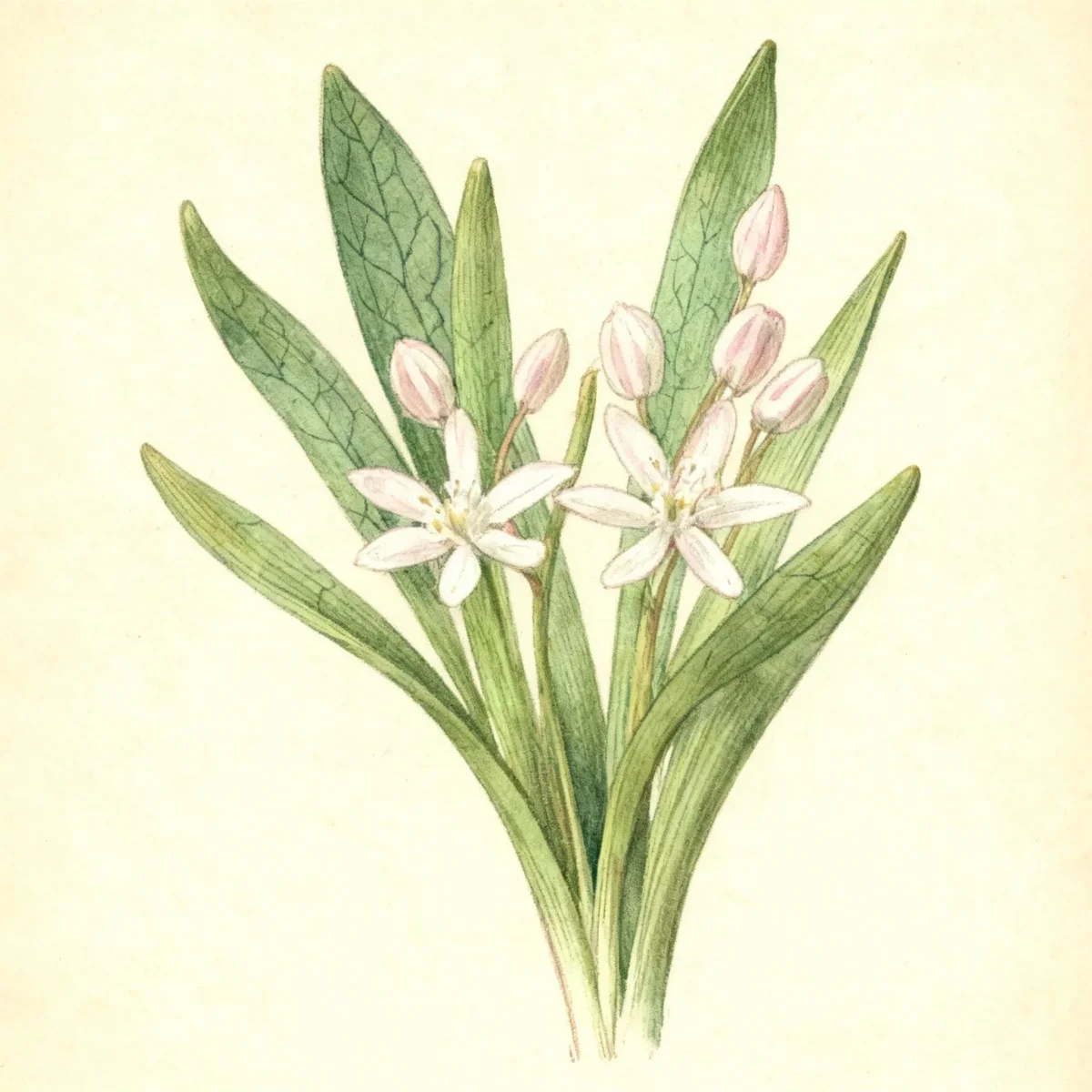
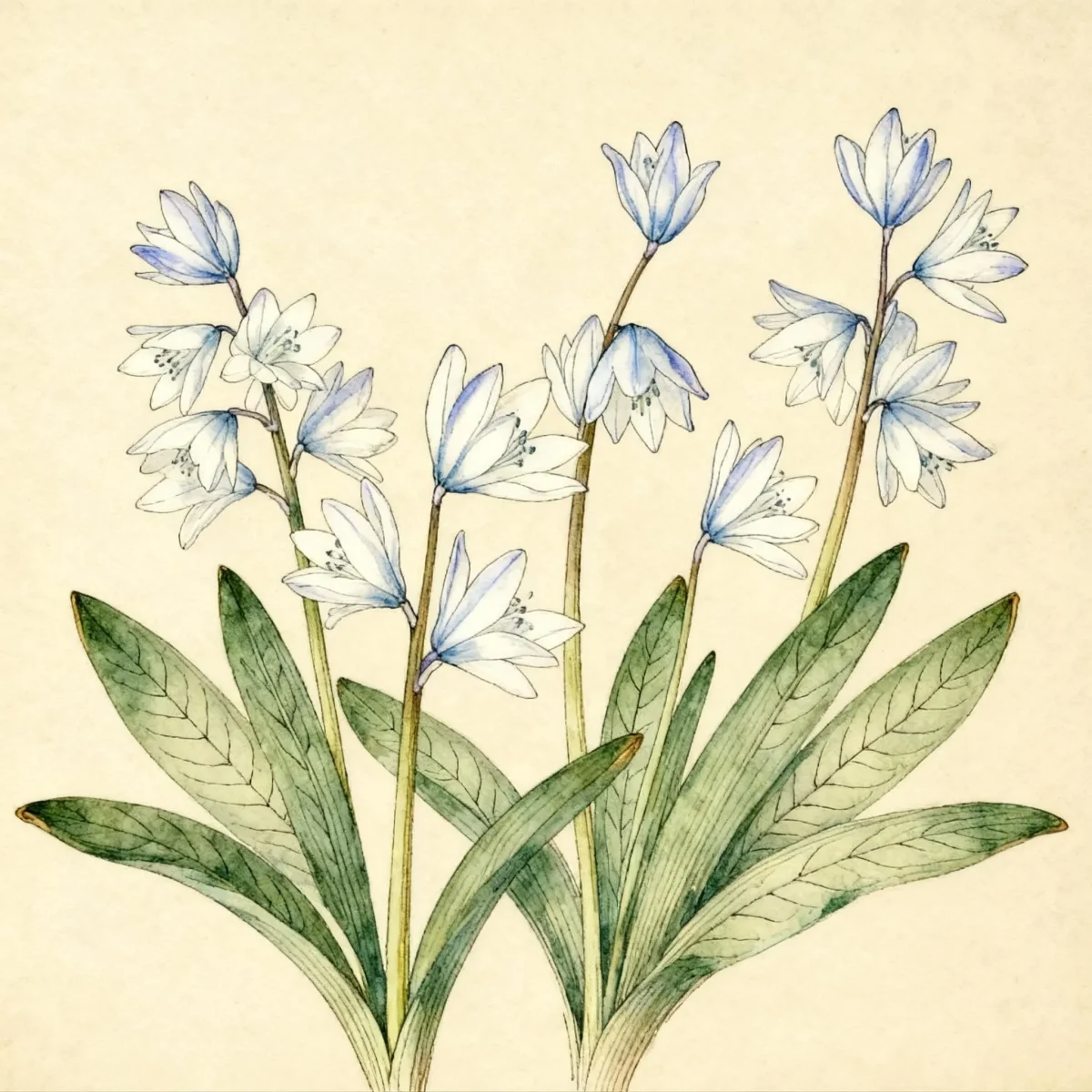
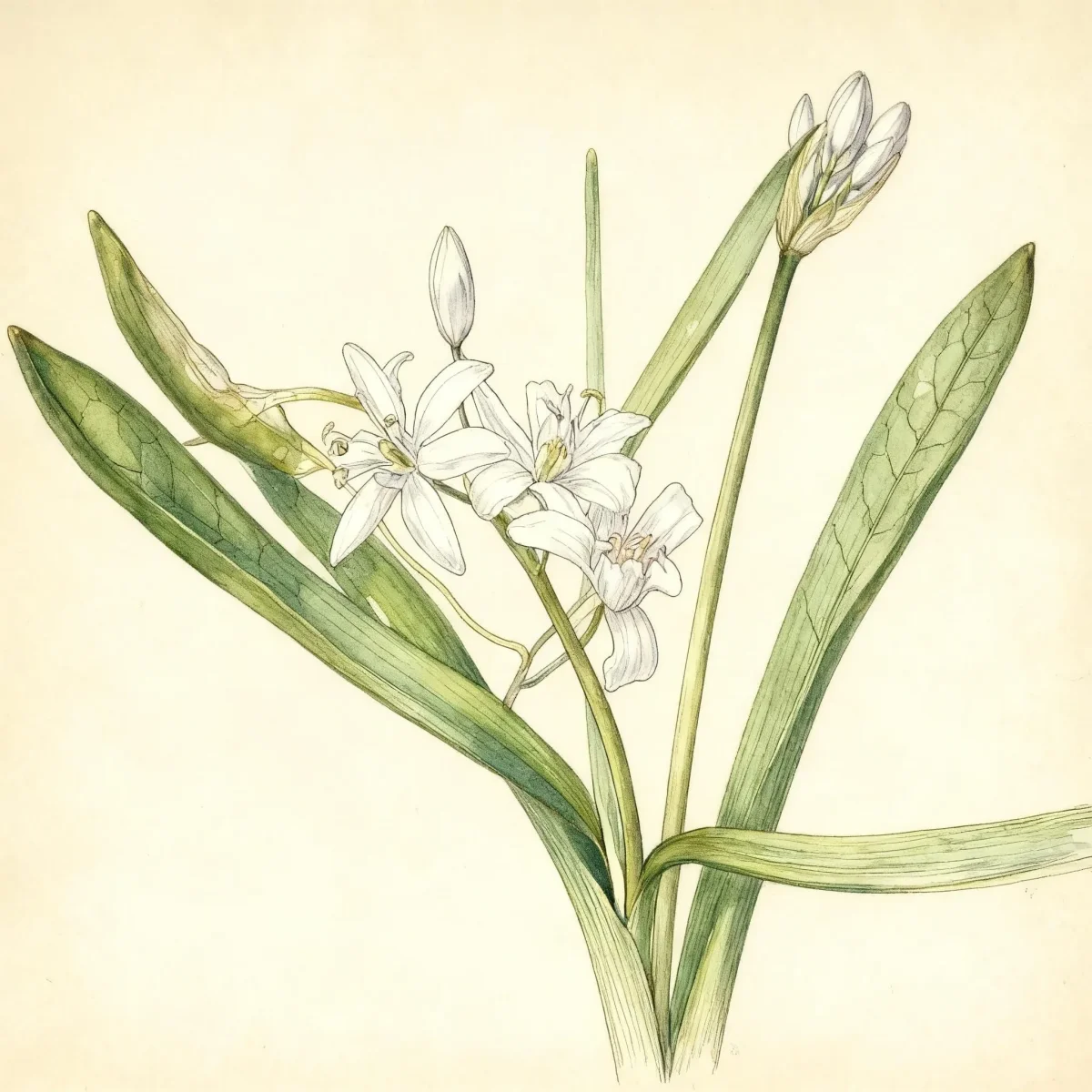
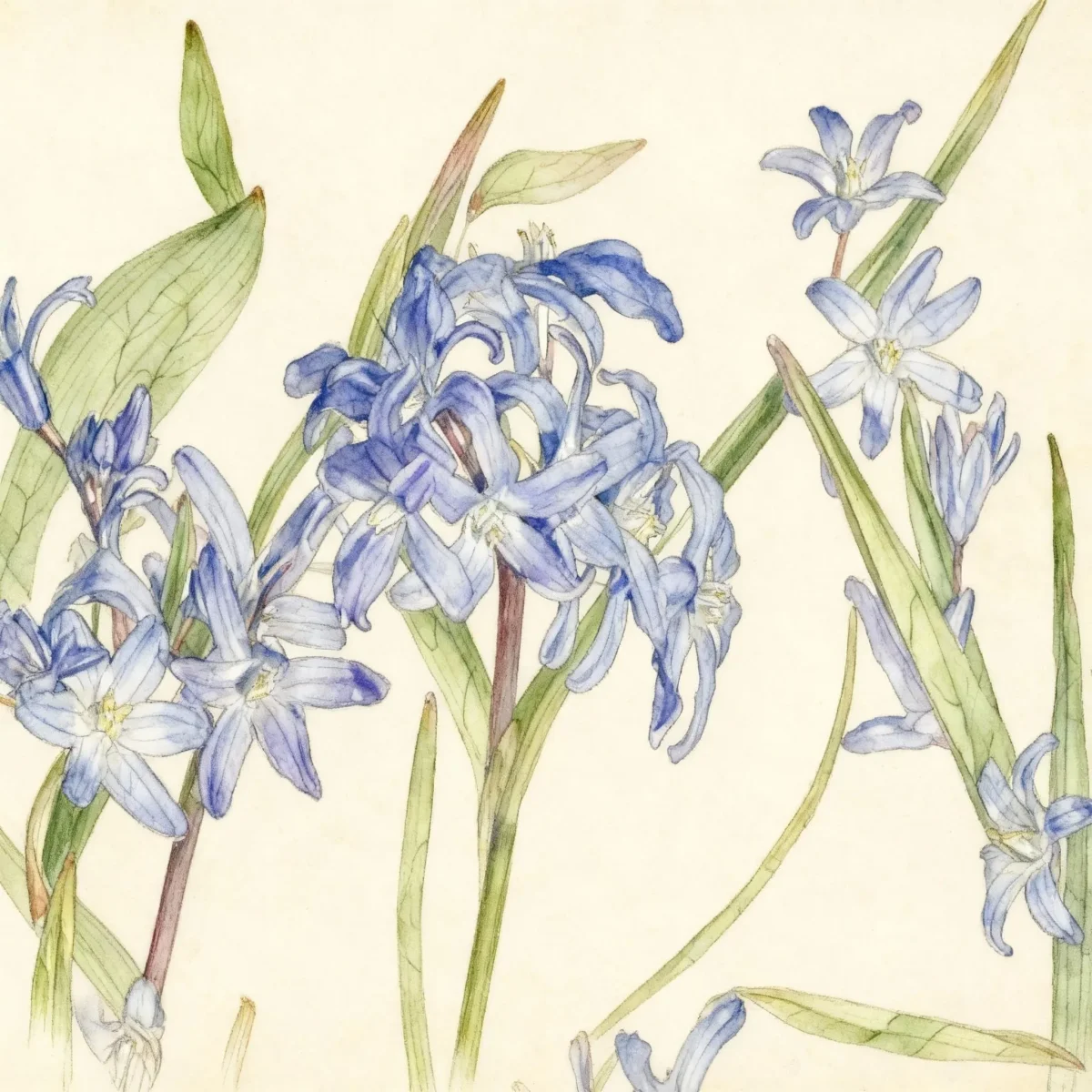
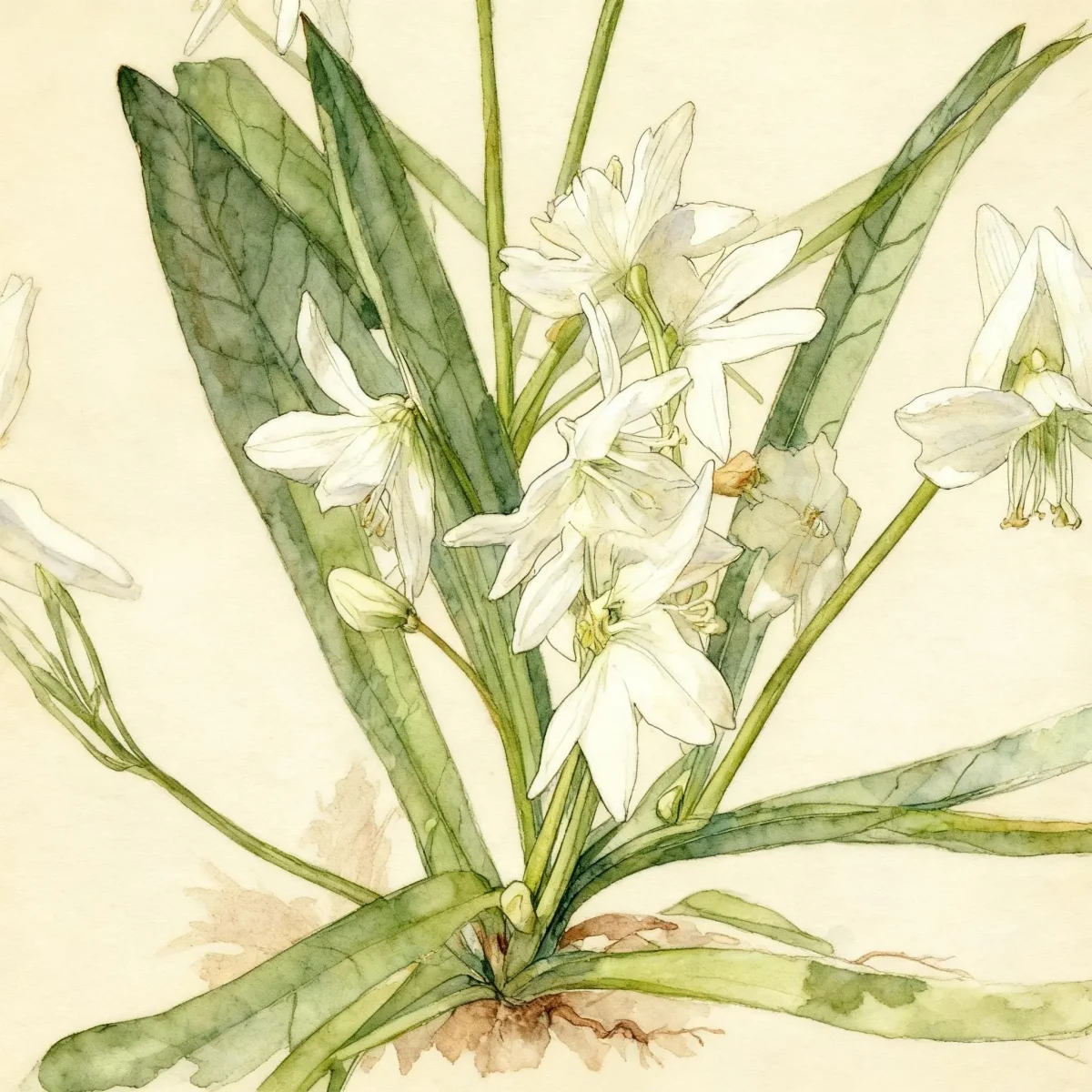
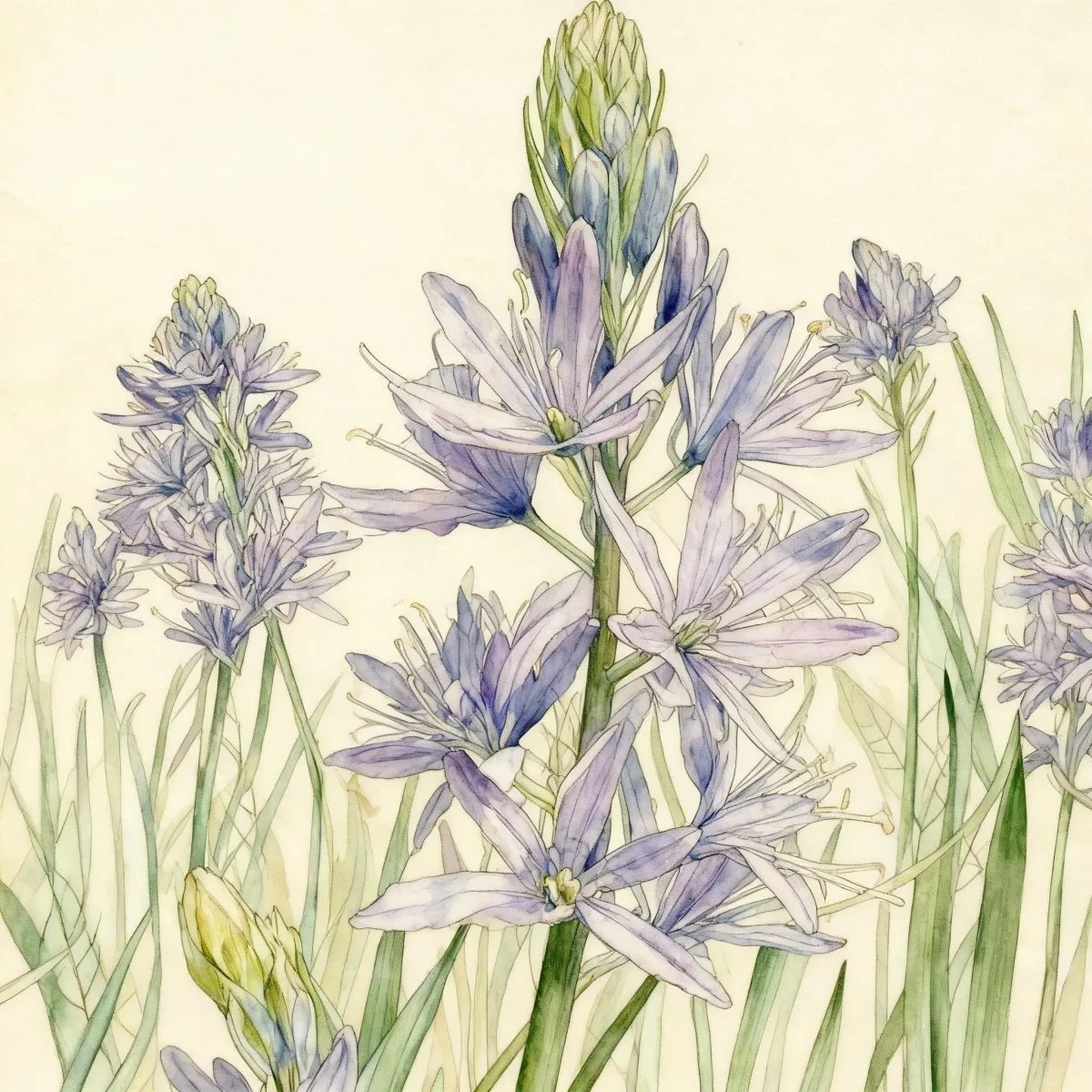
Scilla (Scilla mischtschenkoana 'Tubergeniana')
Experience the earliest blooms with Scilla mischtschenkoana 'Tubergeniana', a low-maintenance bulb producing striking pale blue flowers.
Scroll down to discover growing tips, care requirements, companion plants, and more
Complete Plant Information
Overview
Scilla mischtschenkoana ‘Tubergeniana’ is an exquisite bulbous perennial prized for its exceptionally early bloom time, often appearing in late winter before many other spring flowers emerge. This charming plant, commonly known simply as Scilla, provides a vital splash of pale blue color when the garden needs it most. Its delicate, star-shaped flowers offer an immediate visual reward after the long winter dormancy.
As a low-maintenance bulb, Scilla mischtschenkoana ‘Tubergeniana’ naturalizes beautifully, spreading by offsets and self-seeding to form ever-larger drifts over time. It thrives easily in average garden soils, provided drainage is adequate, allowing gardeners to plant them casually beneath deciduous trees where sunlight reaches them before leaf-out.
These small stature bulbs thrive in full sun to dappled shade, making the diminutive Scilla mischtschenkoana ‘Tubergeniana’ invaluable for softening winter transitions, edging pathways, or creating woodland scenes where the foliage disappears completely by summer.
Fast Facts
- Plant Family: Asparagaceae
- Plant Type: Bulb
- Hardiness Zones: USDA Zones 4-8
- Size at Maturity:
- Height: 0.25-0.5 ft
- Spread: 0.25-0.5 ft
- Bloom Time: February to March
- Bloom Description: Pale blue
- Sun Exposure: Full sun to part shade
- Water Needs: Medium
- Maintenance Level: Low
How to Grow
Planting Scilla bulbs must occur in the autumn before the ground freezes. Select a location that receives full sun to light shade, ideally under deciduous trees where the plants benefit from early spring sun before the canopy closes. Scilla mischtschenkoana ‘Tubergeniana’ performs optimally in humusy, moderately fertile, well-drained soils; they especially thrive in sandy loam. Plant the bulb bases approximately 3 to 4 inches deep and space them 2 to 3 inches apart.
During the growing season, Scilla requires a medium amount of water, particularly as the foliage is active. While established bulbs are durable, avoid excessive moisture, as crown rot can develop quickly in soggy, poorly drained conditions. Fertilization is rarely necessary if the soil is moderately fertile; the plant relies on the energy stored in its bulb.
Maintenance is gratifyingly low. After flowering, allow the foliage to naturally yellow and die back completely before trimming it away, as this process is essential for recharging the bulb for next year’s display. Be advised that the foliage disappears entirely by summer as the plant enters dormancy. These hardy plants are winter-hardy right down to Zone 4.
Landscape Uses
The primary strength of Scilla lies in its ability to naturalize gracefully. This bulb excels when massed in sweeping drifts throughout woodland areas or naturalized settings, providing an ethereal carpet of pale blue in late winter. Planning for Scilla mischtschenkoana ‘Tubergeniana’ means placing groups near the front of established shrub borders or underneath young deciduous trees where their brief but bright show occurs before other spring bulbs even awaken.
Because of its short stature, this Scilla is excellent for defining the edges of stepping stone paths or incorporating into rock gardens, offering fine texture and early color contrast against stone. When mixed with other early bloomers like snowdrops or crocuses, the subtle pale blue hue of the Scilla creates complex, layered seasonal interest.
Standout Features
Flower Qualities
- Showy
Noteworthy Characteristics
Scilla mischtschenkoana, commonly called squill, is a bulbous perennial of the asparagus family that typically grows to 3-6” tall. It is native to northern Iran and the Caucasus. Campanulate, star-shaped, pale blue flowers (each to 1/2” wide) bloom in February and March in loose upright racemes, each exhibiting a distinctive dark blue mid-rib. This plant is sometimes commercially sold as Scilla tubergeniana, though botanically this is considered a synonym. This species was granted the RHS Award of Garden Merit in 2003.
Tolerances
- Rabbit
- Deer
Potential Problems
Generally, Scilla mischtschenkoana ‘Tubergeniana’ presents few challenges concerning pests or diseases, making it a reliable choice for the gardener. The most significant cultural issue arises from poor management of soil moisture; crown rot is a common ailment if the bulbs are planted in heavy, constantly moist, or poorly drained soils. Ensure excellent drainage to prevent this fungal issue. Fortunately, deer and rabbits typically leave this Scilla alone, finding it unpalatable.
Frequently Asked Questions
What hardiness zones is Scilla suitable for?
This vigorous Scilla variety is winter hardy across USDA Zones 4 through 8.
How large does Scilla mischtschenkoana ‘Tubergeniana’ grow?
This is a diminutive bulb, typically reaching a height between 0.25 and 0.5 feet, with a similar spread of 0.25 to 0.5 feet.
When does Scilla bloom?
The pale blue, star-shaped flowers of Scilla mischtschenkoana ‘Tubergeniana’ emerge early, generally blooming from February to March.
What sun exposure does Scilla need?
This Scilla variety is versatile, performing well in locations ranging from full sun to areas receiving only part shade.
Conclusion
The exceptional early flowering and ease of naturalization make Scilla mischtschenkoana ‘Tubergeniana’ an essential component for the late-winter garden display. This hardy, low-maintenance Scilla continues to delight year after year as it multiplies in the landscape. Before planting this autumn, confirm your soil offers the necessary good drainage crucial for long-term success of your new bulbs.
Companion Planting
Because Scilla mischtschenkoana emerges so early, pairing it with other emerging bulbs that share similar cultural needs (full sun to light shade, medium water) ensures a cohesive spring display. Consider planting it alongside Snowdrops (Galanthus) which bloom even earlier, and low-growing Crocus varieties. These companions help mask the dying foliage of the Scilla as summer approaches, maintaining garden neatness.
Seasonal Care Calendar
For late winter color, plan to plant Scilla mischtschenkoana ‘Tubergeniana’ bulbs in the fall, between September and November, depending on your local frost dates. Throughout spring, monitor moisture; while they handle natural moisture well, supplement water during dry spells while foliage is present. Once the foliage browns in early summer, cease supplemental watering entirely to ensure the bulb remains dry during its summer dormancy period, preparing it perfectly for the next year.