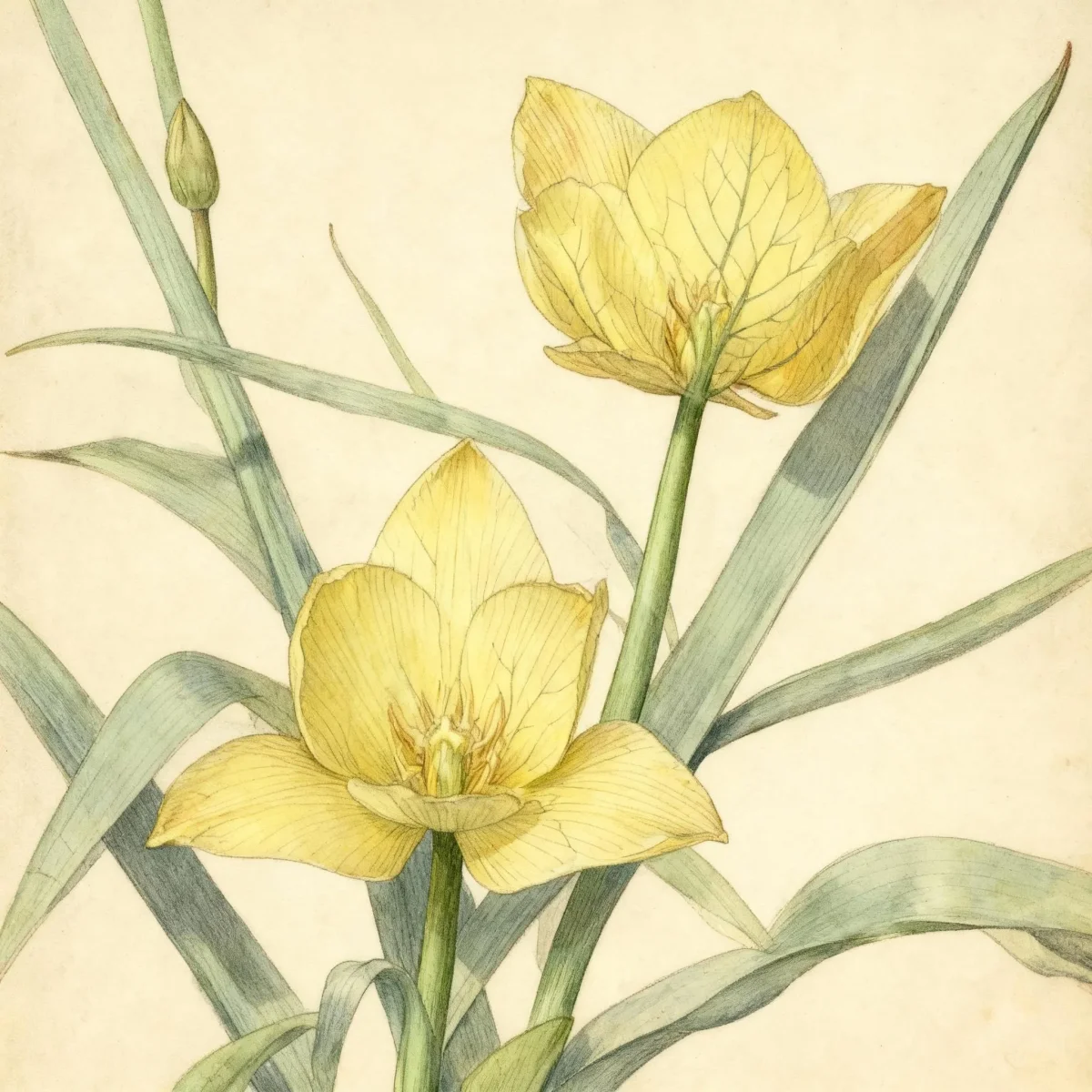
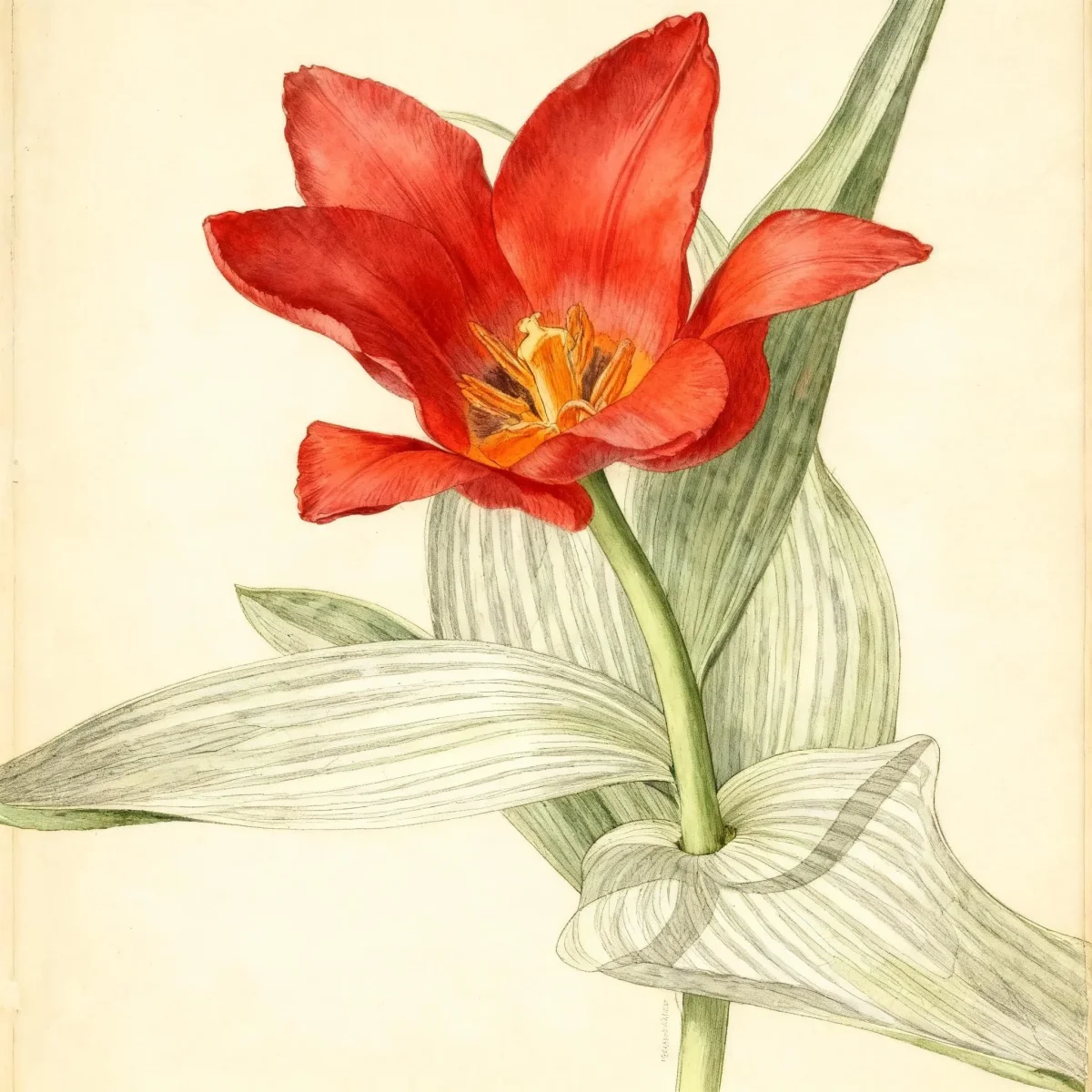
Lady tulip (Tulipa clusiana 'Lady Jane')
Discover Tulipa clusiana 'Lady Jane', the elegant Lady tulip, prized for its star-shaped, bicolored blooms and low maintenance in Zones 3-7.
Scroll down to discover growing tips, care requirements, companion plants, and more
Complete Plant Information
Overview
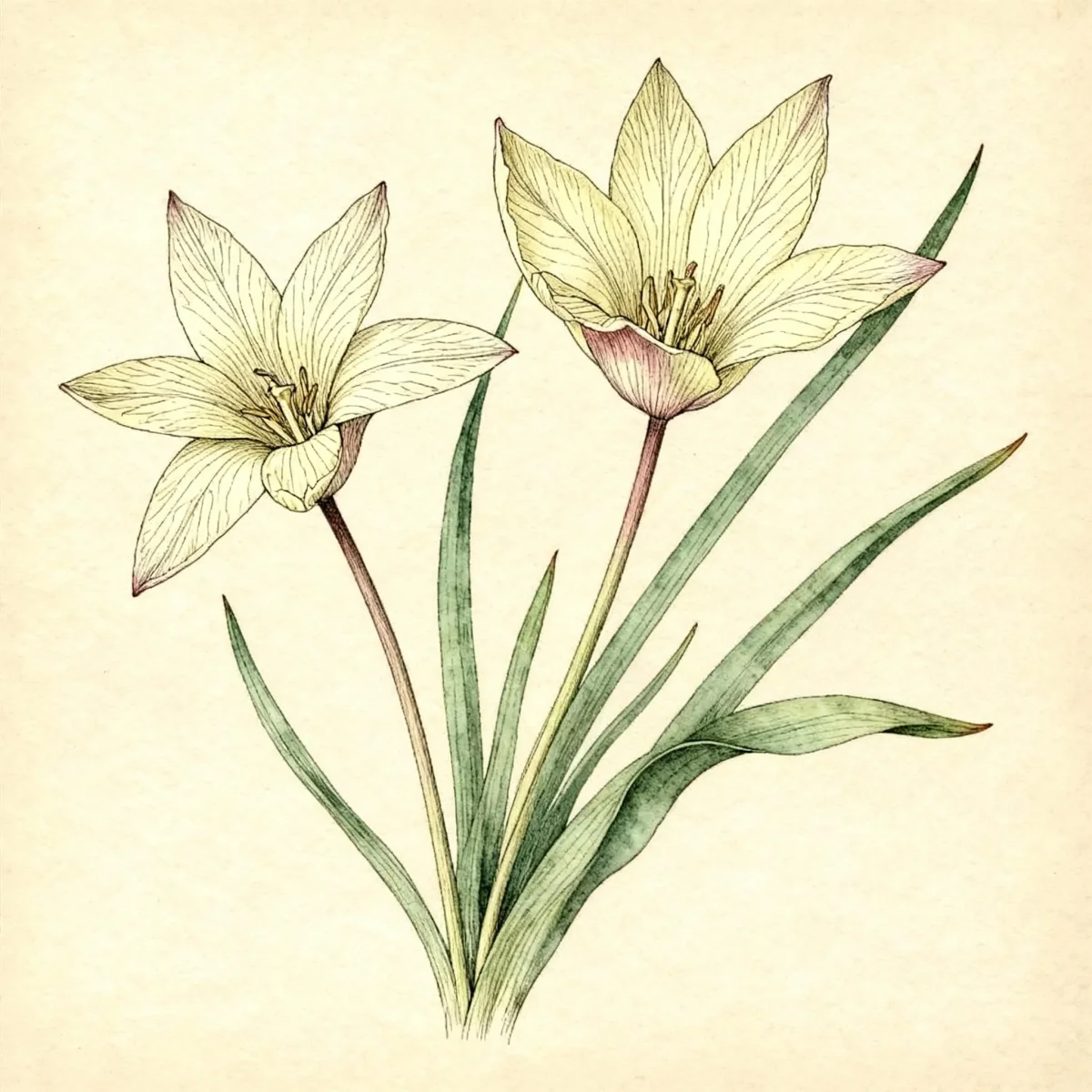
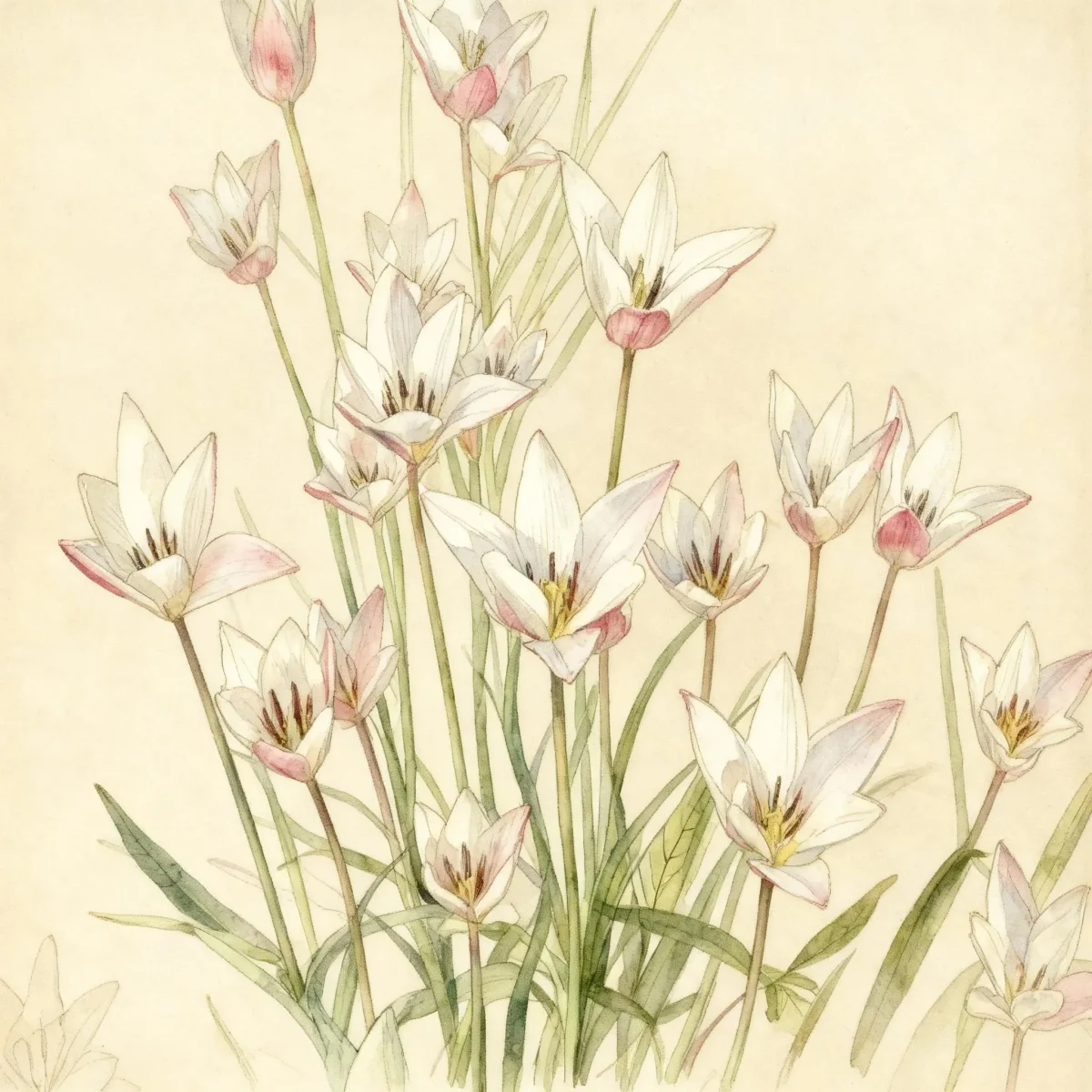
The Lady tulip, scientifically known as Tulipa clusiana ‘Lady Jane’, offers a sophisticated touch to spring gardens. This species tulip is highly valued for its delicate, star-shaped flowers that open fully in bright sun, revealing an interior of pure white contrasted beautifully by outer tepals edged in rosy-red. Requiring minimal effort once established, Tulipa clusiana ‘Lady Jane’ is celebrated for its naturalizing tendencies, providing reliable color across multiple seasons.
This elegant bulb thrives best in climates providing cool, moist winters and relatively warm, dry summers, performing reliably within USDA Zones 3 through 7. Reaching a modest height of under one foot, the Lady tulip creates subtle vertical interest perfect for borders or woodland settings. Gardeners appreciate its low maintenance level, especially when conditions align with its native preference.
A key feature of this variety is its longevity; Tulipa clusiana ‘Lady Jane’ is noted for being a long-lived perennial that often returns faithfully year after year, even performing well in slightly milder southern gardens. Incorporating these beautiful blooms into your landscape guarantees a charming progression of color early in the spring season.
Fast Facts
- Plant Family: Liliaceae
- Plant Type: Bulb
- Hardiness Zones: USDA Zones 3-7
- Size at Maturity:
- Height: 0.75-1 ft
- Spread: 0.5-0.75 ft
- Bloom Time: April
- Bloom Description: White edged with rose-red
- Sun Exposure: Full sun
- Water Needs: Medium
- Maintenance Level: Low
How to Grow
Planting should occur in the fall to allow the bulbs to establish necessary chilling hours. Aim for well-drained, organically rich, and fertile soil. Site the Lady tulip in a location receiving full sun, though light shade during extreme heat is tolerated. Bulbs should be planted 6 to 8 inches deep, reducing depth to 4 to 6 inches if planting into heavy clay. Ensure adequate spacing, setting bulbs 4 to 5 inches apart.
Once established, the care requirements for Tulipa clusiana ‘Lady Jane’ are simple. Maintain medium moisture throughout the active growing period, ensuring the soil never becomes overly wet, as poor drainage invites bulb rot. Fertilizer is rarely necessary if soil fertility is adequate initially.
For perennial success, promptly deadhead spent flower stems after blooming finishes. Crucially, allow the foliage to remain completely intact until it yellows naturally. This process enables the leaves to store energy in the bulb for next year’s display. If conditions are optimal, this tulip will actively naturalize, forming pleasing colonies via offsets and stolons over time.
Landscape Uses
The refined appearance of the Lady tulip makes it exceptionally versatile in landscape designs. It is highly recommended for planting in large groups or massed displays within beds and borders, creating pools of soft white and rose color. Because of their moderate height, they function perfectly near the front edges of borders where their early spring performance can be fully appreciated.
Consider using Tulipa clusiana ‘Lady Jane’ to naturalize beneath deciduous shrubs or through groundcovers, allowing the foliage to be hidden once dormancy begins. They also perform admirably in containers, which can be tucked onto patios or decks, offering portable spring elegance. Since they tolerate the stress of dry summers better than many tulips upon setting seed, they integrate well into rock gardens where drainage is naturally excellent.
Standout Features
Flower Qualities
- Showy
- Good Cut
Noteworthy Characteristics
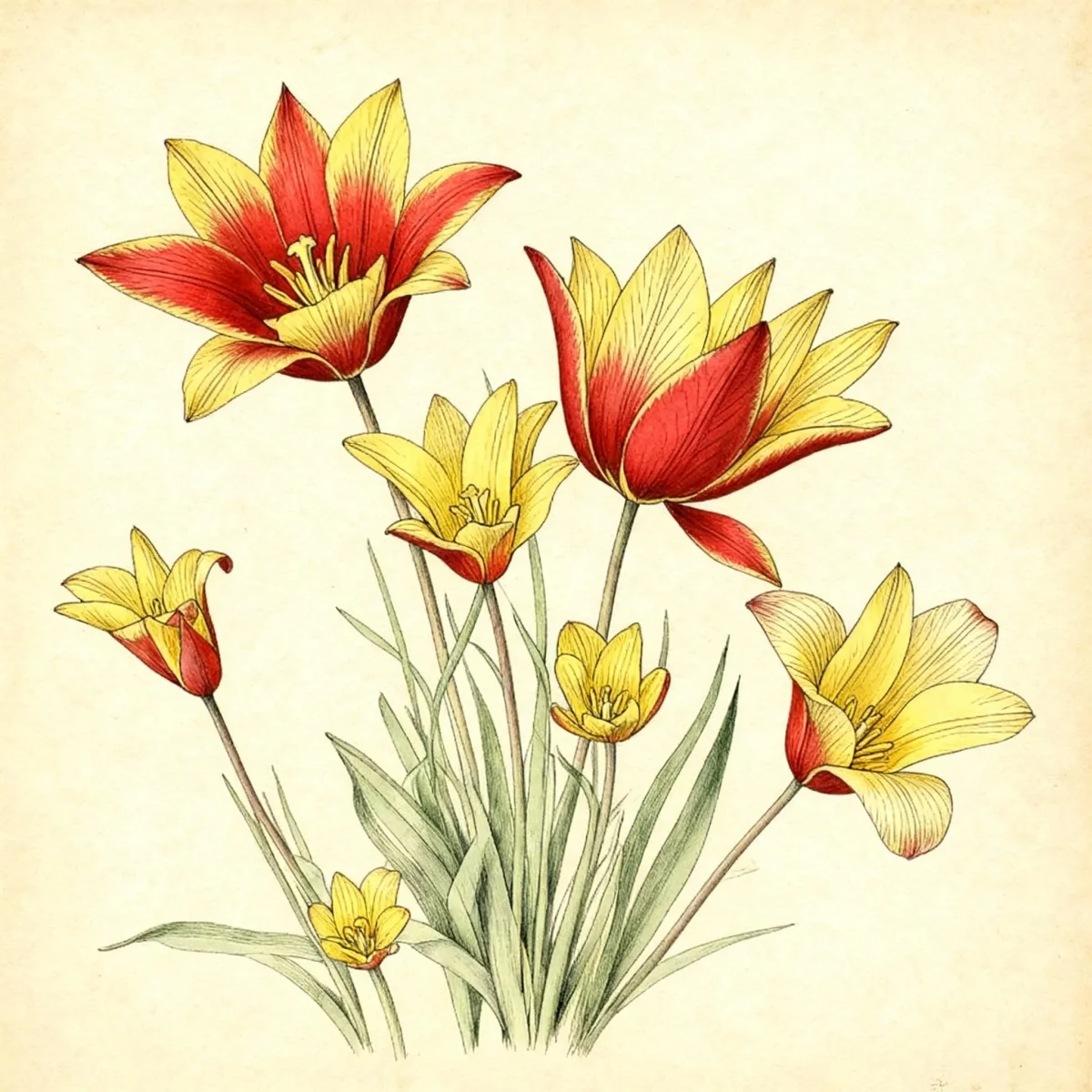
Tulipa clusiana, commonly known as lady tulip, is a species tulip (Division 15) that grows to 9-12” tall. The bowl-shaped flowers, opening to about 4 inches wide, are characteristically white inside, while the outer tepals display a striking red edge against white. The specific cultivar ‘Lady Jane’ features an ivory white interior with rosy-red coloration sharply edged with white on the exterior, opening like a star in the sun.
Tolerances
- Black Walnut
Potential Problems
The Lady tulip generally experiences few serious insect or disease issues, making Tulipa clusiana ‘Lady Jane’ a relatively robust selection. The primary concern revolves around soil moisture; bulb and root rots are common threats, especially if drainage is poor or soils remain persistently wet. Gray mold and Mosaic virus are lesser possibilities that gardeners should monitor for.
Animal pests, particularly rodents like mice and voles, are known to be attracted to the delectable bulbs. To mitigate this, plant deeply or consider using hardware cloth cages around bulb clusters as protection. Slugs and snails may also target new growth early in the season, requiring standard preventative measures.
Frequently Asked Questions
What hardiness zones is Lady tulip suitable for?
This beautiful tulip is suitable for planting in USDA Zones 3 through 7.
How large does Tulipa clusiana ‘Lady Jane’ grow?
This variety typically reaches a height between 0.75 and 1 foot tall, with a spread of 0.5 to 0.75 feet wide.
When does Tulipa clusiana ‘Lady Jane’ bloom?
The bloom time for this variety is April, producing flowers described as white edged with rose-red.
What sun exposure does Lady tulip need?
Tulipa clusiana ‘Lady Jane’ requires full sun for the best blooming performance.
Conclusion
Tulipa clusiana ‘Lady Jane’ remains a superior choice for gardeners seeking low-maintenance, elegant spring color that reliably naturalizes over time. The elegant contrast of the Lady tulip blooms offers refined beauty far exceeding that of many common hybrid tulips. Before the first chill hits, check your hardiness zone compatibility and plan to plant these unique bulbs early this fall for an unforgettable spring display.
Companion Planting
Selecting appropriate neighbors is crucial for ensuring the foliage of Tulipa clusiana ‘Lady Jane’ is concealed after flowering finishes. Look for plants that emerge later in the spring or summer, allowing the tulip leaves adequate time to yellow and die back naturally. Good companions include emerging perennial salvias, low-growing geraniums, or spring-blooming Alchemilla mollis (Lady’s Mantle), whose soft texture contrasts nicely with the sharp foliage.
Ensure that companion choices share the same cultural needs: full sun and well-drained soil are non-negotiable for these bulbs. Avoid dense groundcovers that hold excessive moisture around the bulb base throughout the winter, as this increases the risk of rot for your Lady tulip bulbs.
Design Ideas for Species Tulips
Habitat simulation is a fantastic way to use species tulips like this one. Since Tulipa clusiana ‘Lady Jane’ naturally naturalizes, consider planting it in drifts along woodland edges or in open, grassy areas where they can spread unimpeded. Mixing them with spring ephemerals enhances the natural look, providing layers of early season interest.
For formal settings, group them tightly in terracotta containers placed near entryways. When using them among mixed perennials in borders, plant them particularly heavily (massed) to create a strong visual impact when they are blooming in April. Their height makes them excellent for creating a middle layer between low creeping plants and taller shrubs.