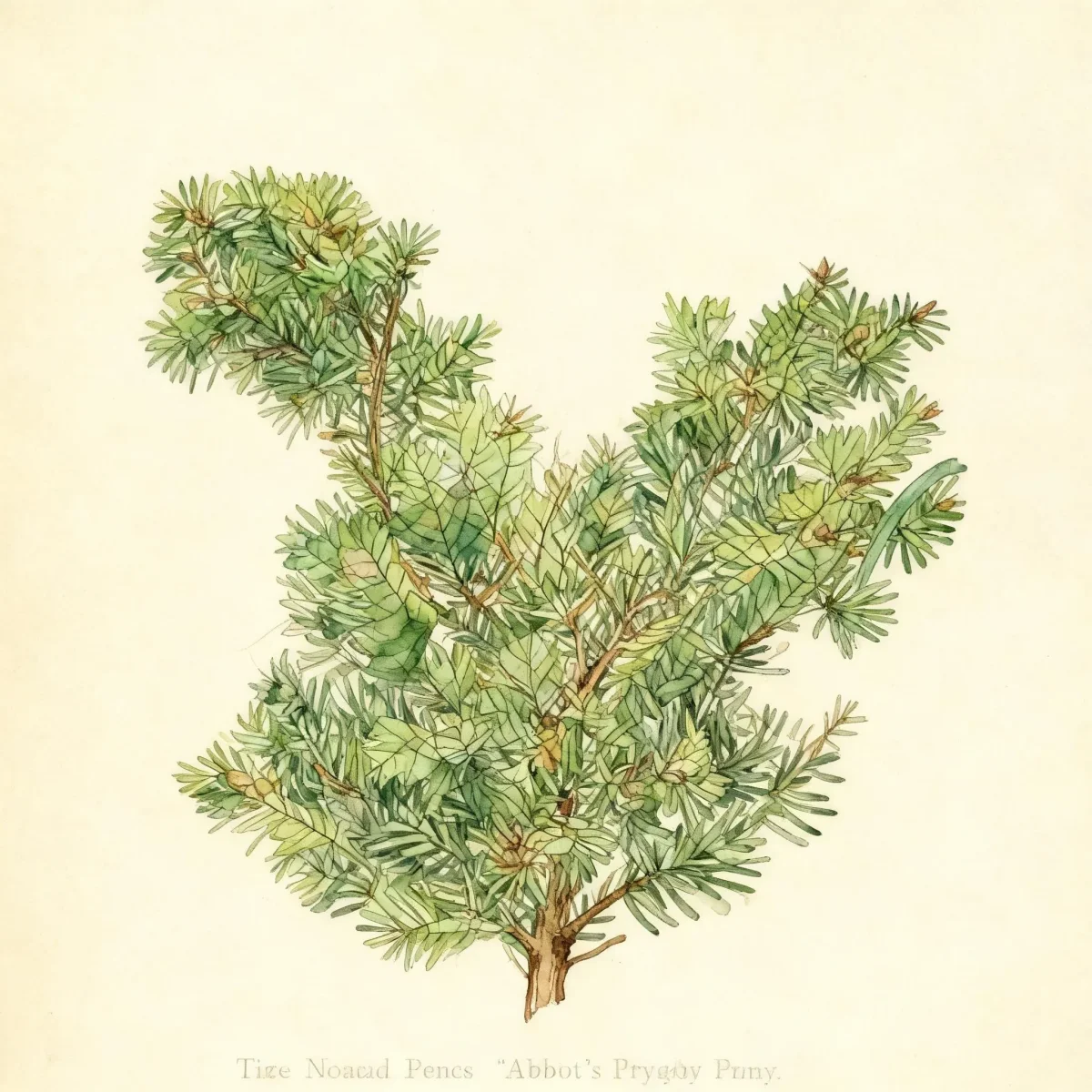
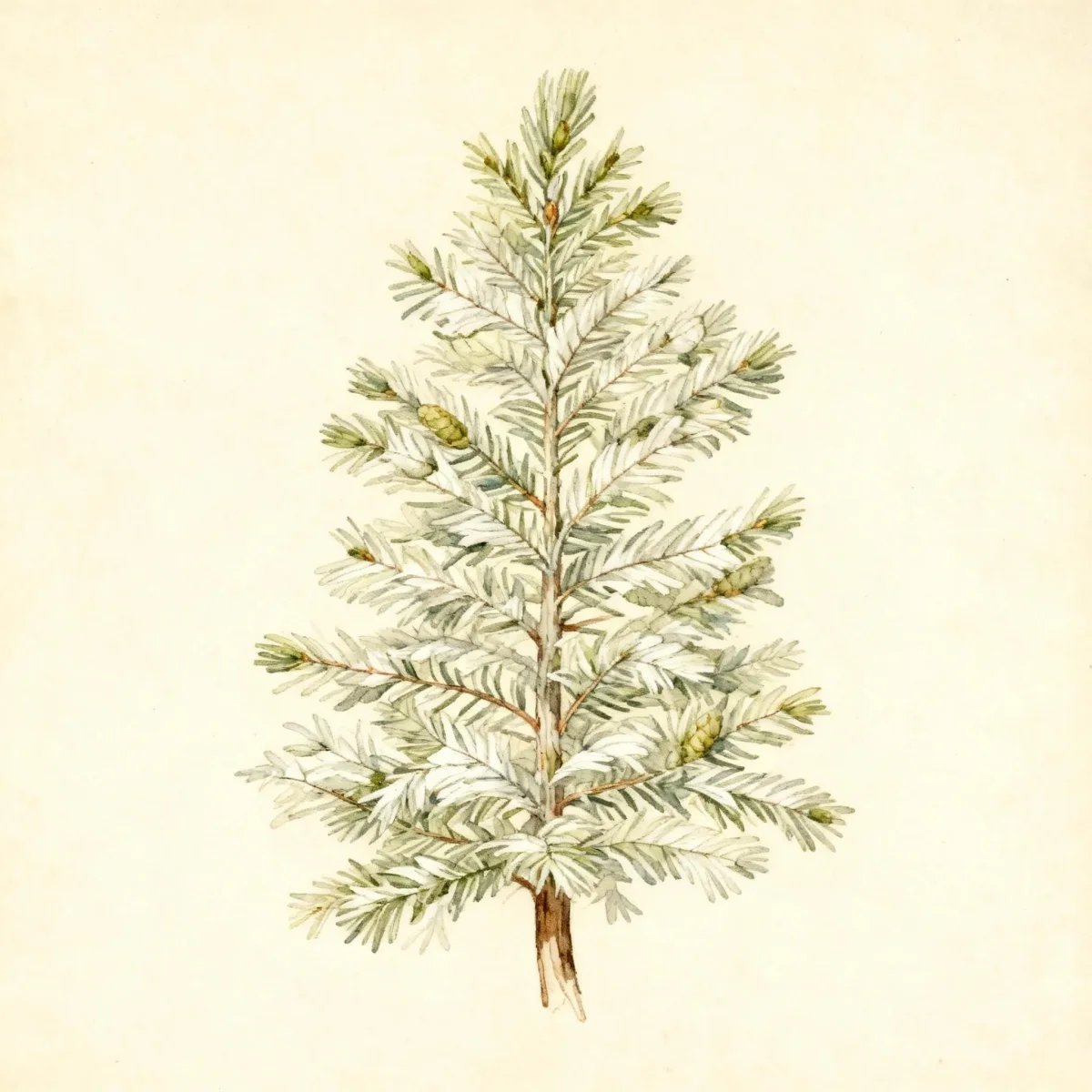
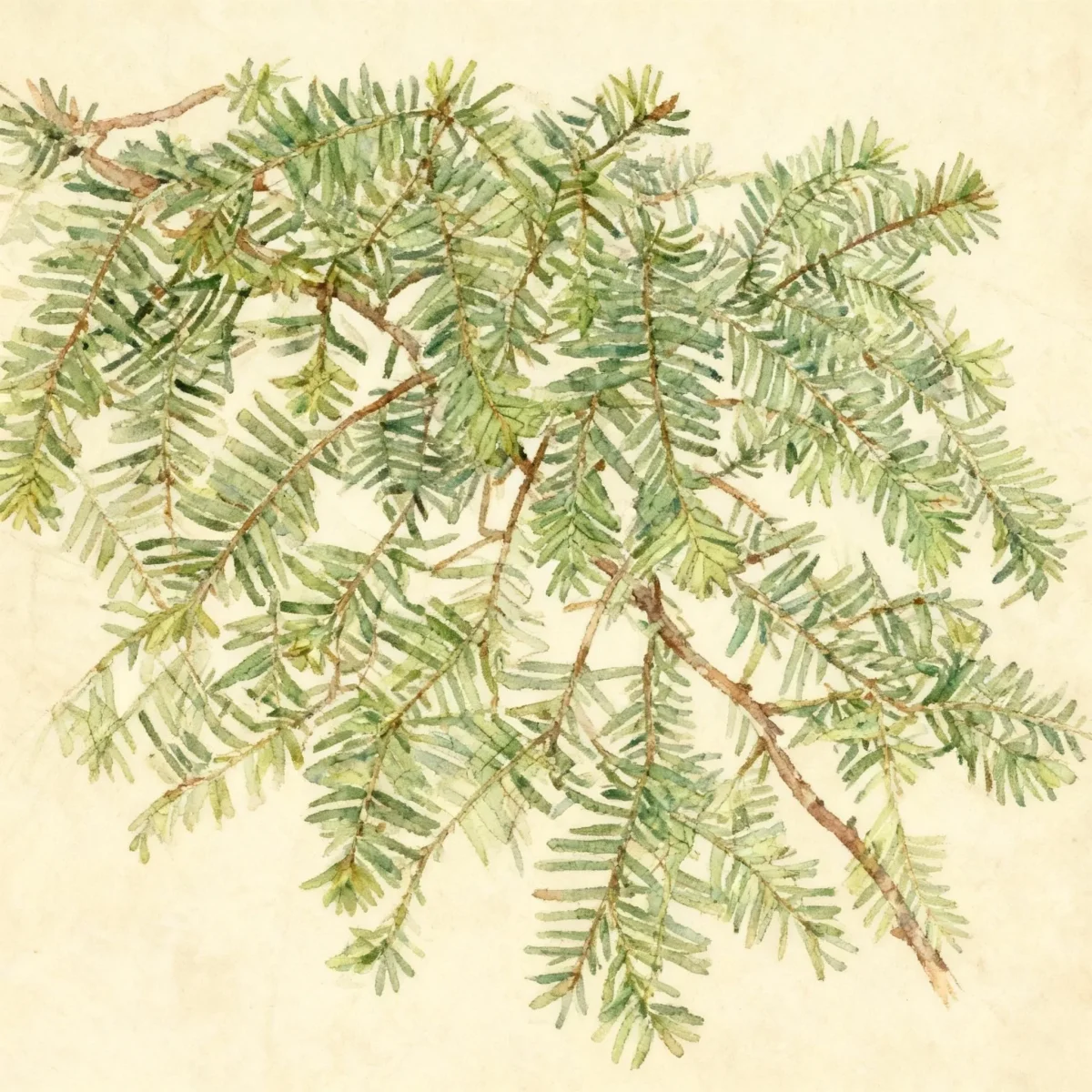
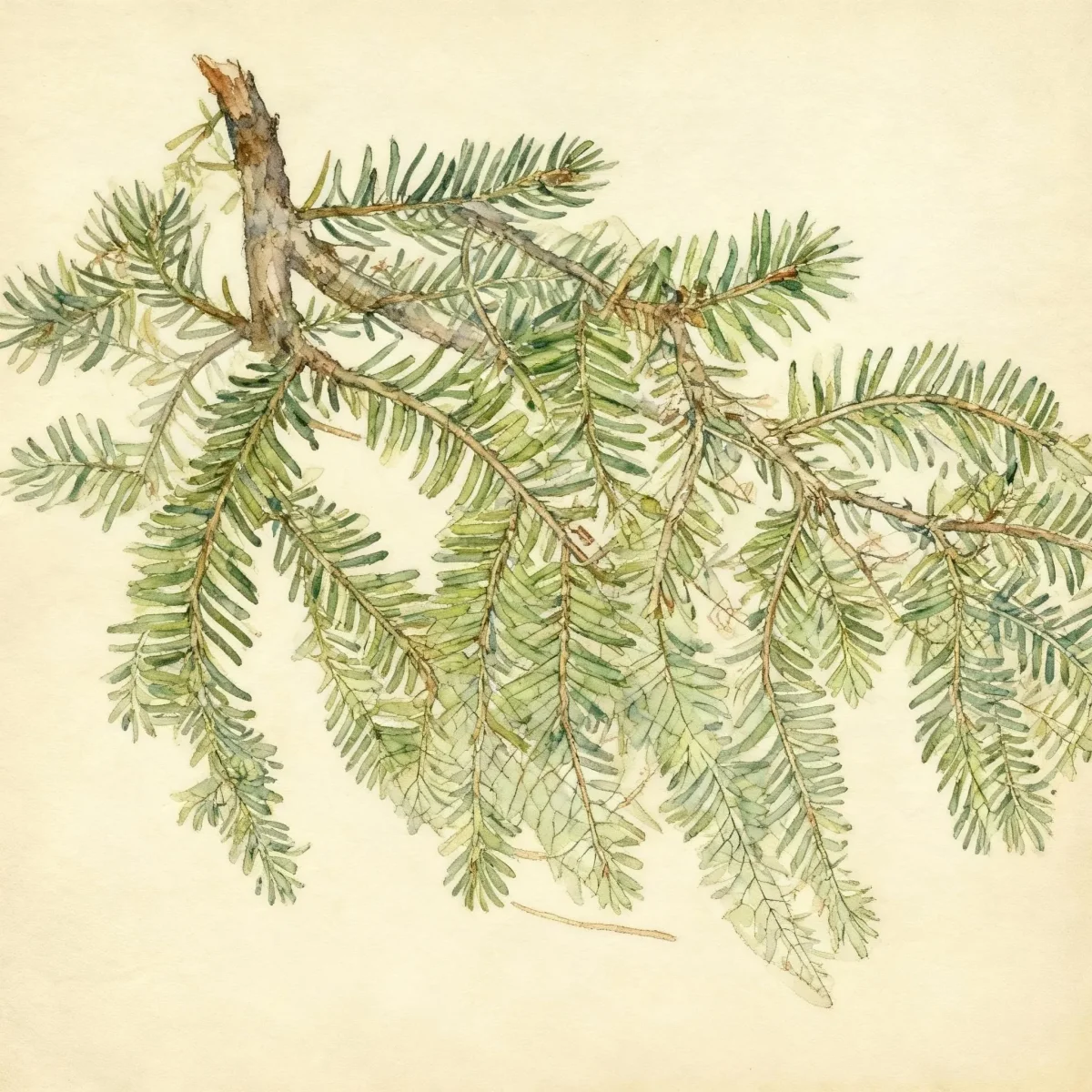
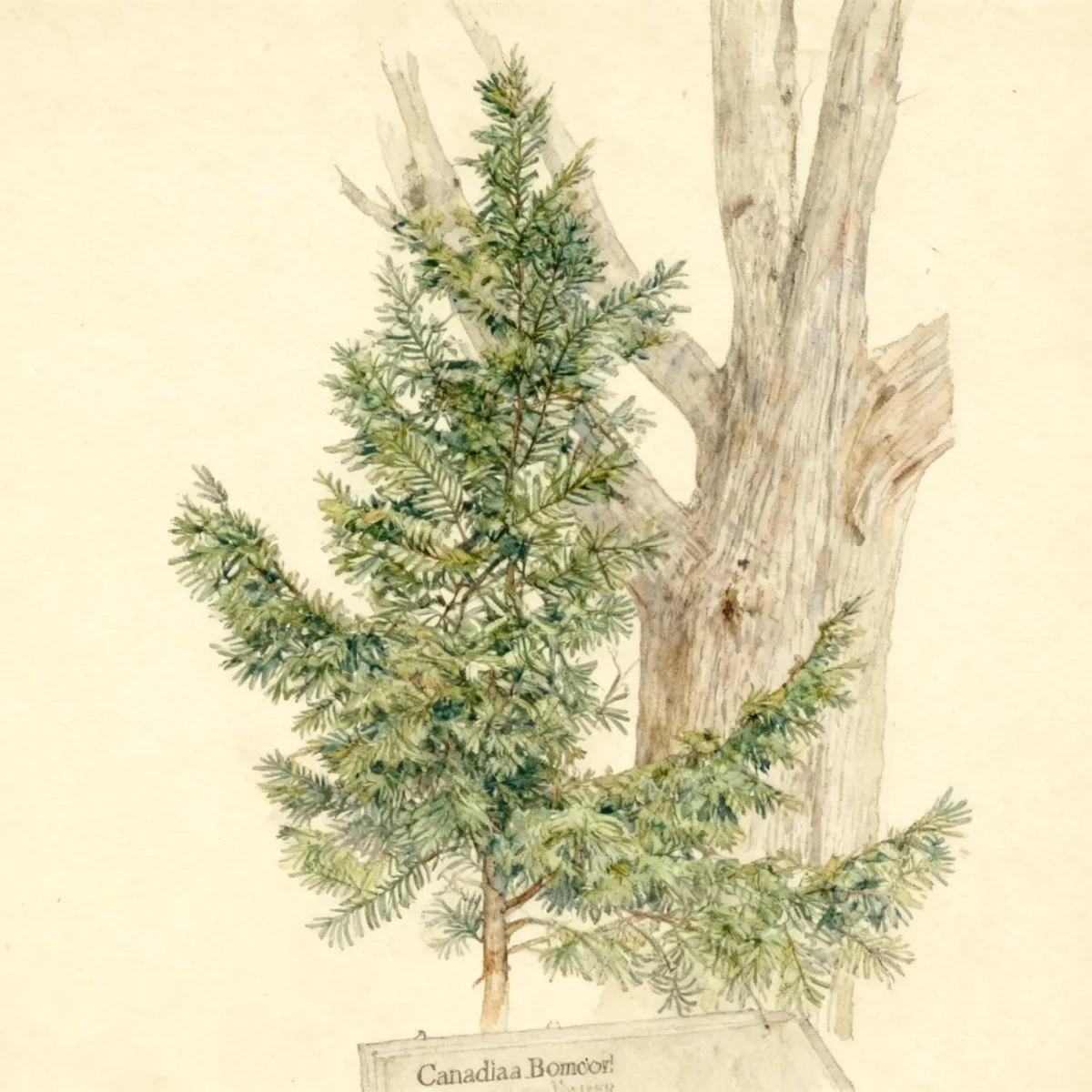
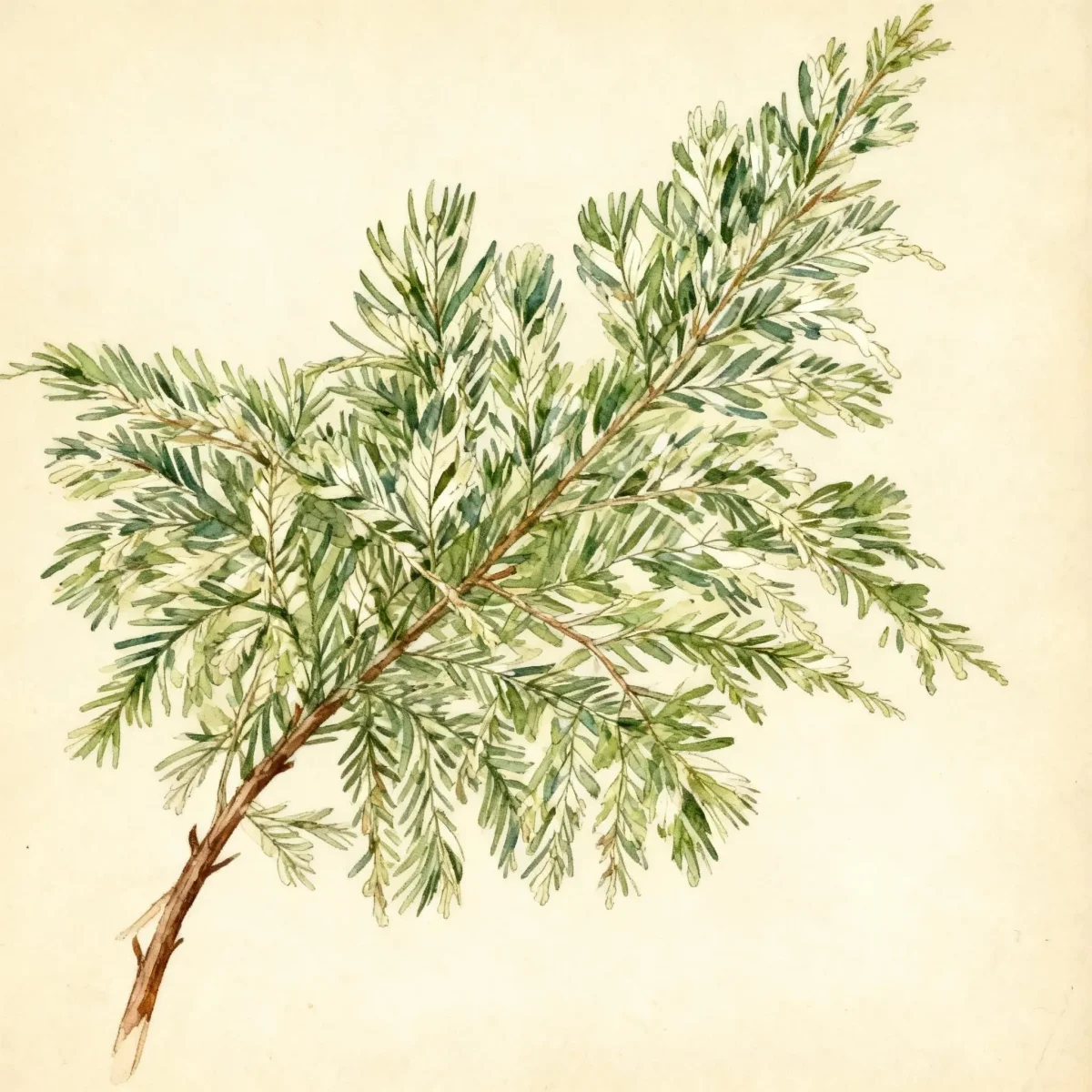
Canadian hemlock (Tsuga canadensis 'Monler' EMERALD FOUNTAIN)
The compact Tsuga canadensis 'Monler' EMERALD FOUNTAIN is a low-maintenance, columnar Canadian hemlock perfect for formal hedges in shady spots.
Scroll down to discover growing tips, care requirements, companion plants, and more
Complete Plant Information
Overview
The Tsuga canadensis ‘Monler’ EMERALD FOUNTAIN is a highly desirable cultivar of the native Canadian hemlock, treasured for its dense, compact, and distinctly columnar growth habit. Unlike its towering wild relatives, this variety remains manageable, making it an excellent choice for formal structure in smaller landscapes or foundation plantings. Its lacy sprays of short, dark green needles create a graceful texture year-round.
This evergreen conifer thrives best where it receives part shade protection, especially from intense afternoon heat, which can sometimes scorch the foliage. As a low-maintenance specimen, the Tsuga canadensis ‘Monler’ EMERALD FOUNTAIN offers reliable year-round color and screening capabilities without demanding extensive care. It is well-suited for gardeners looking for lasting green structure in shaded borders or as vertical accents.
Gardeners appreciate the slow-growing nature of this cultivar, allowing for easy placement where height and width are restricted concerns. When correctly sited, the Canadian hemlock variety ‘Monler’ EMERALD FOUNTAIN provides an elegant, narrow profile that complements nearly any architectural or garden style.
Fast Facts
- Plant Family: Pinaceae
- Plant Type: Needled evergreen
- Hardiness Zones: USDA Zones 4-7
- Size at Maturity:
- Height: 6-10 ft
- Spread: 2-3 ft
- Bloom Time: Non-flowering
- Bloom Description: Non-flowering
- Sun Exposure: Part shade to full shade
- Water Needs: Medium
- Maintenance Level: Low
How to Grow
Planting the Tsuga canadensis ‘Monler’ EMERALD FOUNTAIN is best achieved in the spring or fall when temperatures are cooler. Ensure the planting site offers average, well-drained soil with a medium moisture level. While this Canadian hemlock variety tolerates deep shade, a location providing part shade is ideal for best color and density. It should be sited where it is sheltered from drying winds and punishing hot afternoon sun, particularly in the lower limits of its hardiness range (Zone 6 and warmer).
Watering is a critical component, especially for young plants; they are intolerant of drought and require consistent moisture during dry spells. Once established, the water needs remain medium, but monitoring during summer heatwaves is essential. Pruning requirements are minimal; this columnar cultivar generally maintains its shape well without heavy shearing.
For winter protection, especially in exposed areas, apply a thick layer of mulch around the base to regulate soil temperature and moisture. Be cautious when siting in very hot, humid climates, as temperatures consistently exceeding 95 degrees F can lead to sun scald damage on the foliage.
Landscape Uses
The compact habit of the Tsuga canadensis ‘Monler’ EMERALD FOUNTAIN makes it an excellent evergreen for creating vertical interest in areas where space is limited. Its strong columnar shape fulfills the suggested use as a precisely defined hedge or screen where wider cultivars would overwhelm the space. They work beautifully when organized in formal groupings near entrances or along property lines needing year-round visual separation.
For shrub borders, place the Canadian hemlock as an endpoint or anchor planting, contrasting its fine texture against broader-leaved evergreens or deciduous shrubs. Because this cultivar prefers shade and moist conditions, it companions well with shade-loving perennials such as hostas, ferns, and azaleas that share similar cultural requirements, creating lush, woodland-edge garden scenes.
Standout Features
Noteworthy Characteristics
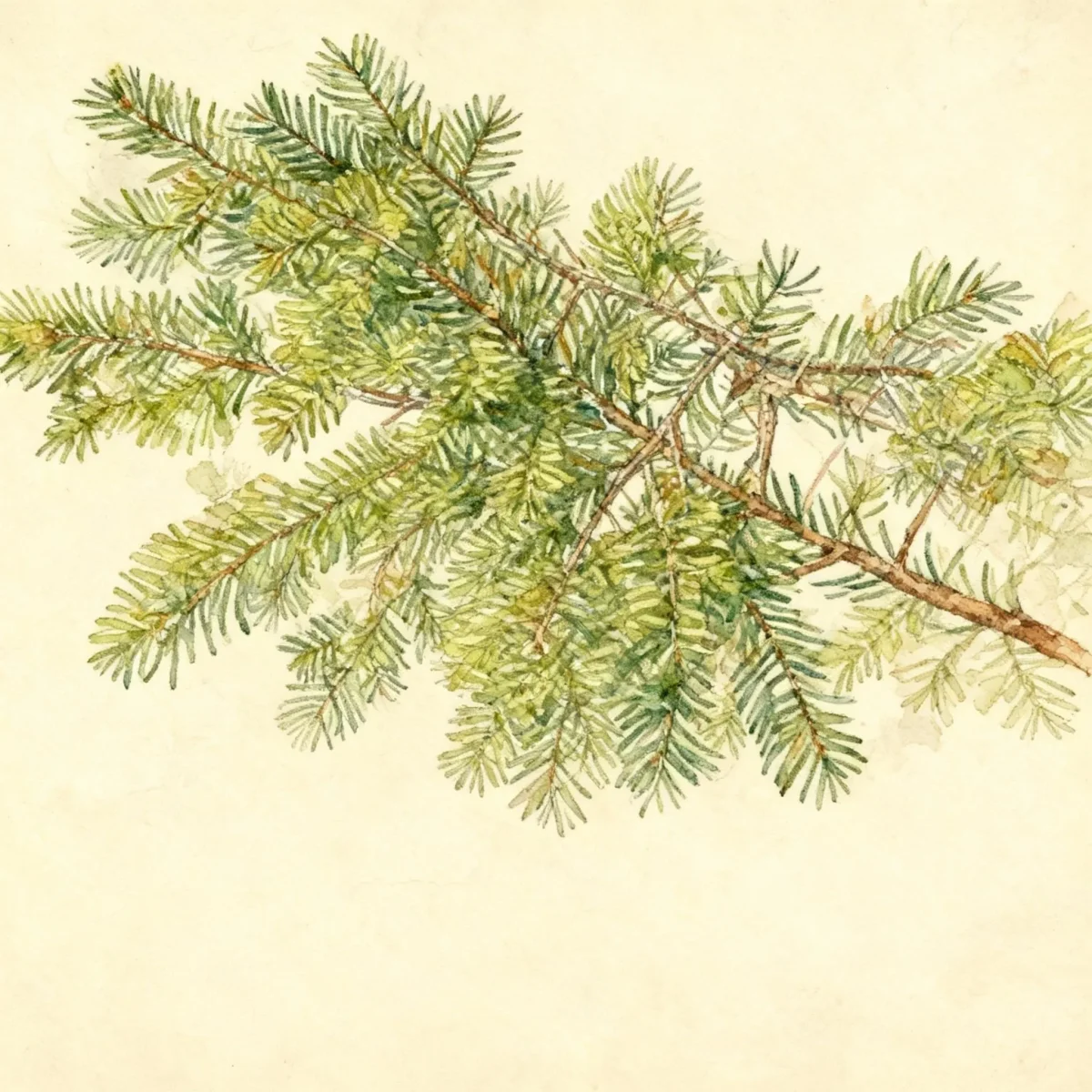
The original Canadian hemlock species is known for its graceful, lacy foliage and small cones, native to eastern North American moist woods. The Tsuga canadensis ‘Monler’ EMERALD FOUNTAIN cultivar inherits this delicate needle structure but remains restricted to a compact, slow-growing columnar form reaching only 6-10 feet tall. Its dark green needles feature attractive white bands beneath, providing consistent aesthetic appeal throughout the year.
Tolerances
- Deer
- Heavy Shade
- Black Walnut
Potential Problems
A healthy Tsuga canadensis ‘Monler’ EMERALD FOUNTAIN generally faces few issues if planted in the correct environment. The chief concern for wild hemlocks and susceptible cultivars is the Hemlock Woolly Adelgid (HWA), a tiny, sap-sucking pest that severely injures or kills trees by extracting fluids from the needles’ base. Inspect branch crotches frequently for white, cottony ovisacs from late fall through early spring and treat aggressively with recommended systemic insecticides if HWA is detected, as its presence can be fatal.
Other potential physiological issues include foliage scorch during extreme summer heat when moisture is insufficient, and potential failure if subjected to prolonged drought, which can be fatal even to established specimens. Fungal issues like needle blight or cankers may arise in overly wet or stagnant conditions, underscoring the need for well-drained soil.
Frequently Asked Questions
What hardiness zones is Canadian hemlock (Tsuga canadensis ‘Monler’ EMERALD FOUNTAIN) suitable for?
The Canadian hemlock cultivar ‘Monler’ EMERALD FOUNTAIN is suitable for USDA Hardiness Zones 4 through 7.
How large does Tsuga canadensis ‘Monler’ EMERALD FOUNTAIN grow?
This specific cultivar reaches a mature height between 6 and 10 feet tall, maintaining a narrow spread of only 2 to 3 feet wide.
What sun exposure does Tsuga canadensis ‘Monler’ EMERALD FOUNTAIN need?
It performs best in part shade to full shade conditions, needing protection from harsh afternoon sun, especially in warmer regions.
When does Tsuga canadensis ‘Monler’ EMERALD FOUNTAIN bloom?
As a conifer, this plant is non-flowering, producing cones instead of traditional blooms.
Conclusion
The Tsuga canadensis ‘Monler’ EMERALD FOUNTAIN successfully translates the elegance of the wild Canadian hemlock into a manageable package perfect for formal screening or tight vertical accents. Its adaptability to shade and low maintenance make it a powerhouse evergreen for difficult garden corners. Always check your local hardiness zone rating before planting and ensure consistent moisture while establishing this beautiful columnar specimen.
Companion Planting for Shady Borders
Because the Tsuga canadensis ‘Monler’ EMERALD FOUNTAIN thrives in part shade and appreciates medium moisture, selecting companions that share these cultural needs will result in a harmonious planting scheme. Consider pairing it with acid-loving broadleaf evergreens like Rhododendrons or smaller Azaleas, positioning them slightly outside the drip line where they might receive more indirect light. Shade-tolerant groundcovers such as Japanese Forest Grass (Hakonechloa macra) or low-growing Pachysandra work well as living mulches around the base, suppressing weeds while enhancing the layered, woodland feel.
When developing a screen using this cultivar, intermittent planting with taller, shade-tolerant deciduous shrubs like Hydrangea species (such as ‘Incrediball’ or oakleaf varieties) can add seasonal interest through flowers and contrasting summer foliage, breaking up the solid evergreen wall of the Canadian hemlock. Ensure spacing allows for air circulation critical to preventing the development of fungal issues on the dense foliage of the Tsuga canadensis ‘Monler’ EMERALD FOUNTAIN.
Maintaining Evergreen Health
Maintaining the striking dark green color of this cultivar relies heavily on preventing drought stress and vigilance against pests. During the growing season, a consistent watering schedule is more important than applying fertilizers, though a slow-release, balanced evergreen food applied in early spring can support dense growth. Avoid high nitrogen fertilizers, which can force weak, susceptible new growth.
The most crucial year-round activity is pest inspection, particularly checking the undersides of branches near the trunk for HWA, the nemesis of hemlocks. Early detection allows for easier treatment options, often involving horticultural oils or systemic products applied directly to the soil around the root zone. Proper siting away from reflected heat and high wind speeds also dramatically reduces the chance of foliage burn and water stress throughout the year.