Lavandin (Lavandula × intermedia 'Grosso')
Lavandin 'Grosso' is a fragrant, showy herbaceous perennial prized for aromatic spikes and drought tolerance in Zones 5-8.
Scroll down to discover growing tips, care requirements, companion plants, and more
Complete Plant Information
Overview
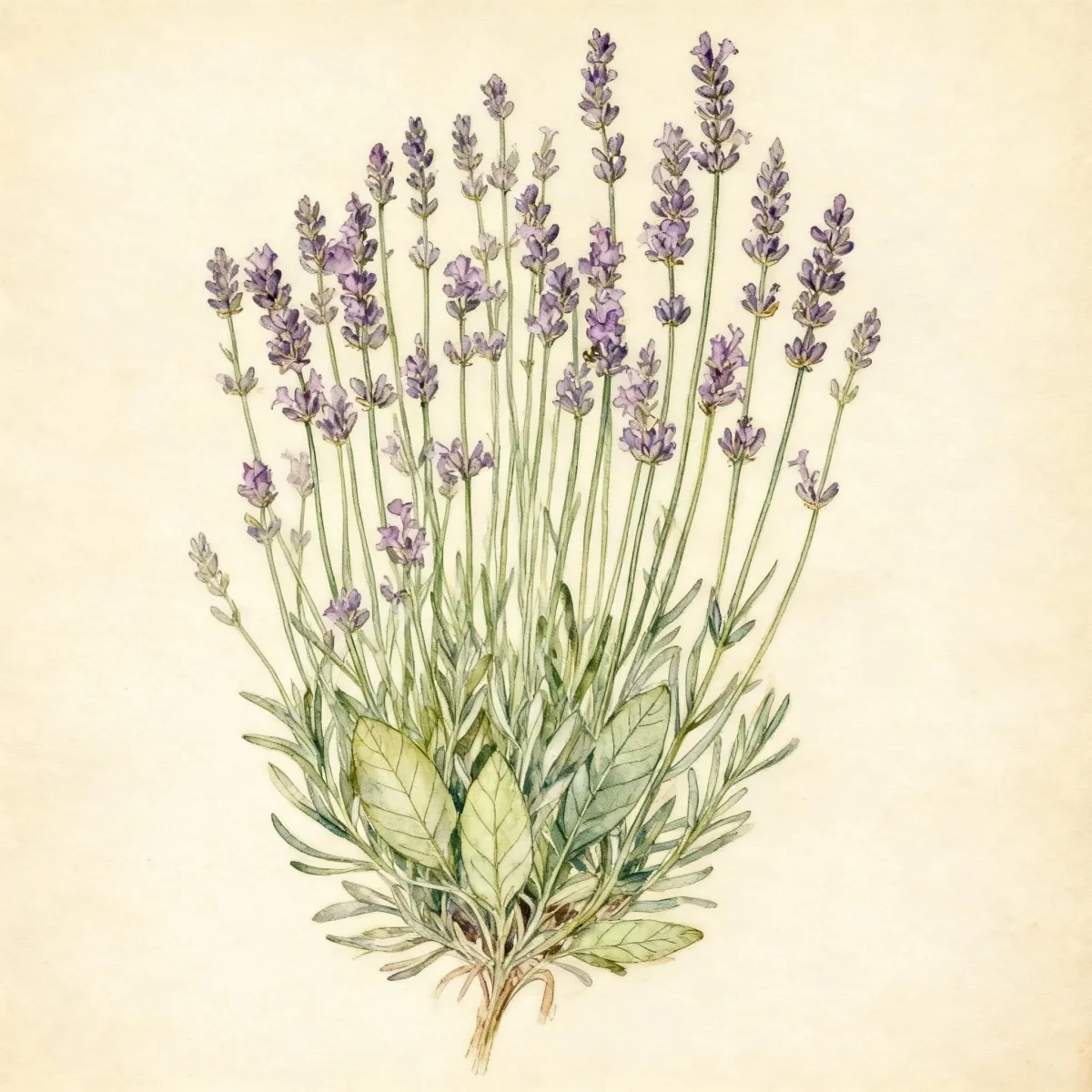
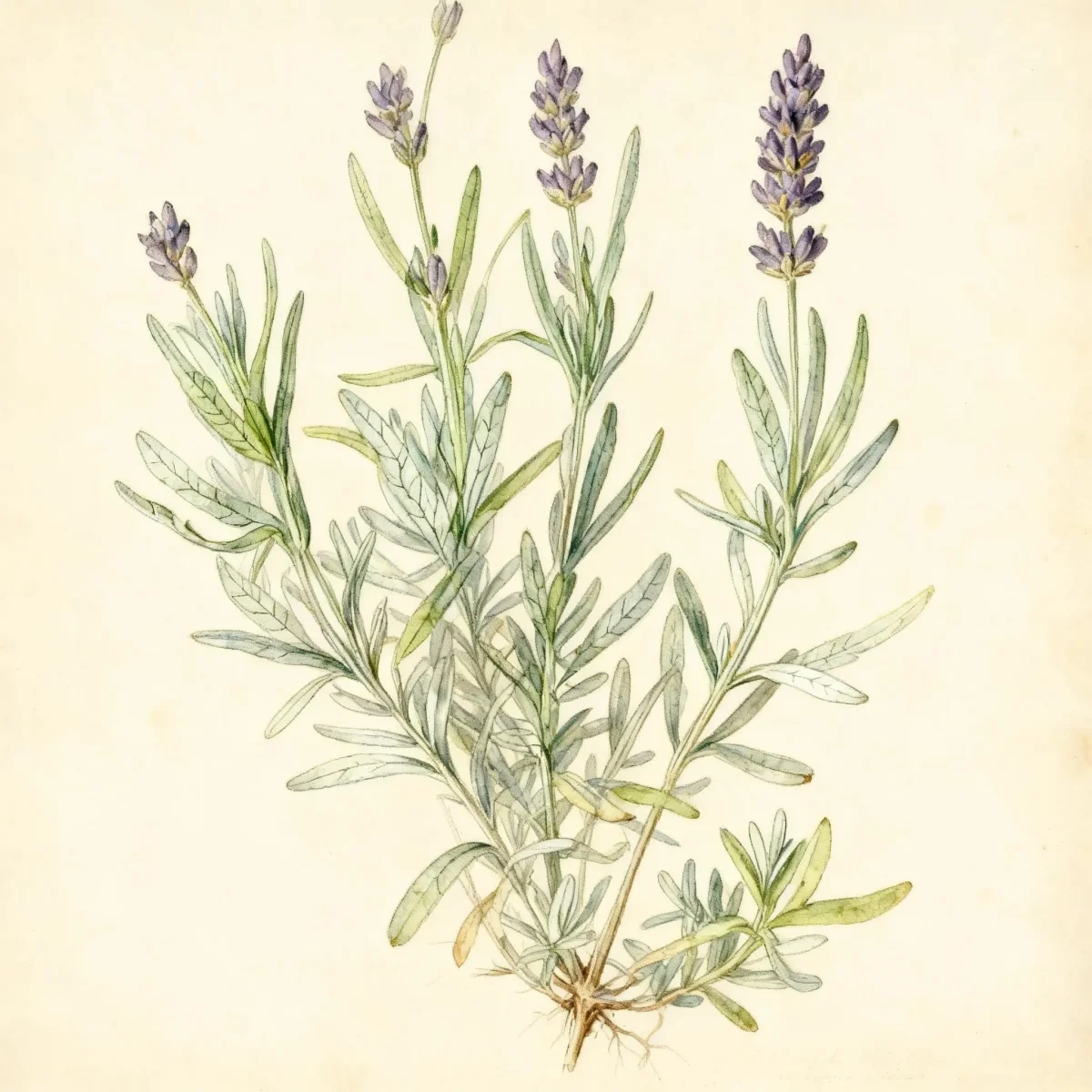
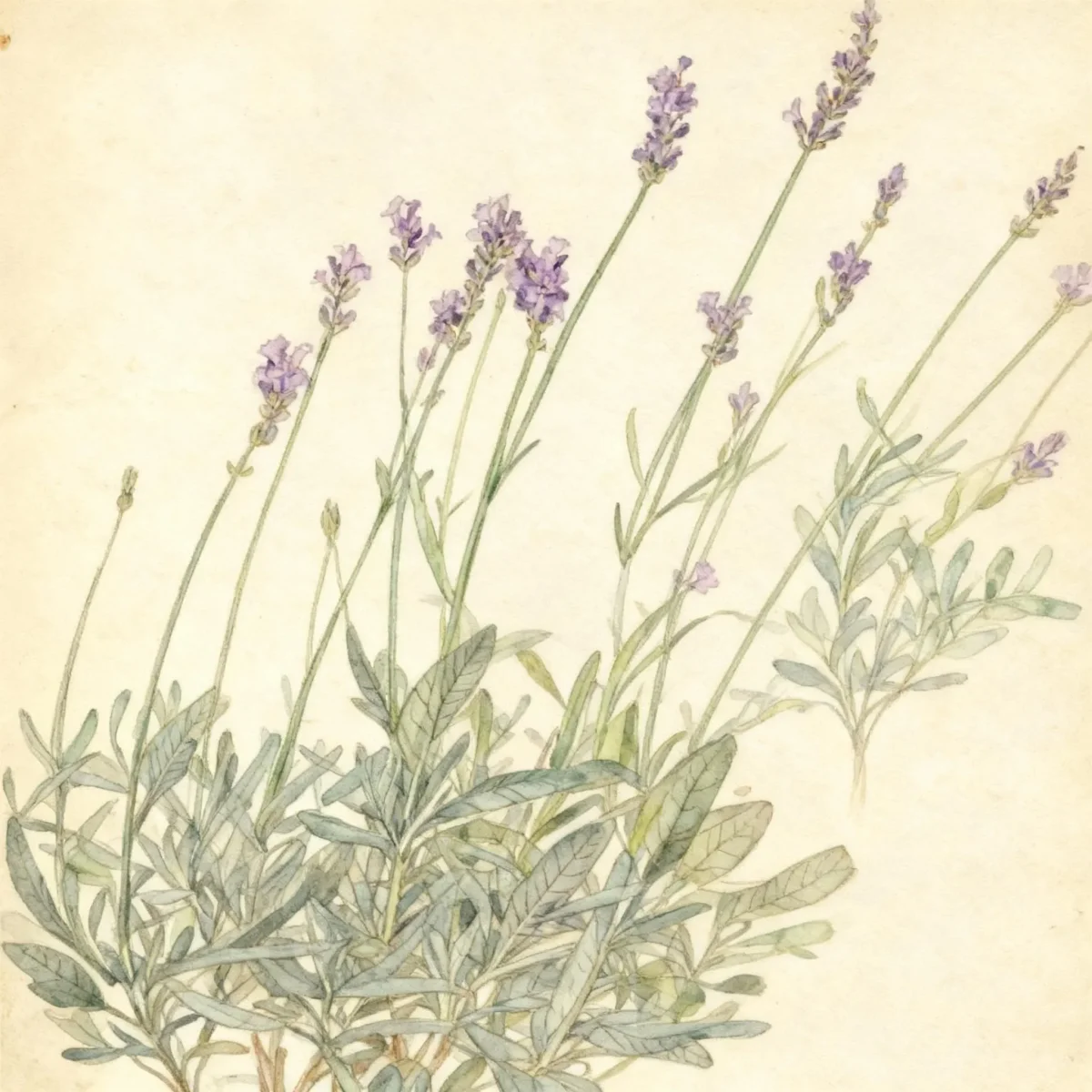
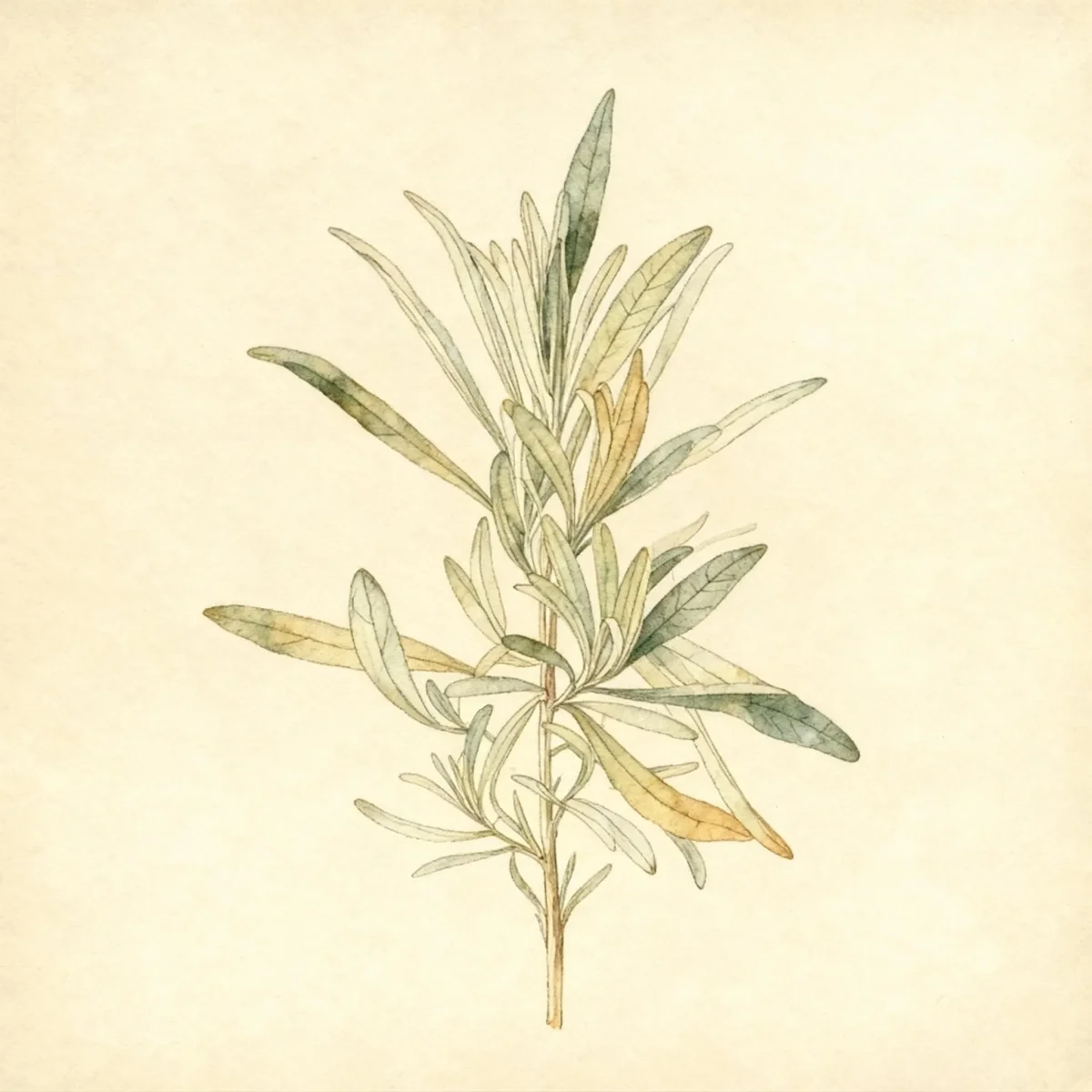
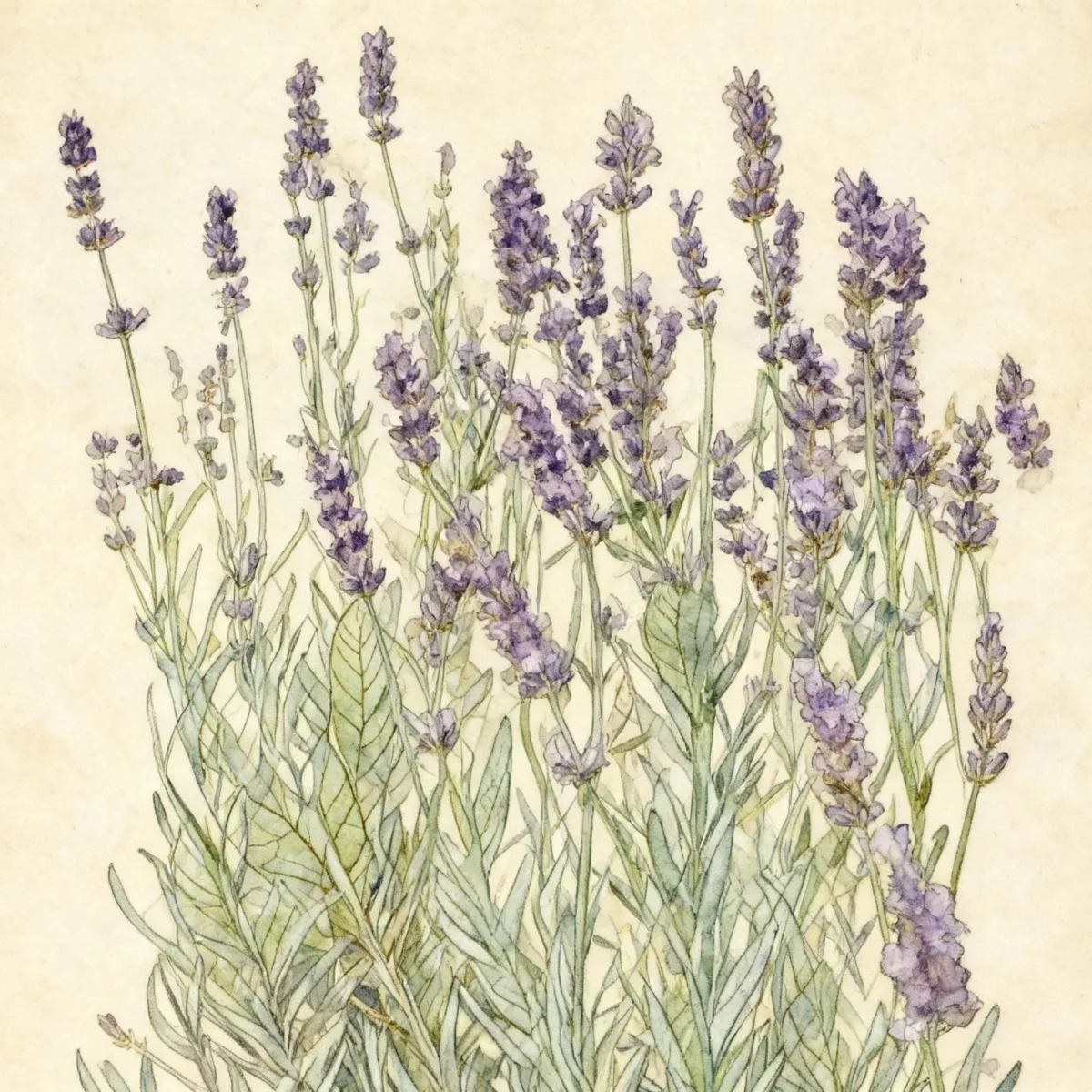
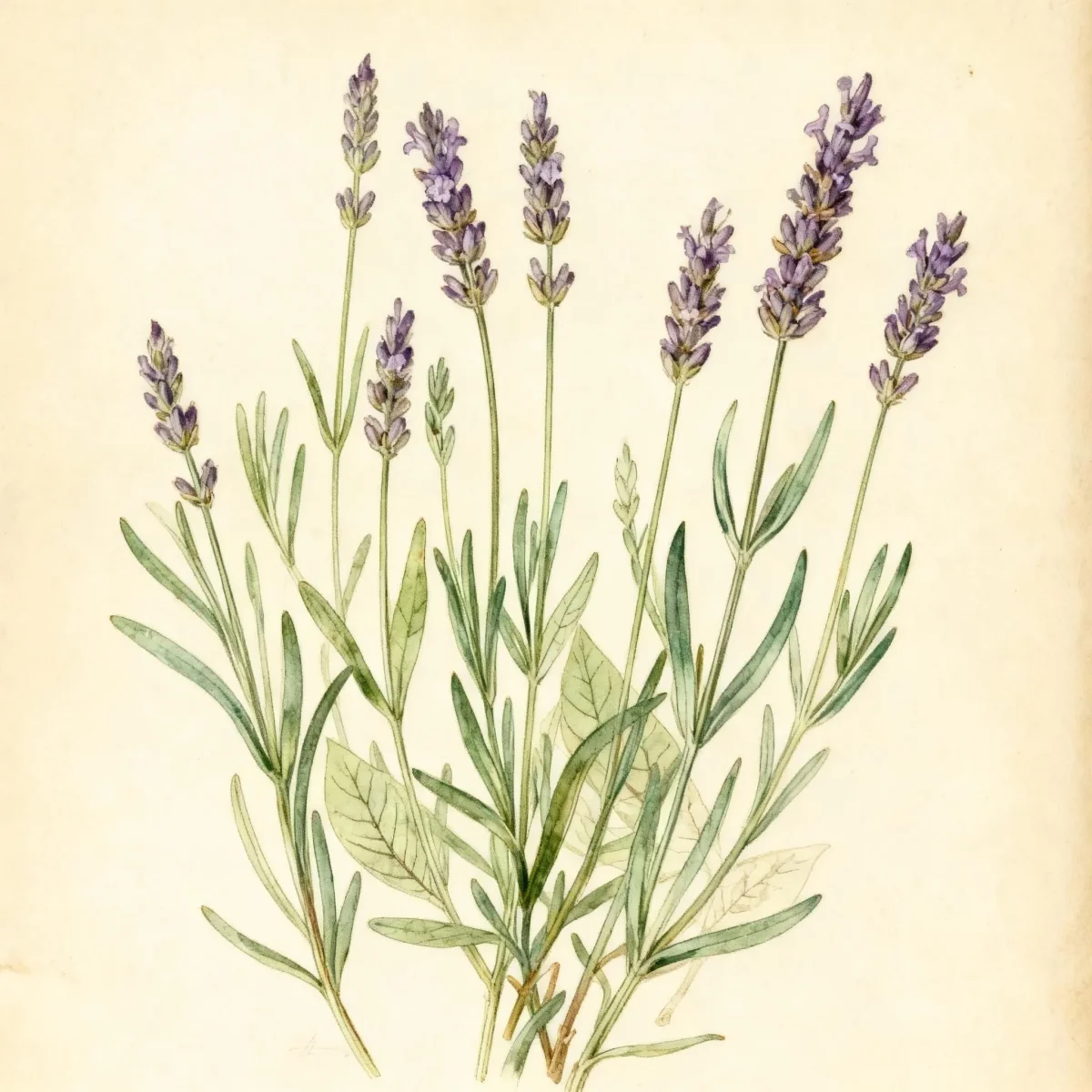
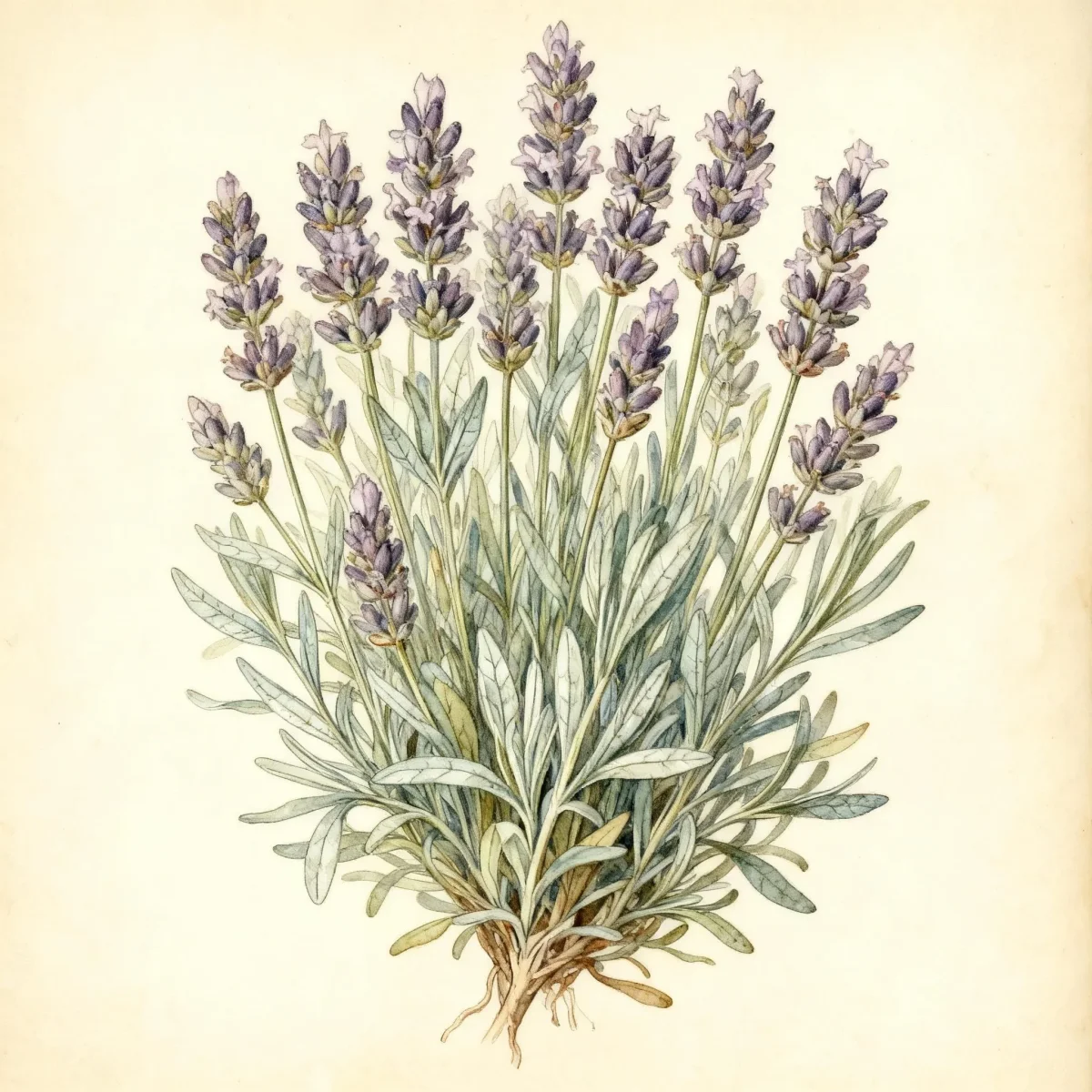
Lavandin, specifically the popular hybrid cultivar Lavandula × intermedia ‘Grosso’, offers exceptional fragrance and robust summer performance, making it a staple in many gardens. This semi-woody perennial forms an attractive shrubby mound covered in highly aromatic gray-green foliage throughout the season. Its key appeal lies in the dense, large lavender flower spikes that emerge midsummer, offering both visual interest and intensive scent.
Growing Lavandula × intermedia ‘Grosso’ requires attention to drainage, as it strongly resents wet feet, especially during winter months. While celebrated for its drought tolerance once established, successful cultivation hinges on providing full, unforgiving sun and well-drained, slightly alkaline soil. Gardeners prize this Lavandin for its utility in sachets and potpourri, even if it is less favored for culinary uses compared to other lavenders.
This durable hybrid is generally avoided by deer and rabbits, and its structure provides excellent contrast in perennial settings. Planning planting locations carefully to ensure excellent air circulation is vital, particularly in humid summer regions, to prevent common fungal issues. Lavandula × intermedia ‘Grosso’ is an enduring choice for those seeking reliable, long-lasting summer fragrance.
Fast Facts
- Plant Family: Lamiaceae
- Plant Type: Herbaceous perennial
- Hardiness Zones: USDA Zones 5-8
- Size at Maturity:
- Height: 2-2.5 ft
- Spread: 2-2.5 ft
- Bloom Time: June to August
- Bloom Description: Lavender
- Sun Exposure: Full sun
- Water Needs: Dry to medium
- Maintenance Level: Medium
How to Grow
For optimal growth, plant Lavandula × intermedia ‘Grosso’ where it receives full, uninterrupted sun exposure. The most critical factor for success across its hardiness range is excellent soil drainage. It thrives in average, well-drained, slightly alkaline soil, preferring locations that mimic dry, Mediterranean conditions. While establishment requires only dry to medium watering, ensure drainage is unimpeded, particularly heading into winter, as root rot is a significant threat in poor conditions.
Maintenance for this Lavandin is moderate. After flowering ceases in late summer or early fall, remove the faded flower spikes to encourage tidiness. The main structural pruning is scheduled for spring, once new foliage appears. Prune the plant lightly at this time merely to maintain shape. Every three years, however, be more aggressive, cutting the stems back to about eight inches to refresh the plant and promote vigorous new growth at the base for Lavandula × intermedia ‘Grosso’.
Gardeners in higher humidity zones, such as the southern reaches of Zone 5, should take extra precautions. High summer humidity is detrimental, making well-drained soil even more crucial. Avoid heavy organic mulches that retain moisture near the crown; instead, consider using rock mulch to improve soil aeration and manage localized humidity around the base of the plant.
Landscape Uses
The size and form of Lavandula × intermedia ‘Grosso’ make it exceptionally versatile beyond the traditional herb garden. Its mounded shape and attractive silver-green foliage offer fantastic textural contrast along the front of a perennial border, softening the transition between walkway and taller plants. This Lavender hybrid performs beautifully when massed, creating uniform sweeps of color and fragrance during its long bloom window.
Consider using this reliable Lavandin in specialized settings like rock gardens, where drainage is naturally superior, or incorporate it into scented gardens where its intense perfume can be fully appreciated. Its natural tolerance to dry soil and air pollution also makes it an excellent candidate for low-maintenance edging along driveways or sunny pathways.
Standout Features
Flower Qualities
- Showy
- Fragrant
Noteworthy Characteristics
Lavandin (L. Angustifolia × L. Latifolia) is a popular hybrid lavender, frequently used in potpourri and sachets due to its powerful aroma. ‘Grosso’ forms a tidy, mounded shrub, reaching 2-3 feet tall, defined by its silver-green leaves and summer-blooming flower spikes that are notably large and plump for this cultivar. The hybrid designation signifies its intermediate nature between the parents of this cross, resulting in excellent aromatic intensity.
Tolerances
- Rabbit
- Deer
- Drought
- Dry Soil
- Shallow-Rocky Soil
- Air Pollution
Potential Problems
The main threats to Lavandula × intermedia ‘Grosso’ involve root diseases and winter mortality. The plant is susceptible to leaf spot, but the greater danger comes from root rot, which invariably strikes plants sited in poorly drained soils. Never allow standing water or soggy conditions, especially over winter.
Winter survival in Zone 5 can be unreliable; plants require protection if temperatures consistently drop below freezing without insulating snow cover. In areas prone to freeze-thaw cycles, providing a sheltered microclimate can significantly increase the longevity of your Lavandin plantings. Good air circulation also minimizes issues caused by high summer humidity.
Frequently Asked Questions
What hardiness zones is Lavandin suitable for?
Lavandula × intermedia ‘Grosso’ is hardy in USDA Zones 5 through 8, although protection may be needed in colder parts of Zone 5.
How large does Lavandin grow?
This herbaceous perennial typically matures to a height between 2 and 2.5 feet tall, with a similar spread of 2 to 2.5 feet wide.
What sun exposure does Lavandula × intermedia ‘Grosso’ need?
This plant requires full sun to thrive and produce its characteristic fragrant blooms.
When does Lavandin bloom?
It provides continuous flower color from June through August, featuring spikes described as lavender in color.
Conclusion
Lavandula × intermedia ‘Grosso’ offers high-impact fragrance and aesthetic appeal, characterized by its showy flower spikes and resilient, drought-tolerant nature. Successful cultivation of this specific Lavandin relies heavily on providing excellent drainage and full sunlight, especially in high-humidity regions. Before planting, confirm your local hardiness zone aligns with USDA Zones 5-8 and amend your soil accordingly to meet the strict drainage requirements of this exceptional hybrid.
Companion Planting
Choosing companions carefully will enhance the beauty and health of your Lavandin planting area. Because Lavandula × intermedia ‘Grosso’ demands excellent drainage and full sun, pair it with other drought-tolerant, sun-loving Mediterranean herbs and perennials. Good companions include Thyme, Oregano, Russian Sage (Perovskia atriplicifolia), and various Sedums.
These plants share similar non-negotiable needs for lean, dry soil. Avoid placing Lavandin near moisture-loving plants like Hostas or Astilbes, as the resulting varied watering schedules will likely lead to root rot in the Lavender during a standard watering regiment.
Design Ideas for Fragrance
The strong vertical spikes of this Lavandin are perfect for creating structure in a mixed perennial border where summer color is needed. Use mass plantings of Lavandula × intermedia ‘Grosso’ to create fragrant hedges or defined edges along pathways where the scent is released as people brush past. Its silver foliage provides a cool contrast against hot-colored perennials like Yarrow or Echinacea.
For a truly sensory experience, design a dedicated ‘Scented Garden’ area near a patio or seating space. Because the foliage and flowers remain aromatic even when dried, the scent profile of this Lavandin extends beyond the summer bloom period, providing lingering appeal in the landscape.