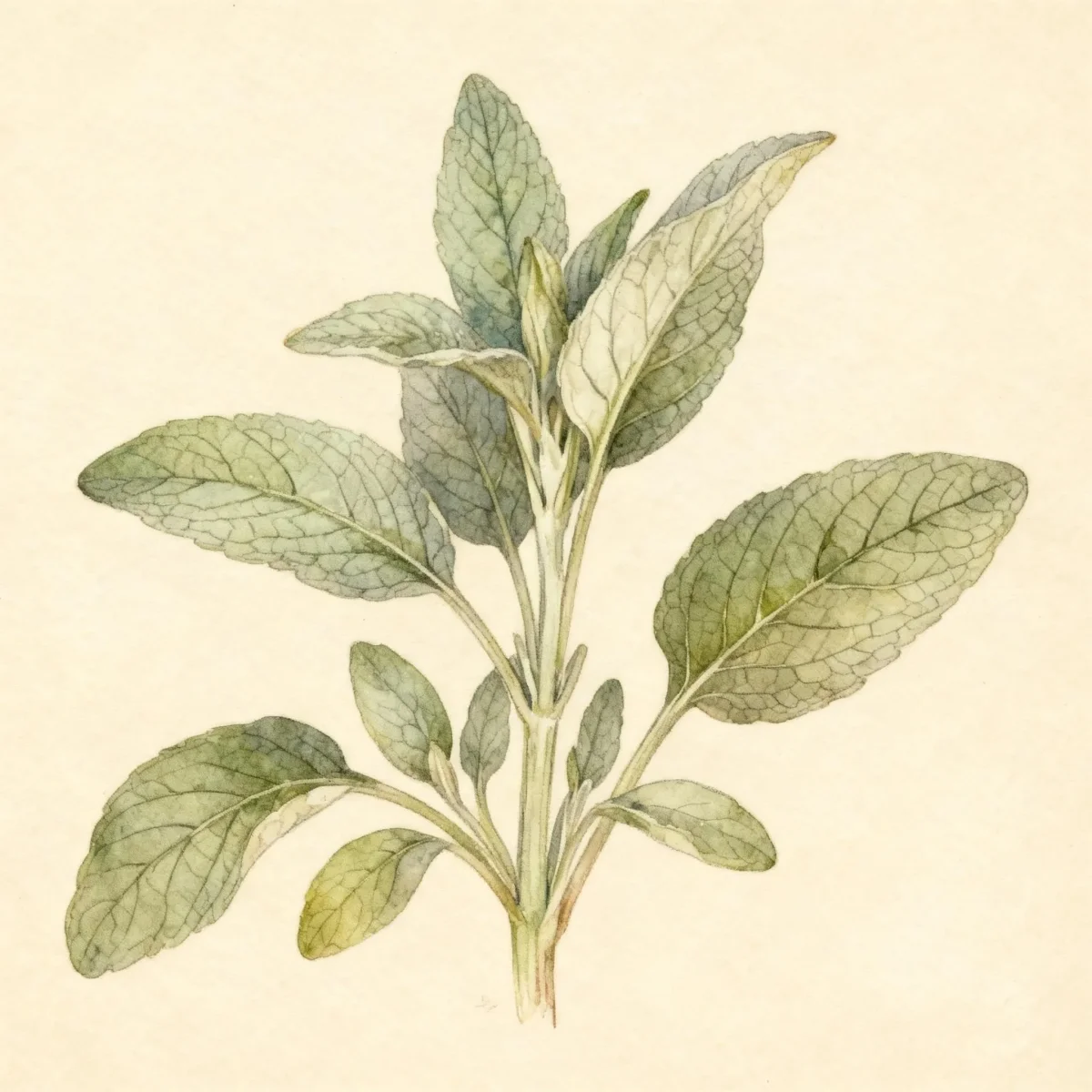
Lavender (Lavandula 'Silver Frost')
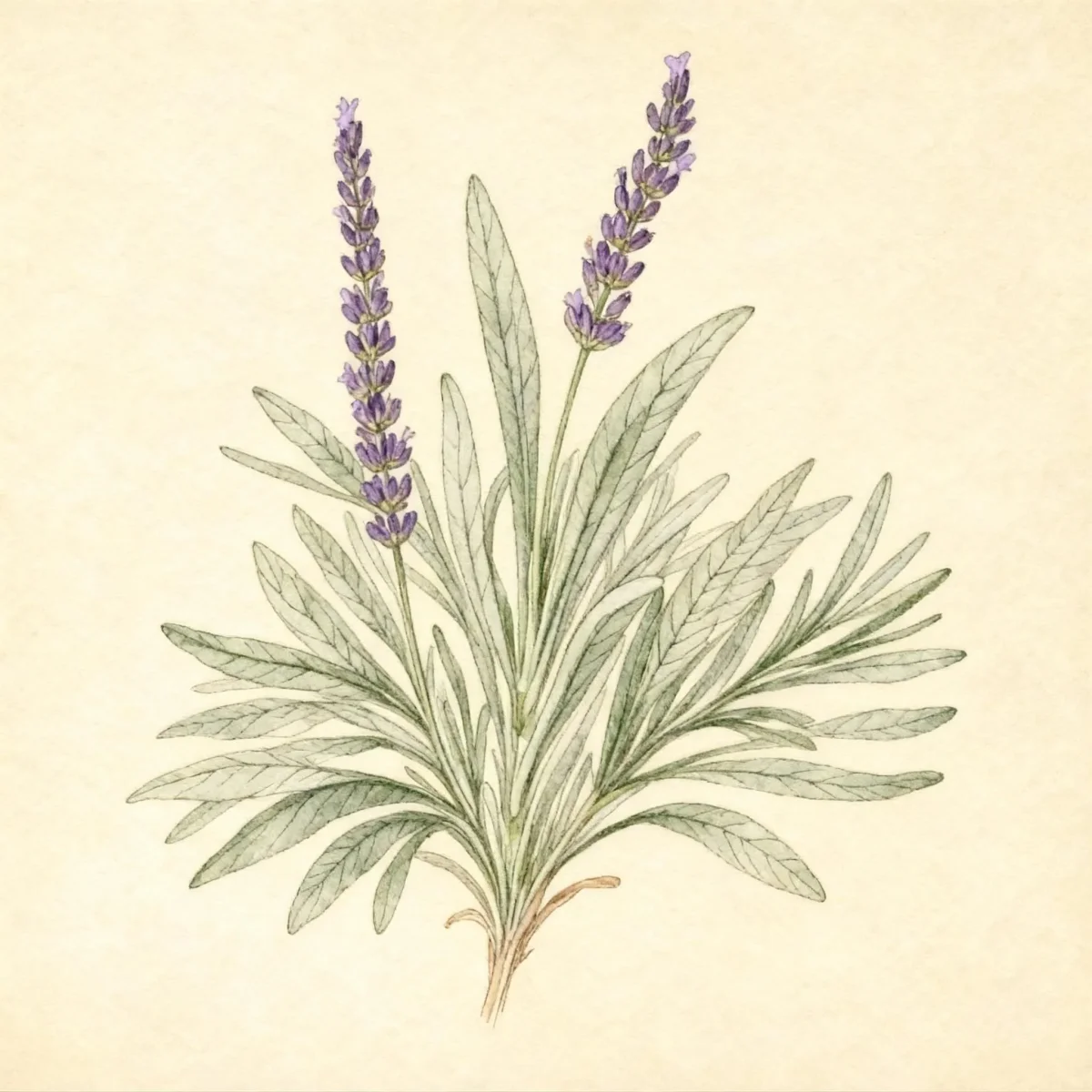
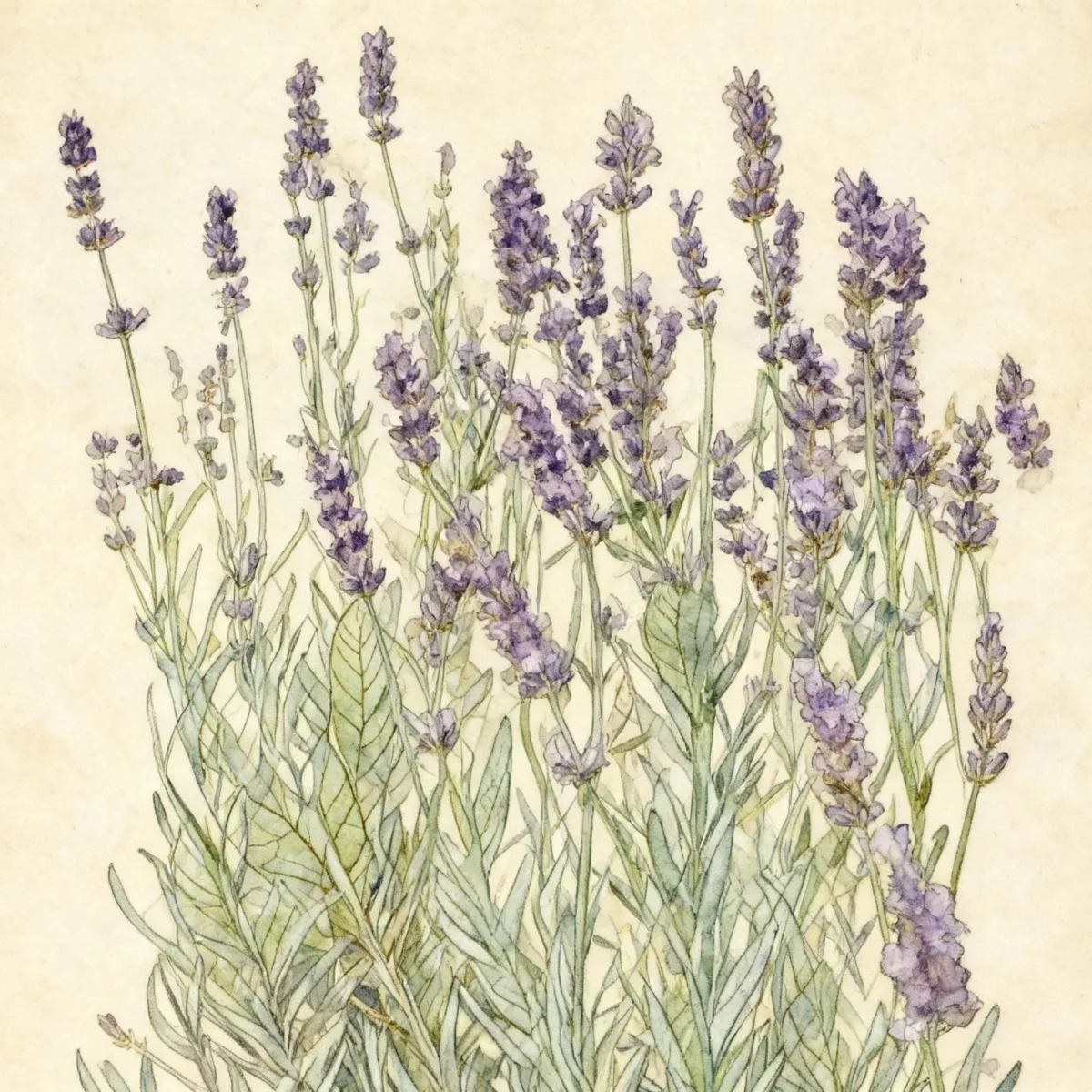
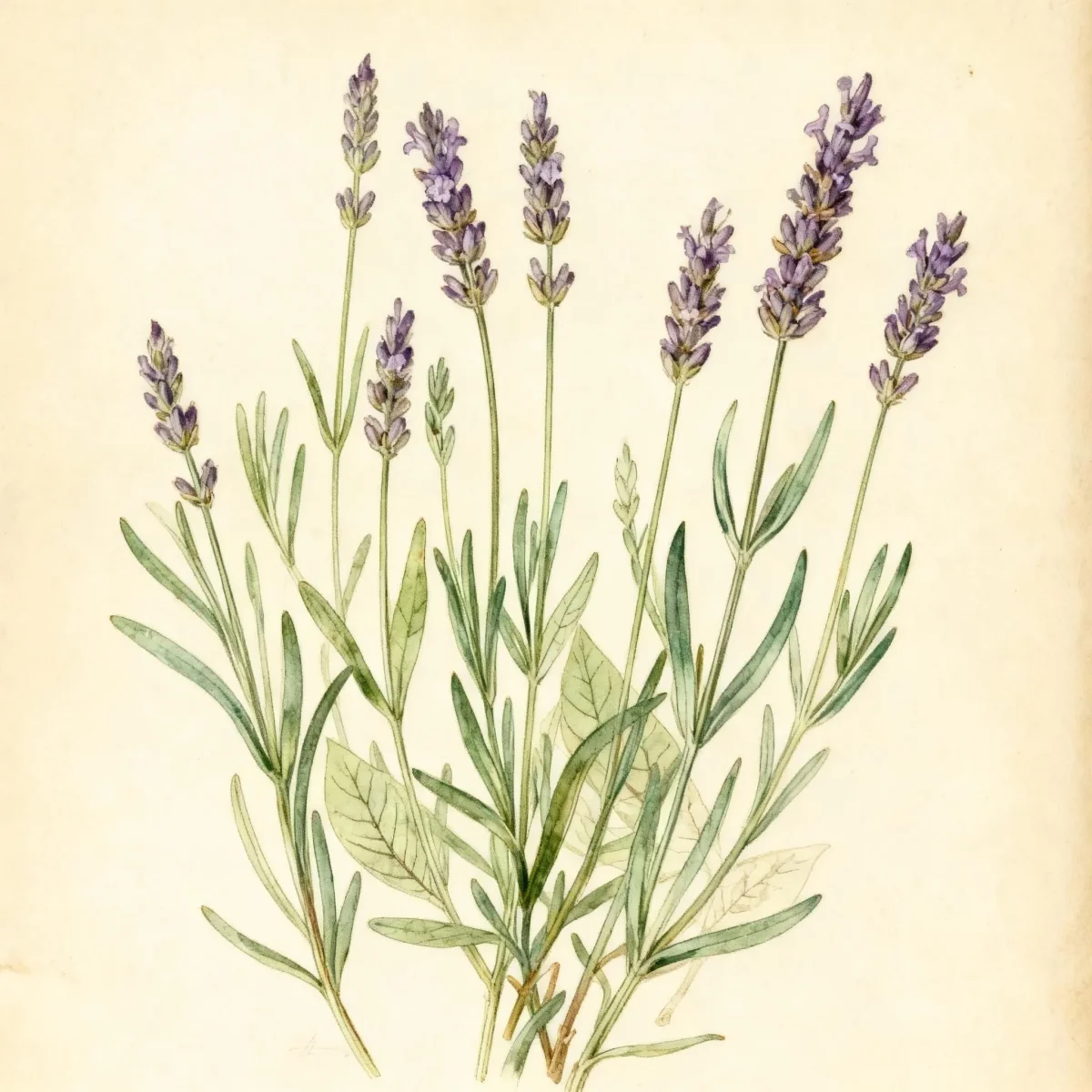
Lavandula 'Silver Frost' is a compact Lavender prized for silver foliage and fragrant purple summer blooms. Hardy in Zones 5-8.
Scroll down to discover growing tips, care requirements, companion plants, and more

Complete Plant Information
Overview
Lavandula ‘Silver Frost’ is a standout herbaceous perennial, valued in the garden for its unique visual appeal and intoxicating scent. This compact cultivar offers striking silver foliage contrasted beautifully by masses of vibrant purple flowers throughout the summer months. It belongs to the genus famous worldwide for its aromatic properties.
Growing Lavandula ‘Silver Frost’ successfully hinges on providing the ideal conditions it prefers: abundant light and excellent drainage. While it is a medium-maintenance plant, diligent attention to soil quality, especially avoiding overly wet conditions in winter, will ensure longevity and robust growth.
This versatile Lavender brings textural contrast and fragrance wherever it is placed, making it an essential component for scented gardens, rockeries, or as formal edging. Its ability to handle dry conditions once established makes Lavandula ‘Silver Frost’ excellent for sustainable, water-wise landscaping.
Fast Facts
- Plant Family: Lamiaceae
- Plant Type: Herbaceous perennial
- Hardiness Zones: USDA Zones 5-8
- Size at Maturity:
- Height: 1.5-2 ft
- Spread: 1.5-2 ft
- Bloom Time: June to August
- Bloom Description: Purple
- Sun Exposure: Full sun
- Water Needs: Dry to medium
- Maintenance Level: Medium
How to Grow
Planting Lavandula ‘Silver Frost’ is best accomplished when the danger of hard frost has passed, ensuring it is placed in a location receiving full sun all day long. Soil requirements are strict: well-drained, light, and slightly sandy soil is essential, often leaning toward alkaline. Root rot is the primary threat, particularly if the soil remains soggy through winter dormancy.
Established plants require generally dry to medium watering; allow the soil to dry out between waterings, mimicking its native arid preferences. Avoid fertilizing heavily, as Lavender prefers somewhat low fertility; rich soil encourages lush, floppy, less fragrant growth. Deadheading faded flowers will encourage the plant to produce more blooms well into August.
Maintenance involves careful pruning. Lightly prune to maintain shape throughout the season after new leaves emerge in spring. Critically, prune back hard to about 8 inches every three years during the spring cleanup to stimulate strong, new interior growth. Gardeners in Zone 5 should provide extra care, opting for a sheltered spot and offering winter protection if deep freezes are expected.
Landscape Uses
This versatile garden perennial brings much more to the landscape than just its characteristic aroma. The contrast between the silvery foliage and the purple spikes of Lavandula ‘Silver Frost’ provides excellent mid-summer texture against deeper green shrubs or colorful perennials. Consider mass planting for dramatic impact along walkways or near patios where the scent can be fully appreciated.
Lavender works beautifully lining the front of a perennial border, acting as a formalized low hedge, or integrating perfectly into culinary or scented gardens. Its toughness allows it to thrive near rock walls or in well-drained slopes where other plants might struggle. If used as an edger, ensure the soil drainage remains impeccable right up to the hardscape.
Standout Features
Flower Qualities
- Showy
- Fragrant
Noteworthy Characteristics
Lavandula is a genus of around 30 species of subshrubs with highly aromatic flowers and foliage. The blue to violet, tubular flowers are held in terminal spikes. Hybrid cultivars vary somewhat in habit, flower color, aromatic intensity and bloom time. ‘Silver Frost’ is specifically noted as a compact, mounded, shrubby cultivar that grows to 18-24 inches tall, featuring luminous silver foliage and fragrant purple flowers beginning in summer.
Tolerances
- Rabbit
- Deer
- Drought
- Dry Soil
- Shallow-Rocky Soil
- Air Pollution
Potential Problems
The primary threats to Lavandula ‘Silver Frost’ are diseases related to poor air circulation and excess moisture. Susceptibility to leaf spot and root rot necessitates vigilant gardening practices focused on drainage. If root rot occurs, it is usually fatal, especially entering winter when the plant is less vigorous.
Plants may struggle or fail completely in USDA Zone 5 if they experience prolonged dips below 0°F, particularly if the ground lacks insulating snow cover or if the soil is heavy. Prevention centers on site selection: choose a full-sun location with sharp drainage, avoid overhead watering where possible, and resist the urge to over-fertilize.
Frequently Asked Questions
What hardiness zones is Lavender suitable for?
Lavandula ‘Silver Frost’ is reliably hardy in USDA Zones 5 through 8, though Zone 5 gardeners must provide winter protection or select a very sheltered microclimate.
How large does Lavender grow?
This specific cultivar of Lavender typically reaches a mature height between 1.5 and 2 feet tall, spreading to a similar width of 1.5 to 2 feet.
When does Lavender bloom?
Lavandula ‘Silver Frost’ flowers generously from June through August, offering spikes of purple blooms during the height of summer.
What sun exposure does Lavender need?
This perennial demands full sun conditions to thrive, flower profusely, and maintain the compact structure for which Lavandula ‘Silver Frost’ is known.
Conclusion
Lavandula ‘Silver Frost’ offers gardeners an exceptional combination of silvery texture and richly fragrant summer flowers, justifying its medium maintenance requirements. By prioritizing exceptional drainage and ample sunlight, you ensure this beautiful Lavender variety establishes well. Check your USDA hardiness zone compatibility now and plan your site preparation for planting this year.
Companion Planting
When selecting partners for Lavandula ‘Silver Frost’, focus on plants that share its love for lean, dry, well-drained soil and intense heat. Good companions include other Mediterranean herbs such as Thyme, Rosemary, and Sage, as they all benefit from similar cultural conditions and create visually cohesive, fragrant borders. Avoid moisture-loving perennials, as placing them close to Lavender will encourage poor drainage around its roots.
Drought-tolerant perennials like Sedums, ornamental grasses (like Festuca glauca for complementary silver tones), and Gaura also pair wonderfully with this Lavender. These combinations soften the look while ensuring that watering routines suit the arid needs of the entire planting scheme, promoting healthy growth for Lavandula ‘Silver Frost’ year after year.
Seasonal Care Calendar
Spring is crucial for shaping and revitalizing your Lavender. Once new growth appears after the last frost, prune established plants back by roughly one-third, or hard-prune older clumps by cutting stems back to about 8 inches above the soil line (do this every third year). This encourages dense, robust new stems.
During summer, focus mainly on maintenance: deadhead faded flower spikes promptly to maximize reblooming potential throughout the summer months. Water sparingly and only during extended dry spells, remembering that Lavender hates wet feet, especially during hot weather.
In autumn, resist the urge to prune heavily; maintenance should be light, focusing only on removing spent flower heads. In colder zones (5 and borderline 6), apply a thick layer of mulch, preferably coarse grit or gravel placed directly around the base, to help regulate soil temperature and keep the crown dry.