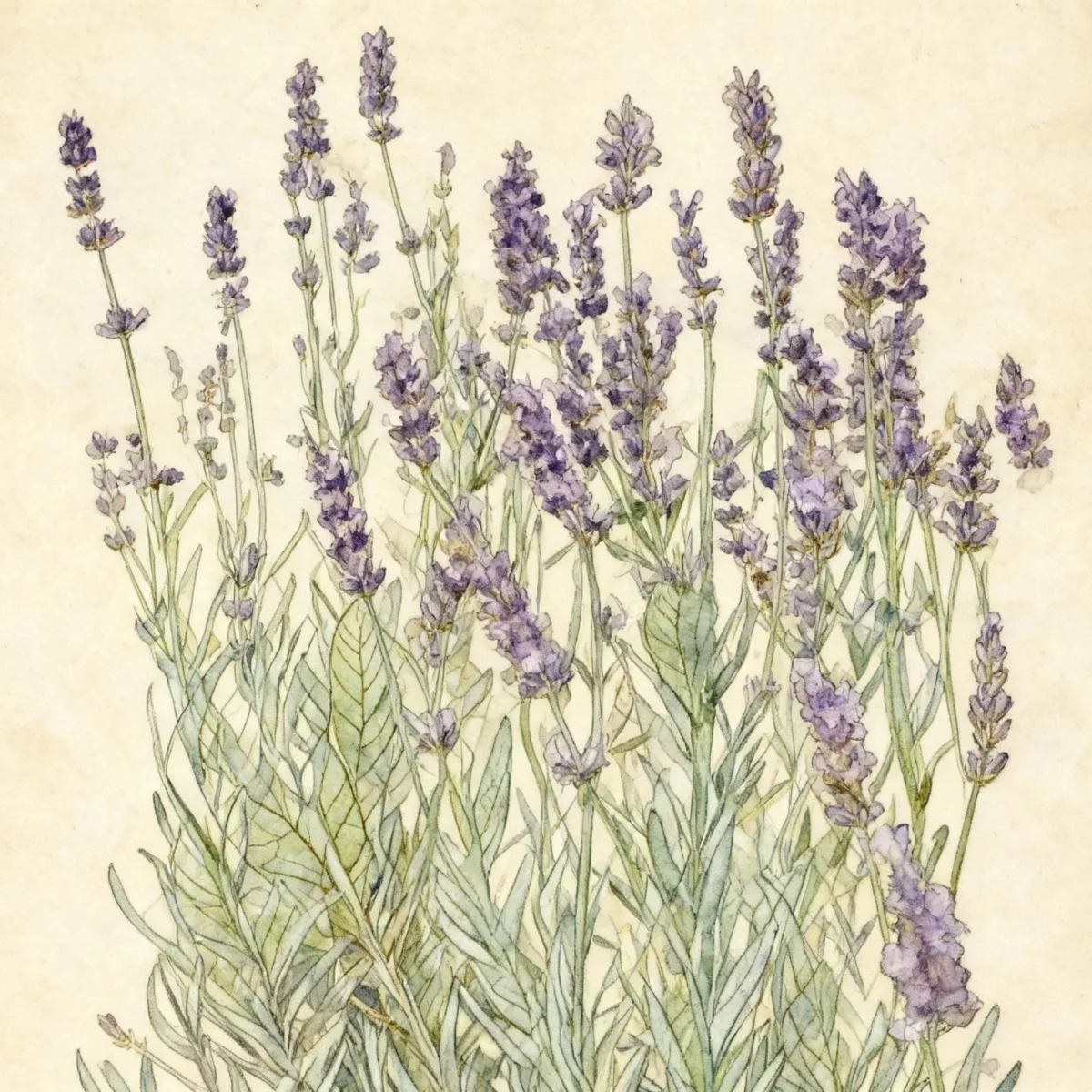
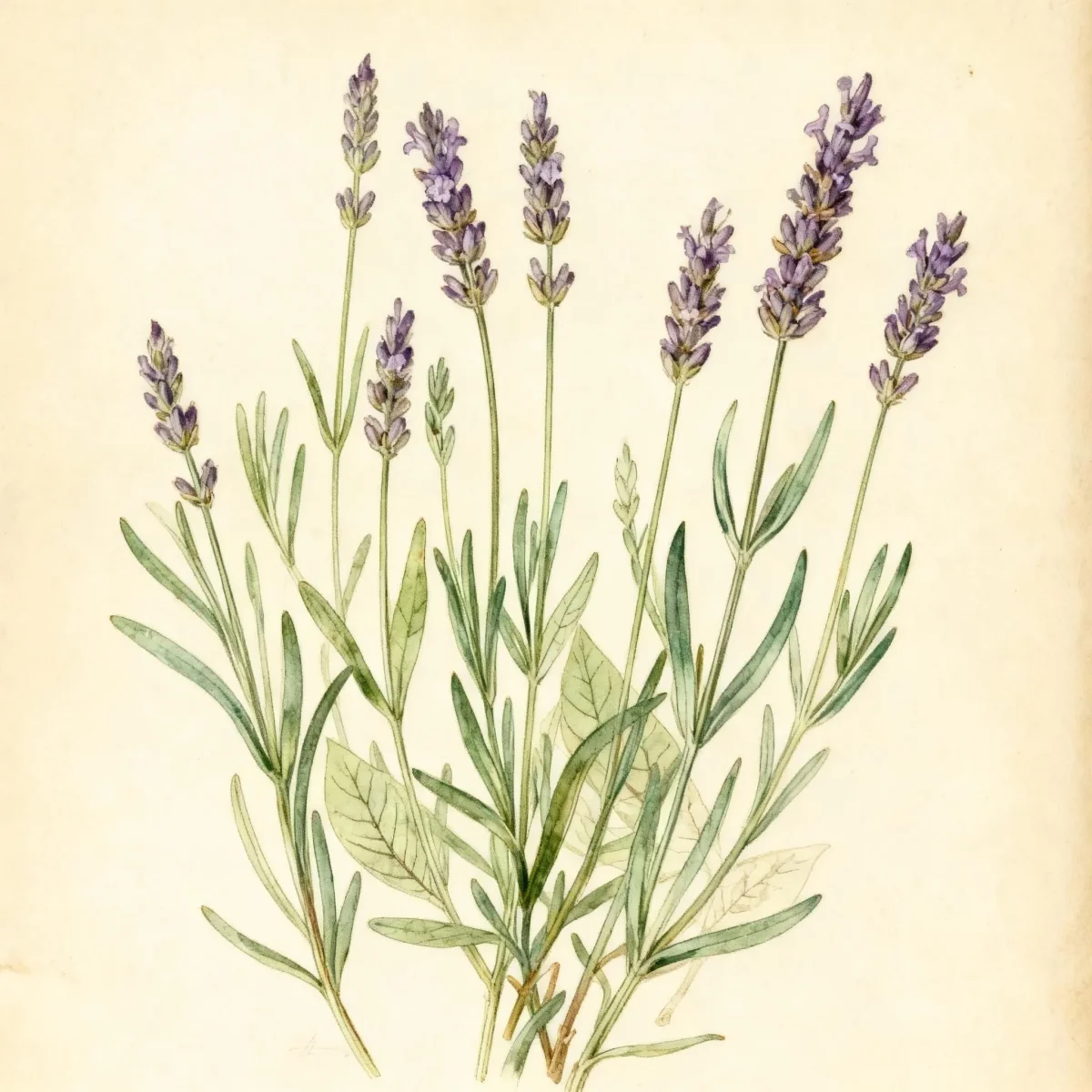
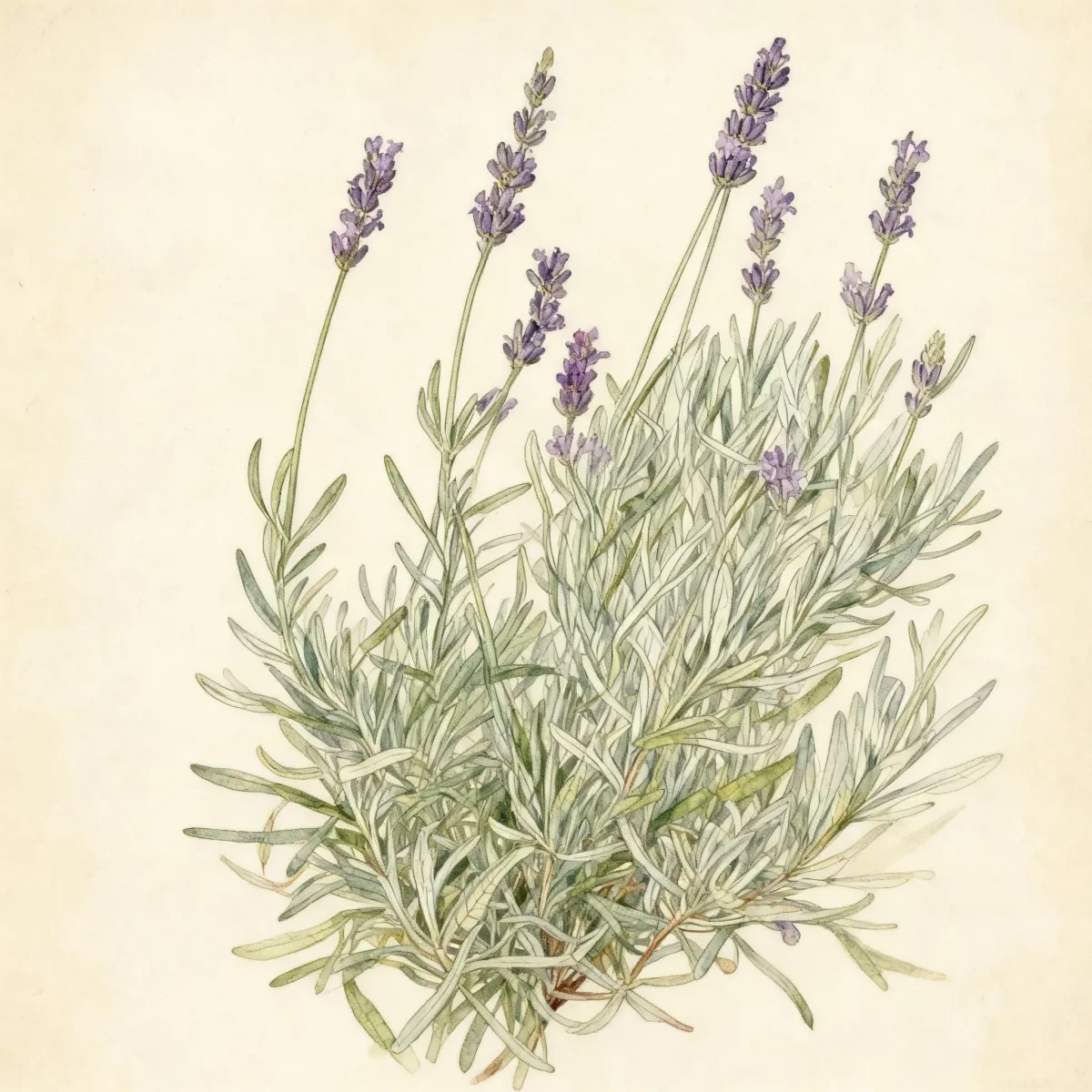
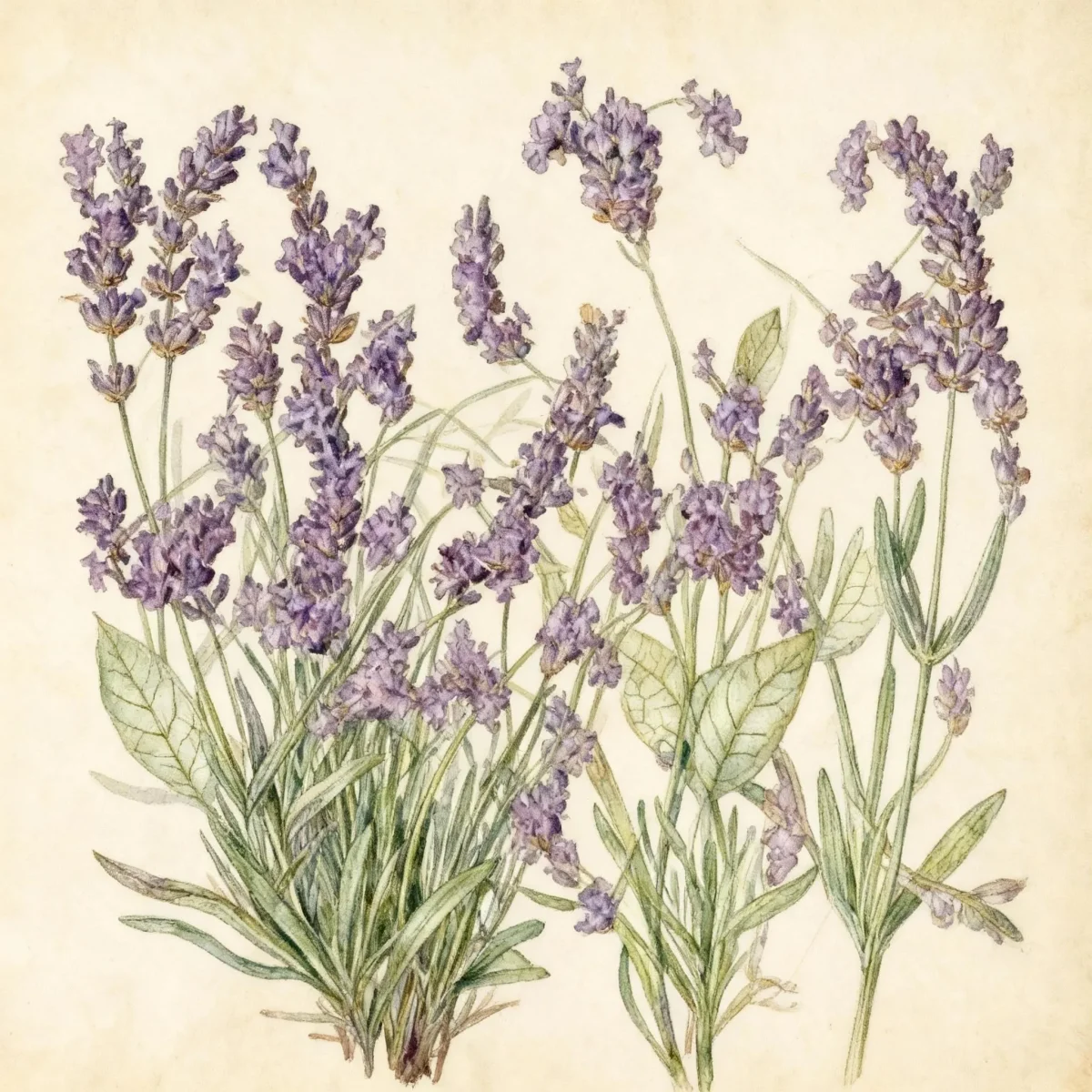
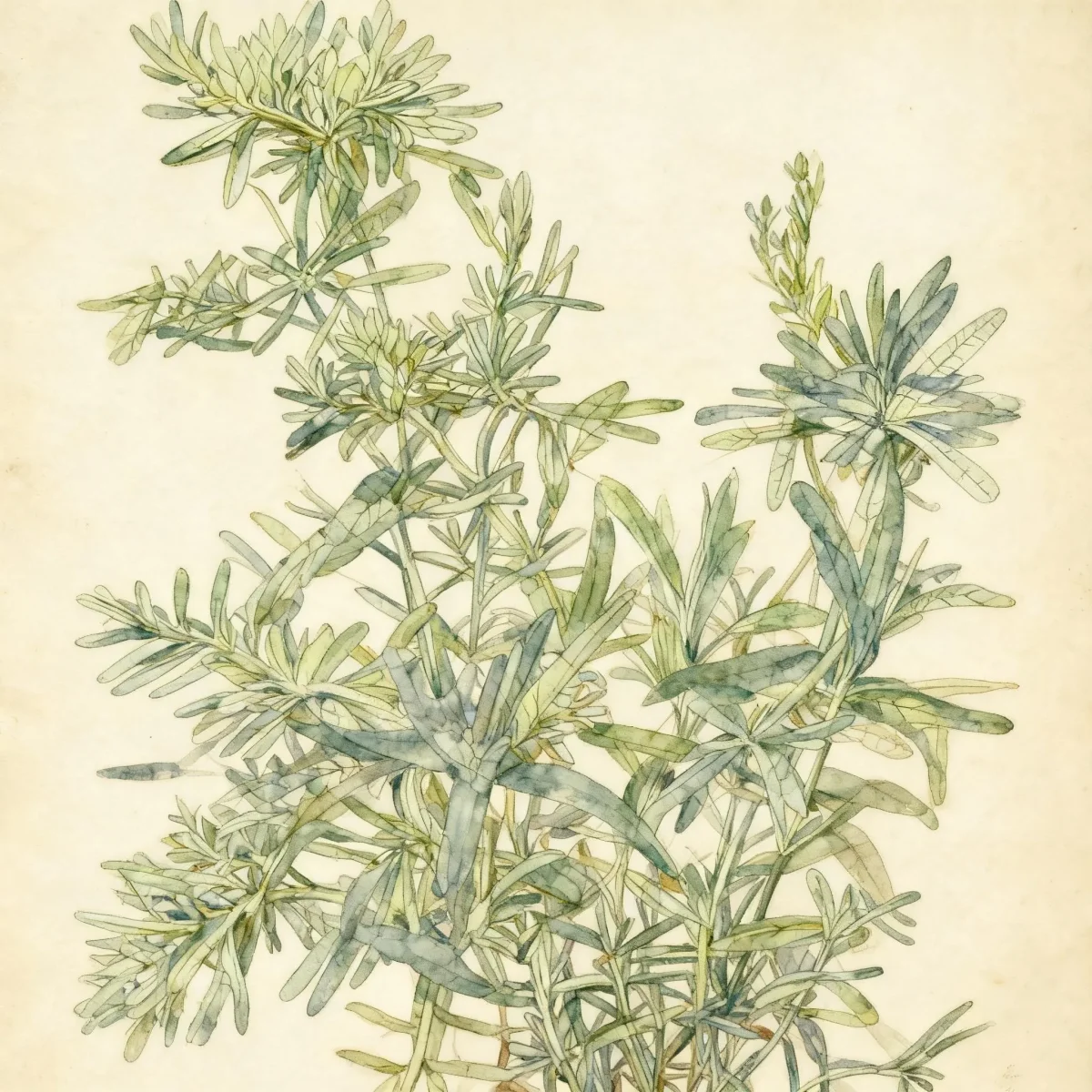
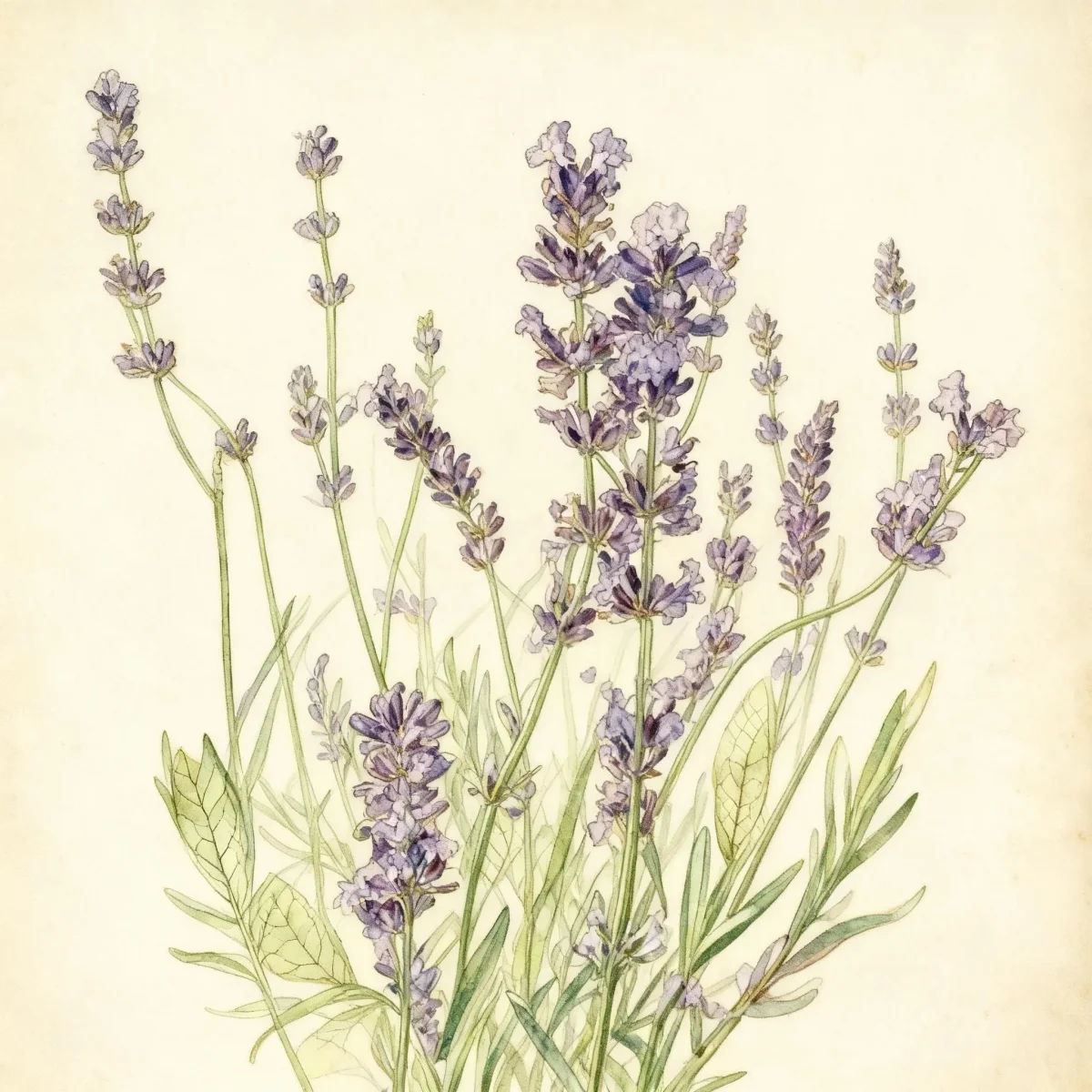
English lavender (Lavandula angustifolia 'Buena Vista')
Lavandula angustifolia 'Buena Vista' is fragrant English lavender with blue-purple flowers, ideal for Zone 5-8 gardens needing full sun.
Scroll down to discover growing tips, care requirements, companion plants, and more
Complete Plant Information
Overview
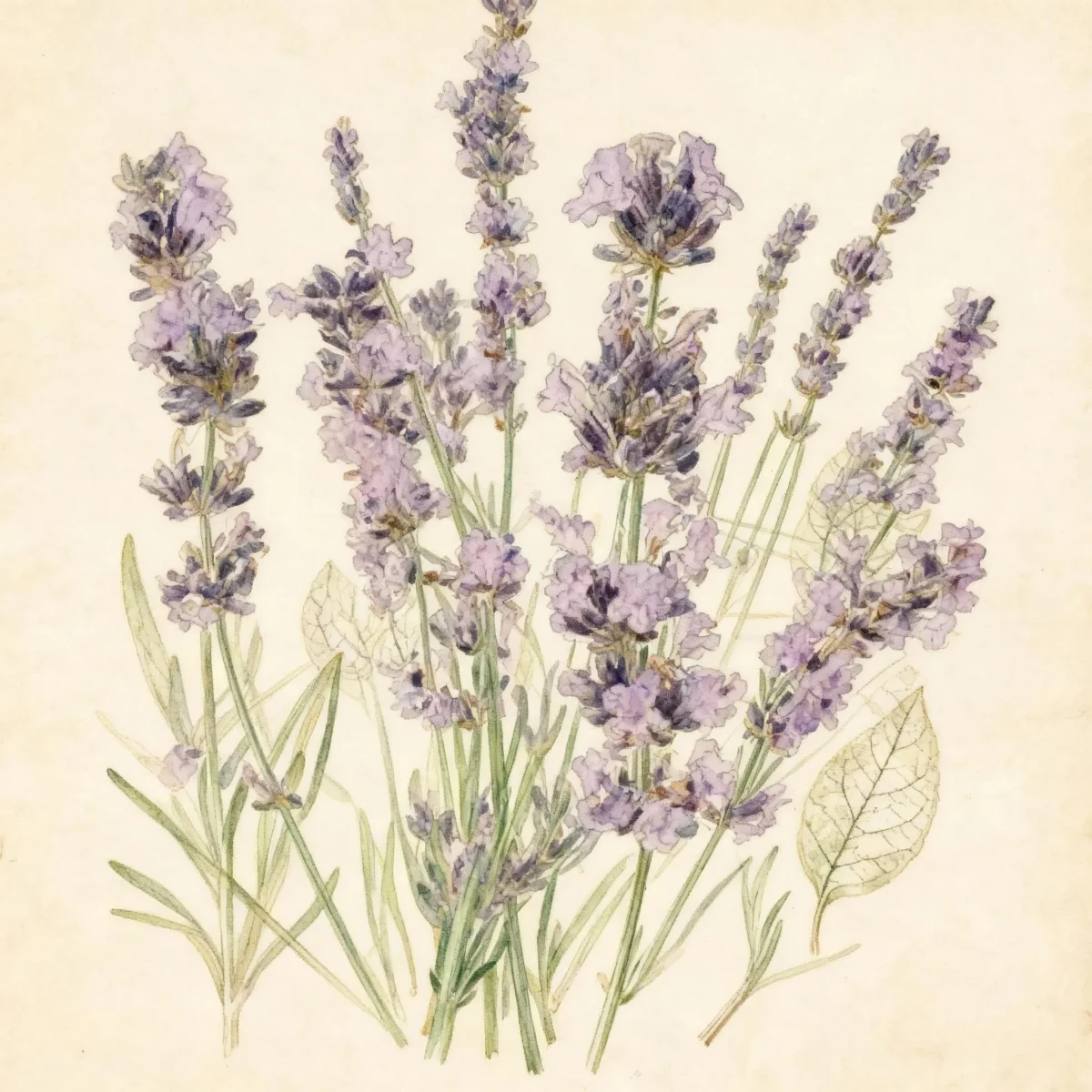
Lavandula angustifolia ‘Buena Vista’, commonly known as English lavender, is a highly valued herbaceous perennial appreciated for its aromatic foliage and striking blue-purple flowers. This variety is considered “true lavender” and is favored for both ornamental beauty and its oil used in perfumes, with its flowers often utilized in culinary applications. As a semi-woody plant, Lavandula angustifolia ‘Buena Vista’ provides structure and fragrance, typically reaching 1.5 to 2 feet tall and wide. Gardeners select this cultivar for excellent texture contrast, but careful siting is crucial to manage humidity challenges.
The narrow, gray-green leaves of Lavandula angustifolia ‘Buena Vista’ offer year-round interest in warmer winter climates. Blooming profusely from June through August, the terminal spikes of purple blooms attract attention while filling the air with fragrance. Success with English lavender, especially with cultivars like ‘Buena Vista’, hinges on providing it with the correct growing conditions, primarily excellent drainage.
Fast Facts
- Plant Family: Lamiaceae
- Plant Type: Herbaceous perennial
- Hardiness Zones: USDA Zones 5-8
- Size at Maturity:
- Height: 1.5-2 ft
- Spread: 1.5-2 ft
- Bloom Time: June to August
- Bloom Description: Blue-purple
- Sun Exposure: Full sun
- Water Needs: Dry to medium
- Maintenance Level: Medium
How to Grow
Plant Lavandula angustifolia ‘Buena Vista’ in the spring after all danger of frost has passed, or in early fall to allow root establishment before winter dormancy. The top priority for successful cultivation is ensuring full sun exposure and extremely well-drained, alkaline soil; these Mediterranean plants abhor wet feet, especially during winter. Prefers a light, sandy soil with somewhat low fertility, so avoid overly rich amendments.
Watering should be infrequent once established; aim for dry to medium moisture levels. Avoid overhead watering, which can exacerbate humidity issues. Fertilization is rarely necessary; too much nitrogen inhibits flowering and promotes weak, leggy growth. Remove faded flowers promptly to encourage continuous blooming throughout the summer season.
Prune established plants to maintain shape in the spring just as new leaves emerge. Every three years, conduct a harder prune, cutting back the stems to about 8 inches to stimulate robust, new growth and prevent the base from becoming too woody. In regions with high humidity, like the St. Louis area mentioned in cultural notes, consider using gravel or rock mulch instead of organic mulch to improve air circulation around the base and reduce the incidence of root rot, a common failure point for English lavender.
Landscape Uses
Lavandula angustifolia ‘Buena Vista’ is far more versatile than just an herb garden staple. Its compact size and mounding habit make it perfect for the front edge of perennial borders, where its gray-green foliage provides excellent mid-summer contrast against bolder colors. This cultivar is very effective when massed together, creating sweeping ribbons of color and scent.
Consider planting ‘Buena Vista’ as a formal or informal low hedge bordering walkways, allowing the fragrant foliage to release its scent as people pass by. It integrates beautifully into rock gardens or dedicated scented gardens where its textural qualities can be appreciated up close. The dried flowers are wonderfully aromatic and excellent for use in sachets, potpourri, or culinary baking.
Standout Features
Flower Qualities
- Showy
- Fragrant
Noteworthy Characteristics
Lavandula angustifolia, commonly called English lavender, has been a mainstay of herb gardens for many years, despite its name suggesting English origins; it actually hails primarily from the Mediterranean region. This “true lavender” is commercially important for harvesting essential oils and is popular for sachets and potpourri, with English lavender varieties often preferred for culinary uses. The specific cultivar ‘Buena Vista’ features dark blue flowers set against narrow, gray-green leaves.
Tolerances
- Rabbit
- Deer
- Drought
- Dry Soil
- Shallow-Rocky Soil
- Air Pollution
Potential Problems
The primary vulnerabilities for English lavender involve fungal issues related to poor air circulation and excessive moisture. Plants are susceptible to leaf spot, and root rot is a very common killer, especially when soils are poorly drained or overly heavy. To prevent failure, ensure that soil drains rapidly, particularly heading into winter. Plants may not survive if they sit in wet conditions when temperatures dip below zero degrees, underscoring the need for winter protection and excellent drainage.
Management focuses heavily on cultural modifications. Avoid organic mulches near the crown of the plant, opting instead for gravel or sand to improve soil aeration and keep the crown dry. Pruning back hard every few years also helps promote air flow through the woody stems.
Frequently Asked Questions
What hardiness zones is English lavender suitable for?
Lavandula angustifolia ‘Buena Vista’ is reliably hardy in USDA Zones 5 through 8.
How large does Lavandula angustifolia ‘Buena Vista’ grow?
This plant typically matures to a height between 1.5 and 2 feet tall, with a comparable spread of 1.5 to 2 feet wide.
When does English lavender bloom?
This variety produces its blue-purple blooms starting in June and continuing through August.
What sun exposure does Lavandula angustifolia ‘Buena Vista’ need?
For optimal growth, this lavender requires full sun exposure throughout the gardening season.
Conclusion
Lavandula angustifolia ‘Buena Vista’ offers gardeners intensely aromatic foliage and reliable summer color, making it a versatile perennial for borders and specialized scented gardens. While requiring medium maintenance focused primarily on drainage and timely pruning, the rewards of fragrant use and aesthetic appeal are substantial. Before planting, confirm your location falls within Zones 5-8 and ensure your soil conditions are well-drained to give your English lavender the best chance of long-term success.
Companion Planting
When designing a border around Lavandula angustifolia ‘Buena Vista’, choose companions that share its love for full sun and dry, lean soil. Excellent partners include Sedums (Stonecrop), Artemisia, and hardy varieties of Thyme. These drought-tolerant companions will not compete heavily for water, recreating a relatively arid, Mediterranean planting scheme that lavender thrives in. Avoid moisture-loving plants like Hosta or many types of Ferns, as proximity to them can increase the humidity stress on the lavender.
Seasonal Care Calendar
Spring is the critical time for rejuvenating your English lavender. Wait until new leaf growth appears, then prune back the previous year’s stems to about 8 inches. This stimulates fresh, robust growth and prevents the plant from becoming leggy and woody. In the summer, deadheading spent flower spikes will encourage a longer bloom period for the dark blue flowers of ‘Buena Vista’. Throughout the year, monitor for signs of root rot; if heavy rain is expected, ensure water can escape rapidly from its planting location.