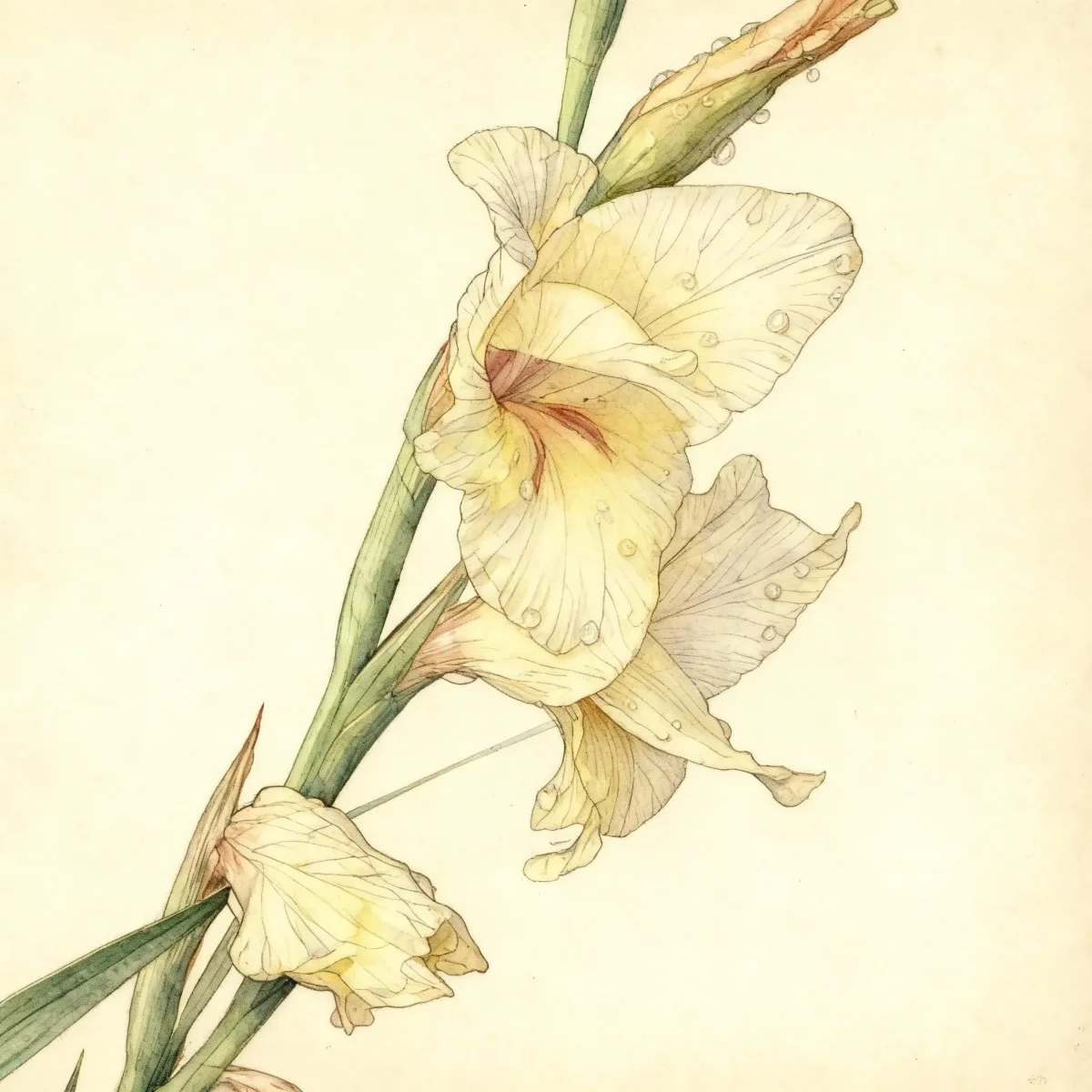
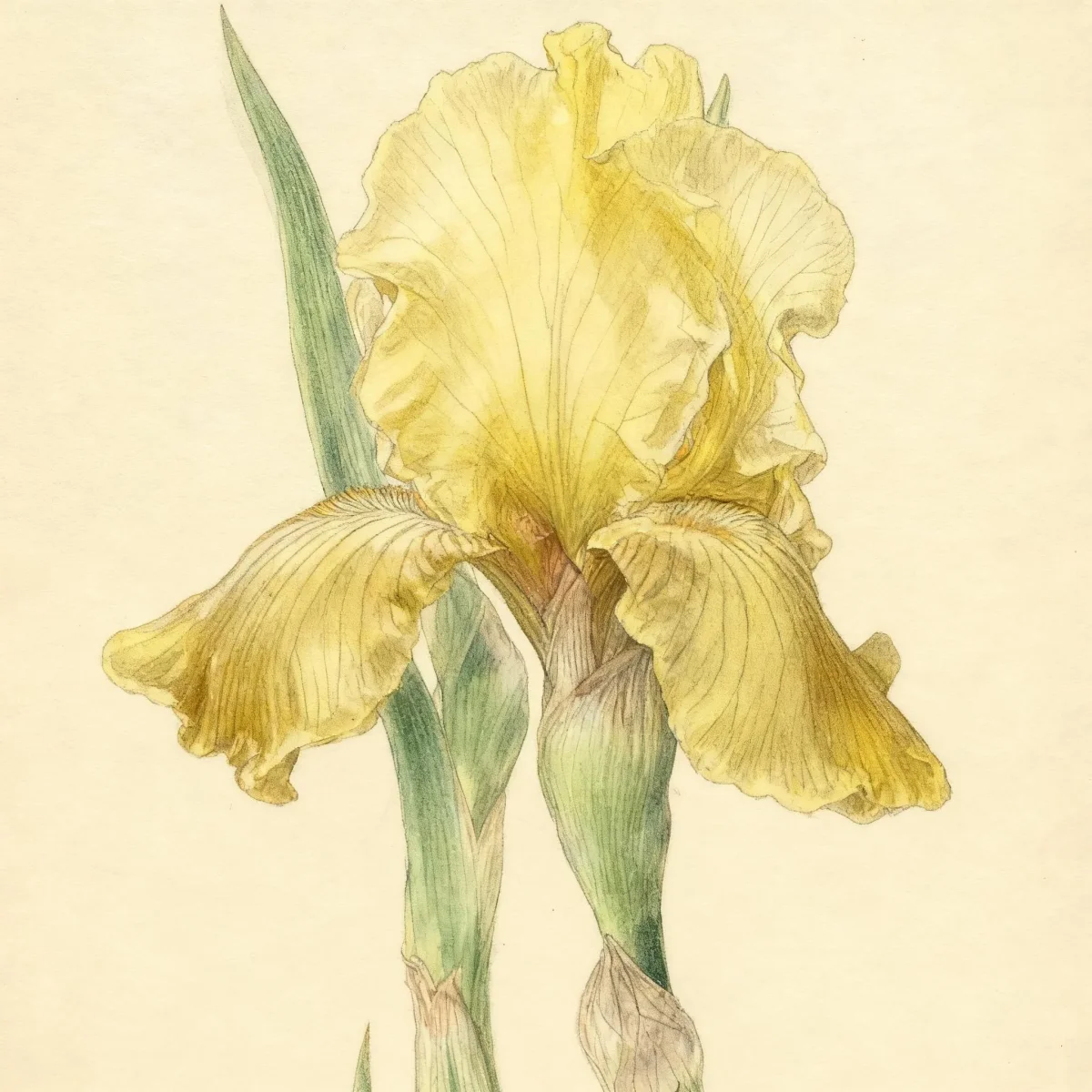
Gladiolus (Gladiolus (hardy mix))
Grow dazzling Gladiolus (hardy mix) from hardy zones 4-10. These low-maintenance bulbs offer showy, colorful blooms.
Scroll down to discover growing tips, care requirements, companion plants, and more
Complete Plant Information
Overview
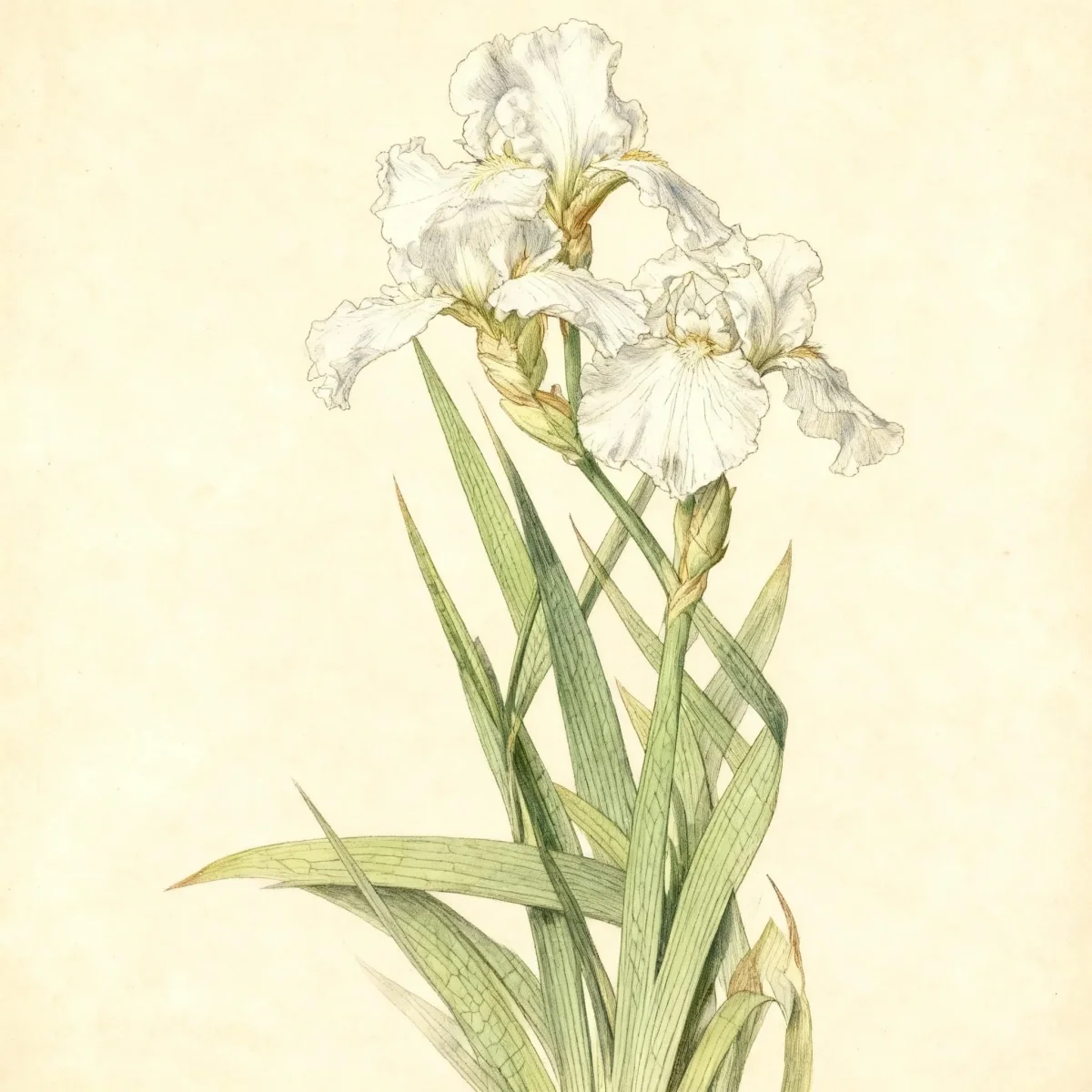
The Gladiolus (hardy mix) delights gardeners with its exceptionally showy stature, providing vertical accents across the summer landscape. Known widely as Sword Lily, this collection of hybrids offers an outstanding array of colors, making it a highly sought-after addition to borders and cutting gardens. Gardeners value the Gladiolus for its rapid growth and dramatic summer floral display.
These corm-bearing plants thrive best when given adequate sunlight and well-draining soil conditions. Unlike some of their more delicate counterparts, the Gladiolus (hardy mix) often exhibits superior hardiness, sometimes surviving mild winters without needing to be lifted, particularly in warmer parts of their range. This ease contributes to their overall low maintenance rating.
Producing tall spikes topped with funnel-shaped flowers, this plant brings vibrant, long-lasting color from early to mid-summer. For gardeners seeking height, bold color impact, and a reliable summer showing, integrating Gladiolus (hardy mix) into the landscape plan is an excellent choice.
Fast Facts
- Plant Family: Iridaceae
- Plant Type: Bulb
- Hardiness Zones: USDA Zones 4-10
- Size at Maturity:
- Height: 1-2 ft
- Spread: 0.75-1.5 ft
- Bloom Time: June to July
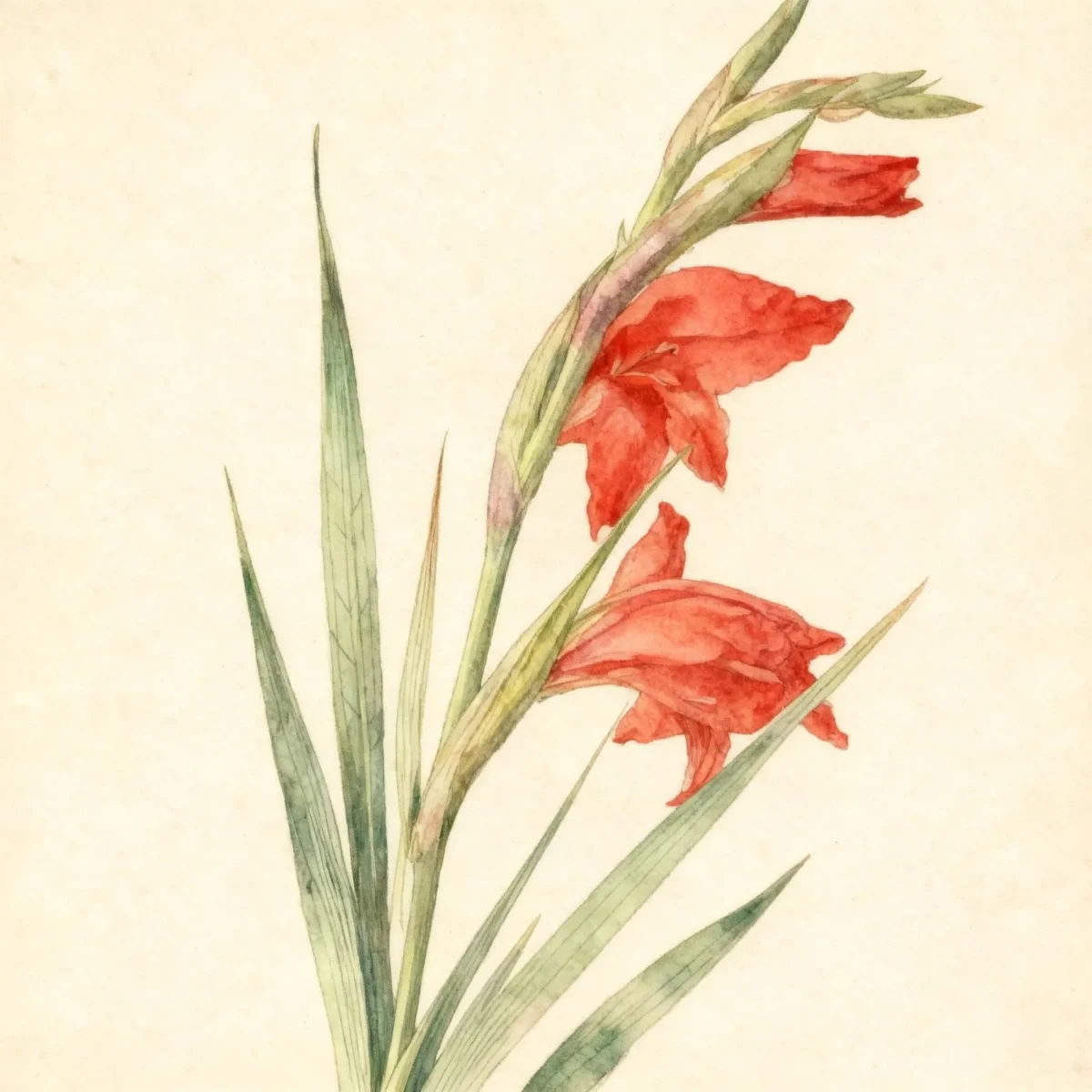
- Bloom Description: White, pink, red, orange, and bi-colors
- Sun Exposure: Full sun
- Water Needs: Medium
- Maintenance Level: Low
How to Grow
To establish your Gladiolus, plan to plant the corms in the fall. They thrive in average, medium moisture, well-drained soils. While they prefer full sun, they can tolerate some light afternoon shade, though this might slightly reduce bloom intensity. For best results, work organic matter into the soil to ensure excellent drainage, as these plants dislike wet feet.
Plant corms about 4 inches deep and space them 4 to 6 inches apart. To maximize visual impact and provide support, it is crucial to plant them in groups of at least five to seven corms together, creating a cluster of upright color. Site them in a somewhat sheltered location, as the tall flower spikes can be susceptible to damage from strong winds.
Watering should be consistent, aiming for medium moisture levels throughout the growing season. Once established, these hardy mixes are relatively forgiving. In zones where they are not fully winter-hardy, or as an added layer of protection, mulch heavily in winter using hay or straw or evergreen boughs. In some climates, such as the St. Louis area mentioned, these hardy corms may naturalize and not require lifting annually.
Landscape Uses
The upright, sword-like foliage and dramatic flower spikes of Gladiolus make them ideal for adding strong vertical elements to landscape designs. They perform wonderfully when placed in the back or middle sections of perennial borders, providing a striking contrast to mounding or sprawling companion plants.
For gardeners with limited space, Gladiolus are excellent container plants for decks and patios. Planting several corms closely in a large pot ensures a spectacular, short-term display that draws the eye upwards. If using them for fresh arrangements, ensure you have dedicated space near your cutting garden for easy access, as they are a mainstay in the professional florist trade.
When selecting companions, choose plants that share similar light and water requirements. Low-growing border plants that don’t obscure the base of the Gladiolus (hardy mix) will highlight its height beautifully, creating structured layers of interest through summer.
Standout Features
Flower Qualities
- Showy
Noteworthy Characteristics
Gladiolus is a genus encompassing about 180 species, primarily originating from South Africa. Modern Gladiolus cultivars are extensive hybrids, noted for producing some of the most showy summer garden flowers available. They are characterized by sword-shaped, medium green leaves arranged in upright fans, topped by striking funnel-shaped blooms on slender stalks. Winter hardy gladioli, often distributed in hardy mixes, are shorter than Grandiflora types, featuring more slender stalks, and often do not require the corms to be dug up in the fall.
Tolerances
Potential Problems
Gladiolus are susceptible to several fungal and viral issues, including botrytis, crown rot, rust, and mosaic virus. Vigilance is required to monitor for common pests such as aphids, mealy bugs, spider mites, and thrips. To minimize disease transmission, always use healthy, clean corms when planting. If thrips caused significant damage the previous season, treating the corms with an appropriate insecticide before storing or planting them can prevent recurrence.
Frequently Asked Questions
What hardiness zones is Gladiolus suitable for?
This reliable Gladiolus (hardy mix) is suitable for planting in USDA Hardiness Zones 4 through 10.
How large does Gladiolus grow?
Mature plants typically reach heights between 1 and 2 feet, with a spread of 0.75 to 1.5 feet wide.
What sun exposure does Gladiolus need?
This species requires full sun exposure to achieve its best performance and most prolific bloom set.
When does Gladiolus bloom?
The primary bloom time for these hardy mixes is generally from June into July, featuring a wide range of white, pink, red, orange, and bi-color flowers.
Conclusion
The Gladiolus (hardy mix) offers unparalleled vertical color and low maintenance, making it a truly valuable contribution to any summer garden design. Its wide array of bloom colors ensures there is a perfect saturation point for every planting scheme. Evaluate your local hardiness zone compatibility and plan your fall corm planting now to ensure spectacular displays next summer.
Companion Planting for Gladiolus
Selecting appropriate neighbors is key to balancing the vertical nature of Gladiolus. Companion plants should generally have similar needs regarding sun exposure and water; medium moisture in full sun is ideal for success. Consider planting lower-growing, shorter perennials around the base of the Gladiolus (hardy mix) to fill in the space between blooms and the soil line.
Short mounding perennials or sturdy annuals work well here. Plants like petunias, marigolds, or dense mounds of creeping phlox (in sunnier locations) provide textural contrast to the stiff foliage. Taller companions should be generally avoided unless they are far enough away not to shade the Gladiolus or compete too fiercely for nutrients at the critical growth stage.
Seasonal Care Calendar
While generally low maintenance, timely seasonal care ensures robust blooms from your Gladiolus corms. In early spring, once frost danger has passed and the soil is workable—or in the fall for planting—ensure corms are in the ground promptly. Throughout the summer growing season, monitor soil moisture, especially during dry spells, maintaining that medium water need.
For winter preparation, if you live near the boundaries of the hardiness range, applying a thick layer of insulating mulch like straw over the planting area after the first hard frost is beneficial. This provides necessary protection for the corms, encouraging them to return reliably. If lifting is necessary in colder zones, wait until the foliage has yellowed naturally before carefully digging up the corms and storing them dry and cool.