Corydalis (Corydalis 'Blackberry Wine')
Discover Corydalis 'Blackberry Wine', a low-maintenance perennial offering showy, fragrant wine-purple blooms from May to July in partial shade.
Scroll down to discover growing tips, care requirements, companion plants, and more
Complete Plant Information
Overview
Corydalis ‘Blackberry Wine’ is a visually striking herbaceous perennial prized for its deep, rich flower color, setting it apart in shaded garden settings. This variety of Corydalis boasts compound, fern-like, blue-green foliage that provides excellent texture even when not in bloom. Gardeners appreciate Corydalis ‘Blackberry Wine’ due to its relatively low maintenance requirements and its ability to thrive where many flowering plants struggle—under dappled light.
The appeal of this specific Corydalis hybrid lies in its prolific bloom period, generally spanning from May through July, displaying fragrant, tube-shaped flowers described as a deep wine-purple. Belonging to the Papaveraceae family, this plant offers reliable performance, typically forming a neat mound perfect for softening landscape edges or brightening woodland approaches.
For gardeners seeking textural contrast and reliable color saturation in shady areas, Corydalis ‘Blackberry Wine’ is an outstanding choice. Its modest size makes it versatile for various applications, from underplanting larger shrubs to filling containers on shaded patios, ensuring the genus Corydalis remains a favorite among shade garden enthusiasts.
Fast Facts
- Plant Family: Papaveraceae
- Plant Type: Herbaceous perennial
- Hardiness Zones: USDA Zones 5-8
- Size at Maturity:
- Height: 0.75-1 ft
- Spread: 0.75-1.5 ft
- Bloom Time: May to July
- Bloom Description: Wine-purple
- Sun Exposure: Part shade to full shade
- Water Needs: Medium
- Maintenance Level: Low
How to Grow
For optimal establishment, plant Corydalis ‘Blackberry Wine’ in the spring after the danger of hard frost has passed. Locate it in positions that receive part shade to full shade, ensuring it receives protection, especially during intense summer heat. These plants perform best when settled into moist, humusy, and well-drained soils. Good drainage is critical to prevent crown rot, even though the plant requires consistent moisture.
Watering should be consistent to maintain medium moisture levels, particularly during dry spells or if planted in areas with competition from tree roots. Fertilization is rarely necessary; rich, organic soil provides most of the required nutrients. If the foliage of your Corydalis ‘Blackberry Wine’ begins to look tired or depreciates significantly during the peak of summer heat, you can prune it back by about half.
Seasonal maintenance remains low for this Corydalis. If you prune the foliage back after the main flush of bloom, a sparse rebloom may sporadically occur later in the season. Be mindful of winter hardiness in Zone 5; these plants are not reliably hardy throughout the entire zone, so planting in protected locations will increase long-term survival rates.
Landscape Uses
The primary strength of Corydalis ‘Blackberry Wine’ lies in its utility within shady landscapes where color is often challenging to achieve. The fragrant, wine-purple blooms are an excellent addition to shaded garden areas, immediately drawing the eye toward the unusual flower tones. Consider using this Corydalis variety at the base of large shrubs or deciduous trees where its texture can complement bolder foliage plants.
This variety excels as a ground cover in woodland or cottage garden settings, linking larger structural plants together with its continuous mound of fern-like leaves. Furthermore, Corydalis is an excellent choice for rock gardens or along border fronts, adding delicate vertical interest without becoming overgrown. Its compact size and shade tolerance also mean that Corydalis ‘Blackberry Wine’ reportedly performs well in hanging baskets and containers stationed on shaded porches or balconies.
Standout Features
Flower Qualities
- Showy
- Fragrant
Noteworthy Characteristics
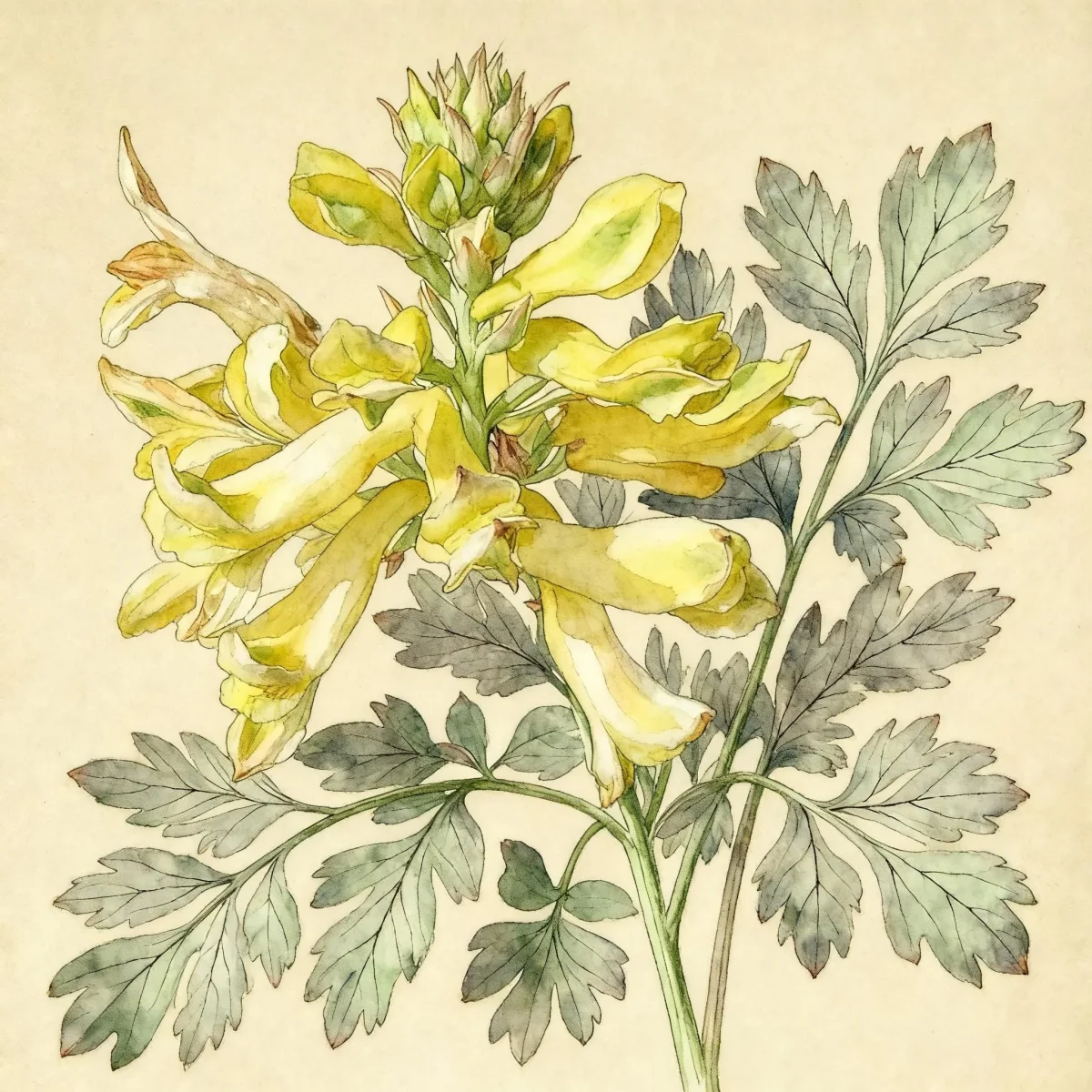
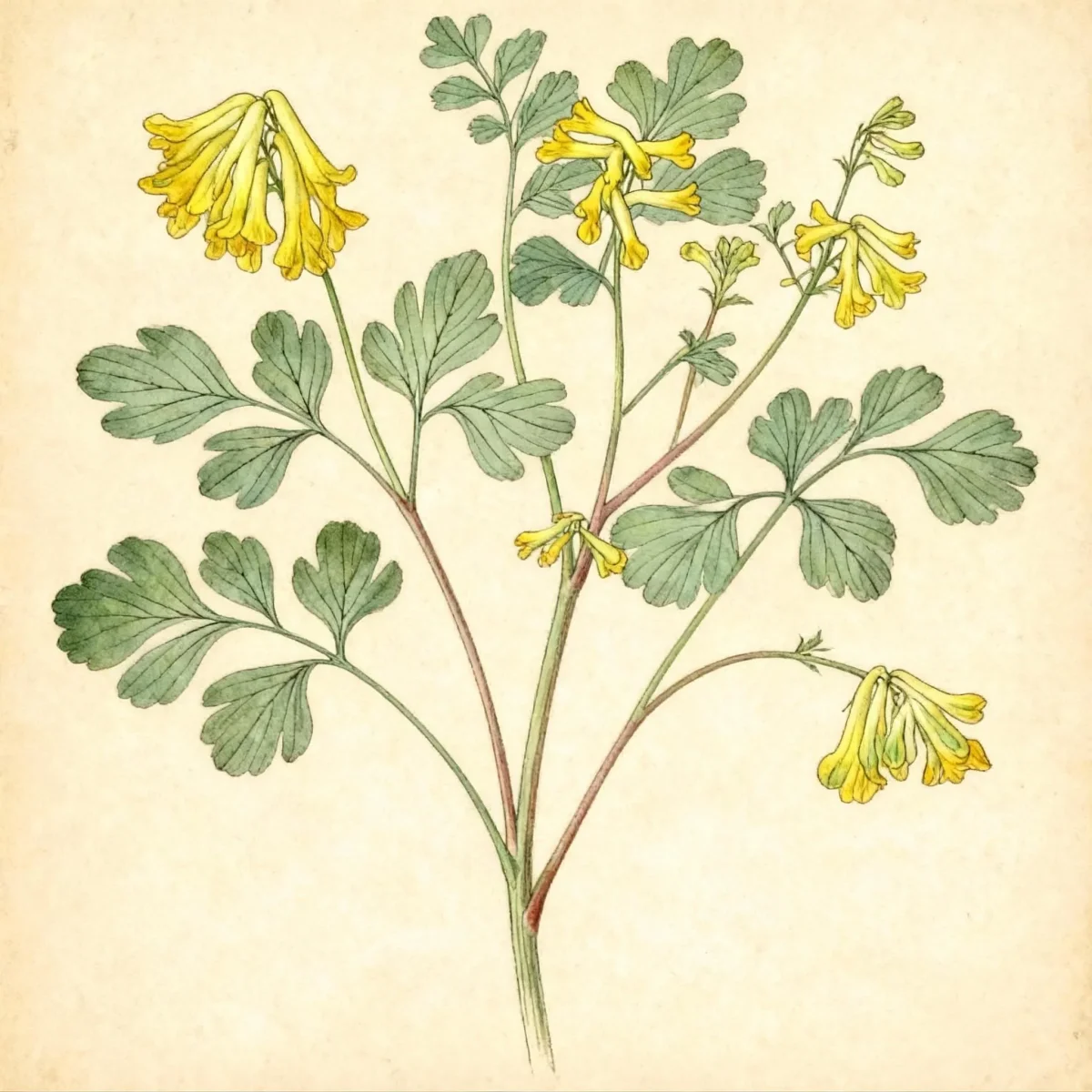
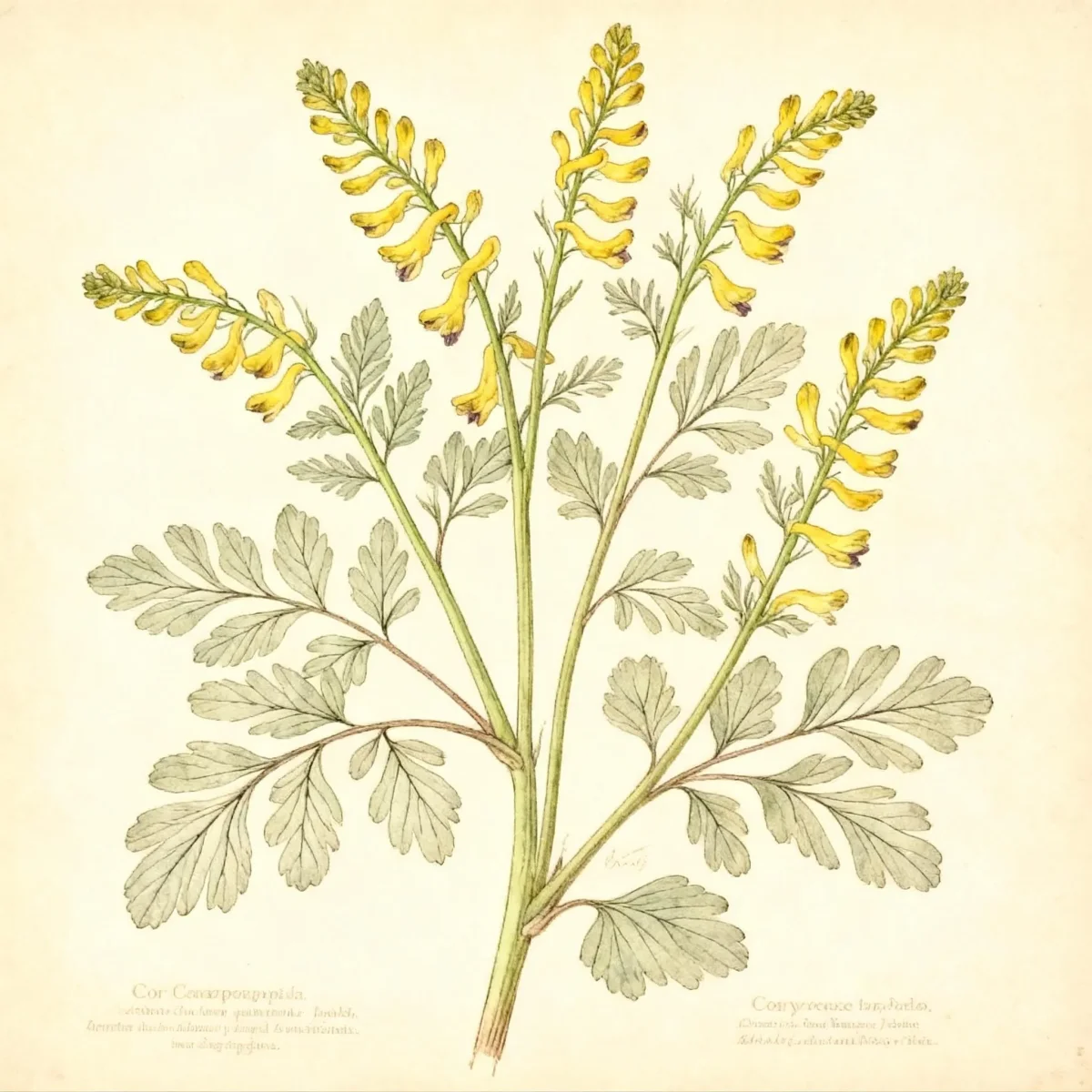
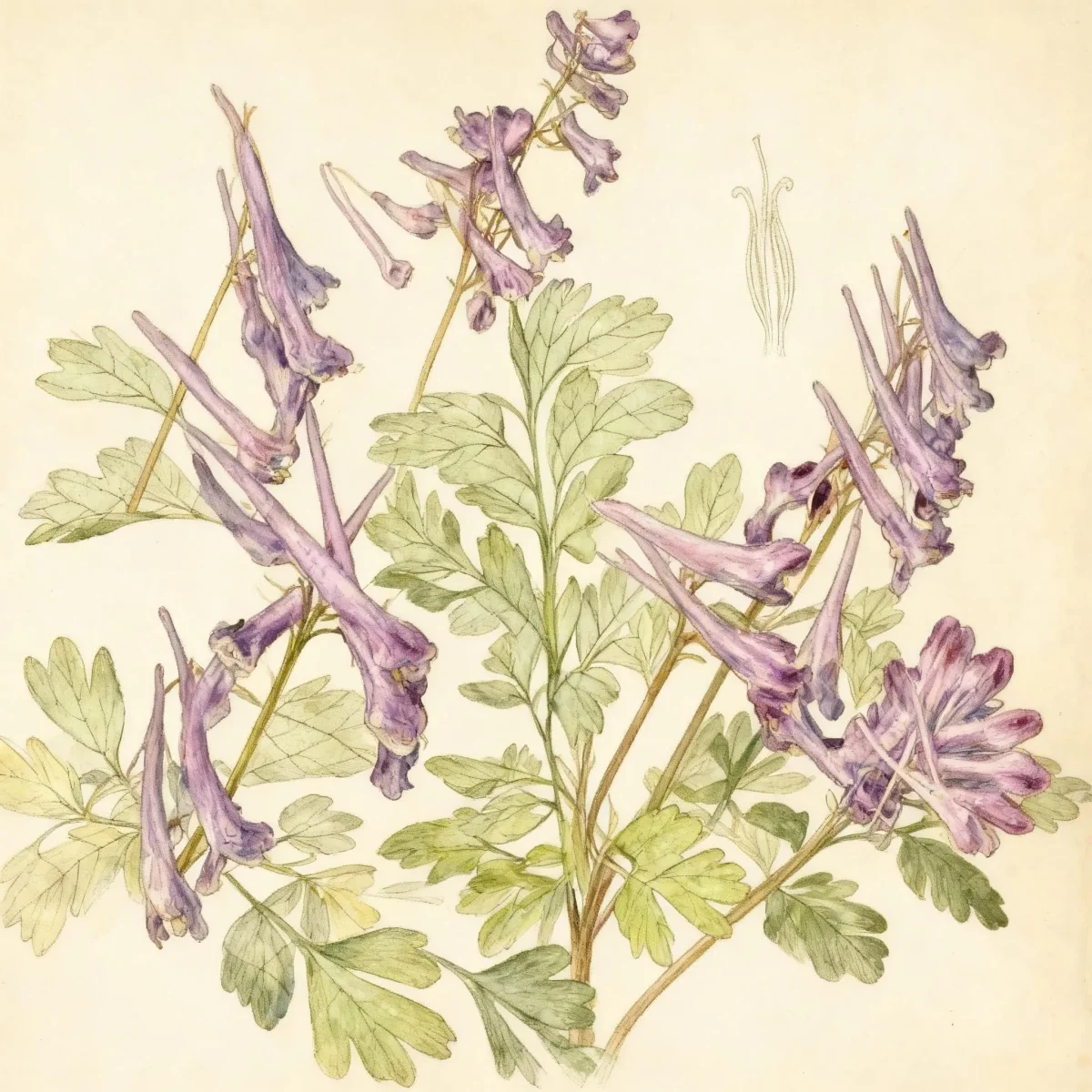
Corydalis is a genus of about 300 species of annuals, biennials or perennials from mostly north temperate areas. The genus name originates from the Greek word korydalis, meaning lark, referencing the resemblance of the plant’s floral spurs to the spurs on some larks. Specifically, ‘Blackberry Wine’ is a hybrid corydalis featuring compound, fern-like, blue-green leaves and axillary racemes of fragrant, tube-shaped wine-purple flowers up to 3/4” long. This cultivar typically forms a dense mound that blooms robustly from May to July.
Tolerances
No specific tolerances were listed in the source data.
Potential Problems
This genus generally presents few severe horticultural challenges regarding pests or diseases. However, Corydalis may occasionally show some susceptibility to common garden nuisances like aphids, mites, and microscopic rust infections. Regular inspection of the foliage, especially the undersides of leaves, allows for early detection. A strong jet of water can dislodge minor aphid infestations, and appropriate horticultural oils can manage mites or fungal issues if they become persistent.
Frequently Asked Questions
What hardiness zones is Corydalis suitable for?
Corydalis ‘Blackberry Wine’ is generally hardy across USDA Zones 5 through 8. Gardeners in Zone 5 should ensure planting in protected areas for the best winter survival.
How large does Corydalis ‘Blackberry Wine’ grow?
This perennial typically forms a ground-hugging mound, reaching a mature height between 0.75 and 1 foot tall, with a spread spanning from 0.75 to 1.5 feet wide.
When does Corydalis ‘Blackberry Wine’ bloom?
This specific Corydalis variety offers a beautiful display beginning in May and continuing through July, producing its distinctive wine-purple flowers.
What sun exposure does Corydalis need?
Corydalis ‘Blackberry Wine’ thrives best in conditions ranging from part shade to full shade, preferring cooler summer climates.
Conclusion
Corydalis ‘Blackberry Wine’ brings dependable, low-maintenance color to shaded borders and woodland areas, thanks to its striking wine-purple, fragrant blooms. The attractive blue-green, fern-like foliage ensures visual interest throughout the growing season. Before planting, verify that your site meets the moist, well-drained soil requirements and that your region falls within USDA Zones 5-8 for the best results with your new Corydalis.
Companion Planting for Shady Areas
Since Corydalis ‘Blackberry Wine’ demands part shade and appreciates moist, humusy soil, selecting companions with similar cultural needs will create a cohesive planting area. Pair this Corydalis with textural, shade-loving foliage plants such as Hosta cultivars, especially those with blue or variegated leaves that will contrast nicely with the dark purple flowers. Ferns, like Japanese Painted Ferns (Athyrium niponicum) or Maidenhair Ferns (Adiantum pedatum), complement the delicate texture of the Corydalis foliage perfectly.
For continuous color interest, consider pairing the early-season display of Corydalis with later-blooming woodland shade plants. Hellebores (Helleborus) provide very early flowers before Corydalis starts, and Astilbe, when sited nearby, can carry the color theme through mid-to-late summer once the Corydalis bloom cycle wanes. Always ensure that competition for water from large established tree roots is managed, as all these plants prefer consistent moisture.
Seasonal Care Calendar
Gardeners can simplify the care for Corydalis ‘Blackberry Wine’ by following a basic seasonal guide. In early spring, there is little needed other than an inspection to ensure the foliage is emerging healthy and to tidy up any winter debris. Once blooms finish in mid-summer, particularly in hotter climates, cutting the foliage back lightly can encourage tidier appearance and potentially prompt a sparse repeat flowering.
Summer care centers around monitoring water needs; ensure plants never dry out completely, especially if they are under the canopy of mature trees. In the fall, avoid heavy mulching right against the crown, but otherwise, the plant is self-managing. Winter preparation is crucial in Zone 5; providing a protective layer of mulch or ensuring the planting spot is sheltered from harsh winter winds will aid hardiness, though mature plants generally require little winter intervention in Zones 6-8.