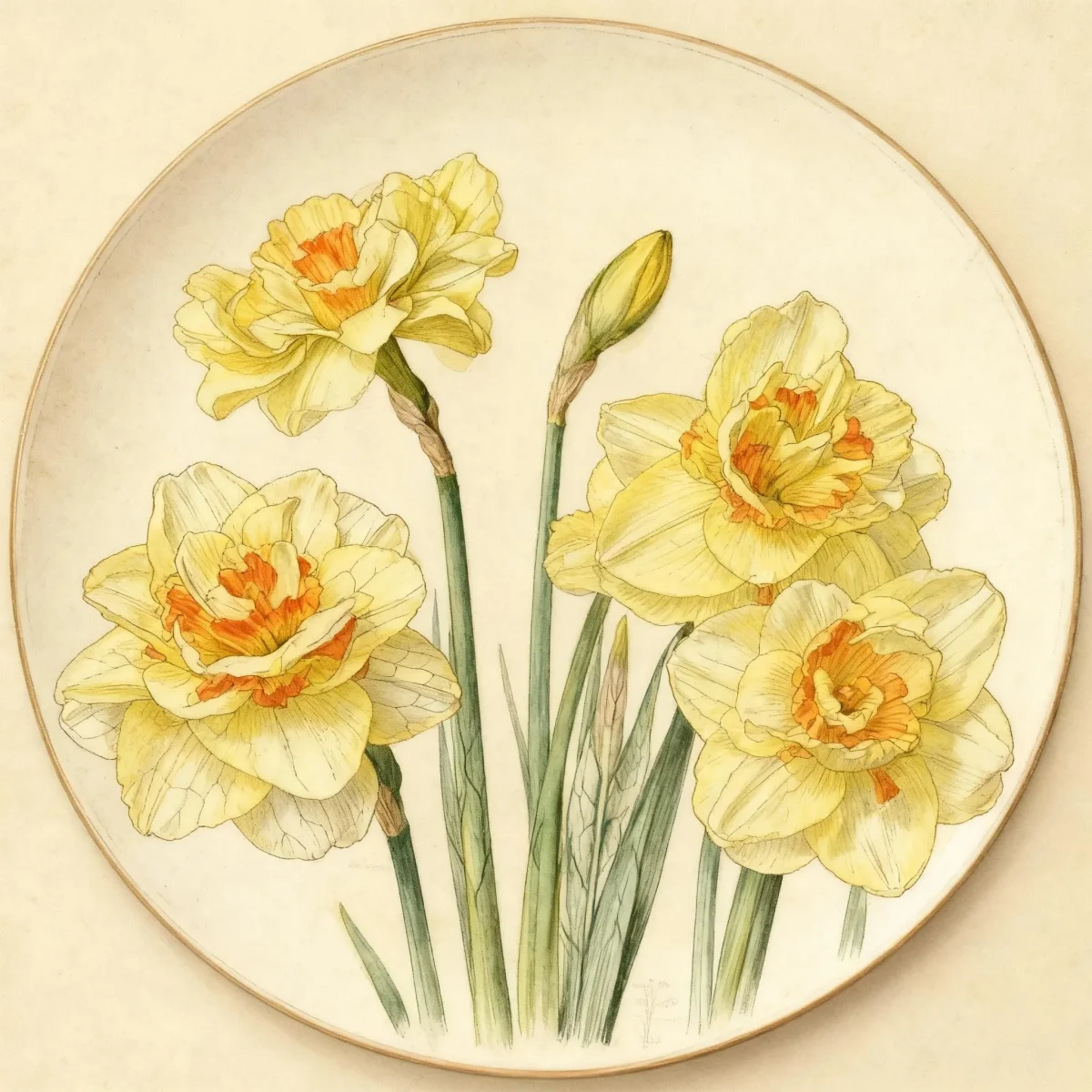
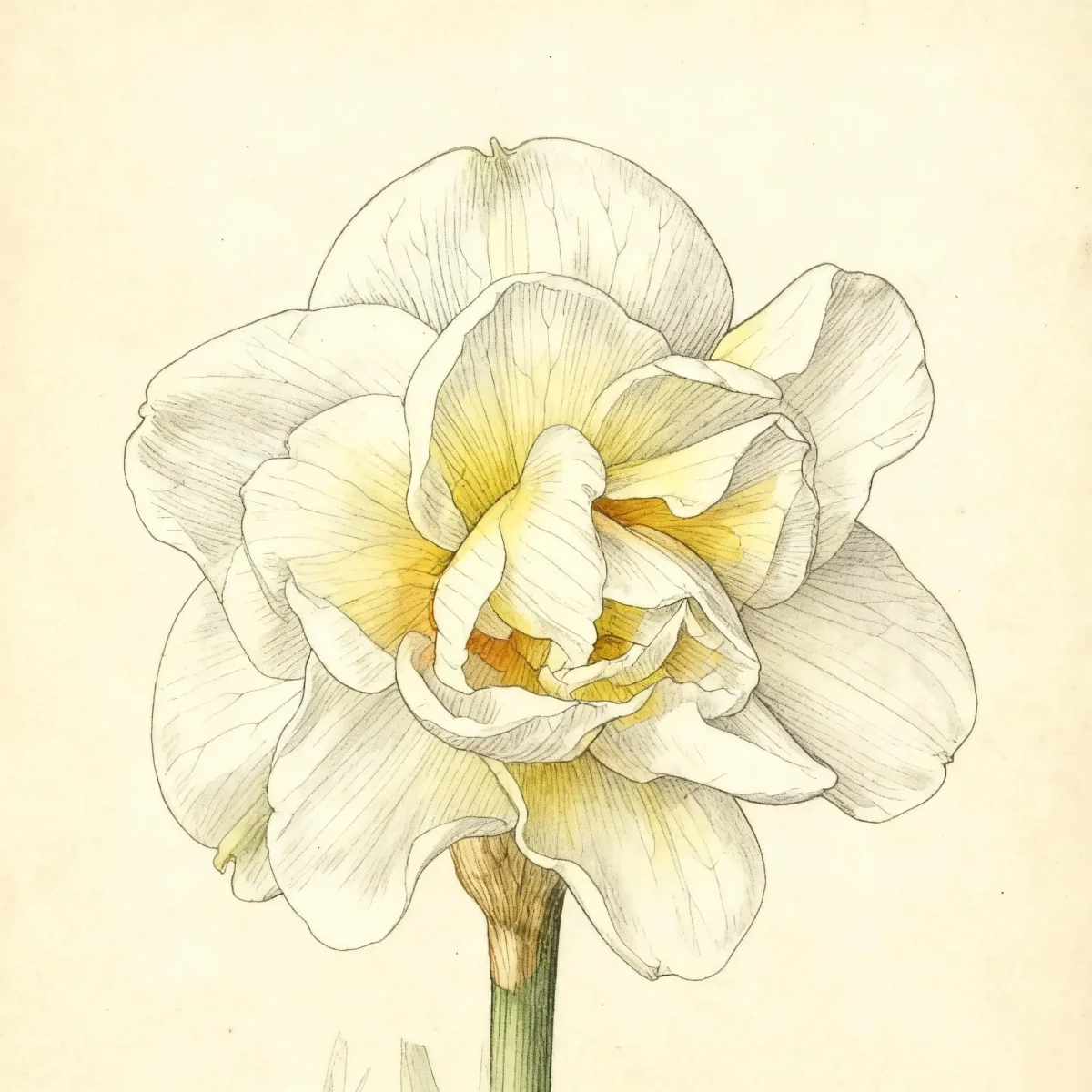
Tazetta daffodil (Narcissus 'Martinette')
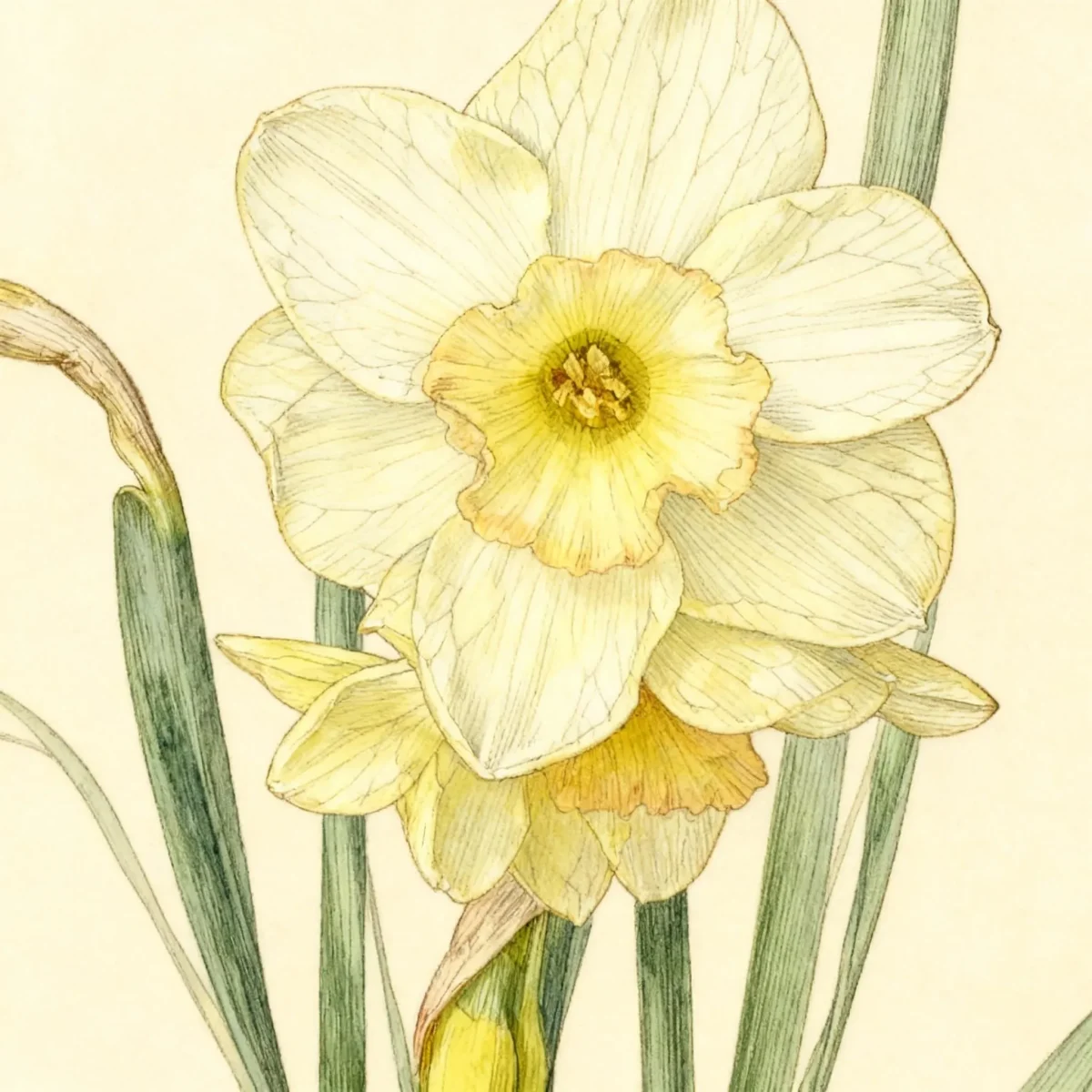
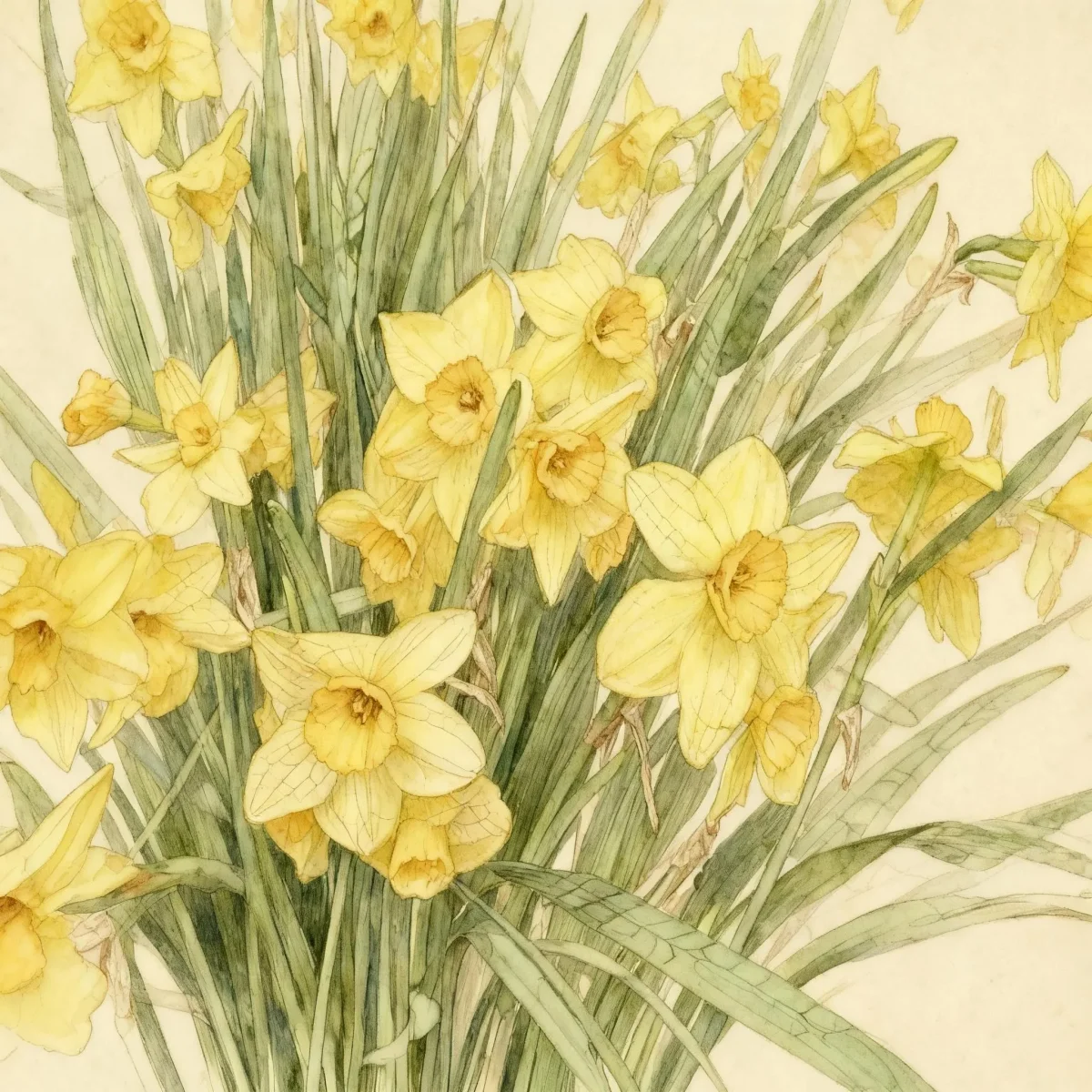
Narcissus 'Martinette' is a fragrant Tazetta daffodil featuring lemon yellow petals and an orange cup. Low maintenance and hardy in Zones 3-8.
Scroll down to discover growing tips, care requirements, companion plants, and more
Complete Plant Information
Overview
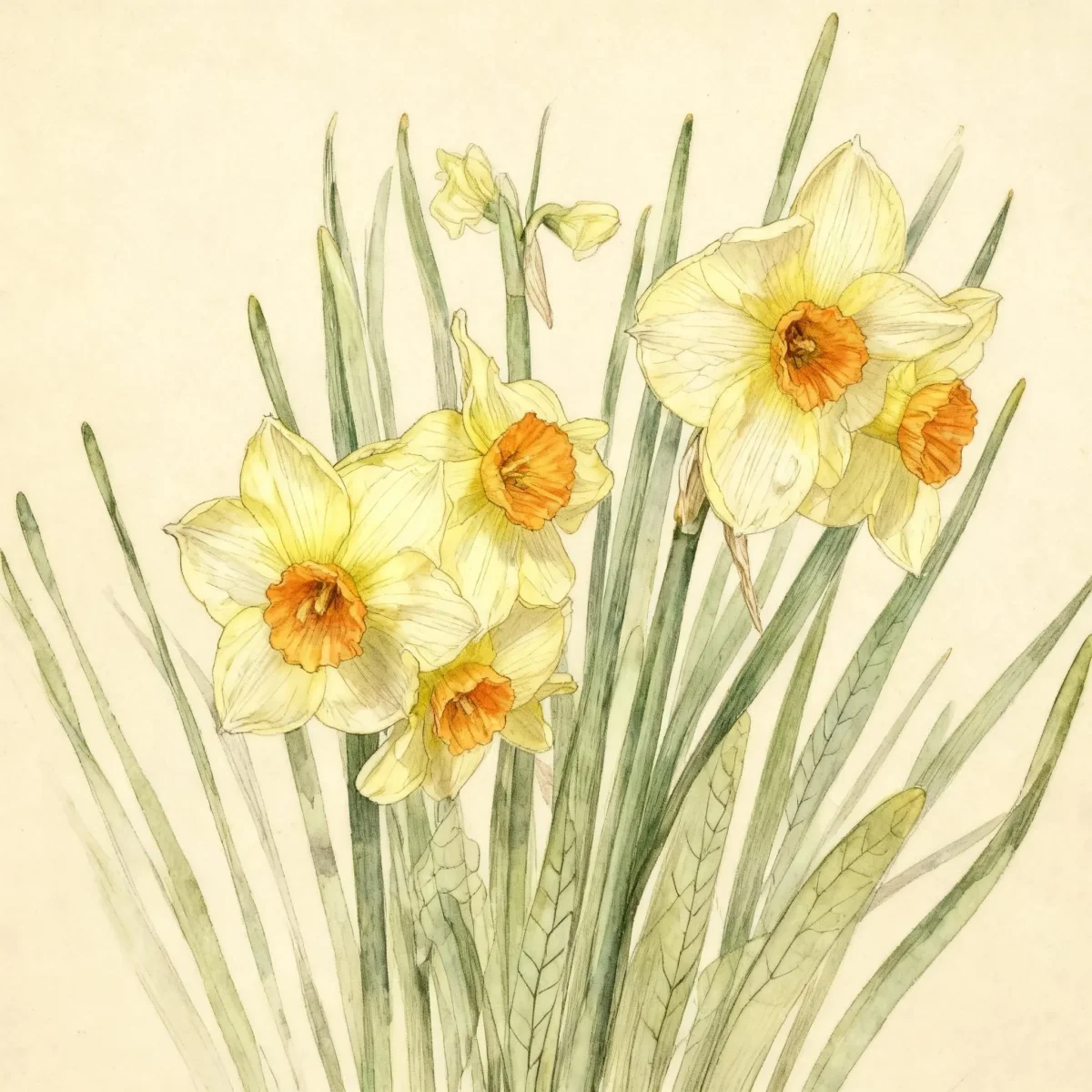
Narcissus ‘Martinette’ is a highly valued addition to the spring garden, categorized as a Division 8 Tazetta daffodil known for its clustered, sweetly scented blooms. These bulbs deliver striking visual interest early in the season, featuring bright lemon yellow petals contrasted beautifully by a rich, orange, ribbed cup. Gardening with the Tazetta daffodil, such as Narcissus ‘Martinette’, is rewarding due to their low maintenance requirements and ability to reliably return year after year.
This perennial bulb thrives in a wide range of climates, tolerating USDA Zones 3 through 8. Once established, these moderately sized plants reach 1 to 2 feet tall, offering dependable color without demanding constant attention from the gardener. They are particularly valued for their fragrance and are excellent naturalizing subjects for woodland edges or sweeping drifts among lawns and borders.
Adding Narcissus ‘Martinette’ to your landscape ensures an infusion of classic bulb beauty with minimal fuss. Their tolerance for drought once dormant, combined with resistance to common garden pests like rabbits and deer, cements its status as a reliable, showy spring performer.
Fast Facts
- Plant Family: Amaryllidaceae
- Plant Type: Bulb
- Hardiness Zones: USDA Zones 3-8
- Size at Maturity:
- Height: 1-2 ft
- Spread: 0.5-1 ft
- Bloom Time: March to April
- Bloom Description: Lemon yellow petals with an orange cup
- Sun Exposure: Full sun to part shade
- Water Needs: Medium
- Maintenance Level: Low
How to Grow
Planting should occur in early to mid-fall before the ground freezes. Select a location that receives full sun to light afternoon shade, ensuring the soil is well-drained; good drainage is paramount to prevent bulb rot. Plant bulbs two to three times deeper than the height of the bulb itself, covering the tip with at least three inches of soil. Space bulbs 4 to 10 inches apart, depending on the desired immediate density.
Watering needs for Narcissus ‘Martinette’ are medium during active growth in spring. Keep soils uniformly moist while foliage is present and flowering. However, this hardy Tazetta daffodil tolerates drought once the foliage begins to yellow and the bulb enters dormancy. Deadheading faded flowers by removing the top portion of the stem prevents seed formation, but foliage must remain intact until it yellows naturally, as this replenishes the bulb reserves for next year’s display.
These bulbs can be left undisturbed for many years; however, if bloom quality diminishes, divide the clumps immediately after the foliage completely dies back. To optimize visual impact, position the planting site so that any afternoon shade falls to the rear of the Narcissus ‘Martinette’ clump, as the flowers tend to face available light sources.
Landscape Uses
Daffodils, unlike many other spring bloomers, are excellent at creating perennial displays, making them perfect for naturalizing beds and borders where tulips often fail to return effectively. Narcissus ‘Martinette’ performs best when planted in generous drifts of at least six bulbs, or massed liberally under open woodland areas or in front of established shrubs. This cultivar mixes seamlessly with other early spring bloomers, providing a cohesive, layered awakening in the garden palette.
For formal settings, plant Narcissus ‘Martinette’ along walkways or in structured beds where their bright yellow and orange contrast can be appreciated up close. For a more relaxed aesthetic, allow them to naturalize in lawns or open woodland clearings; just remember to delay mowing until the foliage has withered. Their robust nature makes them fantastic foundational planting elements that enhance perennial beds come April.
Standout Features
Flower Qualities
- Showy
- Fragrant
- Good Cut
Noteworthy Characteristics
Narcissus is a genus of about 50 species of bulbous perennials from Europe and North Africa, serving as a steadfast mainstay of the spring garden. ‘Martinette’ is specifically categorized as a Division 8 or Tazetta Y-O daffodil, meaning it produces several sweetly scented flowers on stout stems. These blooms feature bright lemon yellow perianth segments and a vibrant orange, ribbed, cup-shaped corona with a wavy mouth, reaching heights between 1 and 2 feet.
Tolerances
- Rabbit
- Deer
- Drought
Potential Problems
Daffodils are generally robust and rarely suffer from serious pest or disease issues when planted in appropriate conditions. The primary cultural pitfall for Narcissus ‘Martinette’ is bulb rot, which occurs almost exclusively in poorly drained or waterlogged soils; ensuring medium moisture but excellent drainage is the best preventative measure. Occasionally, gardeners may encounter minor issues like slugs, snails, or the narcissus bulb fly.
To maintain bulb health, avoid foliage removal too early in the season, as the leaves are vital for storing energy. If the vigor of your Narcissus ‘Martinette’ declines over successive seasons, plan to divide the clumps shortly after the leaves have died back completely, moving them to a new, well-drained location.
Frequently Asked Questions
What hardiness zones is Tazetta daffodil suitable for?
Narcissus ‘Martinette’ is adaptable and suitable for planting across USDA Hardiness Zones 3 through 8.
How large does Tazetta daffodil grow?
This cultivar typically reaches a mature height between 1 and 2 feet tall, with a spread ranging from 0.5 to 1 foot wide.
What sun exposure does Narcissus ‘Martinette’ need?
For optimal blooming, Narcissus ‘Martinette’ prefers full sun but will tolerate partial or dappled shade conditions.
When does Tazetta daffodil bloom?
This variety typically comes into bloom between March and April, displaying its signature lemon yellow petals with an orange cup.
Conclusion
The Tazetta daffodil, Narcissus ‘Martinette’, offers exceptional value through its gorgeous, fragrant blooms and exceptionally low maintenance requirements throughout the season. Its reliable return, combined with pest resistance, makes it a guaranteed highlight of the early garden display. Ensure you purchase and plant your Narcissus ‘Martinette’ bulbs in the fall in well-draining soil to guarantee a spectacular performance next spring.
Companion Planting
When designing spring displays around Narcissus ‘Martinette’, focus on companions that share similar cultural needs for sun and water, especially those whose foliage emerges later. Planting blue or purple-flowering bulbs like Grape Hyacinths (Muscari) offers a stunning color contrast against the yellow and orange tazetta. Later-emerging perennials such as Forget-Me-Nots (Myosotis) or early blooming Alliums can help mask the fading daffodil foliage, ensuring visual interest continues long after the Tazetta daffodil fades.
Seasonal Care Calendar
Mid-fall marks the essential planting window for Narcissus ‘Martinette’. Ensure bulbs are set at the proper depth of 3 to 6 inches in average, well-drained loam. As spring arrives in March and April, monitor moisture; keep the soil medium moist until flowering concludes. Immediately after blooming, snip off spent flower heads but strictly avoid cutting back the foliage. Once foliage yellows significantly, usually by late May or early June, you may trim it away to prepare the area for summer plantings.