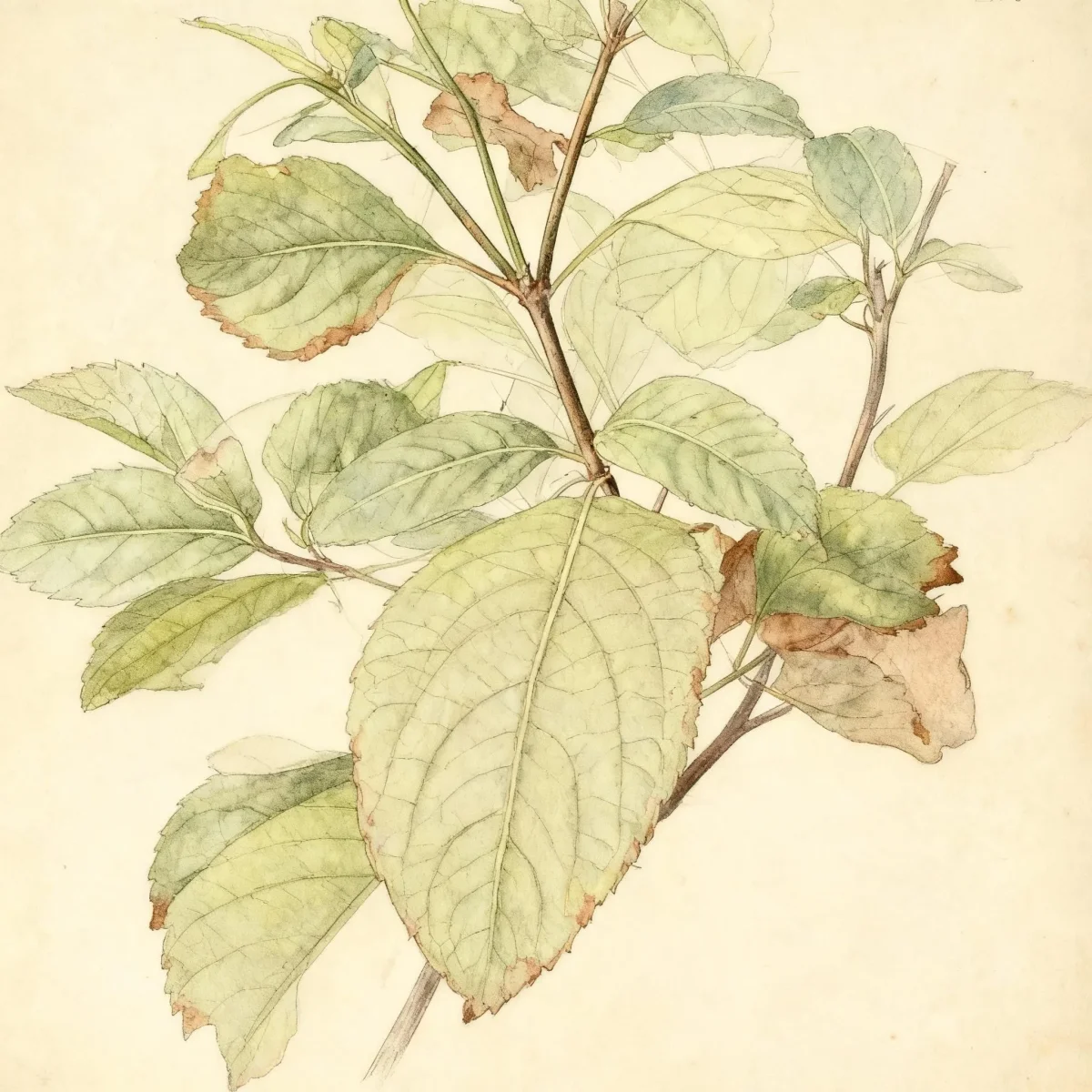
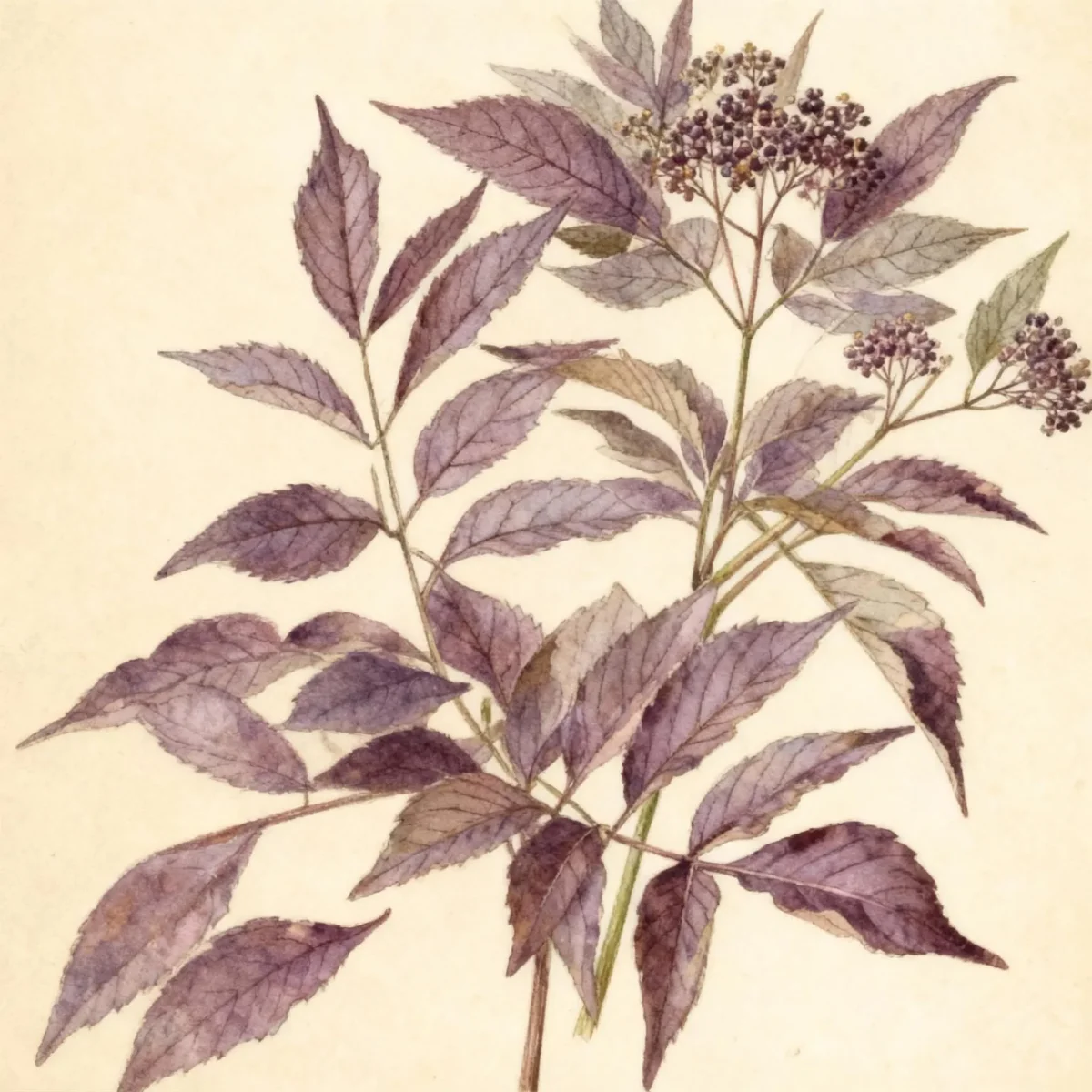
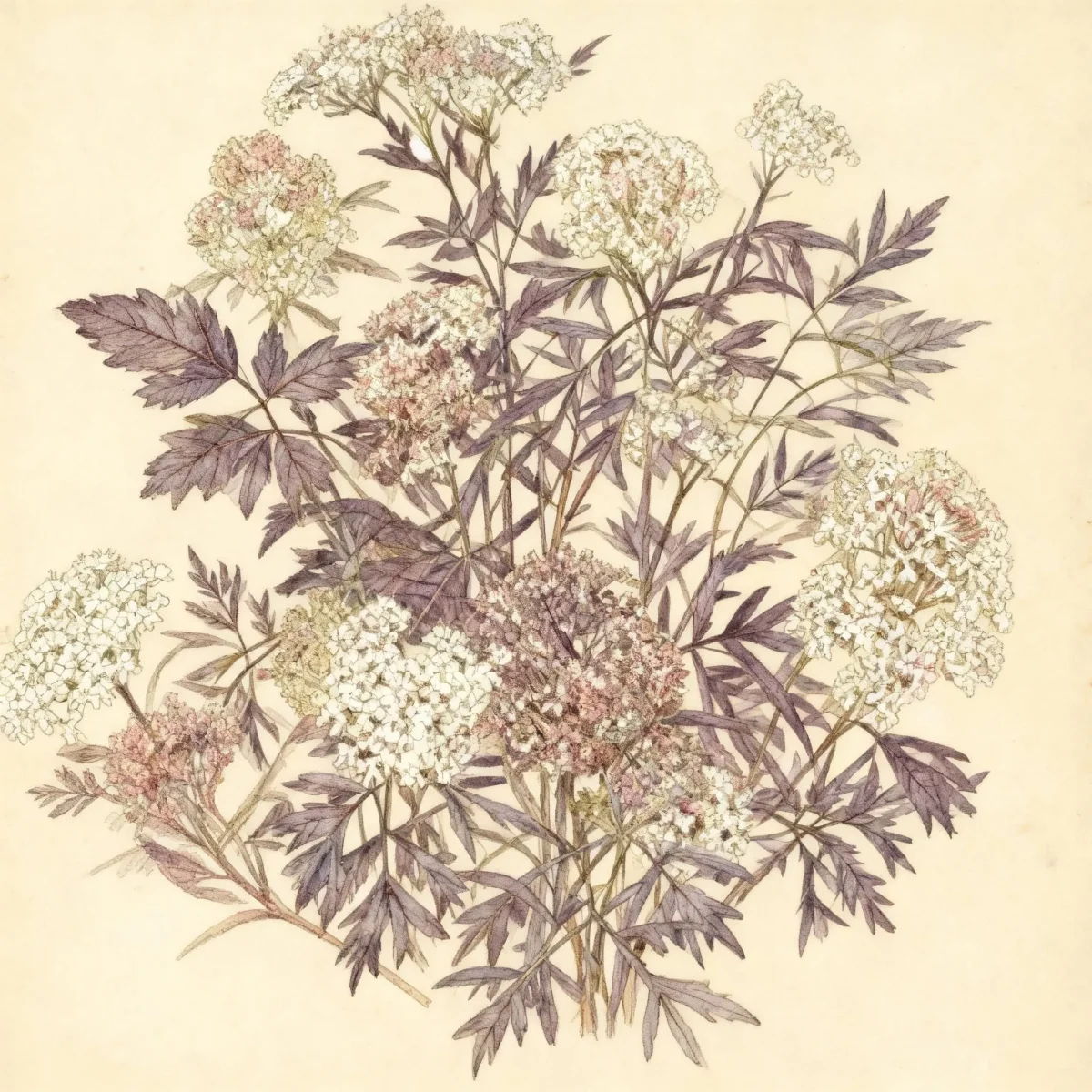
Smooth witherod (Viburnum nudum 'Count Pulaski')
Viburnum nudum 'Count Pulaski' (Smooth witherod) is a striking deciduous shrub offering showy, fragrant white flowers and unique multi-colored fruit in fall.
Scroll down to discover growing tips, care requirements, companion plants, and more

Complete Plant Information
Overview
Viburnum nudum ‘Count Pulaski’, commonly known as Smooth witherod, is a highly appreciated deciduous shrub valued for its multi-season interest. This cultivar retains a manageable structure while delivering showy white blooms in spring, followed by an exceptional fall fruit display that features berries in various stages of ripening simultaneously. Growing reliably in average to wet soil conditions, Smooth witherod integrates structural mass with colorful seasonal transitions.
This upright-spreading shrub is native to swampy and low wooded areas of the eastern and southeastern US, making it excellently adapted to moist garden locations. The cultivar ‘Count Pulaski’ typically matures into a 5 to 7-foot specimen, making it versatile for borders or mass plantings. Its low maintenance requirements cement its role as a durable and rewarding addition to challenging landscapes.
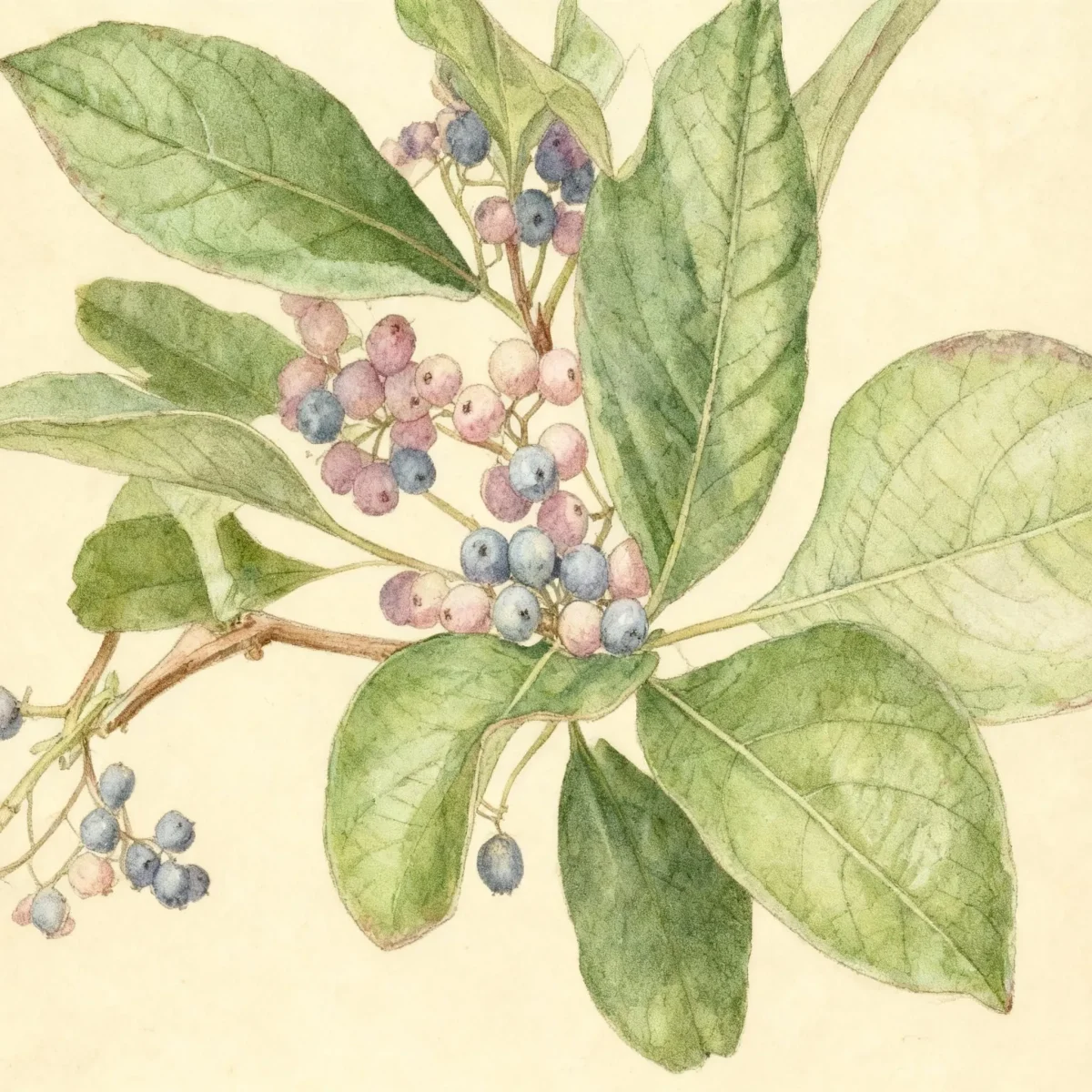
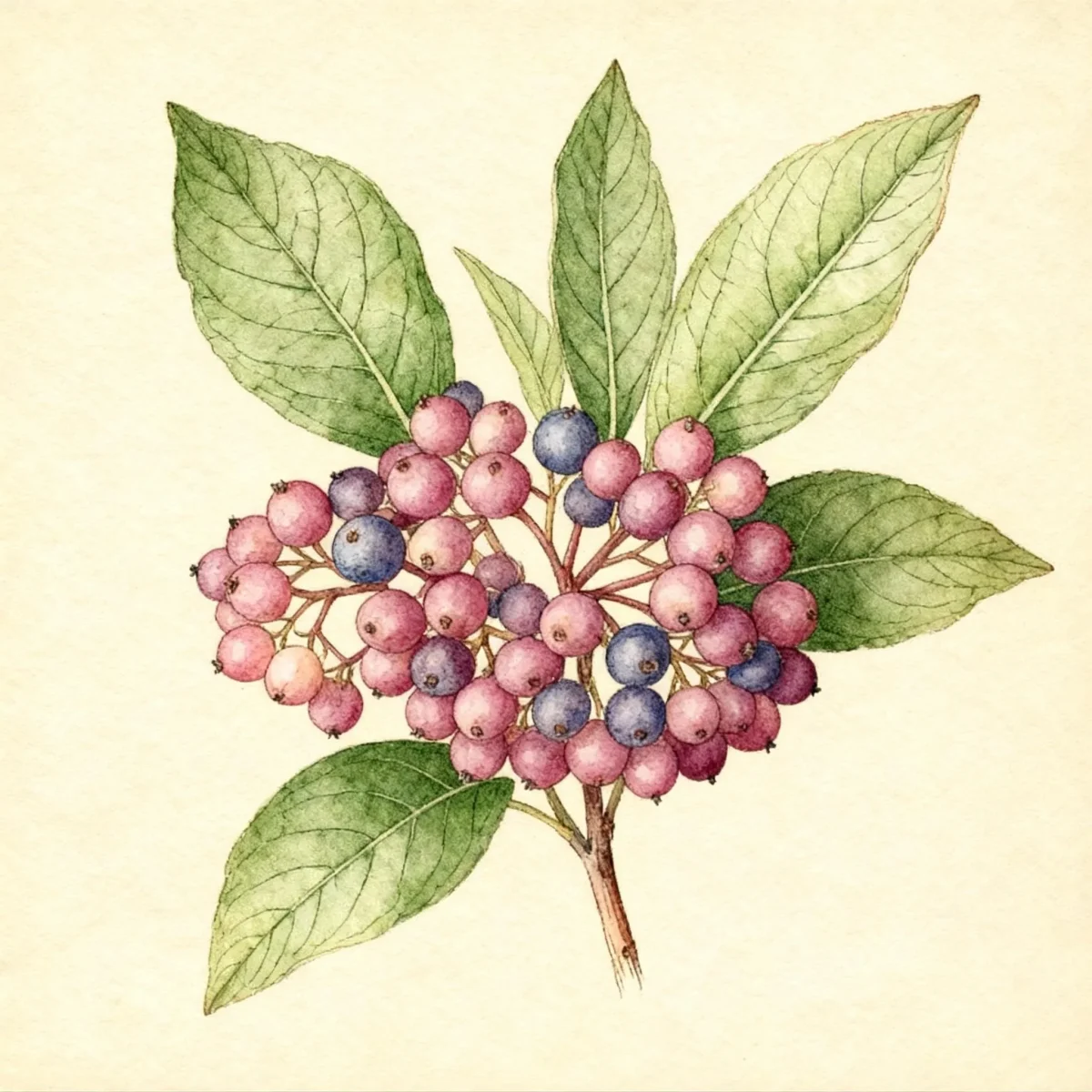
The aesthetic appeal of Viburnum nudum ‘Count Pulaski’ peaks in late summer when the elliptic, glossy green leaves are accented by clusters of berries transitioning from pink to blue-purple against the foliage. Gardeners seeking reliable structure and vibrant autumn color will find this specific Viburnum species an excellent, low-fuss selection.
Fast Facts
- Plant Family: Adoxaceae
- Plant Type: Deciduous shrub
- Hardiness Zones: USDA Zones 5-9
- Size at Maturity:
- Height: 5-7 ft
- Spread: 5-7 ft
- Bloom Time: April to May
- Bloom Description: White
- Sun Exposure: Full sun to part shade
- Water Needs: Medium to wet
- Maintenance Level: Low
How to Grow
Plant Viburnum nudum ‘Count Pulaski’ during the fall or early spring when conditions are cool, ensuring the soil is rich and well-drained, although it thrives even when consistently moist. The Smooth witherod adapts well to average soils but excels when situated in moist loams, tolerating the boggy conditions often found at the edges of water features. Avoid planting in deep, dry shade, as this impacts both flowering and fruiting potential.
Watering should be consistent, especially during establishment, keeping the soil medium to wet as the name suggests. Fertilization is rarely necessary if the soil is reasonably rich; however, minimal feeding can be done in early spring if growth seems sparse. Pruning Viburnum nudum ‘Count Pulaski’ should be light and reserved only for corrective shaping, ideally performed in the fall. Be aware that pruning immediately after the spring flowering may remove the wood necessary for the stunning late-summer fruit display.
For a dramatic fruit set, remember that Viburnum species benefit from cross-pollination. Therefore, plant several shrubs in close proximity rather than relying on a single specimen for the best subsequent berry coverage. This practice enhances the visual impact across borders and hedges.
Landscape Uses
The moderate, yet full, stature of Viburnum nudum ‘Count Pulaski’ makes it highly adaptable in landscape design. It performs excellently when used as part of a mixed shrub border, providing dense background foliage that transitions beautifully into fall hues. Due to its preference for moisture, it is an outstanding choice for rain gardens or along the periphery of ponds and streams where other shrubs might struggle.
Consider using this robust plant to establish natural privacy screening or formal hedges, as it responds well to grouping. The upright-spreading habit of Smooth witherod also suits foundation plantings where consistent year-round structure is desired, provided adequate space is allowed for its 5 to 7-foot spread. Pair it with ferns or moisture-loving perennials that complement its glossy foliage profile.
For specimens or low spots, Viburnum nudum ‘Count Pulaski’ offers reliable three-season interest. Its tolerance for wetter soils means it can stabilize areas where runoff is common, integrating ecological function with high aesthetic value.
Standout Features
Flower Qualities
- Showy
- Fragrant
Fruit Qualities
- Showy
- Edible
Noteworthy Characteristics
Viburnum nudum, commonly called smooth witherod, is a rounded, multi-stemmed, upright-spreading, deciduous shrub native to low woods, swamps, and bogs in the eastern and southeastern U.S. It features aromatic white flowers followed by showy clusters of ovoid berries that ripen from light pink to blue to purplish-black, often appearing in contrasting shades on the same cluster in late summer. Foliage also offers seasonal interest, sometimes turning attractive maroon to dark red-purple in autumn.
Tolerances
Potential Problems
The Smooth witherod generally exhibits no serious insect or disease problems, making Viburnum nudum ‘Count Pulaski’ a low-maintenance star. Gardeners should focus primarily on cultural needs—ensuring adequate moisture—rather than intensive chemical treatments. If minor pests appear, they are usually cosmetic and rarely require intervention in established shrub settings.
Frequently Asked Questions
What hardiness zones is Smooth witherod suitable for?
Viburnum nudum ‘Count Pulaski’ is reliably hardy across USDA Zones 5 through 9.
How large does Smooth witherod grow?
This cultivar typically achieves a mature height between 5 and 7 feet, with a corresponding spread of 5 to 7 feet.
What sun exposure does Viburnum nudum ‘Count Pulaski’ need?
For optimal flowering and fruiting, seek locations providing full sun to part shade conditions for your shrub.
When does Smooth witherod bloom?
The shrub produces its fragrant white flowers during the late spring, usually between April and May.
Conclusion
The Viburnum nudum ‘Count Pulaski’ shrub delivers exceptional value through its fragrant spring flowers and unique, multi-toned berry display set against deep green foliage. This Smooth witherod variety is robust, adaptable to wet soils, and requires minimal upkeep, making it a gardener’s favorite. Before planting, verify that your site falls within USDA Hardiness Zones 5-9 and plan to group several shrubs together to guarantee the spectacular fruit show you desire.
Companion Planting
When designing plantings around Viburnum nudum ‘Count Pulaski’, focus on other plants that appreciate consistent moisture and similar sun exposure. Moisture-loving woodland natives like certain types of ferns (e.g., Osmunda species), Astilbes, or native Iris make excellent groundcovers in dappled sunlight beneath the shrub canopy. For year-round structure, consider pairing the shrub with evergreen broadleaf plants that tolerate wet feet, such as various types of native holly, ensuring a continuous garden tapestry.
Wildlife Benefits
The fruit display on the Smooth witherod is not just ornamental; it provides a crucial late-season food source for birds as they prepare for migration. The transition of berries to dark purplish-black signals peak ripeness, attracting various songbirds to the garden habitat. Furthermore, the dense branching habit of this deciduous shrub offers excellent shelter opportunities for small backyard wildlife throughout the winter months, enhancing your garden’s ecological contribution.