Burkwood viburnum (Viburnum × burkwoodii 'Mohawk')
Viburnum × burkwoodii 'Mohawk' is a low-maintenance, fragrant deciduous shrub thriving in USDA Zones 5-8 with excellent flower qualities.
Scroll down to discover growing tips, care requirements, companion plants, and more
Complete Plant Information
Overview
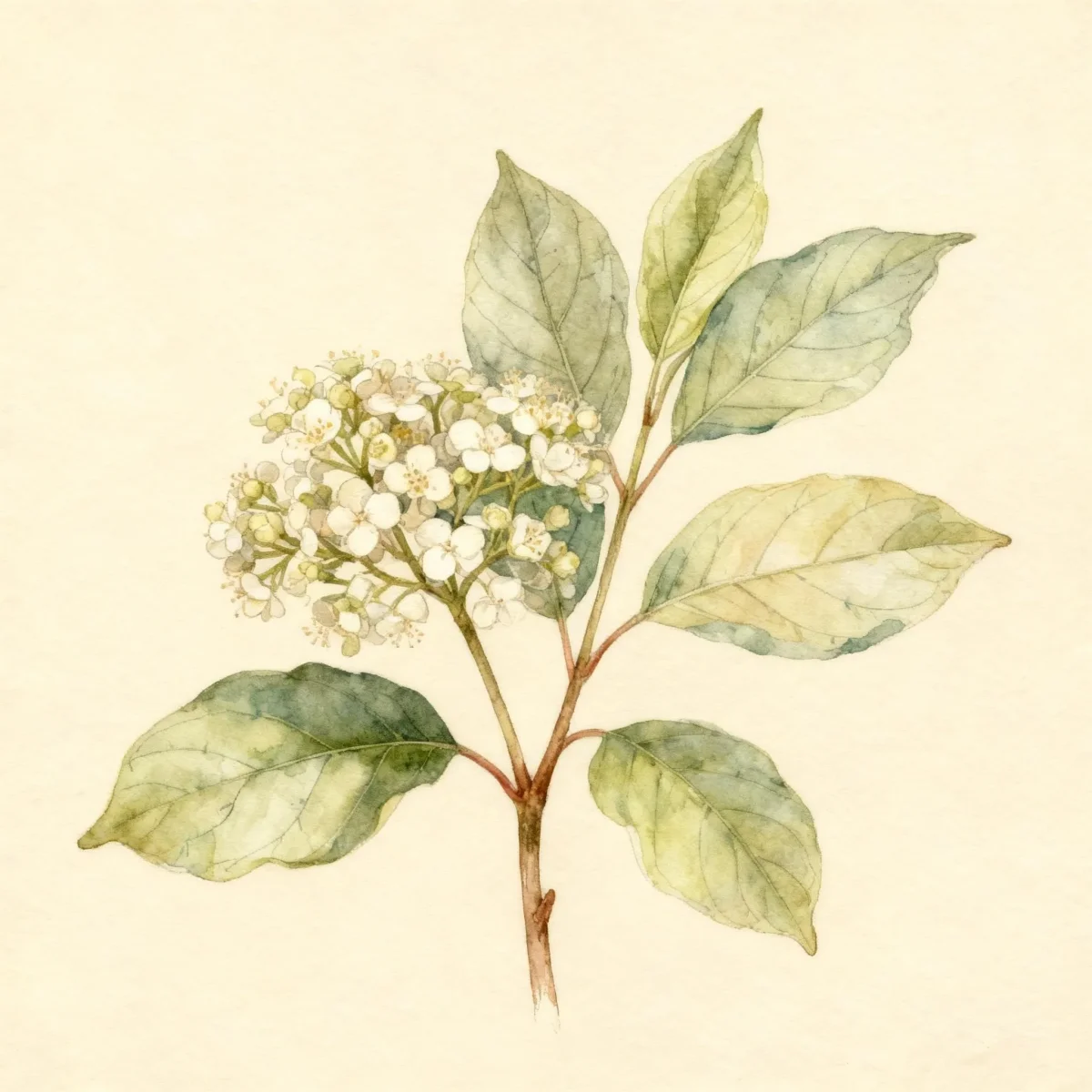
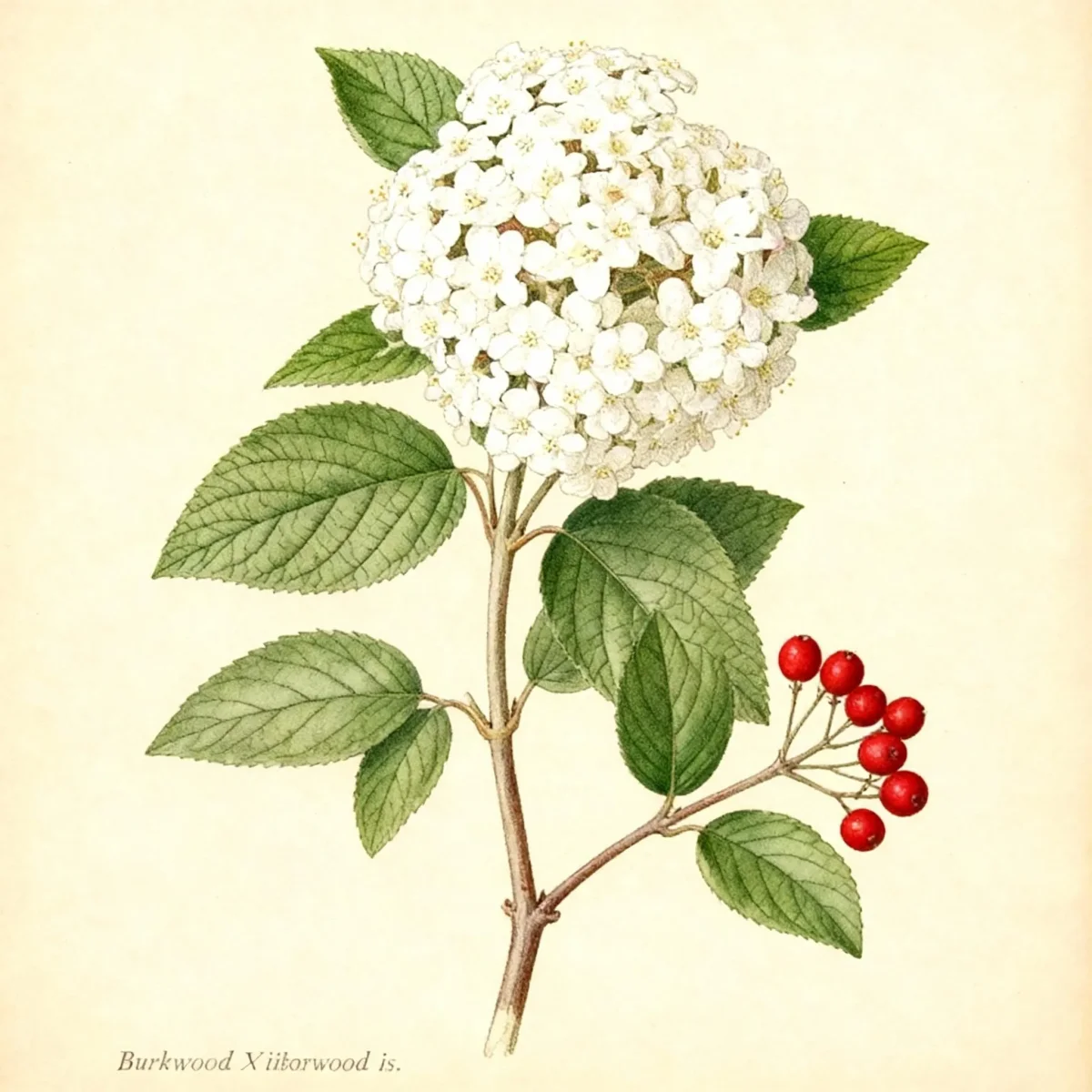
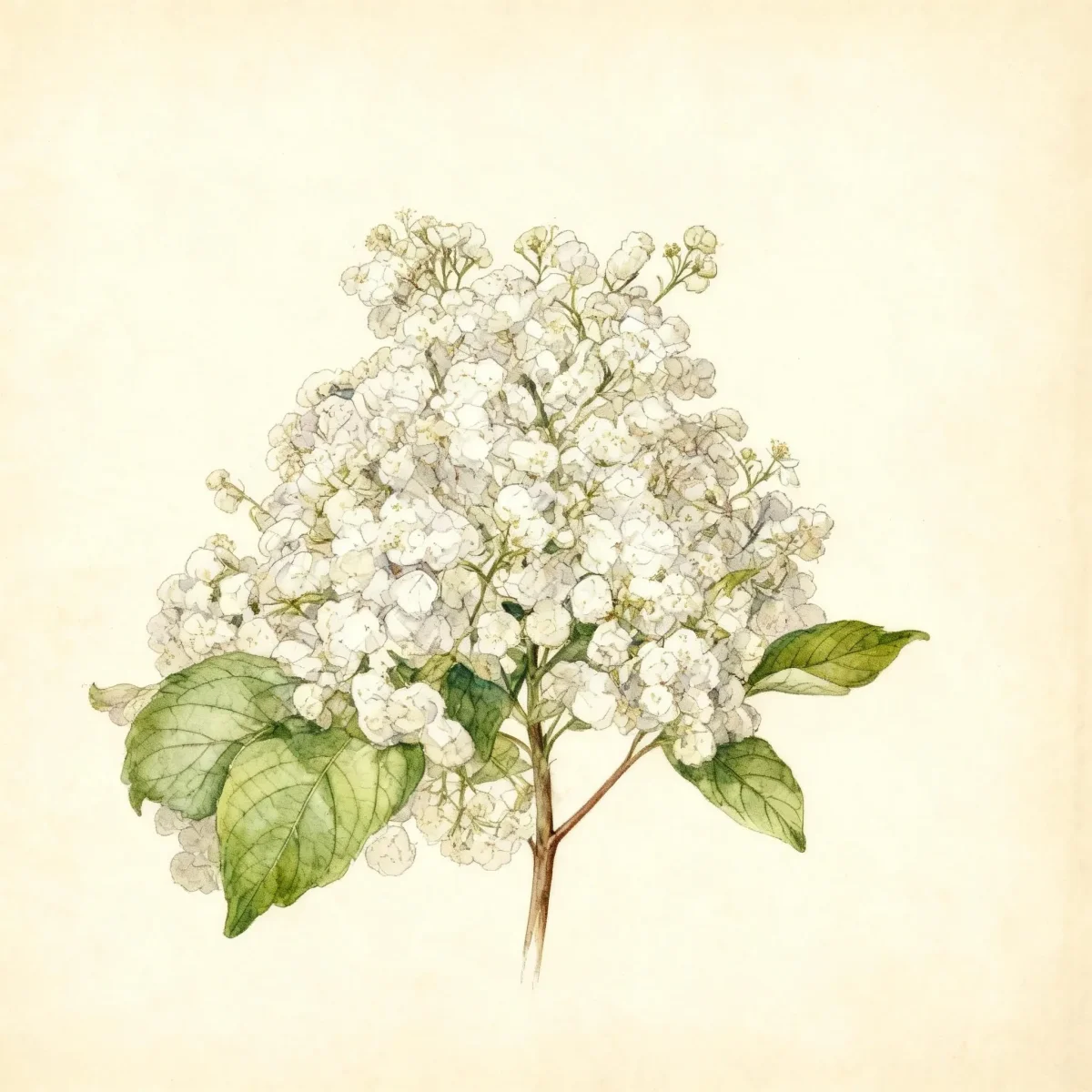
Viburnum × burkwoodii ‘Mohawk’, commonly known as Burkwood viburnum, stands out as a robust, densely-branched deciduous shrub prized for its spectacular spring display and manageable size. This popular cultivar, released by the U.S. National Arboretum, features highly fragrant white flowers that strongly perfume the garden in April, setting it apart from its relatives. It provides reliable four-season interest, transitioning from showy buds to glossy green summer foliage with notable maroon fall color, especially in cooler northern climates.
As a hybrid cross, the Burkwood viburnum offers excellent vigor and adaptation across a wide range of conditions, making it an excellent choice for both formal hedges and specimen planting. It matures into a substantial shrub reaching 8 to 10 feet tall and wide, requiring minimal intervention once established due to its low maintenance needs and good drought tolerance. Gardeners appreciate the reliability and intense fragrance of this specific cultivar, Viburnum × burkwoodii ‘Mohawk’.
The cultivar ‘Mohawk’ is specifically noted for having stronger, spicier fragrance than the standard cross, along with improved flower bud color and superior fall coloration. Its structure makes it highly adaptable, performing well as a screen or a feature accent in mixed shrub borders throughout USDA Zones 5 through 8.
Fast Facts
- Plant Family: Adoxaceae
- Plant Type: Deciduous shrub
- Hardiness Zones: USDA Zones 5-8
- Size at Maturity:
- Height: 8-10 ft
- Spread: 8-10 ft
- Bloom Time: April
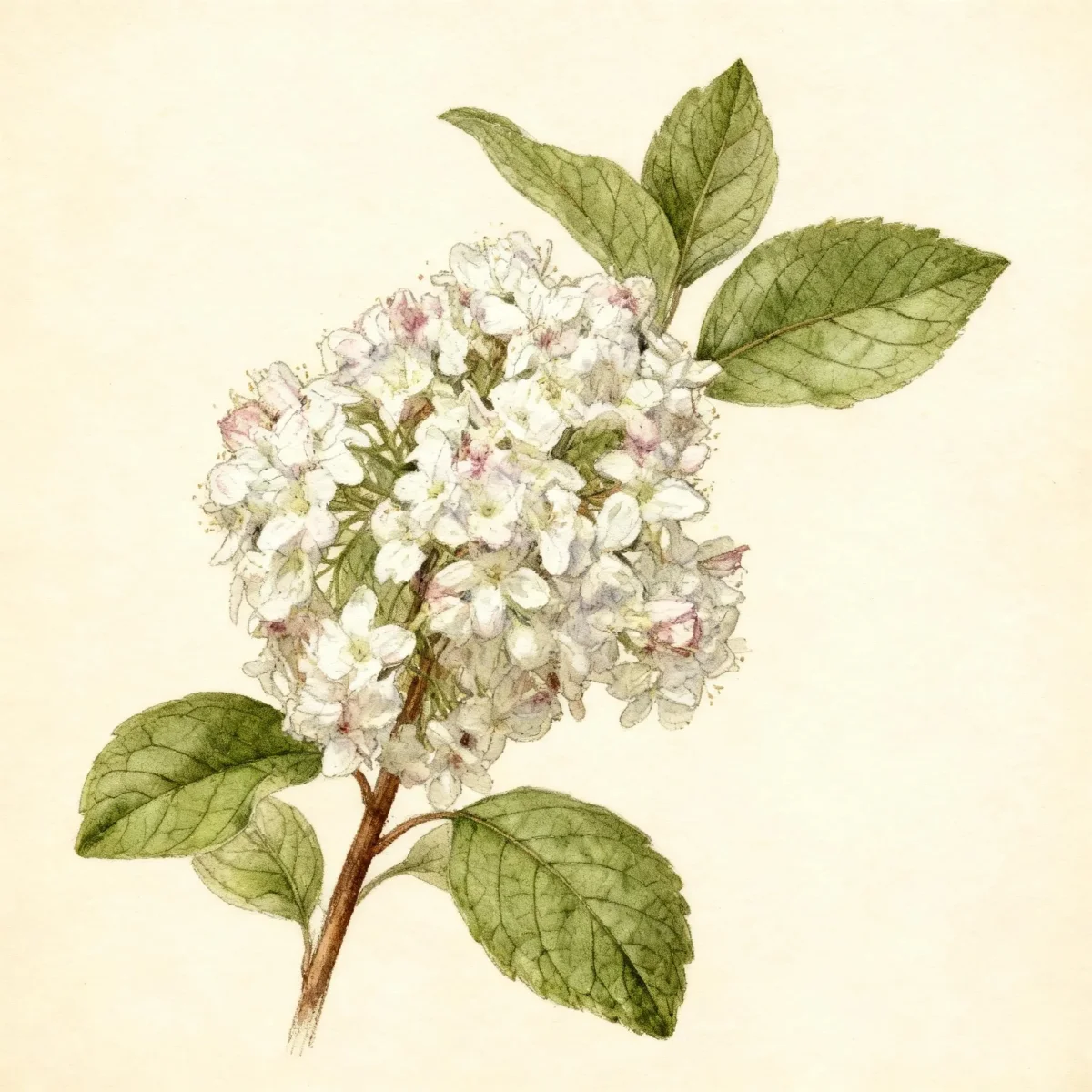
- Bloom Description: White with red on petal reverses
- Sun Exposure: Full sun to part shade
- Water Needs: Medium
- Maintenance Level: Low
How to Grow
Planting Viburnum × burkwoodii ‘Mohawk’ is best done in the spring or fall in a location receiving full sun to partial shade. This shrub thrives in average, medium-moisture, well-drained soil, though it tolerates varied soil types better than many ornamentals. Ensure the planting site allows for its mature spread of 8 to 10 feet for optimal air circulation.
Water newly situated shrubs regularly until the root system is well-established. Once mature, the Burkwood viburnum displays good drought tolerance, requiring only medium supplemental water during extended dry periods. Fertilization is generally unnecessary unless the soil is extremely poor. Pruning should be performed immediately after the spring bloom period concludes to ensure you do not remove next year’s flower buds, which form shortly after flowering.
Be aware that pruning spent flowers will eliminate the potential summer fruit display, which this hybrid typically does not feature heavily anyway. For the best potential fruit set and cross-pollination benefits, plant shrubs in groups rather than isolating single specimens in the landscape.
Landscape Uses
The substantial structure of Viburnum × burkwoodii ‘Mohawk’ makes it exceptionally valuable for foundational plantings and formal or informal hedges. Its dense branching habit effectively screens undesirable views or provides strong vertical structure along property lines. Using several Viburnum × burkwoodii ‘Mohawk’ planted closely together reinforces the hedge function beautifully, while a single specimen can anchor a corner in a shrub border.
This versatile shrub pairs well with later-blooming deciduous shrubs or evergreen accents that will provide textural contrast during early spring bloom. Its medium size allows it to fit comfortably into large foundation beds where robust screening is needed without resorting to full-sized trees. Consider planting it near patios or entryways to maximize enjoyment of the spicy, fragrant flowers in April.
Standout Features
Flower Qualities
- Showy
- Fragrant
Fruit Qualities
- Showy
Noteworthy Characteristics
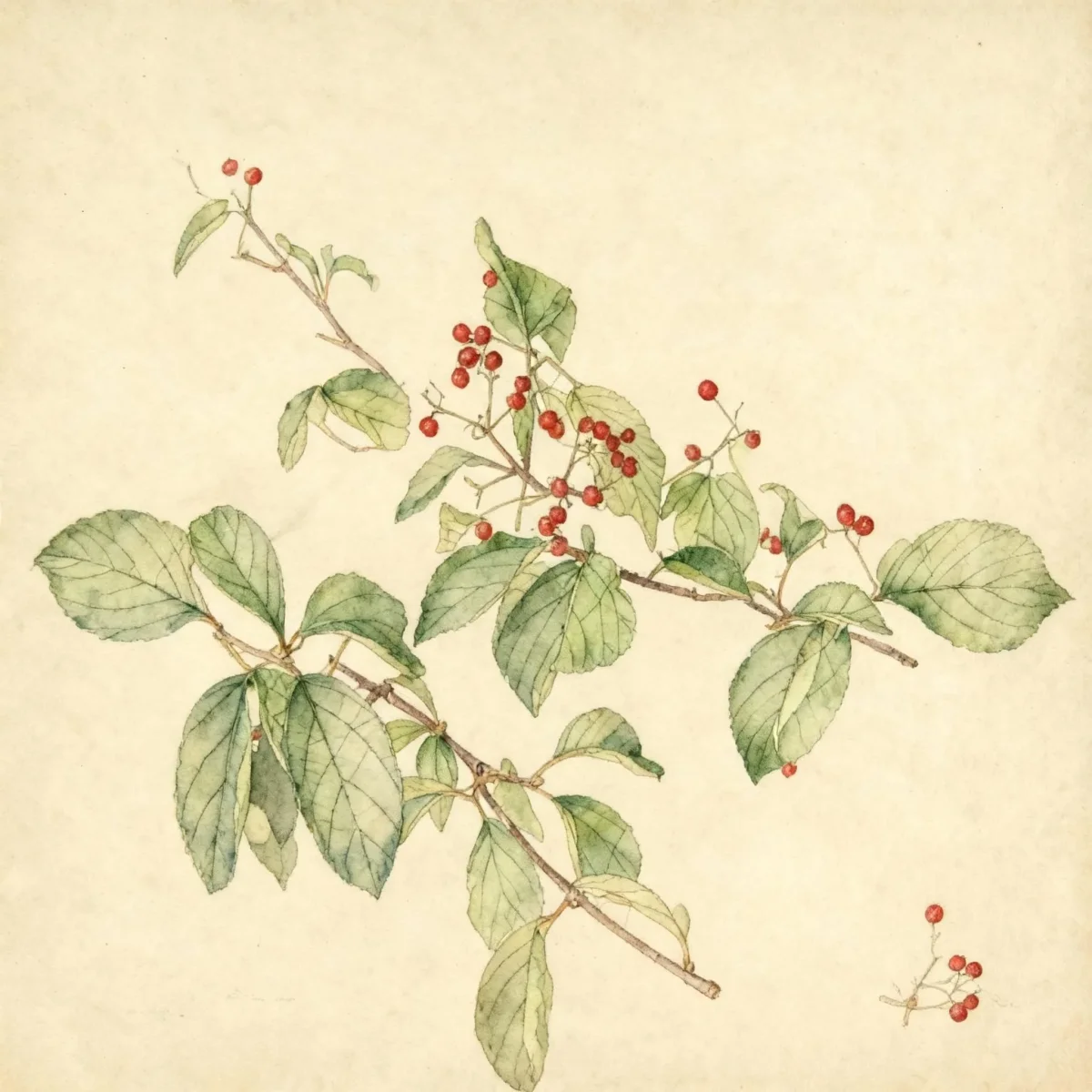
Viburnum × burkwoodii, commonly called Burkwood viburnum, is noted for its dense structure, reaching 8-10 feet tall, featuring highly fragrant white flowers in April followed by sparse, dark fruit. The leaves are glossy dark green, turning rich maroon in autumn, and may remain evergreen in warmer Zones 7 and 8. This hybrid is distinguished as a backcross cultivar (‘Mohawk’), known for deeper red buds, enhanced fragrance, and superior fall color compared to the original cross.
Tolerances
- Drought
Potential Problems
Viburnum × burkwoodii ‘Mohawk’ is recognized for having very few significant issues, offering good resistance to common fungal diseases like leaf spots and powdery mildew. Serious insect infestations are rare in routine garden settings. Maintaining good air circulation, especially in humid climates, through proper spacing will further minimize the risk of minor foliage issues.
Frequently Asked Questions
What hardiness zones is Burkwood viburnum suitable for?
This reliable cultivar is hardy across USDA Zones 5 through 8.
How large does Viburnum × burkwoodii ‘Mohawk’ grow?
Viburnum × burkwoodii ‘Mohawk’ typically matures to a height and spread between 8 and 10 feet.
What sun exposure does Burkwood viburnum need?
For the best bloom performance and healthiest growth, plant Viburnum × burkwoodii ‘Mohawk’ where it receives full sun to part shade exposure.
When does Viburnum × burkwoodii ‘Mohawk’ bloom?
It blooms reliably in April, producing exquisite white flowers with distinguishing red coloring on the petal reverses—accompanied by a strong, spicy fragrance.
Conclusion
The Viburnum × burkwoodii ‘Mohawk’ is an outstanding choice for gardeners seeking low-maintenance structure paired with high-impact spring fragrance. Its adaptability across Zones 5-8 and resistance to common ailments make the Burkwood viburnum a dependable landscape backbone. Before planting, confirm your site conditions align with full sun to partial shade requirements and prepare well-drained soil for this beautiful shrub.
Companion Planting
When planning borders around your Viburnum × burkwoodii ‘Mohawk’, consider plants that complement its early spring show without competing for light or moisture. Early spring bulbs like daffodils (Narcissus) or tulips provide a low carpet of color beneath the shrub before it fully leaf out. For summer texture contrast, pairing it with late-flowering hydrangeas or broadleaf evergreens that offer dark green foliage will help the Burkwood viburnum stand out after its bloom period has passed.
Design Ideas for Screens
Due to its reliable height (8-10 ft) and dense habit, Viburnum × burkwoodii ‘Mohawk’ excels as a year-round visual screen, especially when planted in groupings of three or more. If using it to block an unsightly view, ensure you leave enough space between individual plants (approximately 8 feet apart on center) to allow mature specimens to fully interlock their branches. This creates a naturally dense, visually soft barrier that requires minimal shearing compared to formal boxwood hedges.