Lantanaphyllum viburnum (Viburnum × rhytidophylloides)
Discover Lantanaphyllum viburnum (Viburnum × rhytidophylloides), a tough deciduous shrub with showy spring flowers and semi-evergreen appeal.
Scroll down to discover growing tips, care requirements, companion plants, and more
Complete Plant Information
Overview
The Lantanaphyllum viburnum, scientifically known as Viburnum × rhytidophylloides, offers gardeners a robust, multi-stemmed shrub well-suited for large foundation plantings or informal screens. This reliable hybrid brings attractive foliage texture combined with fragrant spring blooms, making it a valuable addition to the landscape from spring through winter. It naturally arches as it matures, creating an upright yet somewhat relaxed form, typically reaching 8 to 10 feet tall and wide.
As a cross between V. Rhytidophyllum and V. Lantana, this species inherits desirable traits from both parents, resulting in a durable specimen adaptable to various conditions within its hardiness range. While it is described as deciduous in colder northern climates, the foliage of Viburnum × rhytidophylloides often remains partially green through the winter in its southern hardiness limits, providing welcome winter interest.
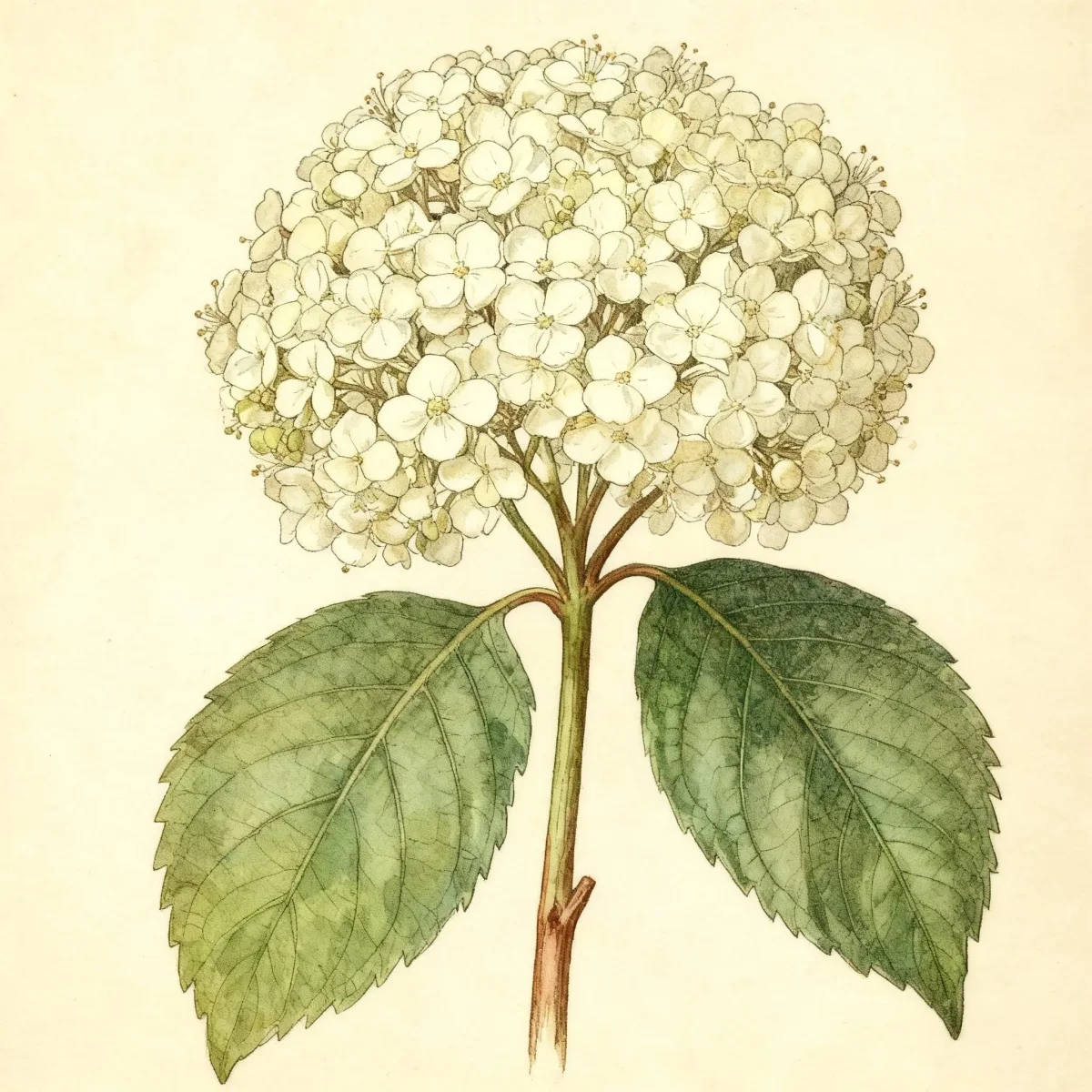
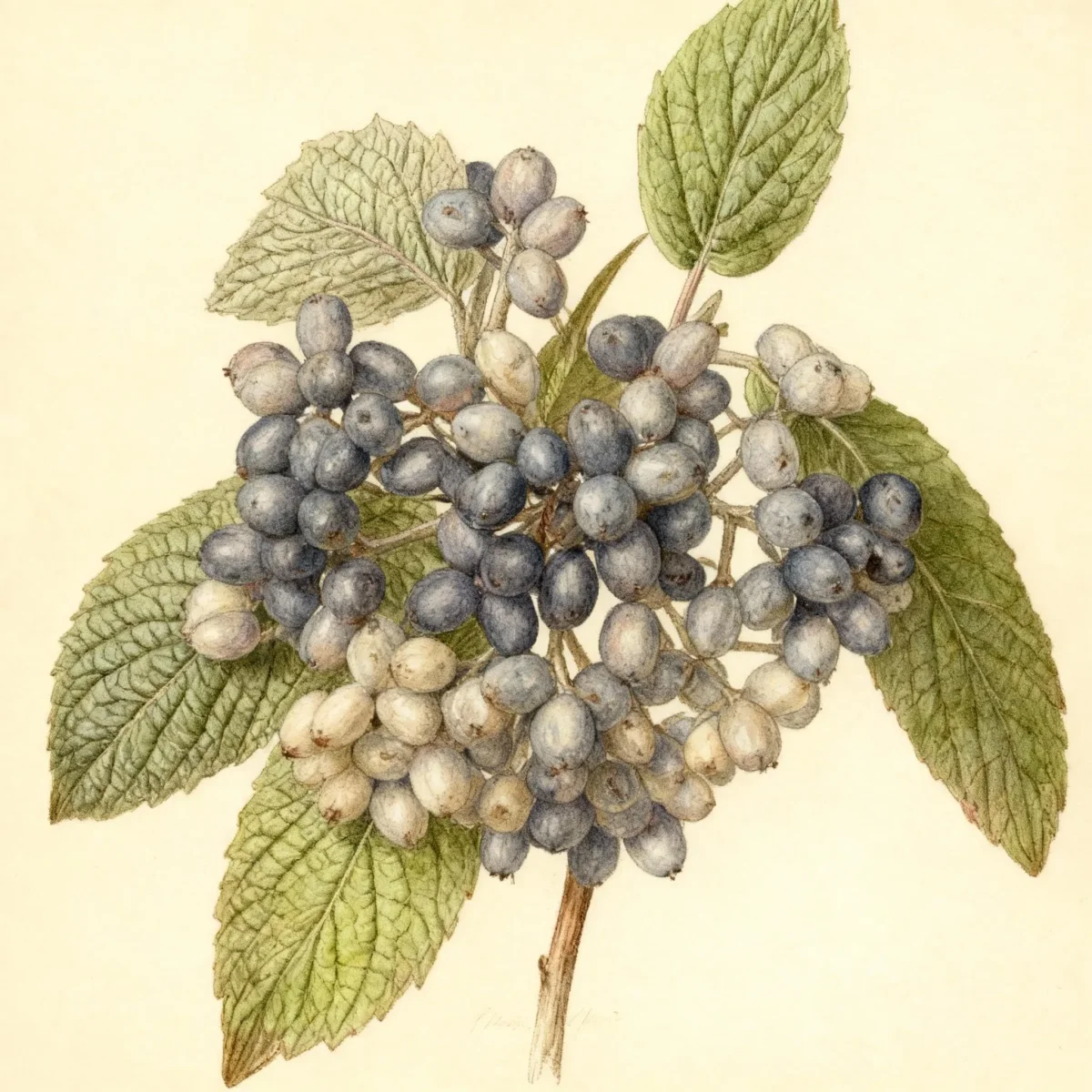
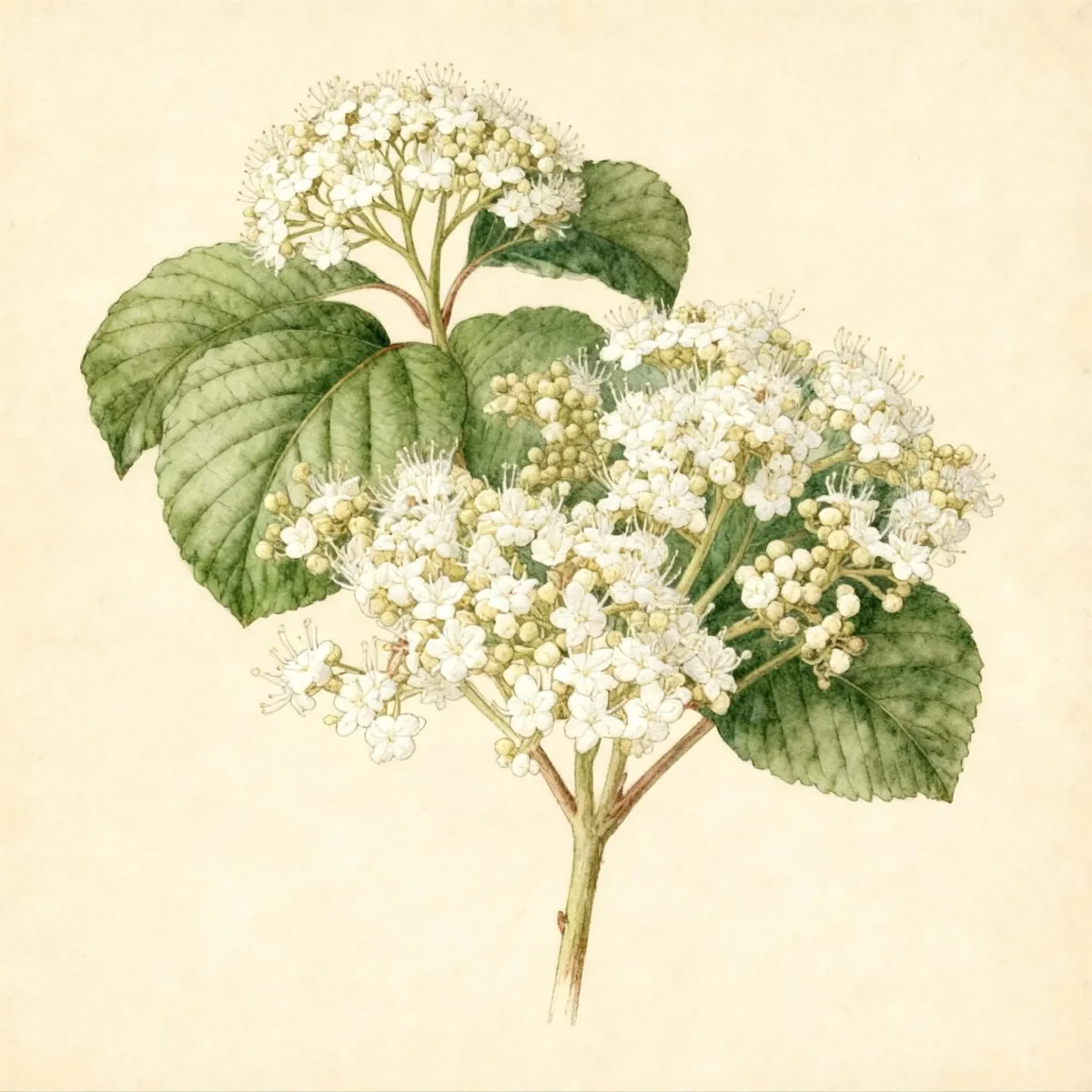
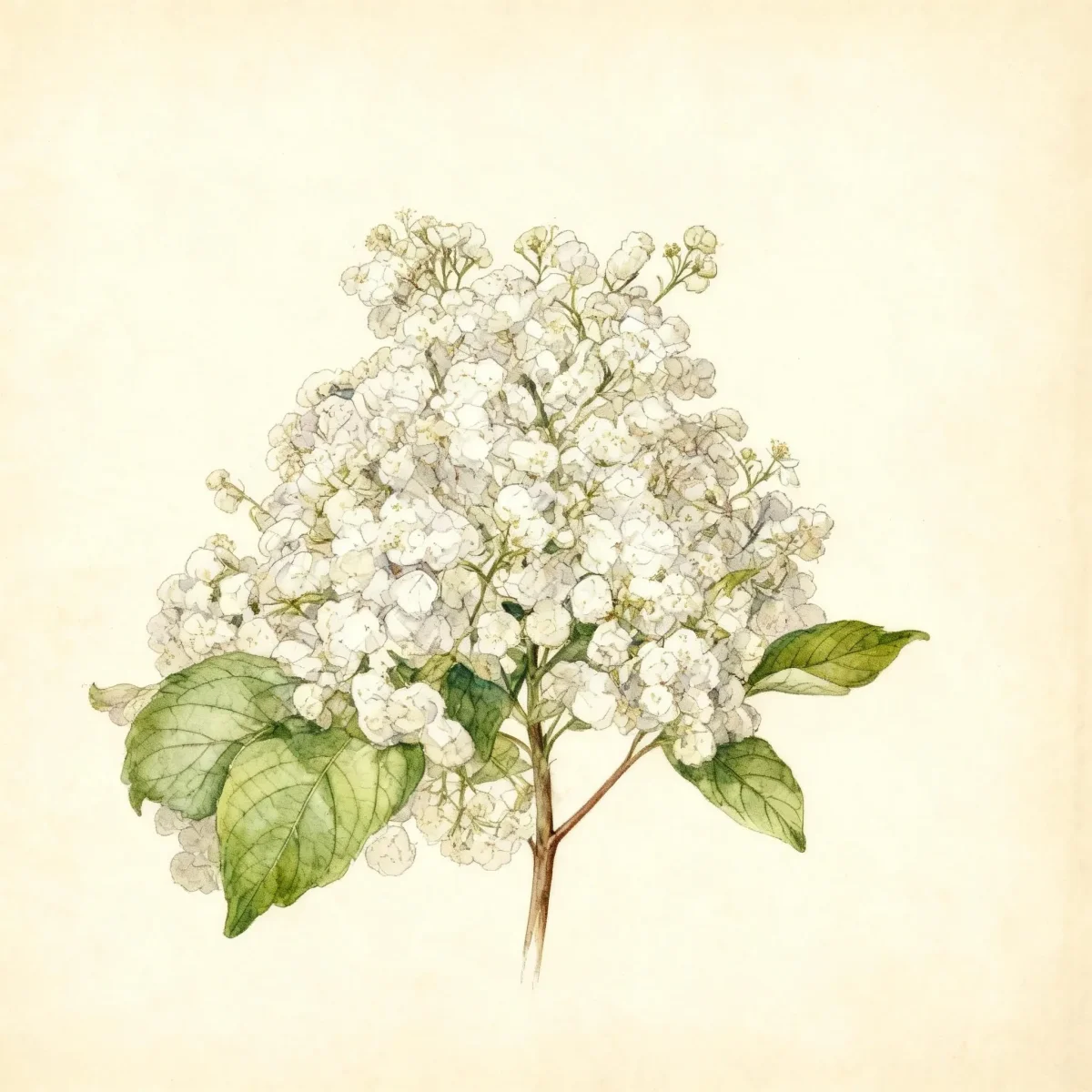
Gardeners appreciate this selection for its reliability and the seasonal display provided by its creamy white flowers in late spring, often followed by attractive, colorful fruit that matures to glossy black. Ensuring good air circulation and proper siting are key to maintaining a healthy and productive Viburnum × rhytidophylloides.
Fast Facts
- Plant Family: Adoxaceae
- Plant Type: Deciduous shrub
- Native Range: Eurasia, China
- Hardiness Zones: USDA Zones 5-8
- Size at Maturity:
- Height: 8-10 ft
- Spread: 8-10 ft
- Bloom Time: April to May
- Bloom Description: White
- Sun Exposure: Full sun to part shade
- Water Needs: Medium
- Maintenance Level: Medium
How to Grow
Plant Viburnum × rhytidophylloides in average, medium moisture, well-drained soils. While it tolerates full sun, part shade conditions are also acceptable, especially in hotter climates. Proper soil drainage is crucial to prevent root issues, as consistently soggy conditions are detrimental to this shrub.
Water needs are medium; establish a regular watering schedule, particularly during the first year after planting. Once established, the Lantanaphyllum viburnum is relatively unfussy regarding moisture requirements. Fertilization is usually unnecessary unless the soil quality is extremely poor.
Pruning should be performed sparingly and only as needed, immediately after the spring flowering concludes. This is a critical point: flower buds for the following season form during the summer months, so late pruning will remove next year’s potential blooms.
For the best fruit set of the attractive berries on your Viburnum × rhytidophylloides, ensure cross-pollination occurs. Planting several specimens or clones of the hybrid nearby is recommended to maximize the seasonal fruit display.
Landscape Uses
The large size and dense branching habit of the Lantanaphyllum viburnum make it an excellent candidate for structural plantings in the garden. It performs admirably when planted in groups, creating an effective, informal screen or hedge where space allows for its full 8 to 10-foot spread. For gardeners needing reliable texture and dependable seasonal interest, this shrub excels in shrub borders.
Due to its creamy white flowers, notable summer/fall fruit, and semi-evergreen foliage in milder zones, the Viburnum × rhytidophylloides also holds good specimen value. When sited appropriately, its coarse, leathery leaves provide a strong textural contrast against finer-leaved perennials or smaller shrubs. Use it strategically where a substantial, low-maintenance anchor plant is required.
Standout Features
Flower Qualities
- Showy
- Fragrant
Fruit Qualities
- Showy
Noteworthy Characteristics
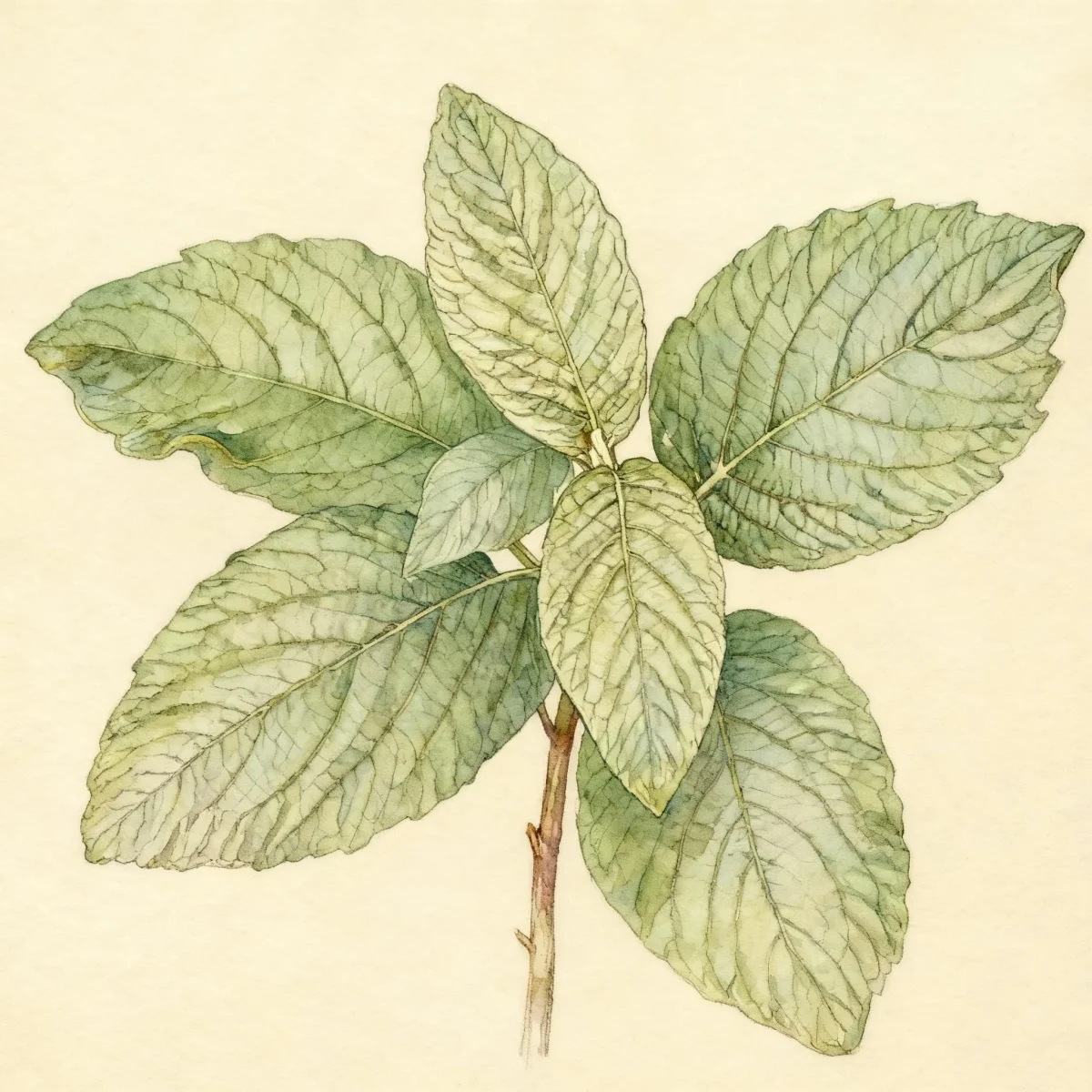
Viburnum × rhytidophylloides is a hybrid viburnum (a cross between V. Rhytidophyllum and V. Lantana). It is a multi-stemmed, upright-arching shrub that typically matures to 8-10’ tall (sometimes more) and as wide. Shrubs are semi-evergreen (retain some green leaves in winter) in the southern parts of the growing range, but are basically deciduous in the northern parts of the growing range. Mature plants grow large and somewhat coarse, featuring leathery, thick, wrinkled, dark green leaves up to 8 inches long.
Tolerances
- Erosion
Potential Problems
This particular hybrid generally boasts excellent pest and disease resistance, meaning gardeners rarely encounter serious insect or disease problems with established Viburnum × rhytidophylloides. Generally healthy plants require minimal intervention. If fruit set is poor in certain years, remember that cross-pollination from nearby parent or clone varieties often improves yield.
Frequently Asked Questions
What hardiness zones is Lantanaphyllum viburnum suitable for?
The Lantanaphyllum viburnum is hardy and suitable for cultivation in USDA Zones 5 through 8. Always ensure your planting location aligns with these parameters for best results.
How large does Viburnum × rhytidophylloides grow?
This is a substantial shrub, typically maturing to a height between 8 and 10 feet, maintaining a similar spread of 8 to 10 feet wide.
What sun exposure does Lantanaphyllum viburnum need?
Viburnum × rhytidophylloides performs best when given full sun exposure, although it will effectively tolerate partial shade conditions.
When does Viburnum × rhytidophylloides bloom?
This shrub produces its white flowers, which exhibit showy and fragrant qualities, between April and May each year.
Conclusion
The reliable structure, intriguing semi-evergreen foliage, and fragrant spring display confirm Viburnum × rhytidophylloides as a worthwhile selection for substantial screening or border plantings. For a tough, large shrub that handles diverse conditions, the Lantanaphyllum viburnum cannot be overlooked. Before planting, confirm your specific hardiness zone compatibility and plan your pruning timing carefully to encourage abundant flowers next season.
Companion Planting
When integrating Viburnum × rhytidophylloides into a mixed border, consider pairing it with plants that appreciate similar medium moisture and sun/part-shade conditions. Companions with finer textures, such as Hostas, Japanese Forest Grass (Hakonechloa), or various ferns, create an appealing contrast against the leathery, rugose leaves of the Viburnum. For continuous color after the white spring blooms fade, consider late-season bloomers like Coneflowers (Echinacea) or Tall Sedums, provided they do not require extremely dry conditions.
Seasonal Care Calendar
Early spring, before new growth begins, is the ideal time to complete any necessary clean-up, such as removing winter debris around the base of the shrub. Once the plant has flowered in late spring (April/May), immediately prune any excess growth or crossing branches, keeping in mind this is the last opportunity before summer bud set. Throughout summer, monitor water needs, especially during dry spells, to ensure medium moisture levels are maintained for robust fruit development. In fall and winter, the structure of the Viburnum × rhytidophylloides provides architectural interest, and minimal maintenance is required unless significant snow or ice accumulation threatens branches.