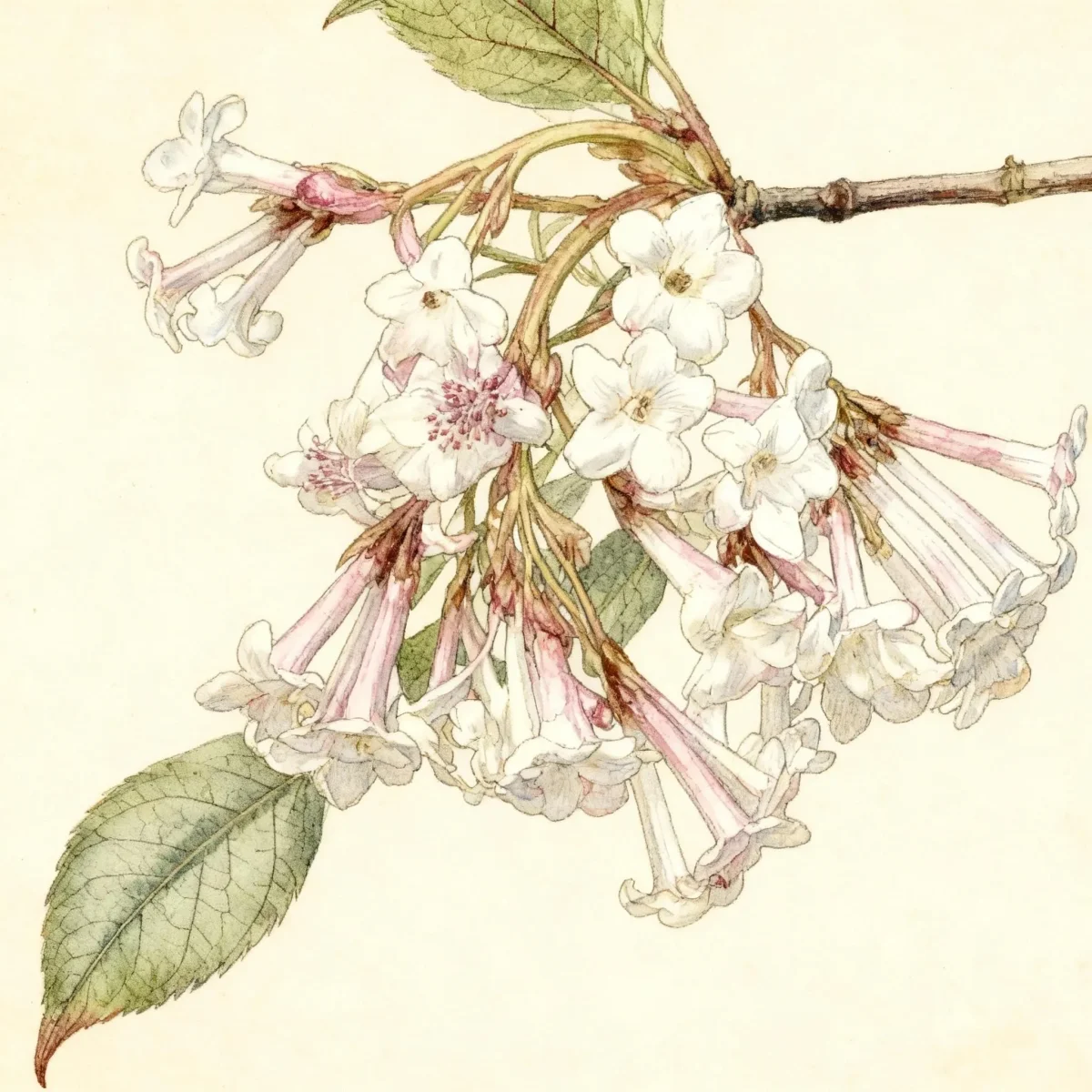
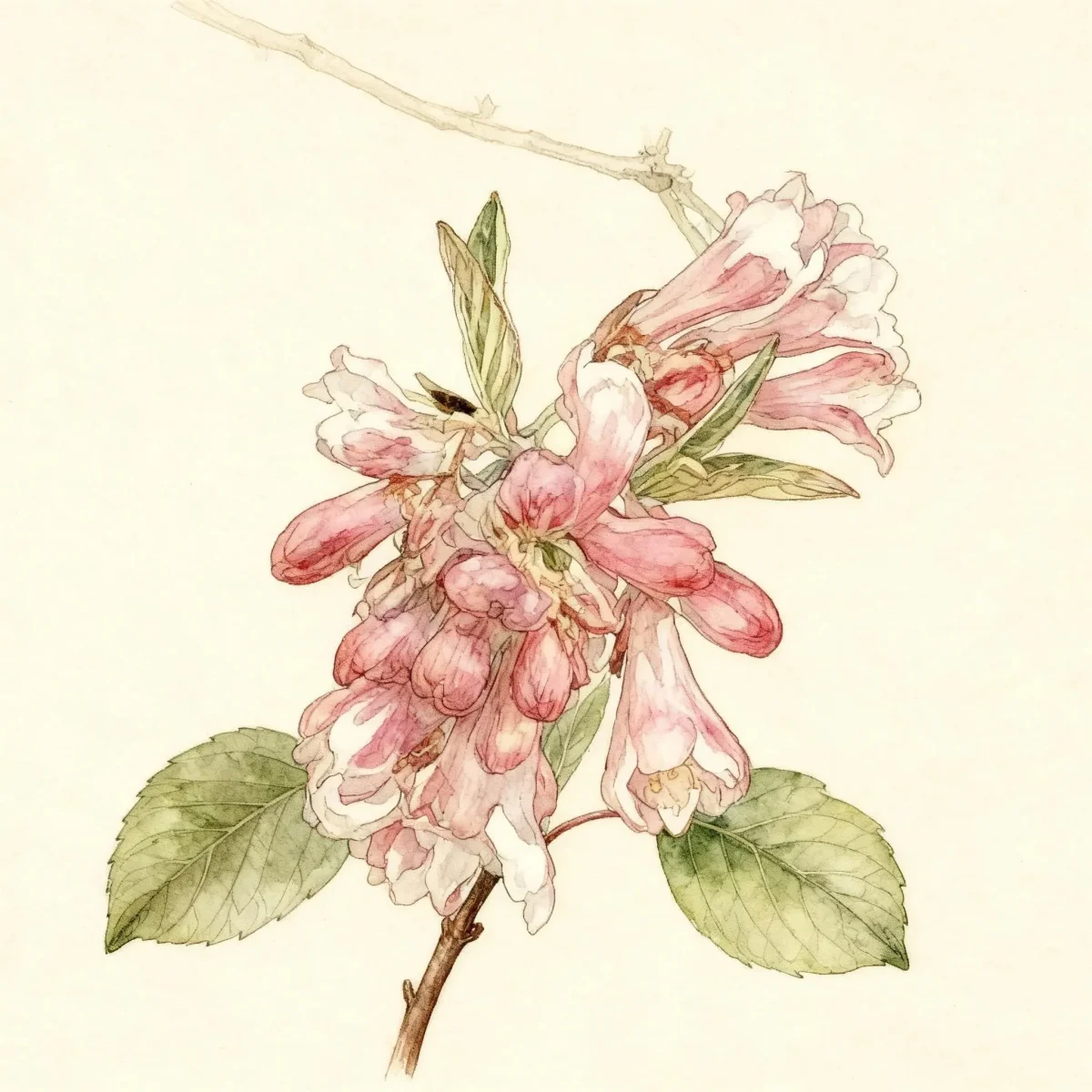
Viburnum (Viburnum × rhytidophylloides 'Alleghany')
The cold-hardy Viburnum × rhytidophylloides 'Alleghany' is a tough, medium shrub offering creamy spring flowers and reliable fall fruit.
Scroll down to discover growing tips, care requirements, companion plants, and more
Complete Plant Information
Overview
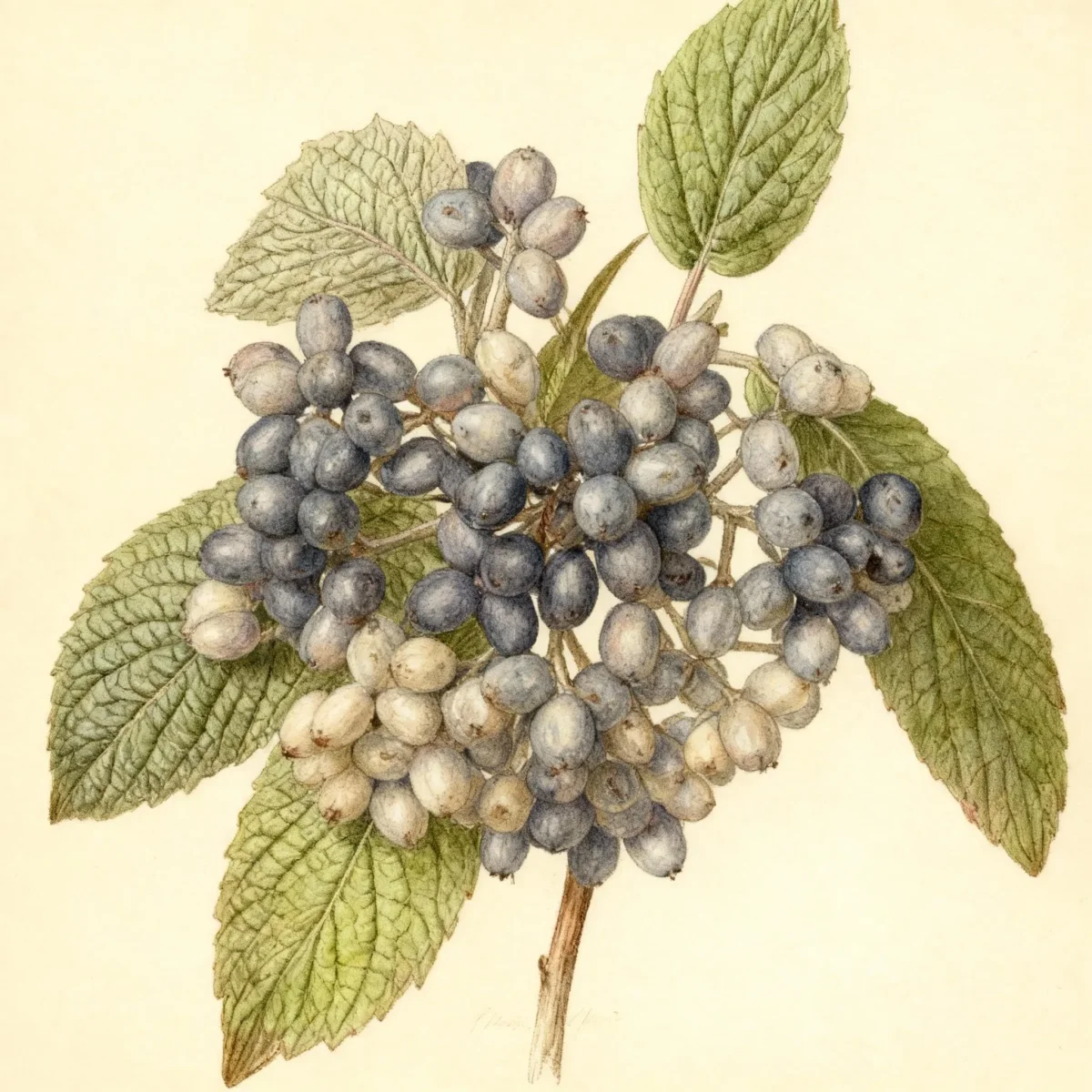
Viburnum × rhytidophylloides ‘Alleghany’ is a celebrated hybrid, blending the best traits of its parents into a robust, multi-stemmed landscape performer. This deciduous shrub is highly valued for its dense, semi-evergreen nature in warmer climates and its attractive display of creamy white flowers in spring. Gardeners appreciate the substantial structure and the visual interest provided by the sequential color change of its berries from red to glossy black later in the season.
As it matures, this Viburnum typically reaches 8 to 10 feet tall and equally wide, forming an excellent screen or border specimen. While the flowers possess a somewhat unpleasant fragrance, the visual display of the foliage, clusters of blooms, and subsequent fruit far outweigh this minor drawback. Viburnum × rhytidophylloides ‘Alleghany’ offers reliable texture throughout the growing season.
This hybrid is a durable choice for medium-humidity sites needing a large, structural shrub. Ensuring proper cross-pollination is key to maximizing the seasonal fruit display, making it an engaging, low-stress addition to mixed plantings where structure and seasonal change are desired.
Fast Facts
- Plant Family: Adoxaceae
- Plant Type: Deciduous shrub
- Hardiness Zones: USDA Zones 5-8
- Size at Maturity:
- Height: 8-10 ft
- Spread: 8-10 ft
- Bloom Time: April to May
- Bloom Description: Creamy white
- Sun Exposure: Full sun to part shade
- Water Needs: Medium
- Maintenance Level: Medium
How to Grow
Plant Viburnum × rhytidophylloides ‘Alleghany’ in average, well-drained soils. While they tolerate full sun, providing partial shade can prevent leaf scorch in the hottest afternoon exposures. The best time for planting bare roots or containerized specimens is typically spring or fall, allowing the roots to establish before high summer heat. Good soil drainage is critical to long-term health.
Maintain medium moisture levels, especially while the shrub is young. Once established, this Viburnum is moderately drought-tolerant but performs best with consistent watering during dry periods. Fertilization is rarely necessary if planted in rich soil, but a balanced slow-release fertilizer applied in early spring can encourage robust growth.
Pruning should be approached cautiously. Since this shrub sets its flower buds in the summer for the following year’s display, always prune immediately after flowering concludes in spring. Severe reduction should generally be avoided, allowing the natural upright-arching habit of the Viburnum to develop. Note that best fruit production relies on cross-pollination, often requiring another suitable Viburnum clone nearby.
Landscape Uses
Viburnum offers tremendous versatility in the landscape due to its substantial size and semi-evergreen nature in milder zones. It excels when used to form visual barriers, functioning admirably as a dense screen or robust hedge. For this purpose, plant specimens close together following guidelines for hedge establishment; optimal fruit set is improved with cross-pollination from neighboring clones.
This multi-stemmed shrub also serves well in shrub borders, providing year-round structure where finer-textured plants can soften its large, leathery leaves during winter. Consider planting Viburnum × rhytidophylloides ‘Alleghany’ as a specimen if you value multi-season interest—the creamy white flowers in spring, the bright developing berries in summer, and the dark glossy fruit in fall provide continuous show.
Standout Features
Flower Qualities
- Showy
Fruit Qualities
- Showy
Noteworthy Characteristics
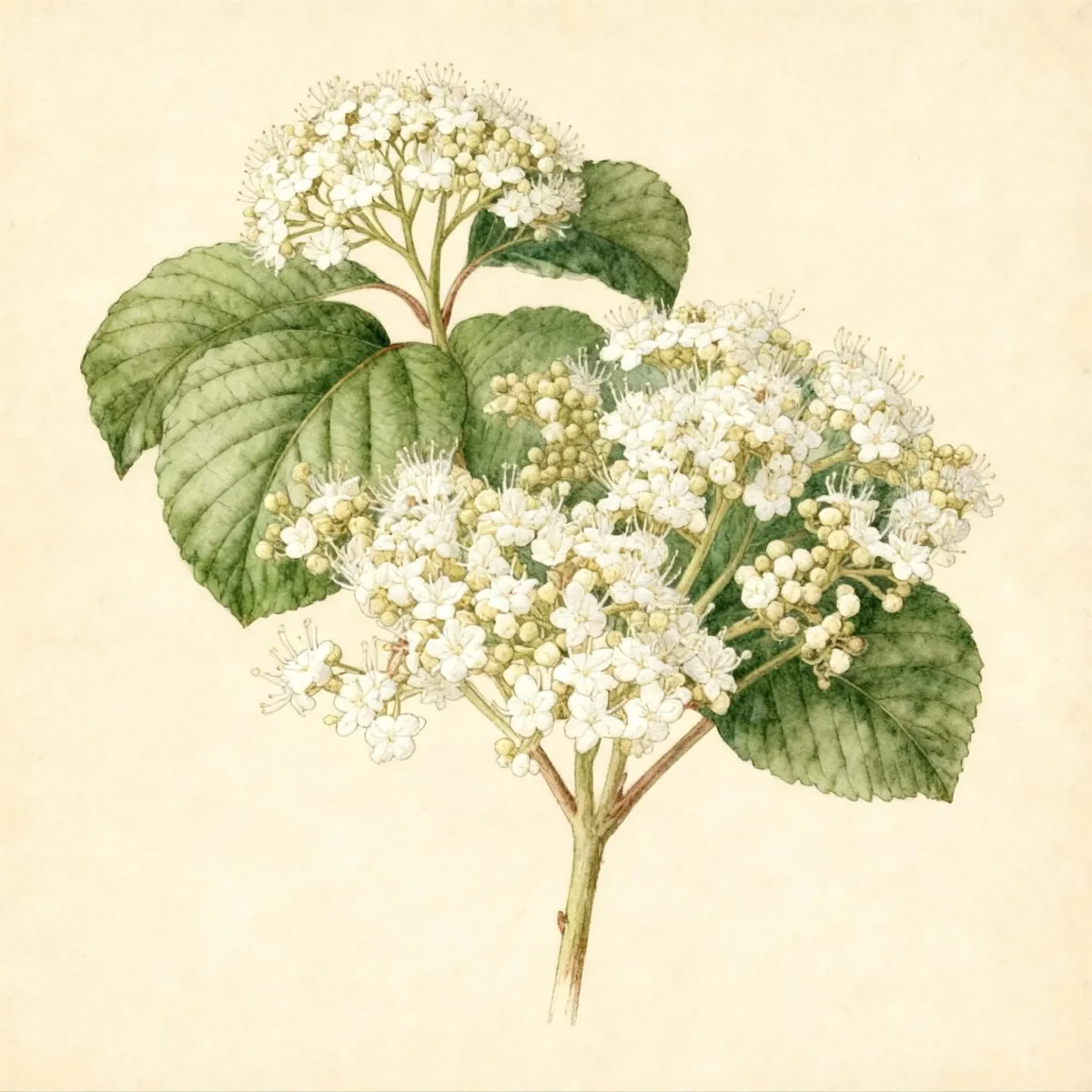
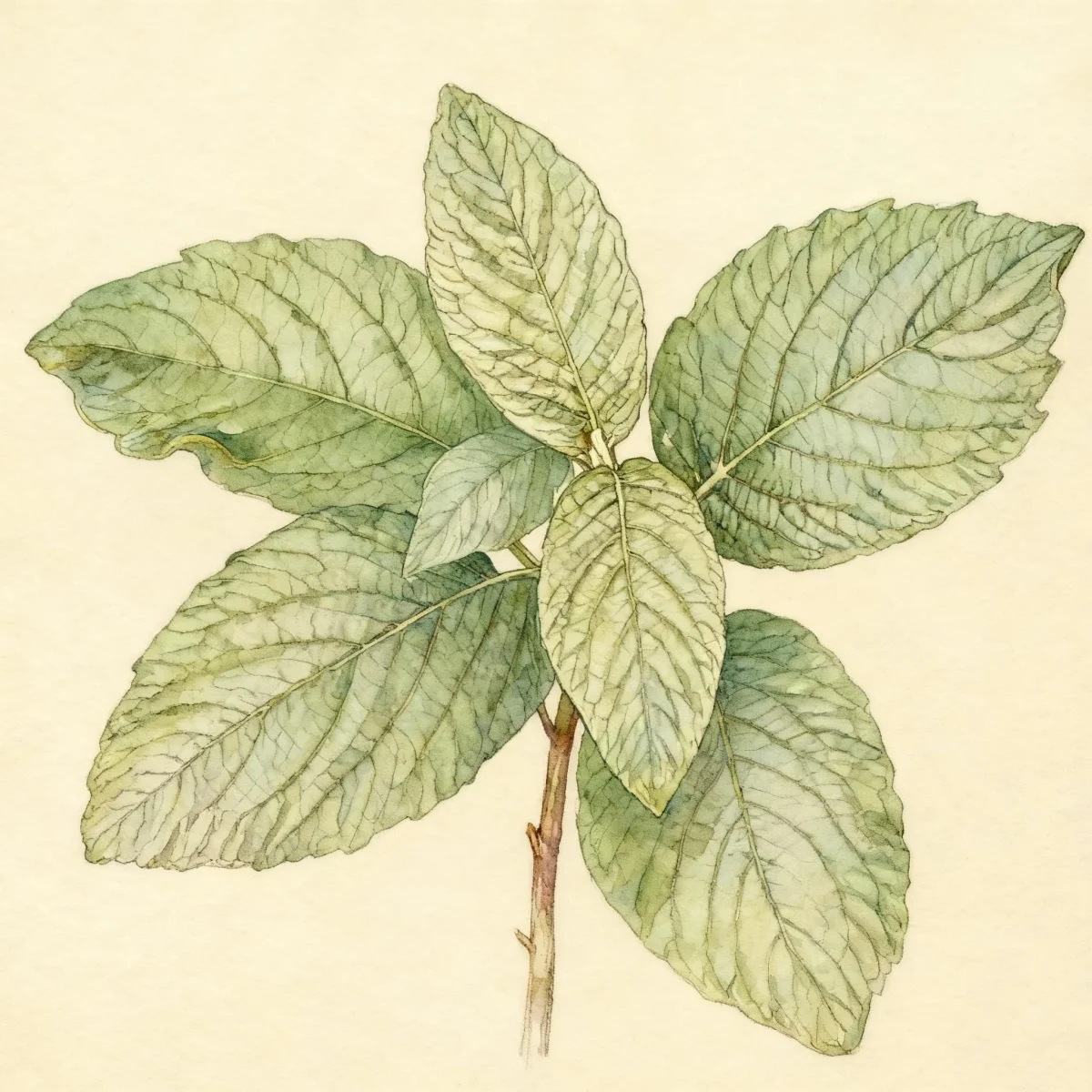
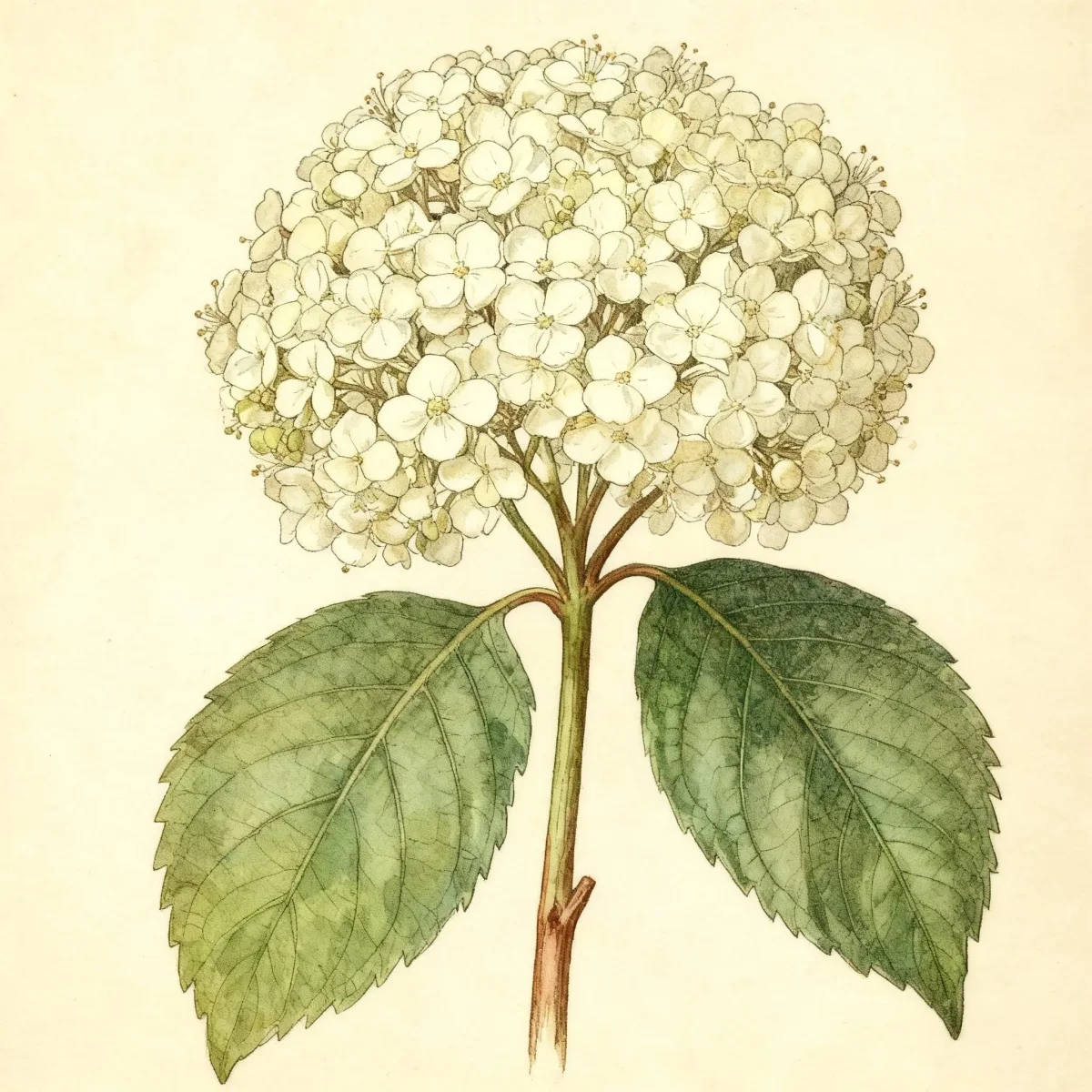
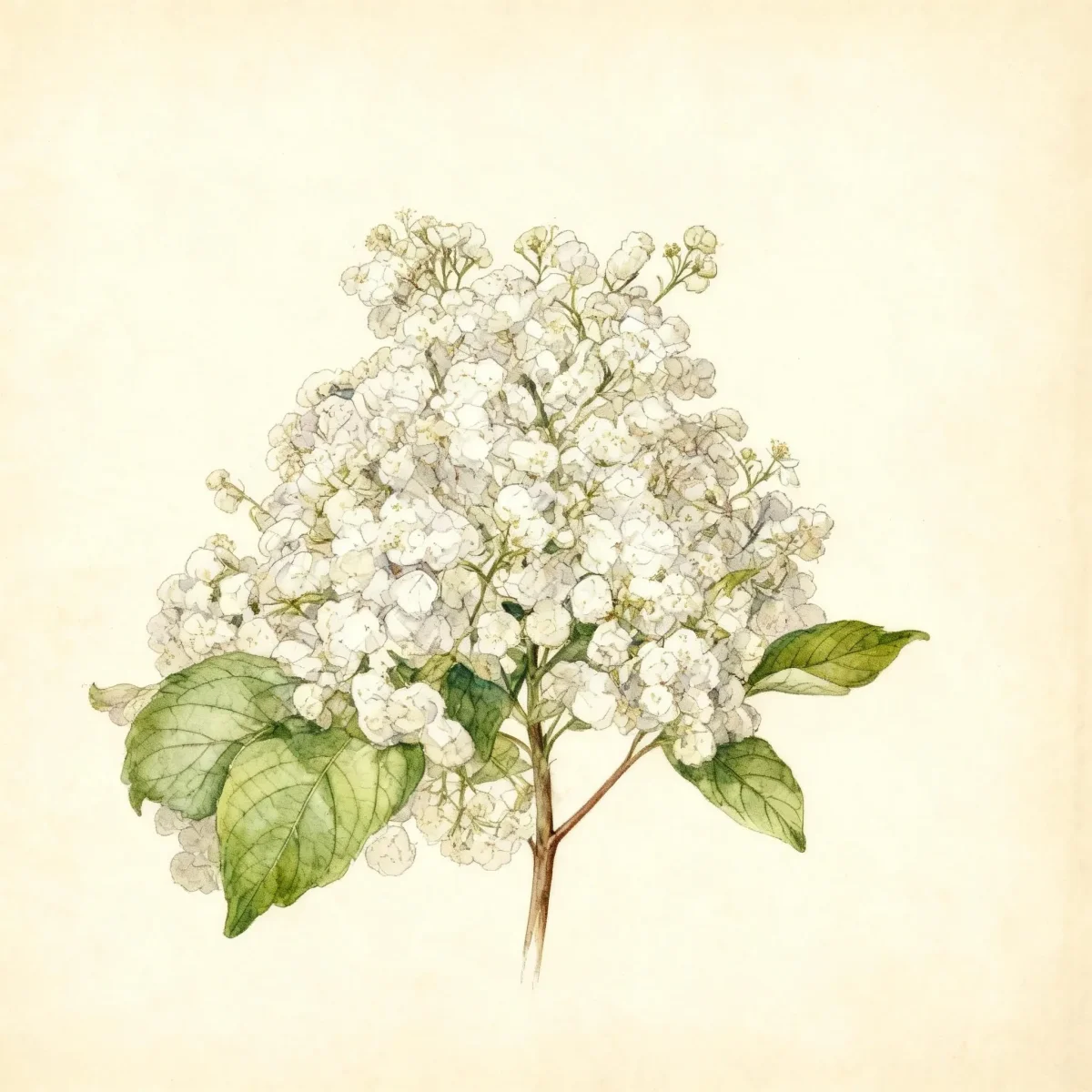
Viburnum × rhytidophylloides is a hybrid viburnum (a cross between V. Rhytidophyllum and V. Lantana). It is a multi-stemmed, upright-arching shrub that typically matures to 8-10’ tall (sometimes more) and as wide. Shrubs are semi-evergreen (retain some green leaves in winter) in the southern parts of the growing range, but are basically deciduous in the northern parts of the growing range. Leathery, thick, wrinkled, ovate-oblong, dark green leaves (to 4-8” long) are light green beneath, leading to flat cymes of creamy white flowers in spring. ‘Alleghany’ exhibits a dense, globose habit and its berries transition from bright red to glossy black, offering excellent fall color.
Tolerances
- Erosion
Potential Problems
The plant generally exhibits good disease and pest resistance, meaning serious insect or disease problems are rare for this Viburnum. The most common cultural issue is related to its winter appearance in colder regions. Though technically deciduous, the leaves of ‘Alleghany’ often cling stubbornly through the winter months, sometimes appearing rather unsightly before dropping fully. If this persistence is problematic in your specific microclimate, ensure pruning occurs at the correct time—immediately after flowering—to shape the shrub without sacrificing next year’s blooms.
Frequently Asked Questions
What hardiness zones is Viburnum suitable for?
Viburnum × rhytidophylloides ‘Alleghany’ is hardy across a wide range, thriving in USDA Zones 5 through 8.
How large does Viburnum grow?
This shrub develops into a substantial screen, reaching heights and spreads typically between 8 and 10 feet at maturity.
What sun exposure does Viburnum need?
For optimal growth and flowering, plant this Viburnum where it receives full sun to light part shade conditions.
When does Viburnum bloom?
The creamy white flowers of the Viburnum appear relatively early in the season, generally blooming from April into May.
Conclusion
Viburnum × rhytidophylloides ‘Alleghany’ delivers significant structural density, appealing spring flowers, and reliable fruit display, making it a dependable choice for large-scale screening or border plantings. By respecting its need for well-drained soil and pruning immediately post-bloom, you maximize both its health and its seasonal interest. Always verify that your growing location falls within USDA Zones 5-8 before integrating this attractive Viburnum into your landscape design.
Wildlife Benefits
The successive fruit display on Viburnum × rhytidophylloides ‘Alleghany’ makes it a valuable resource for local bird populations as the season progresses. The berries mature from green to bright red before turning glossy black by September, offering a persistent food source late into the year. While the spring bloom fragrance might not appeal to human noses, the flowers do attract pollinators, supporting early season insect life.
Design Ideas for Screening
Due to its upright-arching habit and 8 to 10-foot mature size, ‘Alleghany’ is an excellent informal screen. Group plantings create a highly effective visual barrier quickly. When using it as a primary screen, interplanting with other broadleaf evergreens or deciduous shrubs that offer contrasting winter texture—such as dogwoods or evergreens with finer needles—can help mask any unsightly leaf cling during the winter months in colder zones. This layered approach ensures year-round effectiveness.