Lantanaphyllum viburnum (Viburnum × rhytidophylloides 'Willowwood')
Lantanaphyllum viburnum (Viburnum × rhytidophylloides 'Willowwood') is a rugged, semi-evergreen shrub offering creamy white spring blooms and durable texture.
Scroll down to discover growing tips, care requirements, companion plants, and more
Complete Plant Information
Overview
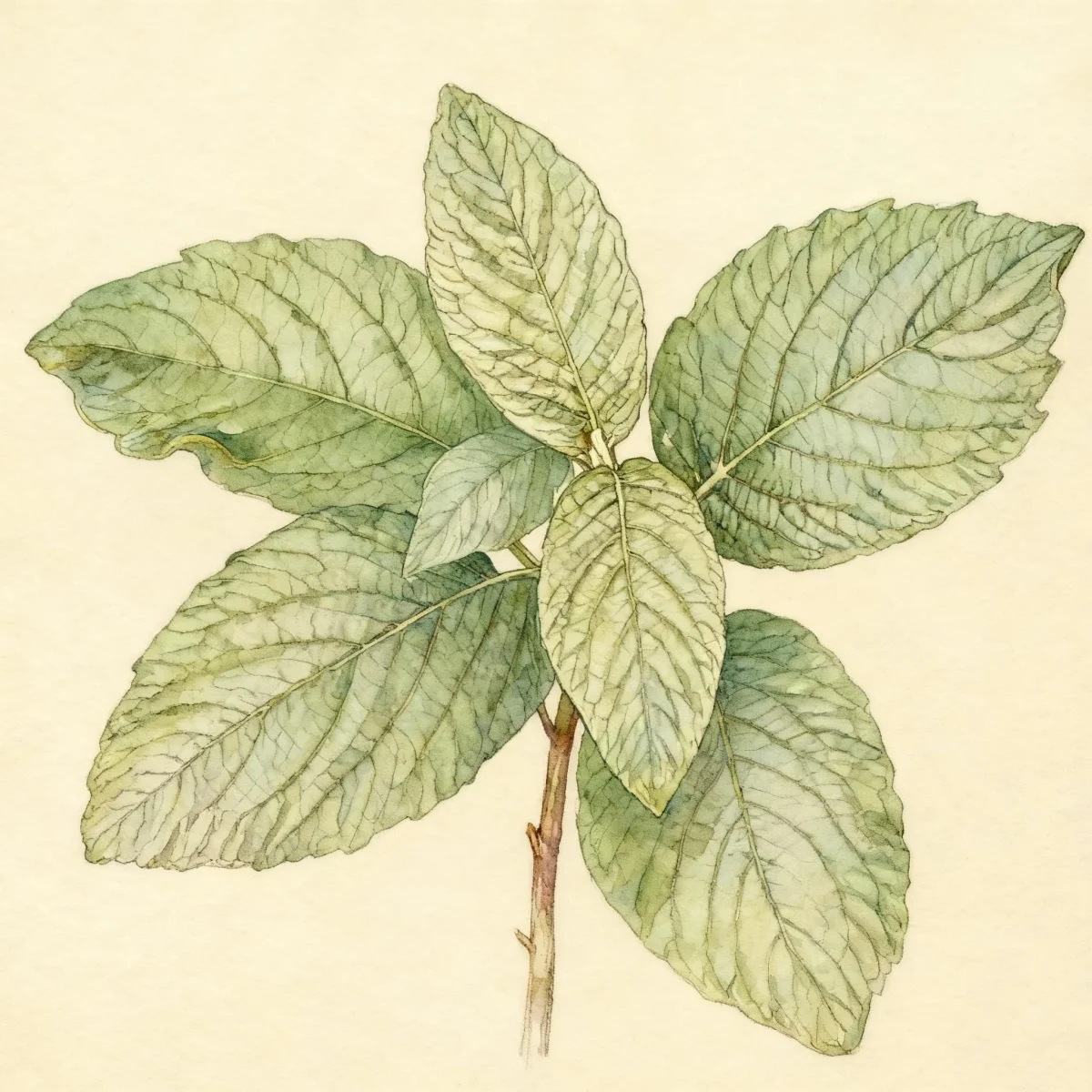
The Lantanaphyllum viburnum, scientifically known as Viburnum × rhytidophylloides ‘Willowwood’, presents an excellent choice for gardeners needing substantial screening or border material. This hybrid combines traits from its parents, resulting in a hardy, upright-arching shrub. It is valued for its deep green, leathery foliage that often retains some color through winter in milder climates.
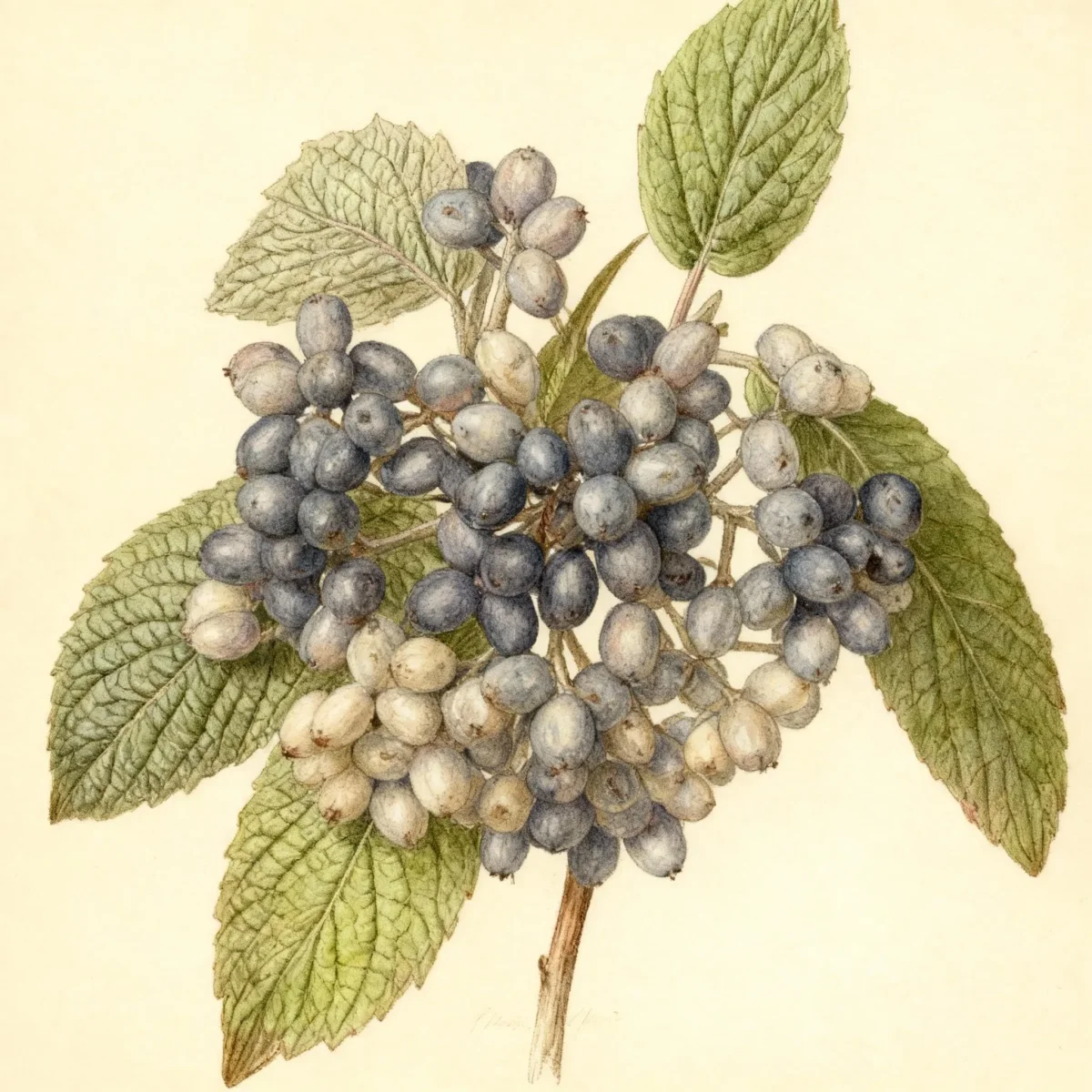
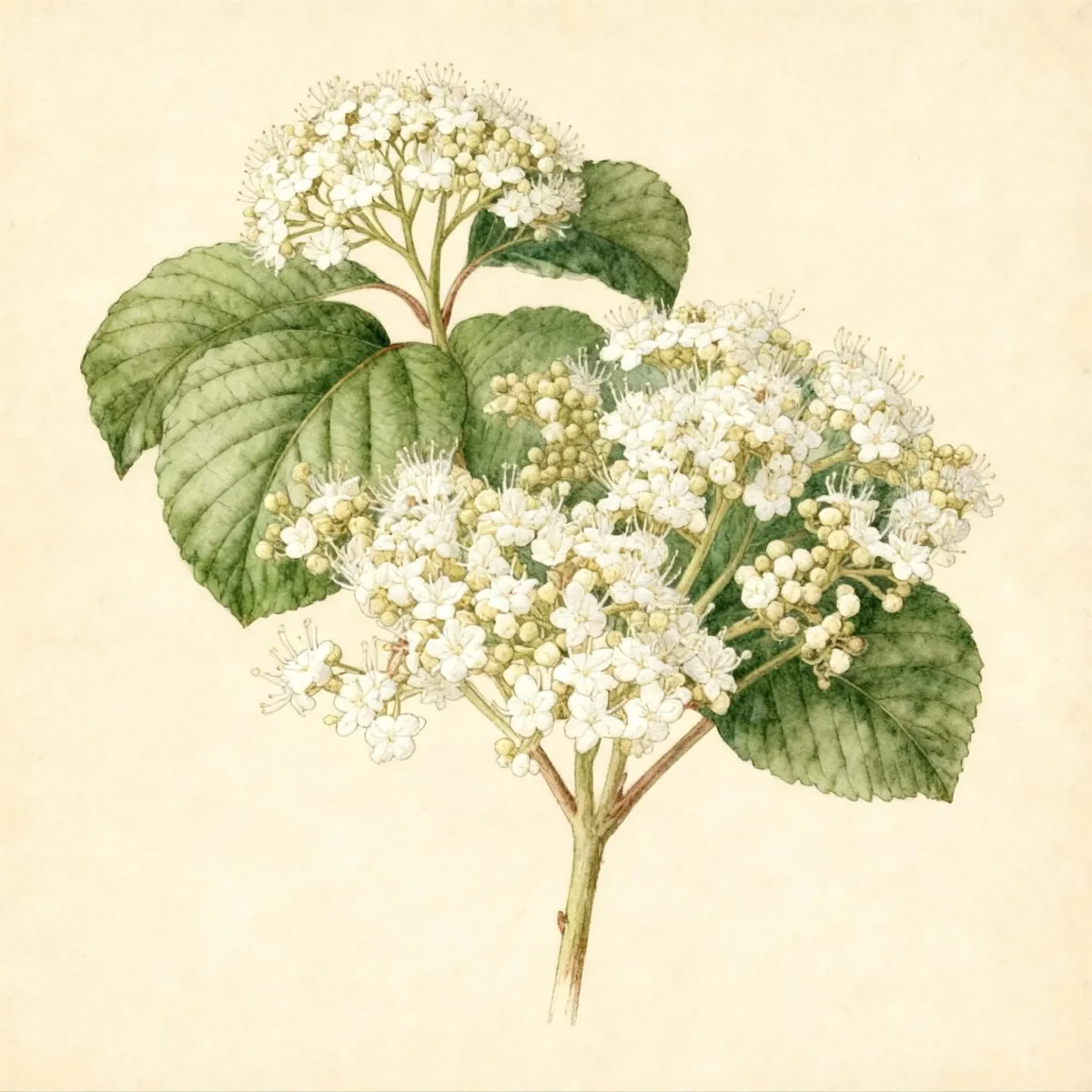
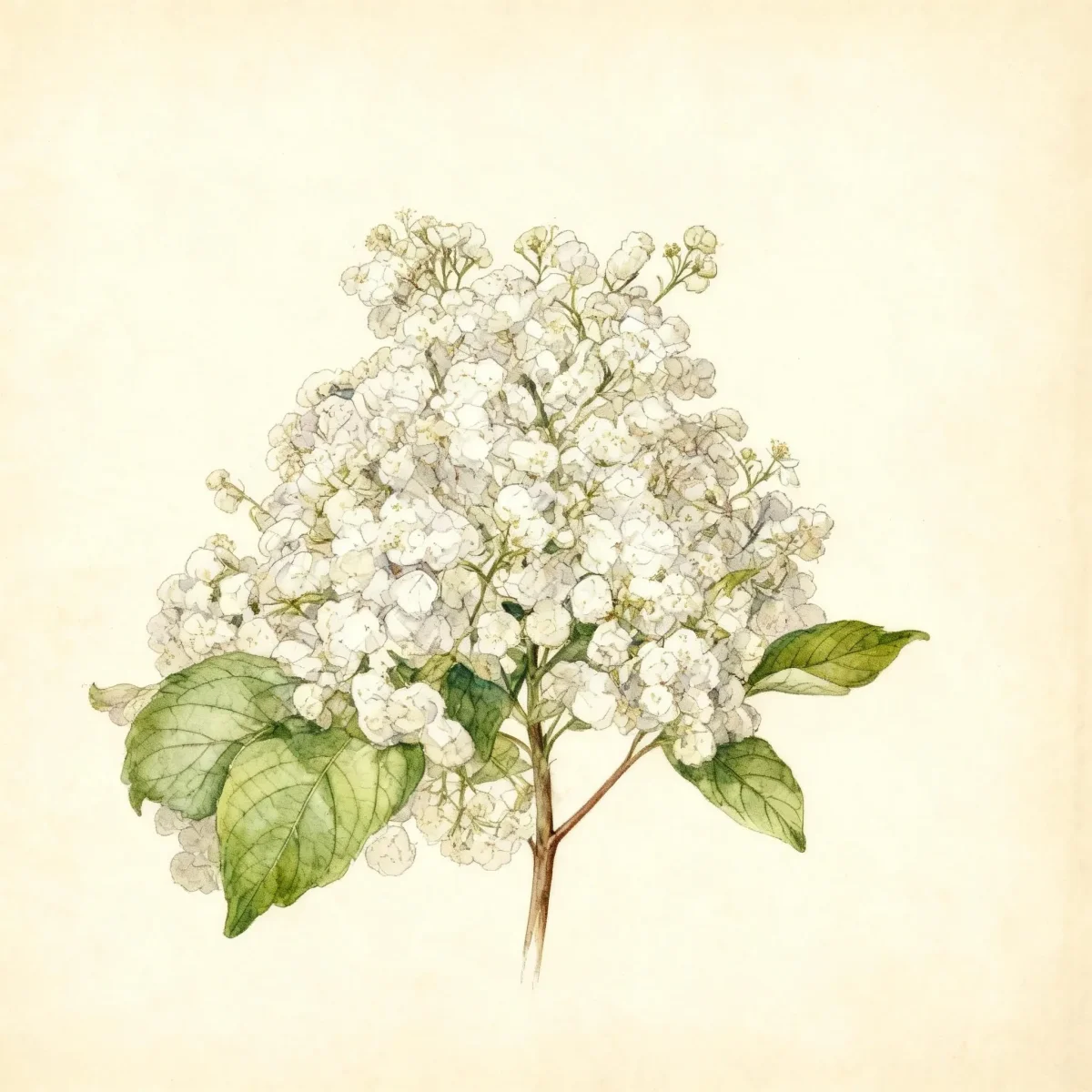
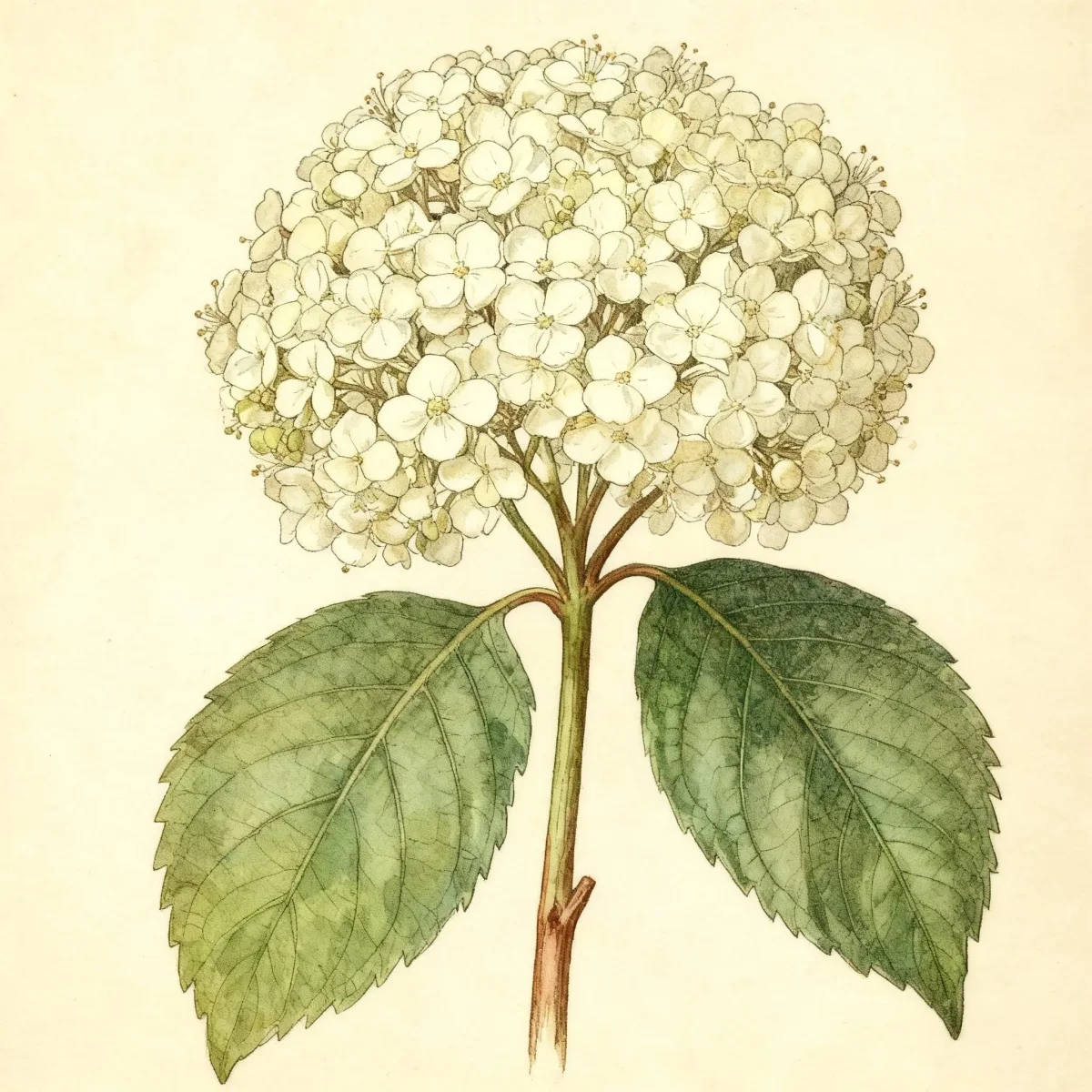
This selection, Viburnum × rhytidophylloides ‘Willowwood’, matures into a large, imposing specimen often reaching 10 to 12 feet tall and wide. It provides significant seasonal interest, starting with flat cymes of creamy white flowers in late spring, followed by attractive fruits that transition from green to red before ripening to glossy black. Its robust nature makes the Lantanaphyllum viburnum a reliable landscape anchor.
Gardeners should select a site providing either full sun or partial shade for robust growth. While ultimately deciduous in colder regions, its semi-evergreen nature in the transitional zones provides longer visual interest than fully deciduous options. Planning space is essential, as this is a large shrub that fills out to be roughly as wide as it is tall.
Fast Facts
- Plant Family: Adoxaceae
- Plant Type: Deciduous shrub
- Hardiness Zones: USDA Zones 5-8
- Size at Maturity:
- Height: 10-12 ft
- Spread: 10-12 ft
- Bloom Time: April to May
- Bloom Description: Creamy white
- Sun Exposure: Full sun to part shade
- Water Needs: Medium
- Maintenance Level: Medium
How to Grow
Plant Viburnum × rhytidophylloides ‘Willowwood’ in average, medium-moisture, well-drained soils. Optimal establishment occurs when planted either in the spring or fall, avoiding the stress of summer heat. If using this shrub as a formal hedge, ensure adequate spacing to allow for its full 10 to 12-foot spread.
Water needs are considered medium; established plants tolerate average conditions well, but consistent moisture is crucial during the first few growing seasons. While generally robust, fertilize judiciously if growth appears stunted, focusing on balanced, slow-release formulas applied early in the spring.
Pruning of the Lantanaphyllum viburnum should be done immediately following the spring bloom period. This timing is critical because flower buds for the following year set during the summer months. Severe winter pruning will remove the subsequent year’s flowers.
For the best yield of the decorative red-to-black fruit, cross-pollination is recommended. Planting another clone or one of the parent species nearby can significantly improve fruit set on your Viburnum × rhytidophylloides ‘Willowwood’.
Landscape Uses
The mature size and dense structure of the Lantanaphyllum viburnum make it highly functional in landscape design. It excels when planted in groups or used within mixed shrub borders where its texture can contrast with finer-leaved plants. Due to its height and width, it is an excellent candidate for creating effective screens where privacy is needed.
Consider using Viburnum × rhytidophylloides ‘Willowwood’ as a specimen plant specifically because of its multi-season appeal—creamy flowers in spring, dark green summer foliage, and colorful fruit display extending into fall. When grown as a hedge, allow it sufficient space to develop its natural, rounded form rather than forcing a strictly formal, narrow shape.
This tough shrub can anchor large foundation plantings or serve as a backdrop for perennial beds. Its tolerance for various conditions, including erosion-prone sites, adds versatility to its uses beyond manicured spaces.
Standout Features
Flower Qualities
- Showy
Fruit Qualities
- Showy
Noteworthy Characteristics
Viburnum × rhytidophylloides is a vigorous hybrid known for its multi-stemmed, upright-arching habit, maturing generally to 8-10 feet tall and wide, sometimes growing larger. Its most defining feature is the thick, leathery, wrinkled, dark green leaves, which are borne on a shrub that remains semi-evergreen in the warmest parts of its range. Creamy white flowers bloom in flat cymes across the canopy in spring, leading to colorful berries that mature to glossy black by September. Due to its size and layered aesthetic, this cultivar offers significant specimen value throughout the growing year.
Tolerances
- Erosion
Potential Problems
This cultivar typically encounters no serious insect or disease problems, contributing to its medium maintenance profile. Gardeners should monitor for common viburnum pests such as aphids or scale in stressed conditions, although severe infestations are rare for Viburnum × rhytidophylloides ‘Willowwood’. Maintaining good air circulation through proper initial spacing and selective summer pruning helps prevent fungal issues.
If poor fruit set occurs, remember that cross-pollination is often required for abundant berries. Ensure there are suitable pollinator partners nearby or recognize that some years may naturally have lighter fruit production.
Frequently Asked Questions
What hardiness zones is Lantanaphyllum viburnum suitable for?
The USDA hardiness range for Viburnum × rhytidophylloides ‘Willowwood’ spans from Zone 5 through Zone 8.
How large does Lantanaphyllum viburnum grow?
This robust shrub typically reaches a height between 10 and 12 feet, with a spread spanning 10 to 12 feet, creating a broad, dense presence.
When does Lantanaphyllum viburnum bloom?
The creamy white flowers of this Lantanaphyllum viburnum appear reliably from April to May, providing excellent early-season color.
What sun exposure does Viburnum × rhytidophylloides ‘Willowwood’ need?
For the best flowering and most robust structure, plant this shrub where it can receive full sun or provide it with light part shade.
Conclusion
The Lantanaphyllum viburnum is an invaluable, tough hybrid, providing structure, spring flowers, and late-season fruit interest across a wide range of conditions. The reliable performance and substantial size of Viburnum × rhytidophylloides ‘Willowwood’ secure its place as a premier screening plant. Before purchasing, confirm that your growing site falls within USDA Zones 5-8 and plan your pruning schedule to avoid removing next year’s blooms.
Companion Planting
When integrating Viburnum × rhytidophylloides ‘Willowwood’ into a mixed border, select companions that thrive in similar partial shade to sun conditions and medium moisture levels. Consider pairing it with plants that offer contrasting foliage texture, such as ferns or hostas in shadier placements, especially near the base of the shrub. Spring-flowering bulbs, like daffodils, can provide early color before the Viburnum’s blooms emerge.
For late-season interest, complement the black fruit of the Lantanaphyllum viburnum with late-blooming perennials that feature golds, oranges, or deep purples. Plants like Asters or hardy Sedums provide strong visual anchors when the shrub is beginning to look somewhat tattered in late winter.
Seasonal Care Calendar
Spring is the crucial time for managing your Lantanaphyllum viburnum. In early spring, apply a balanced fertilizer if necessary, and immediately after flowering concludes in late spring/early summer, implement any necessary shaping or reduction pruning. Summer requires monitoring moisture, ensuring supplemental water during dry spells, particularly for younger specimens.
Fall is when the fruit reaches its peak color; resist heavy trimming to preserve it. In winter, particularly in the northern extent of its range (Zone 5), foliage may drop or become unsightly; this is normal, and necessary clean-up can occur once the threat of severe frost has passed but before spring budding begins.