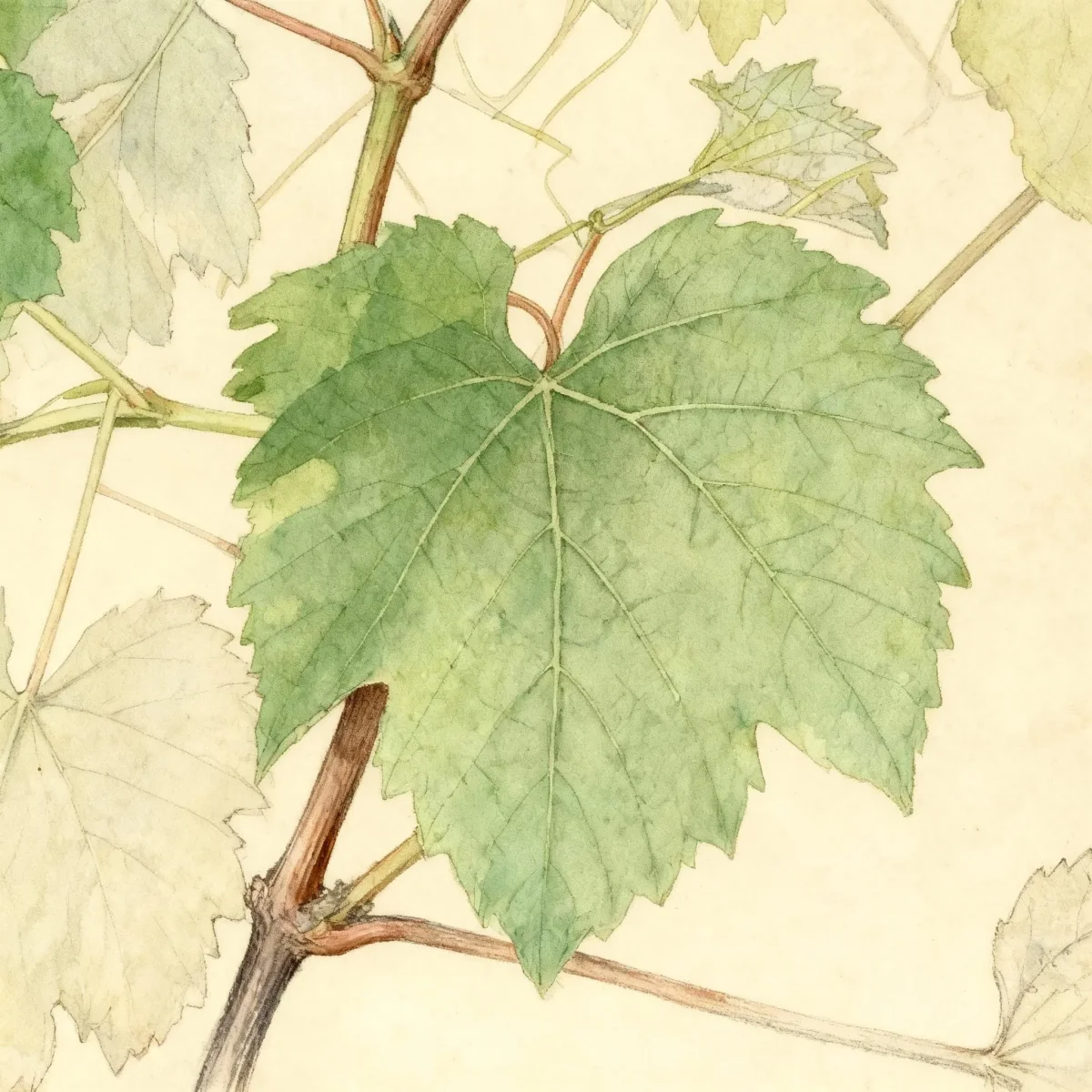
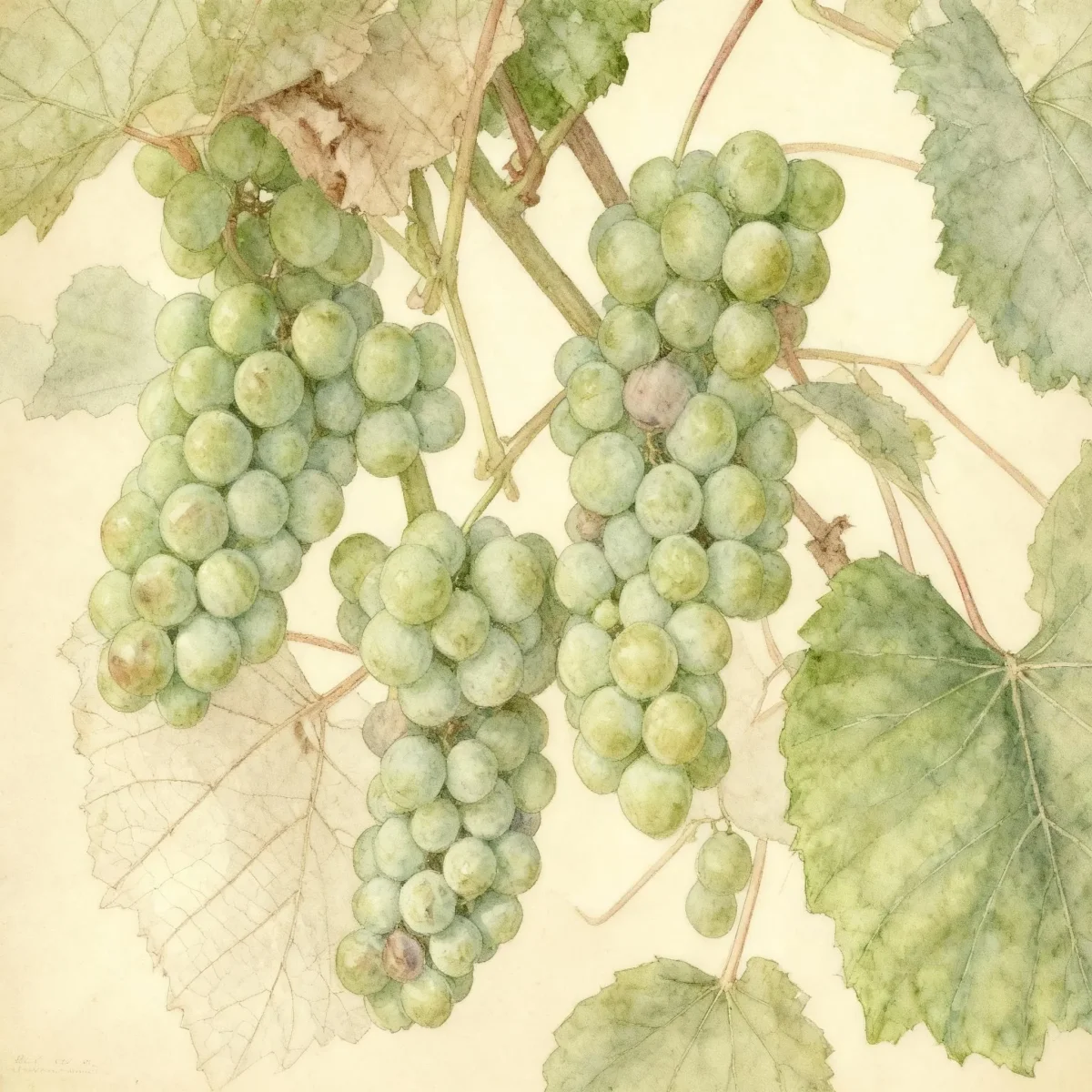
Grape (Vitis 'Beta')
Vitis 'Beta' Grape is a high-maintenance, woody vine offering edible, showy fruit suitable for zones 3-9.
Scroll down to discover growing tips, care requirements, companion plants, and more
Complete Plant Information
Overview
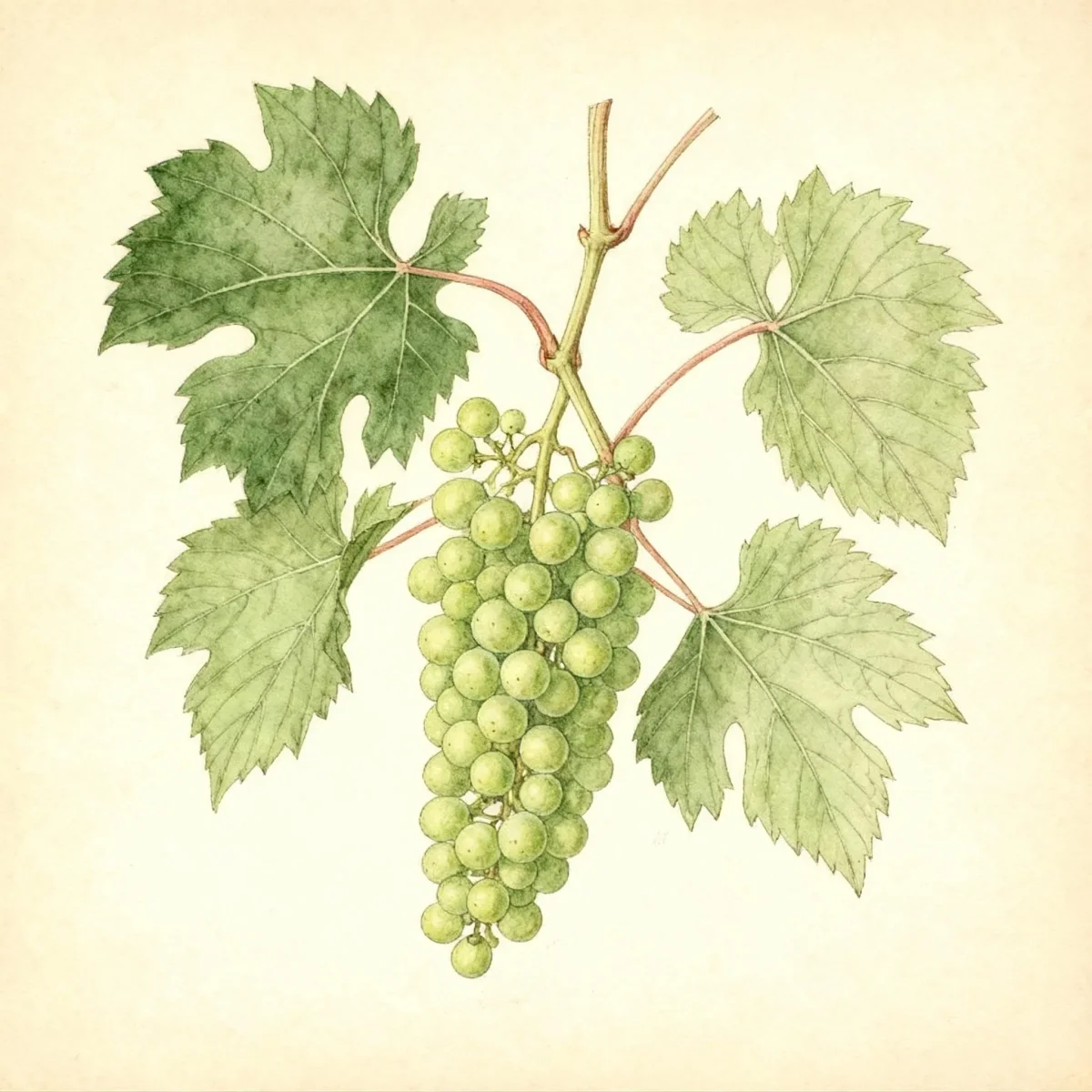
Vitis ‘Beta’, commonly known as Grape, is a vigorous, deciduous, tendril-climbing woody vine valued primarily for its fruit production. This variety is an American hybrid grape, typically yielding clusters of small, seeded, blue-black grapes with a tart flavor ideal for juices and jellies. While requiring diligent attention, the Vitis ‘Beta’ vine offers significant rewards in the home fruit garden.
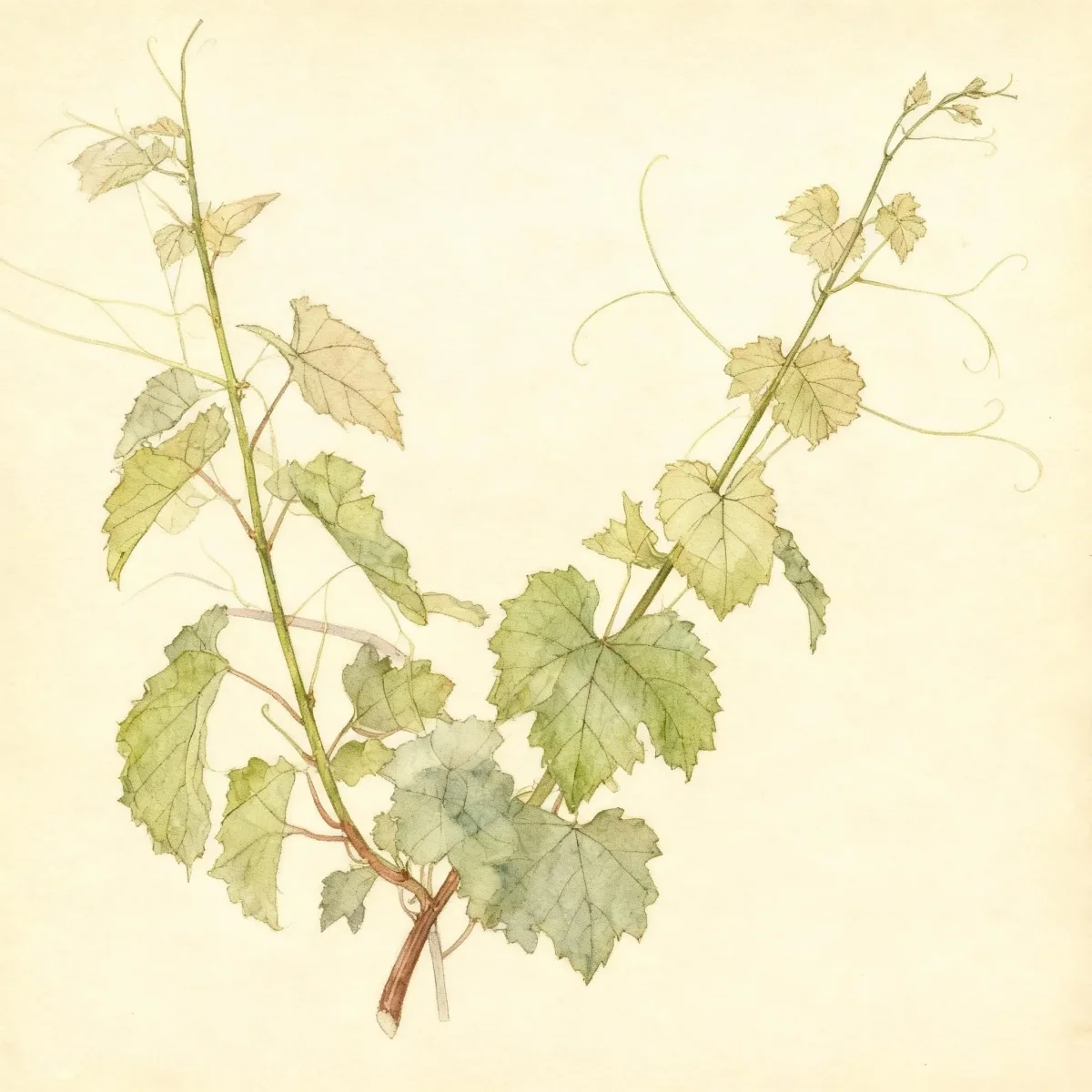
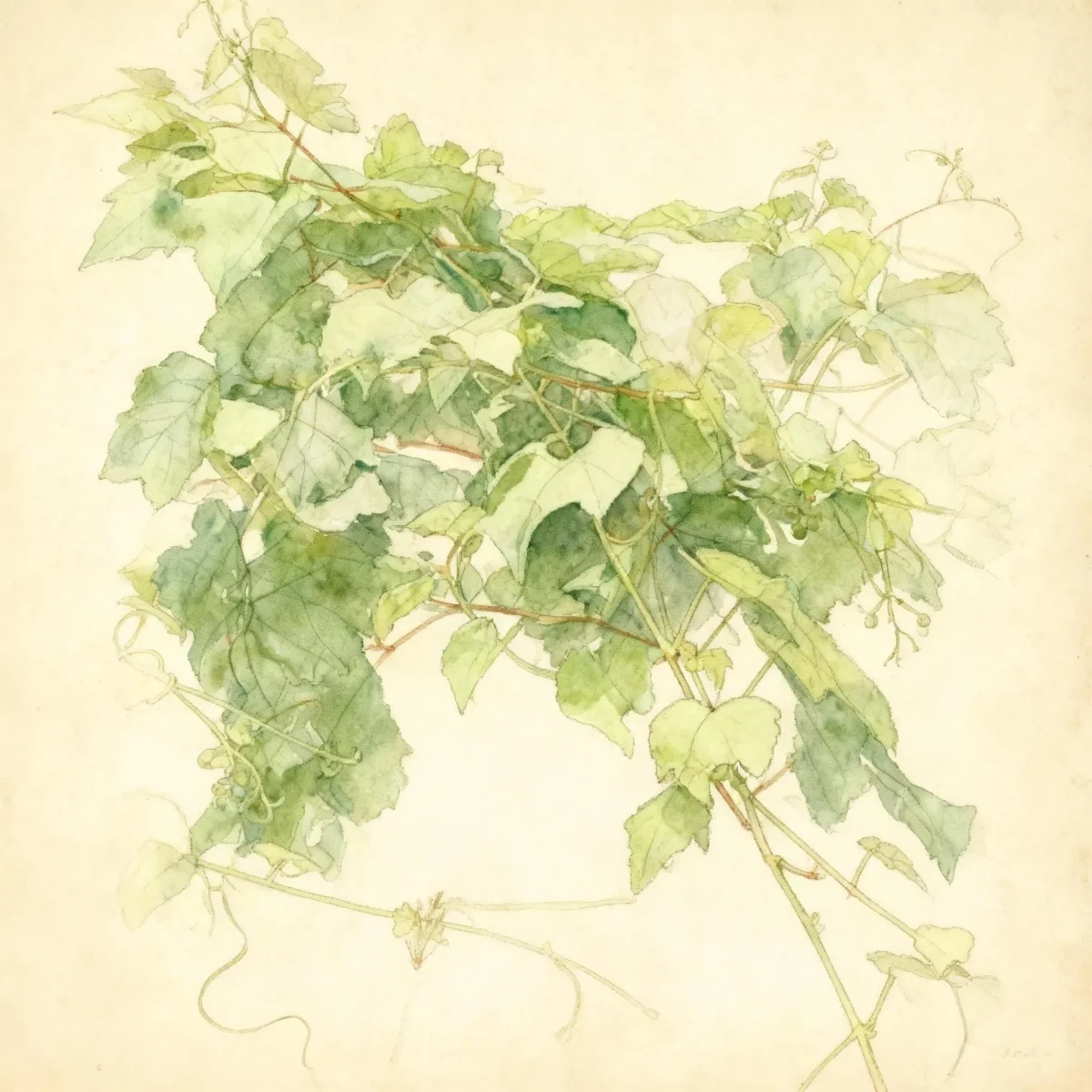
Growing to a mature size of 15 to 20 feet tall and wide, this Grape variety needs substantial support structure to thrive. Its large, green foliage provides excellent summer cover, followed by clusters of showy, edible fruit. Gardeners should note that Vitis ‘Beta’ demands consistent cultural care, particularly concerning pruning and pest management, to ensure a healthy, productive plant.
This American grape variety is highly adaptable regarding hardiness, spanning USDA Zones 3 through 9, allowing it to be grown across many regions. Although its flowers are fragrant, they are generally insignificant visually; the main ornamental contribution comes from its dense summer canopy and winter silhouette.
Fast Facts
- Plant Family: Vitaceae
- Plant Type: Fruit
- Hardiness Zones: USDA Zones 3-9
- Size at Maturity:
- Height: 15-20 ft
- Spread: 15-20 ft
- Bloom Time: May to June
- Bloom Description: Greenish
- Sun Exposure: Full sun
- Water Needs: Medium
- Maintenance Level: High
How to Grow
The ideal planting location for Vitis ‘Beta’ requires full sun exposure, which is crucial for developing deep color and high sugar content in the fruit. These Vines thrive best in deep, loamy, well-drained soils with medium moisture retention. Good drainage is non-negotiable, as saturated roots invite numerous issues. Furthermore, positioning the Grape away from frost pockets, perhaps on a sheltered southern-facing slope, helps protect early spring growth.
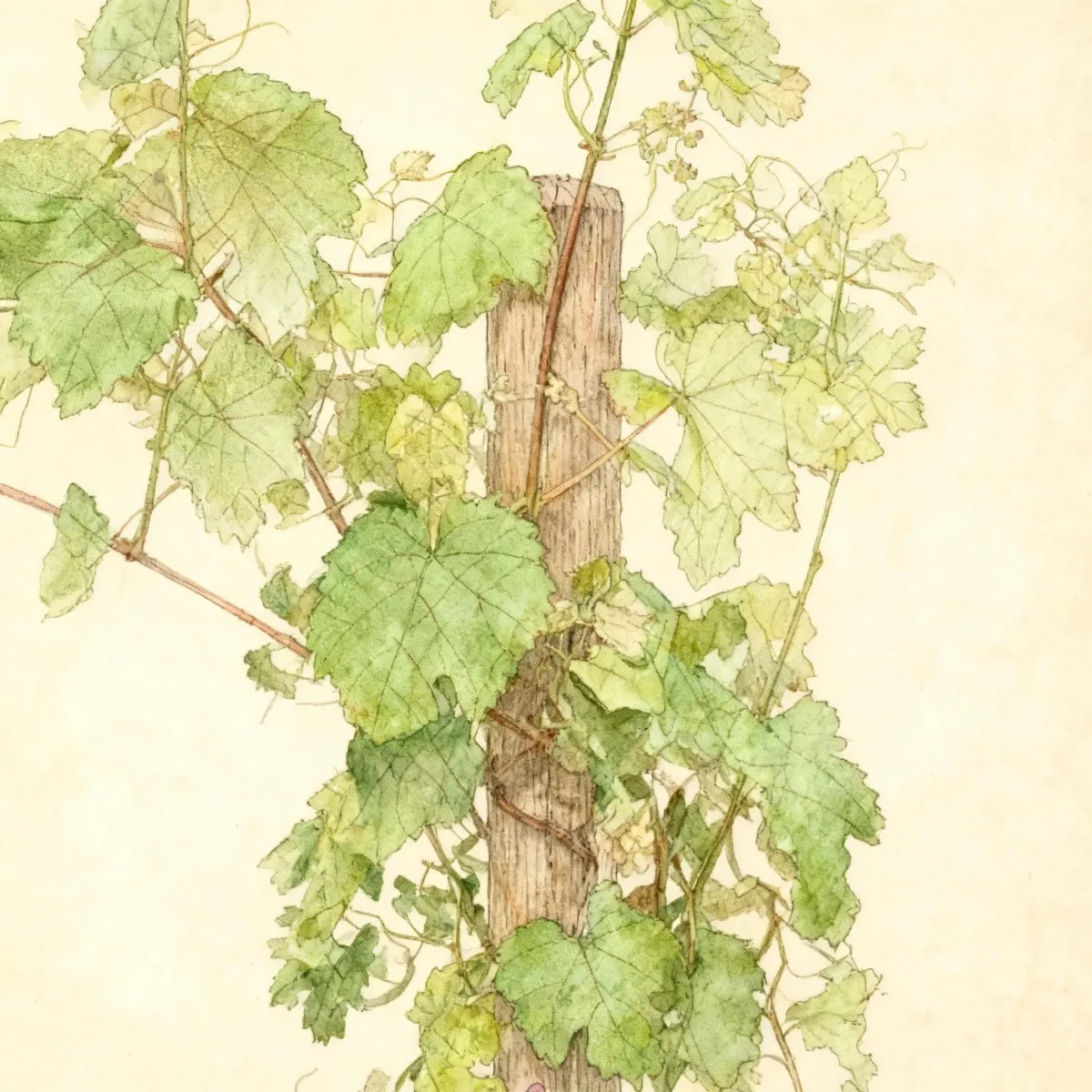
Care for this Grape cultivar is intensive, demanding high maintenance. Grapes require a robust support system—such as a pergola, arbor, or strong trellis—to properly train their growth habit. Watering should be consistent to maintain medium soil moisture, especially during fruit development.
Regular cultural interventions are essential for maximizing yield. Vitis ‘Beta’ needs diligent, regular pruning, typically during the dormant season, to improve air circulation and direct energy into fruit production rather than excessive vegetative growth. Expect regular spraying schedules to manage common diseases and insect pests prevalent in humid summer climates.
Landscape Uses
The primary function of the Vitis ‘Beta’ Grape in the landscape is edible fruit production within a dedicated home fruit garden. However, this woody vine possesses considerable ornamental merit beyond harvest time. Its bold foliage creates excellent visual mass during the growing season, perfect for softening hard structures like fences or walls.
When trained onto arbors or pergolas, the sprawling branches of this Grape provide attractive, dappled shade, cooling outdoor living spaces. The twisting, shaggy trunks, which become more pronounced as the vine ages, offer significant visual interest even during winter after the leaves have dropped. Use Vitis ‘Beta’ to screen less desirable views or to introduce a classical, productive element to an edible landscape design.
Standout Features
Flower Qualities
- Fragrant
- Insignificant
Fruit Qualities
- Showy
- Edible
Noteworthy Characteristics
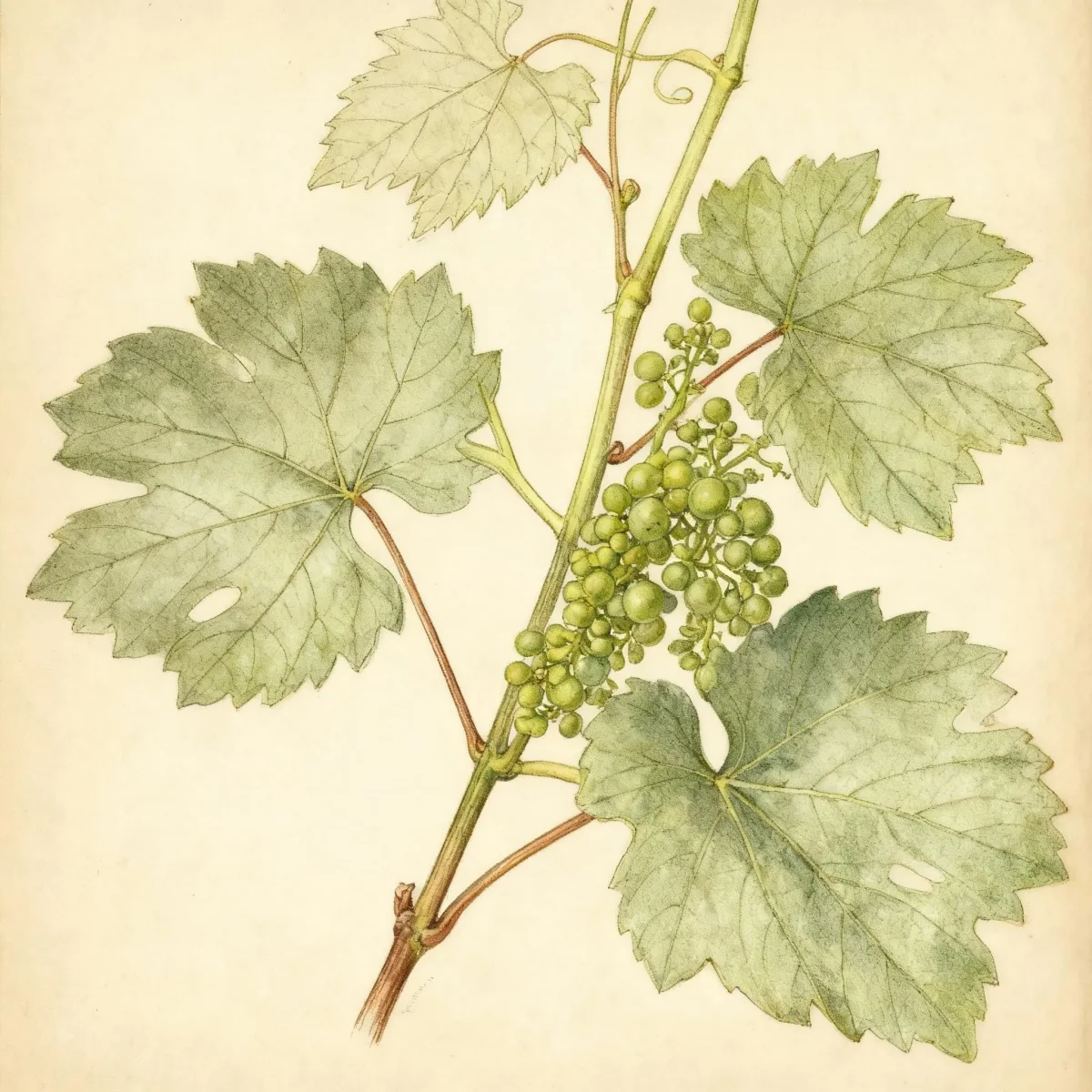
Vitis is a genus containing about 65 species of woody vines, with hybrids traditionally grown for wine, fresh consumption, or drying into raisins. The specific hybrid ‘Beta’ is recognized as a small, seeded American grape variety, producing fragrant, greenish flowers in the spring. These are followed by clusters of tart, blue-black grapes ripening in early-to-mid season, making it suitable for jellies.
Tolerances
- Rabbit
- Deer
Potential Problems
Vitis ‘Beta’ is classified as a high-maintenance plant, primarily due to the necessary inputs required for substantial fruit harvests. Growers must commit to regular pruning, providing strong structural support, and implementing consistent pesticide treatments. Without this diligence, yields suffer significantly, and plant health declines.
Grapes are susceptible to a host of fungal and bacterial diseases, especially when summer humidity is high. Watch for anthracnose, black rot, and both powdery and downy mildew, along with crown gall. Successful management often involves preventative, scheduled fungicide applications throughout the active growing season.
Insect pests pose another major threat, including phylloxera, grape berry moth, and various leaf rollers. Vertebrate pests also compete for bounty; birds can decimate yields quickly, and deer are known to consume young shoots and tender foliage early in the season. Good pest monitoring helps manage these challenges year-round.
Frequently Asked Questions
What hardiness zones is Grape suitable for?
Vitis ‘Beta’ is adaptable, thriving in USDA Zones 3 through 9.
How large does Grape grow?
This woody vine typically reaches a height and spread between 15 and 20 feet unless heavily pruned shorter.
What sun exposure does Grape need?
For optimal health and fruiting, Vitis ‘Beta’ requires full sun exposure.
When does Grape bloom?
The Grape typically blooms between May and June, producing inconspicuous, greenish flowers.
Conclusion
The Vitis ‘Beta’ Grape is a wonderfully productive choice for gardeners willing to commit to the high maintenance required for successful fruit cultivation. Its showy, edible clusters and strong vine structure offer both function and aesthetic appeal in the landscape. Before planting, ensure you have adequate support and a plan for regular pruning to enjoy the best harvest this season.
Companion Planting
Selecting appropriate companions for Vitis ‘Beta’ focuses on maximizing airflow while maintaining similar water requirements. Avoid planting densely grouped annuals or shallow-rooted vegetables directly beneath the vine, as this competes for moisture and can impede air circulation around the base, encouraging mildew. Consider native, sun-loving herbs like thyme or oregano planted slightly away, as their dry, low-growing nature contrasts well with the Grape’s needs.
When focusing on structural companions, use plants that complement climbing vines without overwhelming them. Roses, particularly those grown on sturdy trellises nearby, share a similar need for full sun and often respond well to the same soil amendments used for the Grape. Ensure any companion planting does not physically impede access needed for yearly pruning and spraying of the Vitis ‘Beta’.
Wildlife Benefits
While the ripe fruit of the Vitis ‘Beta’ Grape attracts undesirable pests like birds and wasps looking for a sweet treat, the flowers play a positive role in supporting local beneficial insects. The panicles of fragrant, greenish flowers produced in late spring are known attractions for bees, supporting early-season pollination needs in the garden ecosystem.
The dense structure of this deciduous vine also provides valuable habitat structure. When fully grown over a structure, the thick canopy offers shelter and nesting cover for small birds during the summer months. Gardeners tolerant of minor fruit loss can leverage this vegetative density for added biodiversity benefits.