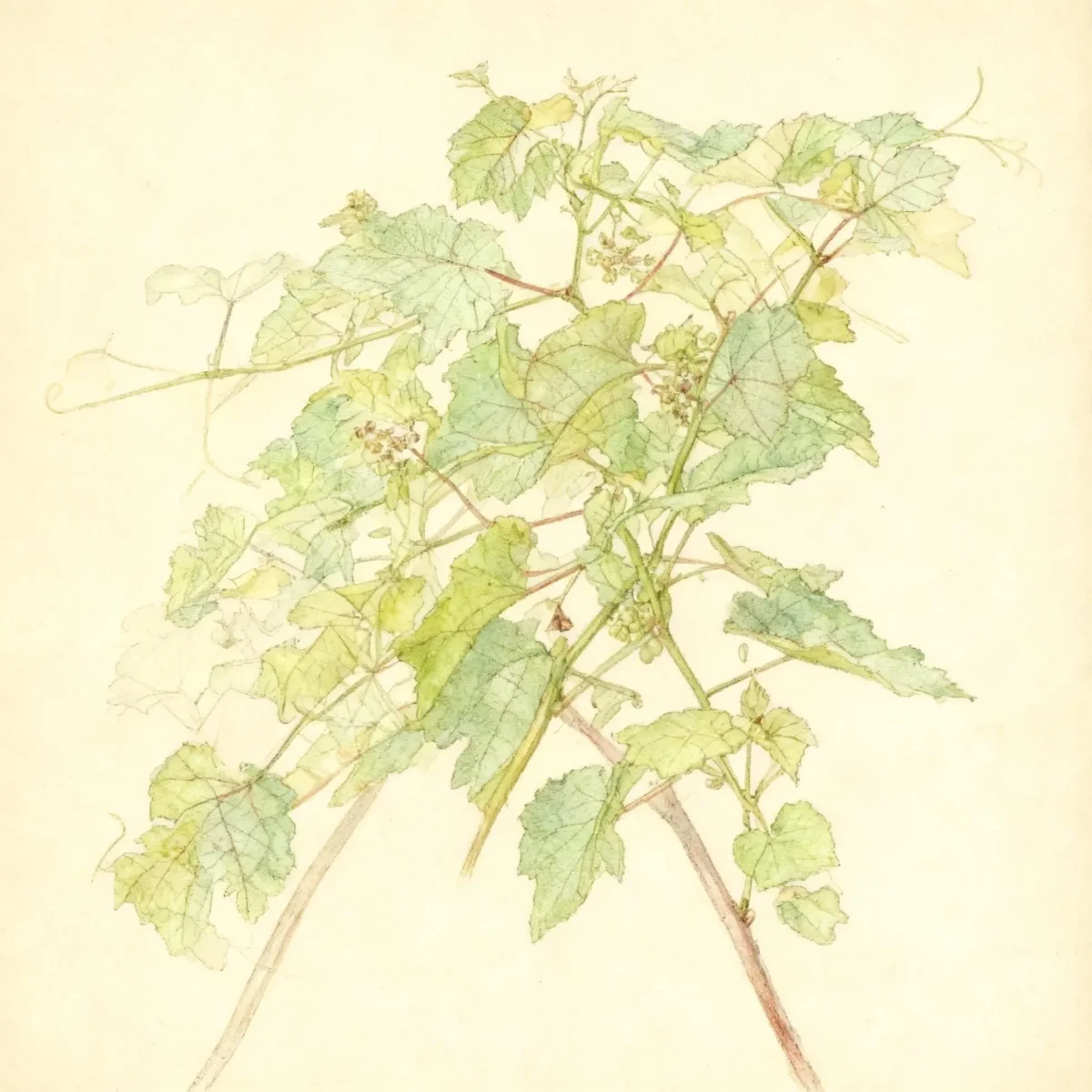
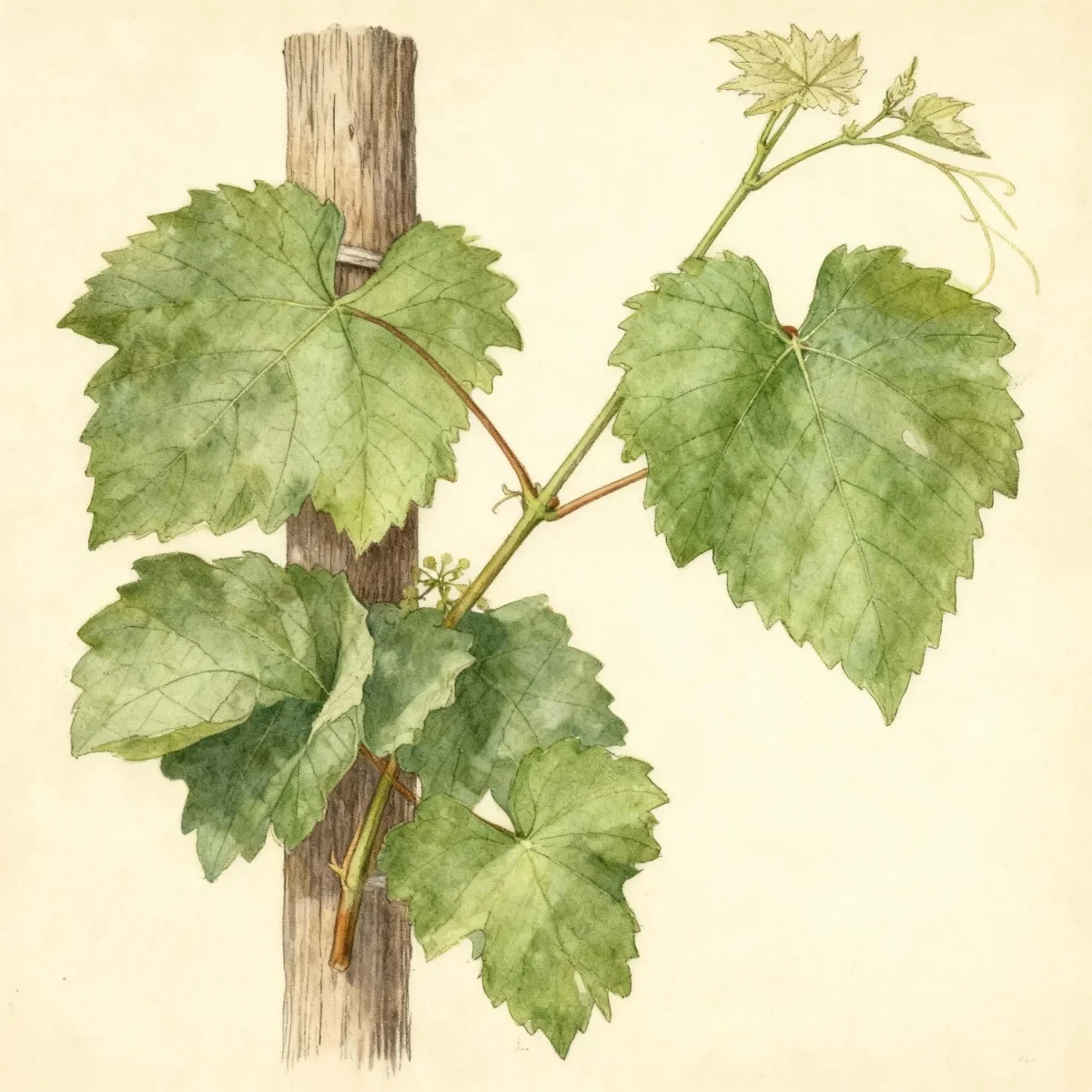
Grape (Vitis 'Canadice')
Vitis 'Canadice' is a hardy, deciduous Grape vine known for its edible fruit and shade capabilities. Requires high maintenance.
Scroll down to discover growing tips, care requirements, companion plants, and more
Complete Plant Information
Overview
Vitis ‘Canadice’ is a valuable, woody, deciduous vine prized by gardeners for its ability to produce early-season, seedless red grapes suitable for fresh eating, jams, and jellies. As a Vitis labrusca hybrid, it exhibits superior hardiness against the cold winters and hot, humid summers common in the Eastern and Midwestern US compared to many other Vitis varieties. This Grape variety is a vigorous climber, thriving with robust support structures.
Beyond fruit production, the dense, large foliage offers excellent ornamental cover, screening, and shade during the growing season. The combination of its climbing habit, attractive fruit clusters, and shaggy bark provides year-round visual interest. Successfully growing this grape requires diligent attention to structure and care.
For gardeners seeking a productive vine that handles regional weather extremes better than many cultivars, Vitis ‘Canadice’ presents a rewarding challenge. Proper training and consistent management are essential to maximize the yield and quality of this excellent American Grape.
Fast Facts
- Plant Family: Vitaceae
- Plant Type: Fruit
- Hardiness Zones: USDA Zones 5-8
- Size at Maturity:
- Height: 15-20 ft
- Spread: 15-20 ft
- Bloom Time: May to June
- Bloom Description: Greenish
- Sun Exposure: Full sun
- Water Needs: Medium
- Maintenance Level: High
How to Grow
Plant Vitis ‘Canadice’ in the early spring or fall in an area receiving full sun; maximizing sunlight is critical as increased sun exposure directly leads to sweeter fruit production. This Grape performs best in deep, loamy, humus-rich soils that maintain medium moisture levels but drain exceptionally well. It can tolerate average garden soils, provided drainage is not impeded.
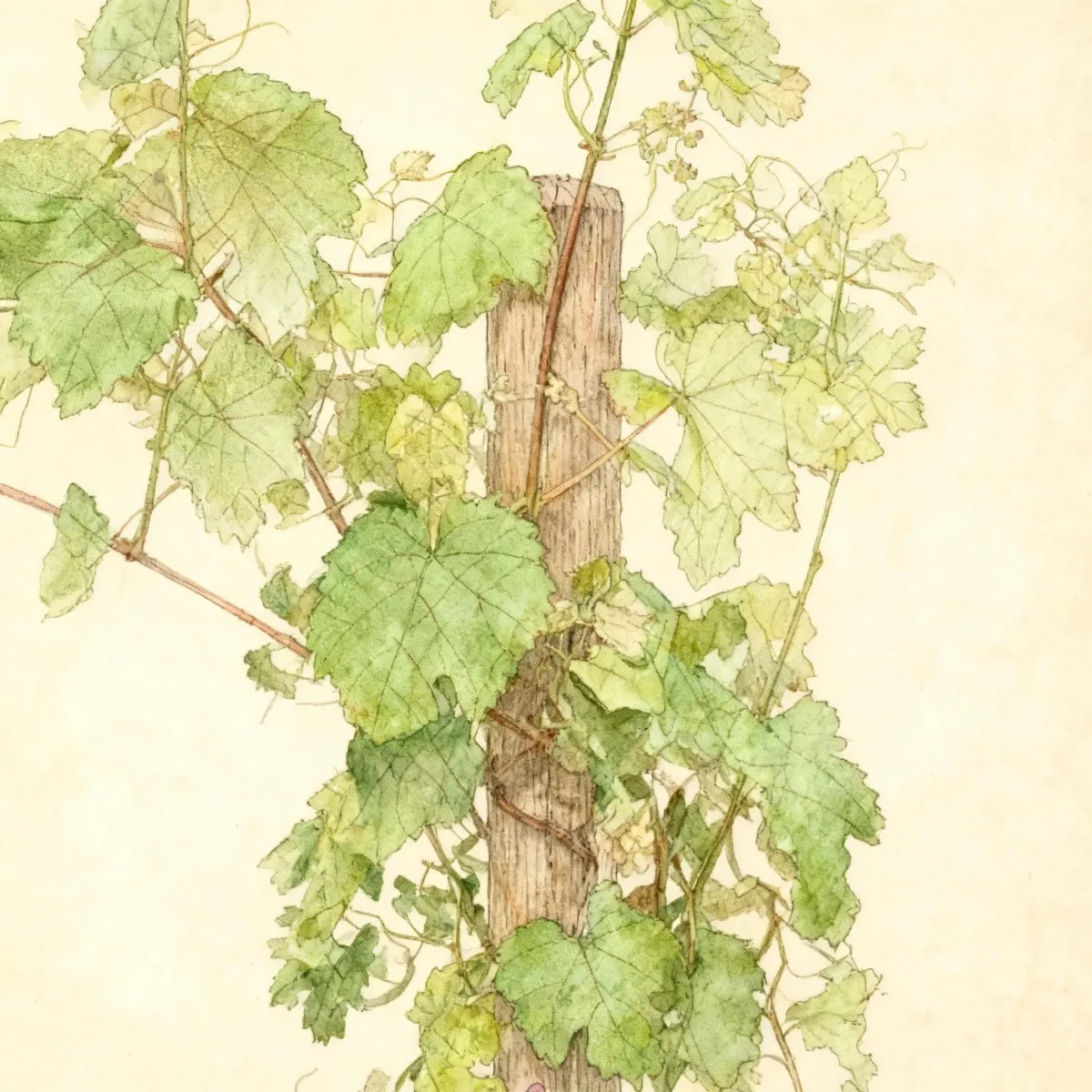
Due to its climbing nature, establishing a strong support system—such as a trellis, arbor, or sturdy fence—is non-negotiable for quality fruit production. Train the growth annually, prune regularly, and plan for necessary spraying to protect yields. While this variety withstands severe weather, ensure it is sited away from frost pockets, as young growth is susceptible to damage from late spring frosts.
Water needs are medium; aim for consistent moisture, especially during fruit development, but never allow the roots to sit in standing water. Because Vitis ‘Canadice’ is self-pollinating, you only need one vine to set fruit. Routine, yearly pruning is the single most important cultural practice for maximizing the quantity and size of your harvest.
Landscape Uses
Grapes, including the Vitis ‘Canadice’ cultivar, function spectacularly as living architectural elements in the landscape. When grown over arbors or pergolas, they furnish deep, cooling shade perfect for outdoor sitting areas. Their vigorous vining habit makes them ideal for softening harsh lines on walls, fences, or utilitarian structures.
The bold, green summer foliage provides substantial screening and excellent boundary definition. Furthermore, the mature vines develop shaggy, textured trunks and branching patterns that offer strong visual interest throughout the winter months when the leaves have dropped. This duality—fruit production coupled with significant structural aesthetics—makes Vitis ‘Canadice’ a versatile choice.
Standout Features
Flower Qualities
- Insignificant
Fruit Qualities
- Showy
- Edible
Noteworthy Characteristics
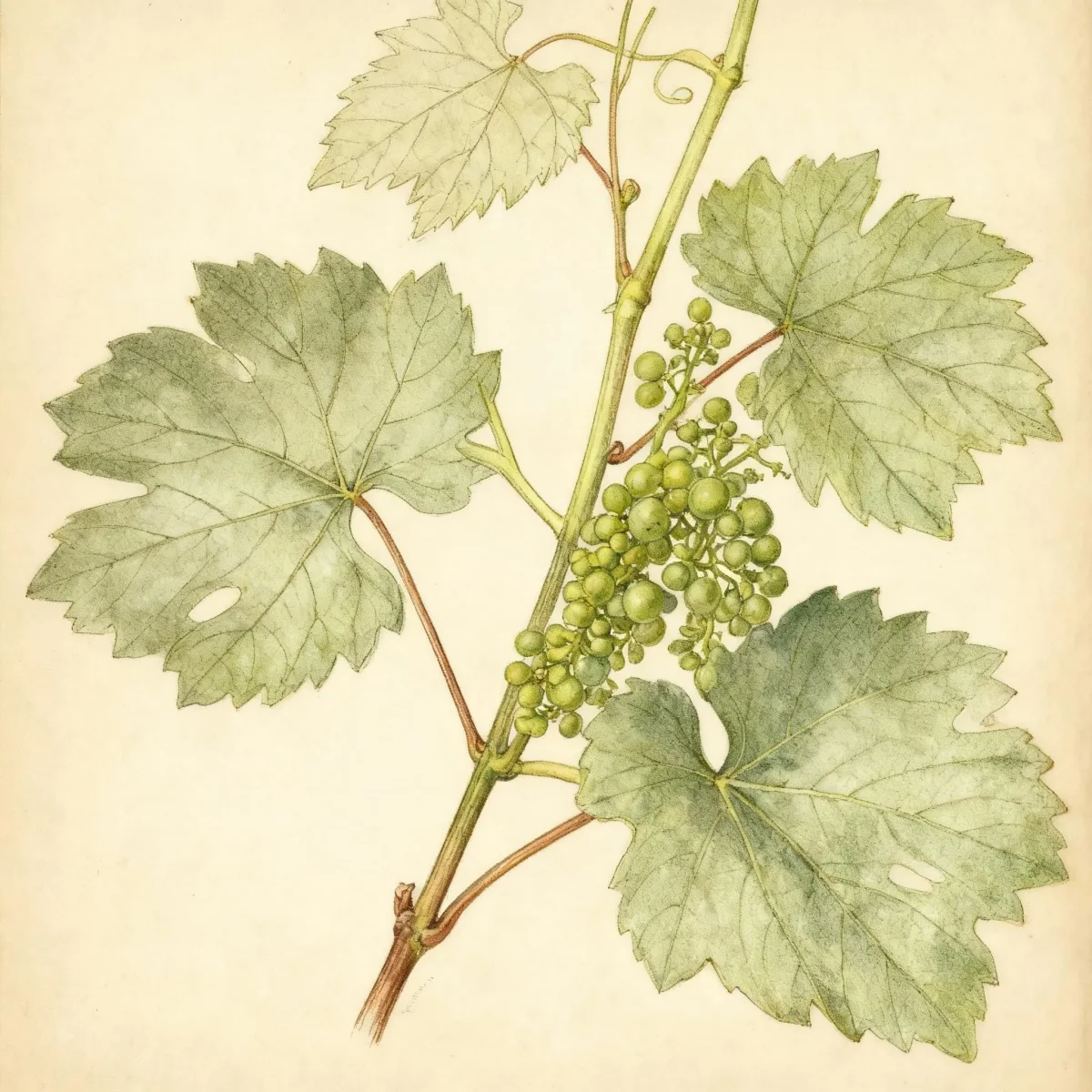
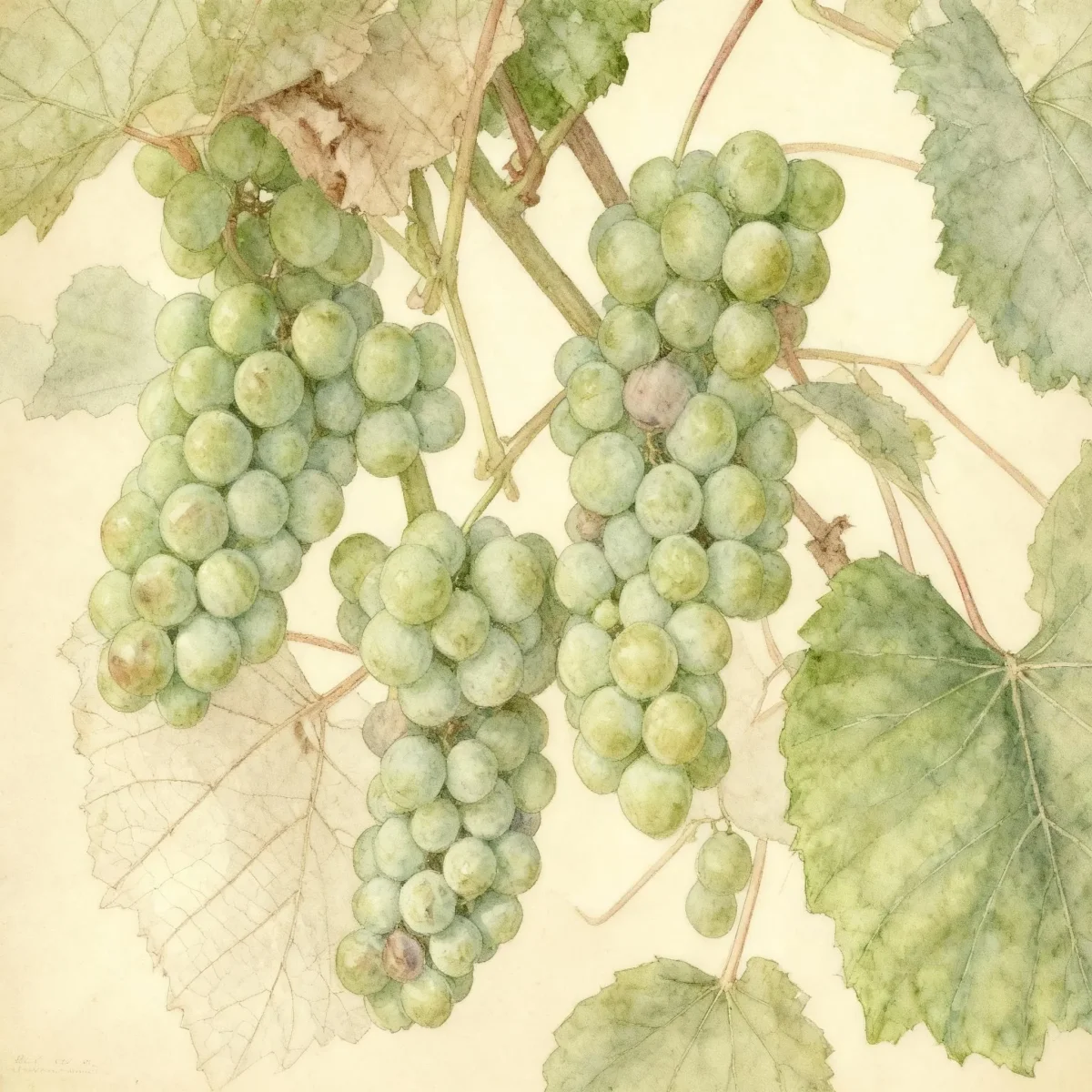
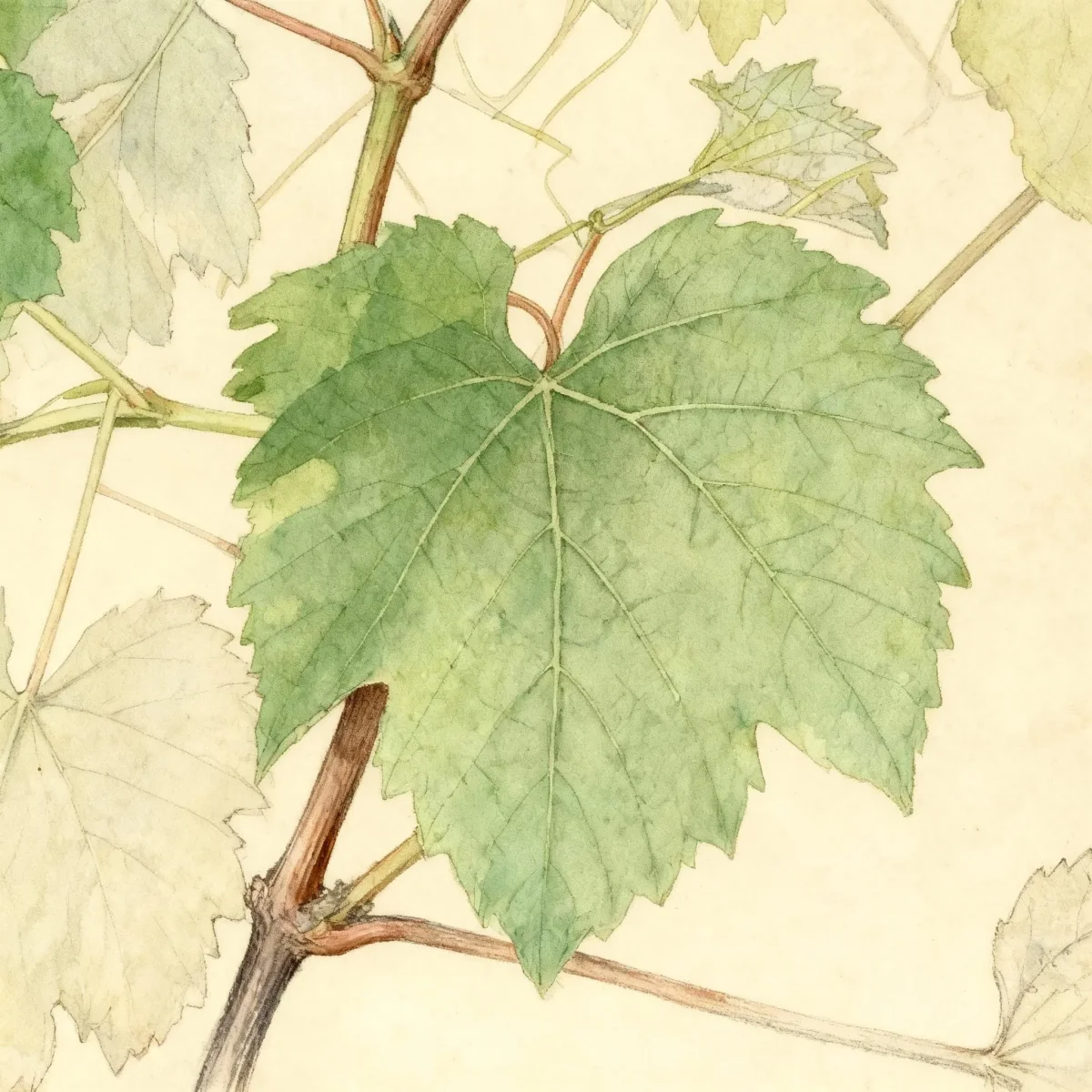
Vitis labrusca forms a woody, deciduous vine that climbs using tendrils, often reaching 15–20 feet unless pruned shorter. This hybrid, ‘Canadice’, is particularly noted as a seedless American grape variety, offering clusters of red grapes that ripen early in the season, making them excellent for preparing jams and jellies. The foliage is large, green, and shallowly three-lobed, while the flowers are fragrant and attractive to bees.
Tolerances
- Rabbit
- Deer
Potential Problems
Grapes are categorized as high-maintenance plants requiring significant dedication to achieve substantial fruit yields. Success hinges on regular, heavy pruning, providing robust structural support, and implementing routine pesticide treatments against common threats. In humid summer climates, disease pressure is high, making susceptibility to anthracnose, black rot, downy mildew, and powdery mildew a primary concern.
Insect pressures include pests like grape berry moth, Japanese beetle, and mealy bugs, necessitating regular scouting and appropriate treatment. Birds are often the most significant vertebrate consumers of ripe fruit, requiring netting if yields are to be protected. Always address deer pressure by protecting young shoots and leaves, especially on newly planted vines.
Frequently Asked Questions
What hardiness zones is Grape suitable for?
Vitis ‘Canadice’ is suitable for USDA Hardiness Zones 5 through 8.
How large does Grape grow?
This Vitis variety typically reaches a mature height between 15 and 20 feet tall, with an equal spread of 15 to 20 feet, requiring ample space or vertical support.
What sun exposure does Grape need?
For optimal fruit sweetness, Vitis ‘Canadice’ requires full sun exposure throughout the day.
When does Grape bloom?
The flowers of this Grape generally bloom from May to June, producing greenish blooms.
Conclusion
The Vitis ‘Canadice’ Grape offers gardeners a robust, cold-tolerant vine capable of providing delicious, early-ripening, seedless fruit while adding substantial ornamental structure to the landscape. Although this desirable Grape demands high maintenance involving pruning and pest management, the yield and its hardiness make it worthwhile for dedicated growers. Before planting, verify that your growing site falls within USDA Zones 5-8 and prepare a sturdy support system immediately.
Wildlife Benefits
The flowers of Vitis ‘Canadice’ possess a pleasant fragrance and actively attract beneficial bees, aiding in early-season pollination efforts in the garden ecosystem. Once the fruit ripens, the clusters of sweet grapes serve as an important food source. This late-season bounty attracts numerous wild animals and birds, which in turn help distribute the vine’s seeds to new areas.
Propagation Tips
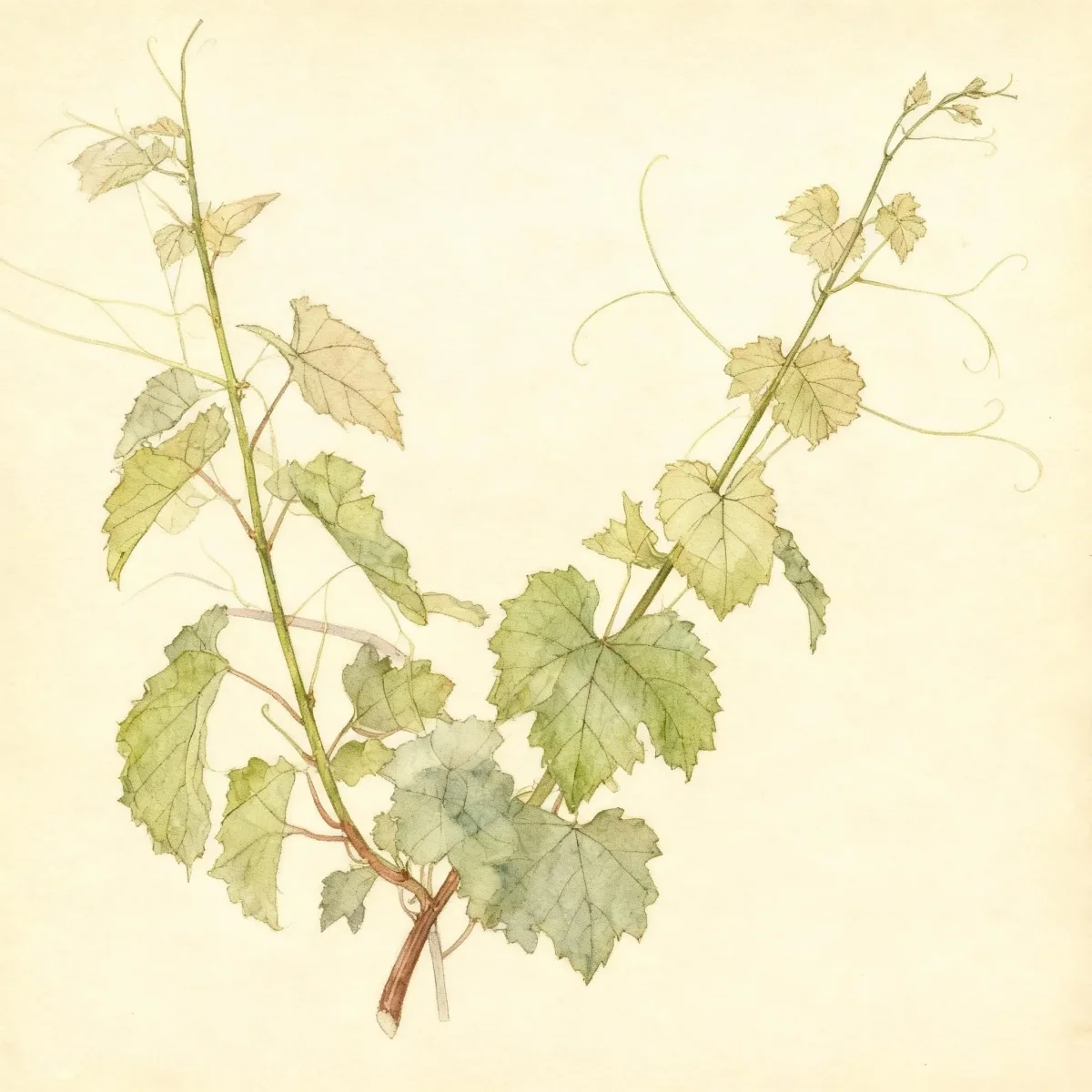
As ‘Canadice’ is a cultivated hybrid, vegetative propagation is the standard method to ensure true-to-type plants are produced. The most effective technique is taking hardwood cuttings during the dormant winter season, after the foliage has dropped. These cuttings should be gathered from one-year-old wood, typically pencil-thickness or slightly larger.
These dormant hardwood cuttings are best planted directly into the ground in early spring after the danger of severe frost has passed, or they can be rooted in a prepared bed under controlled conditions first. Ensuring high humidity and good drainage is essential for successful callousing and root initiation, as establishing the root system is crucial before the vine begins its vigorous summer growth.