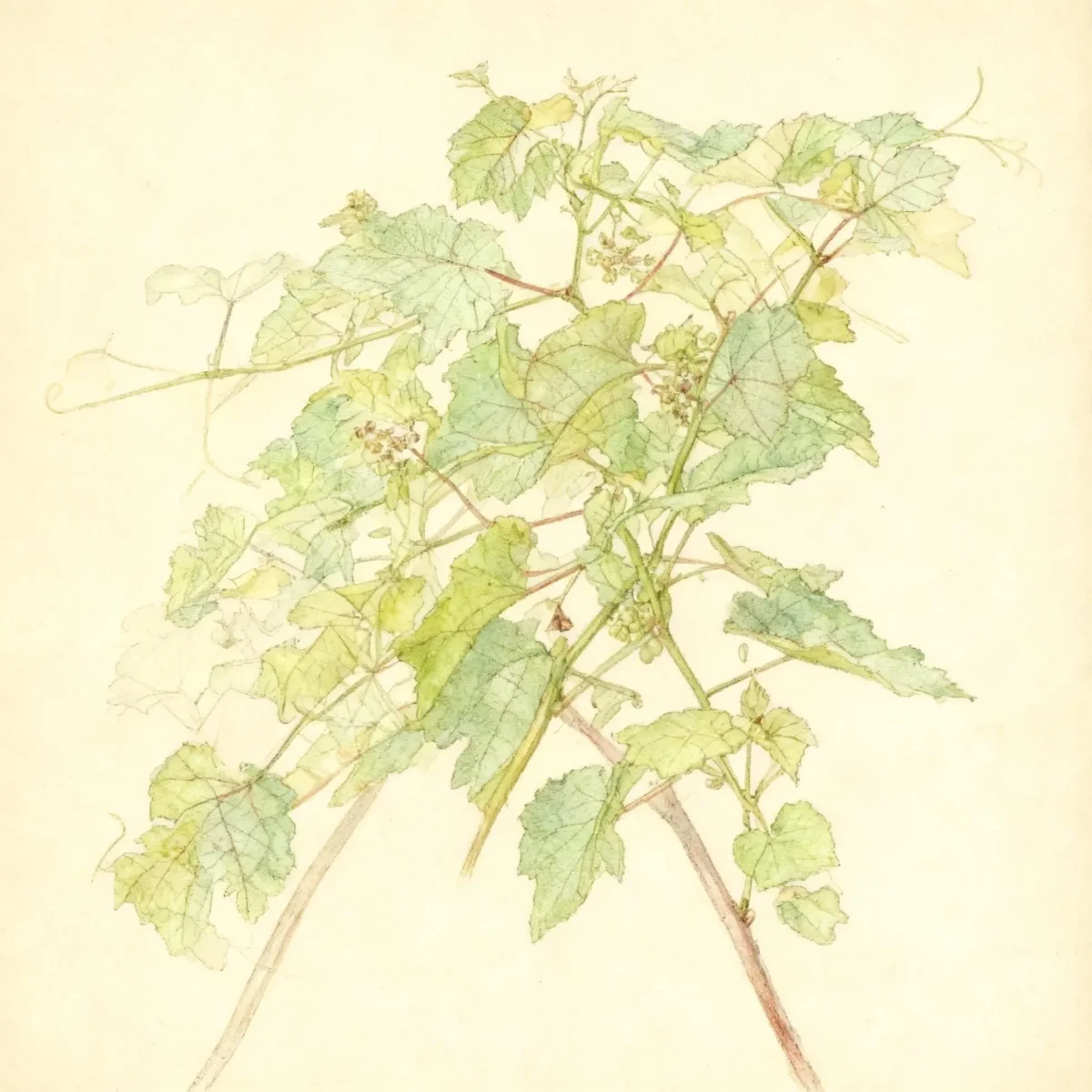
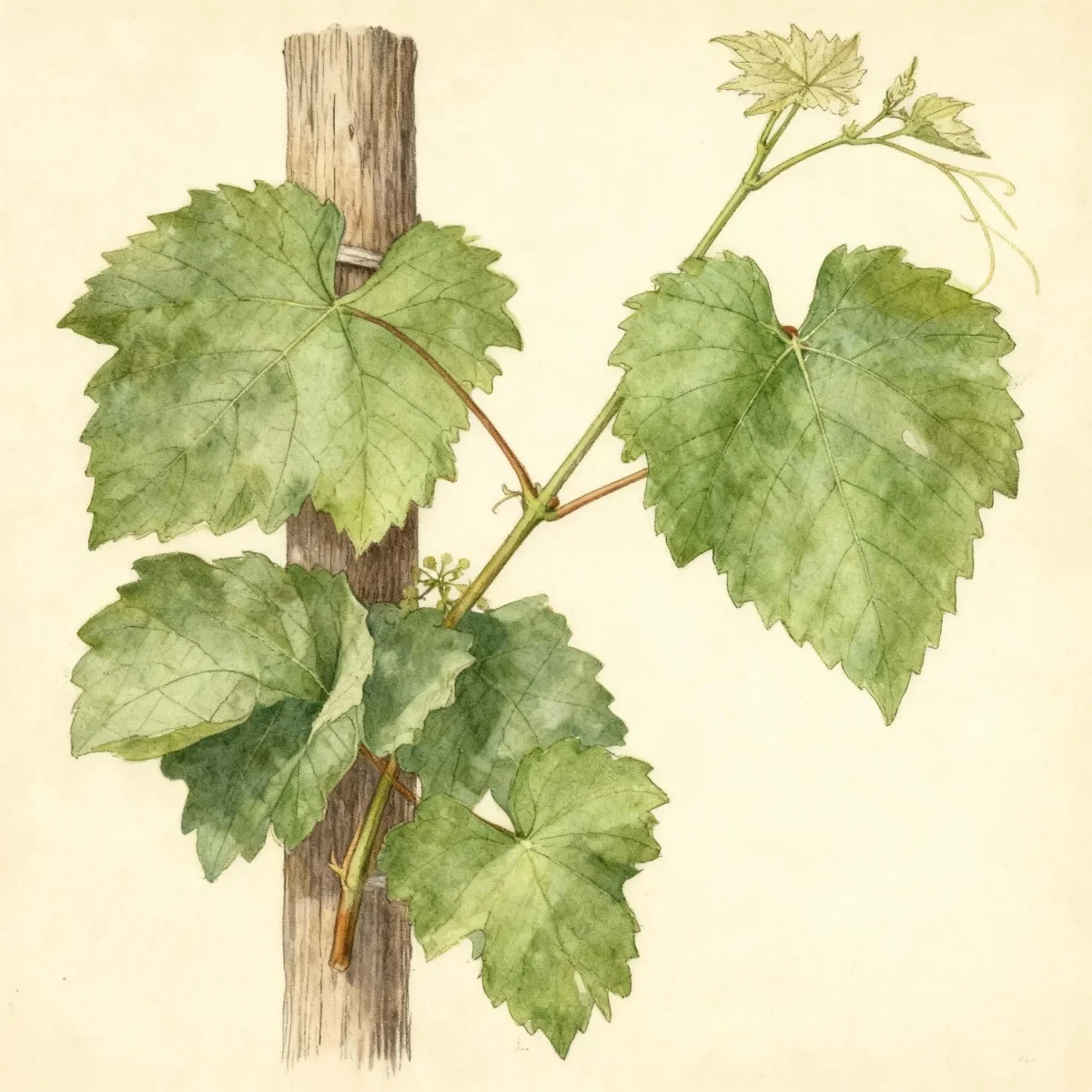
Grape (Vitis labrusca 'Concord')
The classic Concord Grape, Vitis labrusca 'Concord', offers prized edible fruit, requiring full sun and high maintenance for optimal sweet production.
Scroll down to discover growing tips, care requirements, companion plants, and more
Complete Plant Information
Overview
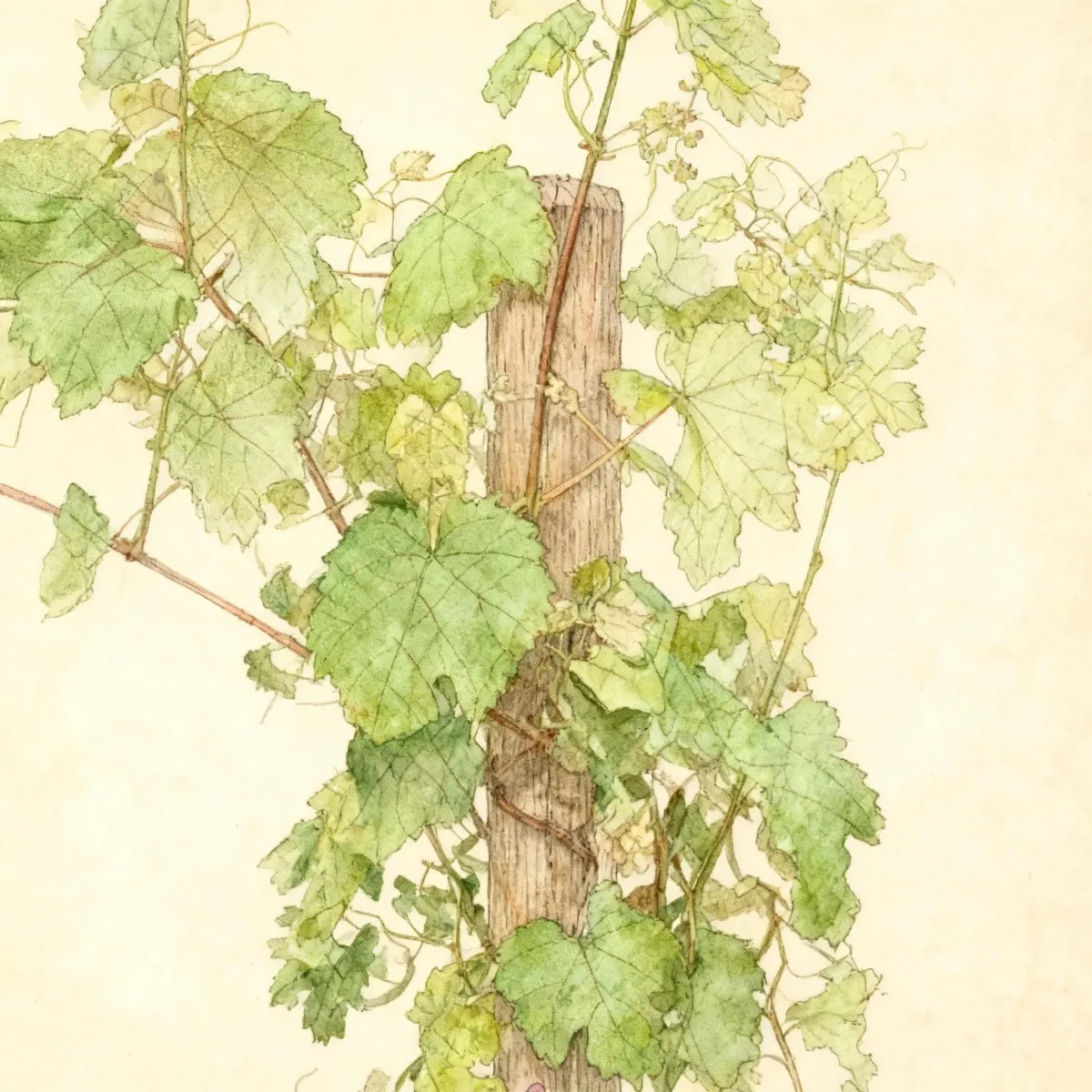
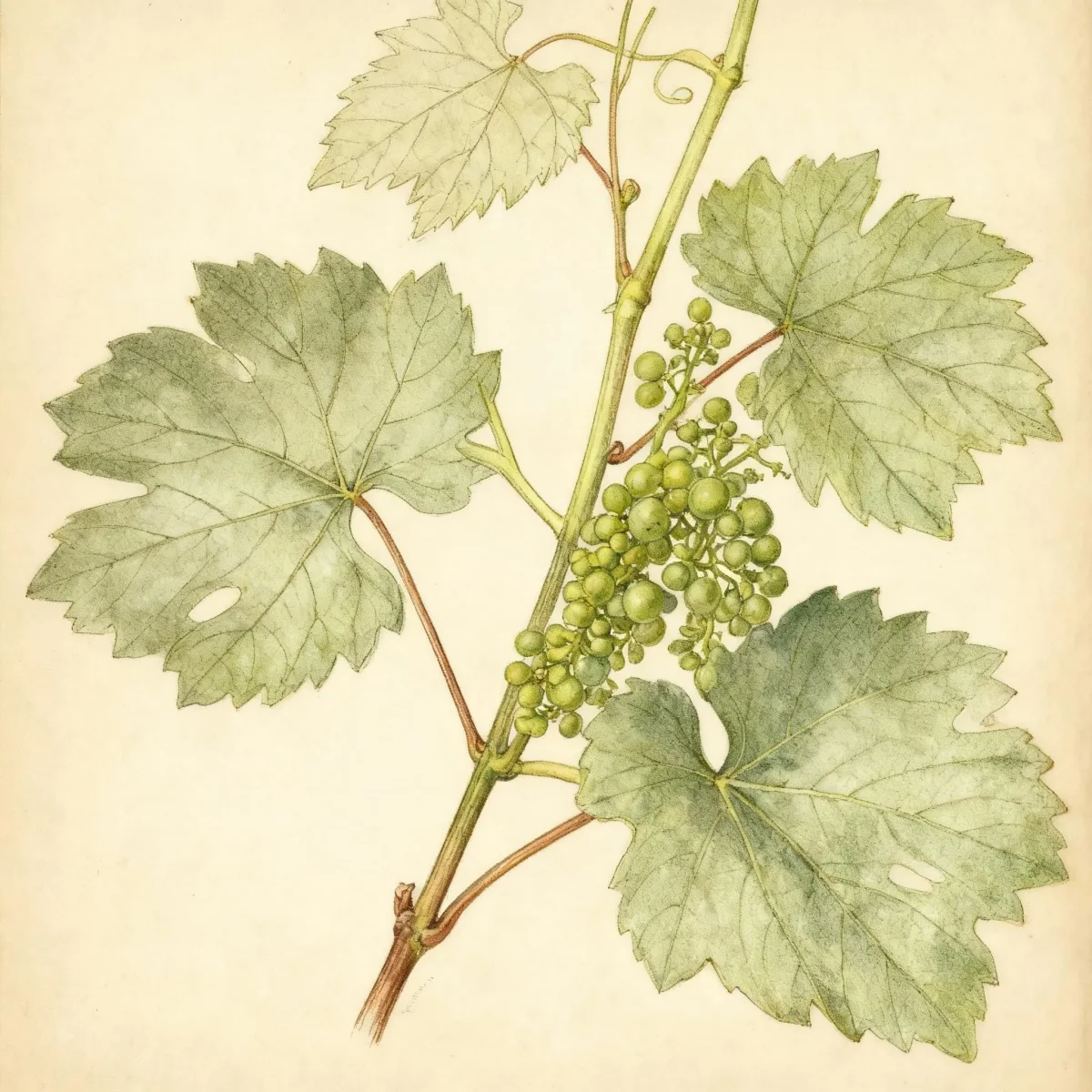
Vitis labrusca ‘Concord’, commonly known as the Grape, is an iconic woody, deciduous vine prized across North America. This cultivar is famous for its distinctive slip-skin, blue-black fruits, offering a sweet, musky flavor perfect for juices and jellies. Home gardeners value this variety for its reliable productivity, provided it receives the dedicated care it requires.
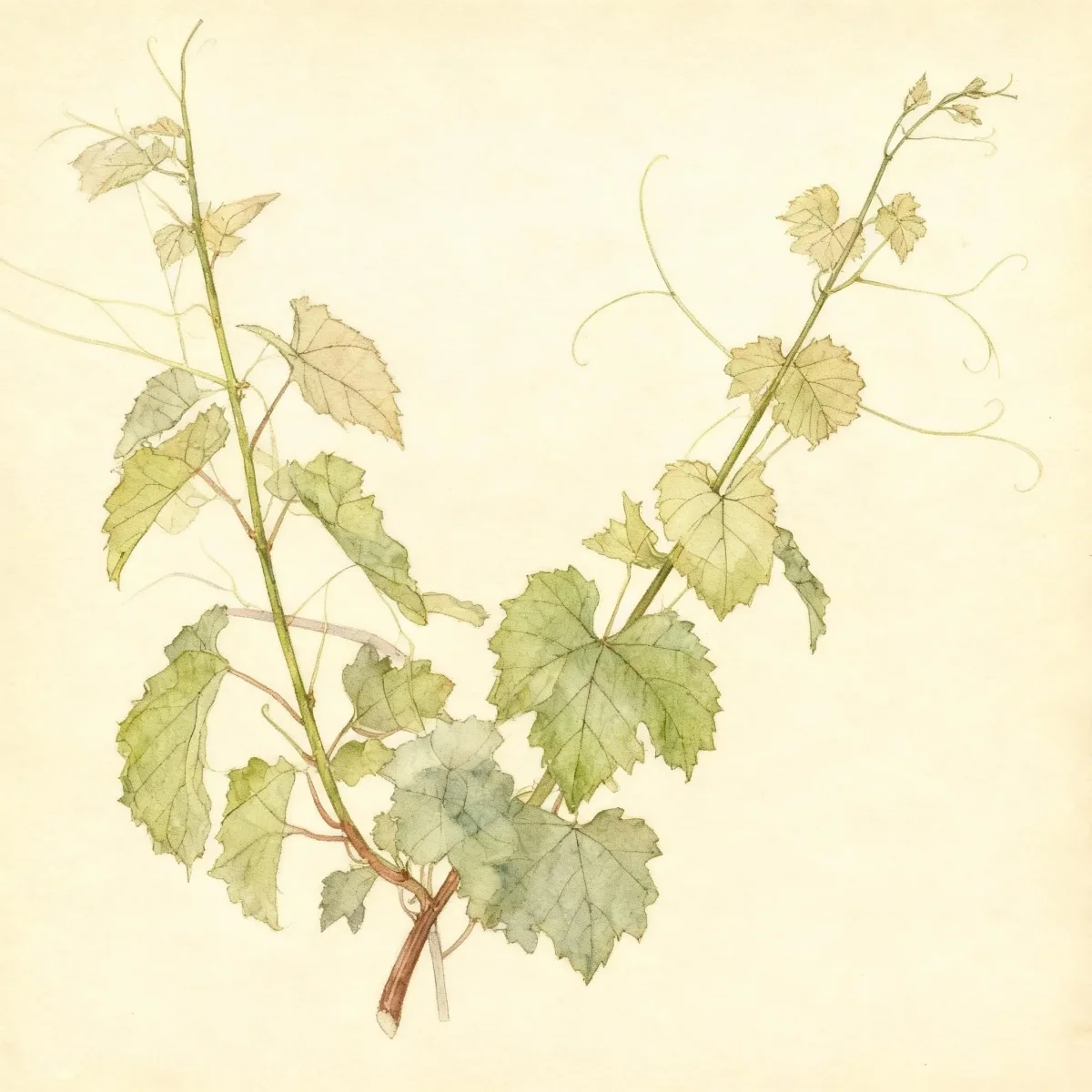
As a vigorous climber, the Grape needs substantial structural support, often reaching heights of 15 to 20 feet. It thrives where many other grapes might struggle, showing good tolerance for the cold winters and hot, humid summers common in the Eastern and Midwestern United States. While highly rewarding, successful cultivation of Vitis labrusca ‘Concord’ demands consistent maintenance.
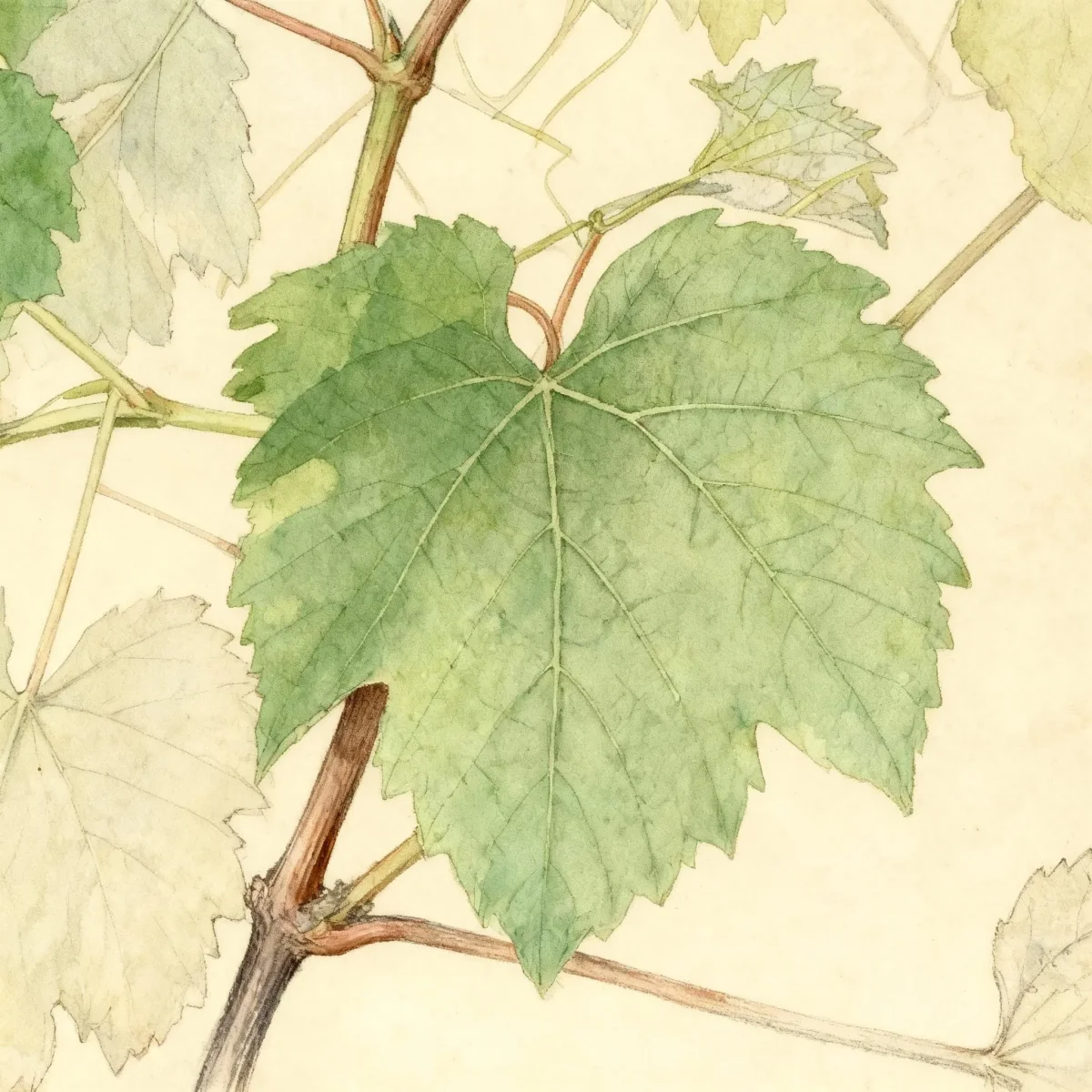
Aesthetically, the vine offers bold summer foliage and interesting winter structure from its shaggy, twisting trunks. Beyond its culinary use, the clusters of ripe blue-black fruit attract local wildlife, contributing to garden biodiversity, though pest deterrence is often necessary.
Fast Facts
- Plant Family: Vitaceae
- Plant Type: Fruit
- Hardiness Zones: USDA Zones 5-8
- Size at Maturity:
- Height: 15-20 ft
- Spread: 15-20 ft
- Bloom Time: May to June
- Bloom Description: Greenish
- Sun Exposure: Full sun
- Water Needs: Medium
- Maintenance Level: High
How to Grow
The Vitis labrusca ‘Concord’ thrives best when planted in deep, loamy, humus-rich soil that is consistently medium in moisture but exceptionally well-drained. Planting should occur where the vine receives full, uninterrupted sun, as increased light directly translates to sweeter fruit quality. Young growth is vulnerable, so siting the vine on a south-facing slope sheltered from harsh winter winds, and away from frost pockets, is highly recommended.
Because this Grape is self-pollinating, you only need one plant for fruit set, but high yields necessitate proactive care. Immediately following planting, provide robust structural support such as a strong trellis or arbor, as training is crucial. Water moderately, ensuring the soil remains moist but never waterlogged.
Maintenance for Vitis labrusca ‘Concord’ is high, demanding regular, severe pruning during the dormant season to maximize fruit production. In humid climates, regular fungicide applications may be necessary to combat common diseases like mildew. Despite its adaptability to various soil types, the dedication to structural support and disease management will dictate your success with this excellent cultivar. Note that ‘Concord’ will not breed true from seed; propagation relies on cuttings or grafting.
Landscape Uses
While primarily cultivated for its exceptional fruit, the Grape offers considerable ornamental value throughout the year. The bold texture of its foliage creates dense summer screening when grown vertically along fences, walls, or sturdy arbors, providing welcome shade. As the season progresses, the deep blue-black fruit clusters offer a showy display before leaf drop reveals the attractive, shaggy, twisted trunks perfect for winter interest.
Consider using Vitis labrusca ‘Concord’ along a perimeter structure if you require natural screening or shading for a patio area. While grown for fruit, its vigorous vine structure works well on pergolas or robust wire systems that allow appreciation of its form. The plant can also be trained onto specific features where its robust woody nature can be celebrated as it matures.
Standout Features
Flower Qualities
- Fragrant
- Insignificant
Fruit Qualities
- Edible
Noteworthy Characteristics
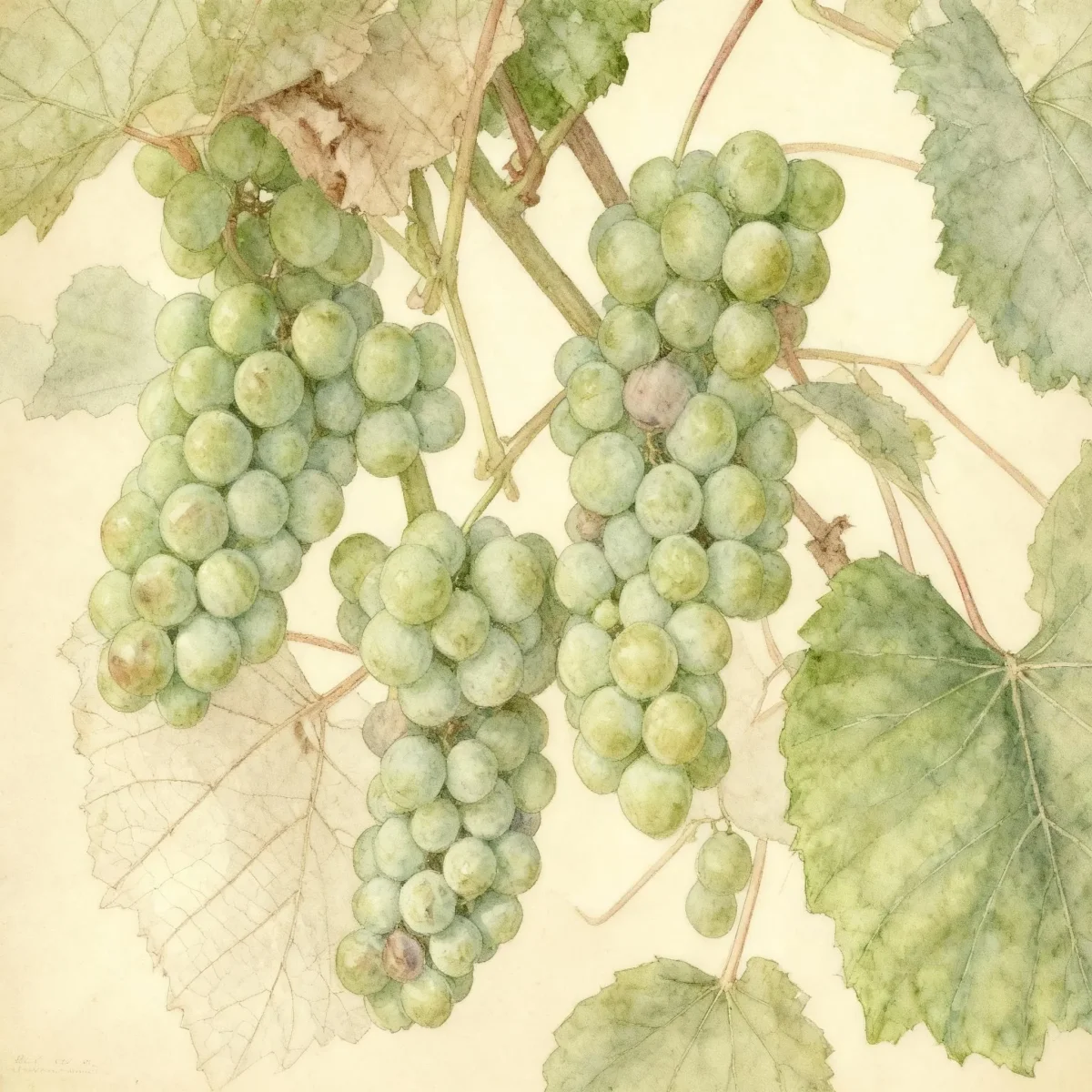
Vitis labrusca, commonly known as fox grape, is a woody, deciduous vine that climbs by tendrils to 40’ long. It is native to woodlands and forest margins in eastern North America from Nova Scotia to Ontario south to Louisiana and Florida. Flowers give way to drooping clusters (to 8” long) of medium-sized, blue-black, edible grapes (each to 3/4” diameter) which ripen to dark purple in late mid-season. Grapes of this species are noted for having slipskins and a foxy smell and flavor. ‘Concord’ is a cultivar introduced into commerce in 1843 and is considered a standard of excellence for blue-black American grapes.
Tolerances
- Rabbit
- Deer
Potential Problems
Grapes, including Vitis labrusca ‘Concord’, are high maintenance and susceptible to numerous issues, especially in humid environments. Diseases like anthracnose, black rot, and both downy and powdery mildew can quickly devastate yields if not managed with regular preventative spraying schedules. Insect pests common to this Grape include phylloxera, mealy bugs, and the leaf hopper.
Birds pose a significant threat, often stripping clusters before full ripeness, making netting critical for maximizing your harvest. Deer commonly browse on young shoots and tender leaves early in the season. Consistent monitoring, coupled with structural support and adherence to a thorough spraying and pruning regimen specified for this fruit, are essential management strategies.
Frequently Asked Questions
What hardiness zones is Grape suitable for?
Vitis labrusca ‘Concord’ is reliably hardy in USDA Zones 5 through 8.
How large does Grape grow?
This vigorous vine typically matures to a height and spread between 15 and 20 feet, requiring substantial vertical support.
What sun exposure does Grape need?
The Grape requires full sun exposure to ensure the fruit develops its maximum sweetness and flavor profile.
When does Grape bloom?
Vitis labrusca ‘Concord’ produces its greenish flowers from May through June.
Conclusion
The Vitis labrusca ‘Concord’ remains a highly valued fruit for its superior jelly quality and hardiness, standing out as one of the oldest successful American grape cultivars. While its requirement for high maintenance—including mandated support and strict pruning—is demanding, the payoff is a reliable harvest of flavorful blue-black grapes. Before planting, thoroughly assess your maintenance capacity and ensure your site offers the required full sun conditions.
Propagation Tips
Since Vitis labrusca ‘Concord’ does not breed true from seed, asexual propagation is the only reliable method. Gardeners should focus on taking hardwood cuttings during the dormant season, usually late fall or winter after the foliage has dropped. Select cuttings from healthy, vigorous canes that are pencil-thick or slightly larger.
To increase success rates, bury the cuttings in a location protected from extreme freezes or start them in a controlled medium indoors before transplanting hardened-off rooted cuttings the following spring. Grafting onto hardy rootstock is another professional method used to ensure longevity and compatibility with challenging local soils, offering a strong base for your high-producing Grape vines.
Companion Planting
Due to the high maintenance needs of Vitis labrusca ‘Concord’, companion planting should focus on beneficial interactions or plants that share similar cultural needs (full sun, good drainage) rather than those that compete for nutrients. Avoid planting shallow-rooted vegetables directly beneath the drip line, as the Grape is a heavy feeder.
Consider incorporating aromatic herbs like rosemary or sage nearby. While not a proven disease repellent for grapes, these herbs can help mask the scent of the fruit from certain pests and thrive in the same sunny, well-drained conditions. Furthermore, the lower growth of border plants prevents soil disturbance near the established vine roots.