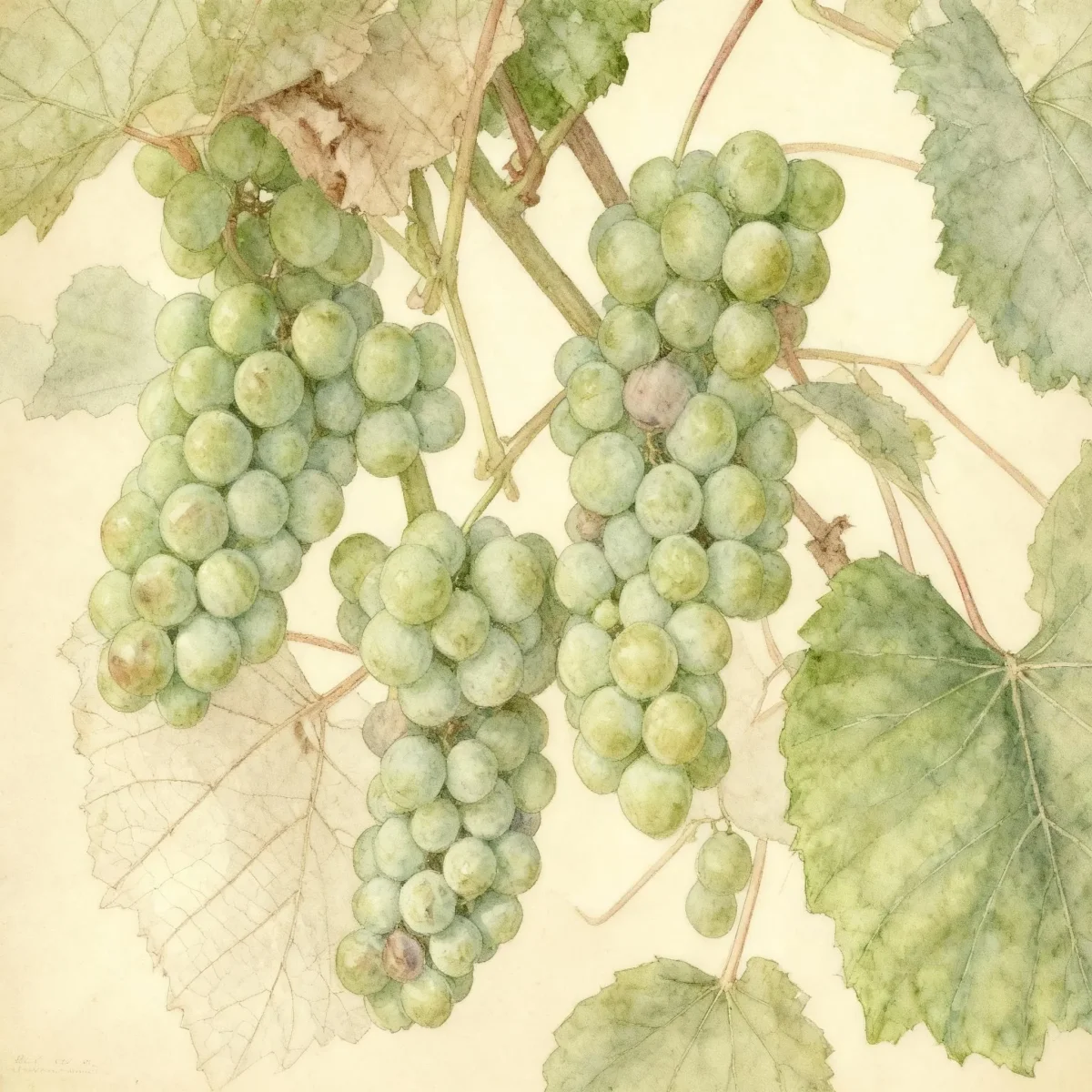
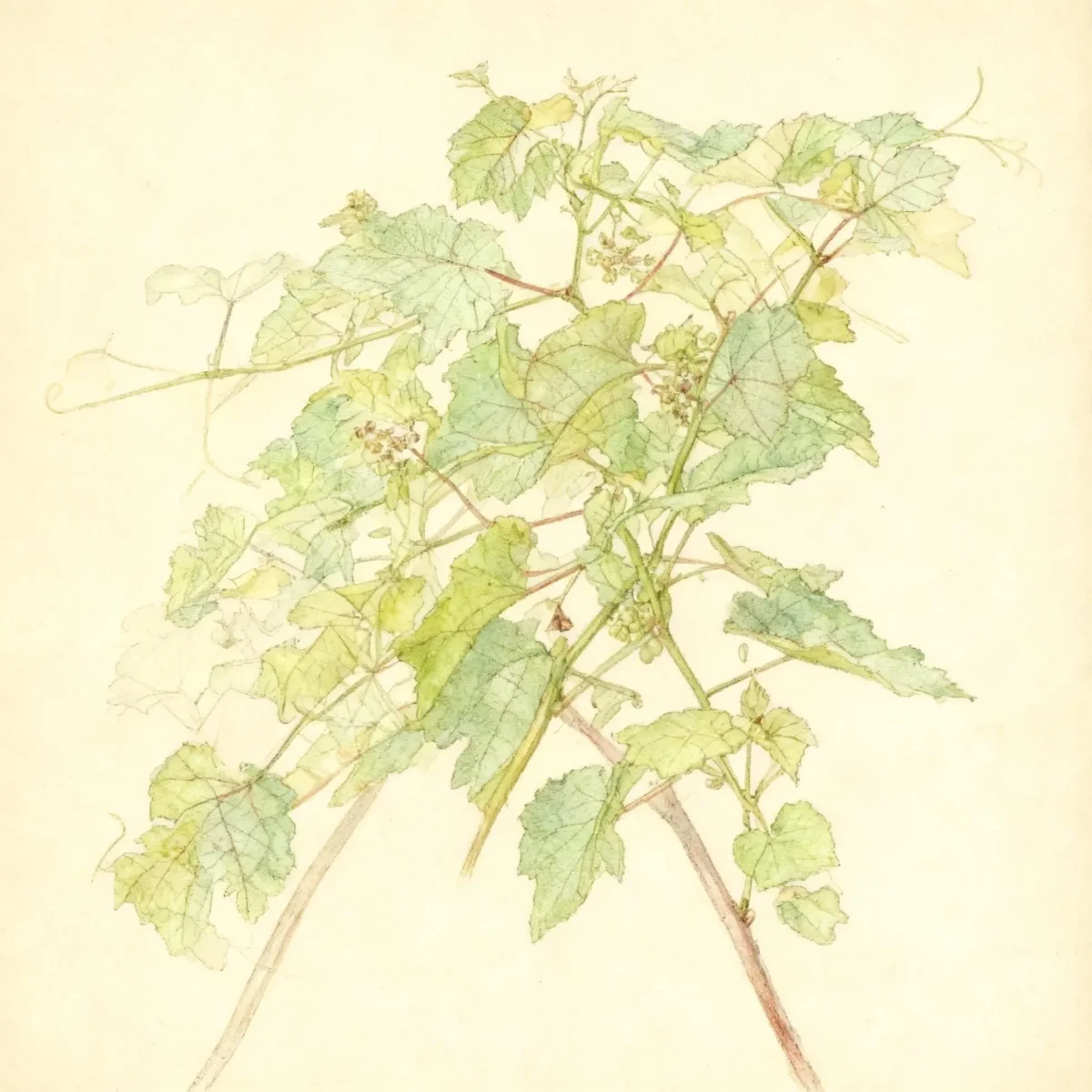
Grape (Vitis 'Himrod')
Vitis 'Himrod' Grape is a vigorous, deciduous vine producing showy, edible white seedless grapes. Requires high maintenance and full sun.
Scroll down to discover growing tips, care requirements, companion plants, and more
Complete Plant Information
Overview
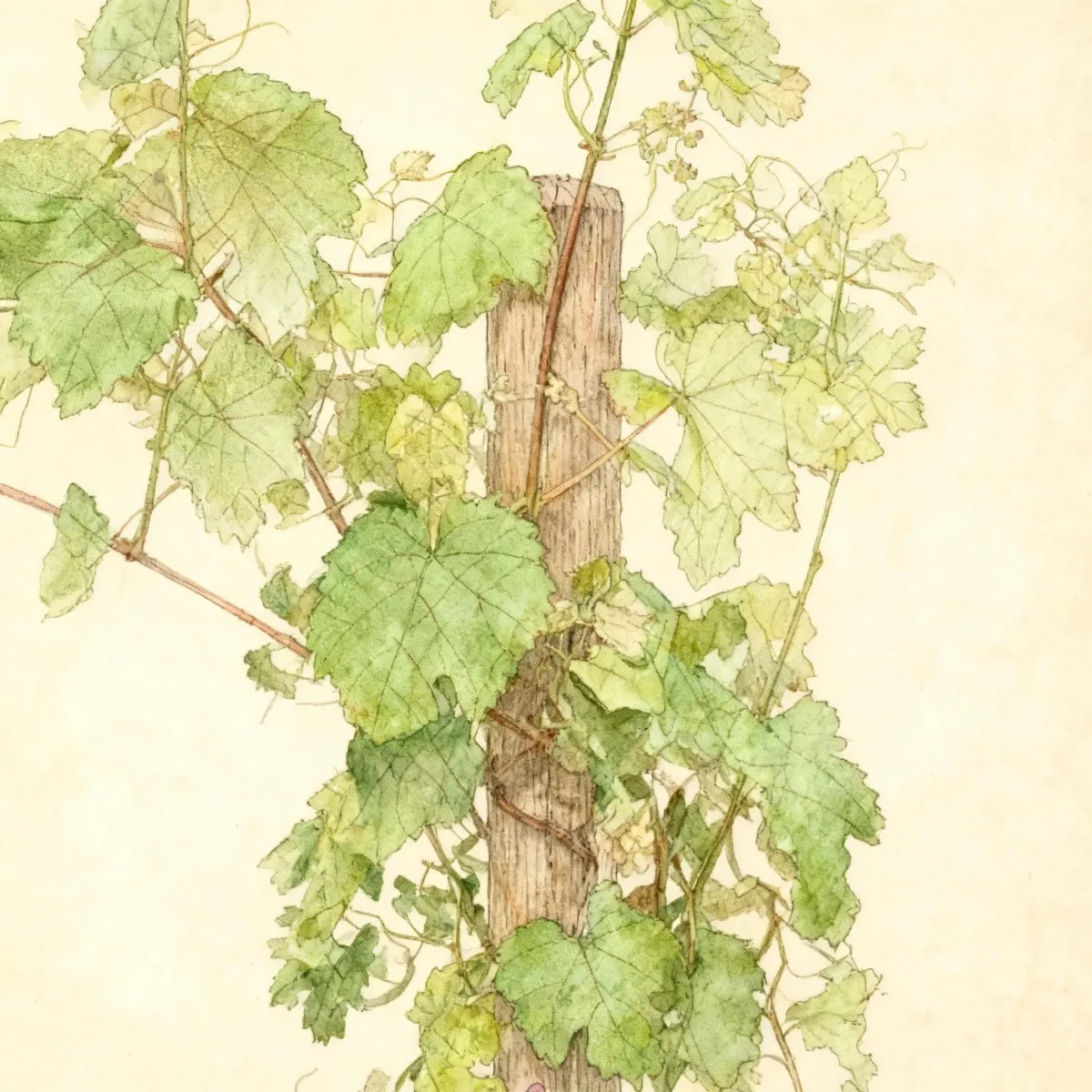
Vitis ‘Himrod’ is highly valued in the home garden as a reliable producer of seedless fruit, a notable characteristic for a Grape variety. This vigorous, woody, deciduous vine requires significant devotion due to its classification as a high-maintenance plant, but rewards effort with early-season harvests. Its climbing nature allows it to cover structures effectively, offering both beauty and functionality.
This Grape thrives only when provided with ample warmth and light, needing full sun exposure for the sweetest fruit development. It establishes deep root systems and is noted for handling the variable, sometimes severe, weather patterns found across the Eastern and midwestern United States. Proper cultural practices are essential to managing the vigorous growth and maximizing the yield of these desirable berries.
Beyond its primary use for fresh eating or drying into raisins, the mature Vitis ‘Himrod’ offers notable ornamental value, particularly during winter when its twisted, shaggy trunks are exposed. For gardeners seeking established fruit production and aesthetic screening combined, Vitis ‘Himrod’ presents an excellent, if demanding, centerpiece for an arbor or trellis system.
Fast Facts
- Plant Family: Vitaceae
- Plant Type: Fruit
- Hardiness Zones: USDA Zones 5-8
- Size at Maturity:
- Height: 15-20 ft
- Spread: 15-20 ft
- Bloom Time: May to June
- Bloom Description: Greenish
- Sun Exposure: Full sun
- Water Needs: Medium
- Maintenance Level: High
How to Grow
The best success for Vitis ‘Himrod’ begins with careful site selection. Plant this Grape in deep, loamy, humus-rich soils that maintain medium moisture but guarantee excellent drainage, as poor drainage is detrimental to vine health. Locate your vine where it receives maximum sunlight, preferably against a southern-facing slope sheltered from harsh winter winds, as young growth is susceptible to spring frosts.
Caring for Vitis ‘Himrod’ is intensive, earning its high maintenance rating. This self-pollinating Grape demands a robust support system—such as a sturdy trellis, arbor, or wires—for proper training. Regular, strategic pruning is non-negotiable for maximizing fruit quality and quantity, alongside consistent monitoring for pests and diseases requiring regular spraying treatments.
Watering should be consistent; aim for medium soil moisture, especially during fruit set and development. While the vine can handle average garden soils, richer diets promote better vigor. Take extra care during cold periods, ensuring the location avoids frost pockets which can damage emerging spring tissues.
Landscape Uses
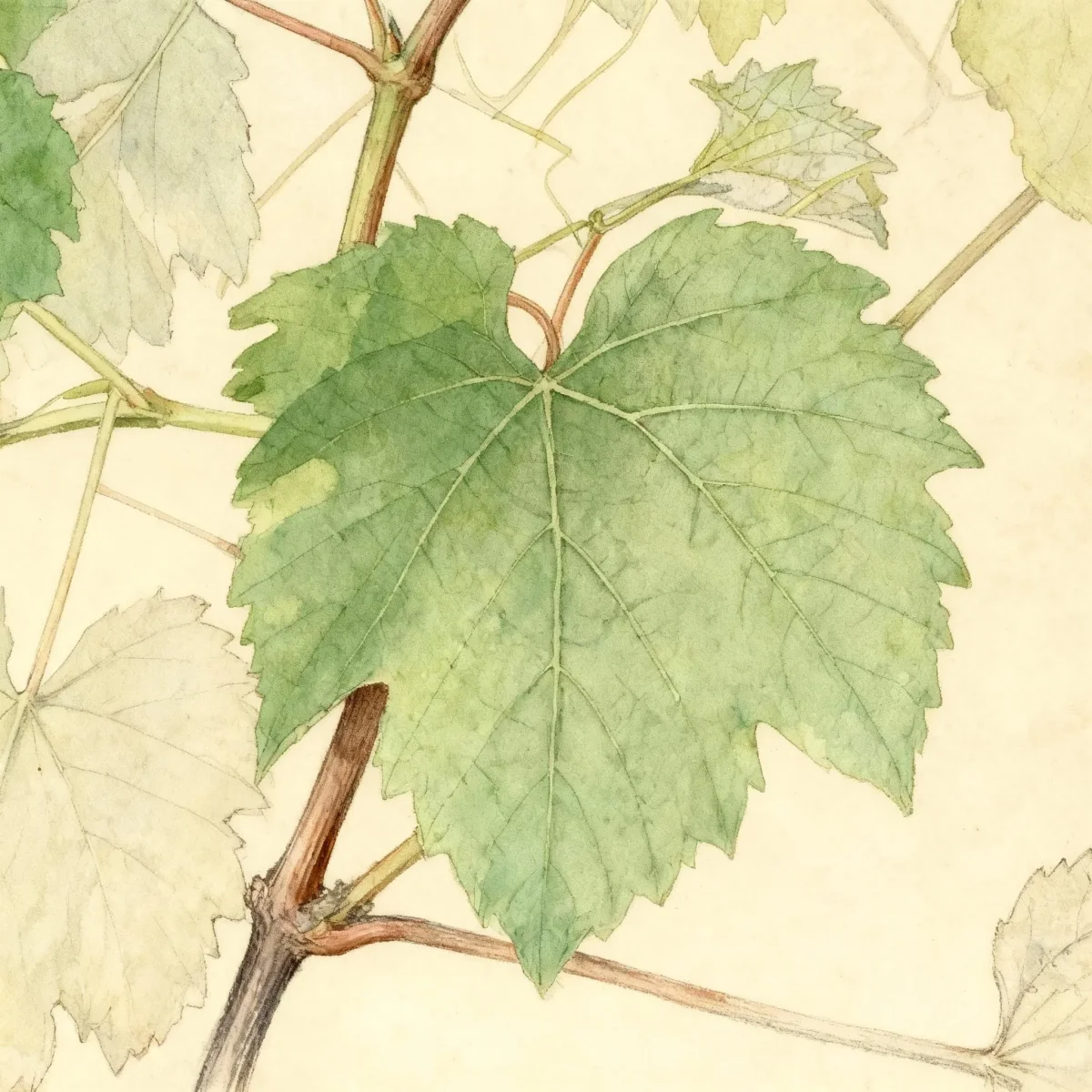
Grapes are primarily cultivated for their fruit, but Vitis ‘Himrod’ brings substantial year-round aesthetic value to the landscape. Its broad, bold-textured foliage creates dense summer cover, excellent for screening walls or providing deep shade over patios when trained along arbors or pergolas. When the leaves drop, the gnarled, shaggy trunks and twisting branches offer architectural interest best appreciated in winter.
Utilize this vine along secure fences, sturdy walls, or custom-built trellises to manage its 15 to 20-foot spread effectively. Because of its vigorous nature, avoid planting near structures that cannot support the vine’s weight when fully leafed out and laden with fruit. Grapes make dramatic living screens, enhancing privacy while producing an early-season harvest.
Standout Features
Flower Qualities
- Fragrant
- Insignificant
Fruit Qualities
- Showy
- Edible
Noteworthy Characteristics
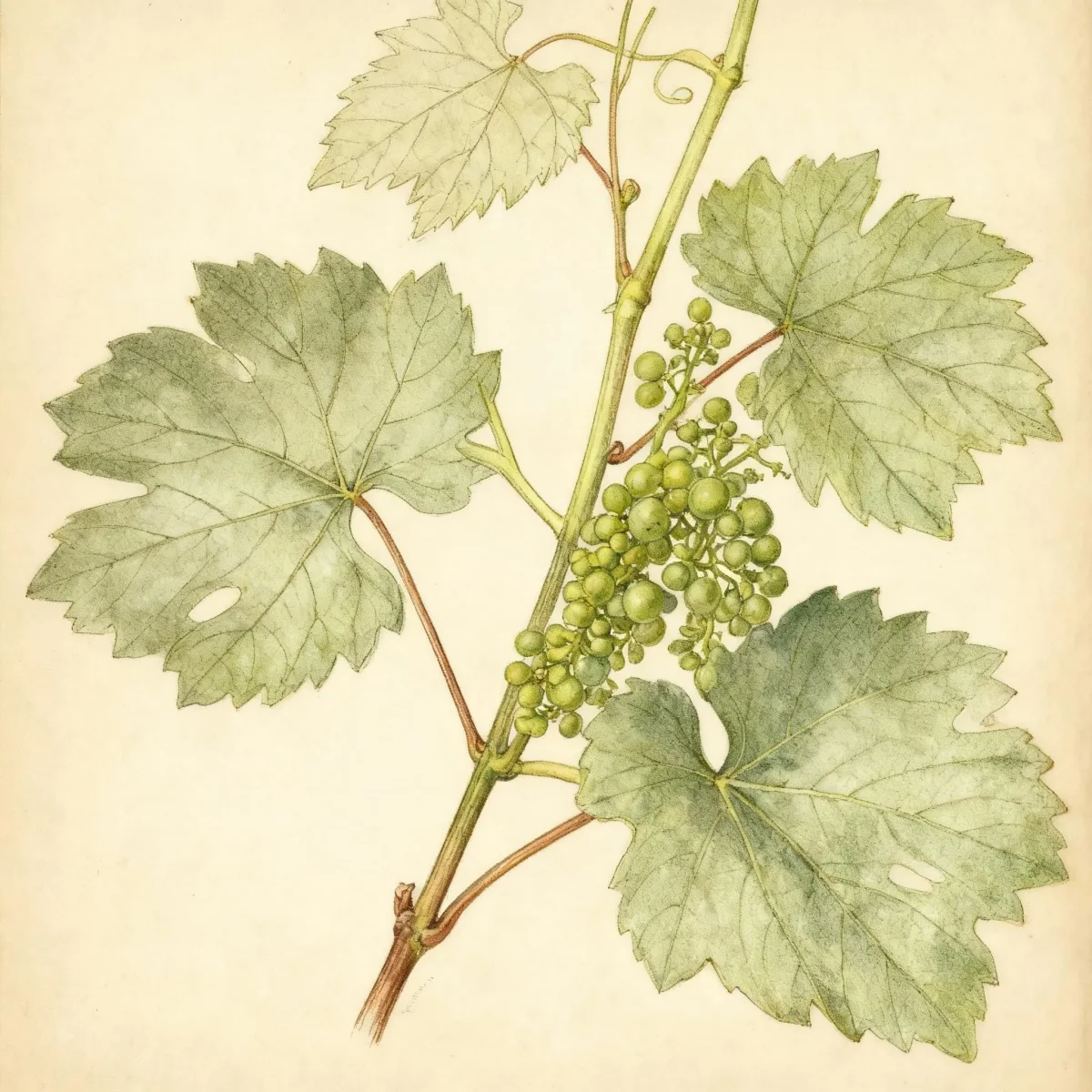
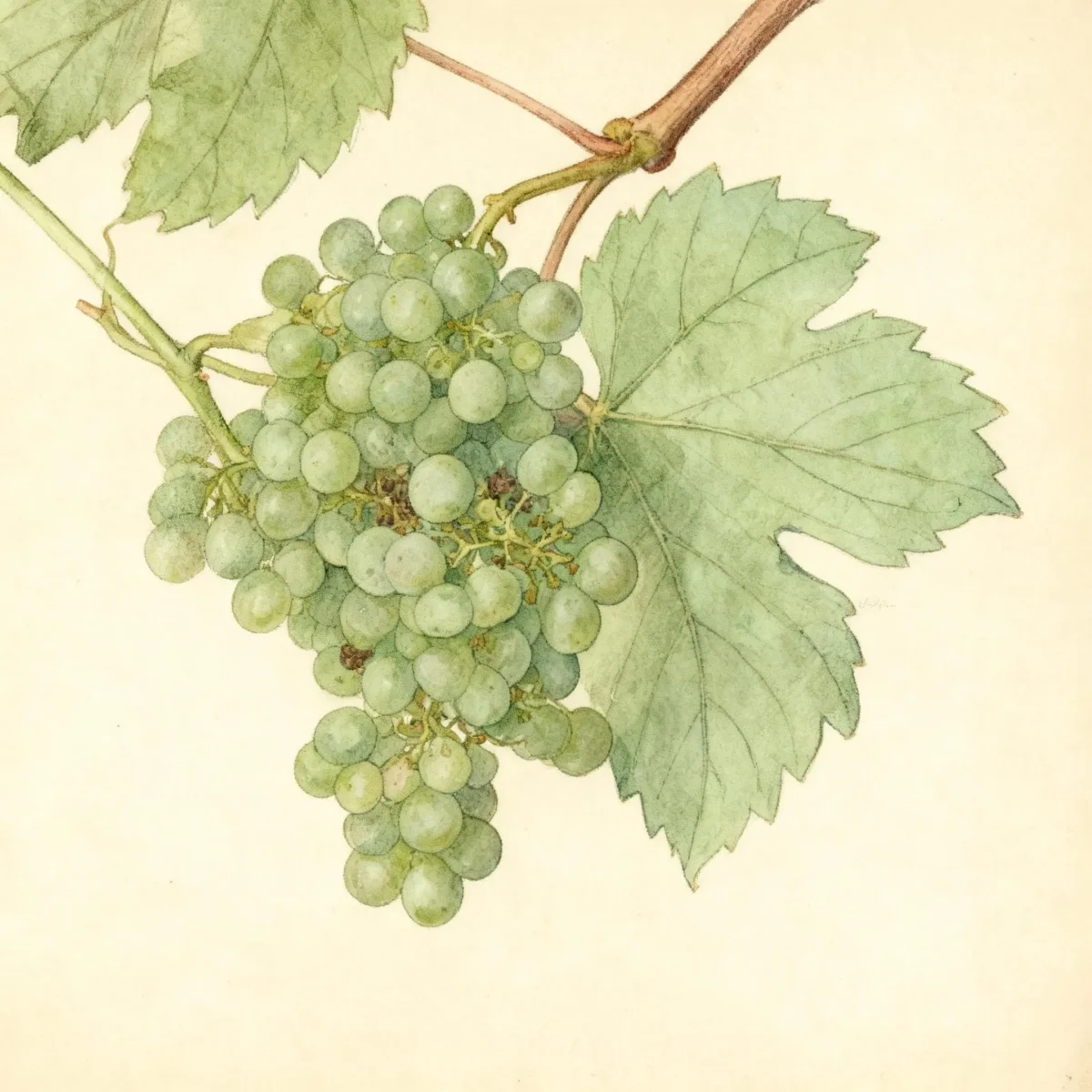
Vitis ‘Himrod’ is a notable seedless hybrid of Vitis labrusca, known for maturing clusters of white grapes that turn golden yellow, ideal for fresh eating or making raisins. It is a deciduous vine, climbing via tendrils, and produces panicles of fragrant, greenish flowers in the spring, followed by sweet-smelling fruit clusters. The presence of fruit attracts various wildlife, though vigilance against birds attacking ripe yields is often necessary.
Tolerances
- Rabbit
- Deer
Potential Problems
As a high-maintenance plant, successful cultivation of this Grape requires diligence against numerous threats. Disease pressure is significant, especially in humid summers, with common issues including black rot, downy mildew, and powdery mildew; preventative spraying schedules are highly recommended. Insect pests such as leafhoppers, grape berry moths, and phylloxera also target vines and fruit consistently.
Management involves rigorous sanitation and timely intervention. Ensure exceptional air circulation through rigorous annual pruning to mitigate fungal risks—this practice is crucial for Vitis ‘Himrod’. Monitor closely for structural damage from birds, which are often the most damaging vertebrate consumers of the ripening fruit clusters.
Frequently Asked Questions
What hardiness zones is Grape suitable for?
Vitis ‘Himrod’ is well-suited for cultivation in USDA Hardiness Zones 5 through 8.
How large does Grape grow?
This woody vine typically reaches a mature height and spread between 15 and 20 feet, requiring strong structural support.
What sun exposure does Grape need?
For the best flavor and successful fruit production, Vitis ‘Himrod’ must be planted in a location receiving full sun exposure throughout the day.
When does Grape bloom?
The flowering period for this Grape variety occurs in late spring to early summer, specifically from May to June, producing inconspicuous greenish flowers.
Conclusion
The Vitis ‘Himrod’ Grape variety offers gardeners the clear advantage of reliable, seedless, early-ripening fruit, wrapped in an attractive, vigorous climbing vine structure. While its high maintenance requirements—involving diligent pruning and pest management—cannot be overlooked, the payoff is exceptional fresh eating quality. Before planting, confirm that your site offers full sun and excellent drainage, and begin planning your trellising strategy immediately.
Wildlife Benefits
Training Vitis ‘Himrod’ on robust structures provides excellent cover for beneficial insects and small nesting birds, though caution is needed as ripe fruit also attracts significant avian attention. The dense foliage offers excellent summer screening, indirectly benefiting shaded lower plantings by moderating ground temperatures and moisture loss. As a fruiting plant, it contributes to local biodiversity when properly managed.
Pruning and Training Strategies
Because Vitis ‘Himrod’ requires annual pruning for productivity, mastering cane pruning techniques is essential for success. Pruning should ideally occur during the dormant season (late winter or early spring) before buds begin to swell, encouraging new, fruit-bearing wood for the coming season. Remember that fruit develops on one-year-old wood, so you must retain a specific number of canes annually while removing older, less productive wood.
Effective training involves securing the main trunk and subsequent leader canes to the chosen support structure immediately upon planting. Proper spacing of spurs and canes ensures that sunlight penetrates the canopy effectively, which not only sweetens the fruit but significantly reduces humidity within the leaf mass, thus lowering the risk of fungal diseases common to this Grape.