Grape (Vitis 'Valiant')
Vitis 'Valiant' Grape is a cold-hardy deciduous vine producing edible blue-black fruit, ideal for zones 5-8.
Scroll down to discover growing tips, care requirements, companion plants, and more
Complete Plant Information
Overview
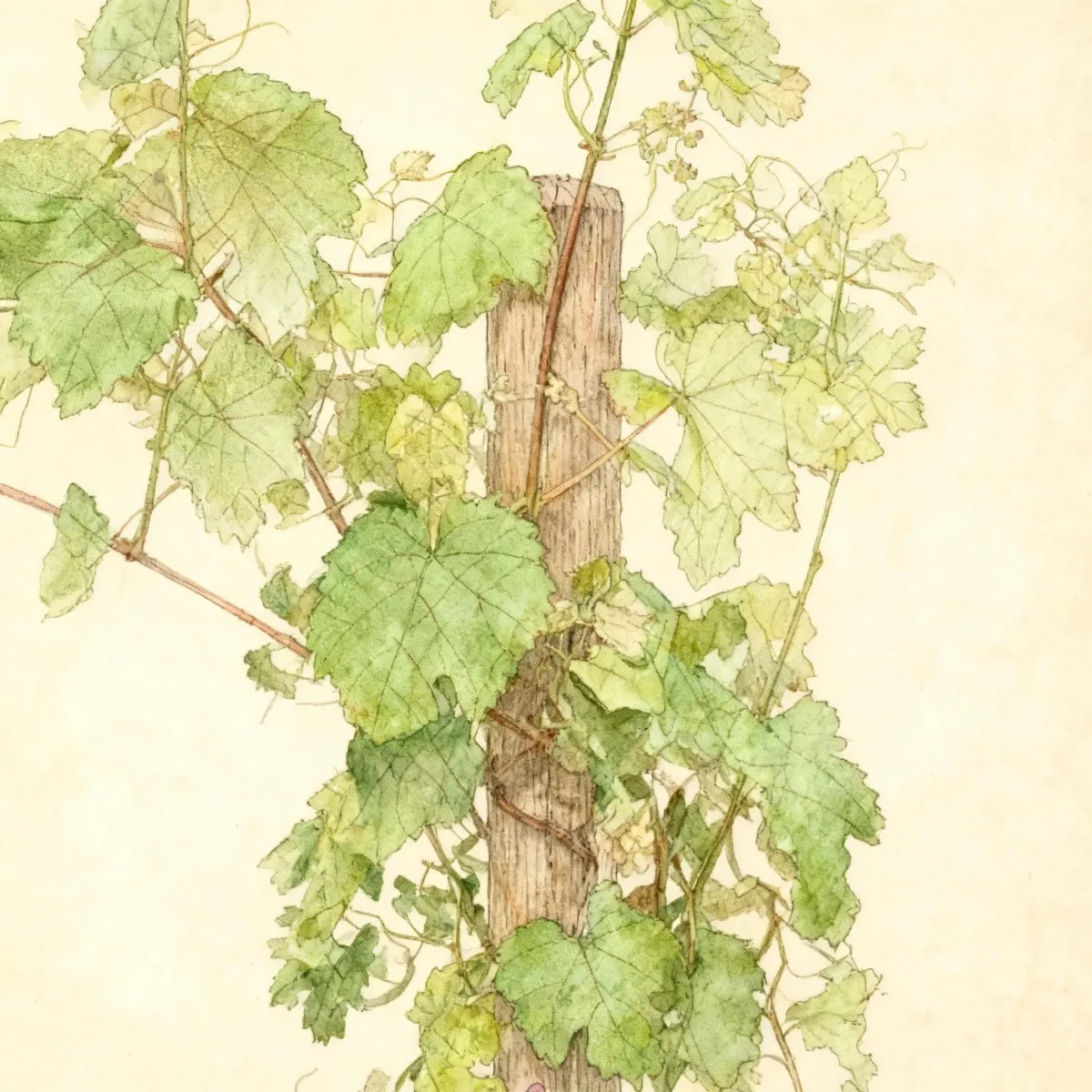
The Vitis ‘Valiant’ Grape offers gardeners a robust option for fruit production, particularly valued for its ability to withstand the rigorous cold winters common across the Eastern and Midwestern United States. This woody, deciduous vine thrives with dedicated attention, rewarding the grower with clusters of small, blue, seeded grapes noted for their intense, earthy flavor, making the Vitis ‘Valiant’ an excellent choice for jellies and juices. While it requires high maintenance regarding support and pruning, its hardiness and attractive vine structure offer dual benefits in the landscape.
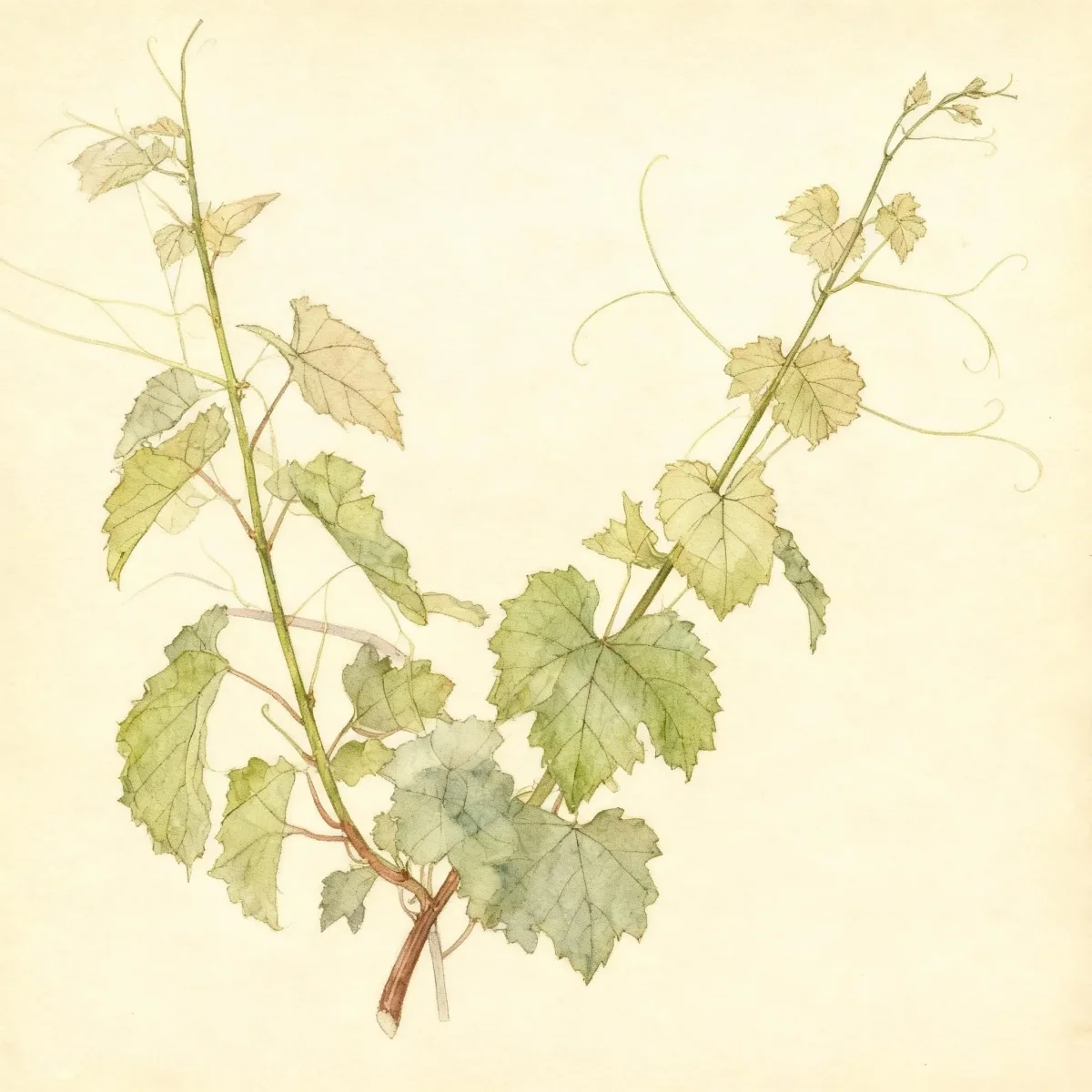
As a tendril climber, this Grape variety needs consistent structural support to reach its mature height of 15 to 20 feet. Maximizing fruit yield depends heavily on the dedication of the gardener to regular cultural practices. The plant needs full sun exposure to develop the sweetest fruit potential.
This cultivar is a hybrid derived from Vitis labrusca, meaning it carries the distinct characteristics associated with the fox grape, including its recognizable aroma and taste profile. Successfully cultivating Vitis ‘Valiant’ means providing adequate airflow and sun while managing its susceptibility to common vineyard diseases.
Fast Facts
- Plant Family: Vitaceae
- Plant Type: Fruit
- Hardiness Zones: USDA Zones 5-8
- Size at Maturity:
- Height: 15-20 ft
- Spread: 15-20 ft
- Bloom Time: May to June
- Bloom Description: Greenish
- Sun Exposure: Full sun
- Water Needs: Medium
- Maintenance Level: High
How to Grow
Planting Vitis ‘Valiant’ is best achieved in the dormant season, ensuring the vine establishes robust roots before the stress of summer heat. Select a site that receives full sun exposure, as this directly correlates with fruit sweetness. The soil should be deep, loamy, humus-rich, and possess excellent drainage; this Grape variety dislikes standing water.
Care for this Grape variety is intensive, demanding a well-planned support system—trellis, arbor, or wires—to manage its aggressive growth. Consistent medium watering is necessary, especially during fruit development. Remember that Vitis ‘Valiant’ requires regular pruning; this practice is essential for channeling the plant’s energy toward quality fruit production rather than excessive vegetative growth.
Site selection should account for environmental protection; position the vine away from frost pockets and ideally on a southern-facing slope to benefit from wind protection. While this Grape is self-pollinating, consistent cultural care, including preventative spraying against common fungal issues, is mandatory for high yields. Be aware that young growth in spring remains vulnerable to late frosts.
Landscape Uses
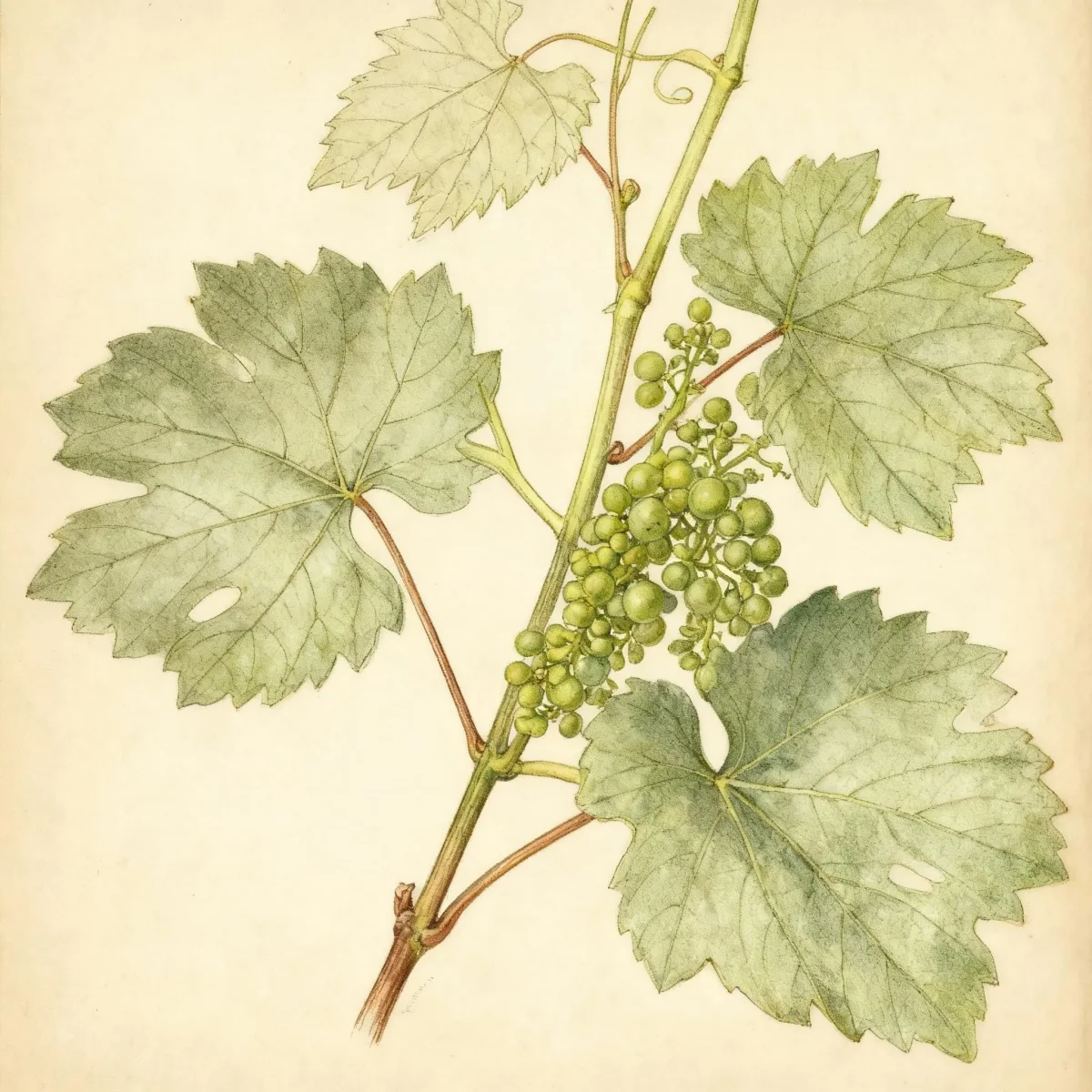
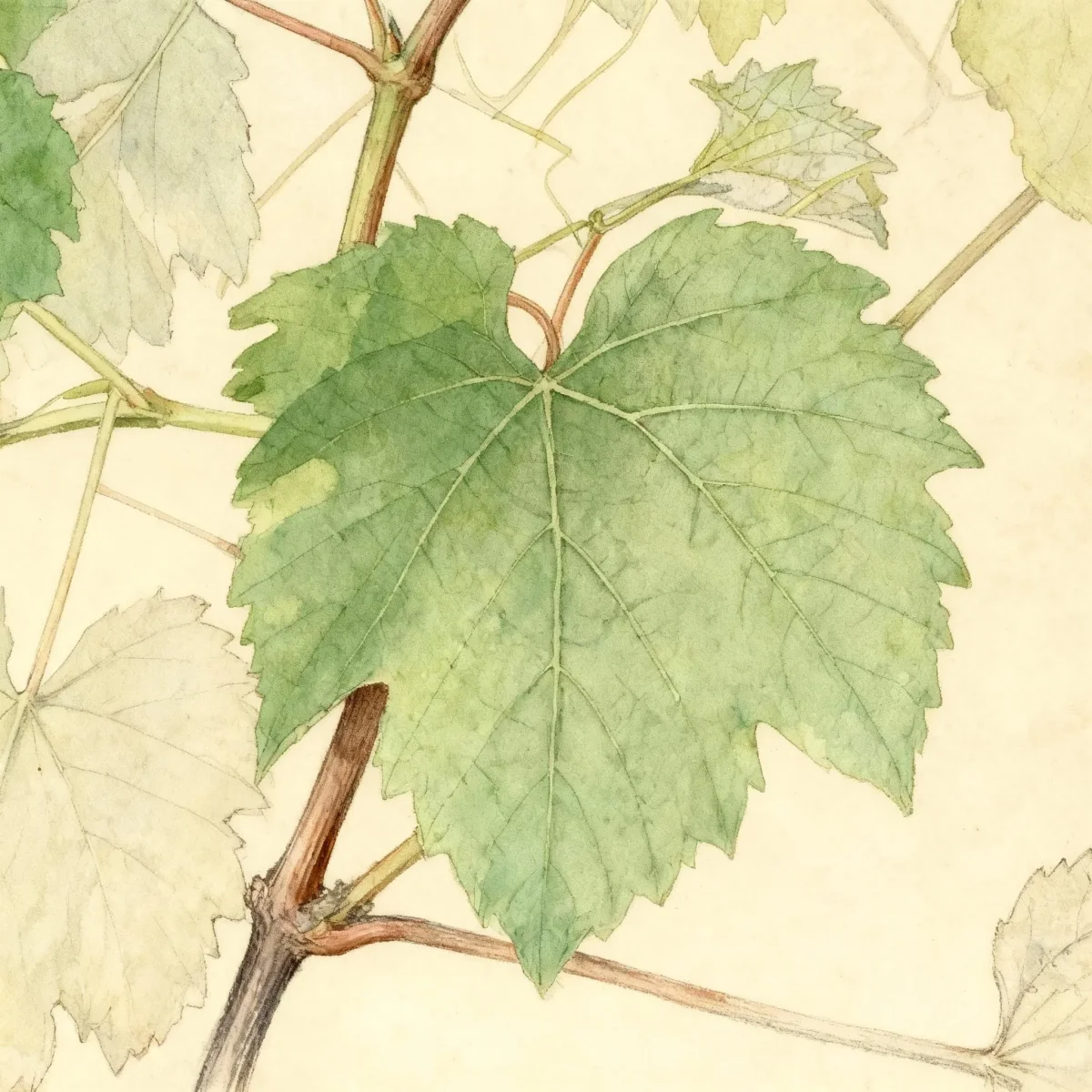
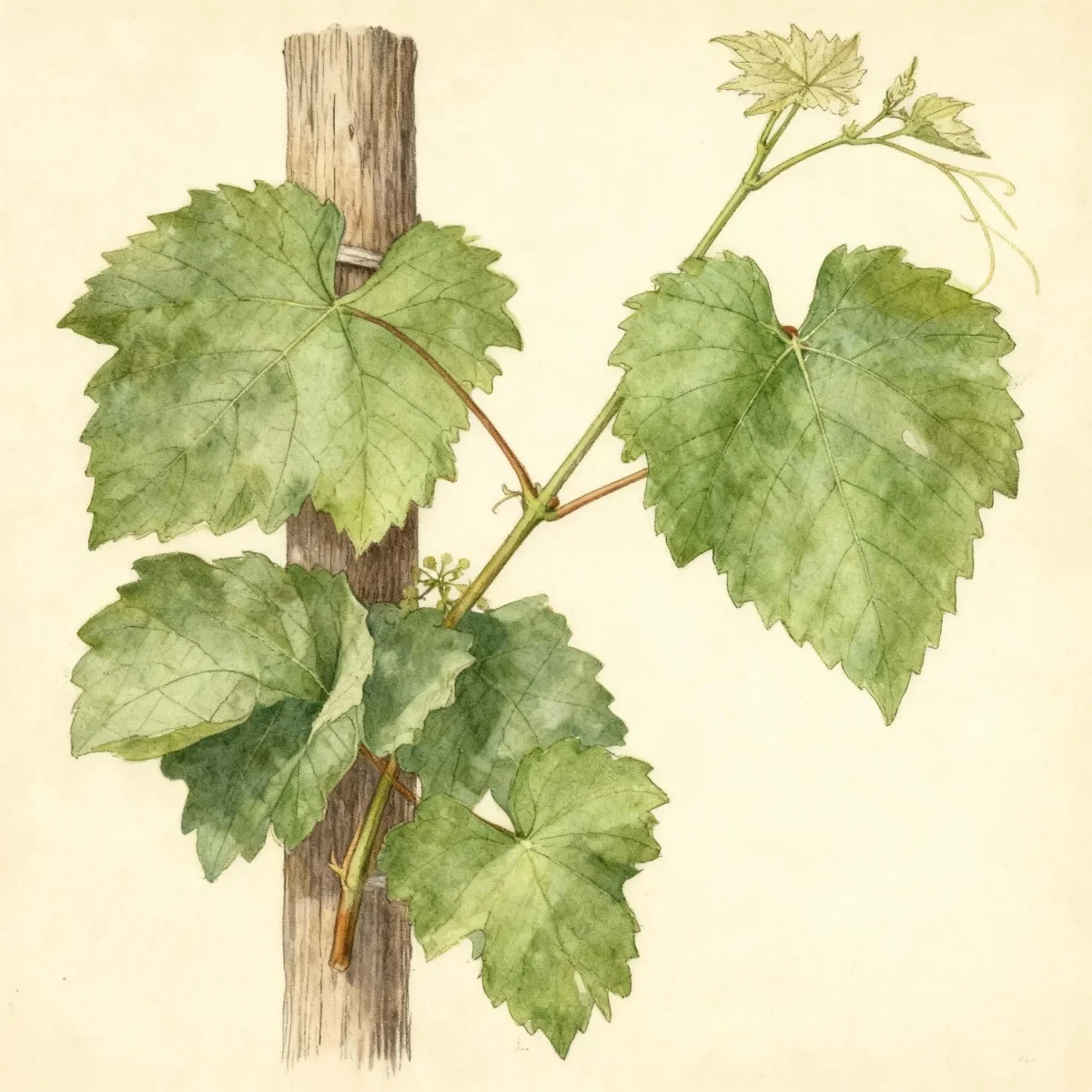
The Grape offers significant ornamental value beyond its primary function as a fruit producer. Its bold, deeply lobed summer foliage provides effective screening and dense cover when trained over sturdy structures like pergolas, arbors, or thick fences. The shaggy, shredding bark of mature trunks adds excellent winter interest.
When incorporated into hardscaping, this vine can beautifully soften walls or create cooling shaded areas over walkways. While grown primarily for edibles, the clusters of blue grapes also offer late-season visual appeal before they are harvested or consumed by wildlife. Consider weaving woody vines into rustic, decorative elements in the garden.
Standout Features
Flower Qualities
- Fragrant
- Insignificant
Fruit Qualities
- Showy
- Edible
Noteworthy Characteristics
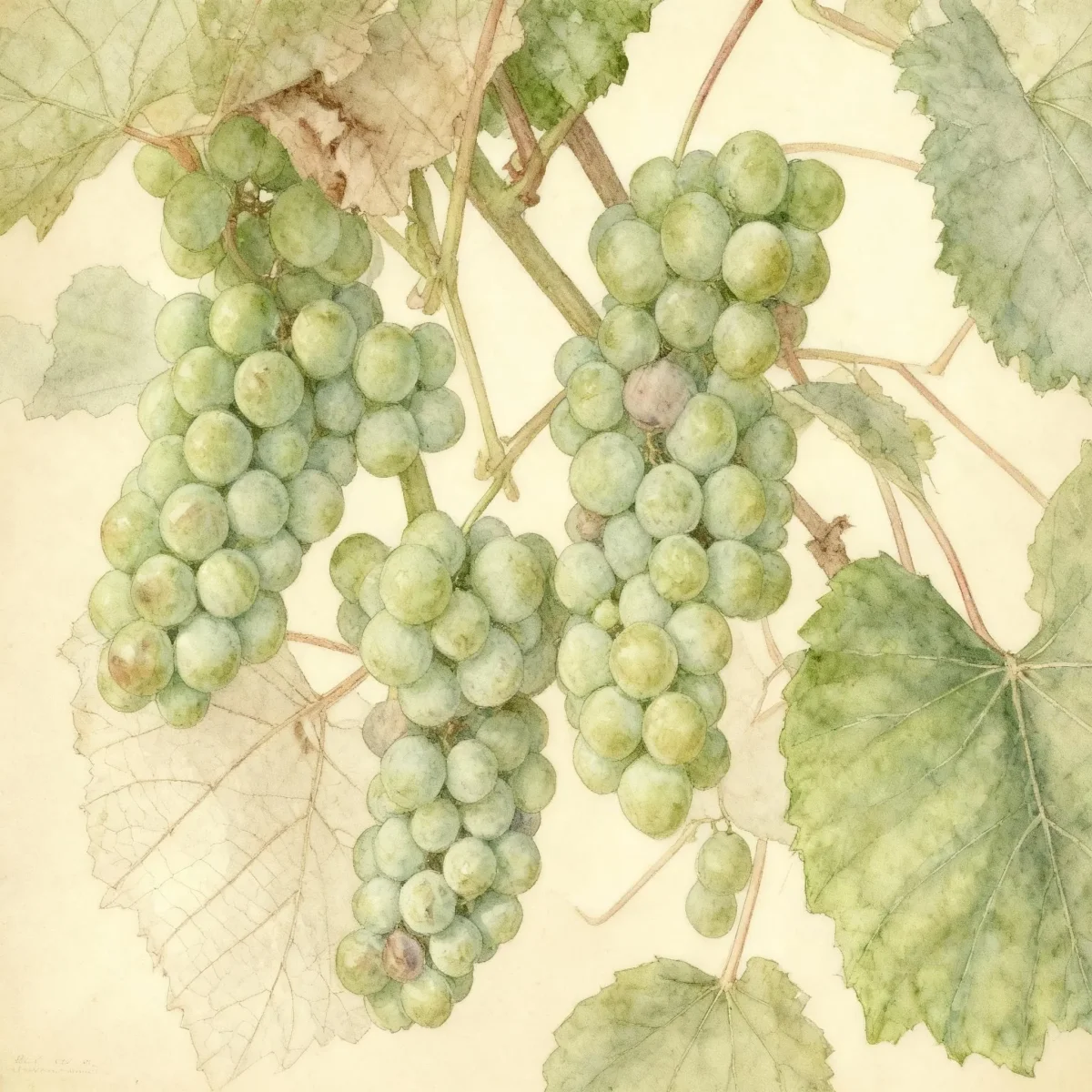
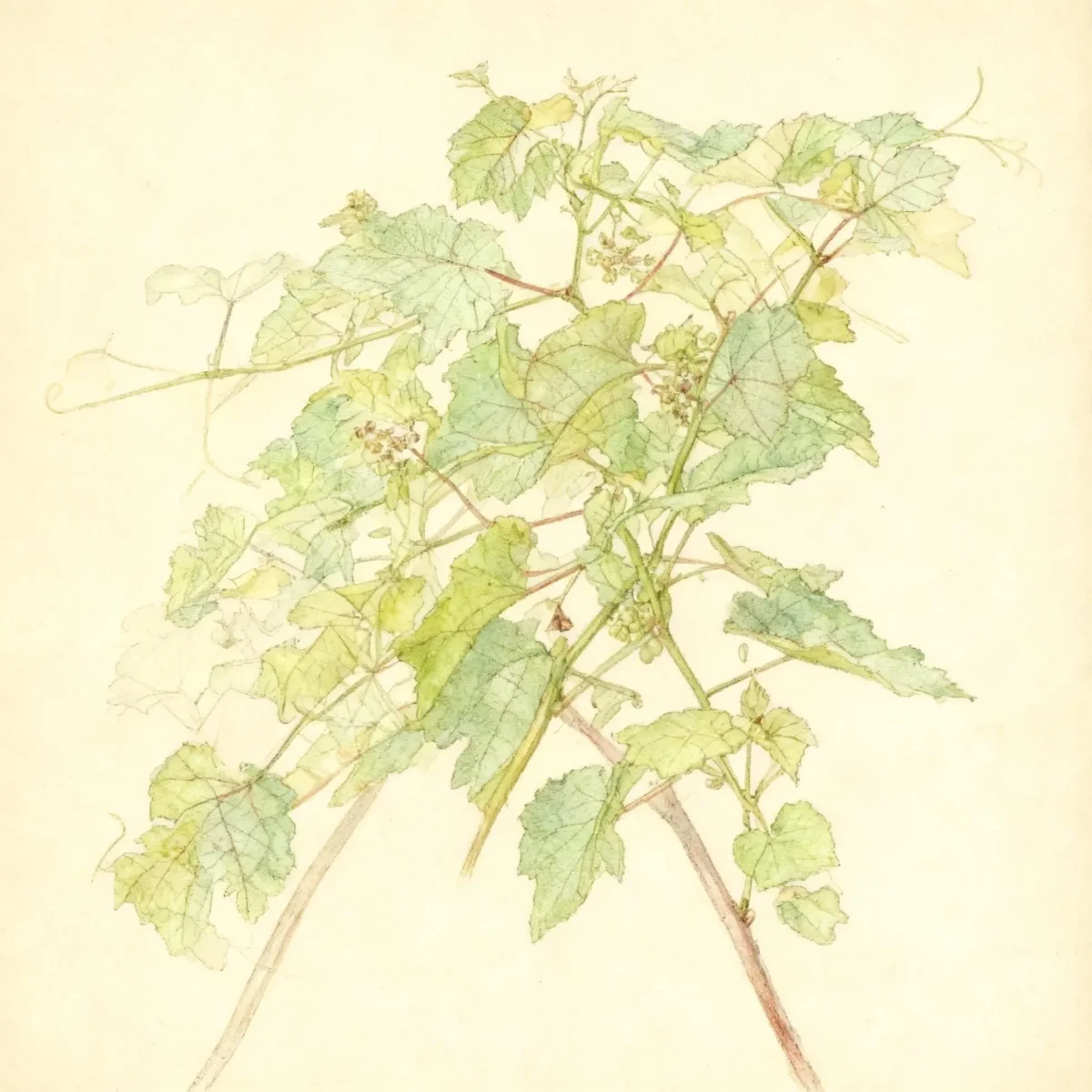
Vitis labrusca, commonly known as fox grape, is a woody, deciduous vine native to eastern North American woodlands. The cultivar ‘Valiant’ is a seeded American hybrid that grows to about 15-20 feet tall, featuring panicles of fragrant, greenish flowers in spring followed by clusters of small, blue, seeded grapes ripening in the early season. These grapes are noted for their slipskins and distinct “foxy” aroma, making them particularly good for processing into juices, jams, and jellies.
Tolerances
- Rabbit
- Deer
Potential Problems
Vitis ‘Valiant’ is classified as a high-maintenance plant, largely due to its susceptibility to various diseases and pests, especially in humid summers. Common diseases include downy mildew, powdery mildew, and black rot, requiring regular, proactive fungicide treatments. Insect threats range from phylloxera to the grape berry moth.
Management must focus on prevention through rigorous cultural control; ensure exceptional air circulation via correct pruning angles and use recommended pesticide treatments when necessary. Birds are notorious pests that actively target ripe fruit, often requiring netting over clusters to protect your harvest from this major vertebrate threat.
Frequently Asked Questions
What hardiness zones is Grape suitable for?
The Vitis ‘Valiant’ Grape variety is reliably hardy in USDA Zones 5 through 8, allowing it to withstand relatively severe winter conditions.
How large does the Vitis ‘Valiant’ typically grow?
This woody vine usually matures to a height between 15 and 20 feet, with a similar spread of 15 to 20 feet if allowed to climb without severe height restriction.
What sun exposure does Grape need for best results?
For optimal fruit development and sweetness, the Vitis ‘Valiant’ requires full sun exposure throughout the growing season.
When does Grape bloom?
The greenish flowers of this Grape variety typically appear from May to June, sometimes noted for their fragrance.
Conclusion
The Vitis ‘Valiant’ Grape stands out as a hardy, productive member of the Vitaceae family, offering gardeners manageable fruit even in colder climates where other varieties might struggle. By committing to the high maintenance requirements—support, pruning, and pest management—you can enjoy the signature flavor of this Vitis cultivar. Confirm your location falls within USDA Zones 5-8 and plan for adequate structural support before planting your own Grape vine this coming spring.
Companion Planting for Vitis ‘Valiant’
Choosing appropriate companion plants is vital for success with high-maintenance crops like Vitis ‘Valiant’. Since grapes require excellent drainage and full sun, pair them with lower-growing herbs or drought-tolerant perennials that do not compete heavily for nutrients in the root zone, such as lavender or creeping thyme, which can stabilize the soil near the base.
Avoid planting highly susceptible vegetable crops directly beneath the canopy, as shading can encourage fungal pressure close to the vine’s trunk. Strategic companion planting can also help deter pests; intensely aromatic herbs like dill or specific varieties of nasturtiums are sometimes used near fruit vines to confuse insect pests.
Seasonal Care Calendar Highlights
Spring is critical for this Grape; monitor anxiously for late frosts capable of damaging tender new shoots, which is a noted problem for Vitis ‘Valiant’. This is the time for initial, foundational pruning to establish the permanent cordon or cane structure. As summer progresses, increase vigilance against mildew and begin netting fruit clusters as they swell to deter birds.
By late summer and early autumn, focus shifts to harvest anticipation. Ensure continued adequate water to plump the fruit clusters. Once harvested, the focus moves to winter preparation; any corrective pruning should be completed after dormancy sets in, ensuring the vine is structurally sound before heavy snow or freezing winds arrive in zones 5-8.