Yellowhorn (Xanthoceras sorbifolium)
Yellowhorn (Xanthoceras sorbifolium) is a tough, adaptable Chinese native offering showy white spring flowers and low maintenance for USDA Zones 4-7.
Scroll down to discover growing tips, care requirements, companion plants, and more
Complete Plant Information
Overview
The Yellowhorn, or Xanthoceras sorbifolium, is a wonderfully adaptable deciduous plant native to Northern China, valued for its handsome foliage and striking spring floral display. It can mature as a small tree or a multi-stemmed shrub, offering flexibility in landscape design. Gardeners appreciate this species for its low maintenance needs and tolerance for various conditions once established.
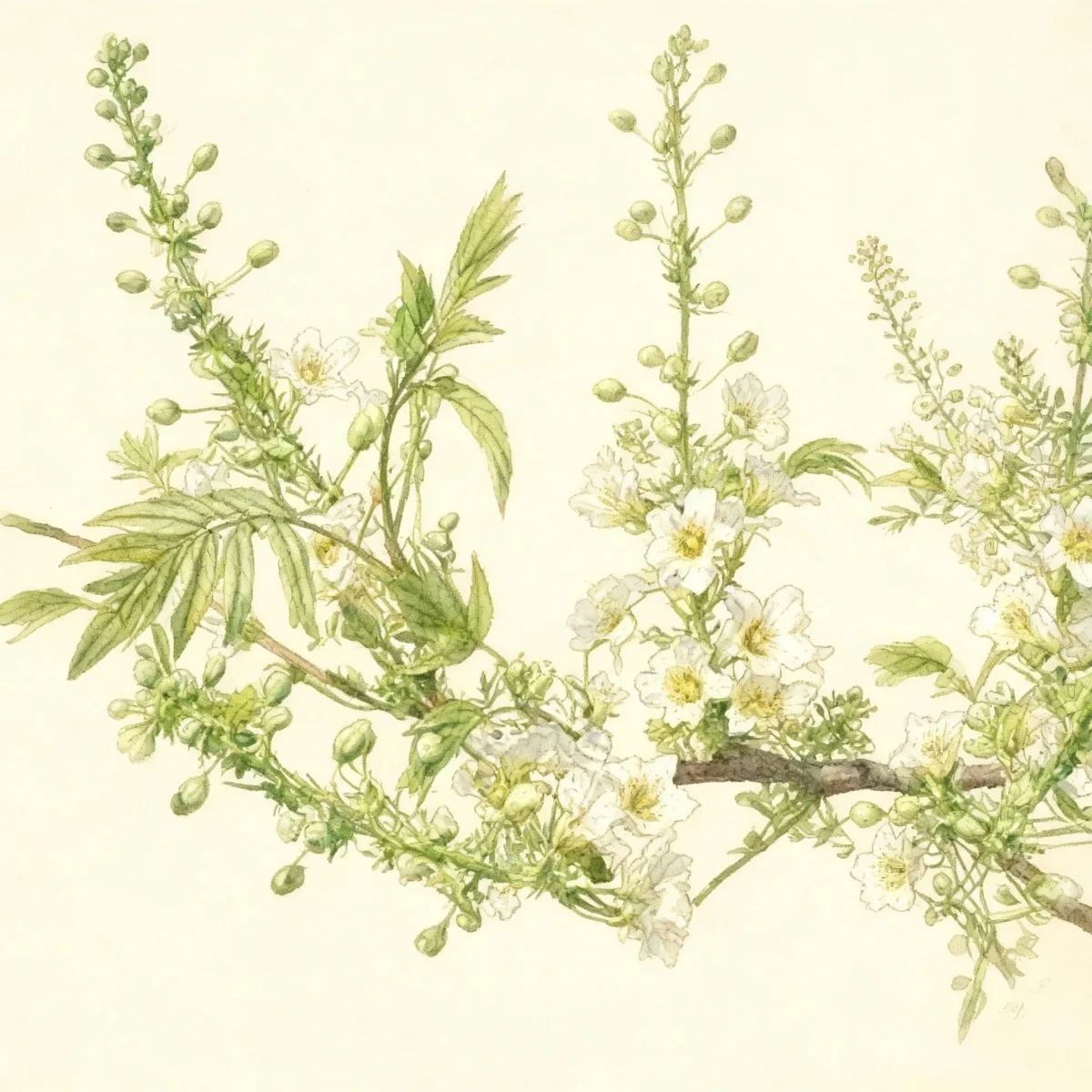
Xanthoceras sorbifolium produces clusters of star-shaped white flowers in May, each boasting a distinct red or yellow center, adding significant vertical interest to the spring garden. Following the bloom, attractive green fruits develop, providing seasonal texture until fall. This plant is a sturdy specimen for those seeking reliable performance with minimal fuss.
The common name, Yellowhorn, references the yellow, horn-like growths found between the petals—a subtle but beautiful detail. This species offers lustrous green leaves that hold their color late into the season, making the Yellowhorn a solid performer for structural planting.
Fast Facts
- Plant Family: Sapindaceae
- Plant Type: Deciduous shrub
- Native Range: Northern China
- Hardiness Zones: USDA Zones 4-7
- Size at Maturity:
- Height: 8-25 ft
- Spread: 10-25 ft
- Bloom Time: May
- Bloom Description: White with red or yellow center
- Sun Exposure: Full sun
- Water Needs: Medium
- Maintenance Level: Low
How to Grow
The Yellowhorn is described as easily grown, making it suitable for many settings. Aim to plant in the spring or fall in average, medium, well-drained soil. This species particularly prefers loamy soil conditions for optimal growth. Ensure the selected location provides full sun exposure, as this maximizes flowering potential, though Xanthoceras sorbifolium shows tolerance for partial shade.
Water needs are medium; establish a consistent watering schedule during the first year to help the root system develop strongly. Once mature, the species exhibits notable drought tolerance, reducing the need for supplemental irrigation during dry spells. Fertilizing is generally unnecessary; minimal intervention keeps maintenance levels low.
Pruning should focus primarily on removing any crossing or damaged branches to maintain the desired structure, whether you are training it as a specimen tree or maintaining its shrub form. Because this plant is highly adaptable, it can handle a range of growing conditions, including slightly damp soils, though excellent drainage remains key to long-term health.
Landscape Uses
The Xanthoceras sorbifolium serves excellently as a small flowering tree or specimen shrub where its visual impact can be fully appreciated. Its long-lasting green foliage provides a sturdy backdrop throughout the growing season, making it ideal for placement near patios or home foundations where its seasonal blooms can be observed closely.
Use the Yellowhorn as a focal point near entryways or within the lawn area to showcase its form. It also functions effectively near the shrub border or as a dramatic background element positioned in front of less ornamental spring-flowering perennials. Its adaptability suggests it can integrate well into mixed shrub borders needing structural height.
Standout Features
Flower Qualities
- Showy
- Good Cut
Fruit Qualities
- Showy
Noteworthy Characteristics
Xanthoceras sorbifolium, commonly called yellowhorn, is a deciduous, flowering tree (20-25’ tall) or multi-stemmed shrub (8-10’ tall) which is a native of China. Features lustrous, compound green leaves with 9-17 leaflets which persist late into the fall and five petaled, 1 inch diameter, star-shaped, white flowers with yellow or red centers which appear in terminal racemes in May. Flowers are followed by 2.5” green fruits which superficially resemble buckeyes. Genus name comes from the Greek words xanthos meaning yellow and keras meaning a horn for the yellow hornlike growths between the petals.
Tolerances
- Drought
Potential Problems
This plant presents very few horticultural issues, boasting no serious disease or insect problems reported for Xanthoceras sorbifolium. This low incidence of pests and pathogens contributes significantly to its reputation as a low-maintenance landscape addition. Gardeners should monitor for standard environmental stress, such as overly compacted or poorly drained soil, rather than worrying about specific insect infestations.
Frequently Asked Questions
What hardiness zones is Yellowhorn suitable for?
The Yellowhorn is reliably hardy across USDA Zones 4 through 7, making it a versatile choice for many temperate regions across North America.
How large does Xanthoceras sorbifolium grow?
This plant exhibits variable mature sizes, typically reaching heights between 8 and 25 feet, with a corresponding spread ranging from 10 to 25 feet wide.
When does Yellowhorn bloom?
Xanthoceras sorbifolium produces its attractive flowers in May, featuring white petals accented with a distinctive red or yellow center.
What sun exposure does Yellowhorn need?
For the best performance and most robust blooming, the Yellowhorn should be situated in a location receiving full sun.
Conclusion
The Xanthoceras sorbifolium provides exceptional value, combining rugged tolerance with beautiful, seasonally distinct blooms and reliable foliage mass. If seeking a durable, somewhat unusual specimen tree or shrub, the Yellowhorn is an excellent selection. Before planting, confirm that your site’s USDA hardiness zone falls between 4 and 7 to ensure success with this adaptable Chinese native.
Companion Planting
When integrating the Yellowhorn into a mixed border, consider pairing it with plants that share its preference for full sun and well-drained soil. Spring-flowering bulbs like Daffodils (Narcissus) or Tulips can precede its bloom, offering early color before the shrub takes center stage. Alternatively, late-season perennials that thrive in medium moisture can follow, capitalizing on the structural presence of the Xanthoceras sorbifolium foliage.
For a cohesive look, select companion shrubs that offer contrasting foliage texture, such as fine-textured evergreens or deciduous plants with distinct leaf shapes. Since the Yellowhorn is noted for its low maintenance, avoid neighbors that require heavy summer watering or frequent deadheading, maintaining the overall ease of care for the planting area.
Seasonal Care Calendar
Spring is the primary development time for Xanthoceras sorbifolium. Ensure plants receive moderate water as they break dormancy and begin leafing out. This is the best time to observe the May bloom and identify any structural issues needing light pruning after flowering concludes.
Summer care focuses on monitoring moisture, especially during extended dry periods, utilizing the plant’s drought tolerance as a backup rather than a primary strategy. Because maintenance is low, suppress weeds around the base but avoid deep cultivation that might damage the roots of this mature specimen. Minimal attention is usually required until late fall cleanup.