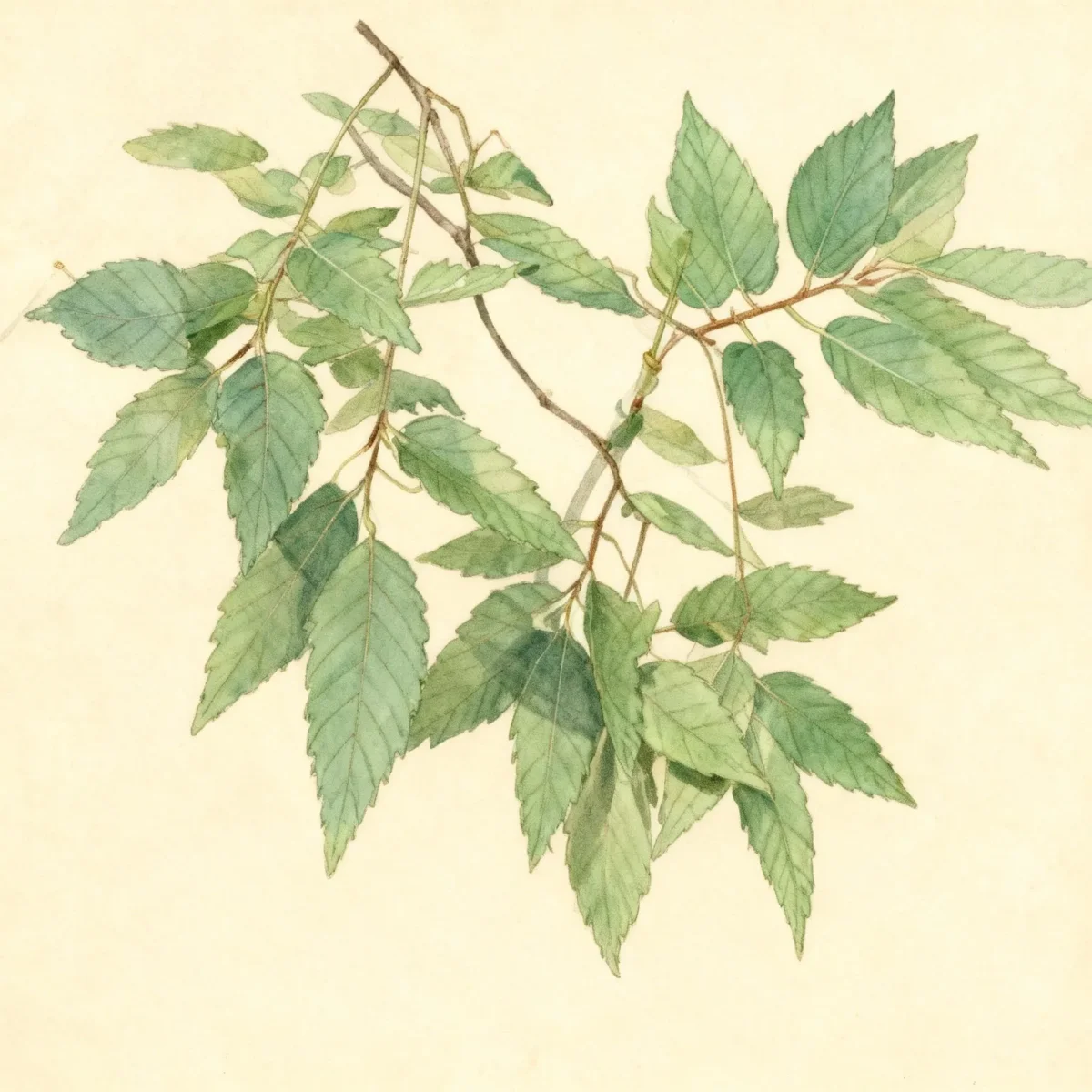
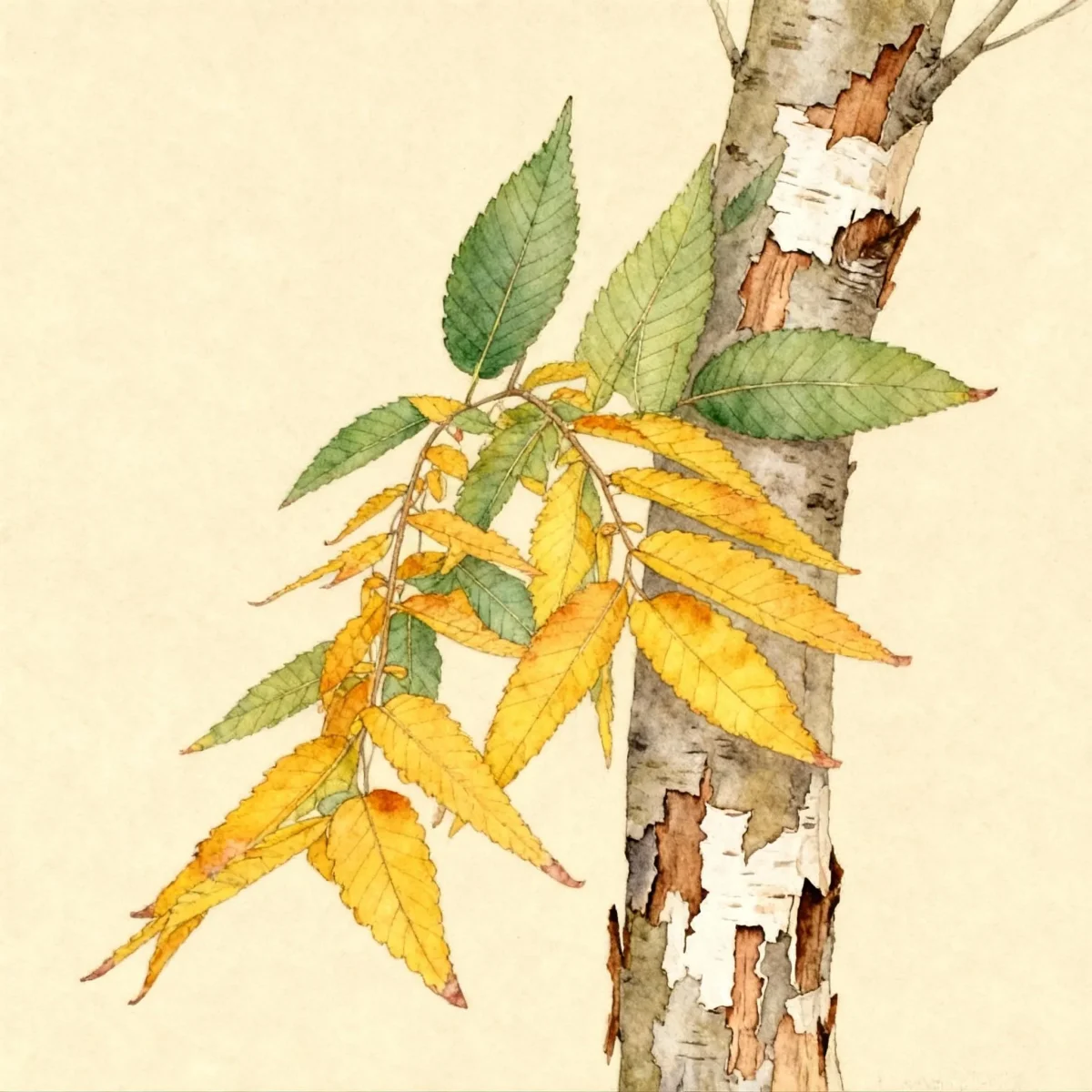
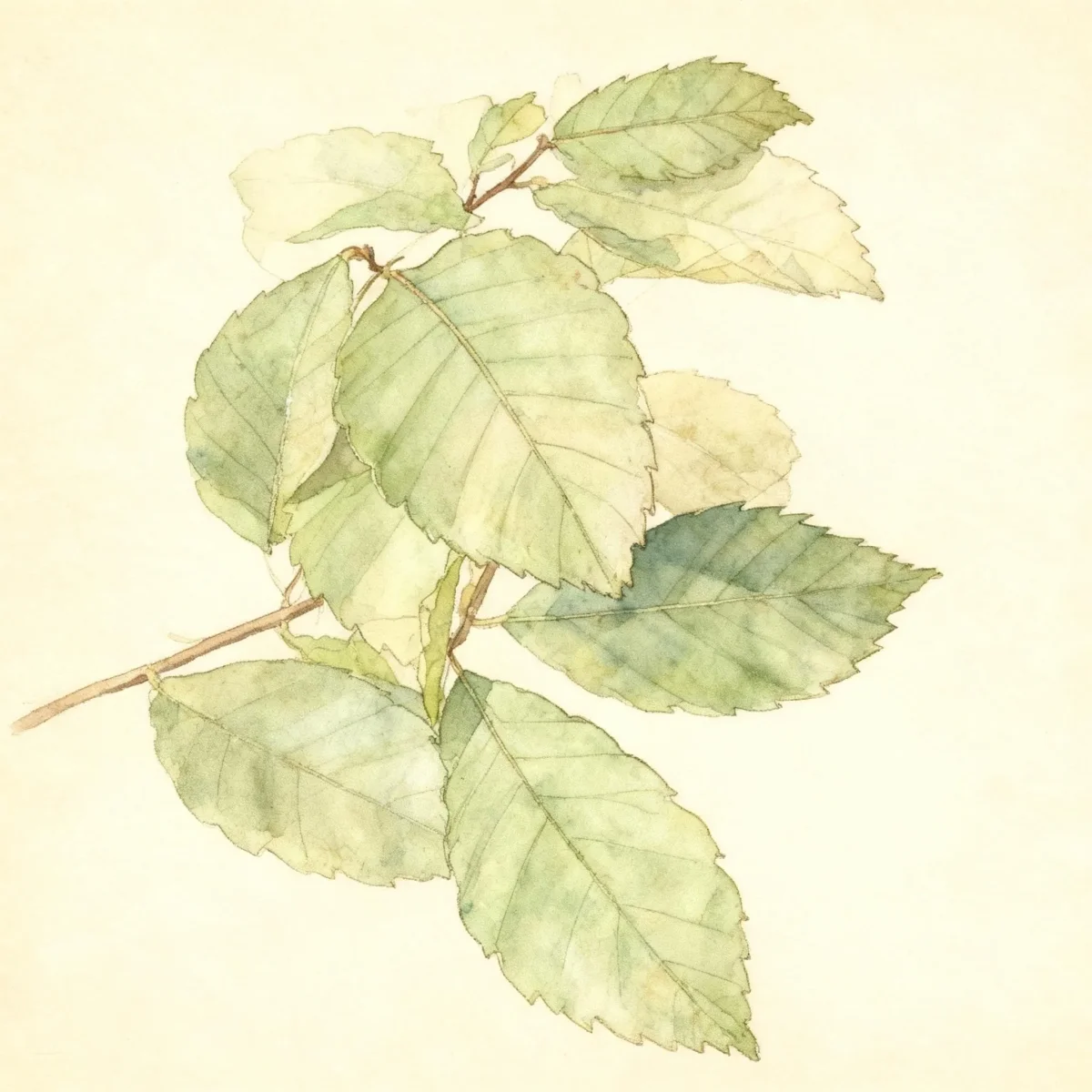
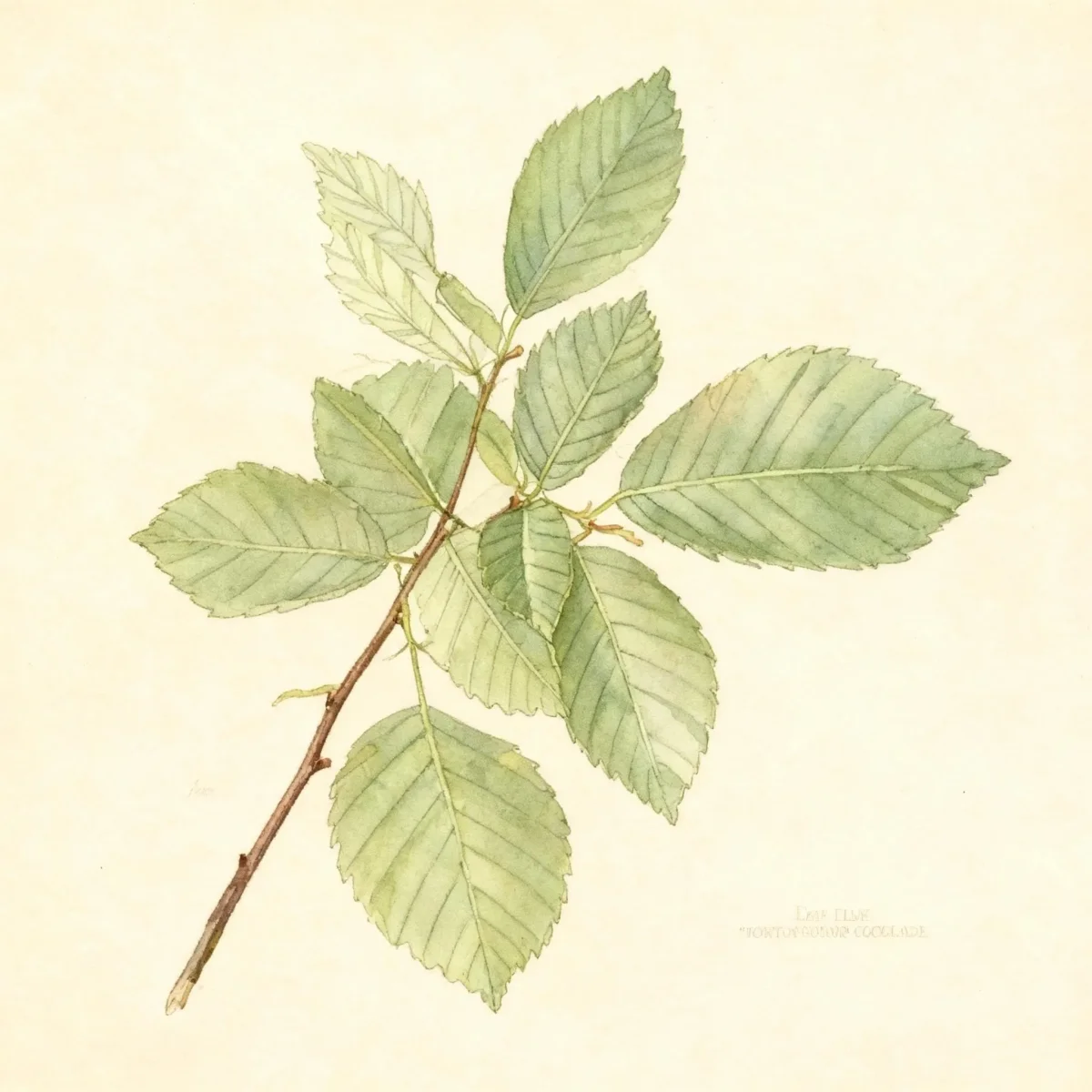
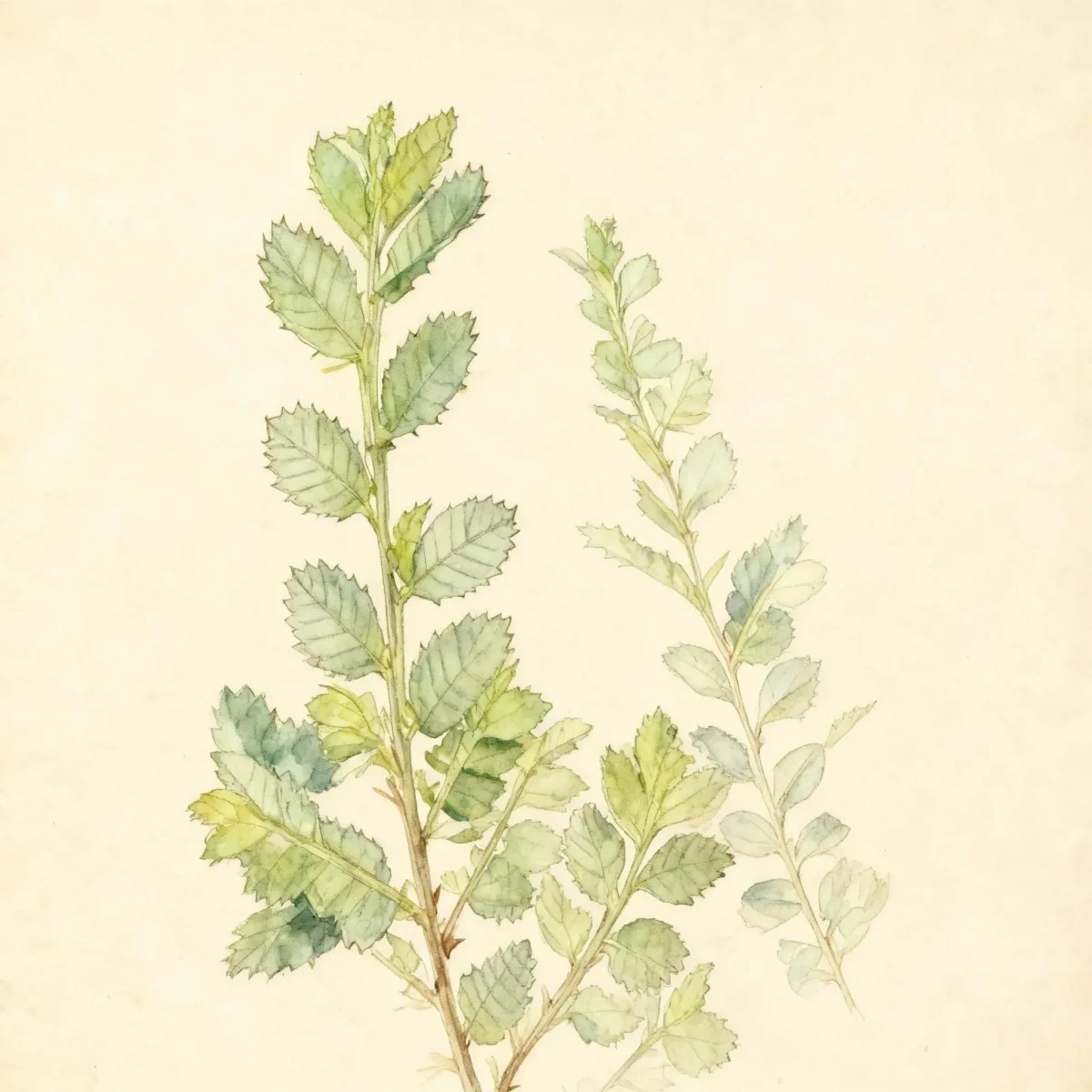
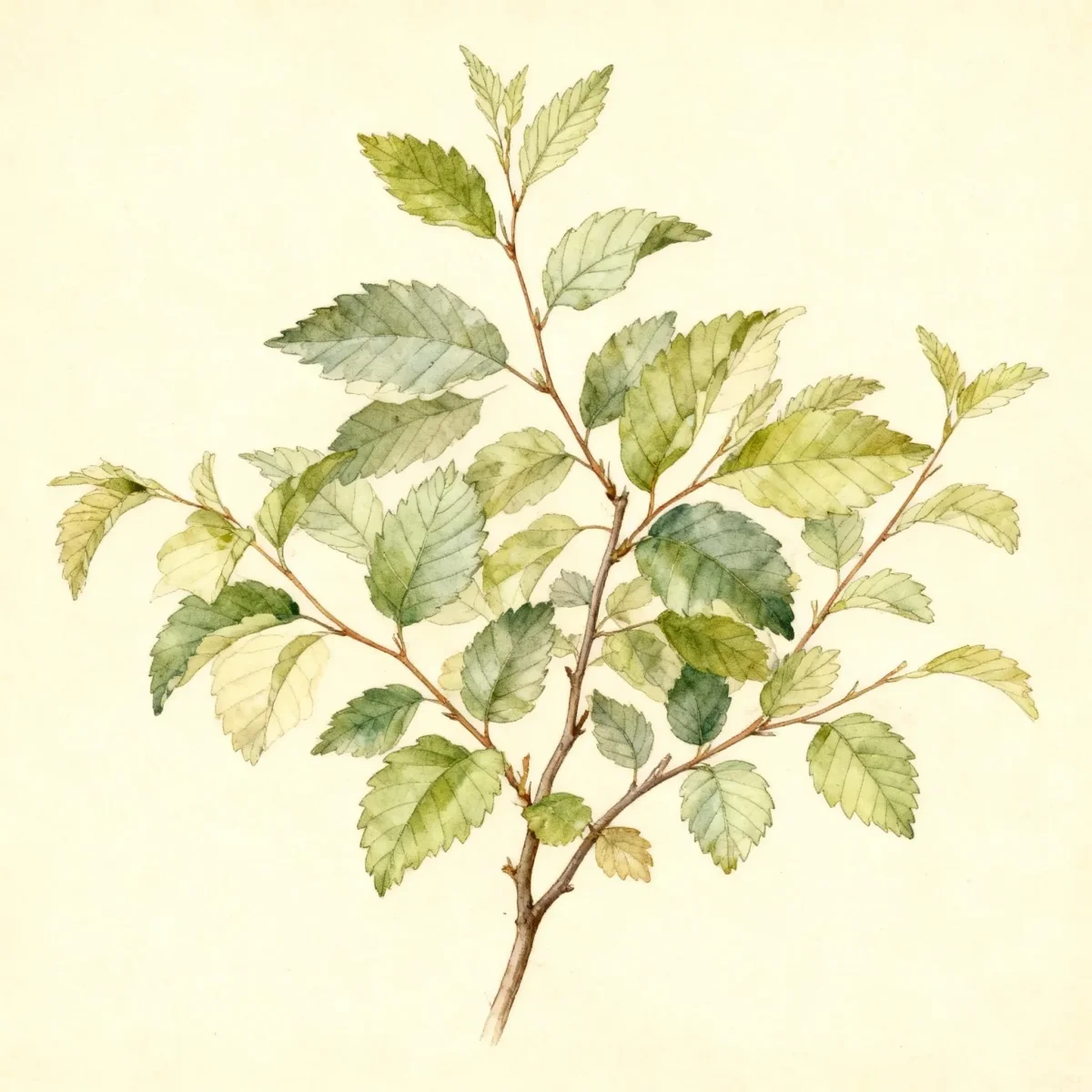
Japanese zelkova (Zelkova serrata 'Village Green')
Zelkova serrata 'Village Green', the Japanese zelkova, is a superior, disease-resistant deciduous tree ideal for shade.
Scroll down to discover growing tips, care requirements, companion plants, and more
Complete Plant Information
Overview
The Japanese zelkova, specifically the cultivar Zelkova serrata ‘Village Green’, stands out as an exceptional shade tree, often replacing the American elm due to its impressive resistance to Dutch elm disease. This medium to large deciduous tree develops a gracefully spreading, vase-shaped crown supported by straight trunks, making it a strong structural anchor in any landscape design. Gardeners prize Zelkova serrata ‘Village Green’ for its clean foliage, attractive exfoliating bark, and generally low maintenance profile once established.
Originating from Japan, Taiwan, and Eastern China, this stately tree offers significant shade and aesthetic value. Its commitment to disease resistance, coupled with its defined upright vase shape, ensures that Zelkova serrata ‘Village Green’ remains a highly functional and beautiful specimen for decades. It adapts well to various urban stresses, making it a reliable choice beyond the traditional garden setting.
Fast Facts
- Plant Family: Ulmaceae
- Plant Type: Tree
- Hardiness Zones: USDA Zones 5-8
- Size at Maturity:
- Height: 40-60 ft
- Spread: 30-50 ft
- Bloom Time: March to April
- Bloom Description: Green
- Sun Exposure: Full sun
- Water Needs: Medium
- Maintenance Level: Low
How to Grow
Plant Japanese zelkova in the spring or fall to allow it time to establish its root system before facing extreme summer heat or winter cold. It thrives in average soils, provided they are medium wet and well-drained; however, for optimal vigor, aim for rich, moist loams. Full sun exposure is essential for achieving dense foliage and strong wood structure. Amending the planting area moderately is beneficial, though established trees show good tolerance to drought.
Watering should be consistent during the first few growing seasons to encourage deep rooting. Once established, overhead watering can be reduced significantly, as established Japanese zelkova possess moderate drought tolerance. Fertilize sparingly, focusing on slow-release formulations if soil tests indicate severe deficiencies, but generally, little added nutrition is required for this vigorous grower.
Pruning needs are minimal, typically limited to removing broken or crossing branches in the dormant season to maintain that characteristic upright, vase-shaped form. Because the cultivar Zelkova serrata ‘Village Green’ is noted for its smooth trunks and straight growth habit, structural pruning is less intensive than with some species trees. Its tolerance for urban conditions means it handles atmospheric pollutants well but still benefits from protection against severe soil compaction.
Landscape Uses
The primary role of Japanese zelkova in the landscape is providing substantial overhead canopy. Its upright, vase-shaped form makes it an excellent specimen for casting broad shade across lawns or patios, providing relief during hot summers. This trait makes it highly recommended both as a classic shade tree in residential yards and as a street tree where overhead clearance permits.
Due to its resistance to Dutch elm disease and its generally clean habits, it serves as a magnificent replacement for American elms in avenues or large park settings. While its size naturally minimizes its use near small structures, it pairs well with understory plantings that tolerate partial shade once the canopy develops, such as shade-tolerant shrubs or large perennial borders placed well outside the root zone.
Standout Features
Flower Qualities
- Insignificant
Noteworthy Characteristics
Zelkova serrata, commonly called Japanese zelkova, is a medium to large deciduous tree, typically growing to 50-80’ tall with a spreading, generally upward-branching, vase-shaped crown. It is native to Japan, Taiwan and eastern China. It is noted for its graceful shape, clean foliage, attractive bark and resistance to Dutch elm disease. Zelkova has in fact been promoted in recent years as a substitute for American elm (Ulmus americana) because of its resistance to Dutch elm disease. The cultivar ‘Village Green’ is particularly valued for its rapid growth, straight trunks, upright vase shape, dark green foliage, and good resistance to common pests.
Tolerances
- Air Pollution
Potential Problems
This tree boasts a very favorable pest and disease resistance profile, most notably its high resistance to devastating Dutch elm disease. However, gardeners should remain aware of potential, though usually minor, issues. Phloem necrosis, wilts, and cankers can occasionally affect the tree, especially under severe stress. During hot and dry summer periods, the tree can occasionally suffer population spikes of spider mites. Monitoring new growth for signs of leaf miner activity or scale insects is sound practice, though serious infestations are rare for Zelkova serrata ‘Village Green’.
Frequently Asked Questions
What hardiness zones is Japanese zelkova suitable for?
Japanese zelkova, including the ‘Village Green’ cultivar, is reliably hardy in USDA Zones 5 through 8.
How large does Japanese zelkova grow?
Mature specimens typically reach a height between 40 and 60 feet, with a corresponding spread ranging from 30 to 50 feet wide.
What sun exposure does Japanese zelkova need?
This tree requires full sun to achieve its best form and coloration, generally defined as six or more hours of direct, unfiltered sunlight daily.
When does Japanese zelkova bloom?
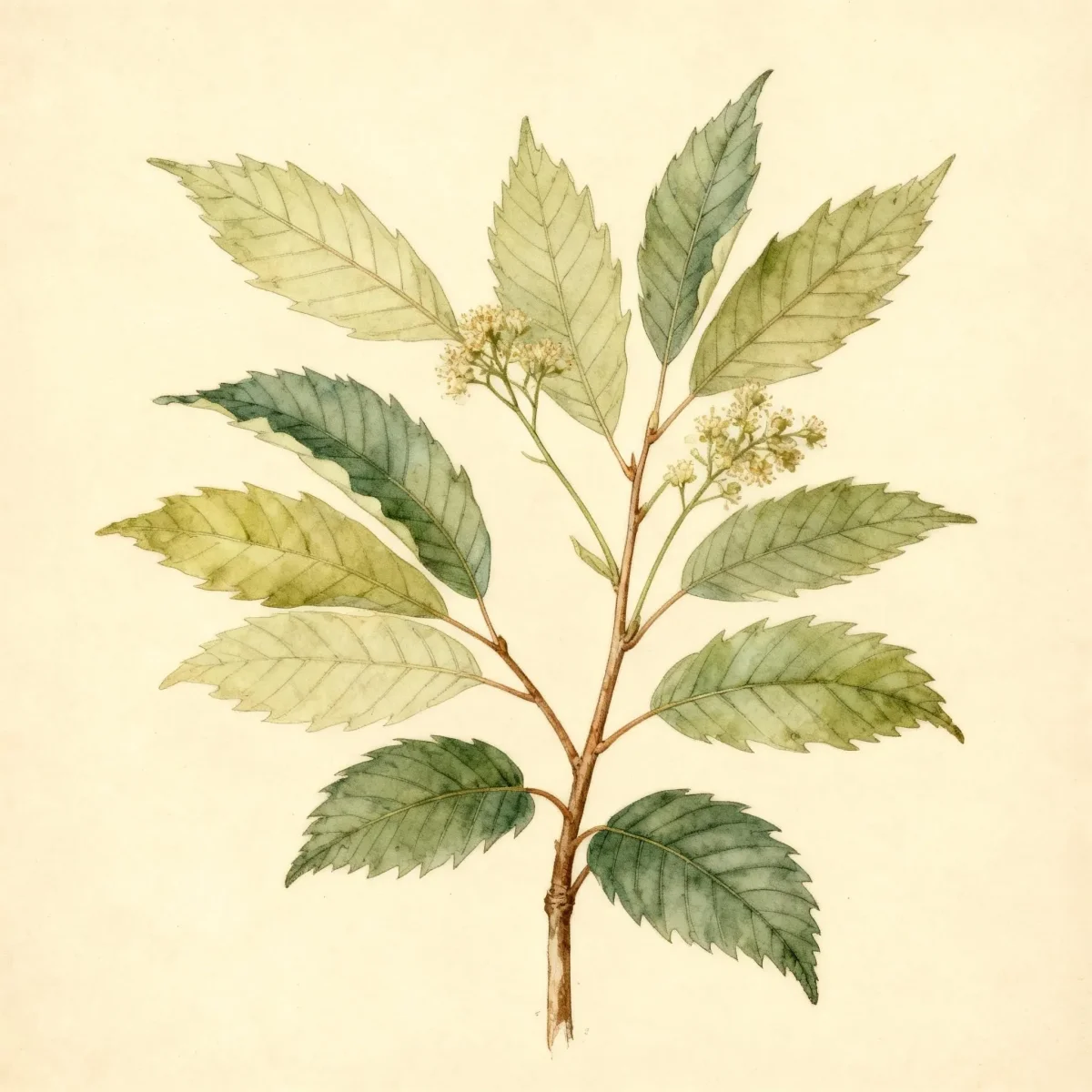
The tree produces small, green, insignificant flowers primarily during the early spring, usually between March and April, often as the foliage begins to emerge.
Conclusion
The Zelkova serrata ‘Village Green’ offers exceptional value as a robust, picturesque shade provider, combining the classic form of the American elm with superior disease resistance. Its low maintenance needs ensure that enjoying the handsome structure and changing fall color of the Japanese zelkova is straightforward for most property owners. Before planting, confirm your location falls within USDA Zones 5-8 and ensure adequate space for its 50-foot mature spread.
Design Ideas
When integrating Japanese zelkova into a large landscape, consider its impressive vertical growth and eventual canopy width. Because it forms such a dominant, upright silhouette, it works well as a central focal point in open fields or large park settings where its vase shape can be fully appreciated without being crowded by other large specimens. Planning for ultimate size is crucial, placing it well away from septic fields, utility lines, and building foundations.
For areas with high heat and pollution, the urban tolerance of Zelkova serrata ‘Village Green’ is a major asset. It can beautifully frame entryways or large plazas where other ornamental trees might struggle. In these urban settings, pair the tree with low-maintenance, tolerant groundcovers that won’t compete heavily for resources, such as tough ornamental grasses or native, tough perennials adapted to reflected heat.
Companion Planting
The cultural requirements for companion plants should mirror those of the Japanese zelkova: full sun, excellent drainage, and medium water needs during establishment. Spring flowering bulbs naturally fit well beneath the developing canopy, emerging before the elm-like leaves fully shade the ground. Once the tree matures, consider robust, disease-resistant shrubs like certain varieties of viburnum or columnar evergreens placed at the edge of the canopy drip line for year-round screening and structure.