Japanese zelkova (Zelkova serrata 'Village Green')
Is 'Village Green' Japanese zelkova right for your site? Learn about its mature size, planting needs, structural pruning, fall color, and potential problems.
Complete Plant Information
Interactive Detour
Keep exploring with a quick garden quiz
Japanese zelkova is easier to remember when you mix reading with a quick challenge. Try a related quiz, then jump back into the care guide.
Can You Identify These Common Garden Plants? Test Your Plant Knowledge
Think you know your roses from your peonies? Test your plant identification skills with our comprehensive garden plant quiz featuring 10 challenging questions.
Start quiz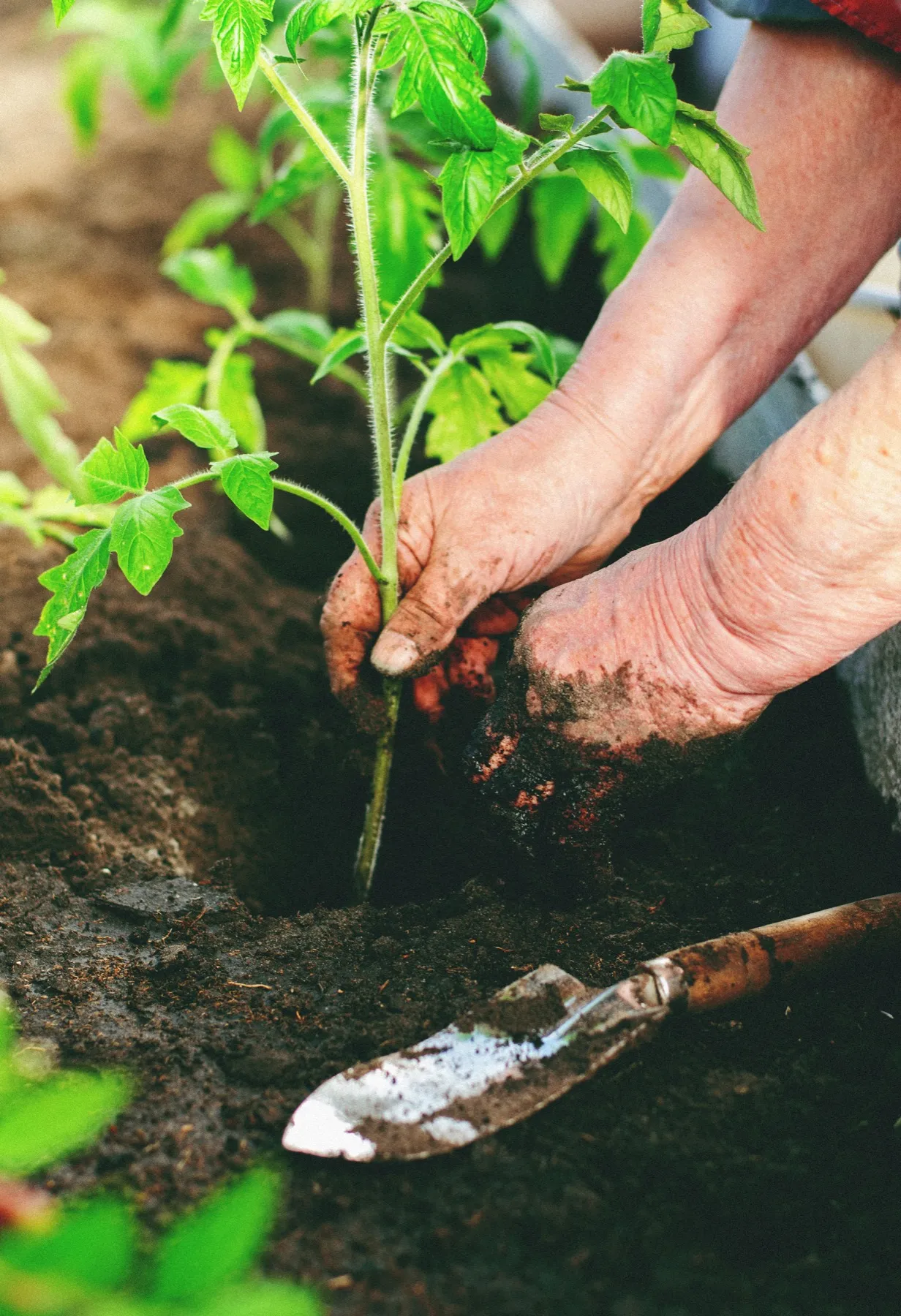
USDA Garden Zone Map Quiz
Use this USDA garden zone map quiz to check whether you can read hardiness zones and choose plants with more confidence.
Start quizBrowse the full quizzes section
Explore plant identification, zone strategy, and seasonal gardening challenges.
View all quizzesField Guide Continues
Ready for care notes, companion picks, and planting tips?
The map is just the start. The full guide below covers growth habits, seasonal performance, and landscape uses.
A Broad Shade Tree for Large Spaces
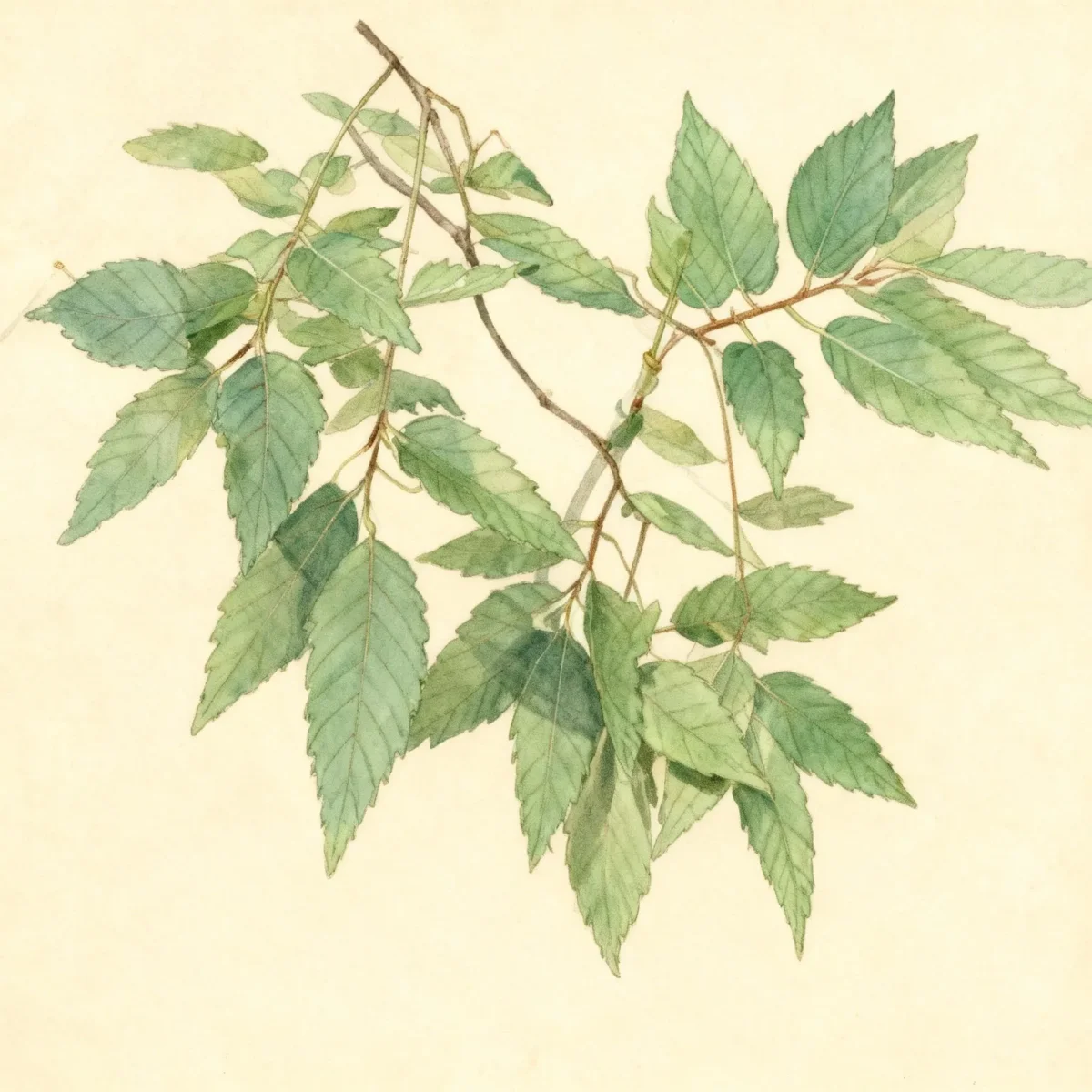
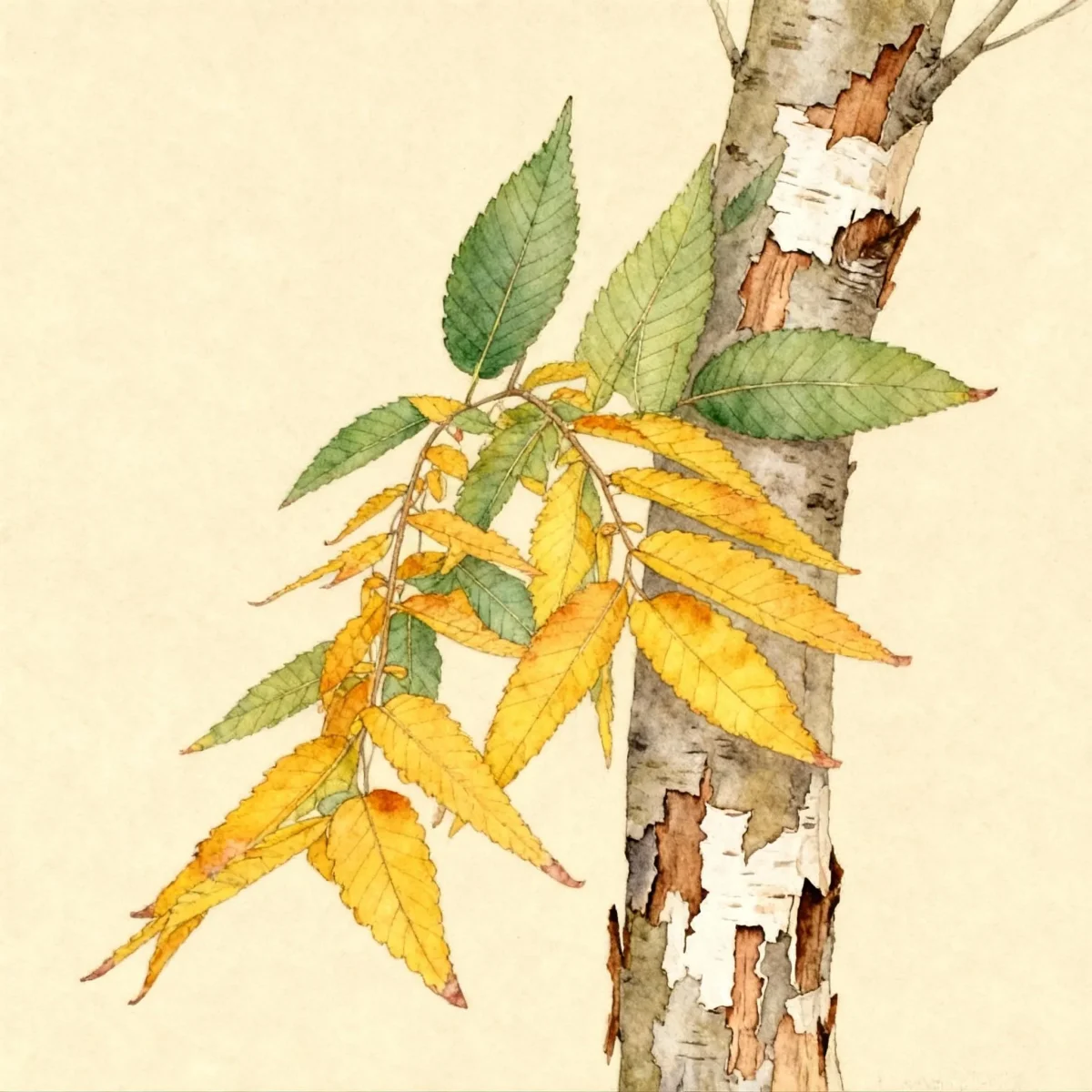
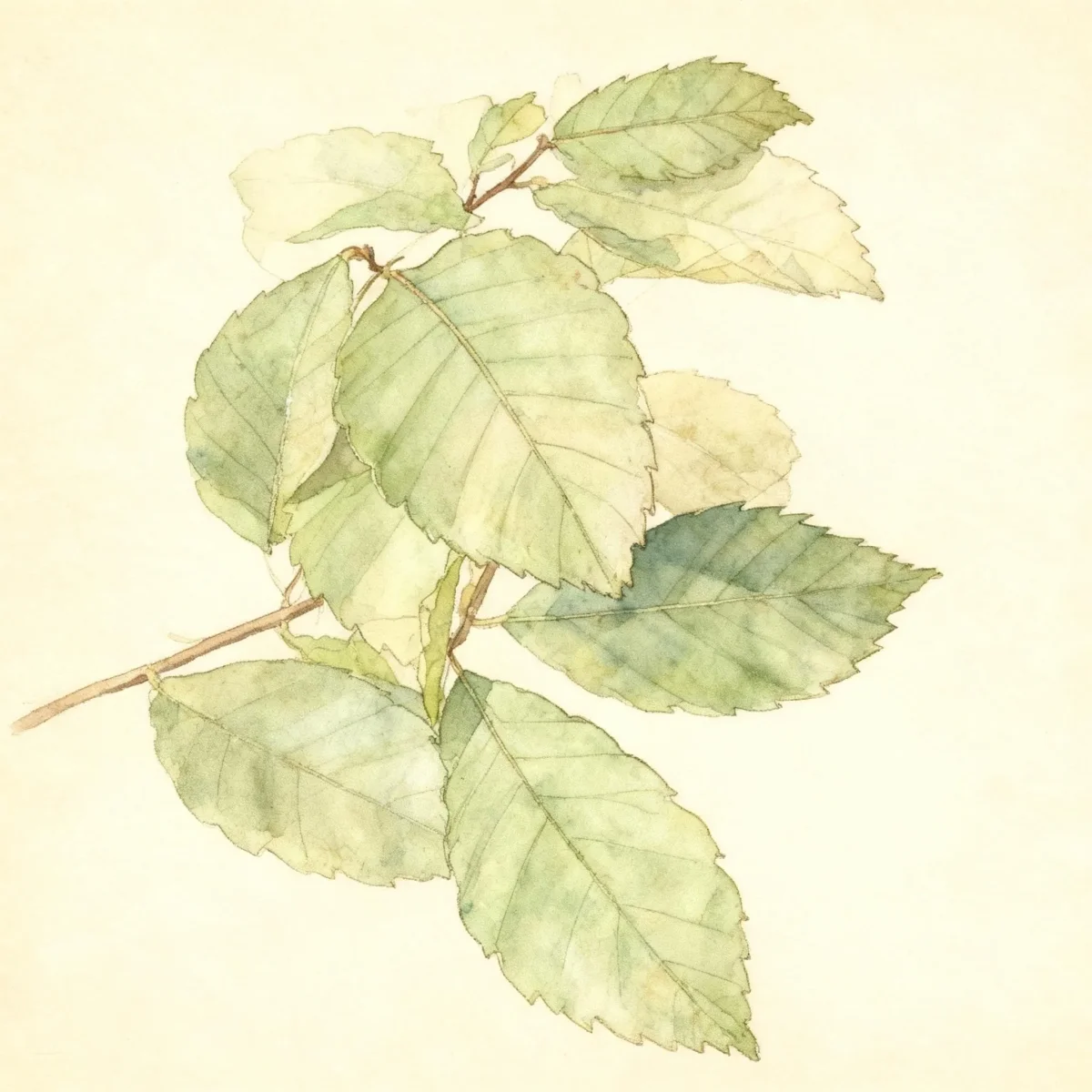
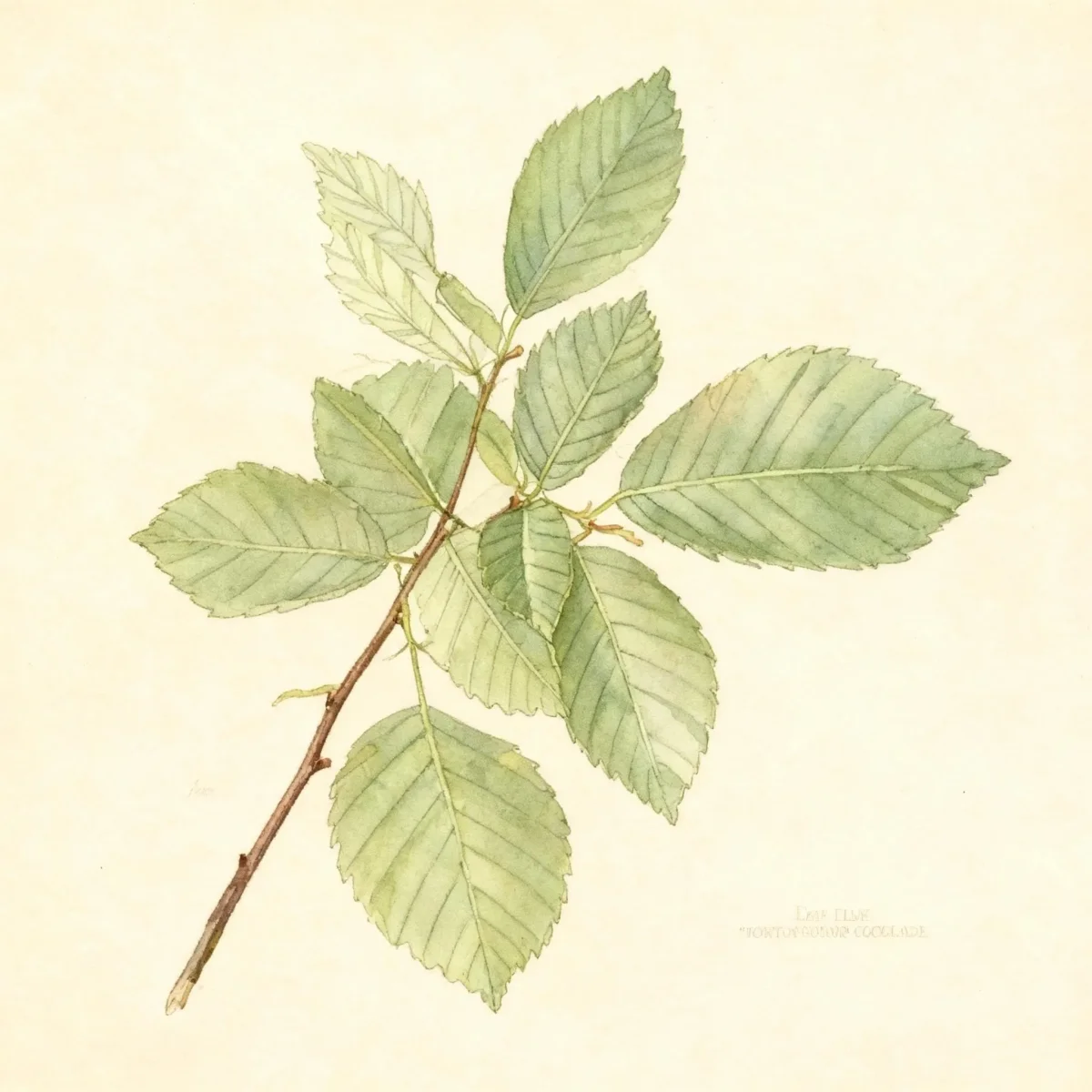
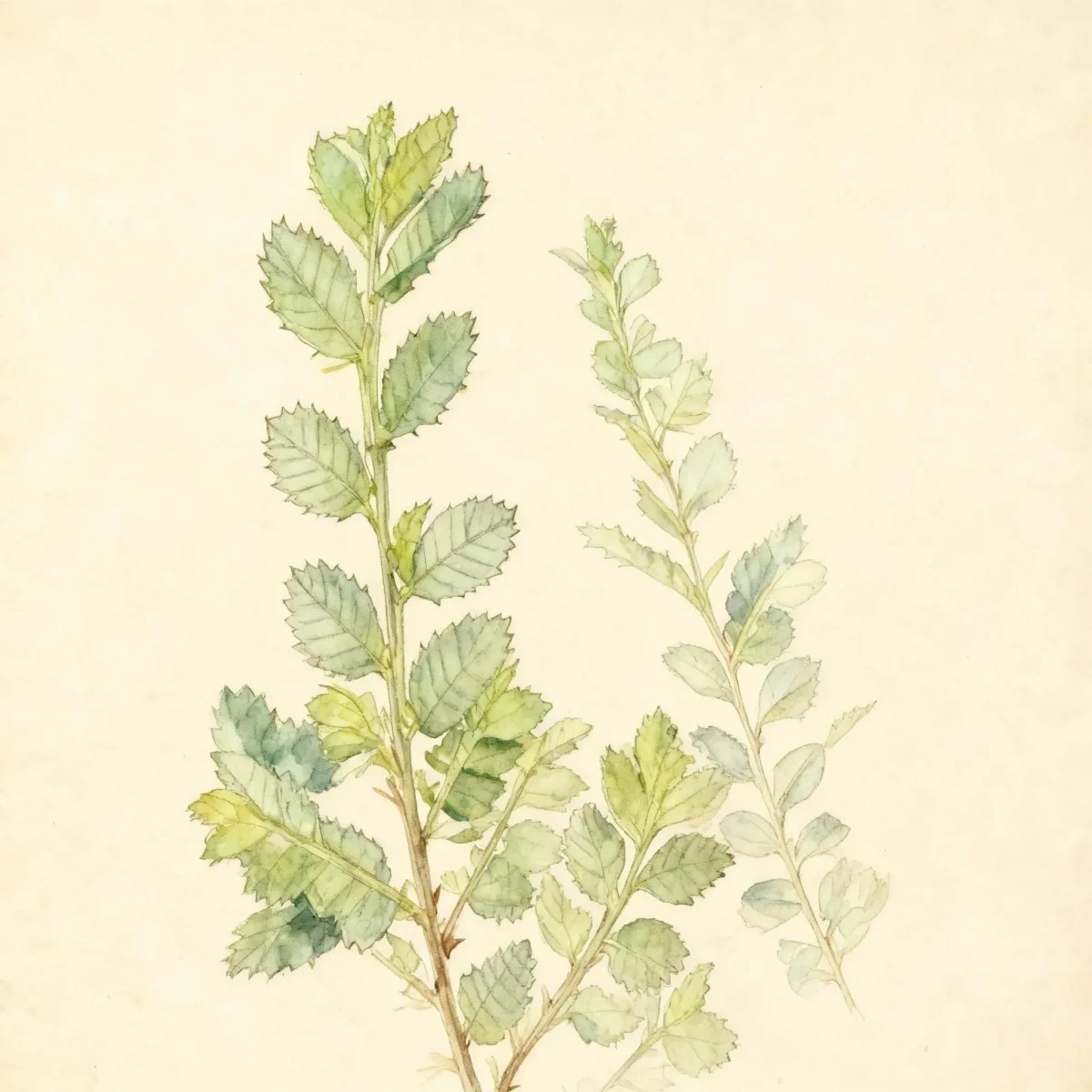
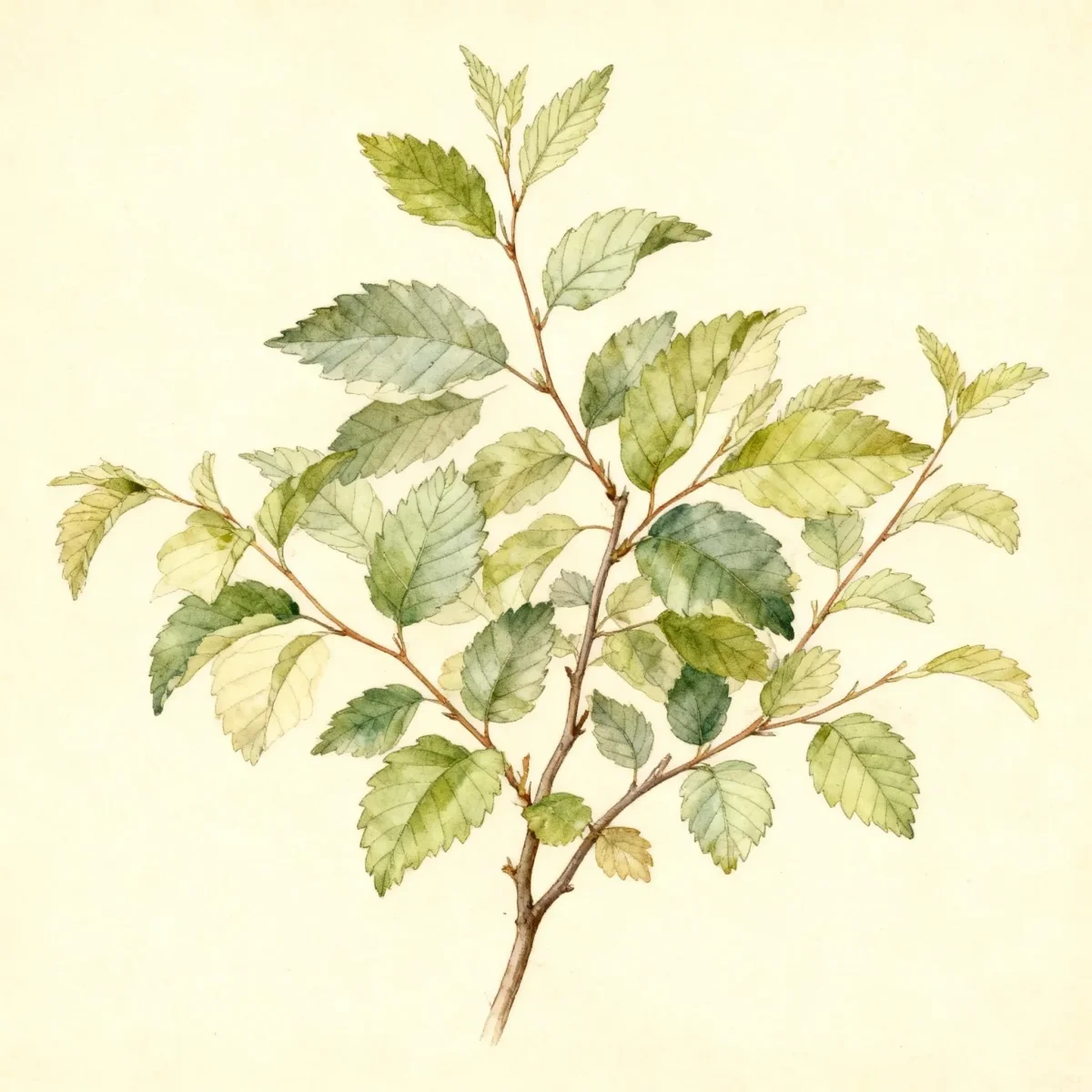
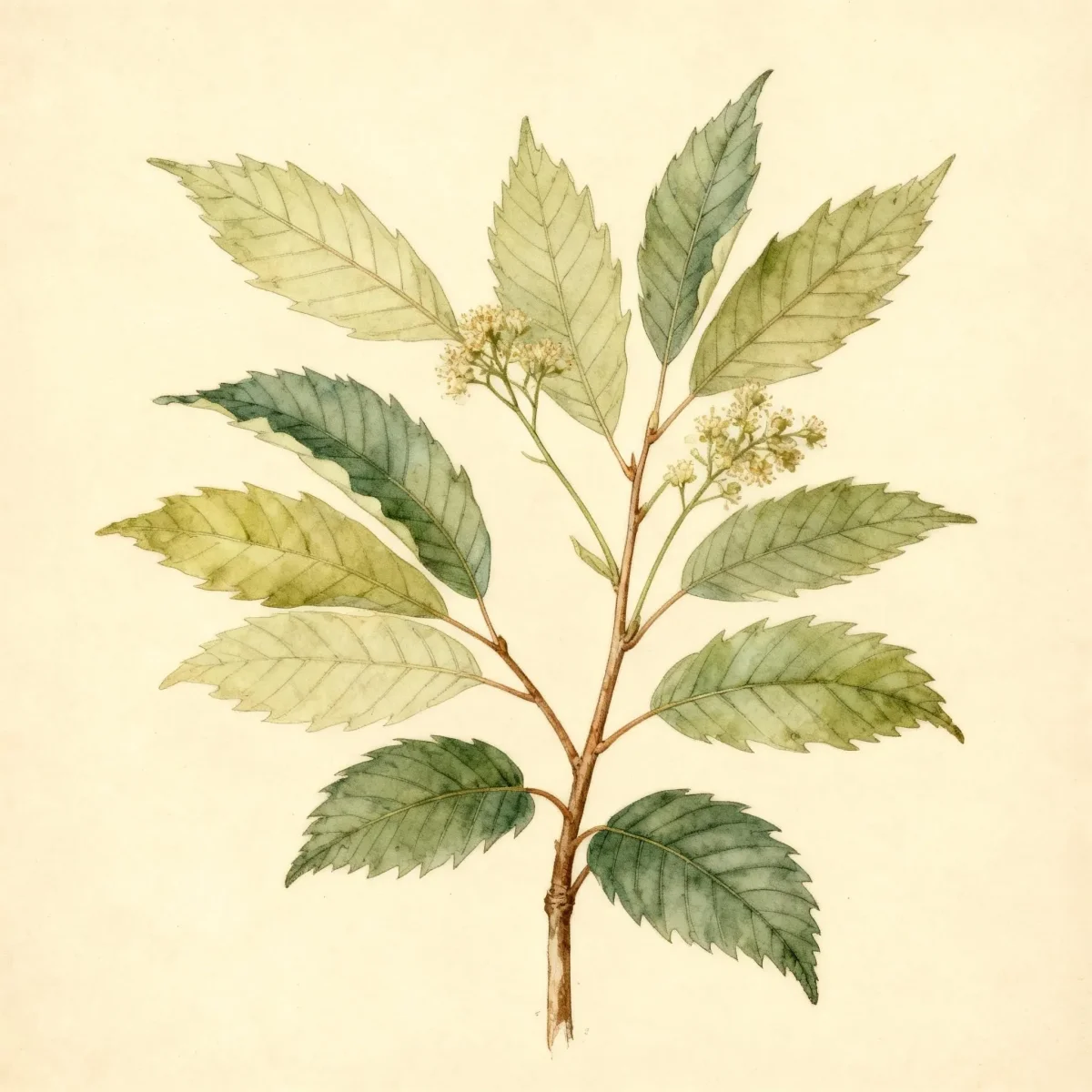
‘Village Green’ Japanese zelkova (Zelkova serrata ‘Village Green’) develops an upright, vase-shaped crown that broadens with age. It is valued as a lawn, park, or street tree where there is room for its 40- to 60-foot height and 30- to 50-foot spread. Small green spring flowers are easy to miss; the real attractions are summer shade, branching structure, and fall foliage that may turn yellow, orange, or rusty red.
This cultivar grows in USDA Zones 5–8. Use the hardiness zone map to confirm that it fits your climate.
Plan for the Full-Sized Tree
Choose full sun and moist, well-drained soil. Zelkova adapts to several soil types once established, but a young tree grows best without competition from lawn at its base. Create a wide mulched ring, keep mulch away from the trunk, and water deeply during dry weather for the first few years.
Plant where the mature canopy will not conflict with a roof, overhead utilities, or narrow street space. The roots and trunk flare also need open soil; a tiny pavement cutout is not equivalent to a generous planting bed.
For other cold-hardy trees, explore the Zone 5 plant guide. Gardeners at the warm edge of its range can compare options in Zone 8.
Training a Strong Young Tree
Young zelkovas can develop several upright branches that meet the trunk at narrow angles. Early structural pruning helps establish well-spaced main limbs and reduces future conflicts. Remove a little at a time while branches are small rather than postponing all work until the tree is mature.
Do not top the crown. Large, indiscriminate cuts create weak regrowth and permanent wounds. Once the main framework is established, pruning is generally limited to dead, damaged, or crossing branches. Large-tree work belongs with a qualified arborist.
Where ‘Village Green’ Fits
Use it for shade over an open lawn, along a broad drive, or in a park-like setting. The vase-shaped crown can arch over usable space while leaving a relatively clear trunk below. It is often considered where an elm-like outline is wanted, but it should still be selected for its own site needs rather than treated as a drop-in substitute.
If your property cannot accommodate a 50-foot canopy, search the plant collection for a smaller tree or shrub. Right plant, right place matters more than trying to hold a large tree to an artificial size.
Health and Seasonal Interest
Japanese zelkova is not affected by Dutch elm disease, but it is not problem-free. Watch for scale insects, spider mites, cankers, and branch damage from poor structure or severe weather. Drought stress can lead to scorched leaf edges and make other problems more likely.
The bark becomes mottled and more textured with age, adding winter interest after the leaves drop. Fall color varies with weather, soil, and exposure, so treat vivid red as a possibility rather than a guarantee.
Common Questions
How fast does ‘Village Green’ grow?
Growth is moderate to fast when the tree is young and has good soil moisture, sunlight, and root space. Conditions strongly affect the actual rate.
Is it a good street tree?
It can be, where the planting strip and overhead clearance are generous. It is too large for cramped sidewalk pits or utility corridors.
Does it need much pruning?
Young trees benefit from structural training. A well-trained mature tree usually needs only periodic inspection and corrective pruning.
Are the flowers showy?
No. The small green flowers are inconspicuous; choose this tree for shade, form, bark, and foliage.