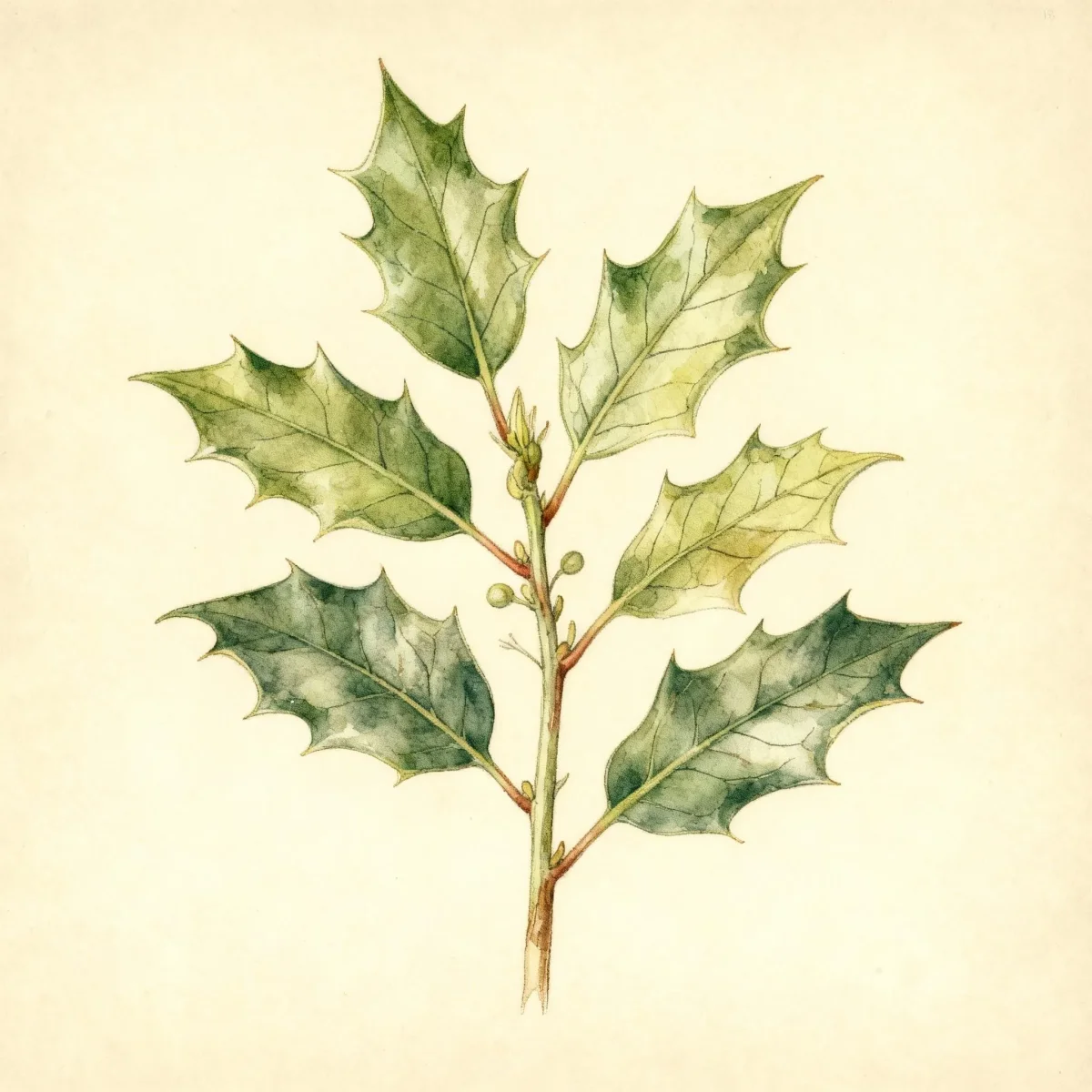
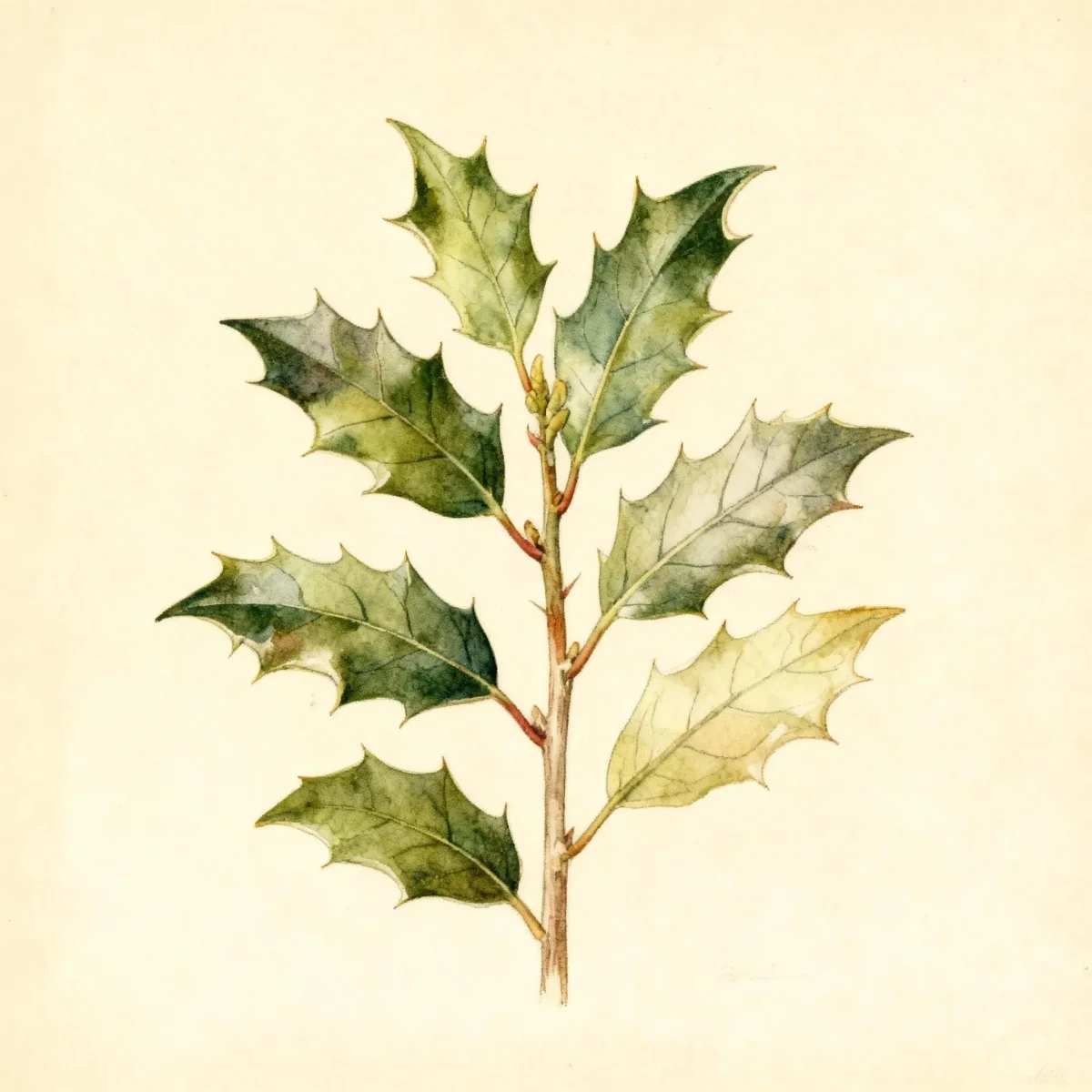
American holly (Ilex opaca 'Clarendon')
Ilex opaca 'Clarendon' is a low-spreading American holly cultivar offering evergreen interest, low maintenance, and deer resistance.
Scroll down to discover growing tips, care requirements, companion plants, and more
Complete Plant Information
Overview
Ilex opaca ‘Clarendon’ is a superb, low-spreading cultivar of the iconic American holly, providing year-round structure and vibrant winter interest to the landscape. This broadleaf evergreen offers a compact form, ideally suited for foundational plantings where space is limited or for creating low, dense hedges. A significant benefit for gardeners in various environments is its tolerance to pests and urban conditions.
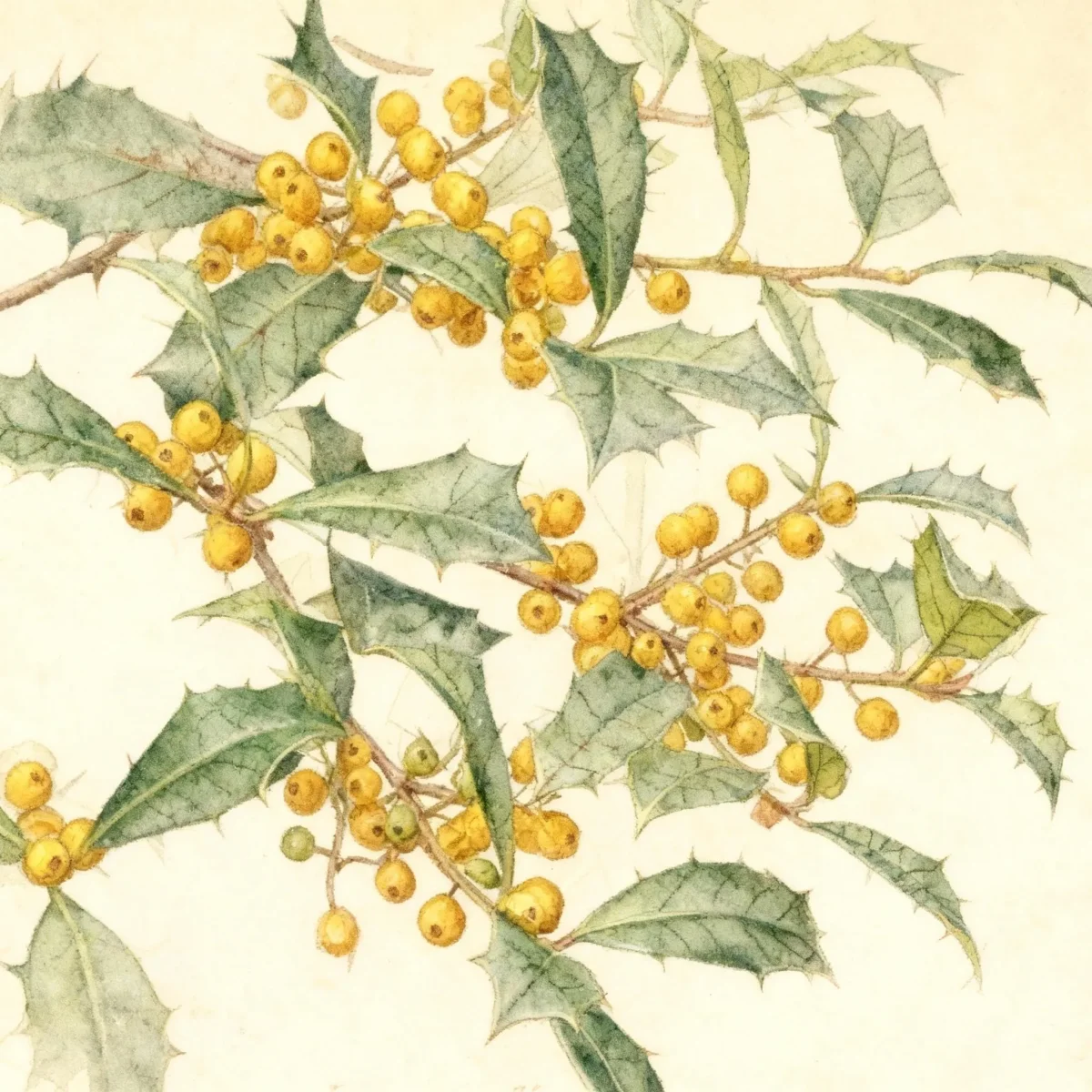
As an all-female cultivar, the value of Ilex opaca ‘Clarendon’ lies in its persistent, showy red berries, provided a male pollinator is nearby. This holly thrives best when sited away from harsh winter winds, though it benefits from afternoon shade in the hottest climates to prevent leaf scorch. Its reliability and low maintenance requirements make it a staple for reliable evergreen texture.
Gardeners appreciate this variety for its dependable color, especially when classic American holly specimens become too large. Although it is a slower grower, the manageable size of Ilex opaca ‘Clarendon’ ensures a consistently attractive profile, whether used as a specimen or integrated into mixed borders.
Fast Facts
- Plant Family: Aquifoliaceae
- Plant Type: Broadleaf evergreen
- Hardiness Zones: USDA Zones 5-9
- Size at Maturity:
- Height: 3-4 ft
- Spread: 4-8 ft
- Bloom Time: May
- Bloom Description: Greenish-white
- Sun Exposure: Full sun to part shade
- Water Needs: Medium
- Maintenance Level: Low
How to Grow
Planting should ideally occur in spring or fall to allow the root system to establish before temperature extremes. Ilex opaca ‘Clarendon’ requires placement in average, consistently moist, acidic, and well-drained soils. Avoid locations prone to standing water or flooding; while tolerant of clay soil, drainage is paramount for long-term health. Ensure positioning protects plants from harsh winter winds.
Water needs are medium; keep the soil consistently moist, especially during the first few growing seasons. Fertilize according to soil tests to maintain the preferred acidic pH, as leaves yellow readily (chlorosis) in alkaline soils. Pruning is generally light; this cultivar maintains a natural compact habit, but it can be shaped for formal hedges or kept tidy with regular shearing.
In hotter summer regions, providing afternoon shade will significantly reduce the risk of leaf scorch. Monitor for common insect pests, though overall maintenance is rated low. Remember that since ‘Clarendon’ is an all-female cultivar, dependable winter berry display relies on having a compatible male pollinator planted nearby.
Landscape Uses
The unique, spreading habit of Ilex opaca ‘Clarendon’ makes it a superior option for foundation plantings where standard pyramidal hollies would obstruct windows. Its low stature is perfect for defining the edges of woodland gardens or as a formal, low hedge row along walkways, providing structure even under snow.
For winter interest, use this American holly next to deciduous shrubs and brightly colored dogwood stems where its deep green foliage and bright red drupes will pop against the dormant landscape. Cuttings from Ilex opaca ‘Clarendon’ are highly valued for holiday decorations, extending their aesthetic benefit indoors throughout winter.
If you are designing a naturalized area, place this cultivar where birds can access the berries during late winter. Ensure it receives adequate light to maintain density, as plantings situated in too much shade may lose foliage thickness.
Flower Qualities
- Insignificant
Fruit Qualities
- Showy
Noteworthy Characteristics
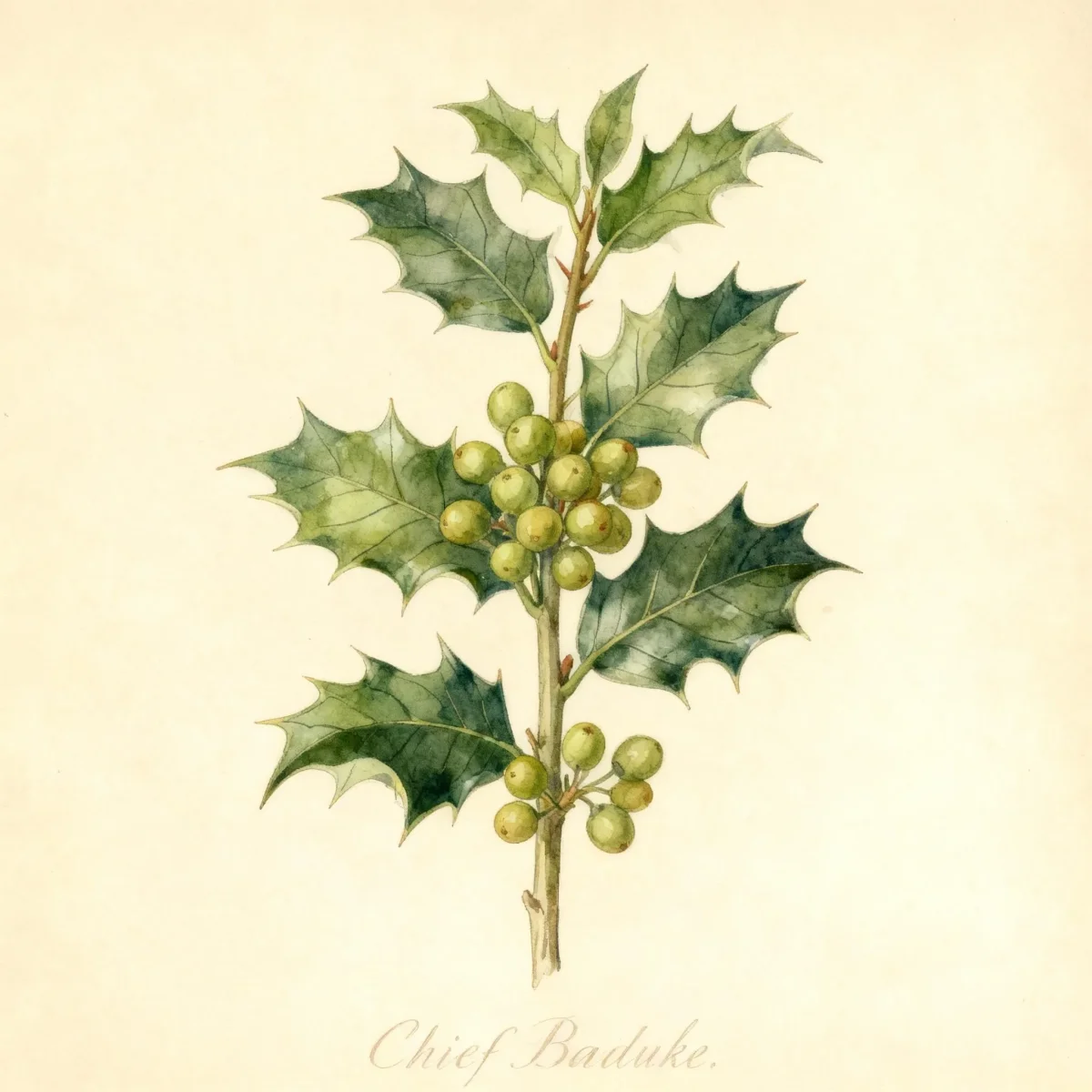
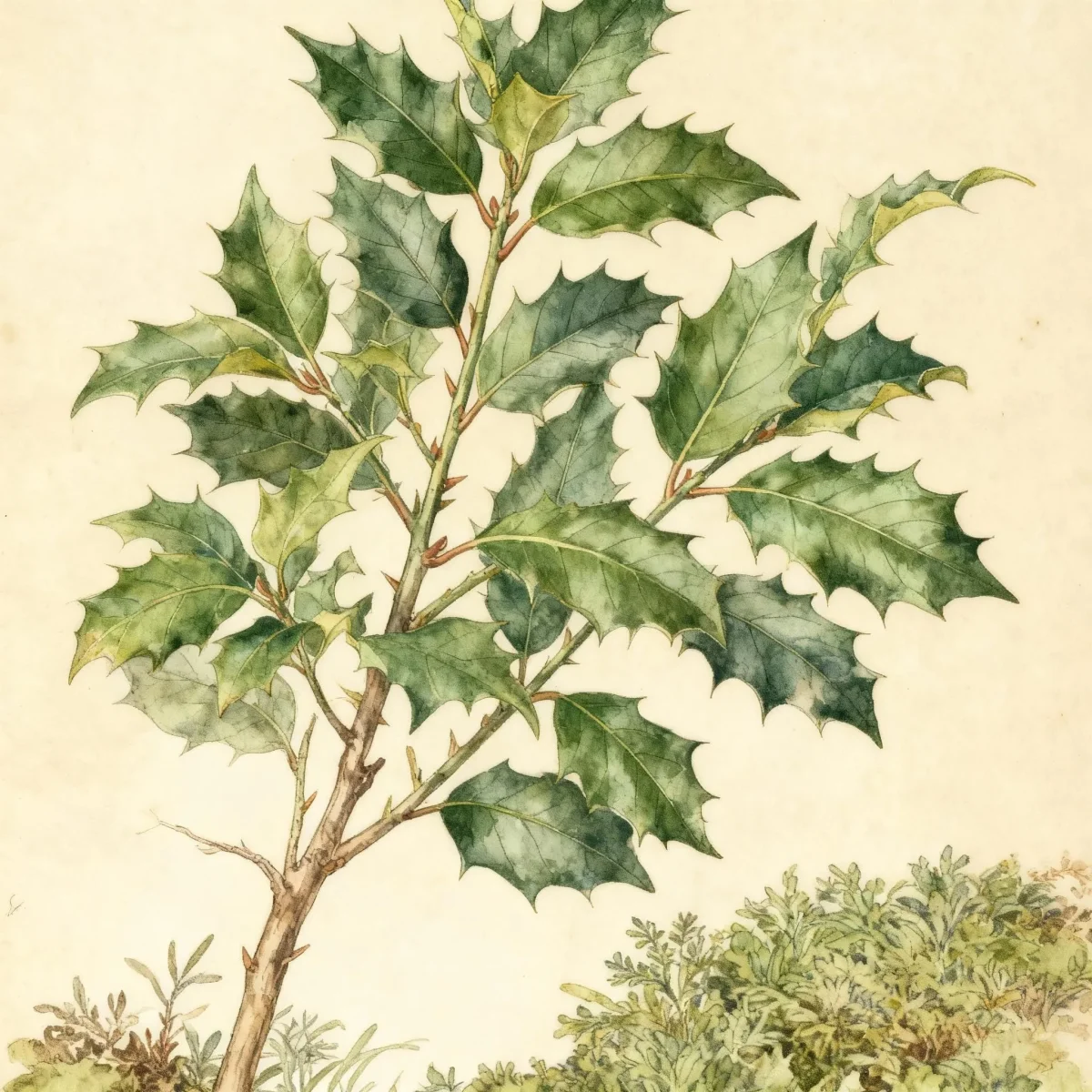
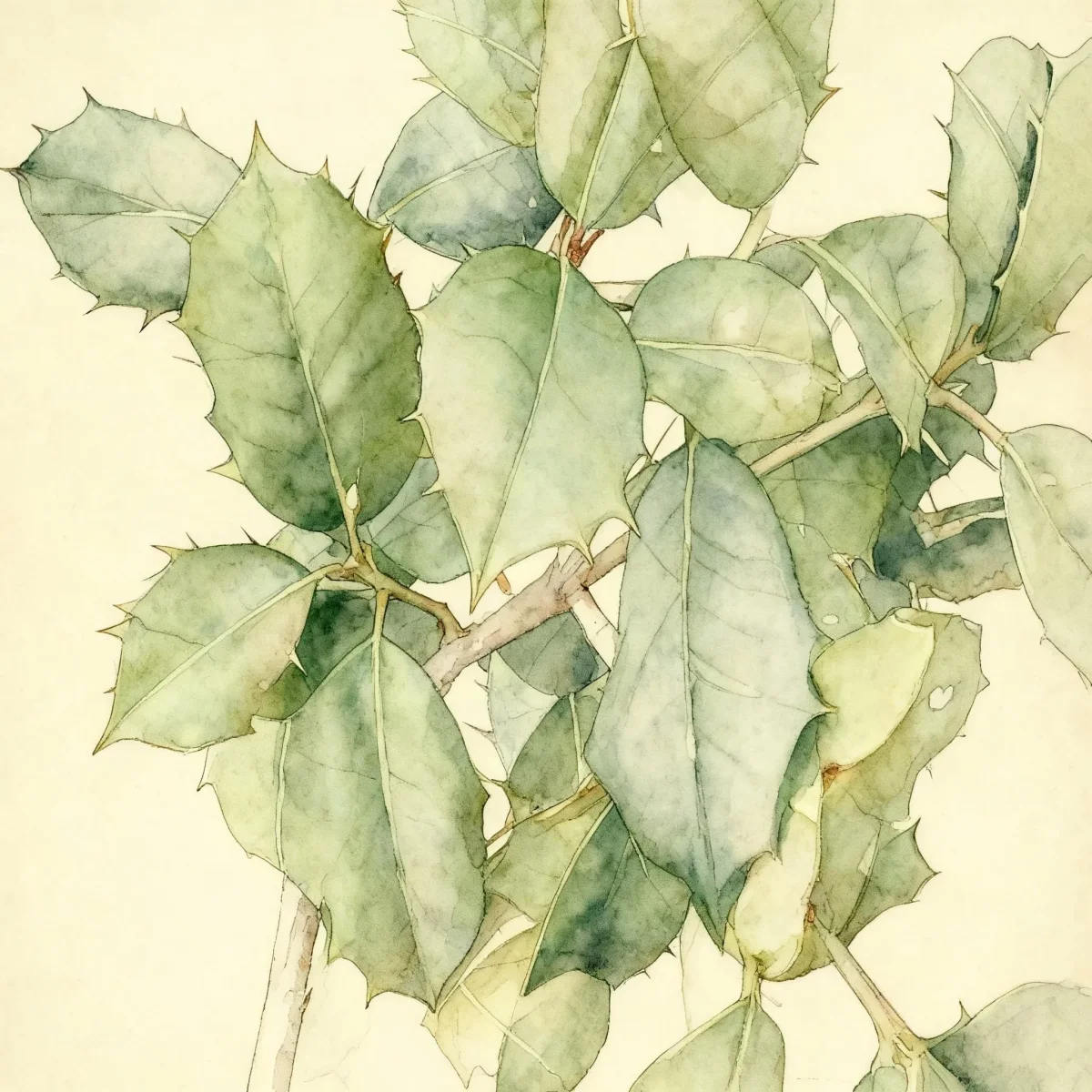
Ilex opaca, commonly called American holly, is the only native U.S. Holly identifiable by spiny green leaves and bright red berries, famously used for Christmas decorations. The ‘Clarendon’ cultivar specifically reduces the massive stature of the species, growing into a low-spreading shrub reaching only 3-4’ tall and spreading up to 8’ wide, though it can be shaped taller by careful pruning. This species is dioecious, meaning the showy fruit appears only on pollinated female trees like this one.
Tolerances
- Deer
- Clay Soil
- Air Pollution
Potential Problems
Potential insect issues include scale, spider mites, whitefly, and holly leaf miner, which can tunnel between leaf layers. Control these quickly; appropriate horticultural oils or insecticides can treat infestations. Fungal diseases like tar spot, leaf spot, and powdery mildew, along with leaf rot, can occur, particularly in humid or poorly ventilated areas.
The most common non-pest issue for this American holly is chlorosis, marked by yellowing leaves, which signals that the soil pH is too high (alkaline). Maintaining acidic soil conditions through amendments is the best preventative measure. Also, ensure plants are situated away from reflected heat or cold winter drafts, which cause leaf scorch and premature leaf drop.
Frequently Asked Questions
What hardiness zones is American holly (Ilex opaca ‘Clarendon’) suitable for?
This specific cultivar, Ilex opaca ‘Clarendon’, is reliably hardy in USDA Zones 5 through 9.
How large does Ilex opaca ‘Clarendon’ grow?
It is a low-growing form, typically maturing to heights between 3 and 4 feet tall, with a spread ranging from 4 to 8 feet wide.
What sun exposure does American holly need?
Ilex opaca ‘Clarendon’ performs best when situated in full sun to partial shade. Part afternoon shade is beneficial in very hot summer climates.
When does Ilex opaca ‘Clarendon’ bloom?
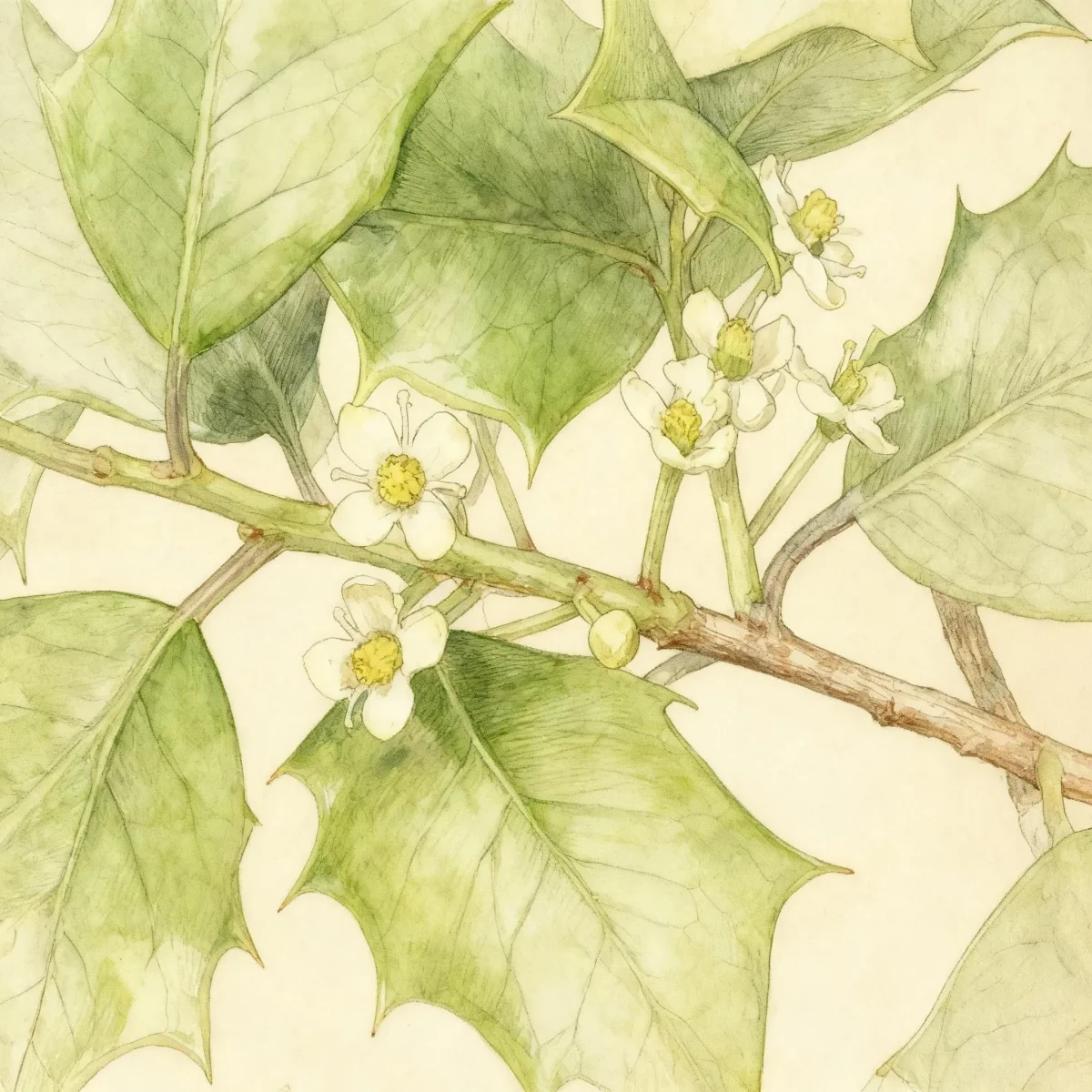
The small, greenish-white flowers appear in May, setting the stage for the desired winter berries if pollination occurs.
Conclusion
Ilex opaca ‘Clarendon’ provides invaluable low-maintenance evergreen screening and brilliant winter color, making it a staple for reliable year-round texture in the garden. This version of the American holly offers a compact solution without sacrificing the classic beauty of spiny leaves and red fruit. Before planting, verify your soil pH is appropriately acidic and confirm you have an appropriate pollinator nearby to guarantee spectacular berry production this winter.
Companion Planting
When designing around Ilex opaca ‘Clarendon’, focus on plants that complement its evergreen texture and acidity needs. Consider planting contrasting foliage textures nearby, such as Japanese forest grass (Hakonechloa macra) in shaded areas, which offers soft, arching movement near the stiff leaves of the holly.
For seasonal color contrast, pair this low holly with spring-blooming bulbs like daffodils or hellebores, as their early flowers emerge before the subtle greenish-white blooms of the American holly commence in May. Remember that companion plants should also appreciate well-drained, acidic soil conditions to thrive alongside Ilex opaca ‘Clarendon’.
Wildlife Benefits
While the flowers of Ilex opaca ‘Clarendon’ are insignificant to gardeners, they are still utilized by small beneficial insects during late spring. The primary wildlife benefit, however, comes from the persistent bright red berries that develop on pollinated female trees.
These drupes serve as a crucial late-season and winter food source for numerous bird species when other food sources are scarce. Planting a cluster of this American holly cultivar can significantly boost winter landscape appeal while providing vital sustenance to the local avian population.