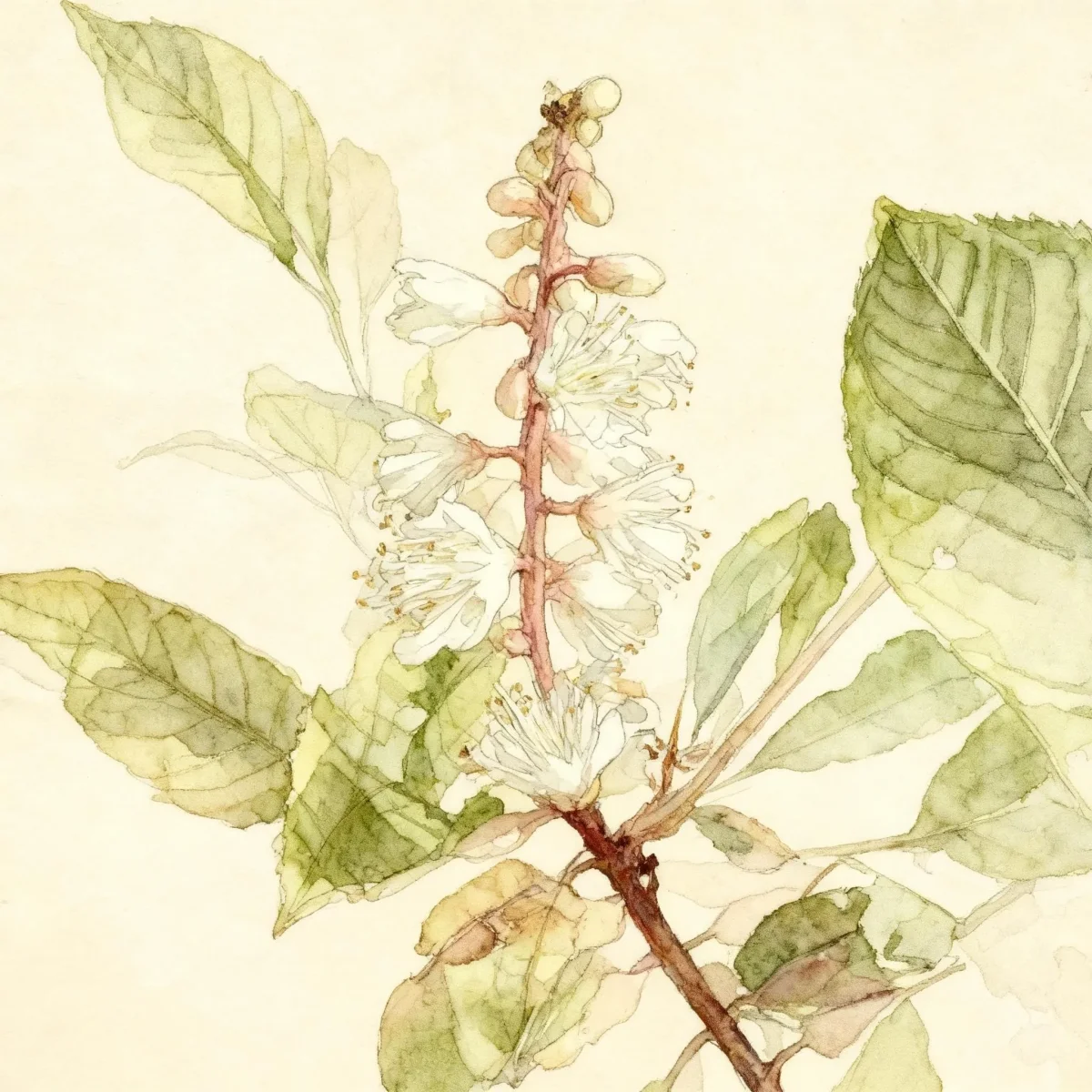
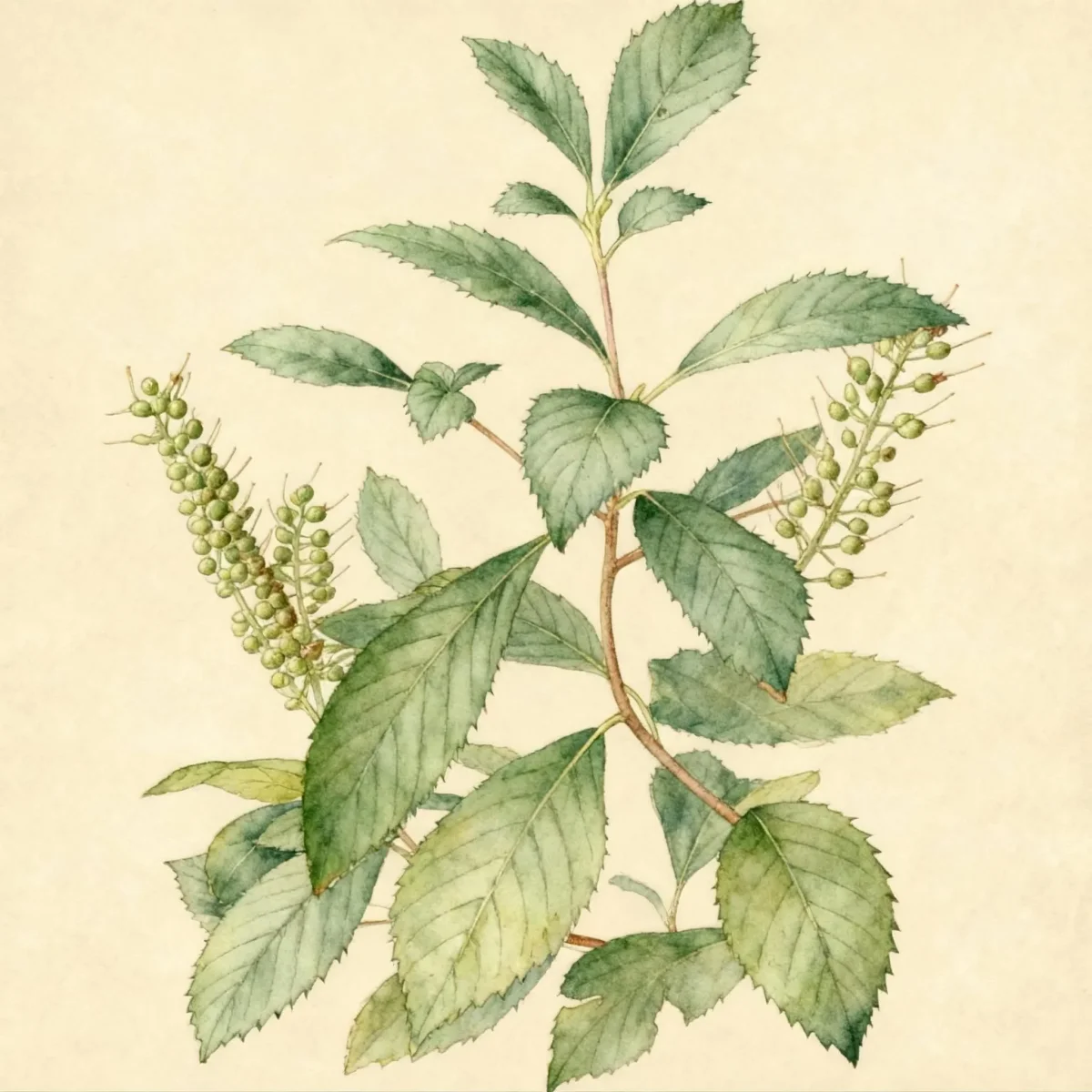
Summersweet (Clethra alnifolia 'Sixteen Candles')
Discover Clethra alnifolia 'Sixteen Candles' Summersweet, a low-maintenance shrub offering late-season fragrant white blooms in various light conditions.
Scroll down to discover growing tips, care requirements, companion plants, and more

Complete Plant Information
Overview
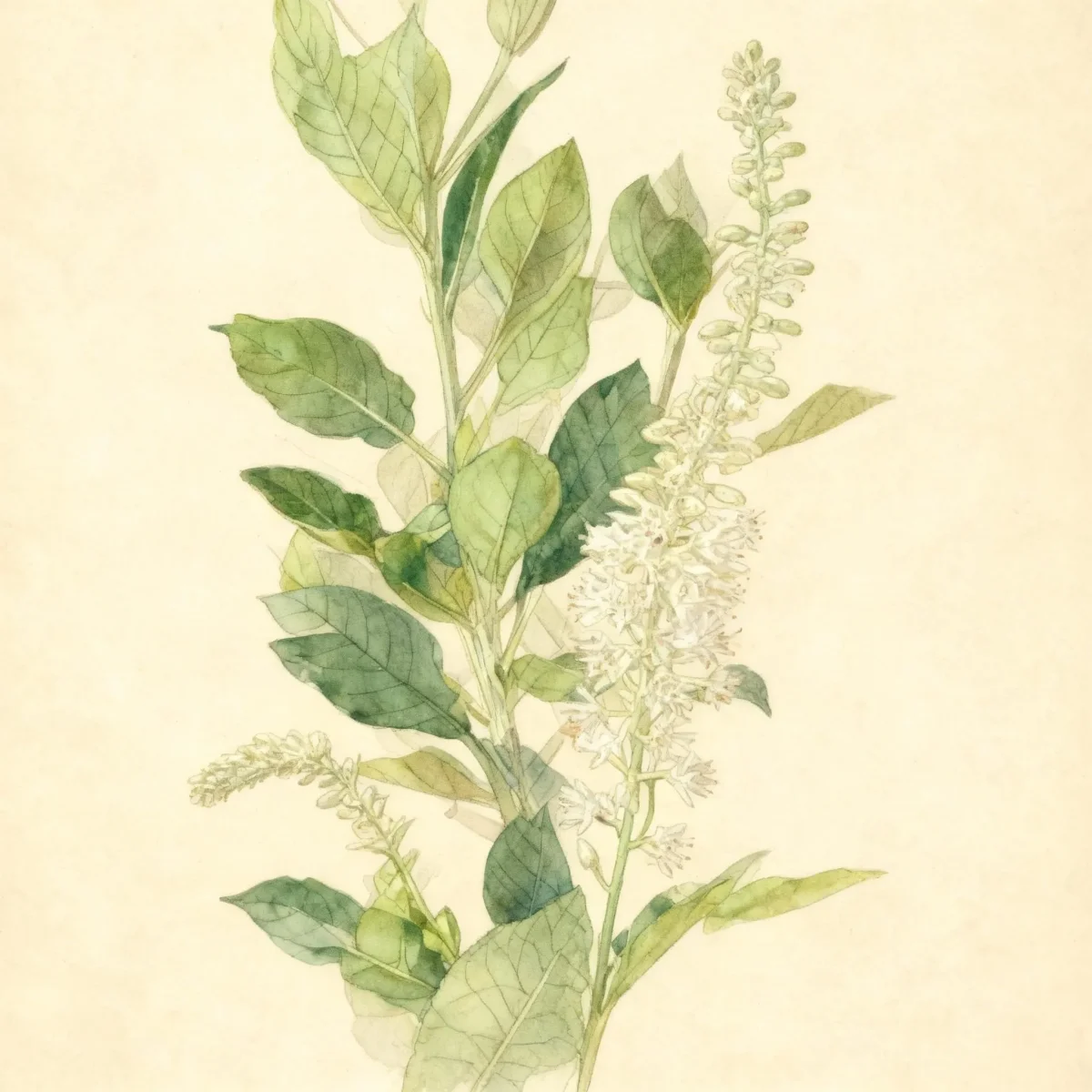
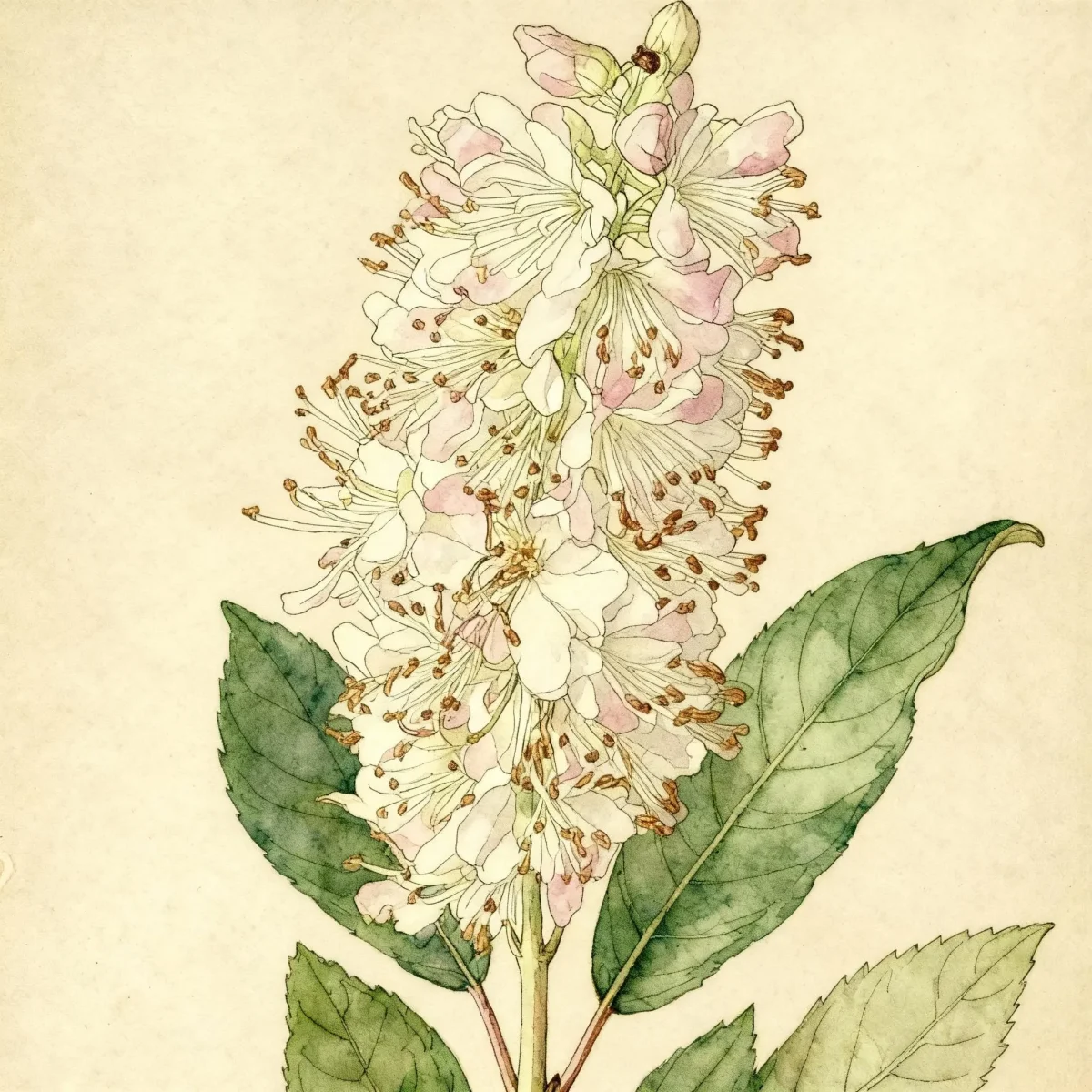
Clethra alnifolia ‘Sixteen Candles’, commonly known as Summersweet, is a highly valued late-season performer, bringing sweet fragrance and creamy white flowers when many other shrubs have finished blooming. This cultivar is prized for its exceptionally upright, candle-like flower spikes and notably compact growth habit compared to the species. Summersweet thrives in diverse conditions, reliably flowering even in shadier spots, making the compact Clethra alnifolia ‘Sixteen Candles’ indispensable for late-summer garden interest.
This deciduous shrub is native to wet environments, establishing well in consistently moist, acidic soils. Its low maintenance requirements and tolerance for clay and shade make it a versatile addition to challenging garden locations. Gardeners appreciate the wildlife value, as the blooms strongly attract both bees and butterflies during the mid to late summer months.
For those seeking reliable late-season color and fragrance without high upkeep, Summersweet is an excellent choice. The glossy green foliage transitions through attractive gold tones in autumn, providing multi-season appeal. Selecting ‘Sixteen Candles’ ensures a neat, tidy presentation perfect for smaller gardens or defined borders.
Fast Facts
- Plant Family: Clethraceae
- Plant Type: Deciduous shrub
- Hardiness Zones: USDA Zones 4-9
- Size at Maturity:
- Height: 4-5 ft
- Spread: 2-3 ft
- Bloom Time: July to August
- Bloom Description: Creamy white
- Sun Exposure: Full sun to part shade
- Water Needs: Medium to wet
- Maintenance Level: Low
How to Grow
The best time to establish Clethra alnifolia ‘Sixteen Candles’ is typically in the spring or early fall. Select a location that receives full sun to partial shade, though it tolerates full shade well. This shrub excels in average, medium to wet soils, preferring consistently moist, acidic, and sandy compositions. It is important that the soil does not completely dry out, especially during establishment.
Water requirements are medium to wet; ensure consistent moisture, acknowledging its affinity for swampy habitats. Fertilizing is rarely required if the soil structure is adequate. If pruning becomes necessary, perform this task in late winter to shape the plant before new growth begins. Be aware that this plant suckers; promptly remove root suckers if you desire a more formal, upright shape rather than a naturalized grouping.
In colder zones, young specimens benefit from mulch insulation, though mature plants are hardy down to Zone 4. Minimal cleanup is needed after the season, as the dark brown seed capsules often persist into winter, adding textural interest. Propagate this variety from cuttings if increasing your stock.
Landscape Uses
Summersweet is unique among summer bloomers as it provides reliable flowering in shadier locales, making it ideal for woodland or foundation plantings where light is limited. Clethra alnifolia ‘Sixteen Candles’ works beautifully massed or grouped within shrub borders or lawns where its sweet, showy blooms can be appreciated. Because of its deep moisture needs, it is perfectly suited for rain gardens or along the edges of ponds and streams.
The compact nature of the ‘Sixteen Candles’ cultivar lends itself well to smaller gardens, cottage settings, or even as a low, fragrant hedge. Plant it near patios, windows, or walkways to fully enjoy its highly fragrant flowers during the late summer lull in blooming. It incorporates well with other moisture-loving perennials and shrubs that thrive in partial shade conditions.
For borders, consider pairing the upright spikes of this Summersweet with broad-leafed hydrangeas or hostas that similarly enjoy moist feet. Its ability to thrive in clay soils broadens its utility, allowing placement in areas where drainage might be poorer than ideal for other ornamentals.
Standout Features
Flower Qualities
- Showy
- Fragrant
Noteworthy Characteristics
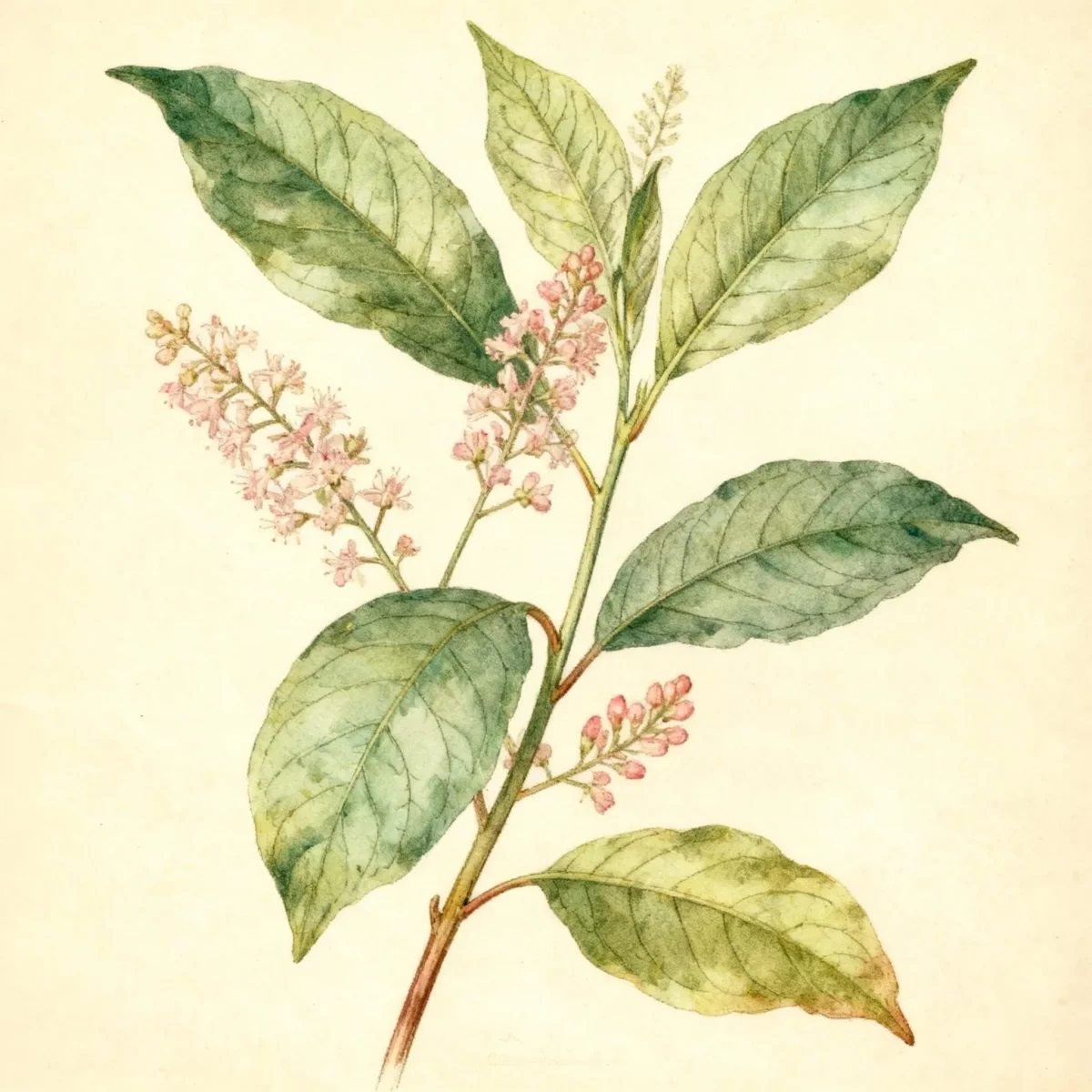
Clethra alnifolia, commonly called summersweet, is a deciduous shrub that is native to swampy woodlands, wet marshes, stream banks and seashores, often in sandy soils, along the coast from Maine to Florida and west to Texas. It is a rounded, suckering, densely-branched, deciduous shrub that typically grows to 3-6’ (less frequently to 8’) tall and is noted for producing a mid to late summer bloom of sweetly fragrant white flowers which appear in narrow, upright panicles (racemes to 2-6” long). Serrate, obovate to oblong, glossy dark green leaves turn variable but generally attractive shades of yellow to golden brown in fall. The cultivar ‘Sixteen Candles’ is noted for its erect, candle-like flower spikes and compact size.
Tolerances
- Heavy Shade
- Erosion
- Clay Soil
- Wet Soil
Potential Problems
This plant is generally praised for having no serious insect or disease problems, contributing to its low maintenance profile. Under unusual stress, such as prolonged dry conditions, spider mites may occasionally become a concern. Maintaining the required medium to wet soil consistency is the best preventative measure against most non-disease-related stresses on Clethra alnifolia ‘Sixteen Candles’.
Frequently Asked Questions
What hardiness zones is Summersweet suitable for?
Clethra alnifolia ‘Sixteen Candles’ is reliably hardy across USDA Zones 4 through 9.
How large does Clethra alnifolia ‘Sixteen Candles’ grow?
This compact cultivar typically reaches a mature height between 4 and 5 feet, with a spread of 2 to 3 feet wide.
When does Summersweet bloom?
This shrub provides its signature fragrance and bloom display from mid to late July through August, bearing creamy white flowers.
What sun exposure does Clethra alnifolia ‘Sixteen Candles’ need?
It performs well in full sun but is particularly valued for its ability to flourish in partial shade, tolerating even heavy shade conditions.
Conclusion
The Clethra alnifolia ‘Sixteen Candles’ offers gardeners a rare combination: powerful fragrance, late-season flowering, and adaptability to challenging wet or shady sites. This compact Summersweet variety maintains excellent form with minimal intervention, making it a true workhorse in the landscape. Before planting, ensure your intended site can provide the consistently moist, acidic soil this beautiful shrub prefers to guarantee its best performance.
Wildlife Benefits
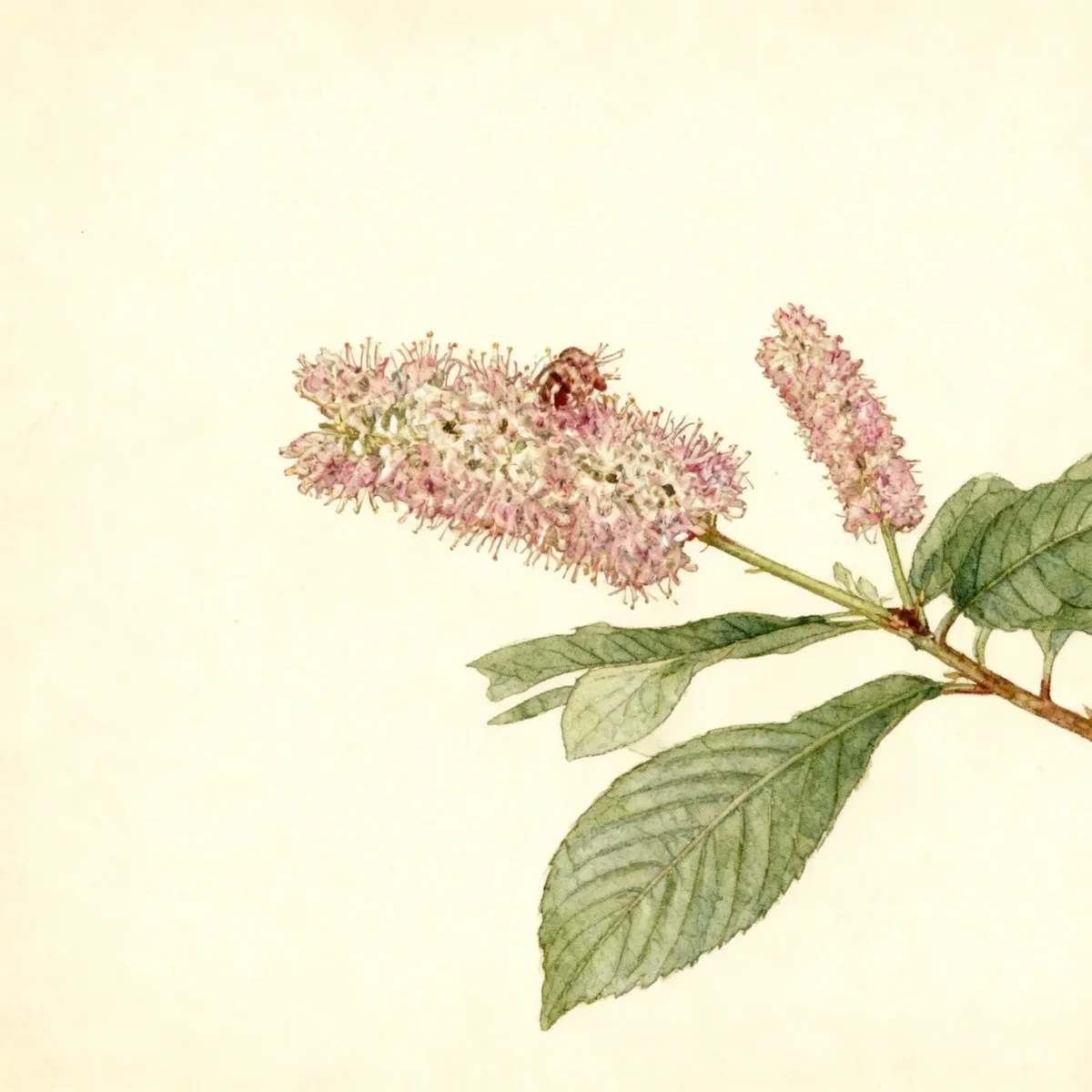
The summer bloom period of Summersweet is critically important for local pollinator populations. The intensely fragrant creamy white flowers produced by Clethra alnifolia ‘Sixteen Candles’ are a major nectar and pollen source when many other shrubs have finished their flowering cycle. This makes the shrub a magnet for various species of bees, butterflies, and other beneficial insects heading into late summer.
Planting this shrub near outdoor living spaces ensures you can enjoy the active pollinator show up close. Furthermore, the persistent dried seed capsules after flowering can offer minor winter sustenance or cover for small garden inhabitants. Integrating this shrub supports local biodiversity throughout the late growing season.
Companion Planting in Moist Gardens
When designing a rain garden or a moist border, companion plants should share the preference for consistent moisture and partial shade. Good partners for Summersweet include Astilbe (False Spirea), which offers contrasting textural foliage and earlier summer color. Ferns, such as Japanese Painted Ferns, pair beautifully underneath the canopy of Clethra alnifolia ‘Sixteen Candles’, enhancing the woodland garden aesthetic.
For height contrast, consider incorporating Joe Pye Weed (Eutrochium species) towards borders, as they tolerate similar wet roots and bloom slightly later, ensuring continuous interest after the shrub finishes. Always place companions where they will not compete aggressively with the Summersweet root system, maintaining adequate space for air circulation around the base of the shrub.