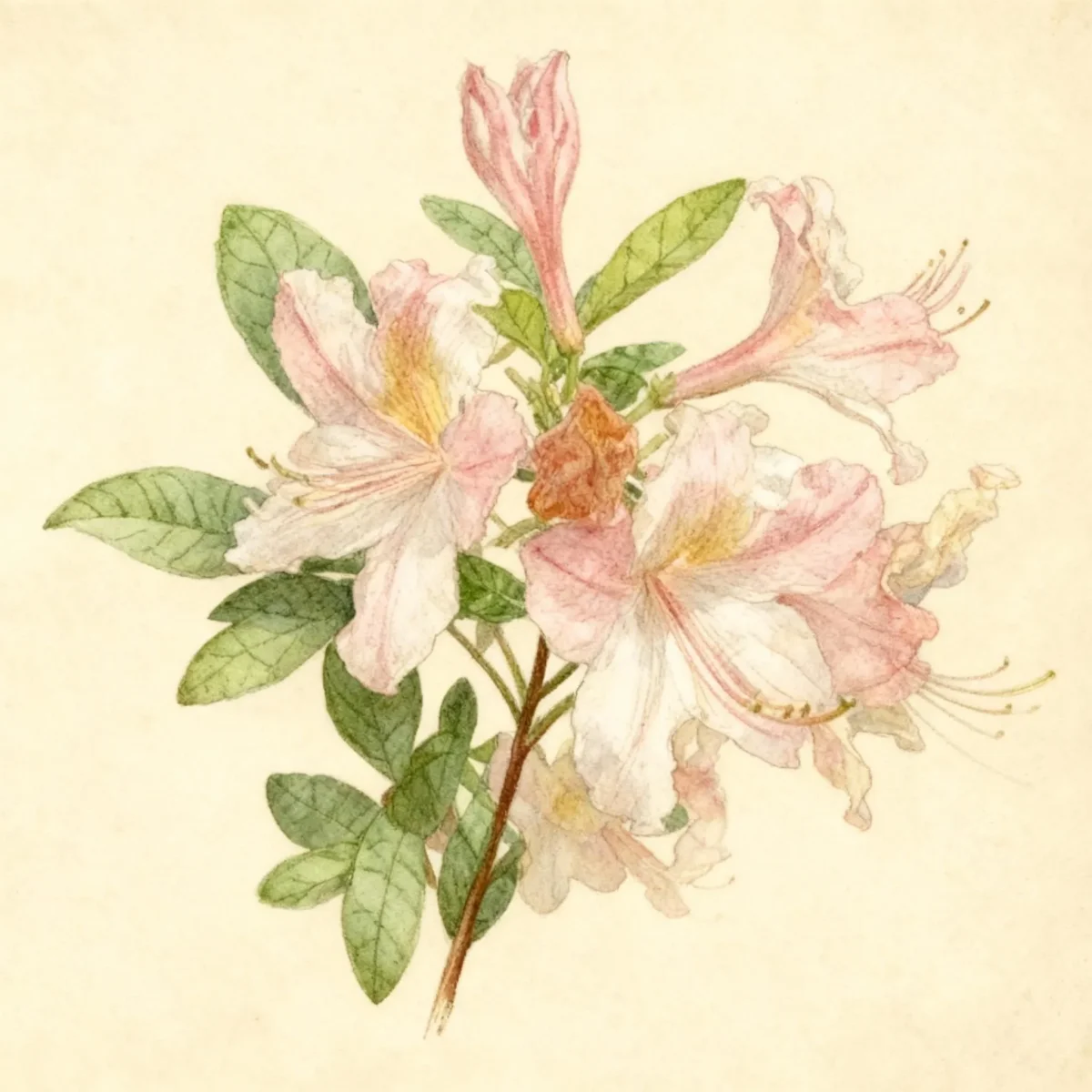
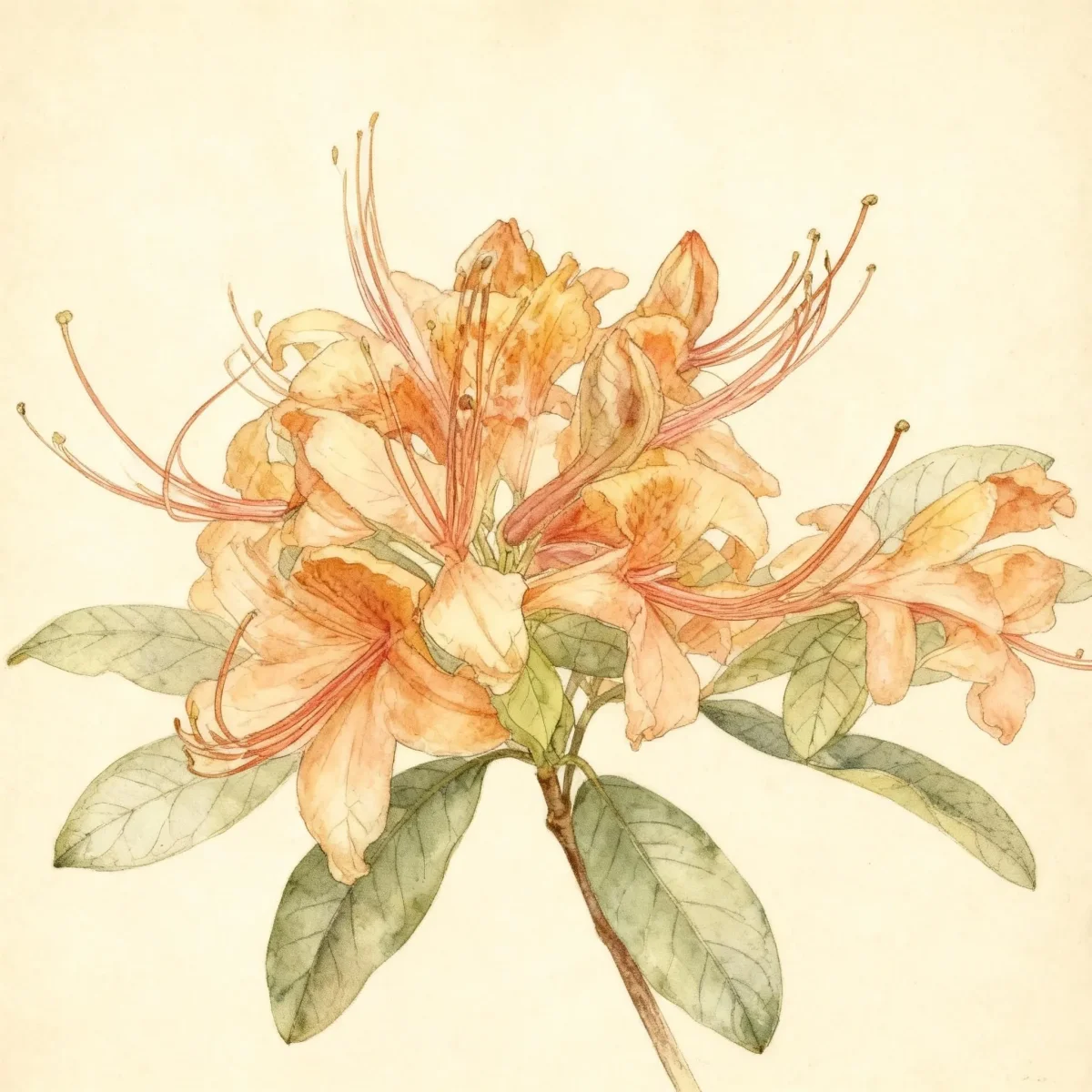
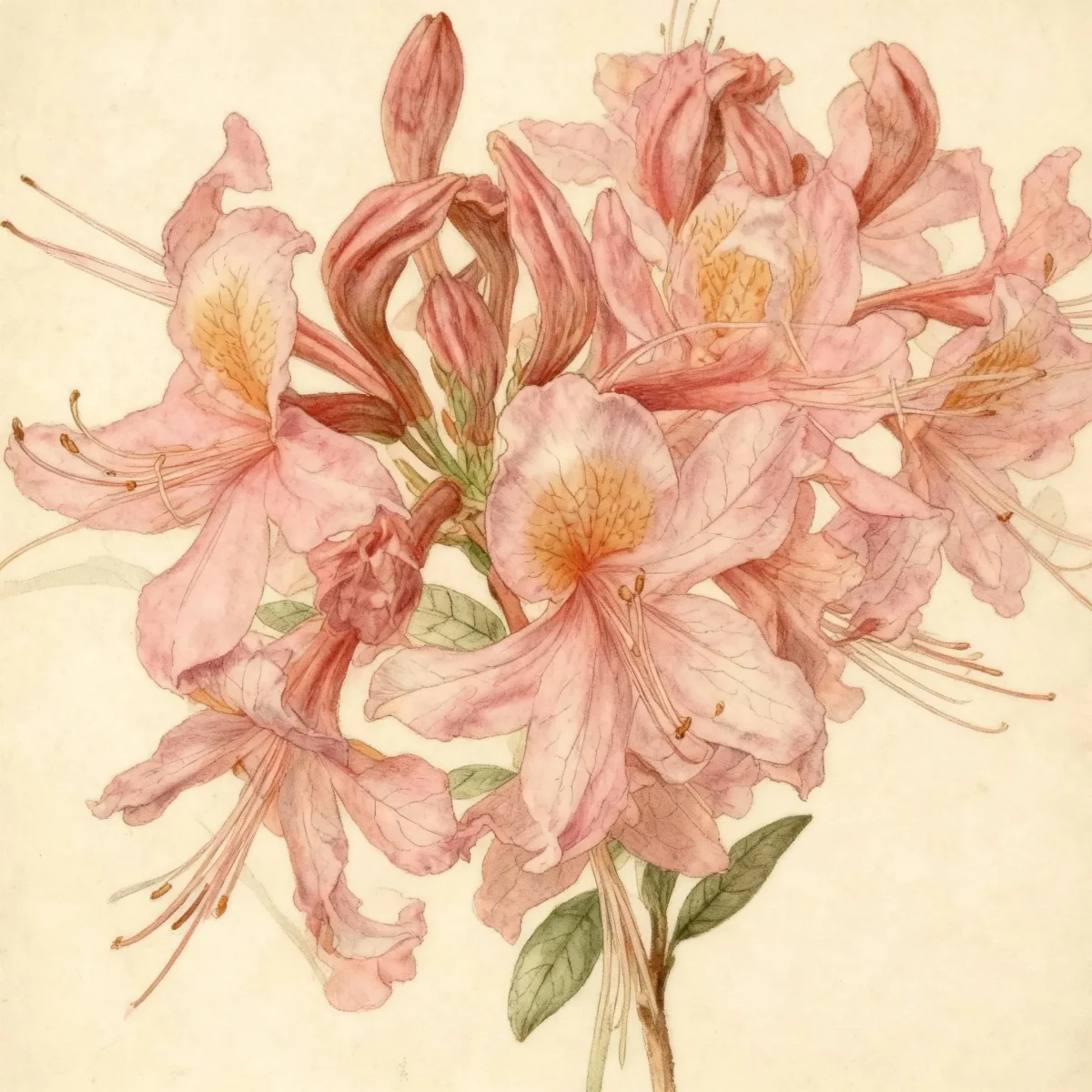
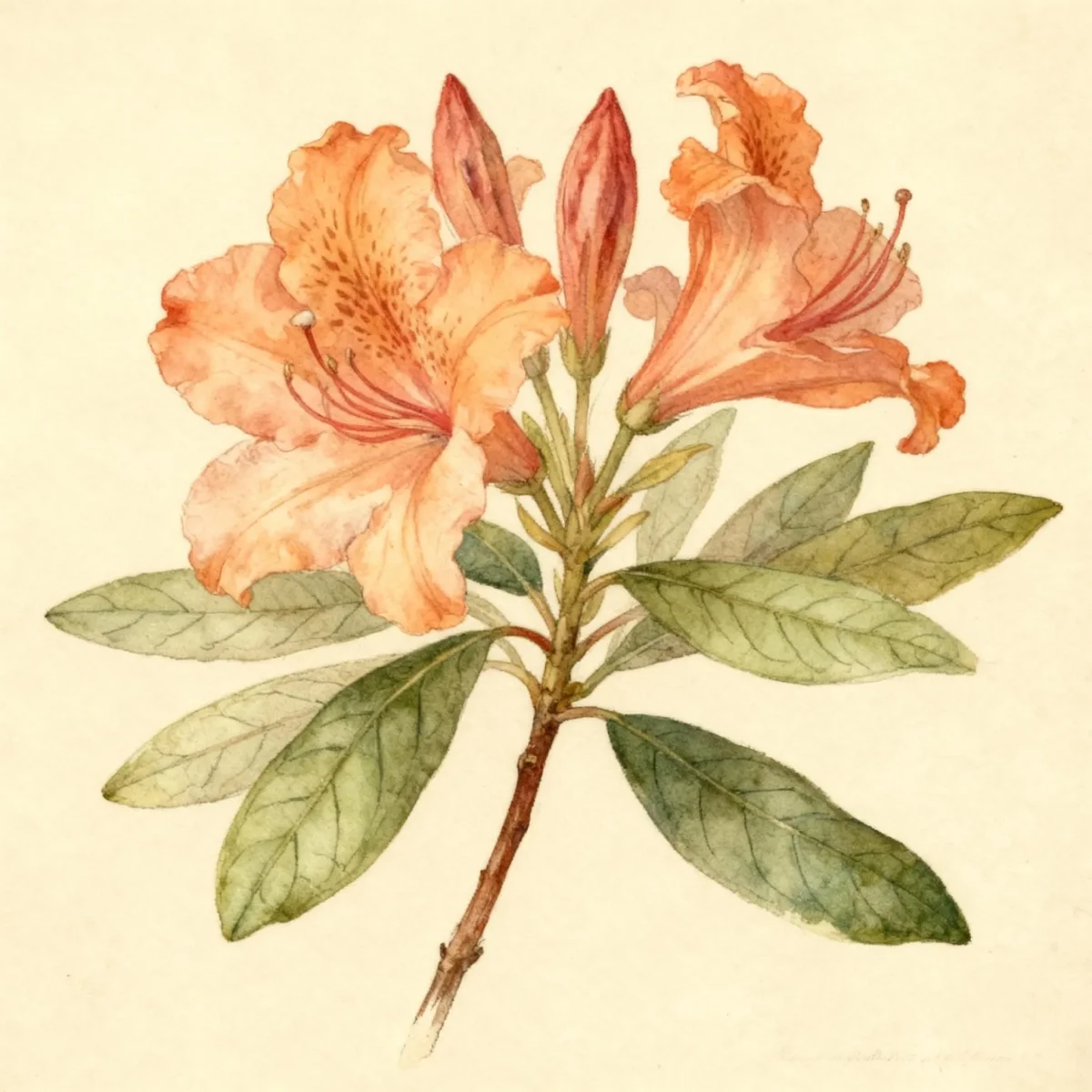
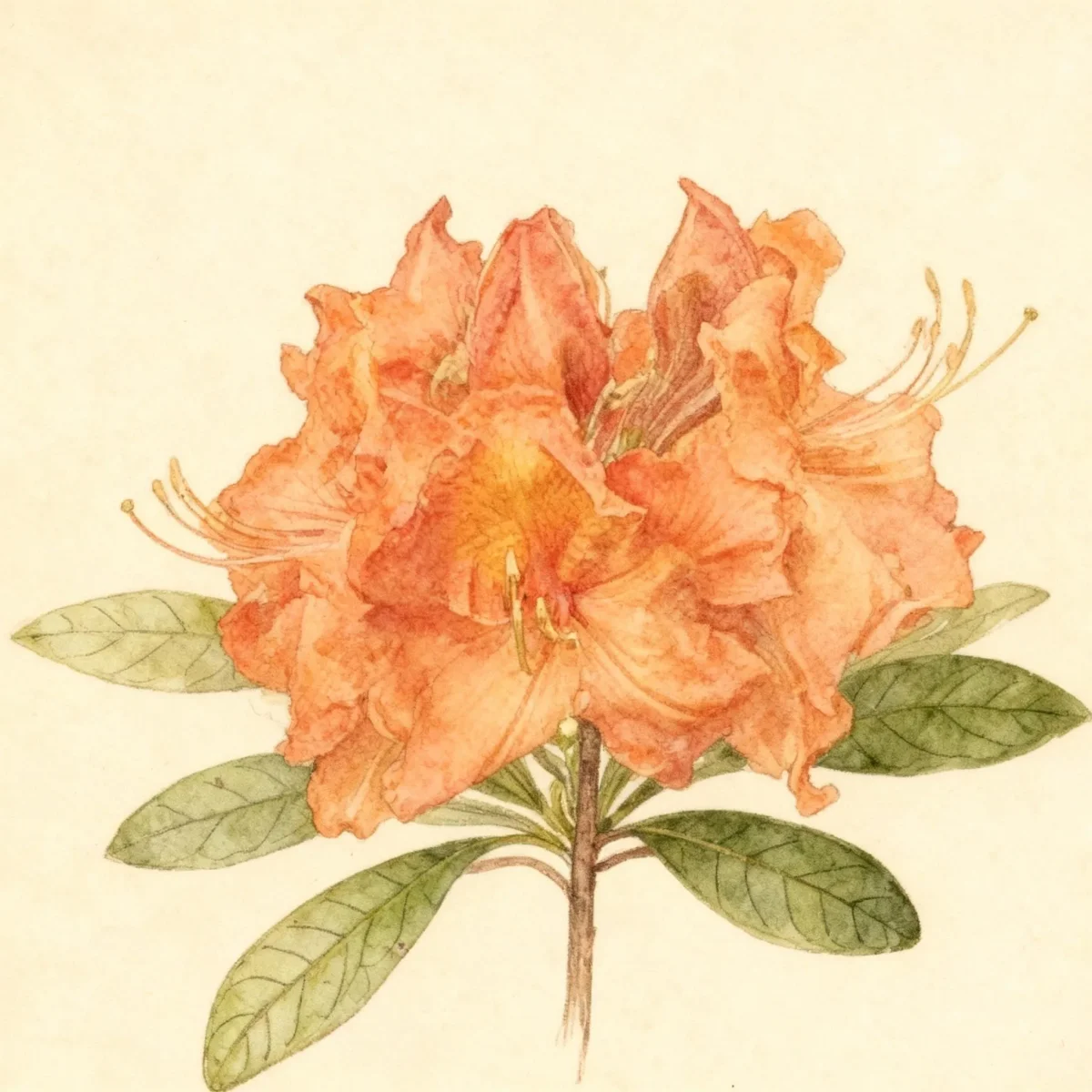
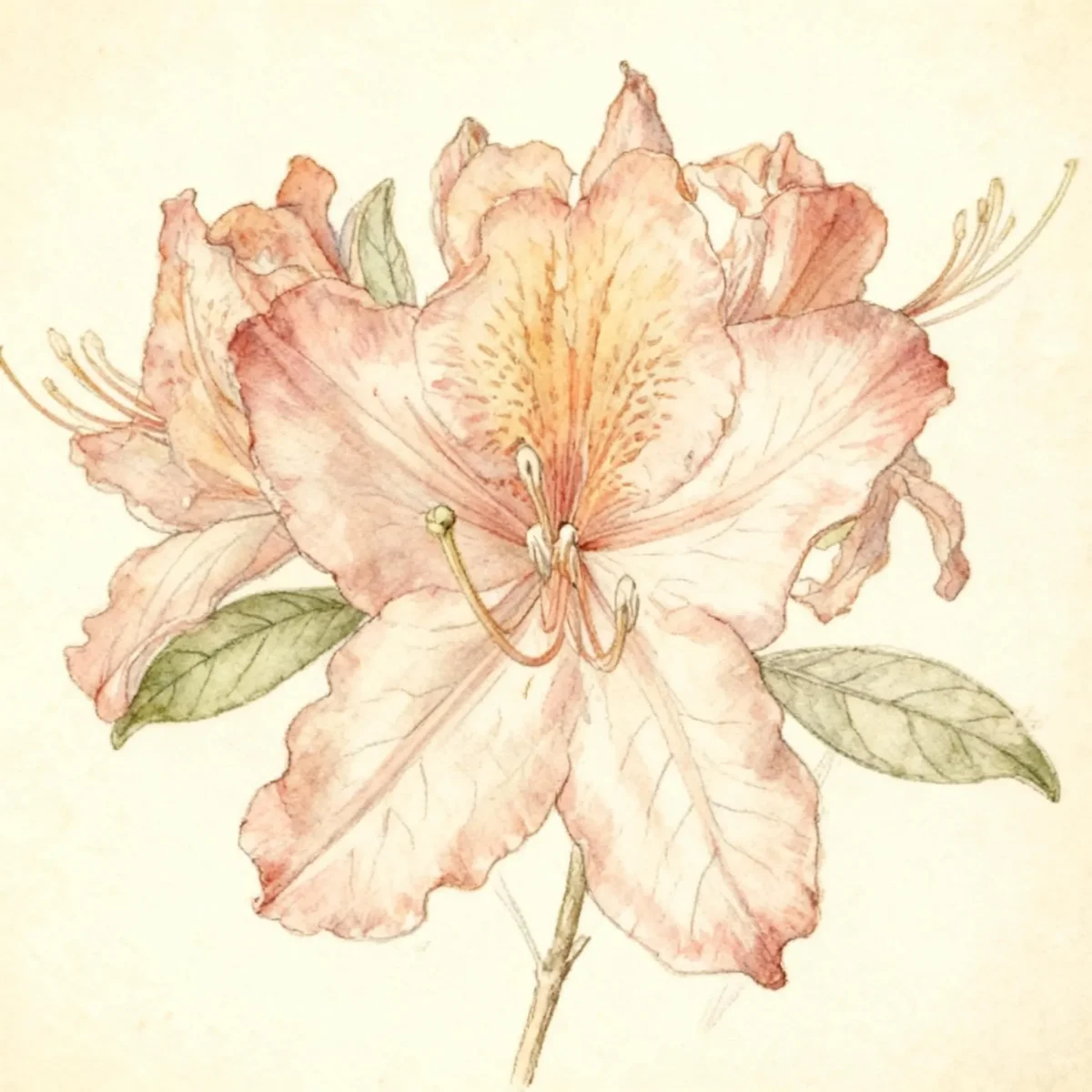
Azalea (Rhododendron 'Lavender Girl')
Rhododendron 'Lavender Girl' is a showy, fragrant deciduous Azalea blooming April-May in lavender shades. Ideal for partial shade.
Scroll down to discover growing tips, care requirements, companion plants, and more
Complete Plant Information
Overview
Rhododendron ‘Lavender Girl’ is a highly valued deciduous Azalea, celebrated for creating a lavish display of softly colored flowers early in the spring season. This cultivar offers clusters of fragrant, pale lavender blossoms that emerge right as the new foliage appears, providing significant early-season interest where many other shrubs struggle. As a dense, bushy shrub, the Rhododendron ‘Lavender Girl’ reaches a mature size of 6 to 8 feet tall, making it an excellent structural plant in layered woodland settings or as an informal hedge. Gardeners prize this Azalea not only for its aesthetic appeal but also for its relative shade tolerance compared to other deciduous types.
This Azalea belongs to the genus Rhododendron, a diverse group featuring both traditional rhododendrons and azaleas. Specifically, ‘Lavender Girl’ is a hybrid noted for its capacity to thrive with morning sun or high open shade, making it versatile for partially shaded landscapes. Successful cultivation relies heavily on soil conditions, demanding acidity and excellent drainage to support its shallow, fibrous root system. By meeting these cultural needs, gardeners can ensure this Azalea remains healthy and delivers its dependable, fragrant spring performance.
Fast Facts
- Plant Family: Ericaceae
- Plant Type: Deciduous shrub
- Hardiness Zones: USDA Zones 4-9
- Size at Maturity:
- Height: 6-8 ft
- Spread: 5-7 ft
- Bloom Time: April to May
- Bloom Description: Soft lavender
- Sun Exposure: Part shade
- Water Needs: Medium
- Maintenance Level: Medium
How to Grow
The key to cultivating Rhododendron ‘Lavender Girl’ is providing an acidic soil environment, ideally in the pH range of 5.0 to 5.5. Plant in locations that receive dappled sunlight or high open shade, being mindful that hot afternoon sun can scorch the leaves. Ensure the location is protected from harsh winds. Good soil drainage is non-negotiable; if you have heavy clay, consider planting in raised beds, as this Azalea absolutely dislikes having “wet feet,” which leads directly to root rot.
Watering should maintain a medium, consistent moisture level, as the shallow, fibrous roots must never be allowed to dry out completely. A generous layer of mulch, such as wood chips or pine needles, is highly recommended to stabilize soil temperatures and help retain necessary moisture around the roots. Since the root system is shallow, avoid cultivating deeply around the base of the plant.
Pruning for Rhododendron ‘Lavender Girl’ primarily involves removing spent flower clusters immediately after they fade. This ‘deadheading’ encourages better flowering the following season. Adjusting soil pH downwards, using elemental sulfur or iron sulfate, will be necessary periodically if your native soil is alkaline. Be aware that this plant should not be sited near walnuts, as azaleas are sensitive to juglone toxins.
Landscape Uses
Rhododendron ‘Lavender Girl’ excels when integrated into woodland gardens or shade gardens where its mid-spring color can lighten darker areas. Its height and density make it an excellent candidate for use as a natural, informal hedge, providing structure along property lines or walkways. It can also be featured as a specimen plant, allowing its distinctive lavender blooms to take center stage.
For mixed borders, pair this Azalea with other acid-loving plants that share similar cultural requirements for sun and moisture, such as ferns, camellias, or smaller evergreen rhododendrons. When planting near foundation lines, ensure adequate space for its mature 5-7 foot spread, allowing for air circulation which reduces disease pressure. The use of this fragrant Azalea near seating areas maximizes enjoyment of its delicate scent.
Standout Features
Flower Qualities
- Showy
- Fragrant
Noteworthy Characteristics
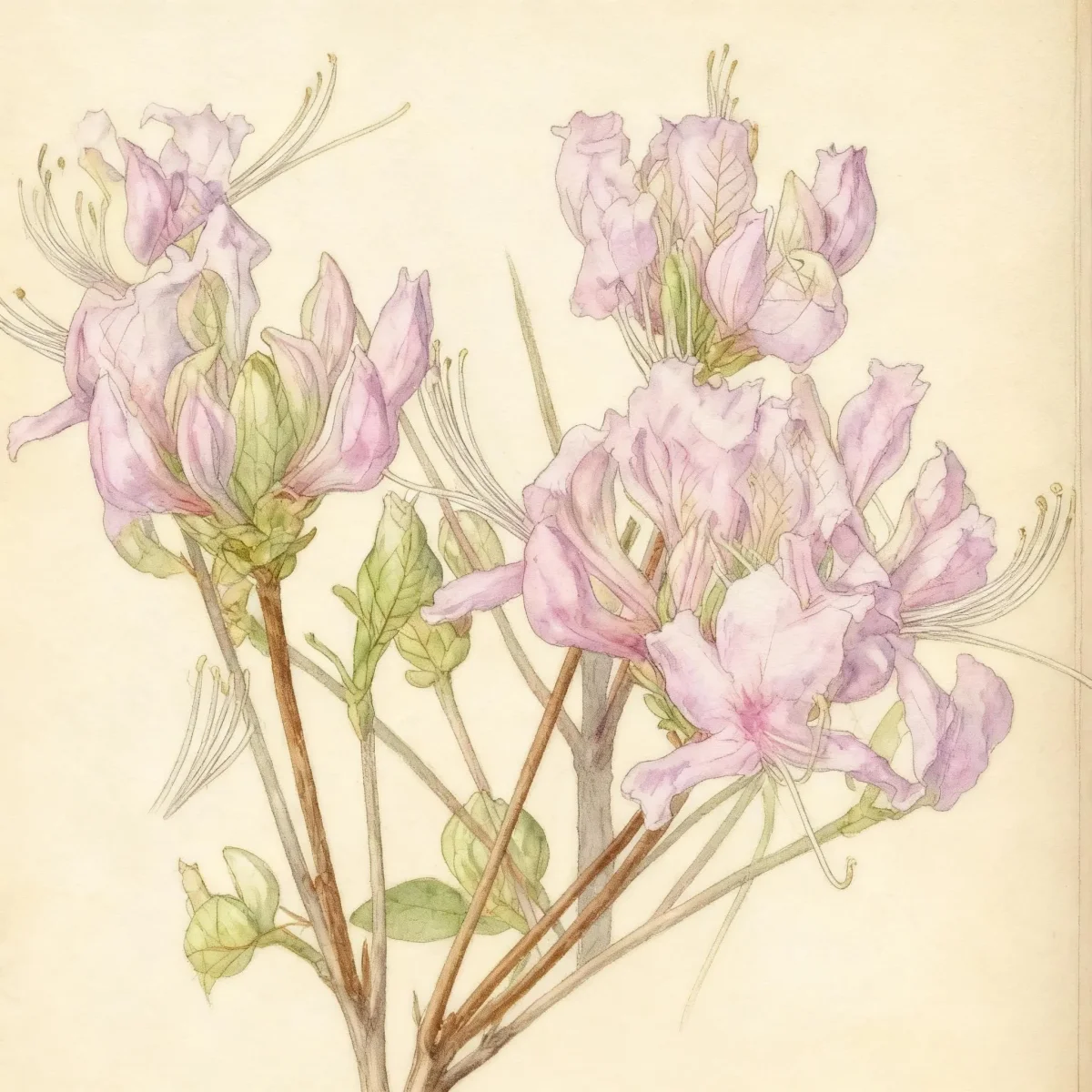
Rhododendron is a genus of 500 to 900 species and includes both of what we commonly call rhododendrons and azaleas. This specific selection, ‘Lavender Girl’, is a deciduous hybrid azalea, noted for its fragrant flowers and its ability to bloom successfully even in shade. It presents as a dense, bushy shrub, developing clusters of fragrant, pale lavender flowers with white markings during April as the leaves emerge. Gardeners should take care to distinguish this deciduous type from any evergreen rhododendron sharing the ‘Lavender Girl’ name.
Tolerances
- Rabbit
Potential Problems
Rhododendrons and azaleas, including this variety of Azalea, are susceptible to a range of insect and disease issues if conditions are not ideal. Common pests include aphids, scale, and whiteflies, while diseases range from various blights to root rot, often triggered by poor drainage. To prevent chlorosis—yellowing leaves indicating iron deficiency—ensure the soil permanently remains acidic (pH 5.0-5.5). A healthy plant situated properly in the right environment will naturally resist most severe problems.
Addressing poor drainage is the most critical preventative maintenance step; siting the plant in raised beds circumvents the risk of root rot common in heavy clay soils by ensuring that water moves away from the fibrous root crown. Monitor foliage closely for signs of stress, particularly scorch from too much direct, hot afternoon sun, which highlights the need for protection, especially in higher temperature zones.
Frequently Asked Questions
What hardiness zones is Azalea (Rhododendron ‘Lavender Girl’) suitable for?
Rhododendron ‘Lavender Girl’ thrives across a wide range, suitable for USDA Zones 4 through 9.
How large does Azalea (Rhododendron ‘Lavender Girl’) grow?
This deciduous shrub typically matures to a height of 6 to 8 feet and spreads 5 to 7 feet wide.
What sun exposure does Azalea (Rhododendron ‘Lavender Girl’) need?
This Azalea prefers part shade, thriving best with dappled light or morning sun followed by afternoon shade.
When does Azalea (Rhododendron ‘Lavender Girl’) bloom?
Rhododendron ‘Lavender Girl’ displays its soft lavender flowers primarily from April to May.
Conclusion
The fragrant, showy lavender blooms of Rhododendron ‘Lavender Girl’ make it a superb, relatively low-maintenance choice for adding structure and color to dappled shade areas. By focusing on the essential acidic soil and excellent drainage required by this Azalea, you ensure its successful establishment. Before planting, always confirm your local hardiness zone compatibility and prepare the soil to achieve that ideal acidic pH.
Companion Planting
When designing a garden around Rhododendron ‘Lavender Girl’, select companions that appreciate the same acidic, humus-rich soil and partial shade conditions. Plants like Camellia, Mountain Laurel (Kalmia), and various Fothergilla thrive in similar environments and offer complementary textures or bloom times. For ground cover beneath the canopy of this Azalea, consider acid-loving low growers such as Huckleberry (Vaccinium) or shade-tolerant ferns like the Japanese Painted Fern, which offer fine texture contrast to the shrub’s broader leaves.
Seasonal Care Calendar
Springtime is critical for Azaleas; after the soft lavender flowers of Rhododendron ‘Lavender Girl’ finish blooming in May, deadhead faded clusters to promote next year’s flower buds. Simultaneously, apply a fresh, deep layer of organic mulch (like pine needles) around the base, ensuring it does not touch the main stem, to conserve moisture through the summer heat. In late spring or early summer, if soil pH tests indicate alkalinity, an application of iron sulfate can help acidify the medium.
Summer care focuses entirely on consistent watering. Because the roots are shallow and fibrous, even brief dry spells can stress the Rhododendron ‘Lavender Girl’. Deep, infrequent watering is preferable to shallow daily sprinkling. Avoid any deep cultivation near the plant, as this will damage the critical surface roots.
Fall preparation is minimal for this deciduous shrub, but ensuring the soil remains consistently moist going into winter is beneficial. Unlike evergreen types, winter foliage protection is not a concern, but shielding the young stems from harsh winter winds is helpful, reinforcing the need for a slightly sheltered planting spot.