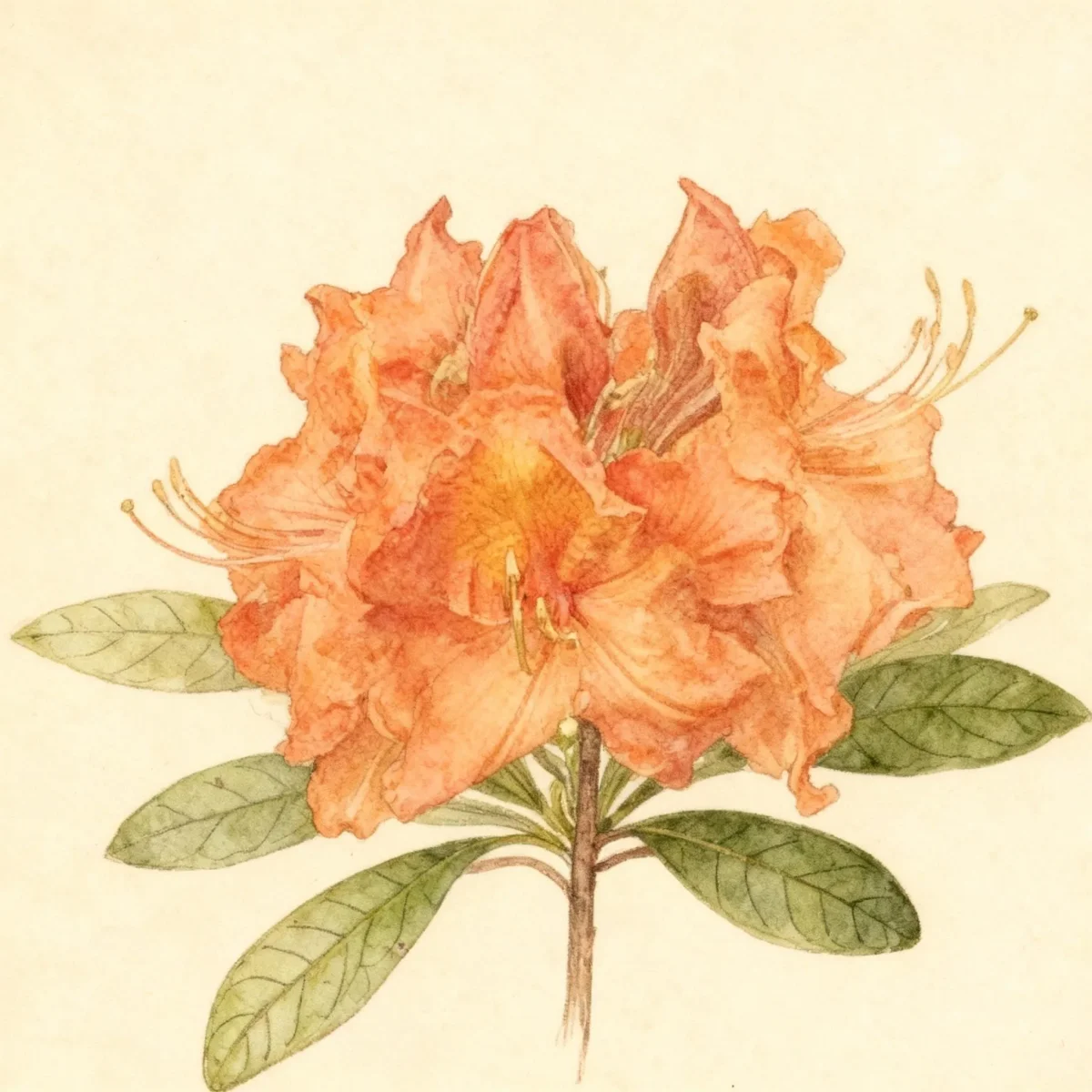
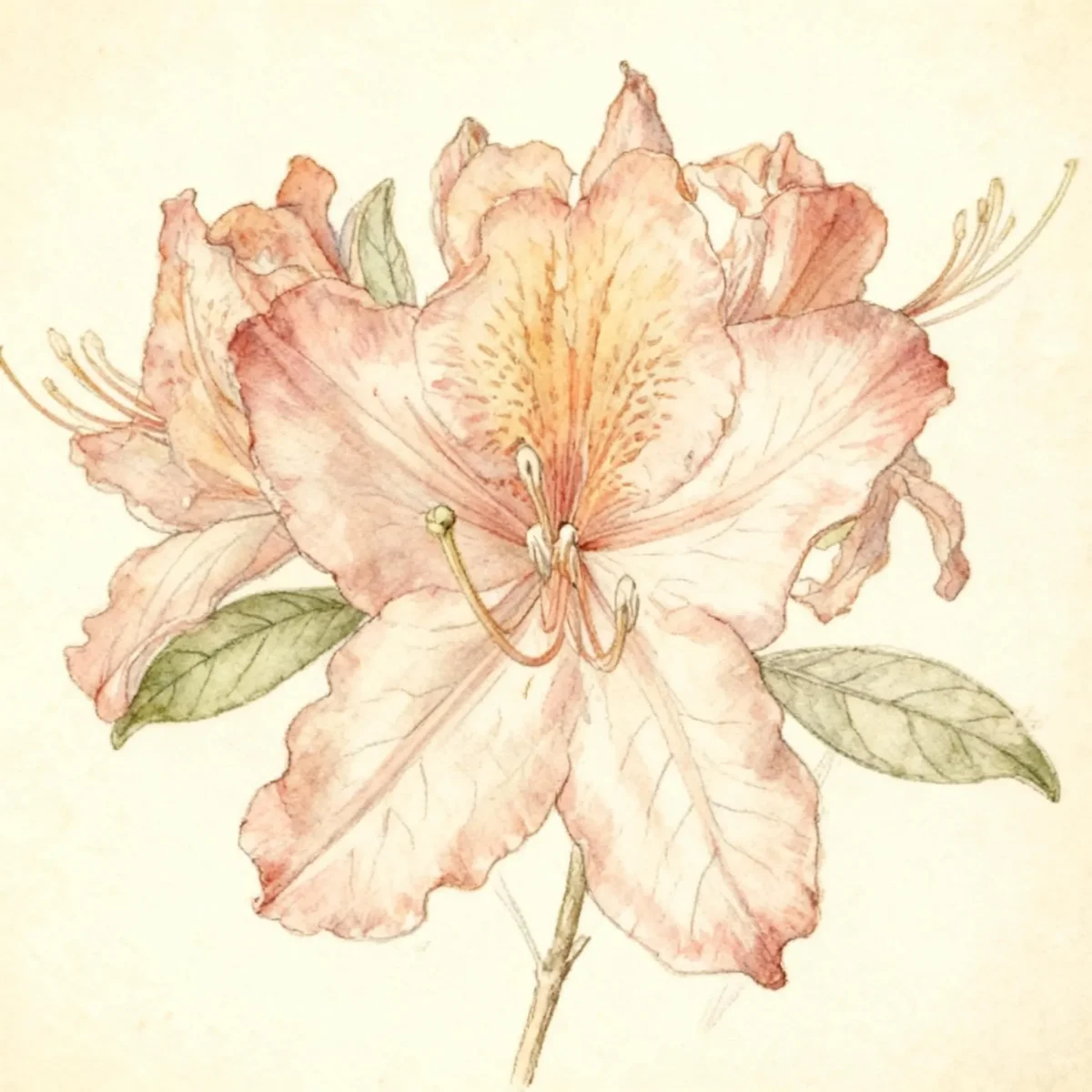
Azalea (Rhododendron 'Camilla's Blush')
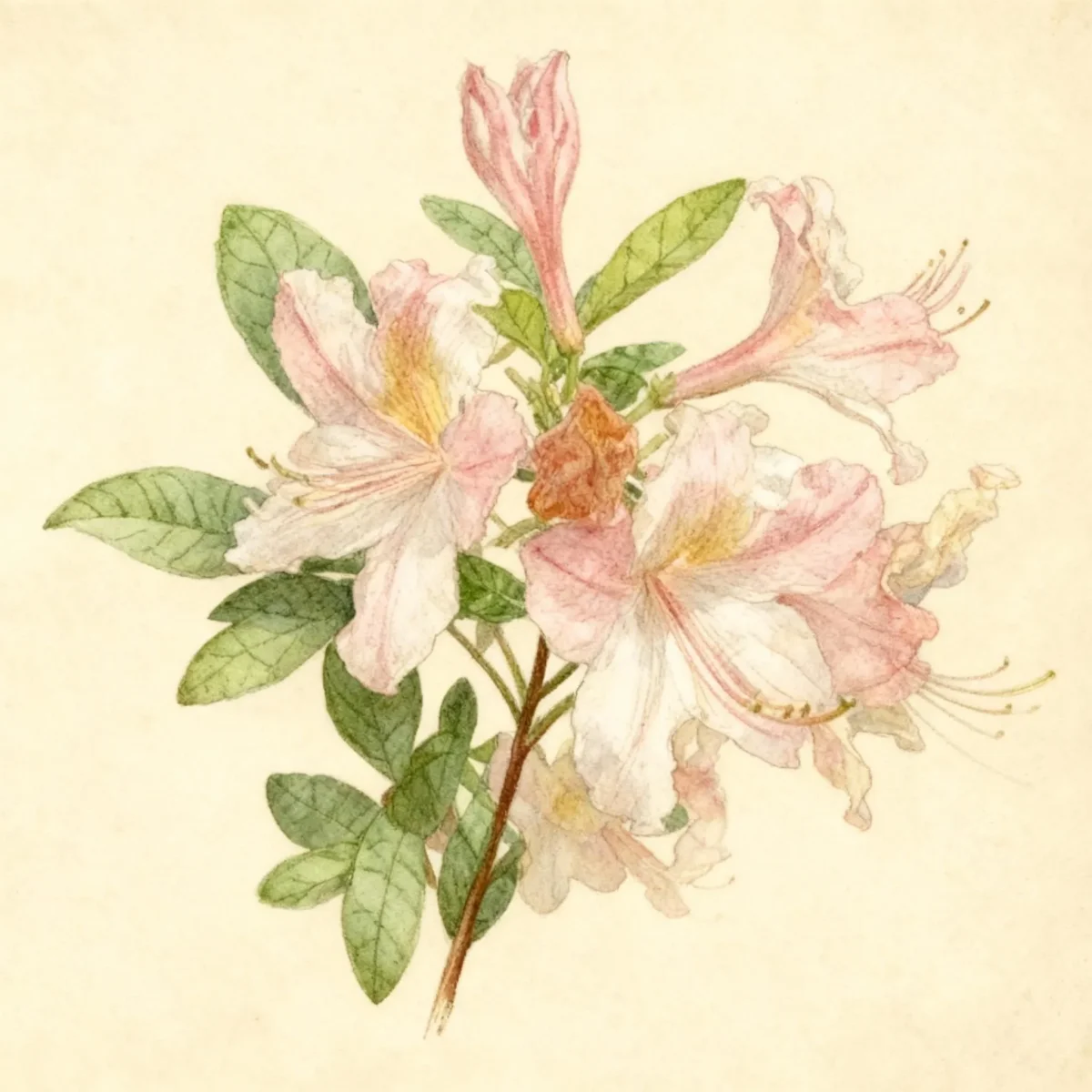
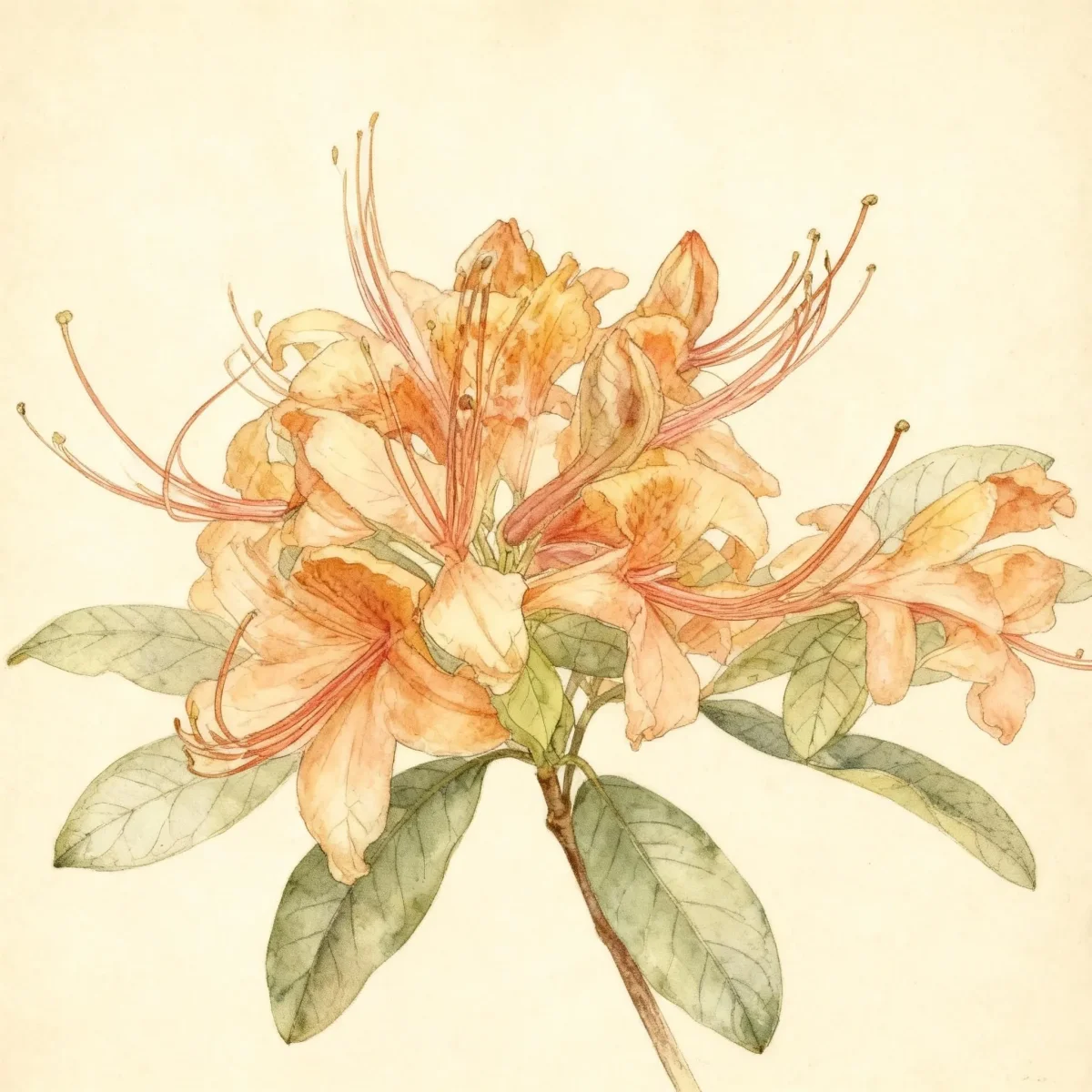
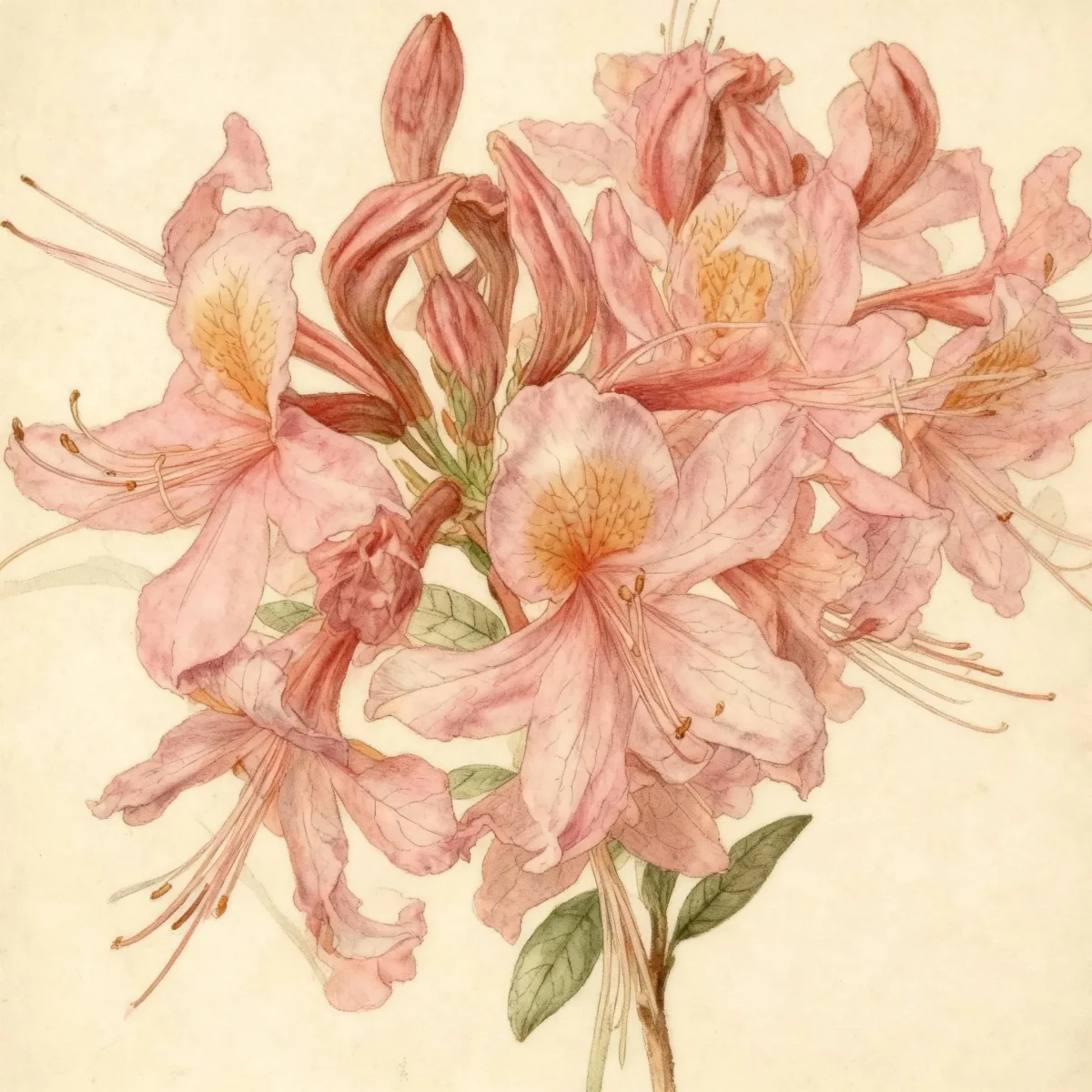
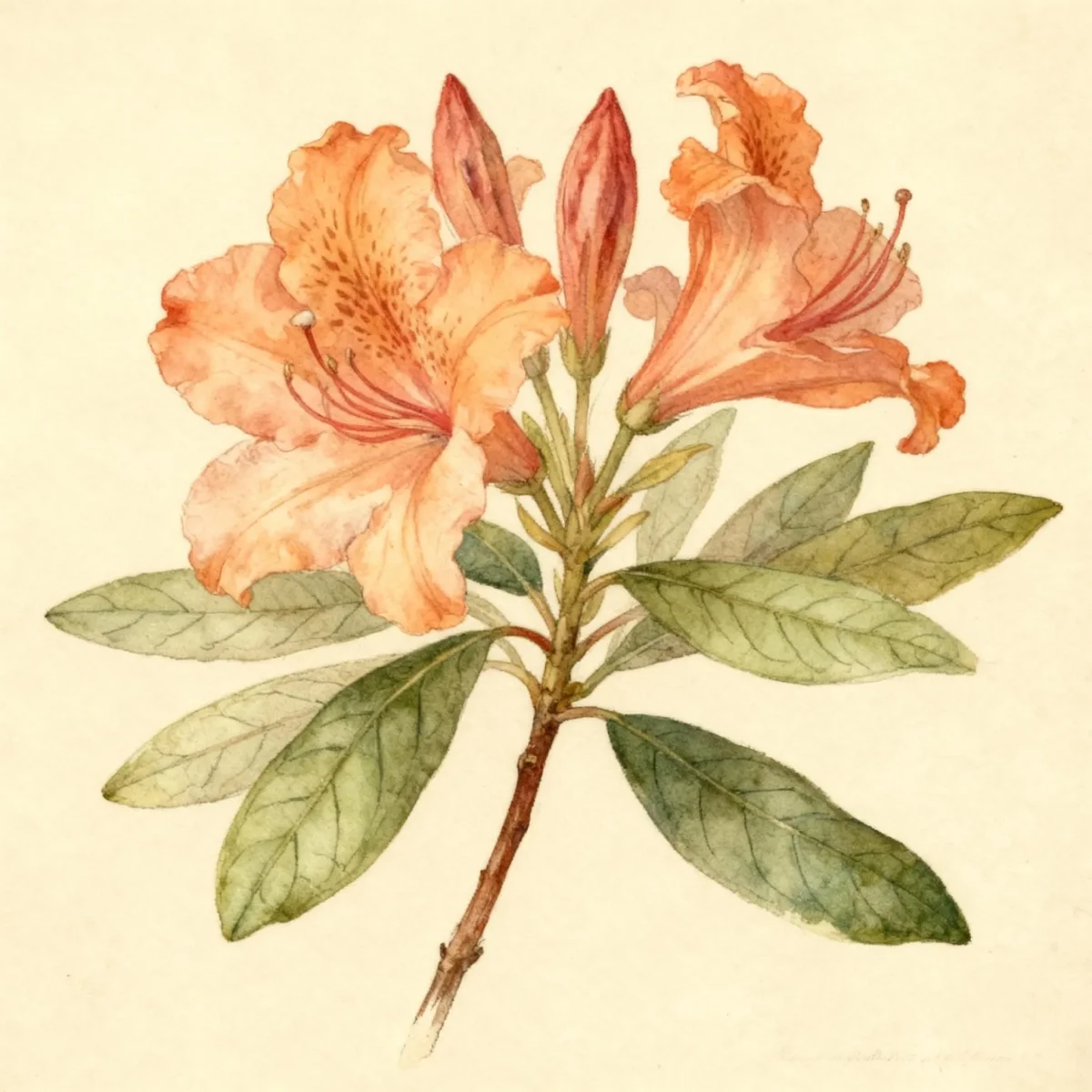
Rhododendron 'Camilla's Blush' is a showy deciduous Azalea known for fragrant soft pink blooms in early spring.
Scroll down to discover growing tips, care requirements, companion plants, and more
Complete Plant Information
Overview
Rhododendron ‘Camilla’s Blush’ is a highly valued deciduous Azalea, celebrated for its dense habit and spectacular early spring flower display. This hybrid produces clusters of soft pink, fragrant blooms just as the foliage begins to emerge, offering vibrant color before many other shrubs awaken. As a vigorous, suckering shrub, it forms a substantial presence in the garden, typically reaching heights between six and eight feet.
Gardeners prize this variety not only for its aesthetic appeal but also for its rich heritage, often being listed as a selection of the native Piedmont Azalea. Providing medium water needs and preferring dappled shade, Rhododendron ‘Camilla’s Blush’ anchors woodland gardens and shrub borders beautifully. Its deciduous nature means it provides excellent seasonal structure, unlike its evergreen cousins.
Proper cultural attention ensures this Azalea thrives, making it a reliable centerpiece or formal hedge element. Due to its shallow, fibrous root system, protecting the roots from drying out and maintaining acidic soil conditions are key to enjoying years of lavish blooms from this spectacular shrub.
Fast Facts
- Plant Family: Ericaceae
- Plant Type: Deciduous shrub
- Hardiness Zones: USDA Zones 5-7
- Size at Maturity:
- Height: 6-8 ft
- Spread: 6-8 ft
- Bloom Time: April
- Bloom Description: Soft pink
- Sun Exposure: Part shade
- Water Needs: Medium
- Maintenance Level: Medium
How to Grow
The foundation of successful Rhododendron ‘Camilla’s Blush’ culture lies entirely in soil preparation. These Azaleas demand acidic, organically rich, humusy soil that retains moisture but drains perfectly. Good soil drainage is non-negotiable to prevent root rot; consider raised beds if you have heavy clay. Plant Rhododendron ‘Camilla’s Blush’ in locations receiving part shade, ideally dappled light or morning sun with afternoon shade, particularly avoiding hot afternoon sun exposure.
Watering should be consistent to maintain medium moisture levels; these shallow, fibrous roots must never be allowed to dry out, especially during establishment or dry spells. Apply a thick layer of mulch, such as wood chips or pine needles, around the base to stabilize soil temperature, conserve moisture, and protect the sensitive root zone—avoid cultivating near the plant.
Keep the soil pH optimally low, generally between 5.0 and 5.5; test your soil and adjust acidity using sulfur or iron sulfate if needed. After flowering concludes in April, promptly deadhead spent flower clusters to encourage better setting of next year’s buds. Ensure the plant is sited away from the drip line of any walnut family trees, as these release juglone, which is toxic to most rhododendrons and azaleas.
Landscape Uses
Rhododendron ‘Camilla’s Blush’ excels in various landscape roles due to its manageable 6-8 foot stature and impressive spring color. It functions wonderfully as a specimen plant where its soft pink flowers can be appreciated up close, or massed together for a dramatic, flowering screen. This Azalea is highly effective when incorporated into mixed borders, providing essential texture and early spring massing effect among later-blooming perennials.
For a more structured look, Rhododendron ‘Camilla’s Blush’ is recommended for use as a formal or informal hedge. Its dense, bushy nature makes it an excellent element defining woodland margins or providing foundation plantings near structures, provided the drainage requirement is met. For woodland gardens or shady sites, pair this Azalea with other acid-lovers like ferns, Japanese maples, or early spring bulbs.
Standout Features
Flower Qualities
- Showy
- Fragrant
Noteworthy Characteristics
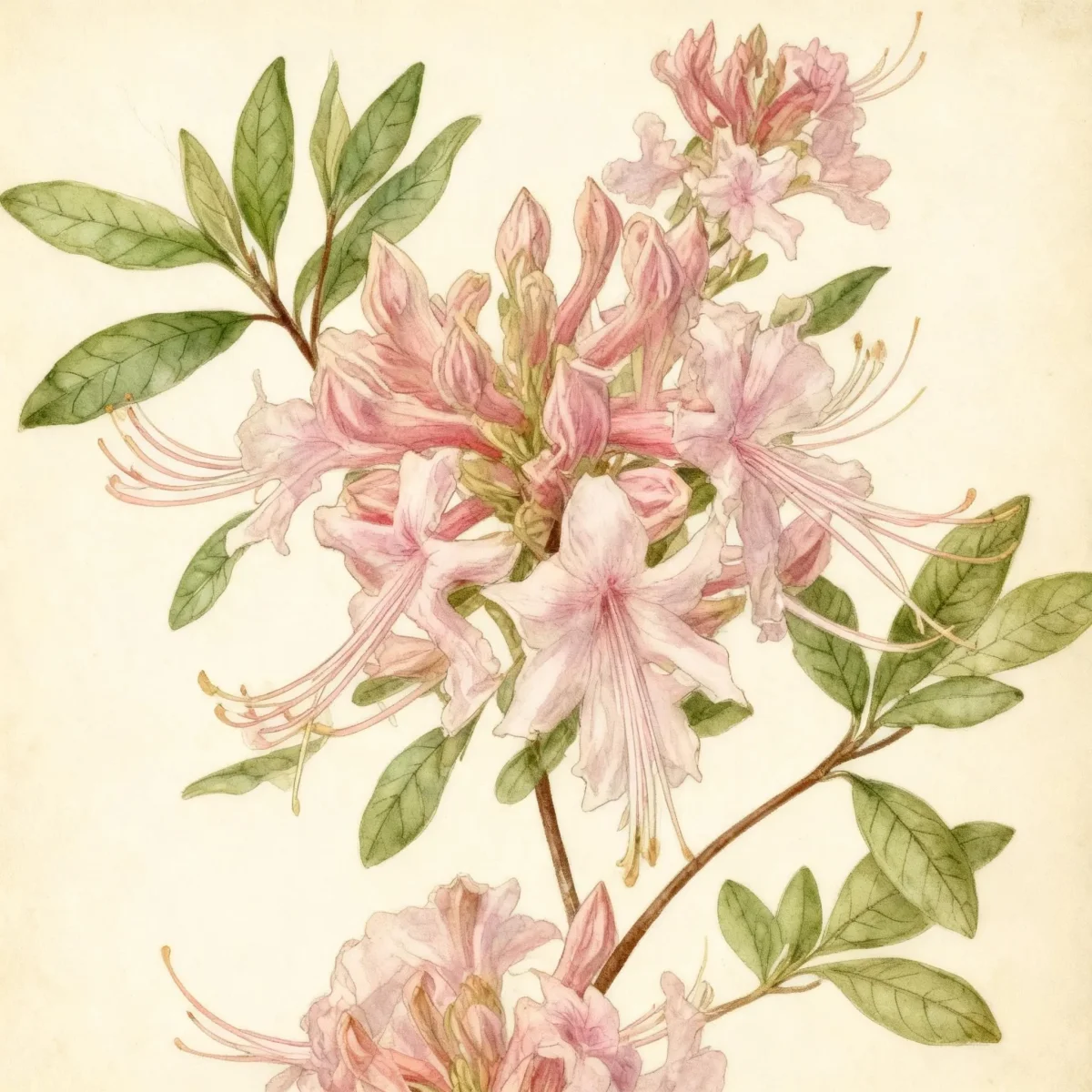
Genus name comes from the Greek words rhodo meaning rose and dendron meaning tree. Transferred from the Greek name for Nerium oleander.‘Camilla’s Blush’ is a deciduous hybrid azalea. It is commonly listed as a selection of Piedmont azalea (R. Canescens). It is a dense, bushy, suckering shrub that typically grows 6-8’ tall. Clusters of soft pink flowers bloom in April immediately preceding the emergence of the foliage.
Tolerances
- Rabbit
Potential Problems
Rhododendrons and azaleas are susceptible to many insect and disease problems, although a healthy plant in the proper environment with proper care should have limited issues. Common insect pests include aphids, borers, lacebugs, and scale. Disease threats range from blights and cankers to root rot, making drainage paramount. Watch for chlorosis, which manifests as yellowing leaves, often indicating an improperly high soil pH resulting in iron deficiency. Maintaining the correct acidic soil range is the best preventative measure against most cultural problems affecting this Azalea.
Frequently Asked Questions
What hardiness zones is Azalea (Rhododendron ‘Camilla’s Blush’) suitable for?
Rhododendron ‘Camilla’s Blush’ is best grown in USDA Hardiness Zones 5 through 7.
How large does Azalea (Rhododendron ‘Camilla’s Blush’) grow?
This deciduous shrub typically matures to a height between 6 and 8 feet, with a similar spread of 6 to 8 feet.
When does Azalea (Rhododendron ‘Camilla’s Blush’) bloom?
This Azalea bursts into bloom reliably in April, displaying masses of soft pink flowers.
What sun exposure does Azalea (Rhododendron ‘Camilla’s Blush’) need?
Rhododendron ‘Camilla’s Blush’ requires part shade; it prefers dappled light or high open shade for best results.
Conclusion
Rhododendron ‘Camilla’s Blush’ offers significant ornamental value with its luxurious, fragrant pink flowers appearing early in spring. Successfully growing this magnificent Azalea hinges upon providing consistent moisture, protection from harsh winds, and, most critically, rich, acidic soil. Assess your site conditions, especially soil pH and drainage, before planting Rhododendron ‘Camilla’s Blush’ to ensure a lifetime of enjoyment.
Companion Planting
When selecting companions for Rhododendron ‘Camilla’s Blush’, prioritize plants that thrive under the same acidic, well-drained soil conditions and prefer part-shade environments. Excellent companions include various shade-loving groundcovers such as Hosta, Heuchera (Coral Bells), and native woodland ferns, which help shade the critical shallow roots. Early spring flowering bulbs like Daffodils (Narcissus) can precede the Azalea bloom, providing sequential color interest without competing for resources once the shrub is fully leafed out.
Design Ideas for Woodland Margins
The natural growth habit of this Azalea makes it an ideal candidate for softening the edge between a woodland canopy and an open lawn area. Planting Rhododendron ‘Camilla’s Blush’ along woodland margins allows it to receive the necessary high, open shade while keeping it visible for its spectacular bloom show. Use groups of three or five plants together to increase the visual impact of the soft pink flowers against a backdrop of darker evergreen rhododendrons or hemlocks planted slightly further back into denser shade.