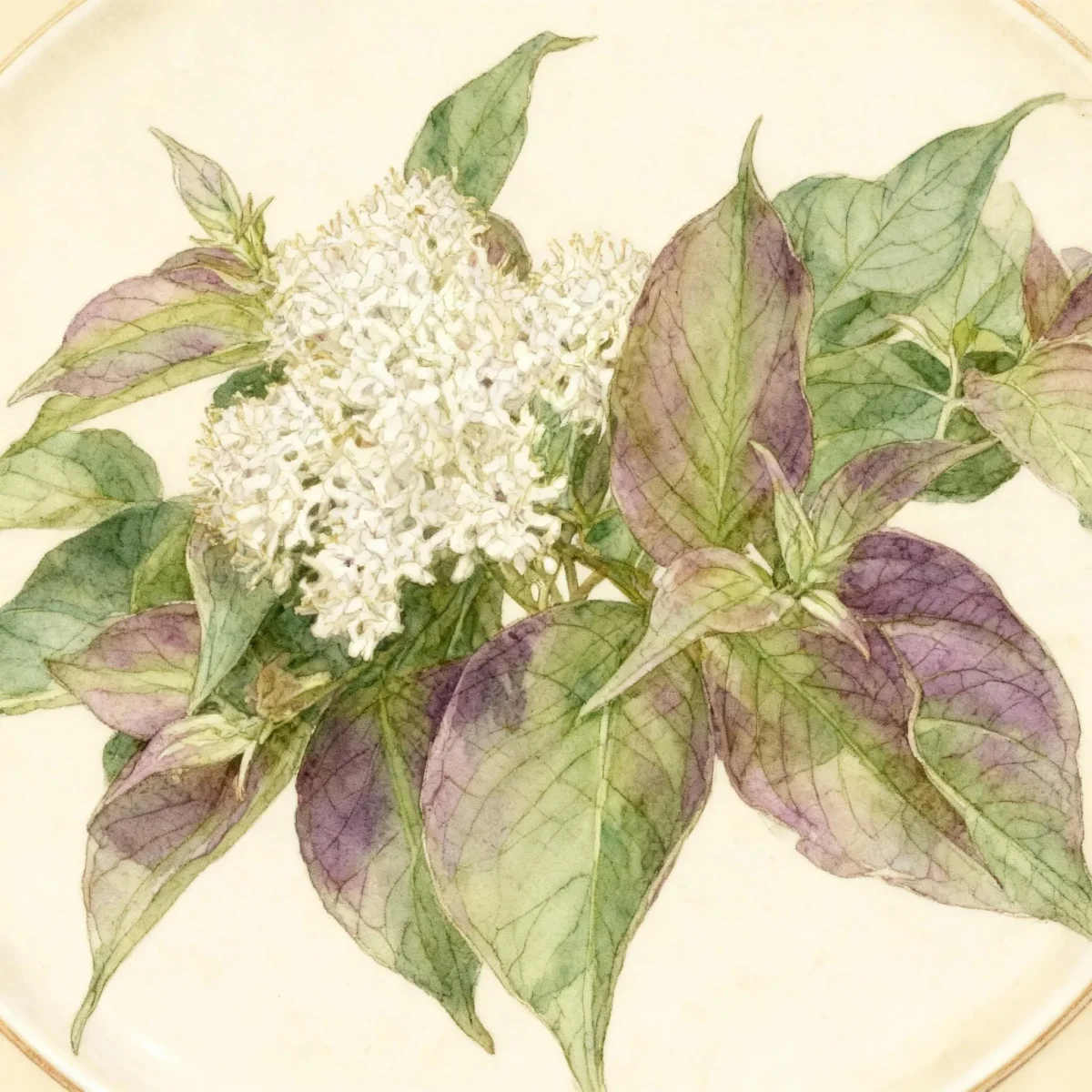
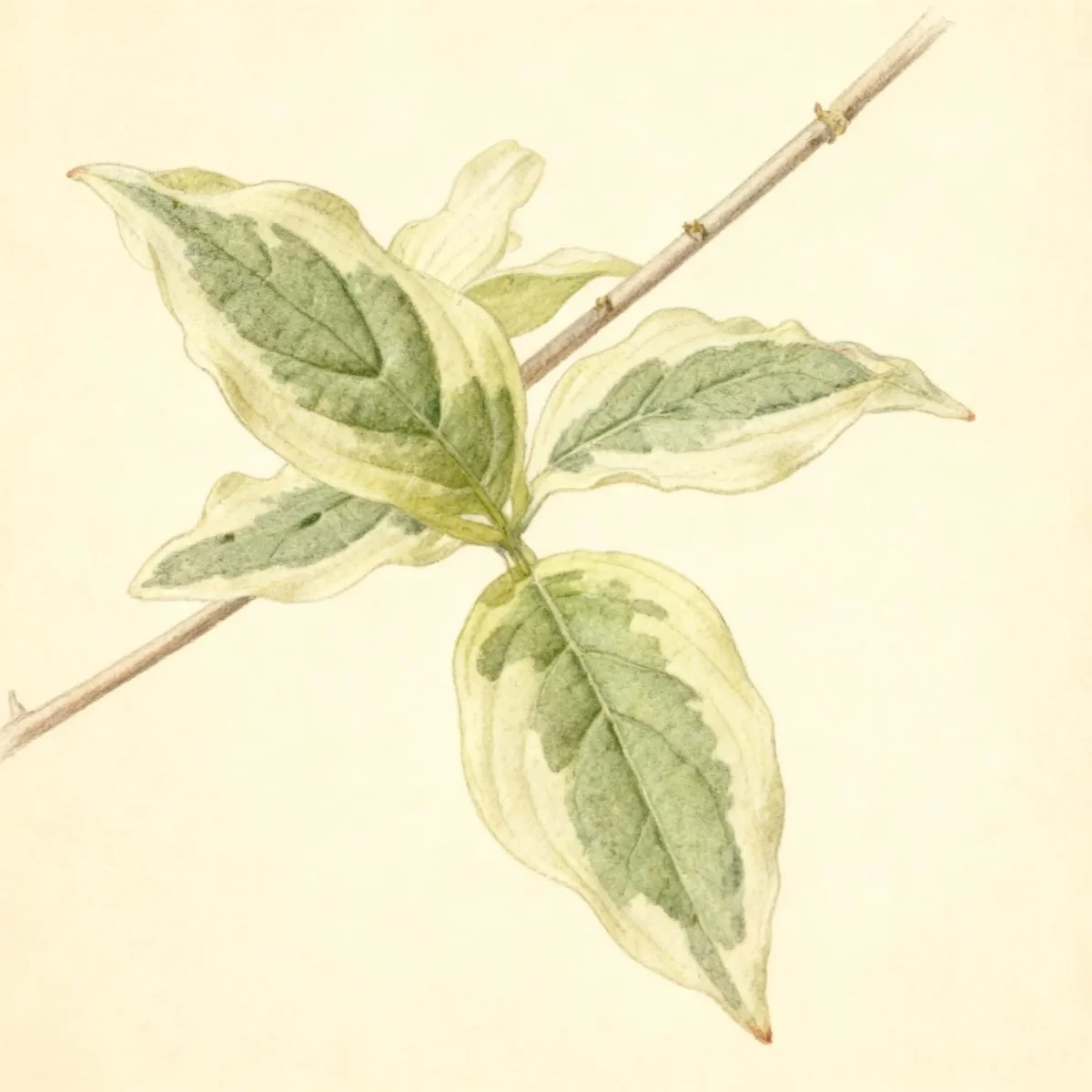
Bloodtwig dogwood (Cornus sanguinea 'Winter Beauty')
Bloodtwig dogwood cultivar 'Winter Beauty' offers stunning orange-yellow winter stems and golden fall foliage. Low maintenance shrub for zones 5-7.
Scroll down to discover growing tips, care requirements, companion plants, and more
Complete Plant Information
Overview
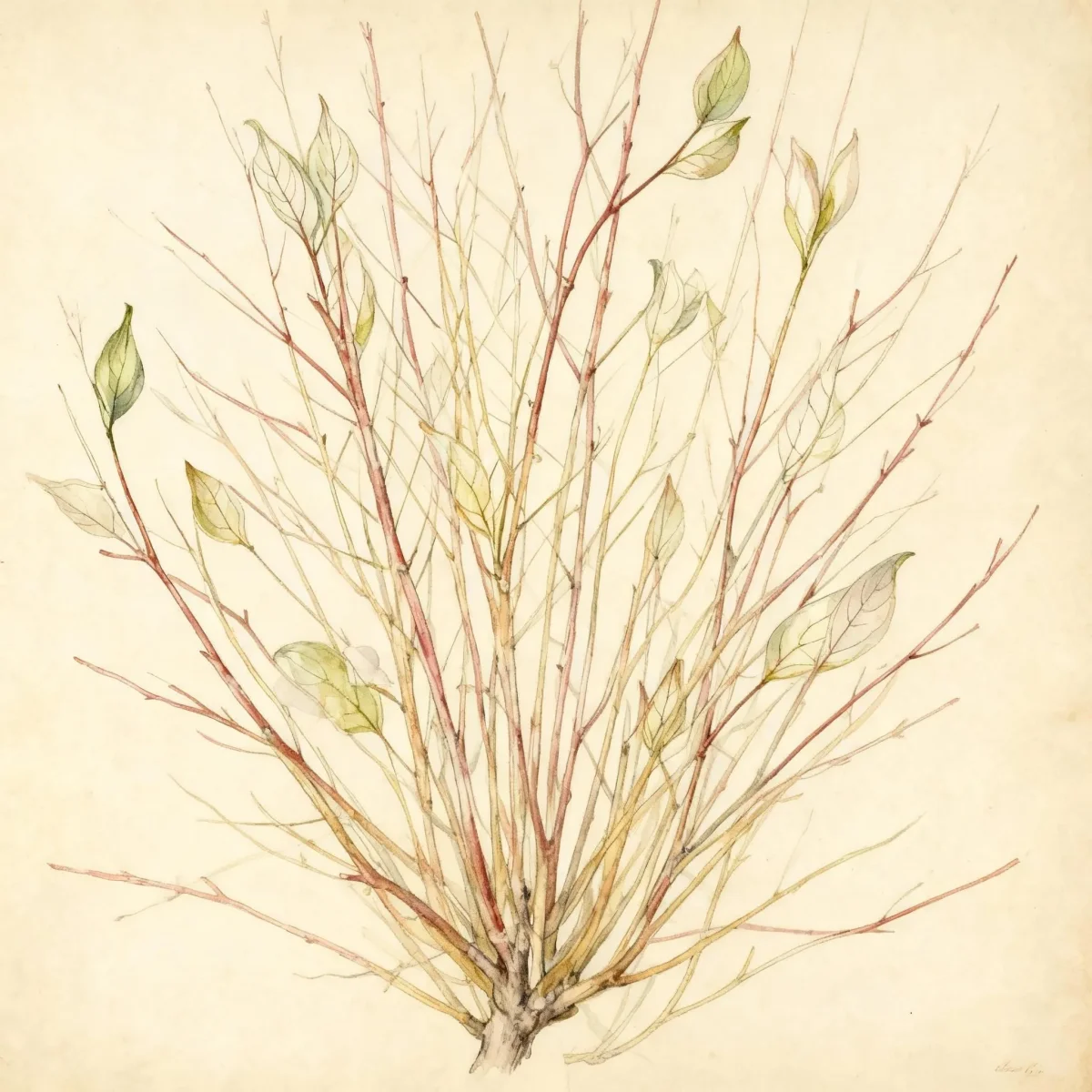
Cornus sanguinea ‘Winter Beauty’ is a highly valuable deciduous shrub renowned for its spectacular winter interest, injecting brilliance into cold-season landscapes. This Bloodtwig dogwood cultivar provides exceptional contrast when its stems emerge, featuring striking orange-yellow winter coloration often tipped with red. It is a multi-stemmed shrub that offers low maintenance and reliable seasonal transitions, moving from green leaves to golden fall color before its ornamental stems shine.
This variety of Bloodtwig dogwood typically matures to a manageable 5 to 6 feet tall and wide, making it excellent for defined spaces or mass plantings where its twig color can be appreciated. It thrives in full sun to partial shade and demonstrates versatility, tolerating a wide range of soil types as long as drainage is adequate. Gardeners choose Cornus sanguinea ‘Winter Beauty’ for its low demands and high visual impact throughout the year.
Fast Facts
- Plant Family: Cornaceae
- Plant Type: Deciduous shrub
- Hardiness Zones: USDA Zones 5-7
- Size at Maturity:
- Height: 5-6 ft
- Spread: 5-6 ft
- Bloom Time: May to June
- Bloom Description: White
- Sun Exposure: Full sun to part shade
- Water Needs: Medium
- Maintenance Level: Low
How to Grow
Plant Cornus sanguinea ‘Winter Beauty’ ideally in the spring or fall when soil temperatures are moderate. This Bloodtwig dogwood prefers organically rich, medium-moisture, well-drained soils, though it tolerates a wide soil spectrum. Ensure it receives adequate moisture, especially during dry spells, as consistently moist but well-drained conditions encourage the best growth and stem color.
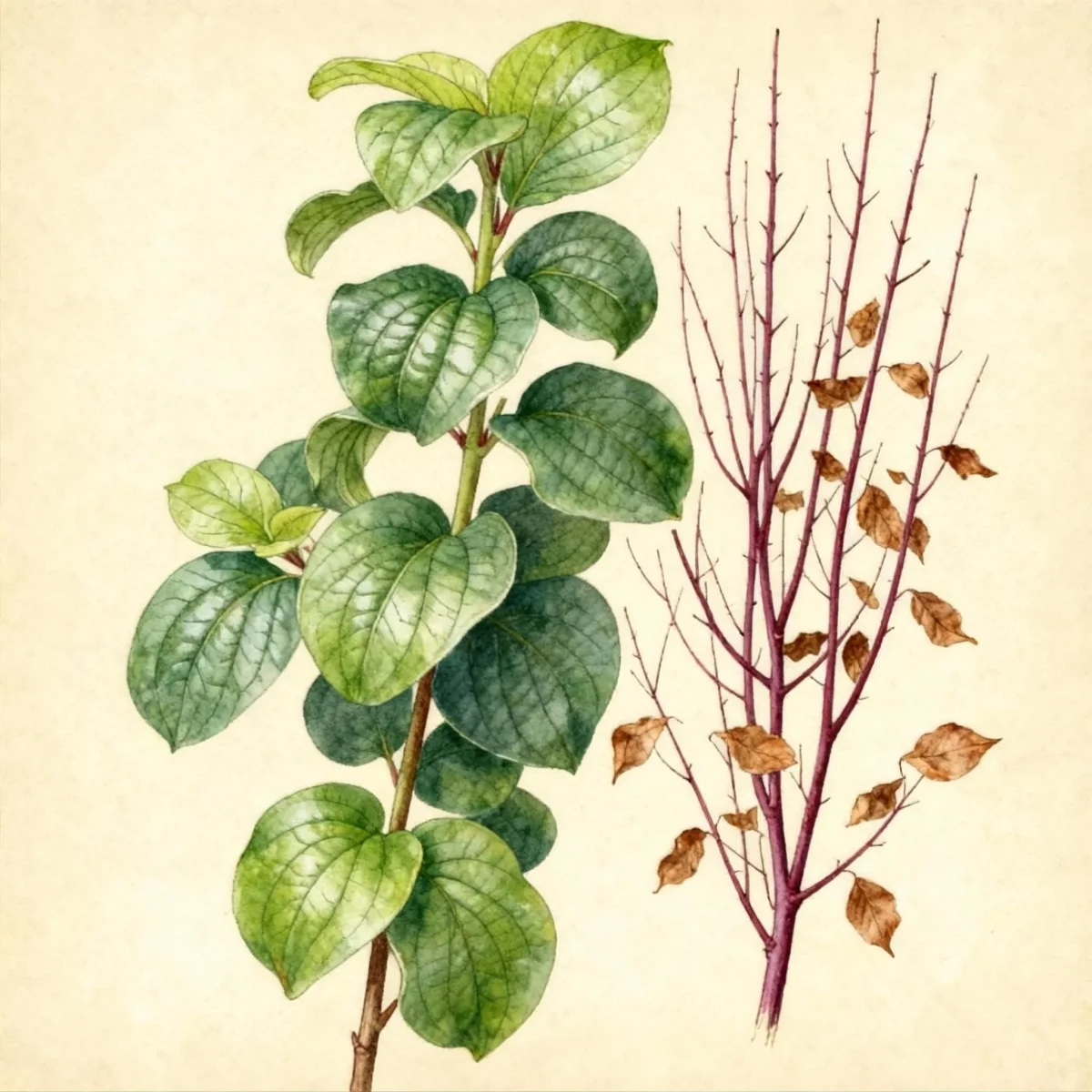
While pruning is not strictly required, significant stem color is reserved for the youngest growth. To maximize the orange-yellow and red tones on your Cornus sanguinea ‘Winter Beauty’, annually remove 20-25% of the oldest, thickest stems late in winter or very early spring before new growth begins. Alternatively, if you prefer less frequent work, you can cut all stems close to the ground every two to three years for renewal.
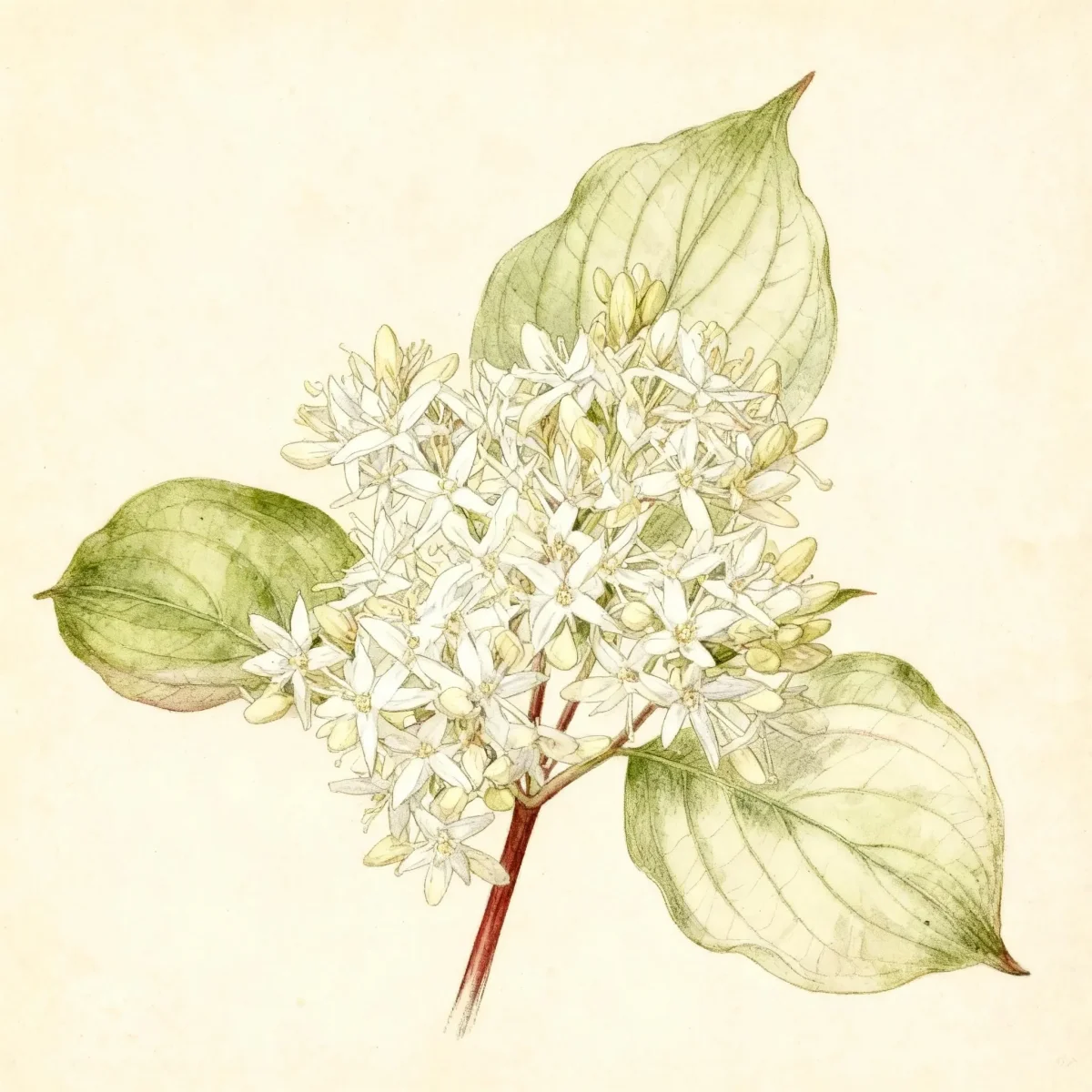
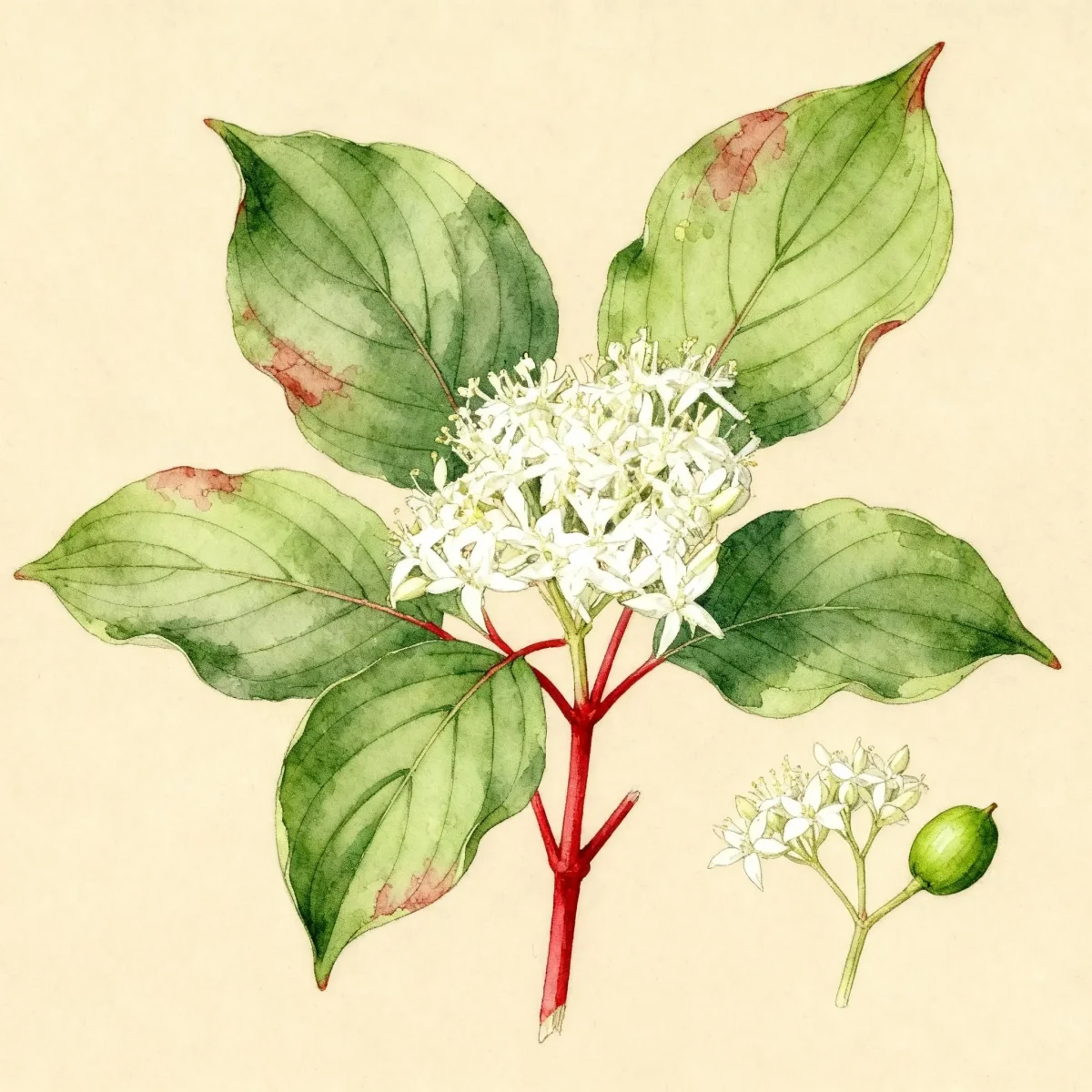
If undesired, remove any suckers emerging from the base or roots to manage the shrub’s spread. Be aware that any spring pruning will sacrifice the small white flowers, but since their fragrance is fetid and the blooms are ordinary, this trade-off is often worthwhile for winter color enthusiasts.
Landscape Uses
The striking winter branches of Cornus sanguinea ‘Winter Beauty’ make it a prime candidate for shrub borders where structure is needed after deciduous trees lose their leaves. It functions beautifully as an informal hedge or screen, particularly in the winter landscape. The shrub’s suitability for rain gardens stems from its tolerance of medium moisture levels, provided the soil drains well.
Mass plantings of this Bloodtwig dogwood are highly effective, creating sweeping bands of bright color against evergreen backdrops or snow. Because its ornamental qualities are concentrated in the twigs, avoid placing it too far from viewing areas, such as near patios or prominent windows. Consider pairing it with fine-textured evergreens that contrast nicely with its twiggy structure.
Standout Features
Flower Qualities
- Showy
- Fragrant
Fruit Qualities
- Showy
Noteworthy Characteristics
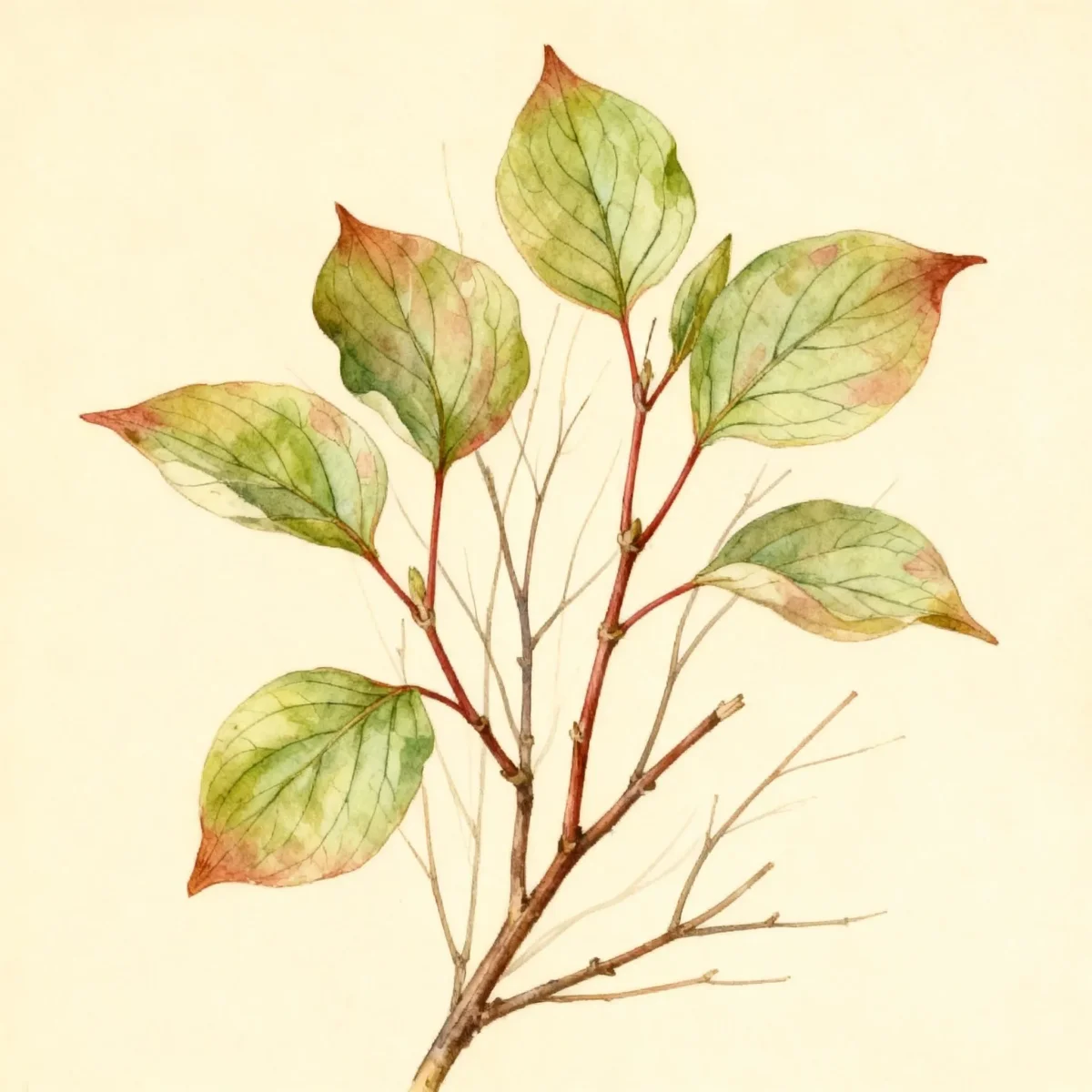
Cornus sanguinea, commonly known as blood twig dogwood, is an upright, multi-stemmed deciduous shrub noted for its twiggy habit. The cultivar ‘Winter Beauty’ is specifically noted for its outstanding ornamental features, including golden-yellow fall foliage and brilliant orange-yellow winter stems tipped with red twigs. While the small white flowers are followed by dark purple drupes attractive to birds, the real show begins after the leaves drop.
Tolerances
- Deer
- Erosion
Potential Problems
Fortunately, this Bloodtwig dogwood cultivar generally suffers from no serious insect or disease problems, making it an excellent, reliable choice for low-maintenance gardening. Good air circulation, achieved through proper spacing and selective pruning of old wood, helps maintain plant health. Avoid waterlogged conditions, as dogwoods prefer well-drained sites even though they require consistent moisture.
Frequently Asked Questions
What hardiness zones is Bloodtwig dogwood suitable for?
Cornus sanguinea ‘Winter Beauty’ is hardy and thrives in USDA Zones 5 through 7.
How large does Cornus sanguinea ‘Winter Beauty’ grow?
This shrub typically achieves a mature height between 5 and 6 feet, with a similar spread of 5 to 6 feet.
What sun exposure does Cornus sanguinea ‘Winter Beauty’ need?
For the most vibrant stem color and best overall performance, provide this plant with full sun to partial shade exposure.
When does Bloodtwig dogwood bloom?
The small white flowers of Cornus sanguinea ‘Winter Beauty’ typically appear between May and June.
Conclusion
Planting Cornus sanguinea ‘Winter Beauty’ guarantees multi-seasonal interest, locking in dramatic orange-yellow winter stem color that brightens the bleakest months. This low-maintenance Bloodtwig dogwood is adaptable and robust, provided it receives adequate moisture and the benefit of annual pruning to refresh its stems. Evaluate your site for USDA Zone 5-7 compatibility and plan your winter pruning schedule now for maximum stem display next year.
Companion Planting
When integrating Cornus sanguinea ‘Winter Beauty’ into your landscape, select evergreen companions that accentuate the color of its bare branches. Dark green conifers, such as upright yews or compact holly varieties, provide a dramatic, stable background that causes the orange-yellow stems to truly pop. Consider planting shorter groundcovers beneath the shrub that can handle the dappled shade cast when the dogwood is fully leafed out.
Another excellent pairing involves plants that share similar moisture needs. Dogwoods appreciate consistent moisture, so placing them near other water-tolerant shrubs or perennials, such as certain spireas or moisture-loving ferns, simplifies your irrigation routine. Ensure there is enough space between plants to maintain good air flow, which is crucial for minimizing any potential fungal issues, even though this variety is generally resistant.
Seasonal Care Calendar
Spring is the most critical time for Cornus sanguinea ‘Winter Beauty’ care, focusing on renewal and cleanup. As soon as the worst of winter ends, perform your rejuvenation pruning if you opted for the heavy renewal cut, or thin out 20-25% of the oldest stems for lighter annual improvement. Rake up any fallen debris from the previous season.
During the summer months, focus purely on watering, ensuring the medium moisture needs of the Bloodtwig dogwood are met, especially during peak heatwaves. Avoid heavy fertilization during this time, as encouraging overly lush new growth late in the season can make stems more susceptible to winter damage.
Fall brings the golden highlight of the foliage before leaf drop reveals the brilliant stems. In late fall or early winter, you can apply a protective layer of mulch around the base, keeping it away from the crown, to help moderate soil temperatures and retain moisture as the ground begins to freeze.