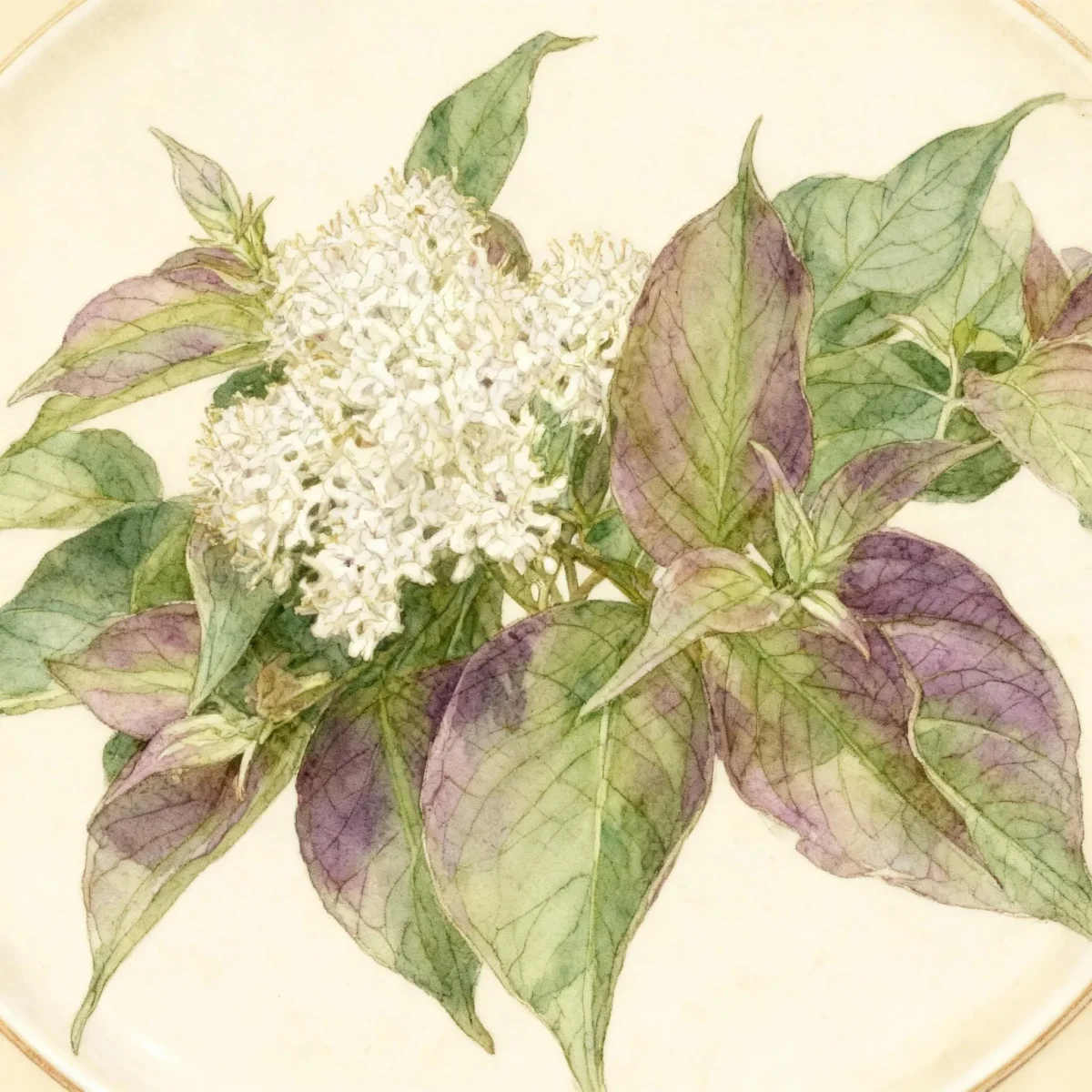
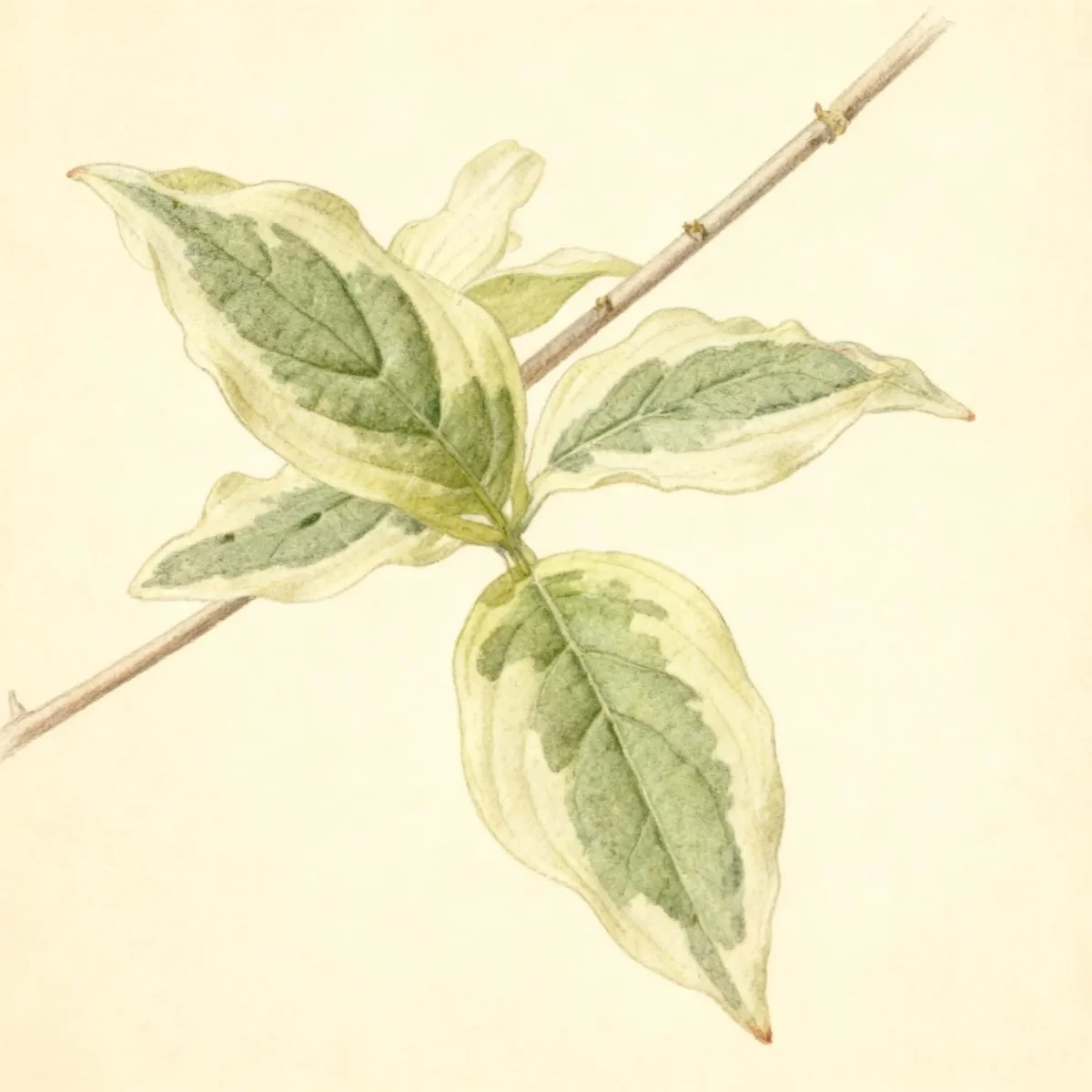
Bloodtwig dogwood (Cornus sanguinea 'Midwinter Fire')
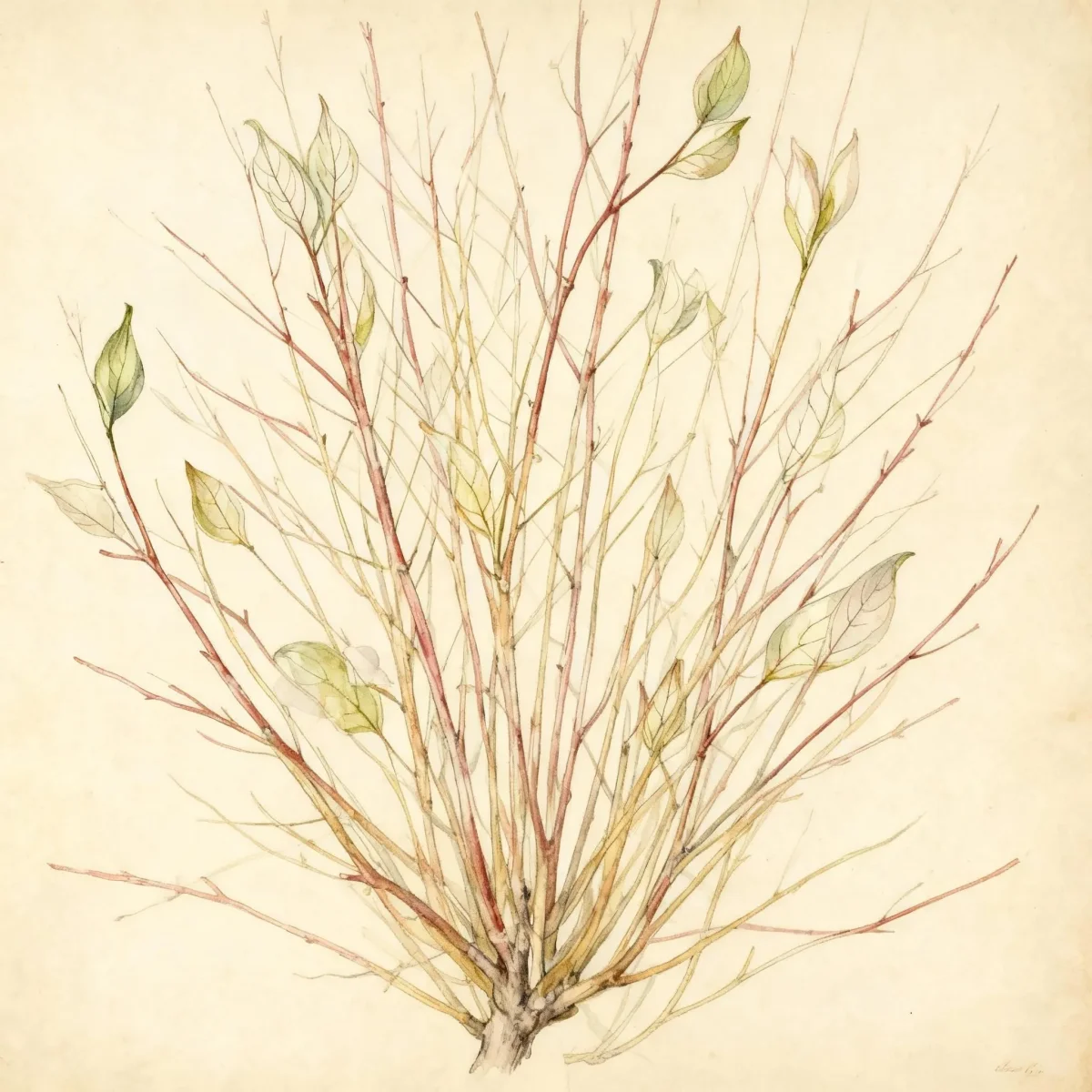
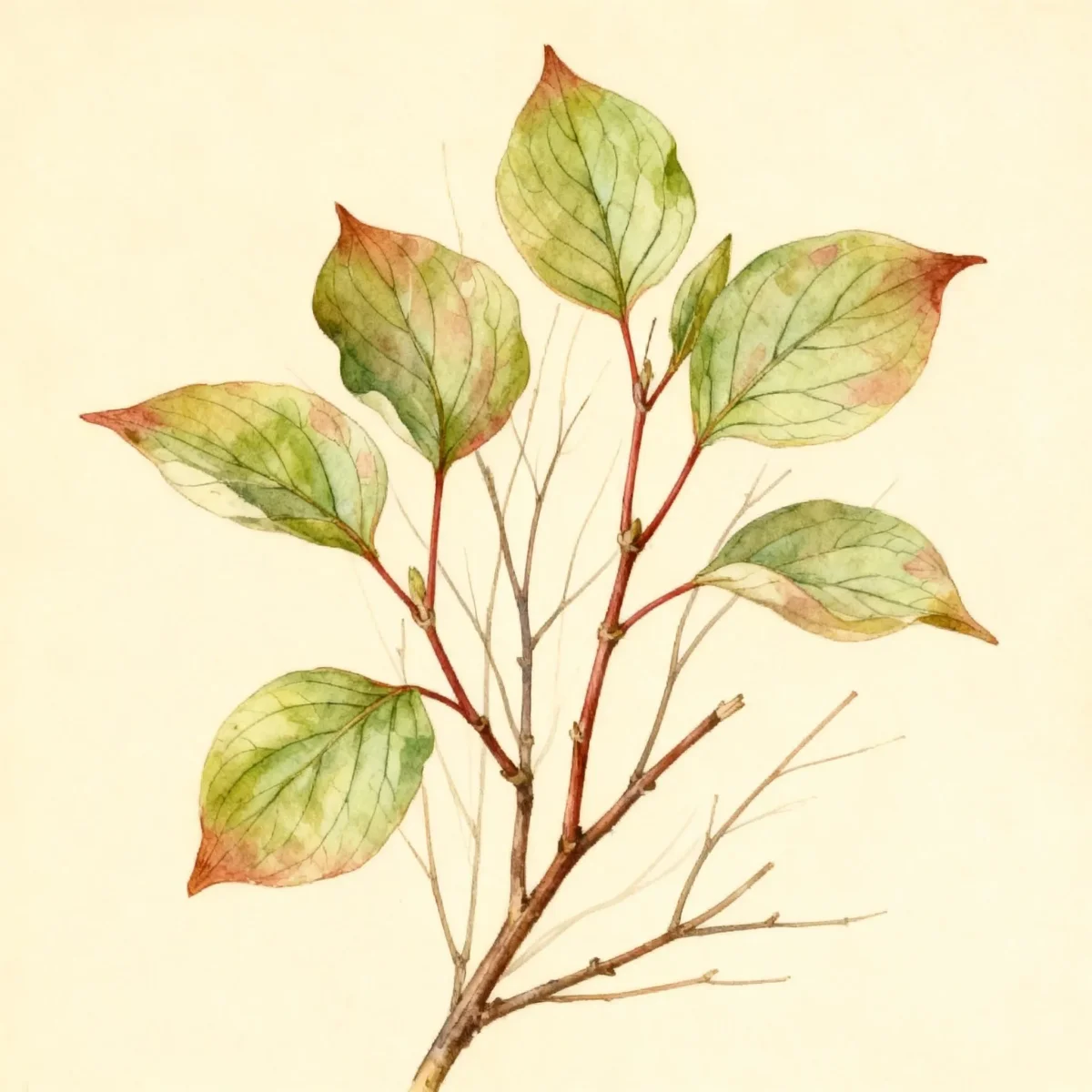
Cornus sanguinea 'Midwinter Fire' is a deciduous shrub noted for brilliant red-tipped yellow winter stems and golden fall color.
Scroll down to discover growing tips, care requirements, companion plants, and more
Complete Plant Information
Overview
The exceptional ornamental appeal of Cornus sanguinea ‘Midwinter Fire’ lies in its dramatic winter bark display, making it a must-add for year-round interest. This cultivar of Bloodtwig dogwood brightens the landscape with unique yellow stems tipped in vibrant red, particularly striking against snow. Growers prize this shrub not only for winter color but also for its golden yellow fall foliage, ensuring continuous visual structure.
As an upright, spreading deciduous shrub, Bloodtwig dogwood thrives best when provided ample sunlight to enhance stem color intensity. It offers low maintenance once established, suitable for larger borders or specimen planting where its colorful twigs can be fully appreciated throughout the colder months.
Fast Facts
- Plant Family: Cornaceae
- Plant Type: Deciduous shrub
- Hardiness Zones: USDA Zones 5-7
- Size at Maturity:
- Height: 5-6 ft
- Spread: 5-6 ft
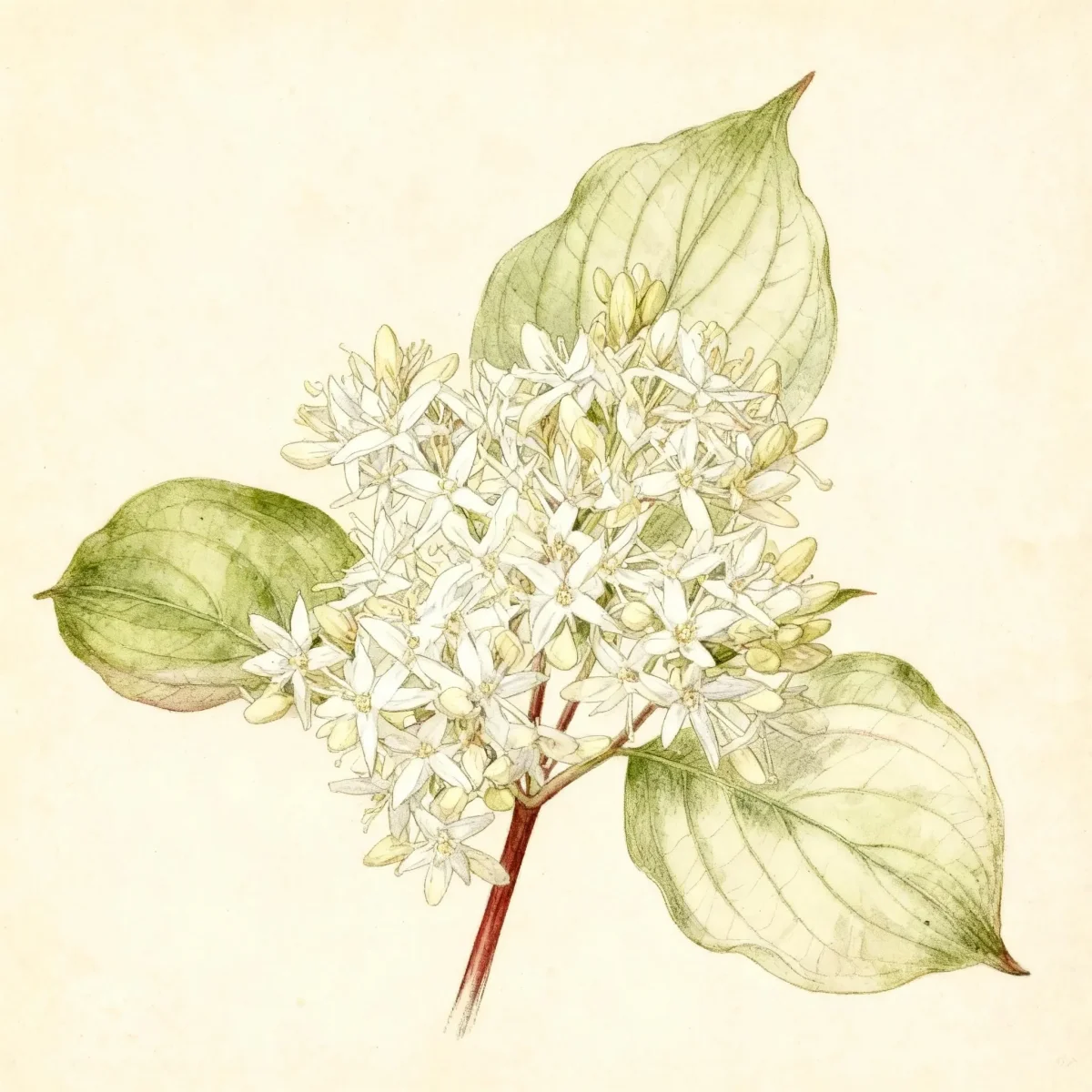
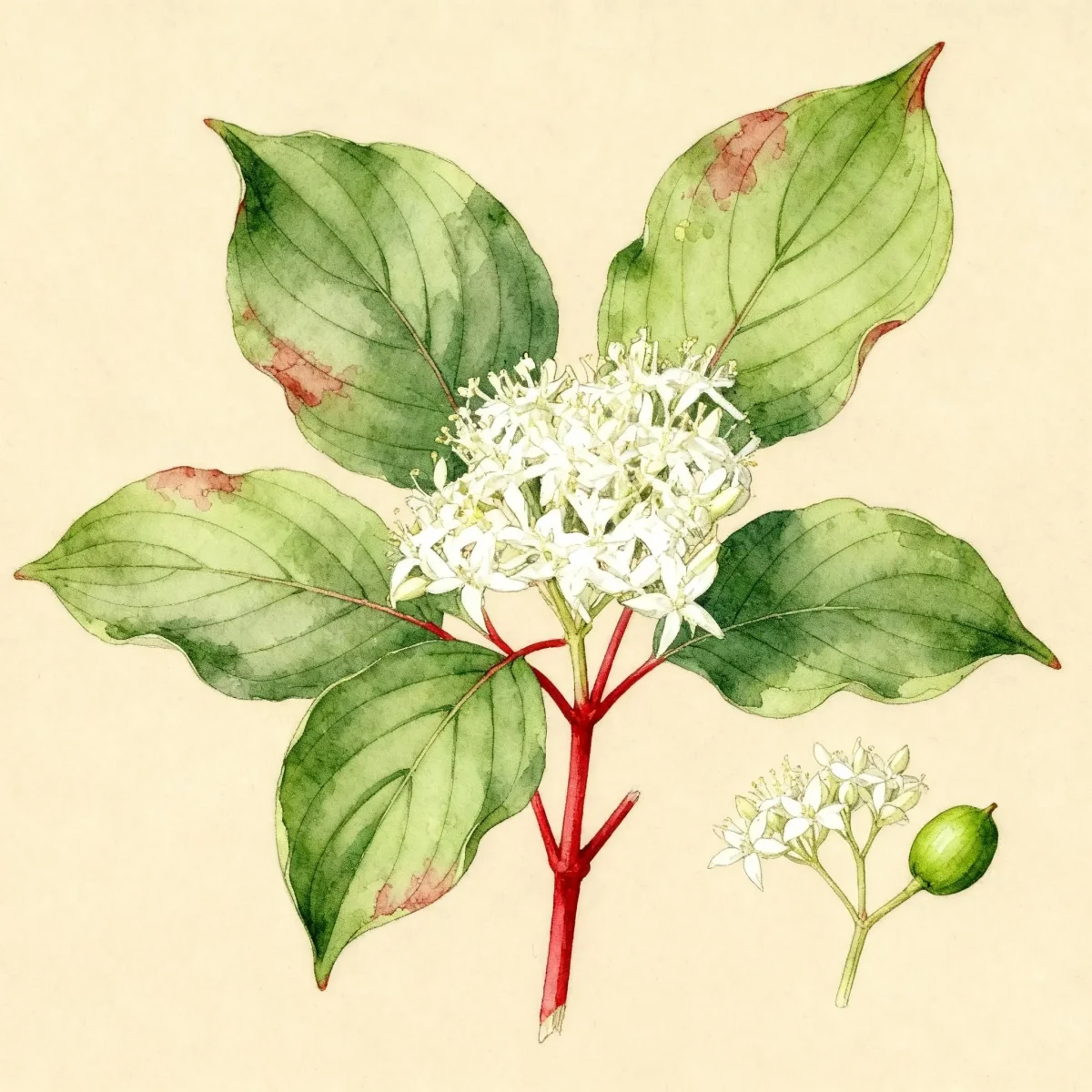
- Bloom Time: May to June
- Bloom Description: White
- Sun Exposure: Full sun to part shade
- Water Needs: Medium
- Maintenance Level: Low
How to Grow
Plant Cornus sanguinea ‘Midwinter Fire’ in the early spring or fall for the best establishment rates. This variety prefers organically rich, medium moisture, well-drained soils but shows excellent tolerance across a wide range of soil types. Ensure the location receives full sun to part shade; reduced sunlight often leads to duller stem coloration, diminishing the primary ornamental feature.
Water consistently—medium needs mean the soil should remain consistently moist, especially when young or during dry spells. Fertilization is rarely required if the soil is rich. The key to maintaining stunning twig color on this Bloodtwig dogwood is timely pruning, as the best color appears on the youngest growth.
For optimal vibrancy, gardeners should remove 20-25% of the oldest, thickest stems every early spring. Alternatively, a hard renewal cut, pruning all stems close to the ground every two to three years, completely renovates or renews the shrub. Only prune flowers if necessary, as their loss is minimal compared to gaining brilliant red-tipped yellow stems.
Landscape Uses
This cultivar excels when used as a primary structural element in the winter garden, making it perfect for shrub borders where it can anchor seasonal interest. Its dense, multi-stemmed habit makes Cornus sanguinea ‘Midwinter Fire’ effective when massed together or utilized as an informal hedge that provides screening. It also performs admirably in rain garden settings due to its preference for medium, consistently moist soil.
Utilize its upright form near evergreen plantings; the juxtaposition of dark green needles against the brilliant yellow and red twigs of the Bloodtwig dogwood in January is highly effective. Consider planting near structures or pathways where the winter interest is easily viewable during daily routines.
Standout Features
Flower Qualities
- Showy
- Fragrant
Fruit Qualities
- Showy
Noteworthy Characteristics
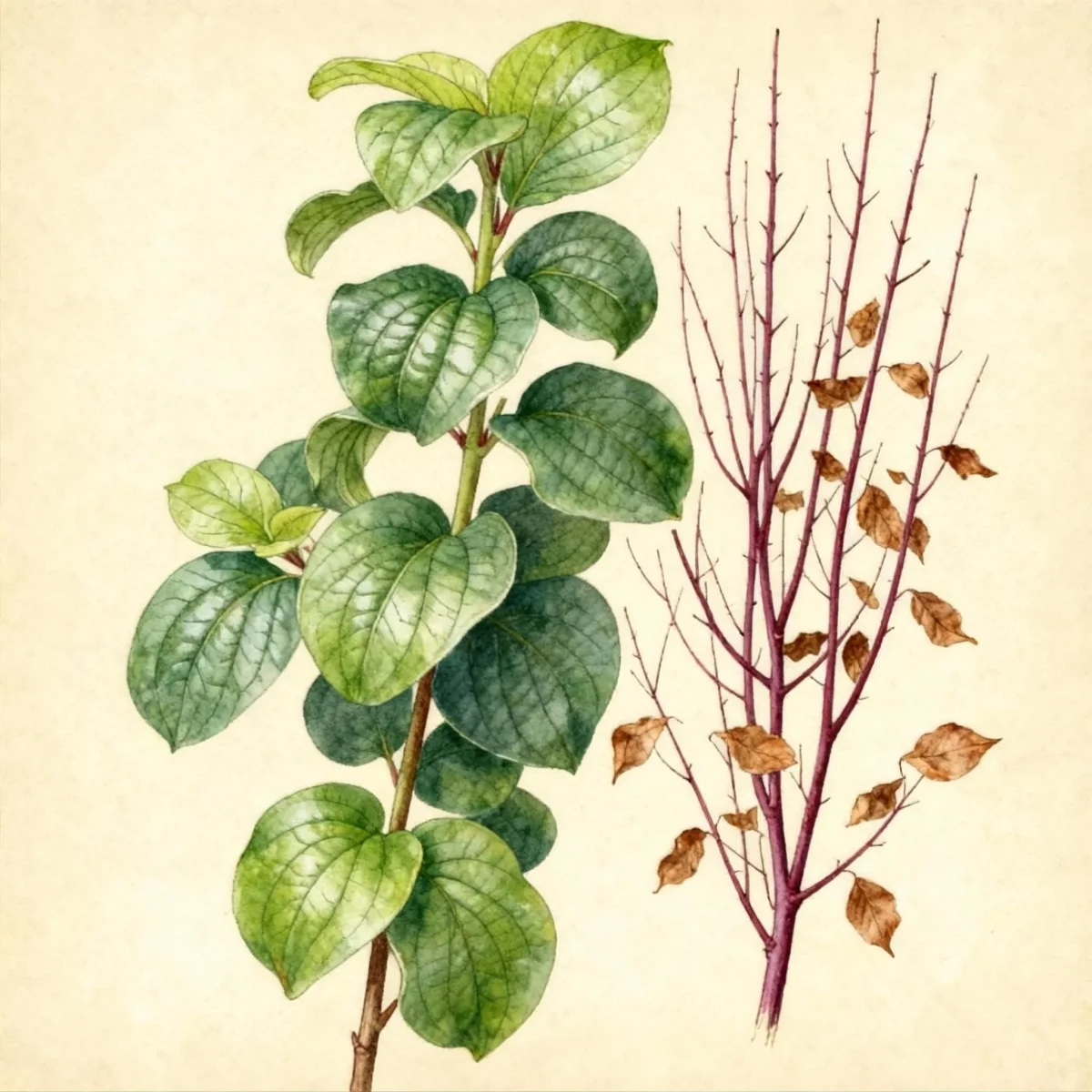
The specific appeal of Cornus sanguinea ‘Midwinter Fire’ is its spectacular stem color: yellow bases tipped with brilliant red, contrasting sharply with greener older wood. The species itself is a spreading, twiggy, multi-stemmed deciduous shrub native to Europe and Asia. In addition to the winter show, it features pleasant golden yellow foliage in the autumn before dropping its leaves.
Tolerances
- Deer
- Erosion
Potential Problems
This Bloodtwig dogwood variety is generally robust, reporting no serious insect or disease problems under normal growing conditions. Effective management relies primarily on proper pruning techniques to encourage new, colorful growth. If root suckers become problematic and cause unwanted colonial spread outside the desired area, they can be removed during the renewal pruning phase.
Frequently Asked Questions
What hardiness zones is Bloodtwig dogwood suitable for?
Cornus sanguinea ‘Midwinter Fire’ is best suited for landscape planting within USDA Hardiness Zones 5 through 7.
How large does Cornus sanguinea ‘Midwinter Fire’ grow?
This shrub typically matures to a height between 5 and 6 feet tall, with a similar spread of 5 to 6 feet wide.
What sun exposure does Bloodtwig dogwood need?
For the best ornamental stem color, this cultivar requires placement in full sun to partial shade conditions; ensure consistent moisture regardless of light level.
When does Cornus sanguinea ‘Midwinter Fire’ bloom?
The minor, white flowers appear relatively early in the growing season, typically blooming from May into June.
Conclusion
For gardeners seeking reliable, low-maintenance structure and intense winter impact, Cornus sanguinea ‘Midwinter Fire’ is an outstanding choice due to its fiery, multi-toned stems. Incorporating this specific Bloodtwig dogwood cultivar ensures your garden maintains high visual interest long after the last flowers fade. Always confirm your site falls within USDA Zones 5-7 and plan for early spring pruning to maximize stem color quality next winter.
Companion Planting
When designing beds featuring Cornus sanguinea ‘Midwinter Fire’, select plants that complement its winter structure rather than compete with its moderate summer presence. Evergreen companions, such as dwarf conifers like dwarf Alberta Spruce or low-growing Junipers, provide a dark, solid backdrop that exceptionally highlights the yellow and red twigs during dormant months. Consider pairing it with other plants that offer winter interest, such as Cornus sericea cultivars with bright red or blue stems for color contrast, or plants with attractive exfoliating bark.
Seasonal Care Calendar
Early spring, before new buds swell, is crucial for renewal pruning. For heavy renewal, cut all stems back to 6-12 inches from the ground. For lighter maintenance, routinely remove only the oldest 20-25% of canes to encourage fresh, brilliantly colored growth for the following winter. Water deeply during summer heat to keep the soil consistently moist, supporting vigorous summer foliage and preparing wood for winter color. Minimal pest monitoring should be done, as disease is rare.