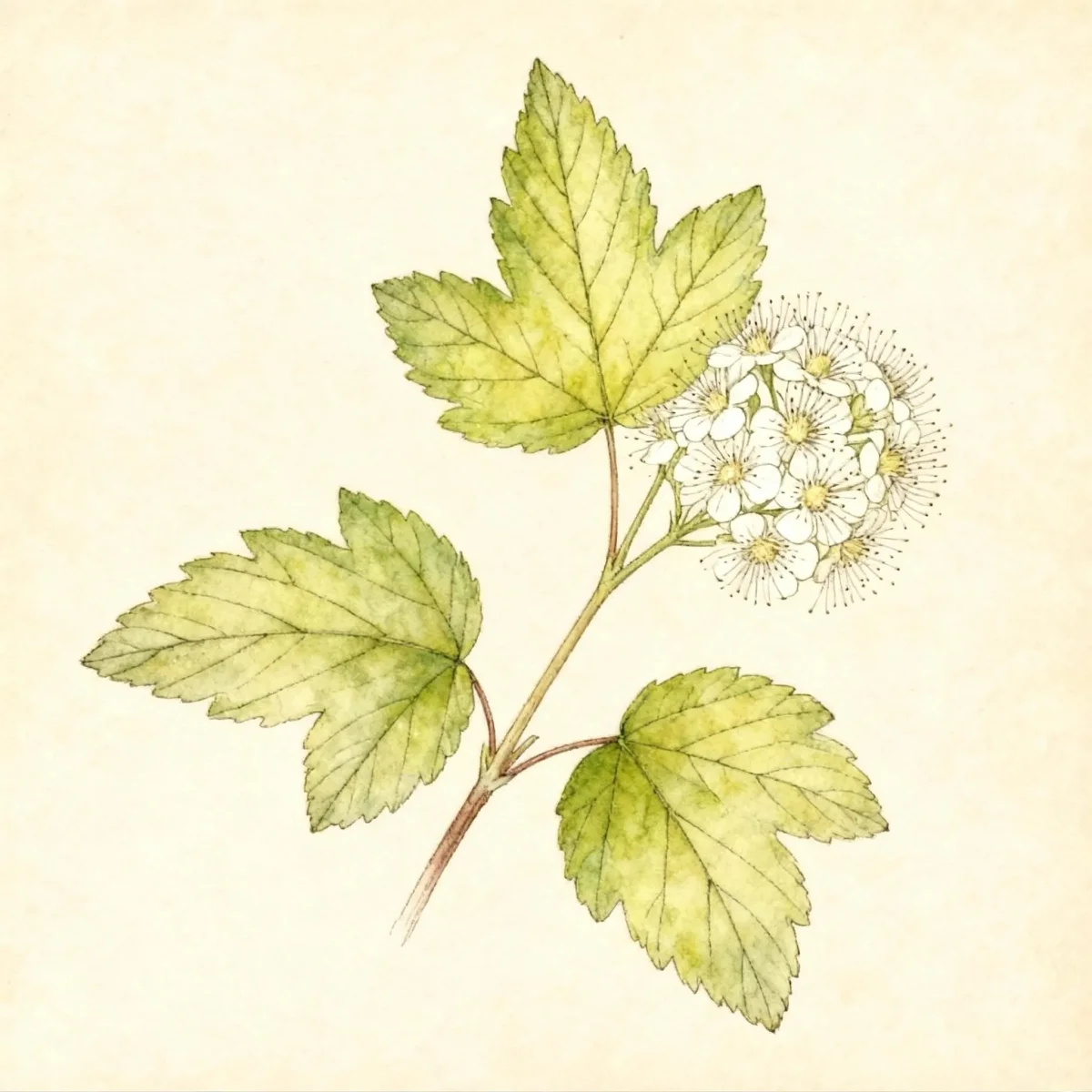
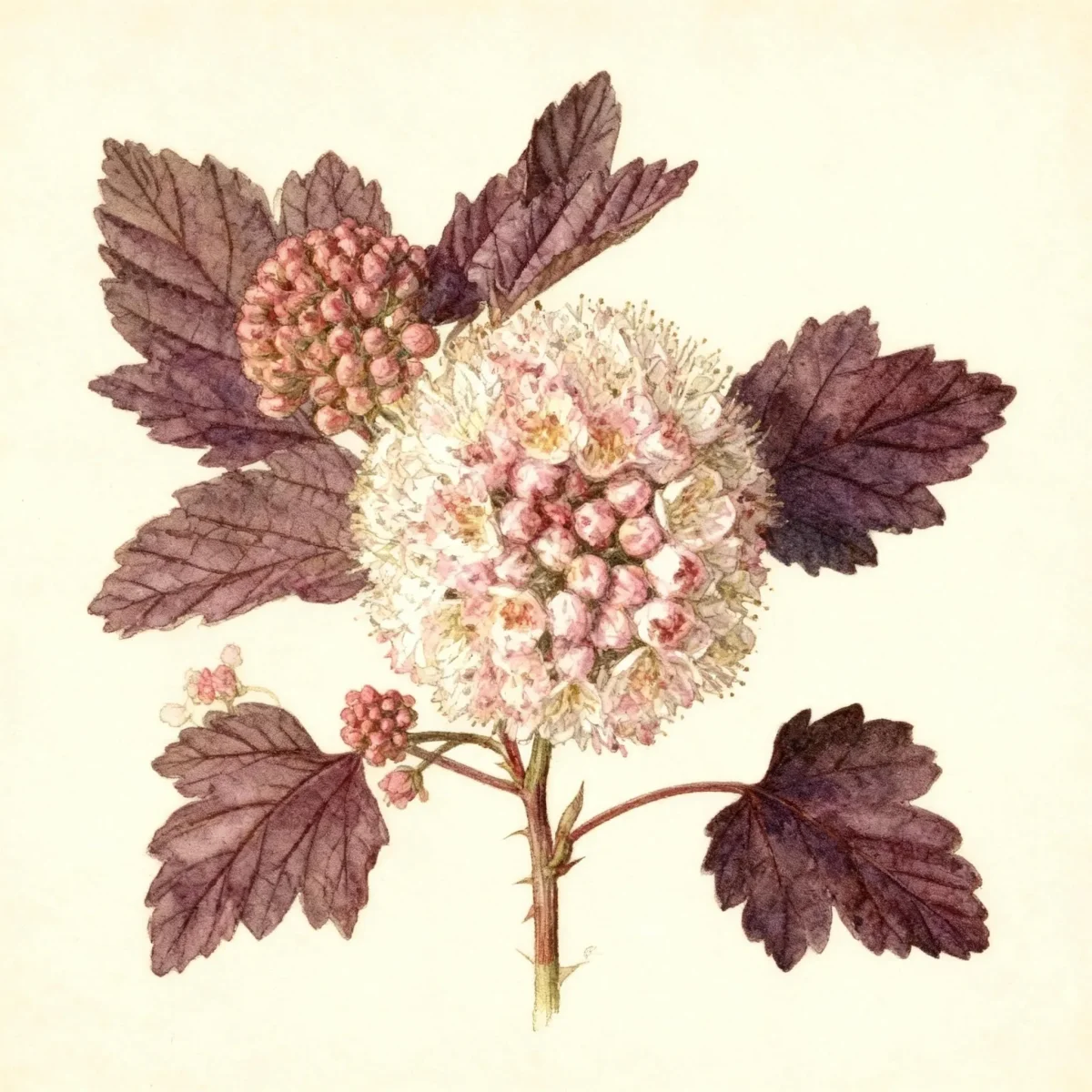
Ninebark (Physocarpus opulifolius 'Diabolo')
Physocarpus opulifolius 'Diabolo' Ninebark is a striking deciduous shrub known for its exfoliating bark and deep purple foliage, ideal for hedges.
Scroll down to discover growing tips, care requirements, companion plants, and more
Complete Plant Information
Overview
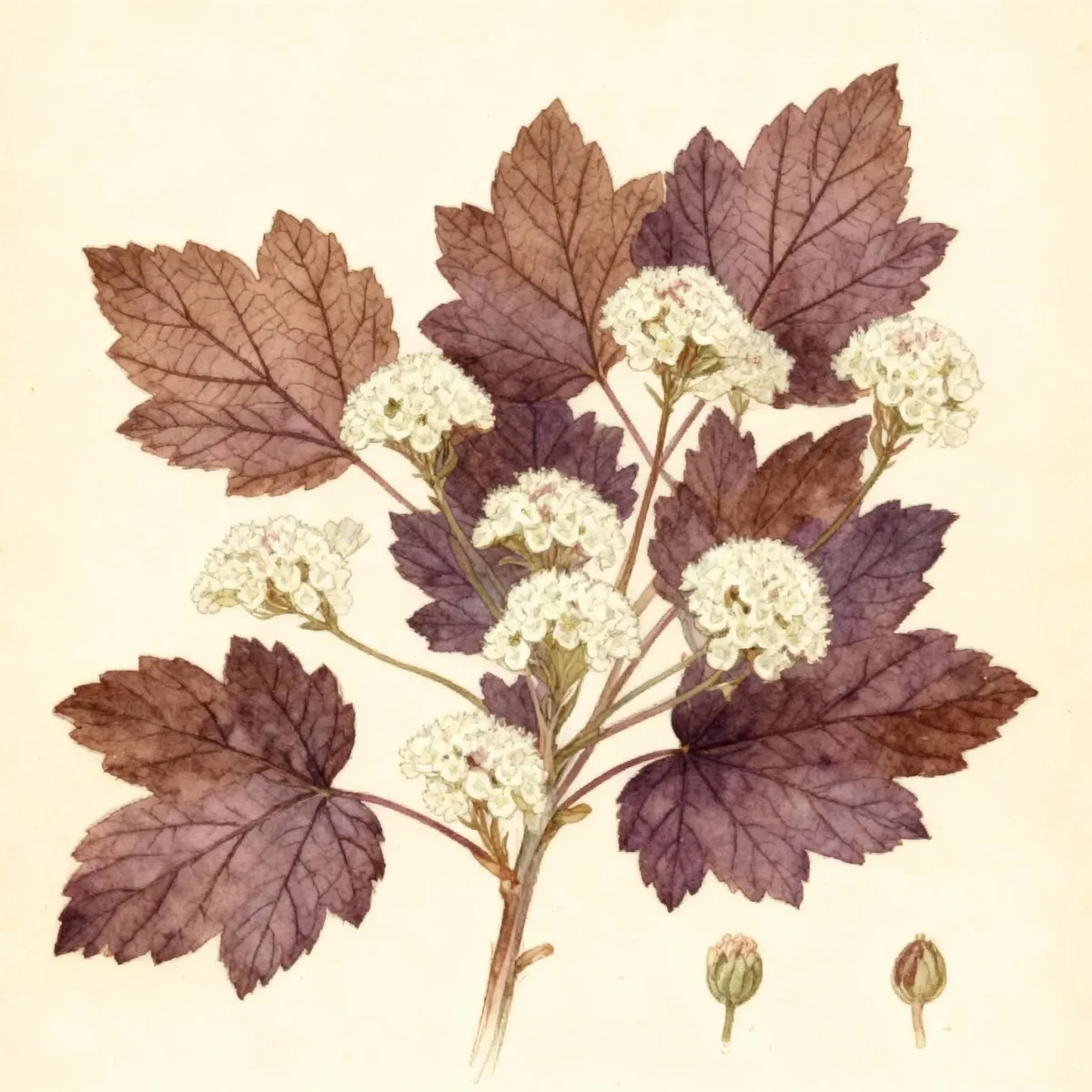
The cultivar Physocarpus opulifolius ‘Diabolo’, commonly known as Ninebark, offers exceptional year-round visual interest for the landscape. Its primary feature is the dramatic, deeply lobed, dark purple foliage which provides rich contrast against brighter plantings throughout the growing season. This deciduous shrub is highly valued for its coarse yet upright habit, making it a reliable choice for structure in mixed borders.
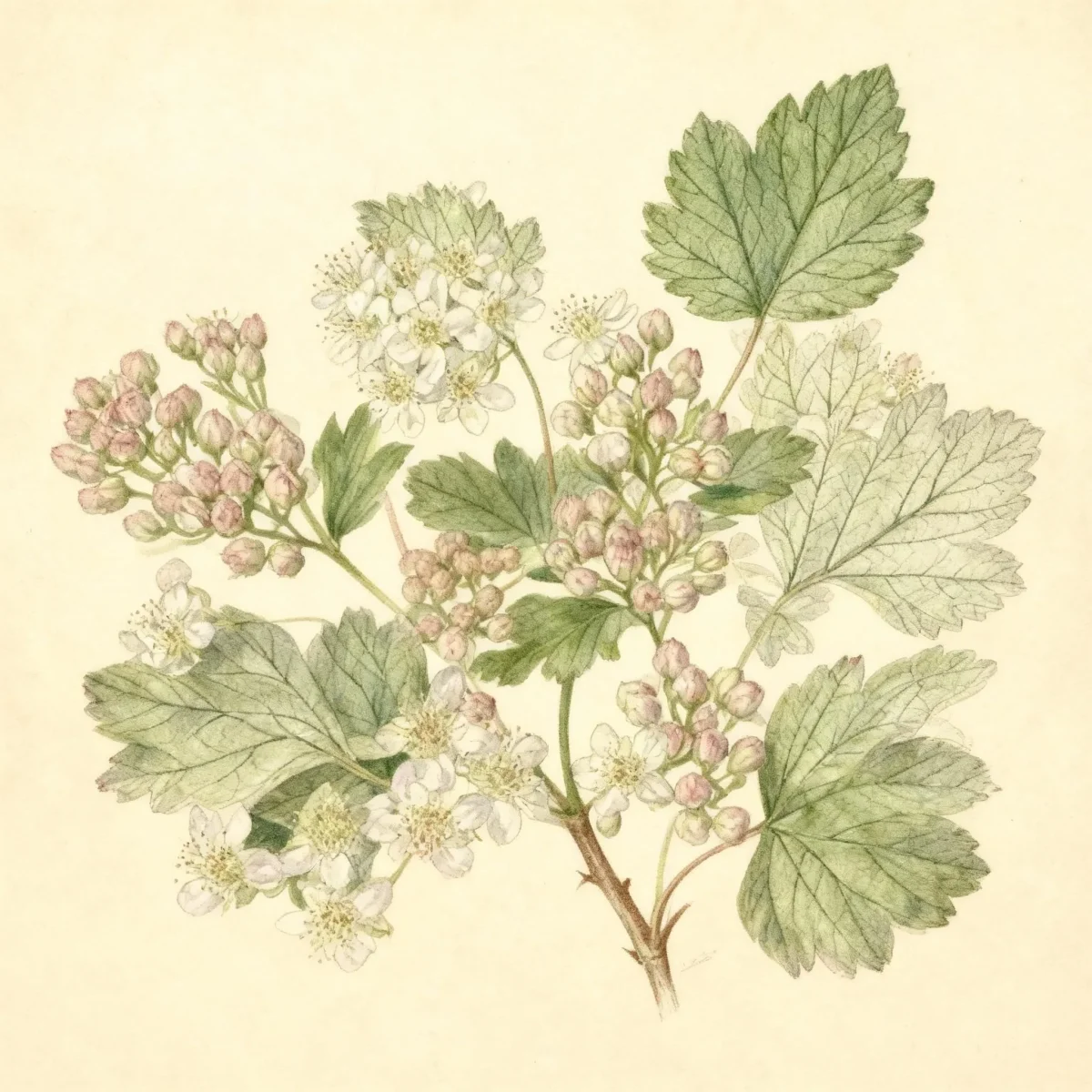
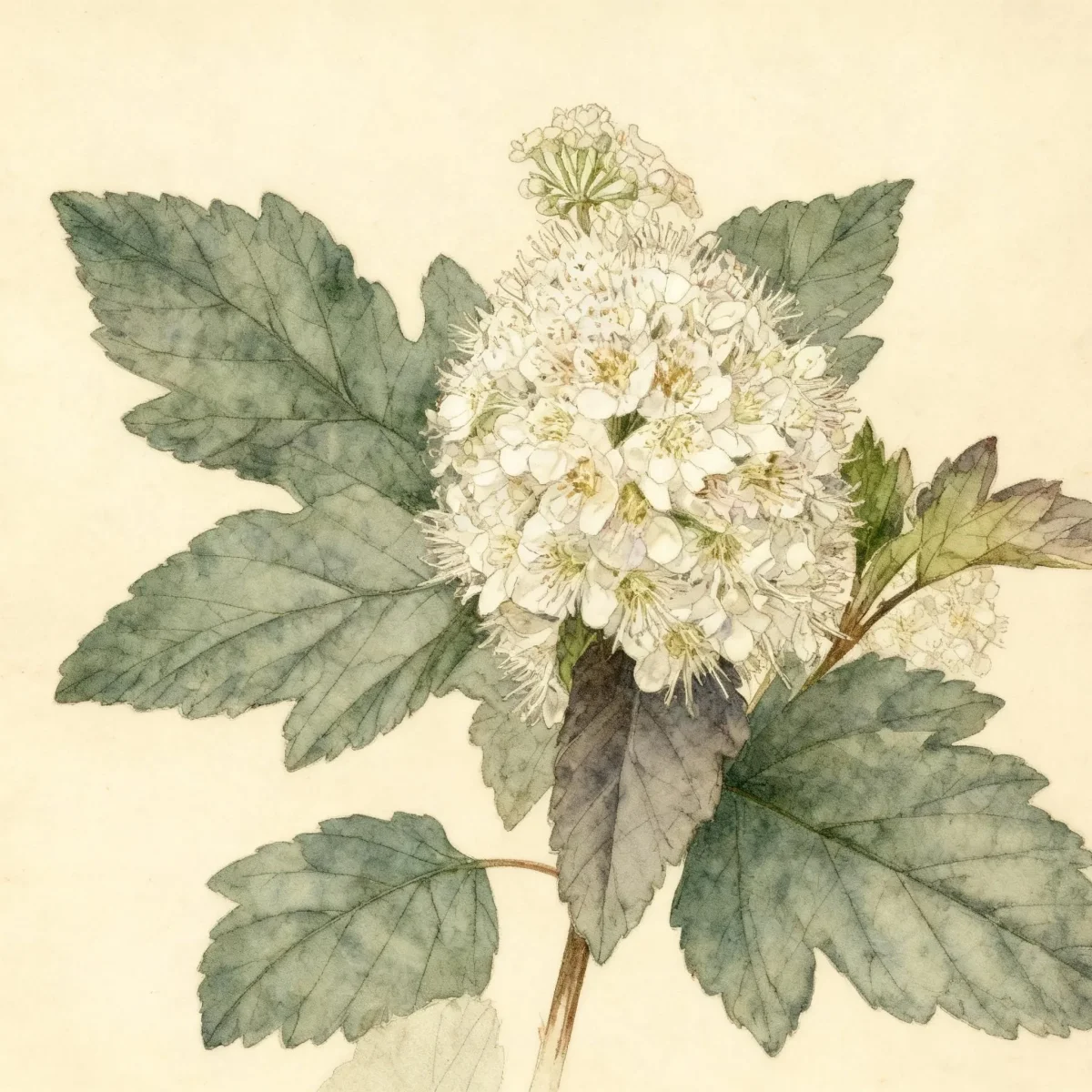
This robust variety of Ninebark is closely related to the Spiraea genus and thrives across a broad range of conditions. While it produces attractive pinkish-white flowers in late spring, gardeners often select Physocarpus opulifolius ‘Diabolo’ specifically for its foliage color and the characteristic exfoliating bark—which peels back to reveal several inner bark colors, offering essential winter appeal.
As a tough, adaptable shrub, Ninebark fits well into various garden roles, from structural hedges to functional erosion control on difficult slopes. Growing successfully in USDA Zones 3 through 7, this plant combines ornamental value with significant cultural resilience, needing only medium maintenance for optimal performance.
Fast Facts
- Plant Family: Rosaceae
- Plant Type: Deciduous shrub
- Hardiness Zones: USDA Zones 3-7
- Size at Maturity:
- Height: 4-8 ft
- Spread: 4-8 ft
- Bloom Time: May to June
- Bloom Description: Pinkish-white
- Sun Exposure: Full sun to part shade
- Water Needs: Dry to medium
- Maintenance Level: Medium
How to Grow
Planting Physocarpus opulifolius ‘Diabolo’ is simplest in the spring or fall, allowing the roots to establish before intense seasonal weather arrives. Ensure it is placed in average, well-drained soil, although this tough Ninebark tolerates a wide variety of soil conditions, including clay. While it excels in full sun—which helps deepen its desirable purple leaf color—plants in the hotter parts of its range appreciate protection from the harshest afternoon sun.
Water newly planted Ninebark regularly until the root system is fully developed. Once established, this shrub is notably drought-tolerant, thriving on only dry to medium moisture levels. Fertilization is usually unnecessary unless the soil is extremely poor; focus instead on proper pruning to manage shape and size.
Pruning is essential for maintaining the best form and encouraging that famous exfoliating bark. Execute any necessary shaping immediately after the April-June bloom period concludes, ensuring all cuts are finalized no later than mid-August. For drastic rejuvenation of older shrubs, the entire plant can be cut back close to the ground during early spring dormancy.
Landscape Uses
The rich, dark foliage of Physocarpus opulifolius ‘Diabolo’ makes it a spectacular accent plant used strategically against lighter green or yellow specimens. It performs admirably when massed in shrub borders, creating a deep backdrop that highlights seasonal blooms from perennials planted in front. For structure and repetition, this plant is highly effective when utilized as a formal or informal hedge, providing year-round visual texture.
Its known tolerances make Ninebark an excellent choice for challenging sites in the native plant garden. Use it effectively for erosion control on banks where its fibrous roots help stabilize soil, particularly since it handles dry soil conditions well once established. The robust nature of the Ninebark makes it an ideal screen or backdrop where hardiness and low maintenance are primary concerns.
Standout Features
Flower Qualities
- Showy
Fruit Qualities
- Showy
Noteworthy Characteristics
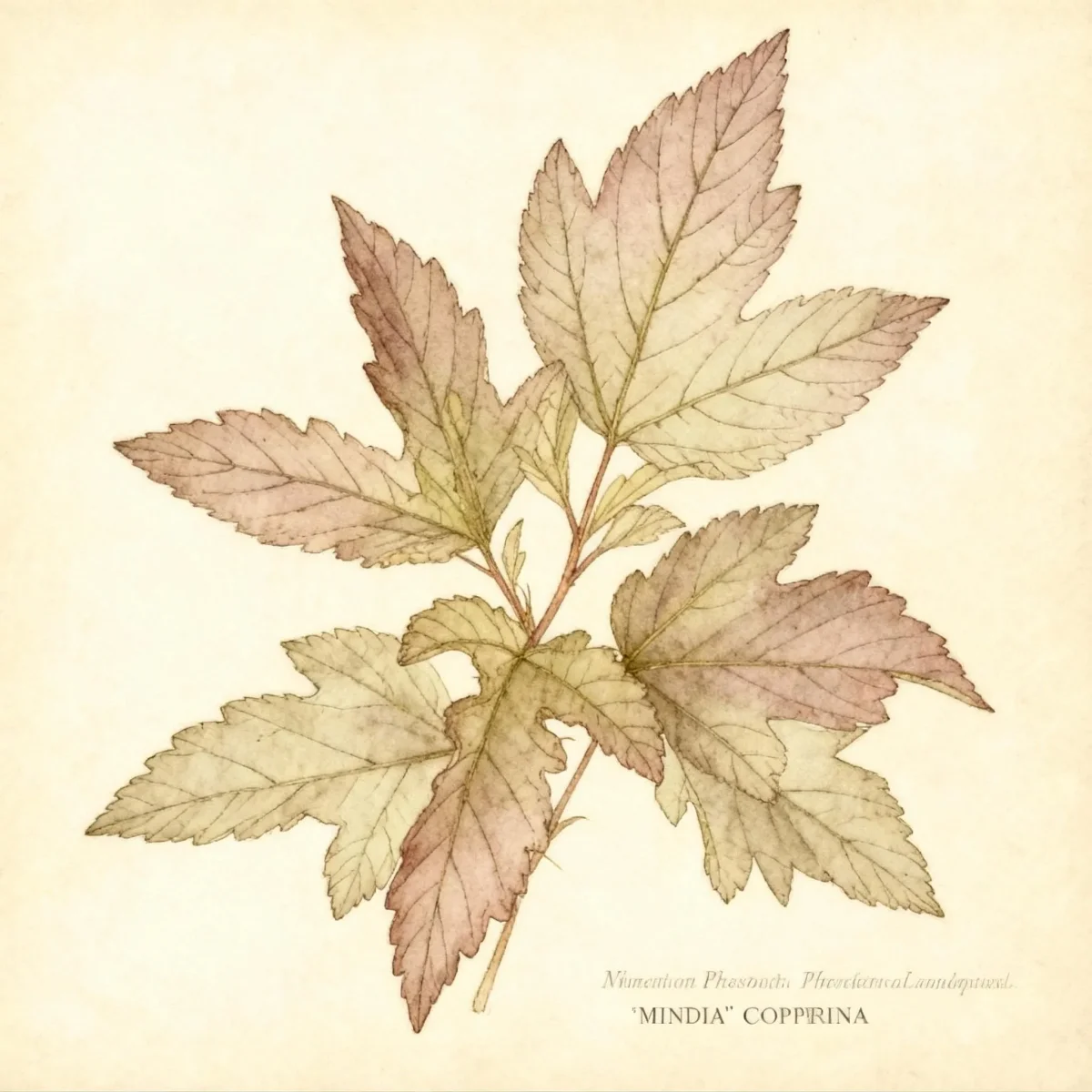
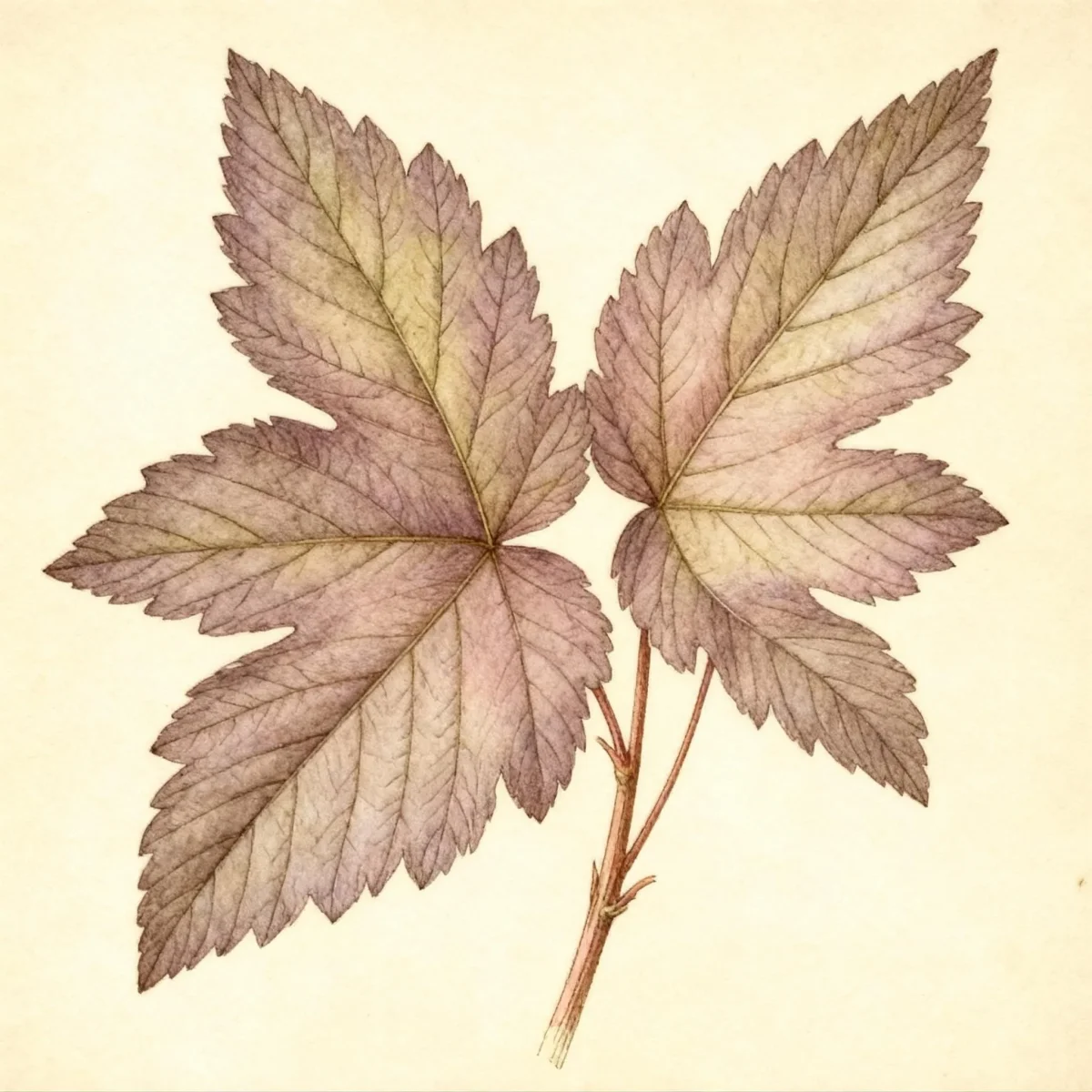
The common name Ninebark refers to the attractive, exfoliating bark that peels in strips on mature branches, revealing inner bark layers of reddish to light brown, providing winter interest. Physocarpus opulifolius ‘Diabolo’ is specifically known for its dark purple, 3-5 lobed leaves, which provide striking contrast but may revert slightly toward green during extremely hot summer weather. This upright, spreading, deciduous shrub is related to Spiraea and features clusters of small pinkish-white flowers in the late spring, followed by reddish fruit capsules.
Tolerances
- Drought
- Erosion
- Clay Soil
- Dry Soil
- Shallow-Rocky Soil
Potential Problems
This shrub is generally rugged but can occasionally suffer from common ornamental shrub issues. Be vigilant for signs of fireblight, particularly if pruning immediately after flowering during wet periods. Powdery mildew and various leaf spots may become apparent, especially if the plant is situated in an area with poor air circulation or excessive humidity.
Good air movement and correct cultural practices, as noted in the growing guide, are the best primary defense against potential diseases. Avoid overcrowding when planting Physocarpus opulifolius ‘Diabolo’ to maximize airflow and minimize stress, which naturally increases resistance.
Frequently Asked Questions
What hardiness zones is Ninebark suitable for?
Physocarpus opulifolius ‘Diabolo’ is highly cold-tolerant and is recommended for USDA Hardiness Zones 3 through 7.
How large does the Ninebark cultivar ‘Diabolo’ grow?
This cultivar typically reaches a mature height between 4 to 8 feet and spreads outwards a similar distance, forming an approximately square shape.
What sun exposure does Physocarpus opulifolius ‘Diabolo’ need?
For the best management of the dark purple foliage color, plant this Ninebark cultivar in a location receiving full sun, though it can tolerate part shade.
When does Ninebark bloom?
The blooming period for Physocarpus opulifolius ‘Diabolo’ generally falls between May and June, displaying clusters of pinkish-white flowers.
Conclusion
The adaptability and dramatic appeal of the dark purple foliage ensure that Physocarpus opulifolius ‘Diabolo’ remains a staple for modern landscaping. Its combination of drought tolerance, rugged bark, and excellent shrub structure makes this Ninebark cultivar a low-risk, high-reward planting. Before installation, always confirm that your site falls within the recommended USDA Zones 3-7 and plan your pruning schedule around its post-bloom timing.
Companion Planting
When designing beds around your Ninebark, select plants that complement its dark foliage while sharing similar cultural needs for sun and dry to medium moisture. Consider light-colored perennials such as white Russian Sage (Perovskia atriplicifolia) or silver-leaved plants like Lamb’s Ears (Stachys byzantina) to make the deep purple of Physocarpus opulifolius ‘Diabolo’ truly pop. Avoid placing it immediately next to deep green evergreens where visual differentiation might be lost.
For structural companions, consider golden-leaved shrubs or perennials like Japanese Forest Grass (Hakonechloa macra ‘Aureola’) for contrast at the base. Since Ninebark tolerates clay soil well, pair it with other resilient natives or tough landscape warriors like Rudbeckia or certain ornamental grasses that share its preference for well-drained but not constantly wet conditions.
Seasonal Care Calendar
Spring is the prime time for rejuvenation, especially if you wish to severely cut back older, less attractive stems of your Ninebark cultivar. Wait until after flowering in late spring/early summer for routine shaping and maintenance pruning to avoid removing next year’s flower buds. Throughout the summer, monitor moisture levels, particularly during heat waves, keeping watering consistent until the plant is fully established to maintain vigor.
Winter interest is guaranteed with Physocarpus opulifolius ‘Diabolo’ due to its exfoliating bark, a feature you intentionally preserve by restricting hard pruning until early spring or immediately post-bloom. No special winter protection is typically required if the shrub is planted within its hardiness range of Zones 3-7. Focus on keeping the area weed-free around the base to reduce competition for that dry-to-medium moisture supply.