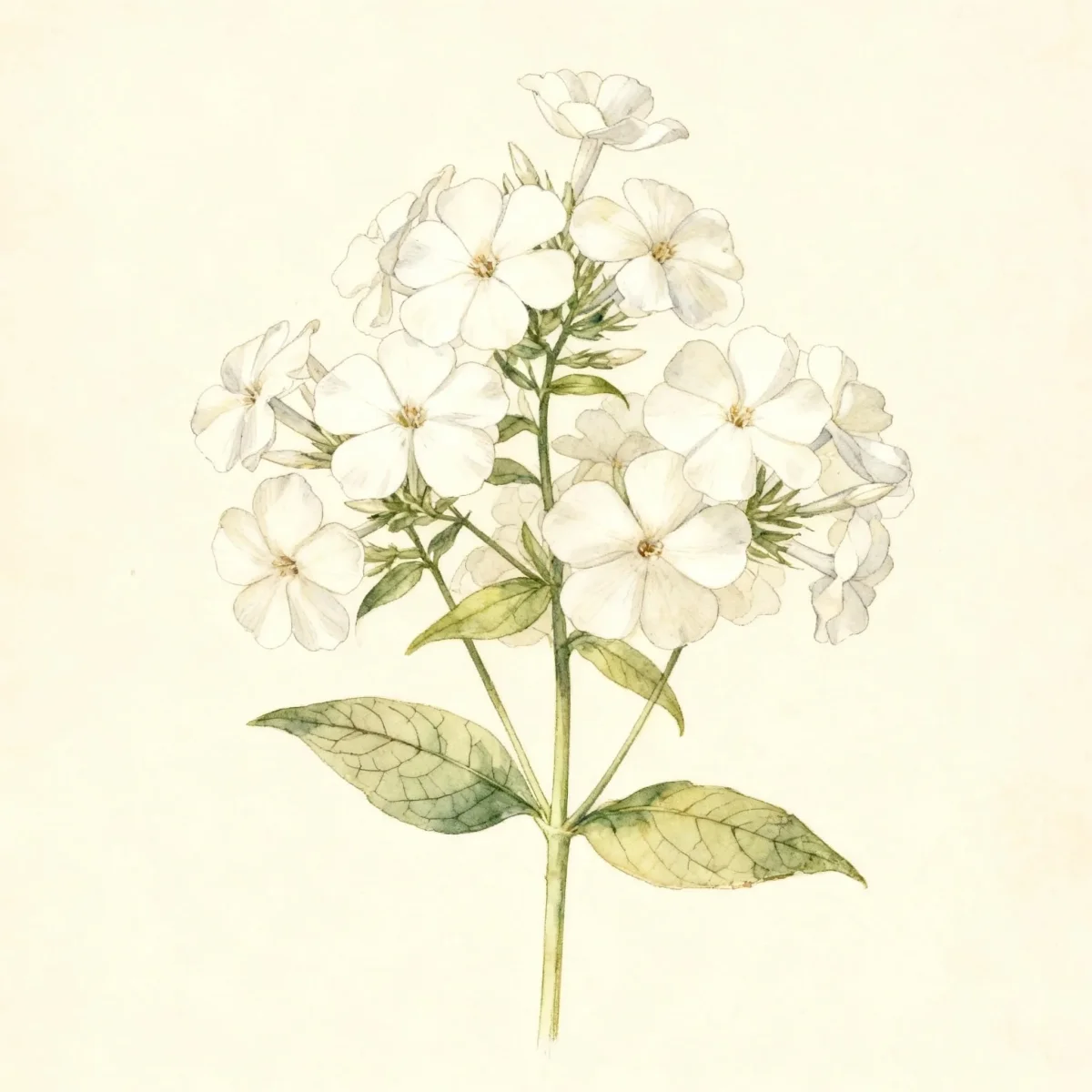
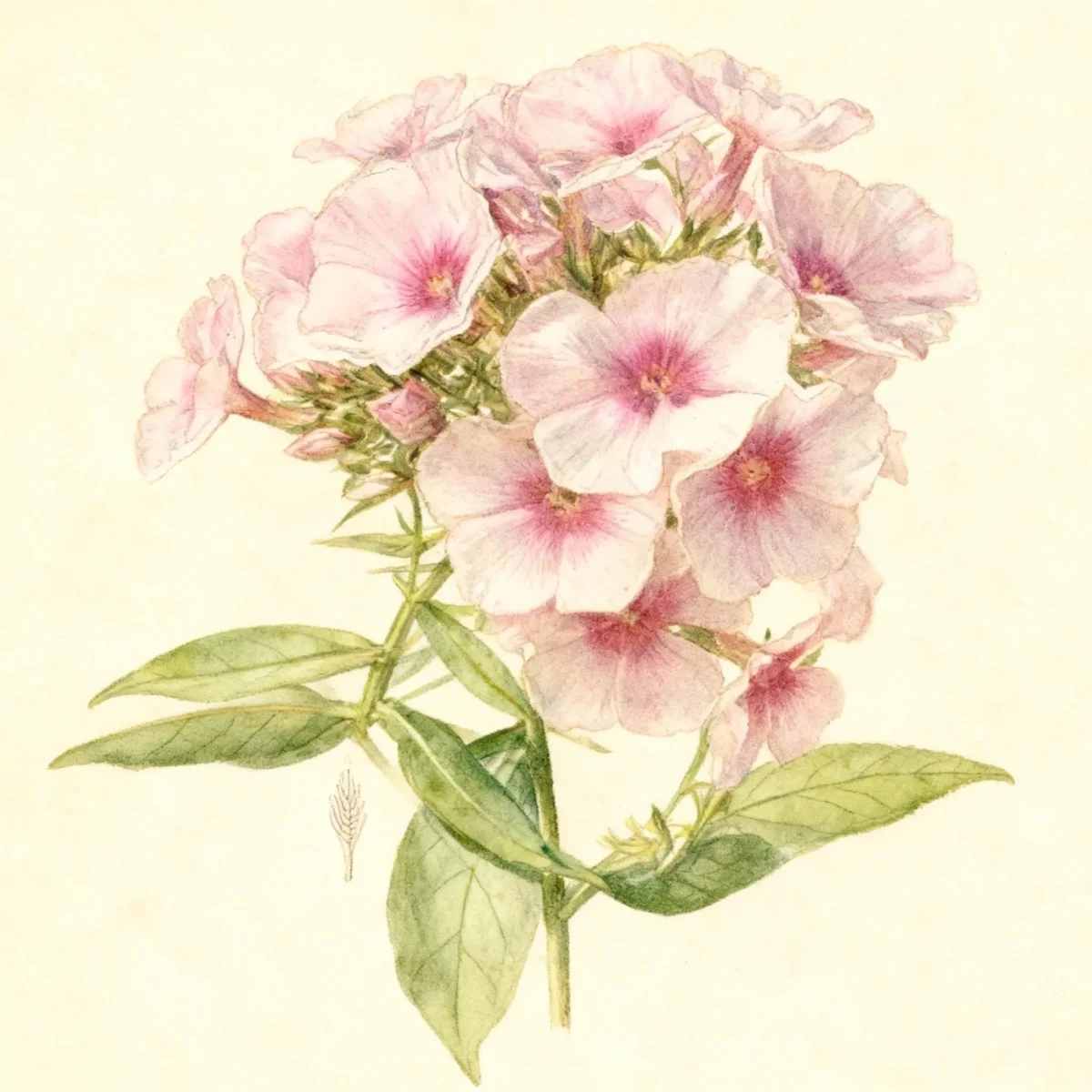
Garden phlox (Phlox paniculata 'Miss Holland')
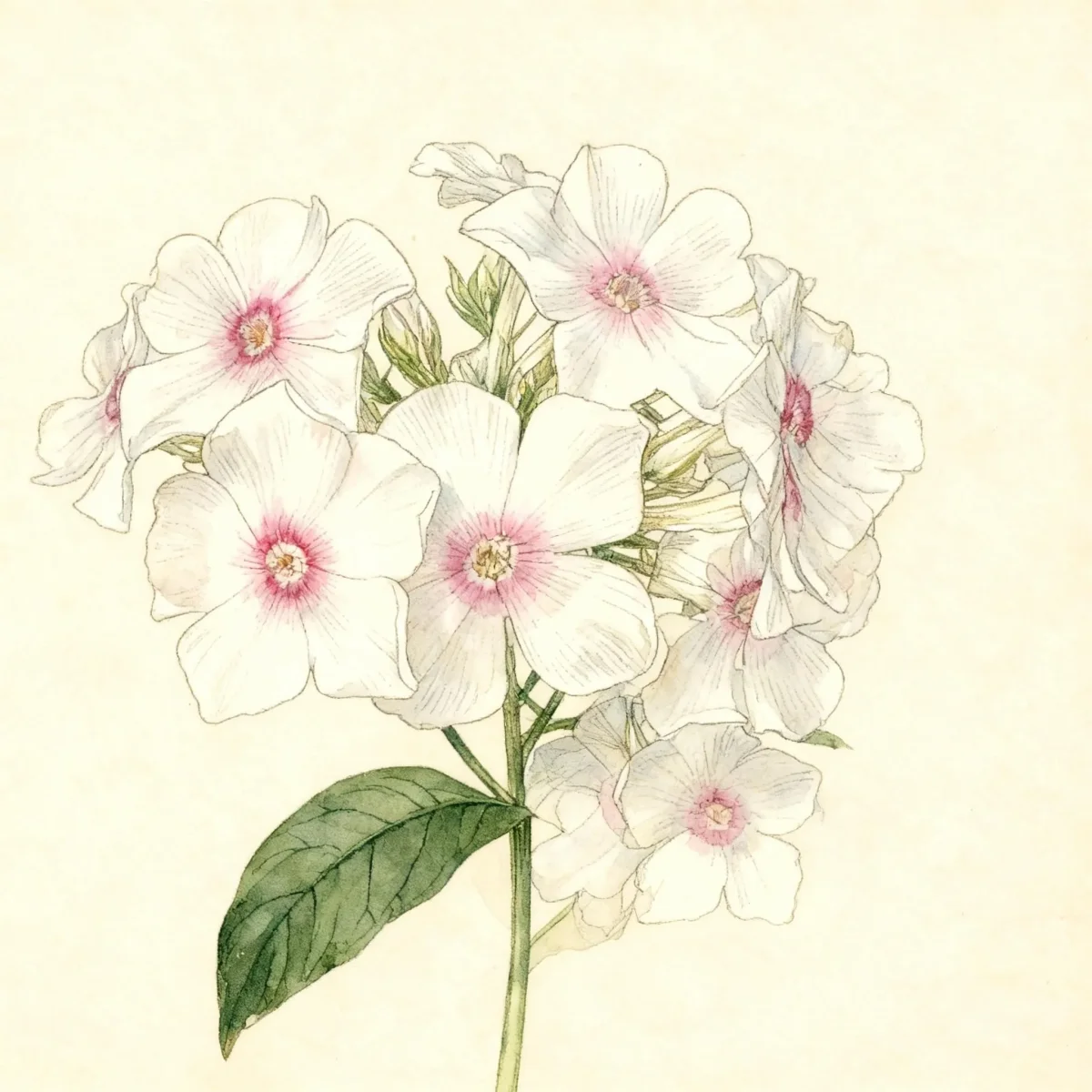
Phlox paniculata 'Miss Holland' offers showy, fragrant white blooms with red eyes from July to September. Deer resistant Garden phlox.
Scroll down to discover growing tips, care requirements, companion plants, and more
Complete Plant Information
Overview
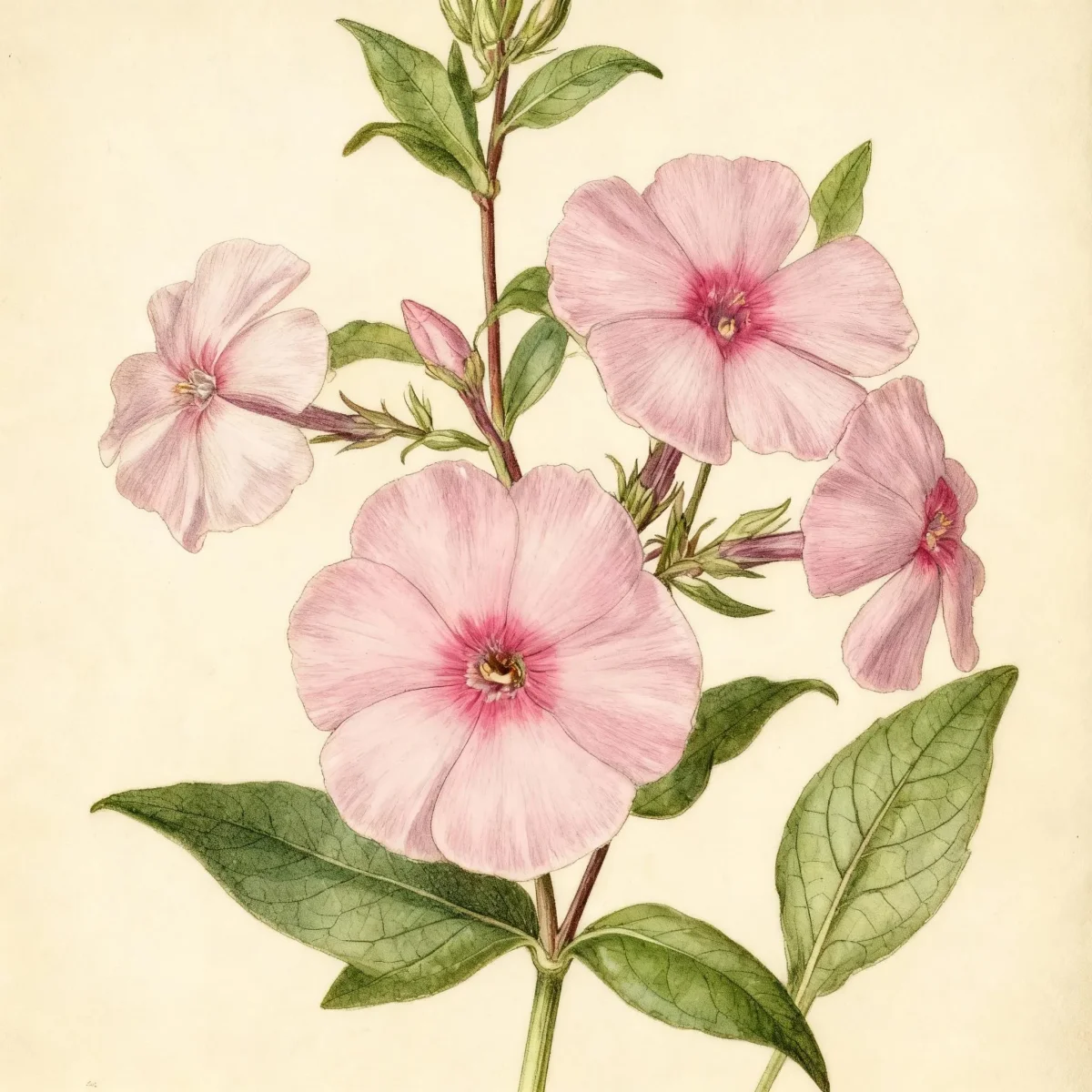
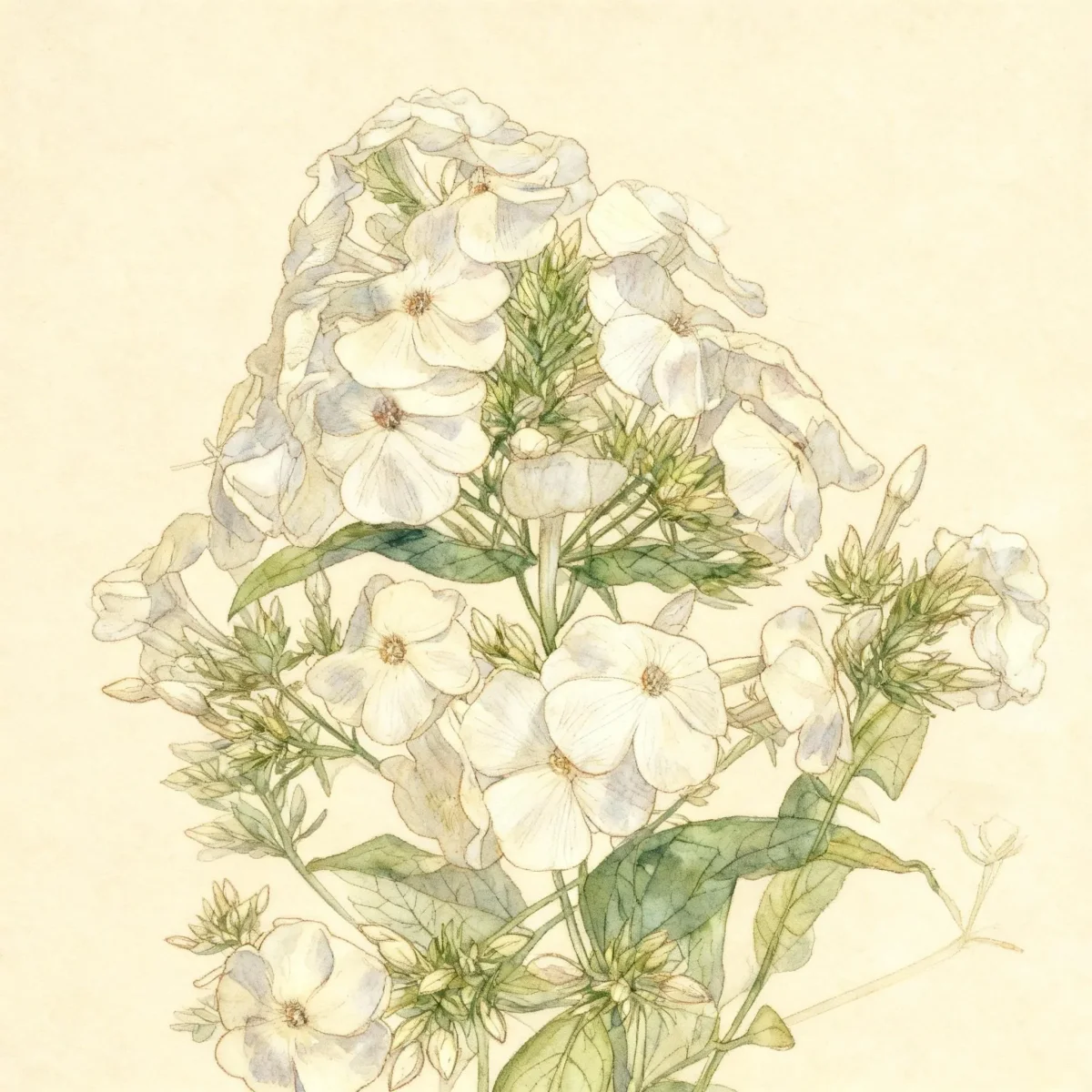
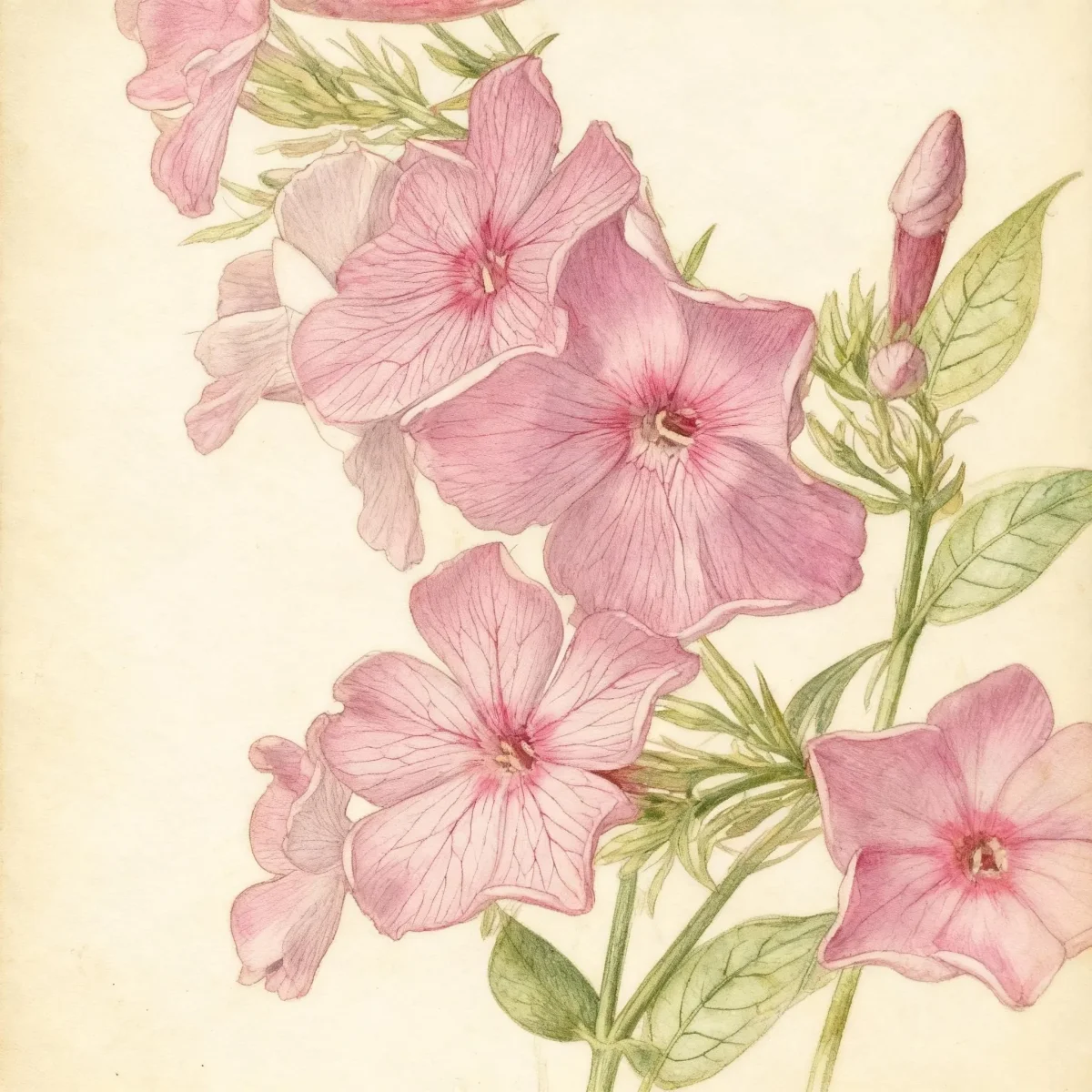
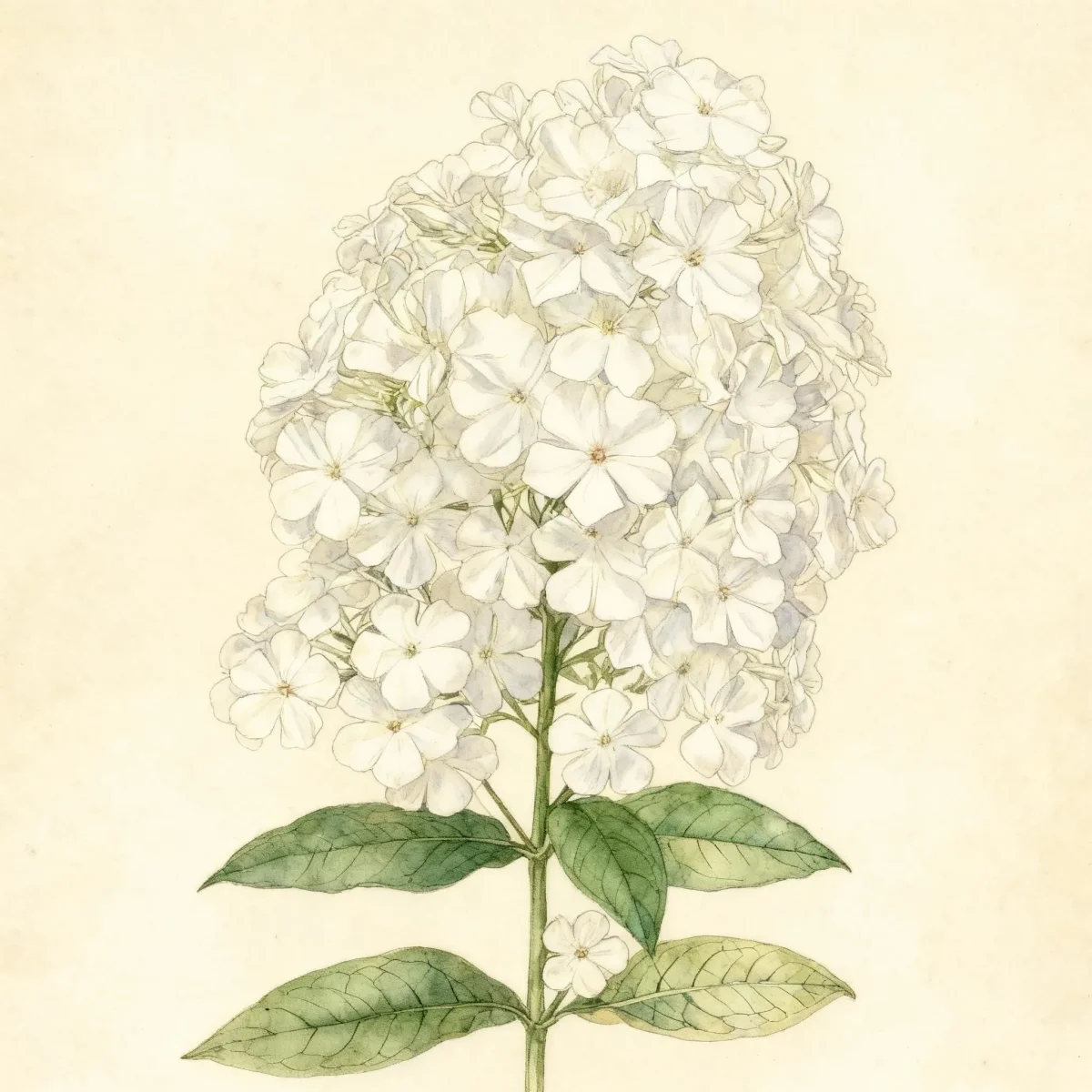
Phlox paniculata ‘Miss Holland’ is a highly valued herbaceous perennial renowned for its long bloom period and attractive flower presentation. This specific Garden phlox cultivar delivers fragrant, showy flowers, typically appearing white with a distinct red eye, emerging from mid-summer deep into the fall. Growing upright on stiff stems, this variety provides reliable vertical interest in garden settings where many perennials fade sooner.
The standard cultural needs for Garden phlox generally involve ample moisture and good air movement, which are essential for keeping this species healthy throughout the growing season. Phlox paniculata ‘Miss Holland’ is a dependable choice for attracting pollinators like butterflies and hummingbirds, making it functionally significant in ecological garden designs.
With flexible sun tolerance, this Phlox paniculata ‘Miss Holland’ cultivar integrates well into mixed borders, offering reliable color until the season cools. While demanding medium maintenance, the rewards in fragrance and persistent summer bloom greatly benefit the garden ecosystem.
Fast Facts
- Plant Family: Polemoniaceae
- Plant Type: Herbaceous perennial
- Hardiness Zones: USDA Zones 3-8
- Size at Maturity:
- Height: 2-2.5 ft
- Spread: 1-1.5 ft
- Bloom Time: July to September
- Bloom Description: White with a red eye
- Sun Exposure: Full sun to part shade
- Water Needs: Medium
- Maintenance Level: Medium
How to Grow
Plant Garden phlox in a location receiving full sun for the most robust blooming, though light or afternoon shade is tolerated, especially in hotter climates. This perennial thrives in moderately fertile, medium-moisture, well-drained soil, preferring ground that is rich in organic matter. Good air circulation is absolutely critical when planting, so space stems appropriately to help combat common fungal issues like powdery mildew.
Watering should be consistent; Phlox paniculata ‘Miss Holland’ is intolerant of drought and requires supplemental watering during dry spells, focusing water at the base rather than overhead to keep foliage dry. An application of summer mulch helps keep the root zone cool and conserves moisture. No heavy feeding is usually necessary if the soil is already rich.
For seasonal upkeep, remove faded flower panicles (deadheading) to encourage a longer bloom period and prevent unwanted self-seeding. As winter approaches, cut the plants completely to the ground and ensure all spent debris is removed from the garden area. This thorough winter cleanup is a key step in minimizing the infectious spores of powdery mildew for the following spring.
Landscape Uses
Garden phlox is an absolute staple when designing traditional perennial borders, offering substantial height and dense floral color during the peak summer months. The upright habit of Phlox paniculata ‘Miss Holland’ makes it excellent for the middle or back of a border, complementing shorter, earlier-blooming perennials. Its striking flower color ensures it functions well as a vertical accent plant.
Beyond traditional borders, this Garden phlox variety mixes well with other robust summer bloomers that share similar moisture and sun needs. Because it attracts hummingbirds, incorporate it near seating areas or viewing spots to maximize wildlife enjoyment. Ensure companion plants do not crowd the base, which would restrict the necessary air circulation for the Phlox paniculata.
Standout Features
Flower Qualities
- Showy
- Fragrant
Noteworthy Characteristics
Phlox paniculata, commonly known as garden phlox, is native from New York to Iowa south to Georgia, Mississippi and Arkansas. This is an upright perennial that grows in a clump on stiff stems clad with conspicuously veined, deep green leaves. Fragrant, tubular florets are densely packed in large, tiered, domed terminal clusters over a long July to September bloom period. Phlox paniculata ‘Miss Holland’ specifically features white florets with red eyes, offering excellent fresh cut flower potential.
Tolerances
- Deer
- Clay Soil
- Black Walnut
Potential Problems
Phlox is not always an easy plant to grow well, primarily due to susceptibility to disease and pests. Powdery mildew, phlox bugs, and root rot can become serious issues if conditions are not managed correctly, particularly in very humid, hot summers. Spider mites may also appear during periods of hot, dry stress.
Prevention is the best strategy, especially concerning mildew. Ensure excellent air circulation by properly spacing plants and pruning stems if necessary. Avoid overhead watering entirely, focusing moisture at the root zone. Taller stems of Garden phlox may occasionally require staking for rigid support, depending on location and wind exposure.
Frequently Asked Questions
What hardiness zones is Garden phlox suitable for?
USDA Zones 3-8 indicate that Phlox paniculata ‘Miss Holland’ is quite hardy across a wide range of climates.
How large does Phlox paniculata ‘Miss Holland’ grow?
This perennial typically reaches a mature height between 2 and 2.5 feet tall, with a spread of 1 to 1.5 feet wide.
What sun exposure does Garden phlox need?
It performs best in full sun but will tolerate light or part shade conditions, though blooming might be slightly reduced in heavier shade.
When does Phlox paniculata ‘Miss Holland’ bloom?
This cultivar provides long-lasting color from July through September, displaying flowers that are white with a red eye.
Conclusion
Phlox paniculata ‘Miss Holland’ delivers exceptional garden value through its fragrance, vibrant summer display, and appeal to pollinators. Incorporating this reliable Garden phlox into your landscape guarantees enduring mid to late-season color without the need for constant tending, provided you respect its need for good air circulation. Before planting, confirm that your site offers adequate sun exposure and consistently medium moisture levels to ensure your Phlox paniculata ‘Miss Holland’ thrives.
Companion Planting
Selecting appropriate partners is key to managing the environmental needs of Garden phlox. Look for companion plants that enjoy similar medium moisture levels and rich soil profiles. Good neighbors include plants that bloom earlier or later, providing continuous border interest alongside the summer peak of Phlox paniculata ‘Miss Holland’. Consider incorporating taller spire-like flowers like Veronica or Baptisia, or lower spreading groundcovers that won’t compete aggressively for light at the base of the stems.
Wildlife Benefits
The tubular flower structure of this Garden phlox is perfectly designed for nectar feeders, making it an essential stopover for hummingbirds throughout its long bloom season. Furthermore, the dense clusters of florets attract various butterfly species, aiding local ecosystem health. Planting Phlox paniculata ‘Miss Holland’ near a window allows for excellent viewing of these welcomed visitors while providing necessary garden structure.