Sargent crabapple (Malus sargentii 'Candymint')
The Sargent crabapple, Malus sargentii 'Candymint', is a low-maintenance, spreading dwarf tree prized for fragrant spring blooms and persistent fruit.
Scroll down to discover growing tips, care requirements, companion plants, and more
Complete Plant Information
Overview
The Malus sargentii ‘Candymint’ offers exceptional aesthetic value in a compact, manageable package, earning its common name, Sargent crabapple. This cultivar is particularly noted for its wide-spreading, horizontally-branched habit, making it an excellent choice where a low, dense profile is desired, whether grown as a shrub or a dwarf tree form. Gardeners appreciate its low maintenance requirements combined with its showy spring display.
The appeal of the Sargent crabapple extends beyond its structure; the blooms are highly fragrant, appearing in April amidst dramatic foliage that emerges deep purple before maturing. Following the bloom, the persistence of small, deep purple fruits adds winter interest, often providing food for local bird populations. Malus sargentii ‘Candymint’ establishes well in diverse settings, making it a versatile asset.
Although known as a technically low-maintenance tree, proper siting and crucial winter pruning ensure the long-term health and profuse blooming of the Sargent crabapple. Its adaptability to various soil types, including clay, means it can thrive where other ornamental trees struggle, providing reliable performance across USDA Zones 4 through 8.
Fast Facts
- Plant Family: Rosaceae
- Plant Type: Tree
- Hardiness Zones: USDA Zones 4-8
- Size at Maturity:
- Height: 8-10 ft
- Spread: 12-15 ft
- Bloom Time: April
- Bloom Description: Pink
- Sun Exposure: Full sun
- Water Needs: Medium
- Maintenance Level: Low
How to Grow
Planting the Malus sargentii ‘Candymint’ is best accomplished in the appropriate season for your region, ensuring the site receives consistent full sun exposure to maximize flowering. This dwarf tree performs best when situated in rich, well-drained, acidic loam, though the Sargent crabapple is remarkably adaptable once established. Ensuring good drainage is critical for long-term root health.
Water needs are medium; provide regular moisture, especially during the first few years as the root system develops. Established trees exhibit some drought tolerance, reducing reliance on supplemental watering during dry spells. Due to its susceptibility to fire blight entry points, pruning this spectacular flowering tree is best handled in late winter while the plant is dormant. Avoid spring pruning, as fresh cuts invite the entry of the fireblight bacterium.
Maintenance is generally low, requiring minimal intervention beyond structural pruning. The foliage of Malus sargentii ‘Candymint’ adds visual interest, with new leaves emerging deep purple before settling into dark green, contrasting nicely with the persistent red fruit in the autumn and winter landscape.
Landscape Uses
The defining characteristic of Malus sargentii ‘Candymint’ is its naturally broad and spreading habit, lending itself perfectly to functional and aesthetic landscaping roles. Though technically a tree, its dimensions often allow it to function effectively as a low screen or dense hedge near property lines or fences where height restrictions apply. This plant excels as a small specimen planting where its unique horizontal branching can be appreciated year-round.
Consider using the Sargent crabapple near borders or mixed shrub plantings where its pink spring flowers can contrast against evergreens or later-blooming perennials. While its potential for bloom occurs only in alternate years, when it flowers, the mass effect is stunning. Its adaptability to clay soil also makes it useful for stabilizing slopes or softening hardscape edges.
Standout Features
Flower Qualities
- Showy
- Fragrant
- Good Cut
Fruit Qualities
- Showy
- Edible
Noteworthy Characteristics
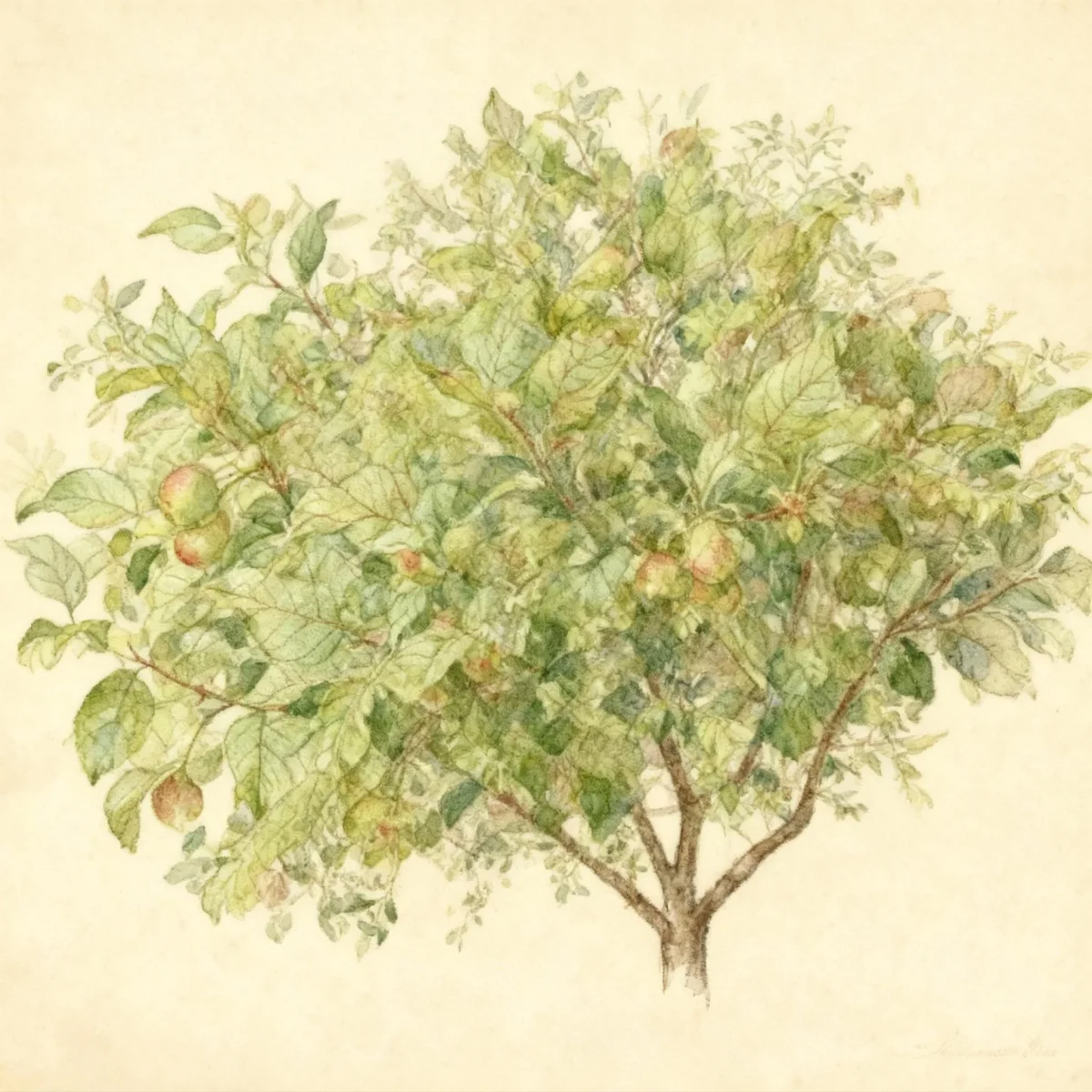
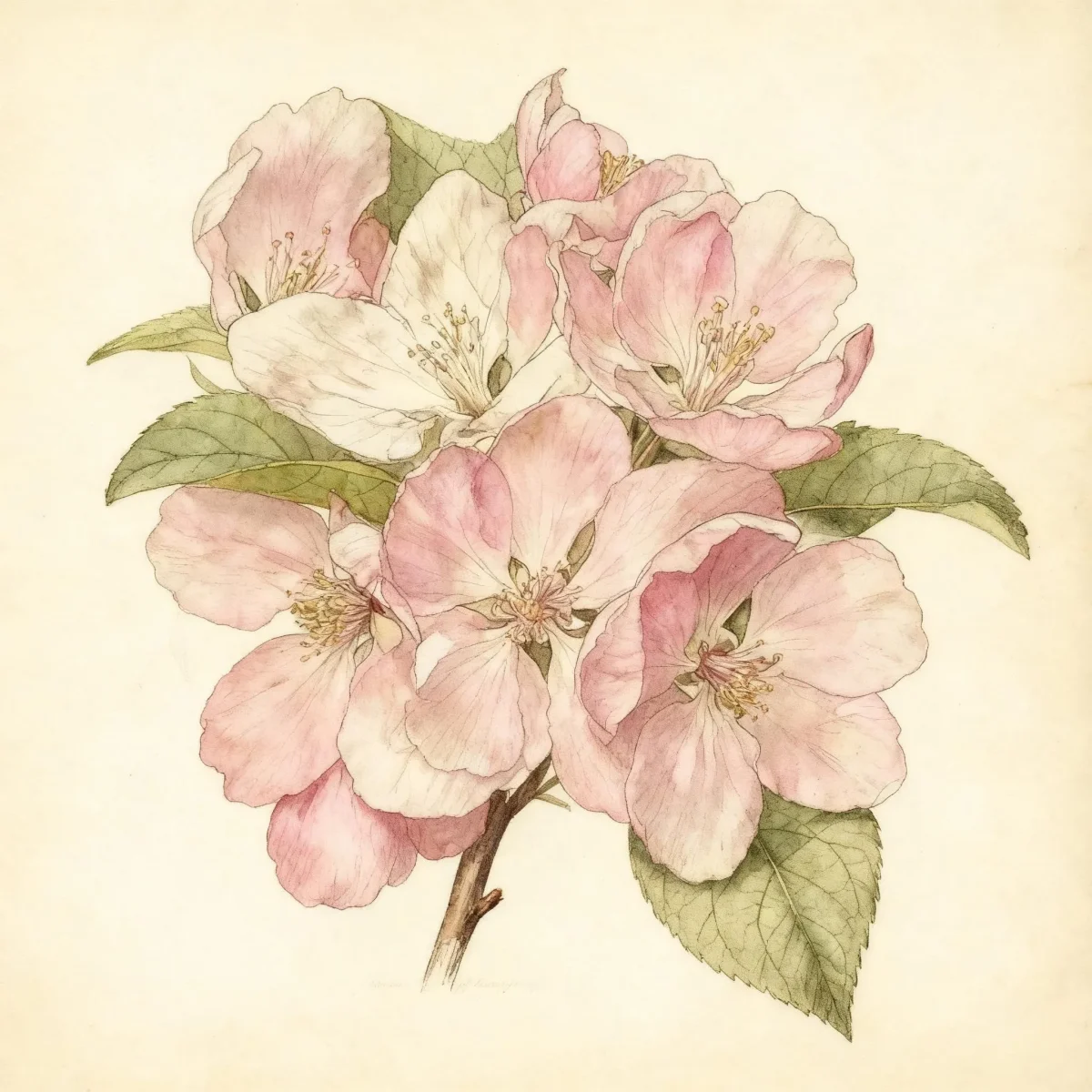
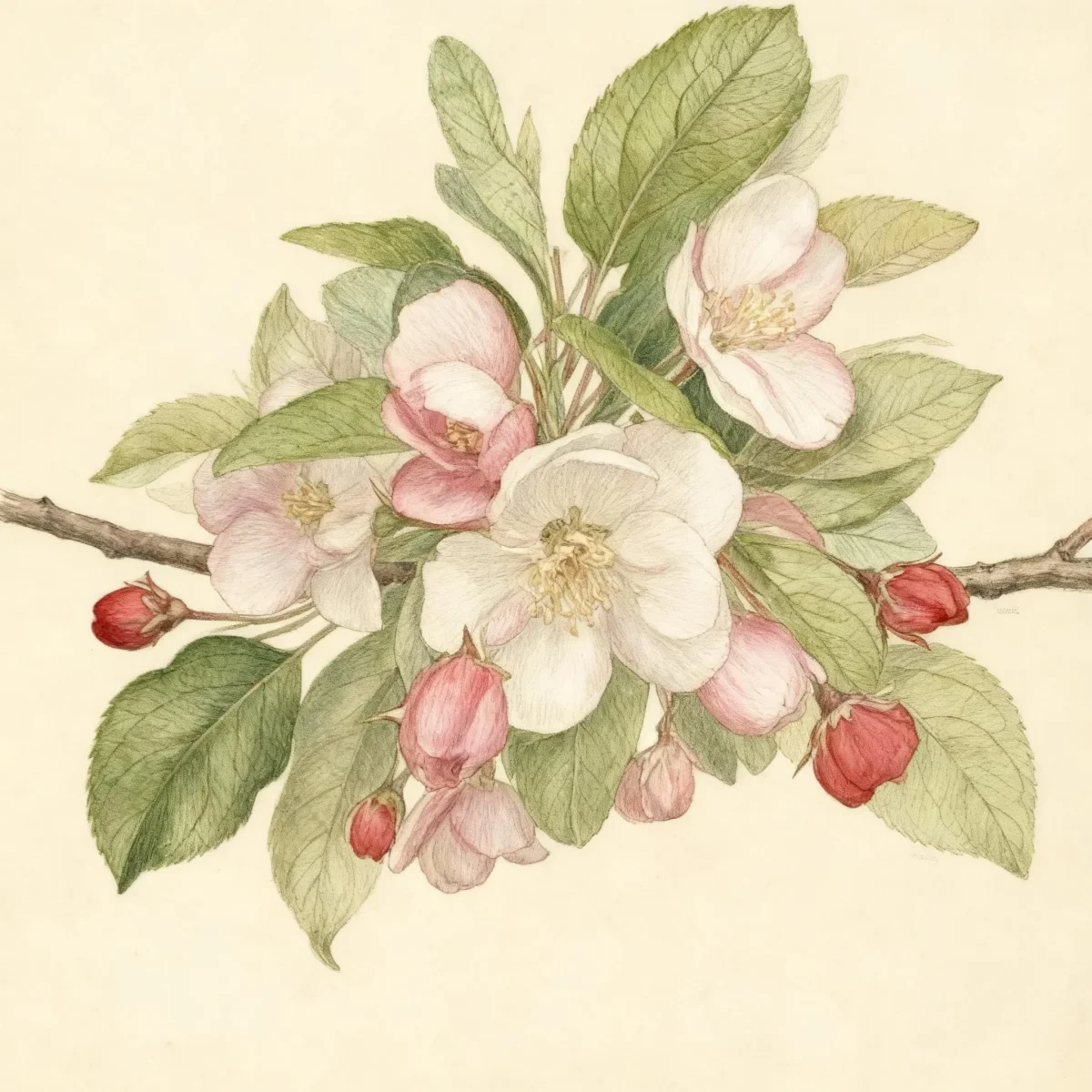
Malus sargentii, commonly known as Sargent crabapple as a dense, spreading, horizontally-branched, deciduous, multi-stemmed shrub that may technically be grown as a dwarf tree. As a shrub, it typically grows 6-8’ tall with no central leader and spreads to 15’ wide. Pink buds open to a profuse, but brief, spring bloom of fragrant, white flowers (1” diameter). Profuse bloom often occurs only in alternate years. Flowers are followed by small, red crabapples (1/4” diameter) which mature in the fall. The pea-sized fruits are sweet-flavored like rose hips, but are not usually used in cooking. Fruits are long-lasting and attractive to birds, however. Ovate, lobed, dark green leaves turn yellow in autumn. The yellow fall color contrasts well with the red fruit. May be listed as synonymous with Malus toringo subsp. Sargentii.Genus name from Latin is an ancient name for apple.Specific epithet honors Charles Sprague Sargent (1841-1927), first director of the Arnold Arboretum of Harvard University.‘Candymint’ originated in 1979 as a seedling of unknown parentage at the Simpson Orchard Company, Inc. Of Vincennes, Indiana. It is a wide-spreading, horizontally-branched dwarf tree that grows 8 to 10 ft. Tall and 12 to 15 ft. Wide. Its leaves emerge deep purple with maroon veins and stems that remain reddish as the leaves mature to dark green. ‘Candymint’ has deep red buds that open to pink flowers with red marginal edges and ¼ in. Deep purple fruits that persist into winter that attract birds. U.S. Plant Patent #6,606 issued February 16, 1989.
Tolerances
- Clay Soil
- Air Pollution
Potential Problems
Sargent crabapple generally exhibits good disease resistance, which is a primary benefit of selecting this cultivar. However, gardeners should remain vigilant for minor susceptibility to common apple issues like apple scab and leaf spot. Fire blight is a key concern, underscoring why late winter pruning is essential to prevent open wounds during the growing season when the pathogen is active.
In terms of pests, the issues are generally minor and manageable. Keep an eye out for cyclical outbreaks of tent caterpillars, aphids, and scale insects. Japanese beetles and borers can occasionally become problematic, especially in stressed or newly planted specimens. Healthy, well-sited plants often resist pest pressure effectively.
Frequently Asked Questions
What hardiness zones is Sargent crabapple suitable for?
Malus sargentii ‘Candymint’ is reliably hardy across USDA Zones 4 through 8.
How large does Malus sargentii ‘Candymint’ grow?
This dwarf tree typically reaches a mature height of 8 to 10 feet, with a notable spread ranging from 12 to 15 feet wide.
When does Sargent crabapple bloom?
The spectacular bloom period for this plant occurs in April, featuring pink flowers that are highly fragrant.
What sun exposure does Malus sargentii ‘Candymint’ need?
To ensure the best flowering and growth habit, this plant requires full sun exposure.
Conclusion
The Malus sargentii ‘Candymint’ is a valuable addition to the landscape, providing year-after-year structure, beautiful pink spring fragrance, and persistent fruit interest with relatively low maintenance. Plan your garden placement carefully, utilizing its spreading habit as a screen or focal point, and remember to schedule all structural pruning for the late winter to protect your Sargent crabapple from potential disease infiltration.
Wildlife Benefits
The small, persistent fruits of Malus sargentii ‘Candymint’ are described as deep purple and are highly attractive to birds, providing an important late-season food source when supplies dwindle. While the fruits are technically edible for humans, they are generally left on the tree for wildlife viewing enjoyment.
Beyond feeding birds, the dense, spreading structure, especially when maintained as a shrub, offers excellent cover for smaller nesting birds throughout the year. The fragrant spring blooms also provide early-season nectar for emerging pollinators, making the Sargent crabapple beneficial across multiple wildlife guilds.
Companion Planting
When integrating Malus sargentii ‘Candymint’ into your landscape, select companions that appreciate similar conditions: full sun, medium moisture, and slightly acidic soil. Plants that thrive in the dappled shade beneath the canopy during the hottest part of the day, and that do not compete aggressively for root space, work best near this crabapple.
Consider pairing the eventual yellow fall leaf color of the Sargent crabapple with deep evergreen foundation plantings, such as Dwarf Alberta Spruce or dense yews, to create year-round contrast while maintaining the low height profile the crabapple is known for. Early spring-flowering bulbs like daffodils or tulips can complete the spring show near the base before the crabapple leaves fully emerge.