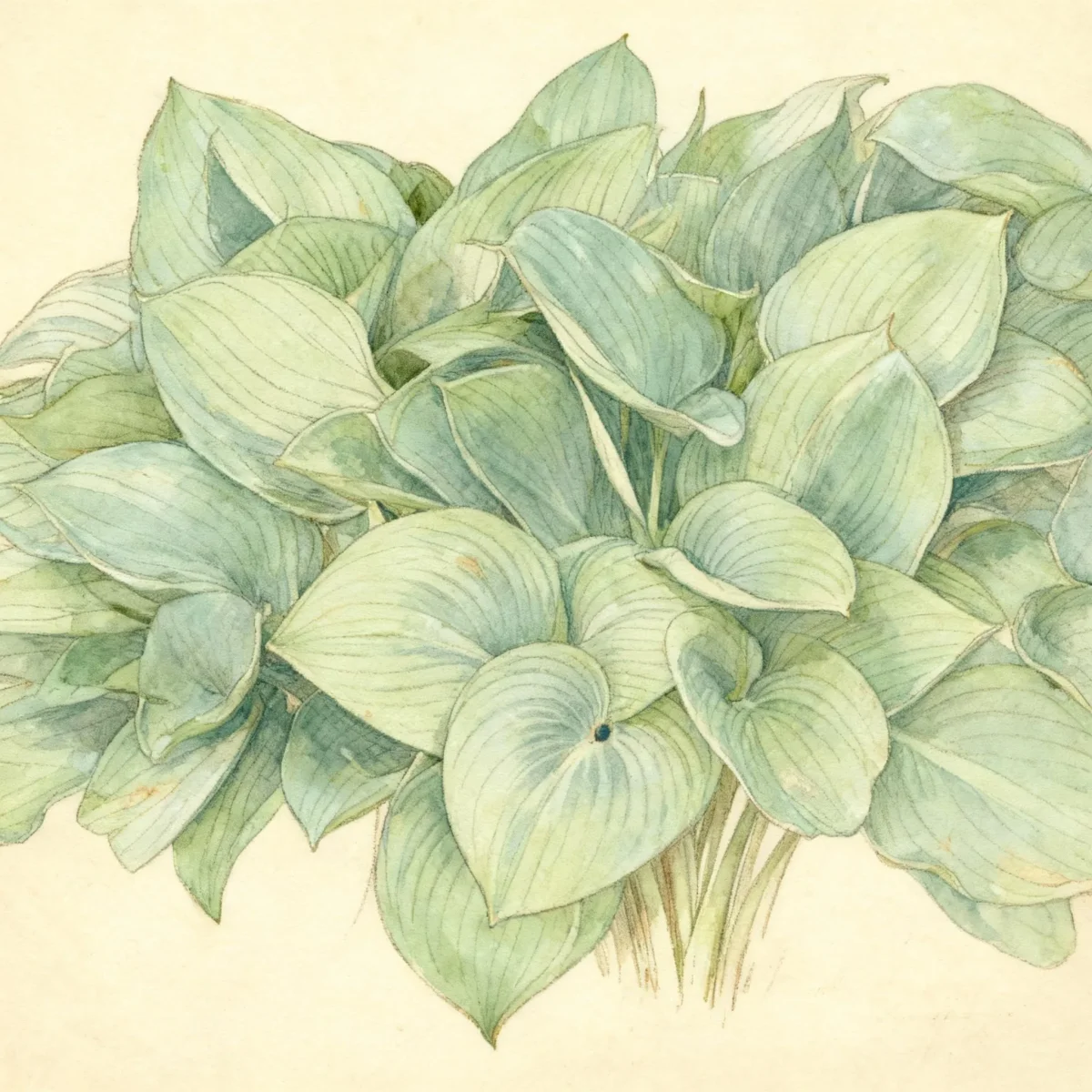
Hosta (Hosta 'Undulata Variegata')
Hosta 'Undulata Variegata' offers striking variegated foliage and lavender blooms, perfect for low-maintenance shade gardens.
Scroll down to discover growing tips, care requirements, companion plants, and more
Complete Plant Information
Overview
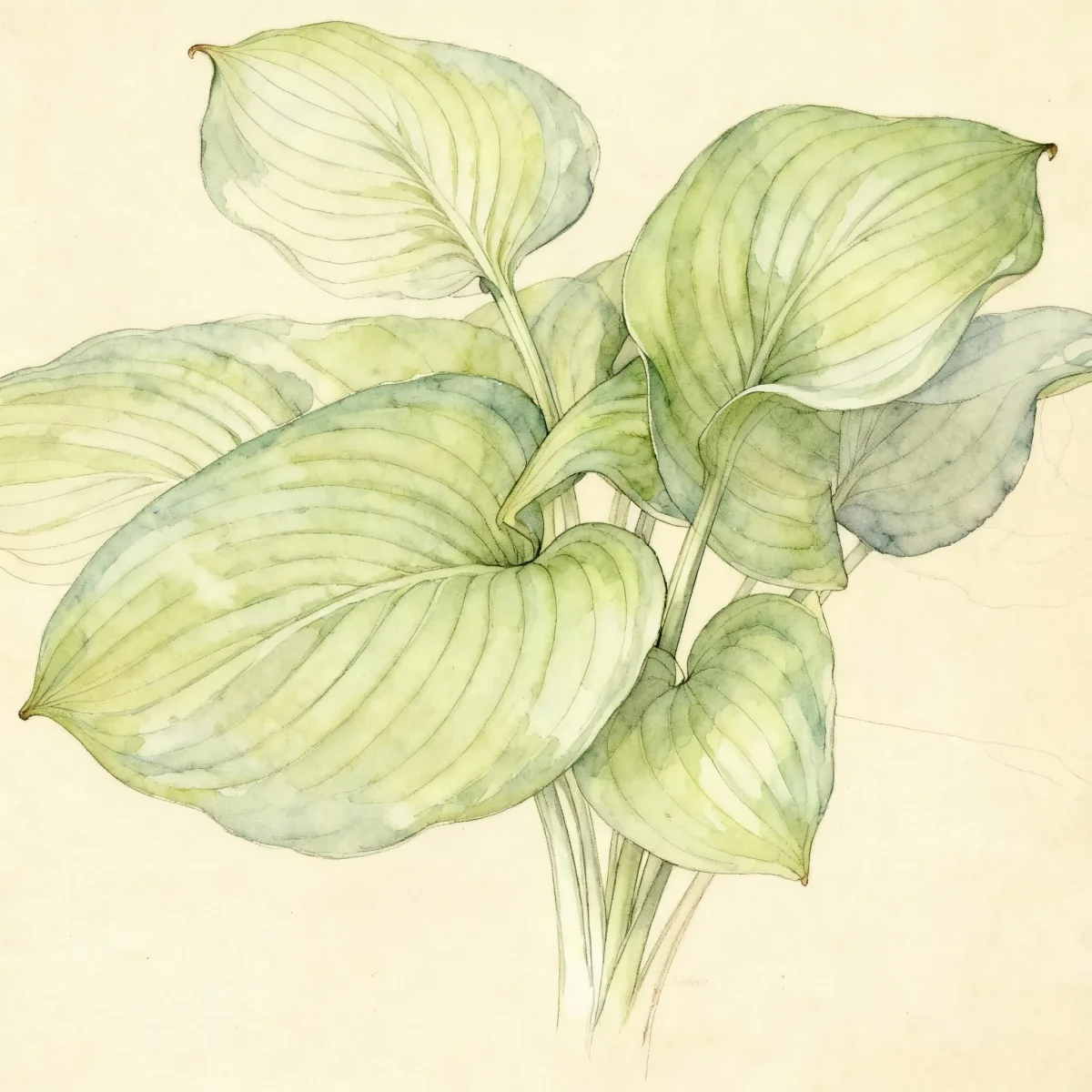
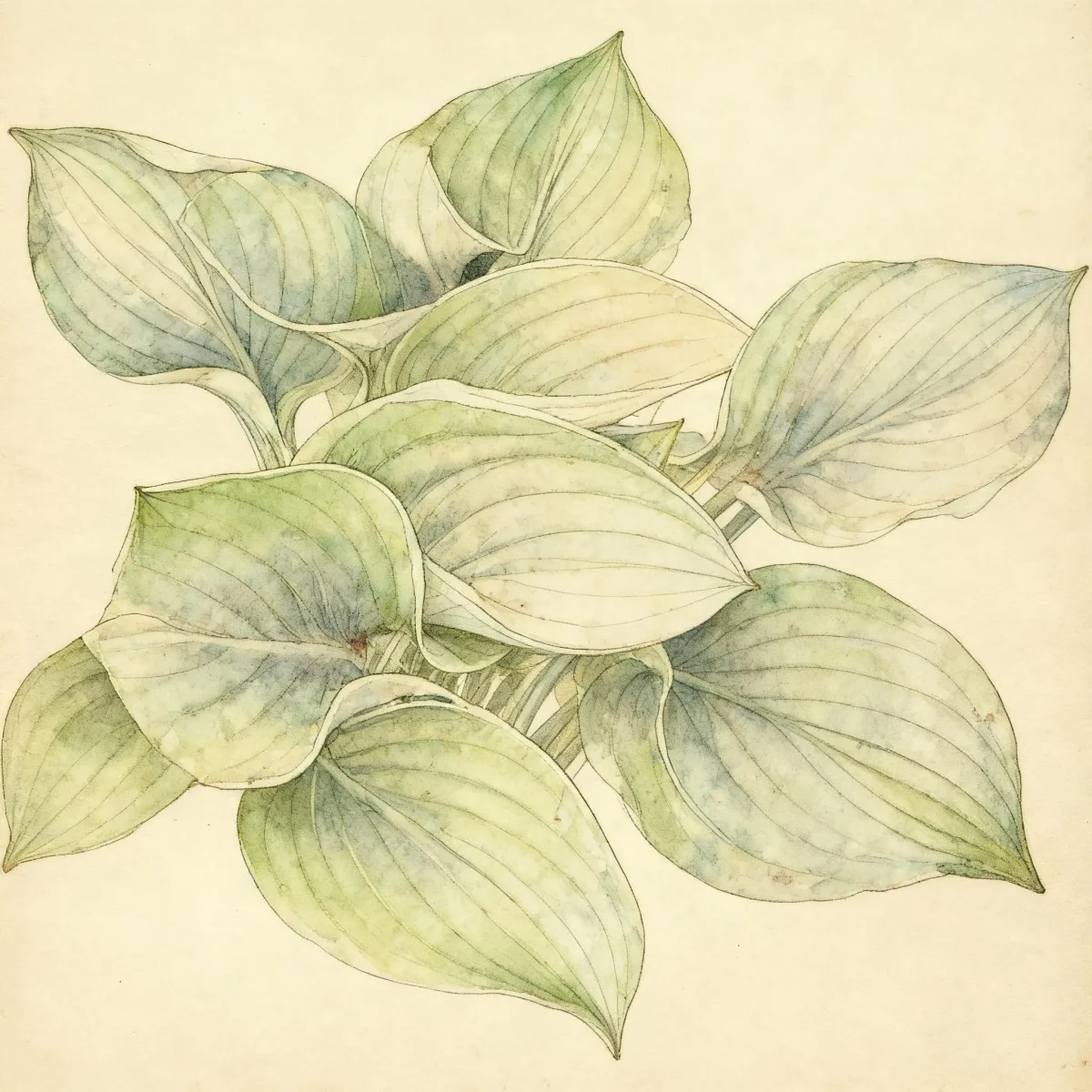
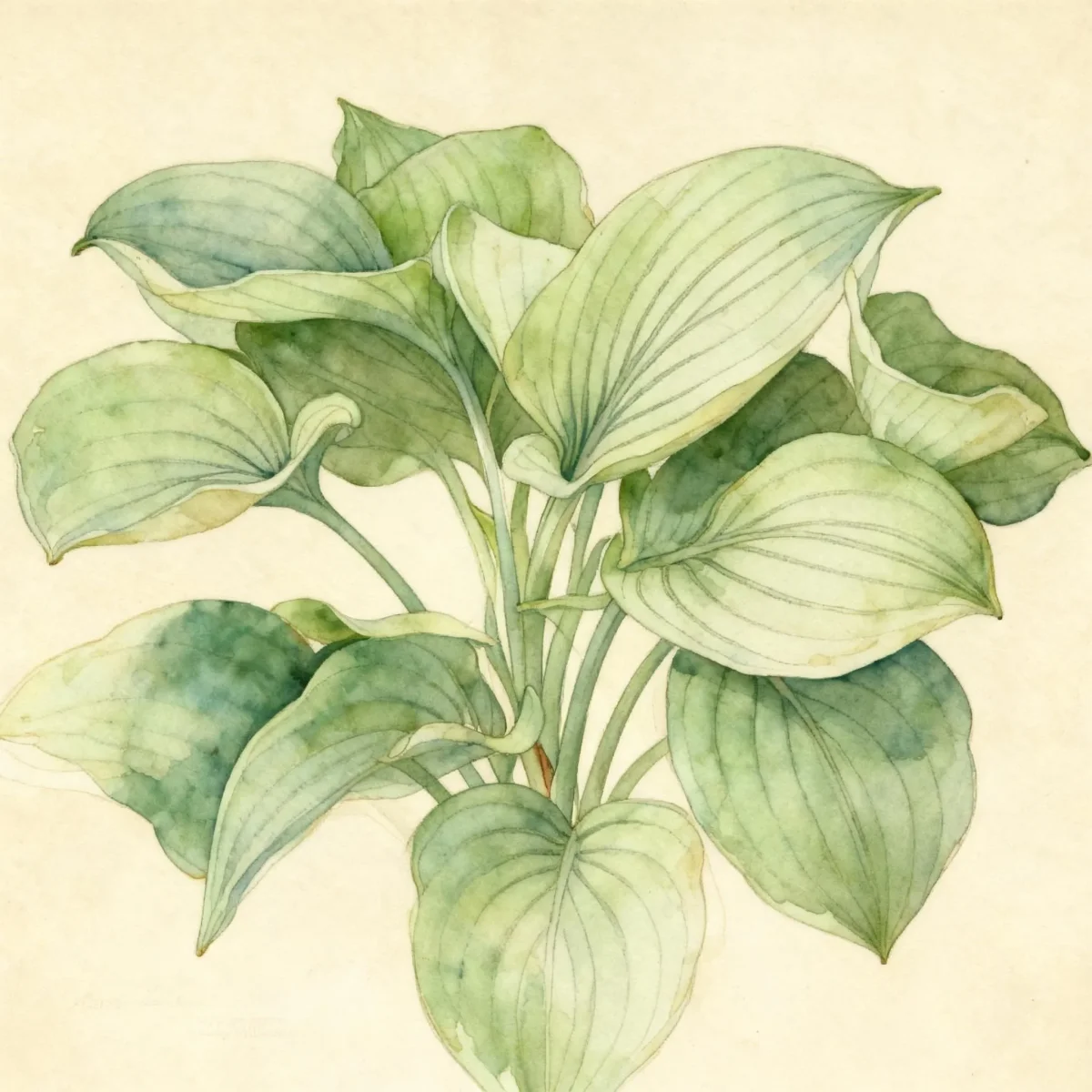
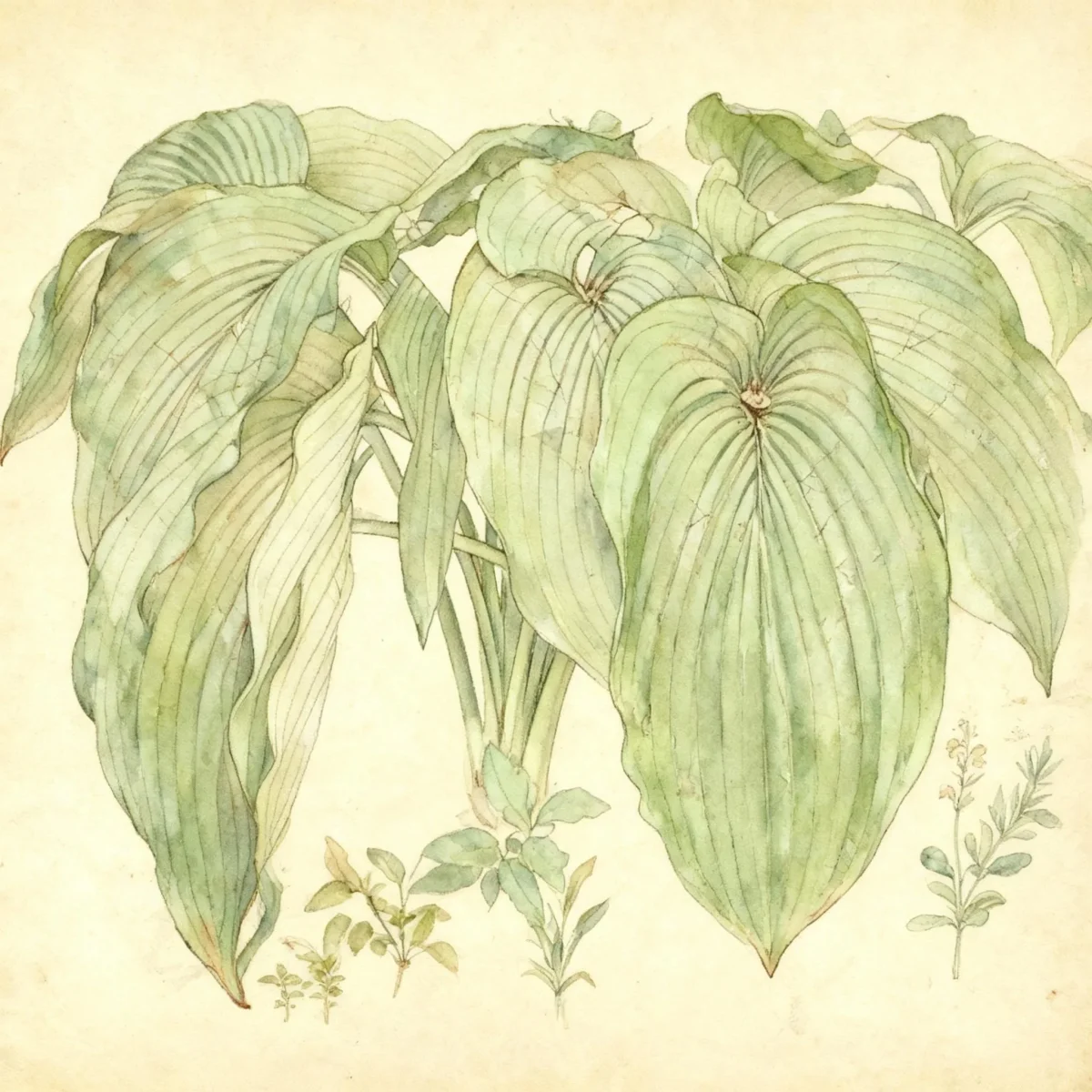
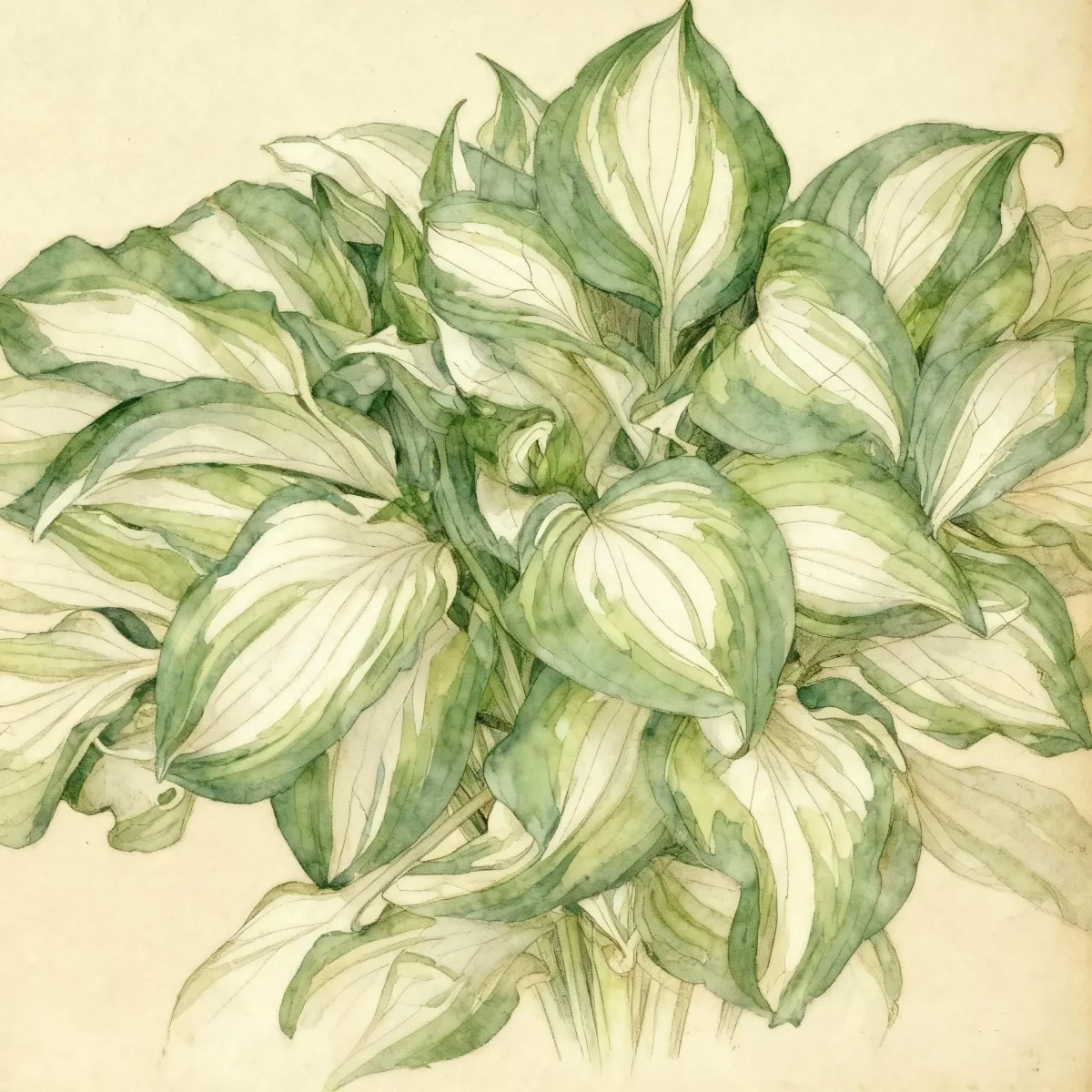
Hosta ‘Undulata Variegata’ is a celebrated centerpiece for any area lacking consistent sunlight, prized primarily for its ornamental foliage. This herbaceous perennial features narrow, oval leaves characterized by distinct, irregular creamy white center stripes against a green background, often possessing an appealingly wavy margin. As a robust Hosta, it forms a dense, pleasing mound, making it excellent for adding texture and brightness to dark corners of the landscape.
This variety thrives in consistently moist, rich soil, though established plants show tolerance for drier conditions if necessary. It generally requires low maintenance once sited properly, offering reliable seasonal color and structure without demanding extensive care throughout the growing season. Gardeners appreciate the ease with which Hosta ‘Undulata Variegata’ establishes itself and returns reliably year after year, providing essential structure to shade gardens.
The plant produces charming lavender, funnel-shaped flowers borne on tall scapes that rise above the variegated mound during mid-summer. While the flowers are lovely, the true value of Hosta ‘Undulata Variegata’ lies in its persistent, vivid leaf presentation, making it a cornerstone species in woodland and shade garden designs.
Fast Facts
- Plant Family: Asparagaceae
- Plant Type: Herbaceous perennial
- Hardiness Zones: USDA Zones 3-8
- Size at Maturity:
- Height: 1-2 ft
- Spread: 1-2 ft
- Bloom Time: June to July
- Bloom Description: Lavender
- Sun Exposure: Part shade to full shade
- Water Needs: Medium
- Maintenance Level: Low
How to Grow
Planting Hosta ‘Undulata Variegata’ is best achieved in spring or autumn when conditions are mild. Select a location providing rich, organically-amended, well-drained soil. Optimal sunlight for this Hosta is part shade, benefiting from morning sun or dappled light throughout the day; avoid harsh afternoon sun which can scorch the foliage. Ensure the area is protected, if possible, from strong winds which can damage the attractive, wavy leaves.
Ongoing care focuses primarily on moisture management. This Hosta prefers evenly moist conditions, so water deeply and consistently, aiming irrigation directly at the soil beneath the leaves when watering. While low maintenance overall, avoiding soil desiccation is crucial for maintaining the full size and vibrant variegation quality of the foliage. Fertilization is rarely necessary if the soil is organically rich.
Division of Hosta clumps is easily managed if overcrowding occurs or if you wish to propagate. The easiest time for division is early spring before the new leaves fully unfurl, though autumn is also acceptable. As Hosta are generally low-maintenance, monitoring for pests, particularly slugs and snails, is the most significant recurring task required for healthy foliage development.
Landscape Uses
Hostas are fundamentally the backbone of shade gardening, and Hosta ‘Undulata Variegata’ excels in this role due to its brightly contrasted leaves. Its mounding habit makes it incredibly effective when massed together or planted in large groups to create a pool of light reflection beneath taller trees or shrubs. Use this Hosta in shady borders where its height (up to 2 feet) can provide good middle-layer structure.
For woodland settings or naturalized garden areas, consider mass planting Hosta ‘Undulata Variegata’ alongside ferns and hostas with darker, solid green foliage to maximize the visual contrast of the variegation. It serves exceptionally well as a background plant or as a dense ground cover between widely spaced, high-canopy trees suitable for woodland margins.
This specific Hosta variety performs beautifully as an edging specimen along shady pathways, providing reliable year-round interest through its foliage. Since its cultural needs—part shade and medium moisture—align well with many woodland natives, it integrates naturally into those landscape designs.
Standout Features
Flower Qualities
- Showy
Noteworthy Characteristics
Hosta undulata and Hosta ‘Undulata’ designations apply to garden cultivars sharing wavy-margined, twisted leaves. Hostas sold as Hosta ‘Undulata Variegata’ typically display narrow oval leaves with irregular creamy white center stripes and reach heights up to 22 inches. These plants feature racemes of funnel-shaped, lavender flowers on scapes that rise well above the foliage mound during the summer months, offering seasonal floral interest.
Tolerances
- Heavy Shade
- Black Walnut
Potential Problems
Slugs and snails pose the most common threat, chewing unsightly jagged holes in the foliage of Hosta ‘Undulata Variegata’. Regularly inspect the undersides of leaves and the soil line, applying appropriate slug and snail control methods promptly to prevent severe defoliation.
Watch keenly for foliar nematodes, which manifest as interveinal browning across the leaves. Leaf spots and crown rot are possibilities, typically associated with poor drainage or overly wet soil conditions, so ensure your planting site drains efficiently. Infected plants exhibiting viral symptoms, such as HVX, should be removed immediately to protect neighboring Hosta specimens.
Frequently Asked Questions
What hardiness zones is Hosta ‘Undulata Variegata’ suitable for?
This Hosta variety is reliably hardy across USDA Zones 3 through 8.
How large does Hosta ‘Undulata Variegata’ grow?
When fully mature, expect this Hosta to reach a height between 1 and 2 feet, spreading similarly between 1 and 2 feet wide.
What sun exposure does Hosta ‘Undulata Variegata’ need?
Hosta ‘Undulata Variegata’ thrives best in part shade to full shade conditions, preferring protection from intense direct sunlight.
When does Hosta ‘Undulata Variegata’ bloom?
The blooms appear mid-season, typically from June to July, displaying attractive lavender colored, funnel-shaped flowers.
Conclusion
Hosta ‘Undulata Variegata’ remains an indispensable choice for adding bright, textured foliage to shaded garden environments, offering exceptional ornamental value with minimal effort. Ensure you meet its requirement for evenly moist, rich soil and appropriate light levels to maximize the beauty of this specific Hosta cultivar. Before planting, verify its hardiness zone compatibility and plan your site preparation now for a resilient, low-maintenance display this season.
Companion Planting
For shade gardens featuring Hosta ‘Undulata Variegata’, companion planting should focus on species that share similar moisture and light requirements. Try pairing it with Japanese Painted Ferns (Athyrium niponicum), whose silvery tones complement the creamy variegation beautifully. Astilbe works well alongside Hostas, as both flourish in consistently moist, rich soil under dappled sun.
Consider the contrasting textures provided by Woodland Phlox (Phlox divaricata) for spring color before the Hosta reaches its full summer mound. Utilizing spring bulbs around the base of the Hosta followed by shade-tolerant groundcovers ensures continuous visual appeal throughout the growing season. Selecting companions that deter slugs or rabbits can also offer collective protection for your Hosta foliage.
Seasonal Care Calendar
Spring is the crucial time for preparing your Hosta ‘Undulata Variegata’. Top dress the soil with a layer of compost if fertility is lacking, and this is the ideal moment for dividing overcrowded clumps. Immediately after the soil warms slightly, begin scouting diligently for early pest activity, especially slugs emerging from overwintering sites.
During the summer heat, focus intently on consistent watering, especially during dry spells, directing water to the base of the plant to maintain leaf quality. Deadhead the flower scapes in late summer if you prefer to direct the plant’s energy solely into leaf production, although the faded lavender blooms are generally subtle.
As autumn approaches, resist the urge to trim back the foliage immediately after the first frost kills the leaves. Allow the foliage to naturally die back over several weeks; this process helps the rhizomatous crown store energy for winter dormancy and spring emergence. Lightly mulch established beds in late fall for added winter protection, particularly in the colder reaches of Zones 3 and 4.