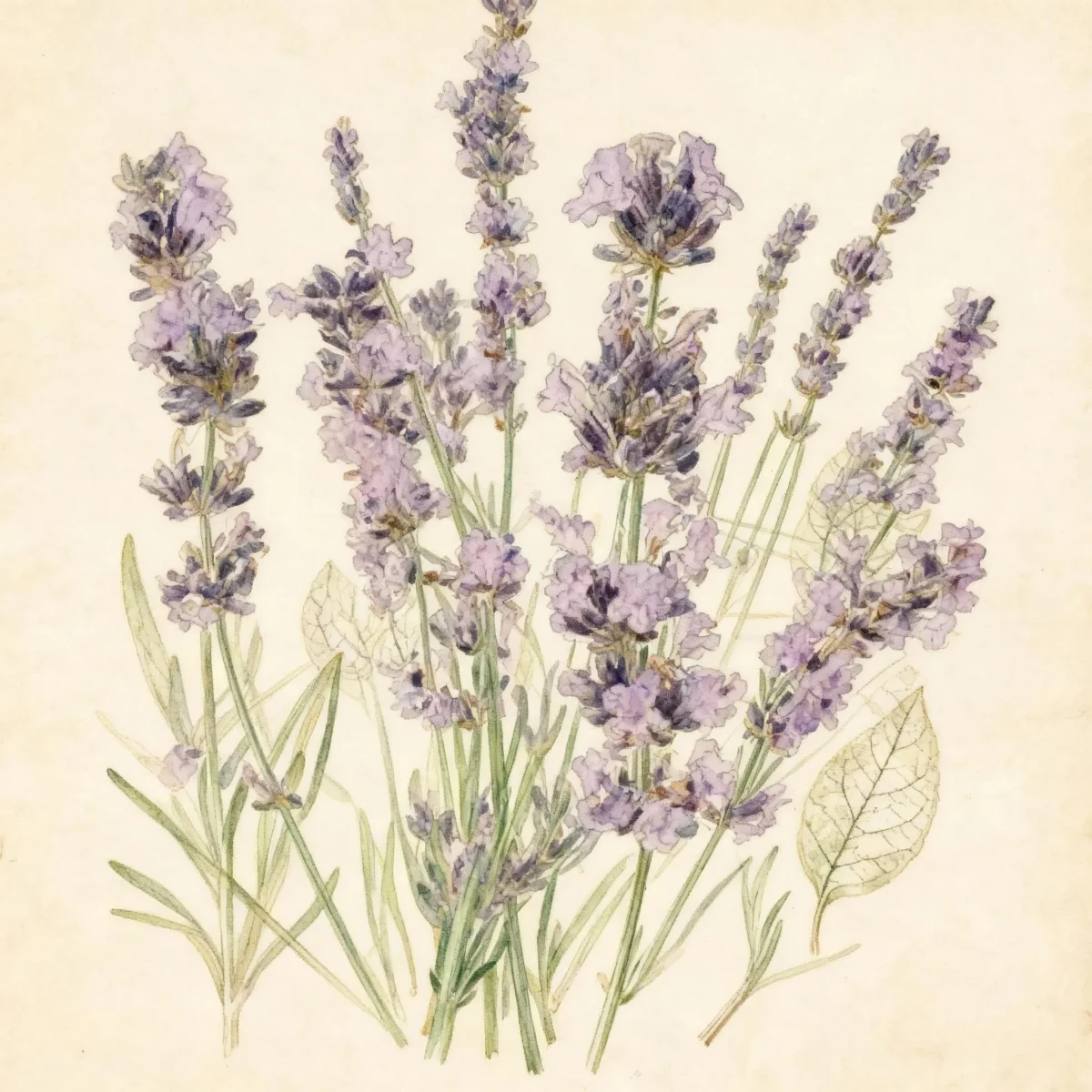
Thyme (Thymus praecox 'Minus')
Thymus praecox 'Minus' is a tiny evergreen Thyme, forming a dense mat perfect for rock gardens; thrives in full sun and dry soil.
Scroll down to discover growing tips, care requirements, companion plants, and more
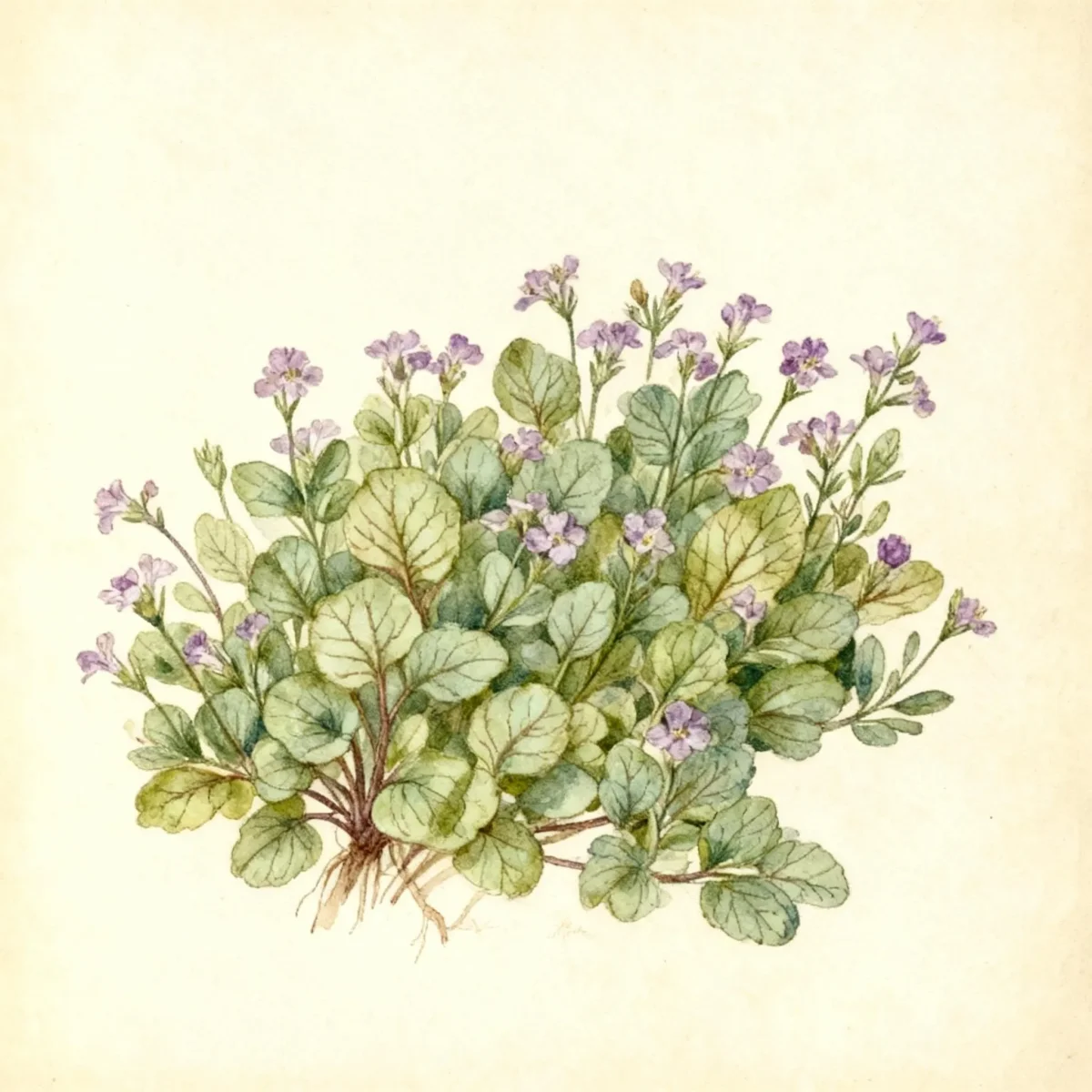
Complete Plant Information
Overview
Thymus praecox ‘Minus’, commonly known as Thyme, is an exceptionally low-growing, mat-forming perennial highly valued for its dense, creeping habit. It creates a miniature, cushiony evergreen groundcover, making it ideal where other plants would sprawl too much. This cultivar is notable for having perhaps the smallest leaves of any commercially available thyme.
This variety of Thyme thrives in bright, demanding conditions, preferring full sun and excellent drainage above all else. While it possesses limited culinary applications compared to other thymes, its aesthetic contribution as a living carpet in specialized garden settings is significant. Gardeners appreciate its durability once established in appropriate dry locations.
The allure of Thymus praecox ‘Minus’ lies in its diminutive scale and evergreen nature, providing year-round texture. In early summer, it offers small clusters of attractive lilac-pink flowers, which are noted for attracting beneficial bees to the landscape. Planting this miniature thyme ensures textural contrast and hardiness near stone pathways or slopes.
Fast Facts
- Plant Family: Lamiaceae
- Plant Type: Herbaceous perennial
- Hardiness Zones: USDA Zones 4-8
- Size at Maturity:
- Height: 0.25 ft
- Spread: 0.25-0.5 ft
- Bloom Time: June to July
- Bloom Description: Lilac pink
- Sun Exposure: Full sun
- Water Needs: Dry to medium
- Maintenance Level: Medium
How to Grow
Thymus praecox ‘Minus’ requires planting in a location that receives full, uninterrupted sun exposure throughout the day. The most crucial cultural requirement for this Thyme is drainage; it must be planted in average, dry to medium soils, with loose, sandy, or rocky substrates being ideal. Avoid planting this miniature thyme in areas where soil remains heavy or moist, as susceptibility to root rot is high under such conditions.
Watering should be kept to a minimum once established, reflecting its high drought tolerance. Water deeply but infrequently, allowing the soil to dry out completely between irrigation sessions. Fertilization is generally unnecessary, as Thyme tolerates poor soils of low fertility. Over-fertilizing can lead to weak, floppy growth patterns rather than the desired tight mat.
Pruning involves cutting back stems as necessary specifically to maintain the plant’s characteristic flat appearance, especially after flowering. This cultivar is evergreen in mild winters, maintaining its appearance throughout colder months. Prepare for spring by lightly tidying any winter debris, ensuring air circulation remains good around the dense groundcover mat.
Landscape Uses
Thymus praecox ‘Minus’ excels when utilized as a very small area ground cover where a tight, low profile is necessary. Its extremely low stature makes it perfect for filling narrow crevices or tucking into the joints between stepping stones, softening hard lines in paved areas. It effectively sprawls over small rocks or cascades gently over ledges within a dedicated rock garden setting.
For design purposes, plant this creeping Thyme alongside other drought-tolerant, sun-loving perennials like Sedums or low-growing Sempervivums, creating compelling textural contrast. Its tiny foliage acts as the perfect understated carpet beneath smaller ornamental grasses or interspersed with larger, upright alpines that appreciate sharp drainage. Ensure companions do not shade out the diminutive Thymus praecox ‘Minus’.
Standout Features
Flower Qualities
- Showy
Noteworthy Characteristics
Thymus praecox is a creeping, woody-based perennial which is primarily used as a small ground cover, but also has limited culinary value. ‘Minus’, sometimes commonly called miniature thyme, is a mat-forming, slowly-spreading, woody based perennial which is primarily used as a low ground cover and forms a flat, dense, cushiony mat (1-2” tall) of tiny, rounded, non-aromatic, hairy green leaves. Clusters of tiny, tubular, lilac-pink flowers appear in summer. Regardless of the garbled nomenclature, the cultivar ‘Minus’ generally refers to this tiniest of thymes.
Tolerances
- Deer
- Drought
- Dry Soil
- Shallow-Rocky Soil
- Air Pollution
Potential Problems
This specific Thyme cultivar generally presents no serious insect or disease problems when sited correctly. The primary threat to Thymus praecox ‘Minus’ health is cultural; it is highly susceptible to root rot. This often occurs when the plant is placed in locations with moist or perpetually wet, poorly-drained soils. Aggressive prevention involves rigorous soil amendment for drainage upon planting and strict adherence to dry watering schedules thereafter.
Frequently Asked Questions
What hardiness zones is Thyme suitable for?
Thymus praecox ‘Minus’ is reliably hardy across USDA Zones 4 through 8, offering good cold tolerance for a creeping form of Thyme.
How large does Thymus praecox ‘Minus’ grow?
This miniature variety maintains an extremely small profile, reaching heights of only about 0.25 feet tall, with a spread between 0.25 and 0.5 feet wide.
What sun exposure does Thyme need?
For optimal growth and flowering, this variety requires full sun exposure throughout the day.
When does Thymus praecox ‘Minus’ bloom?
This Thyme variety typically puts on its display of lilac-pink flowers during the early summer months, specifically from June to July.
Conclusion
Thymus praecox ‘Minus’ is an invaluable, nearly maintenance-free option for gardeners needing an ultra-low, yet durable, evergreen textural element. Its ability to tolerate drought and poor, rocky soils makes this unique Thyme a superstar in difficult pockets. Before planting, verify that your chosen location offers intense sunlight and perfect drainage to ensure the long-term success of your Thymus praecox ‘Minus’.
Wildlife Benefits
Flowers of Thymus praecox ‘Minus’ are small but appear in clusters during the summer, proving highly attractive to generalist pollinators, especially various species of bees. By providing nectar during the early summer bloom time, this creeping Thyme supports local bee populations when other early bloomers might be finishing their cycle. Even when not flowering, its low, dense structure can offer minor shelter benefits among rocks or paving cracks.
Companion Planting for Thyme
Because this Thyme variety demands sharp drainage and full sun, companion plants should share similar xeriscaping or rock garden requirements. Excellent companions include various low-growing Sedums (stonecrops), which offer contrasting foliage textures and complementary bloom times. Consider planting alongside Penstemon species suitable for rock gardens or other tough, low-growing aromatic herbs that do not require supplemental afternoon moisture.