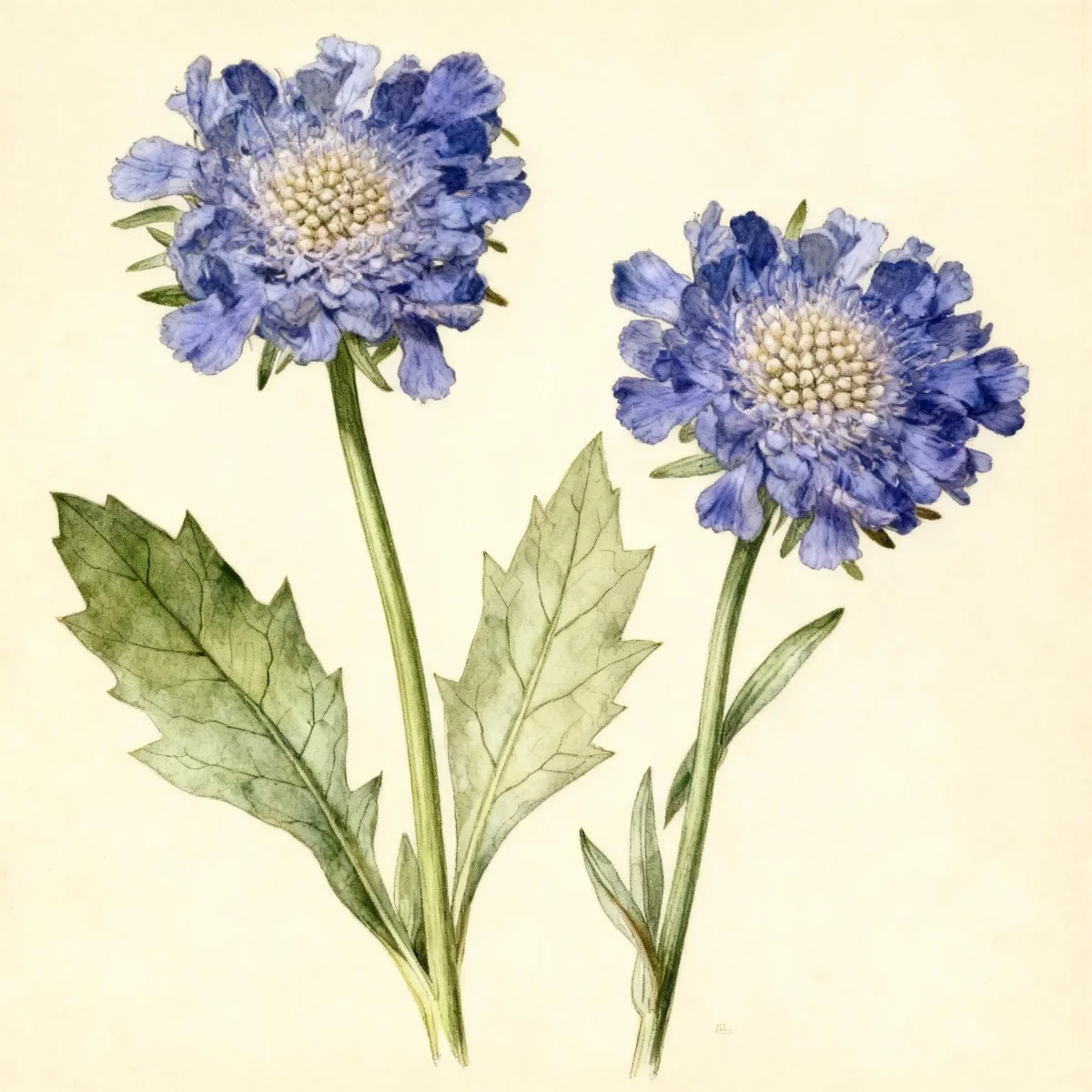
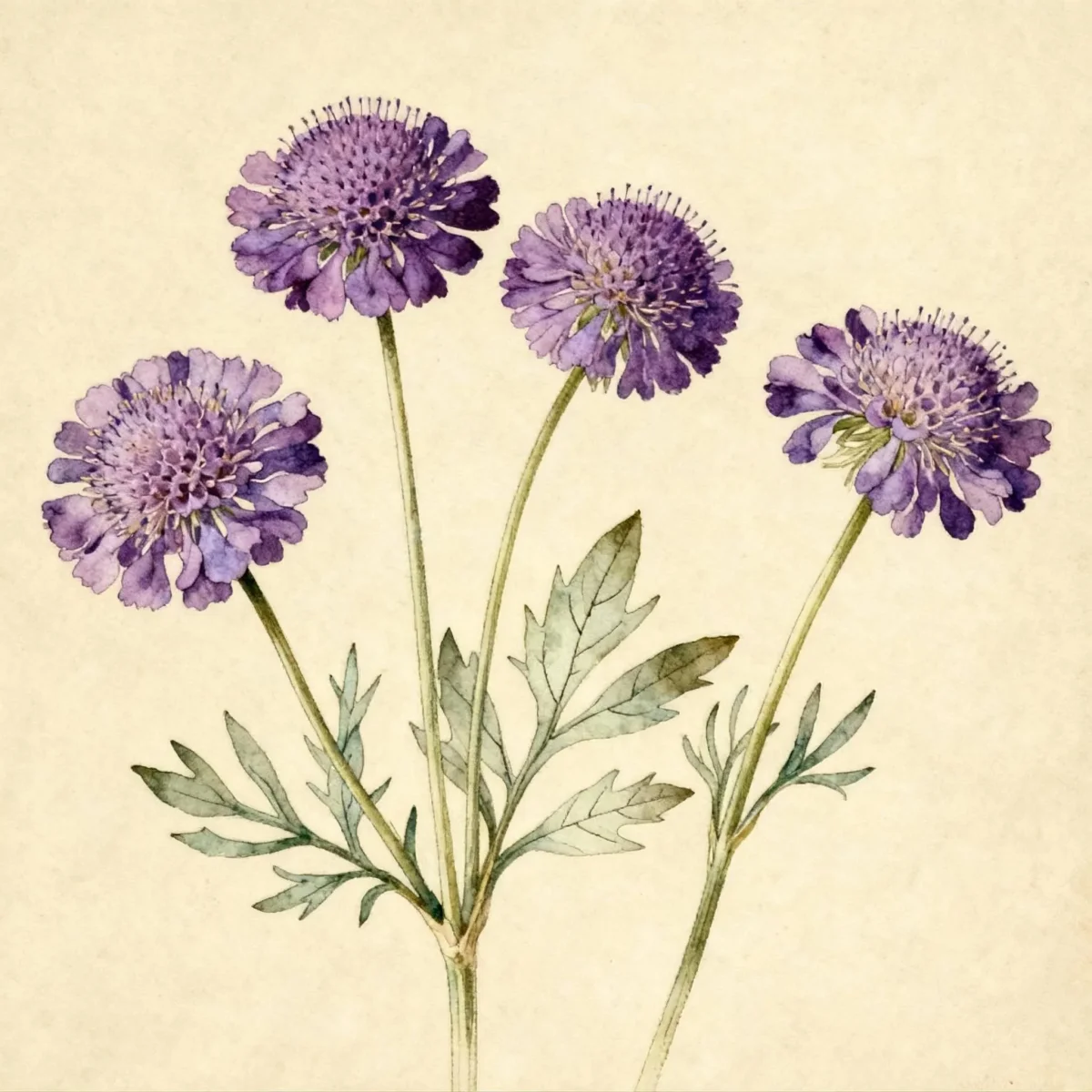
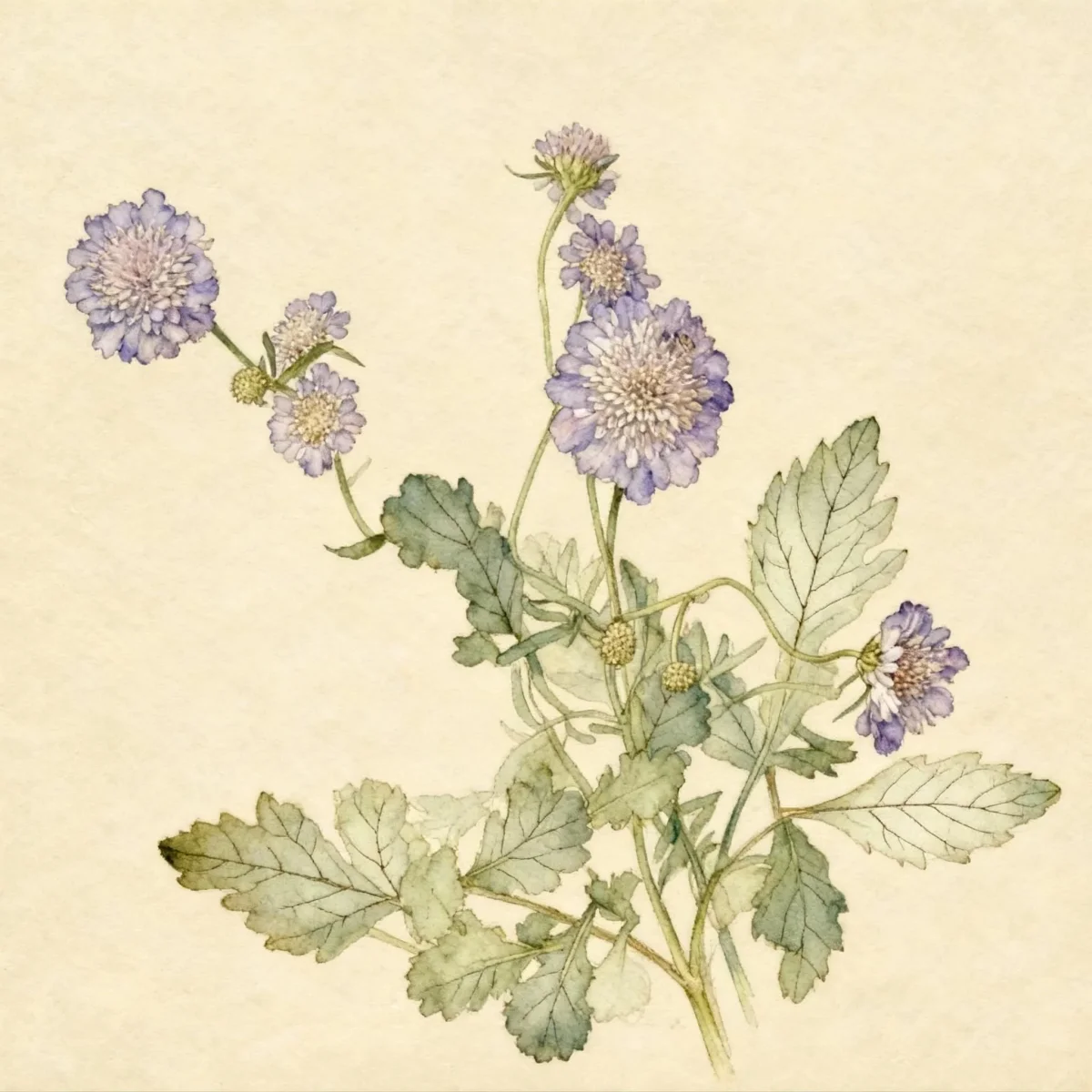
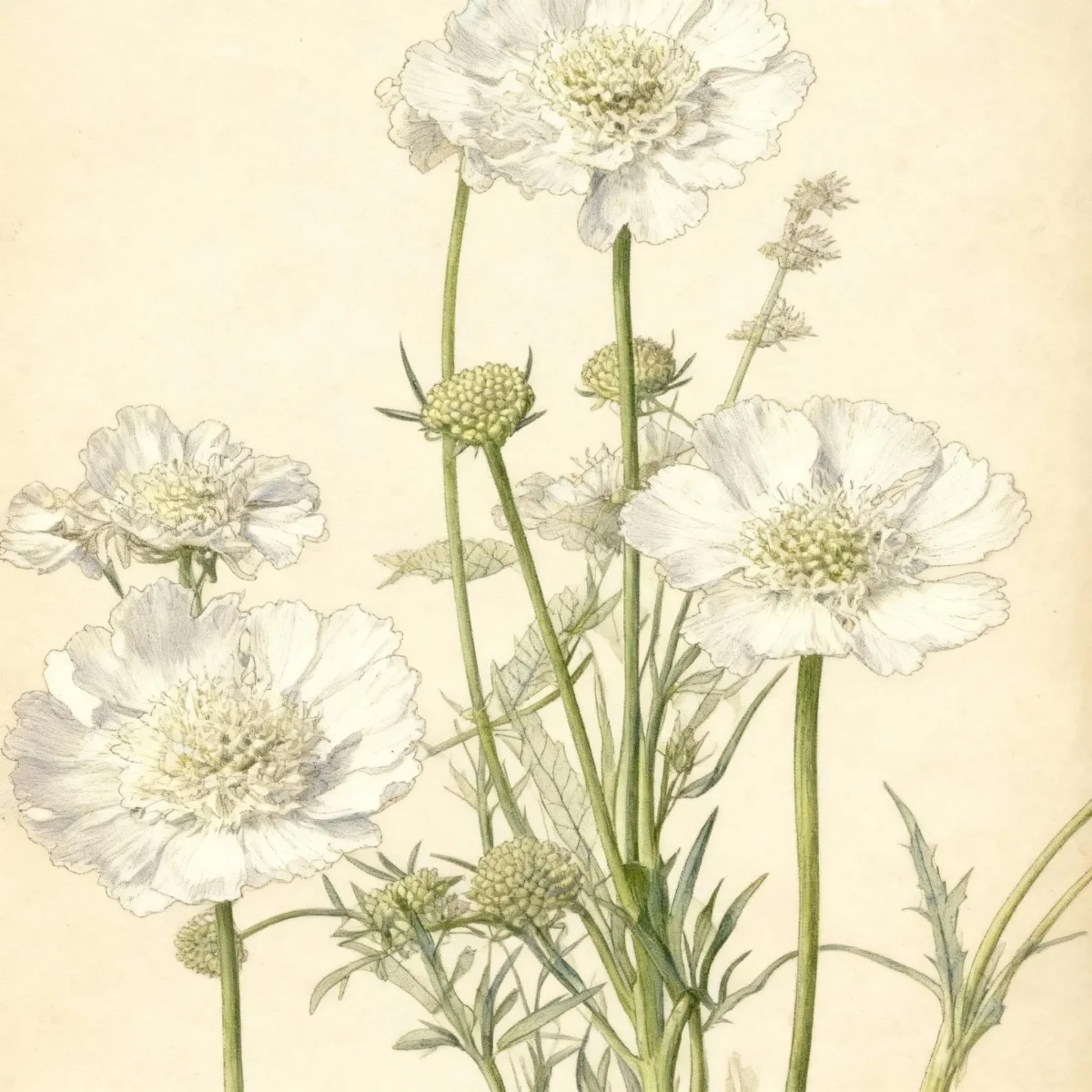
Giant pincushion flower (Cephalaria gigantea)
The striking Cephalaria gigantea, or Giant pincushion flower, is a tall, low-maintenance perennial with primrose yellow blooms.
Scroll down to discover growing tips, care requirements, companion plants, and more
Complete Plant Information
Overview
The Cephalaria gigantea, known widely as the Giant pincushion flower, is a magnificent addition to large gardens, prized for its impressive vertical presence and cheerful summer color. Native to the Caucasus and Siberia, this vigorous perennial establishes itself as a structural element in the garden, often towering over surrounding plants. Gardeners value its low maintenance requirements once established, despite the need for adequate moisture during peak summer heat.
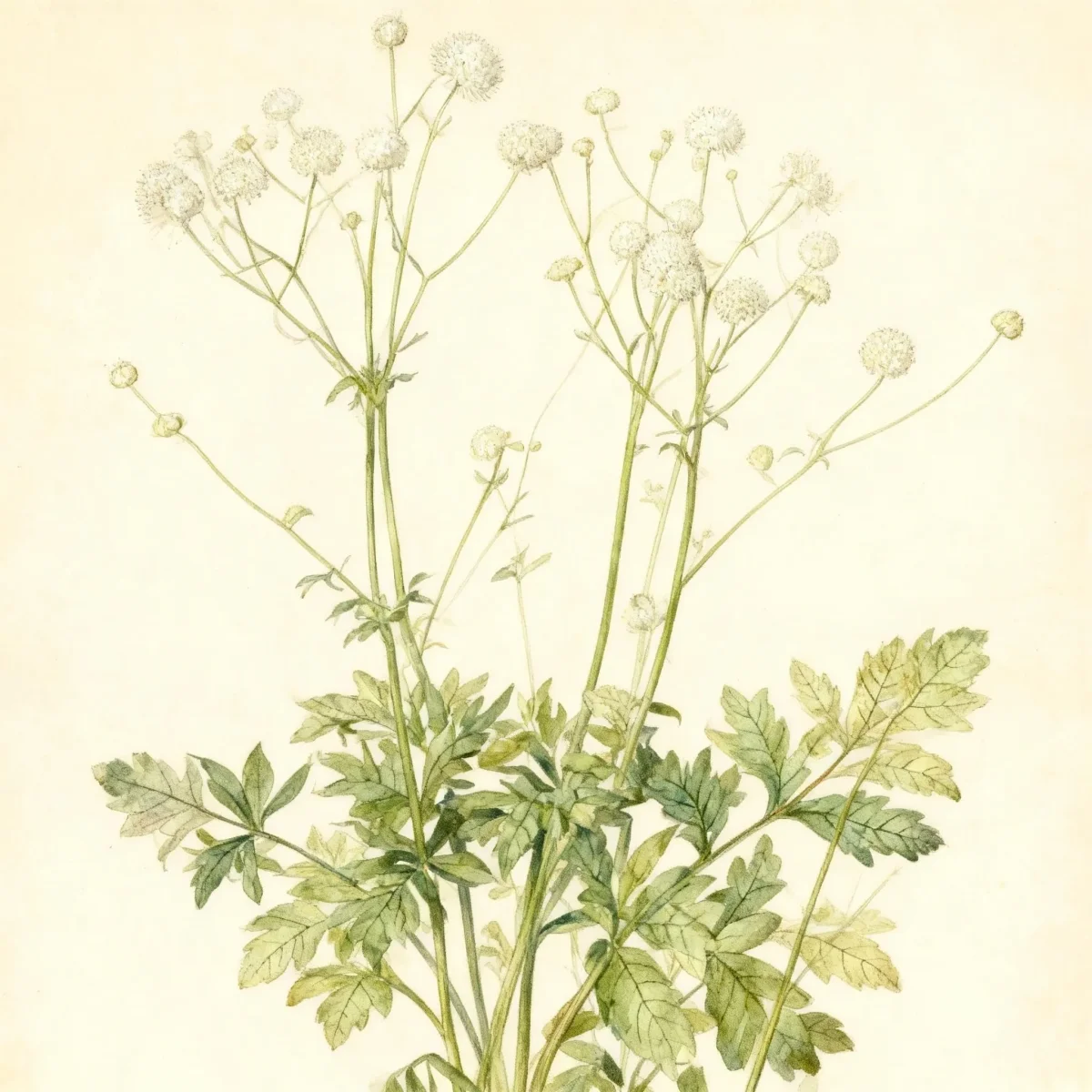
This plant is closely related to the familiar Scabiosa, though its flowers are a distinct primrose yellow color reaching up to 2.5 inches across. The flowers bloom atop stiff, wiry stems that rise well above the basal foliage mound, creating an airy, architectural display from early summer into mid-summer. Successful cultivation depends on providing full sun, critical for keeping the tall flower spikes upright.
If you seek high visual impact without demanding attention to detail, the Giant pincushion flower excels. It provides excellent texture in cottage or meadow-style plantings, offering reliable, low-effort performance through the hottest months. Ensure you site Cephalaria gigantea where its eventual size won’t overwhelm smaller neighbors.
Fast Facts
- Plant Family: Caprifoliaceae
- Plant Type: Herbaceous perennial
- Native Range: Caucasus, Siberia
- Hardiness Zones: USDA Zones 3-7
- Size at Maturity:
- Height: 4-6 ft
- Spread: 2-4 ft
- Bloom Time: June to August
- Bloom Description: Primrose yellow
- Sun Exposure: Full sun
- Water Needs: Medium
- Maintenance Level: Low
How to Grow
Cephalaria gigantea establishes best when planted in the spring or fall in a location receiving full sun exposure. It thrives in moist, fertile, well-drained soil; avoiding heavy, waterlogged conditions is key for long-term health. Proper placement is vital, as flowering stems tend to flop significantly if the plant receives partial shade or insufficient light.
Water needs are medium, meaning the plant requires consistent moisture, especially throughout the summer when it is actively flowering. Foliage performance often suffers, declining as the summer heat peaks if the soil is allowed to dry out completely. Fertilization is rarely necessary if the soil is already fertile, but a yearly application of compost can bolster growth.
Maintenance for the Giant pincushion flower is simple. Deadhead spent flowers regularly throughout the season to encourage the production of new blooms; this extends the vibrant yellow display. At the end of the flowering period, typically in late summer or early autumn, cut back all flowering stems to the ground and trim back any remaining foliage as needed for a tidy look going into winter.
Landscape Uses
This plant needs a large space, making it unsuitable for small urban gardens or containers unless they are exceptionally large. The height and airy habit of Cephalaria gigantea make it perfect for the rear of mixed borders where its height can anchor the composition without hiding smaller perennials. It integrates beautifully into romantic cottage gardens alongside delphiniums and hollyhocks.
For a more naturalistic setting, consider planting the Giant pincushion flower in wildflower meadows or larger wild areas where its stature can blend with native grasses and larger shrubs. Its strong vertical lines offer a counterpoint to rounded shapes. Consider pairing it with plants that appreciate similar soil moisture levels but offer contrasting bloom times or textures.
When designing around the Cephalaria gigantea, remember its foliage fades late in the season. Grouping it near robust, late-season bloomers that can fill the space once the yellow flowers fade helps maintain visual interest through the fall months.
Flower Qualities
- Showy
Noteworthy Characteristics
The Cephalaria gigantea is a visually striking perennial due to its substantial stature and unique bloom color. Gardeners prize its height and the way the primrose yellow, scabious-like flowers are held high on stiff stems, offering excellent textural contrast. Although its foliage may wane in extreme heat, its overall low maintenance profile secures its place in large perennial displays.
Tolerances
No specific tolerances were detailed in the provided data.
Potential Problems
The Giant pincushion flower generally exhibits impressive resistance, suffering from no serious insect or disease problems under ideal growing conditions. The primary manageable issue involves plant structure. Taller individuals, especially those grown in less-than-ideal sun exposure, may need staking or support to prevent the top-heavy flower stems from bending or collapsing, particularly after heavy rain.
Ensure you site Cephalaria gigantea where it receives uncompromising full sun; this is the best cultural defense against weak stems collapsing under their own weight. By providing firm support early in the growing season, you prevent the awkward appearance of sprawling stems interrupting the upright habit expected of this tall perennial.
Frequently Asked Questions
What hardiness zones is Giant pincushion flower suitable for?
The Cephalaria gigantea is adaptable and suitable for gardeners in USDA Zones 3 through 7.
How large does Cephalaria gigantea grow?
This perennial is quite tall, generally reaching heights between 4 and 6 feet, with a spread of 2 to 4 feet at maturity.
When does Giant pincushion flower bloom?
The Giant pincushion flower typically produces its distinctive primrose yellow blooms throughout the summer months, specifically from June to August.
What sun exposure does Cephalaria gigantea need?
For the best form and upright flowering stems, Cephalaria gigantea must be grown in full sun conditions.
Conclusion
The Cephalaria gigantea offers unparalleled vertical interest and cheerful yellow blooms with minimal fuss, qualifying it as a cornerstone for large perennial borders and naturalized areas. Its robust nature and low maintenance profile make the Giant pincushion flower a reliable performer when provided with its preferred full sun and consistent moisture. Before planting, confirm your site falls within USDA Zones 3-7 and that you have adequate space for this stately giant.
Companion Planting
Given the structural needs and moisture requirements of Cephalaria gigantea, companion plants should ideally enjoy similar conditions—full sun and moderate moisture. Look to robust, late-season bloomers that can fill in the visual space once the Giant pincushion flower begins to fade. Good companions include sturdy ornamental grasses like Miscanthus or tall cultivars of Rudbeckia (Black-eyed Susan).
Avoid placing tender or very short plants directly next to the base of the Cephalaria gigantea, as the large basal foliage can shade out smaller companions, and the falling stems may smother them post-bloom. Focus on plants that handle the competition of a tall, established clump without issue, ensuring a cohesive tapestry through the entire summer season.
Seasonal Care Calendar
Spring preparation involves trimming back the old, dead foliage close to the ground once new growth starts emerging, usually after the last hard frost. This is the ideal time to incorporate a layer of compost around the base of your Cephalaria gigantea to feed it throughout the growing season. If you anticipate very tall growth or winds, install any necessary staking supports now, weaving the wires or stakes through the new stems before they become rigid.
Summer care centers entirely on water management and deadheading. Monitor soil moisture levels weekly, especially established plants in full sun, ensuring the medium stays consistently moist but drained. Continual deadheading of finished flower heads encourages the Giant pincushion flower to maintain its primrose yellow display well into August.
As summer ends, allow the plant to transition toward dormancy. Only perform significant pruning once the flowering stems have completely finished their cycle. Once signs of decline appear late in the season, cut the stems back to the crown to tidy the area before winter sets in, which prepares the Cephalaria gigantea for spring emergence.