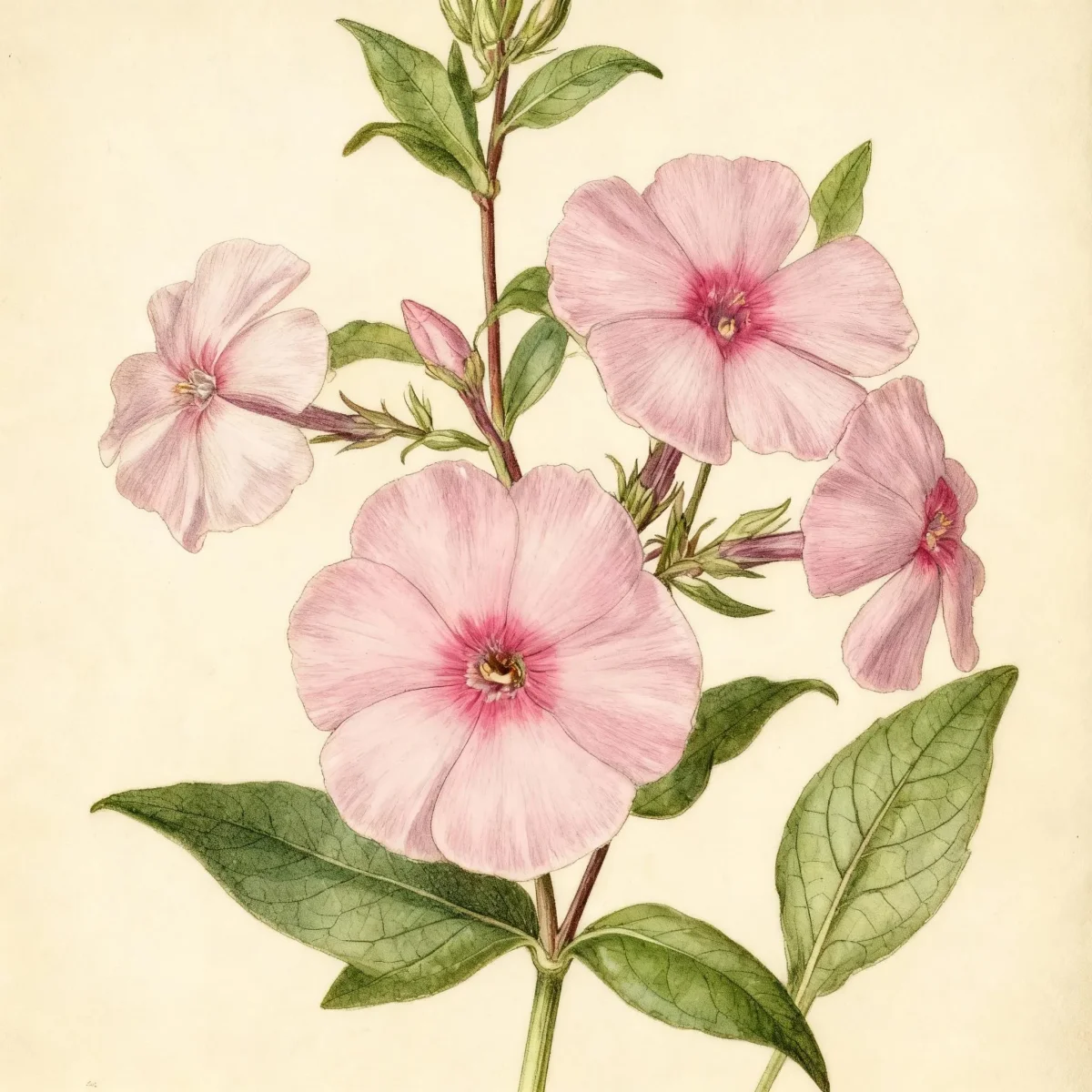
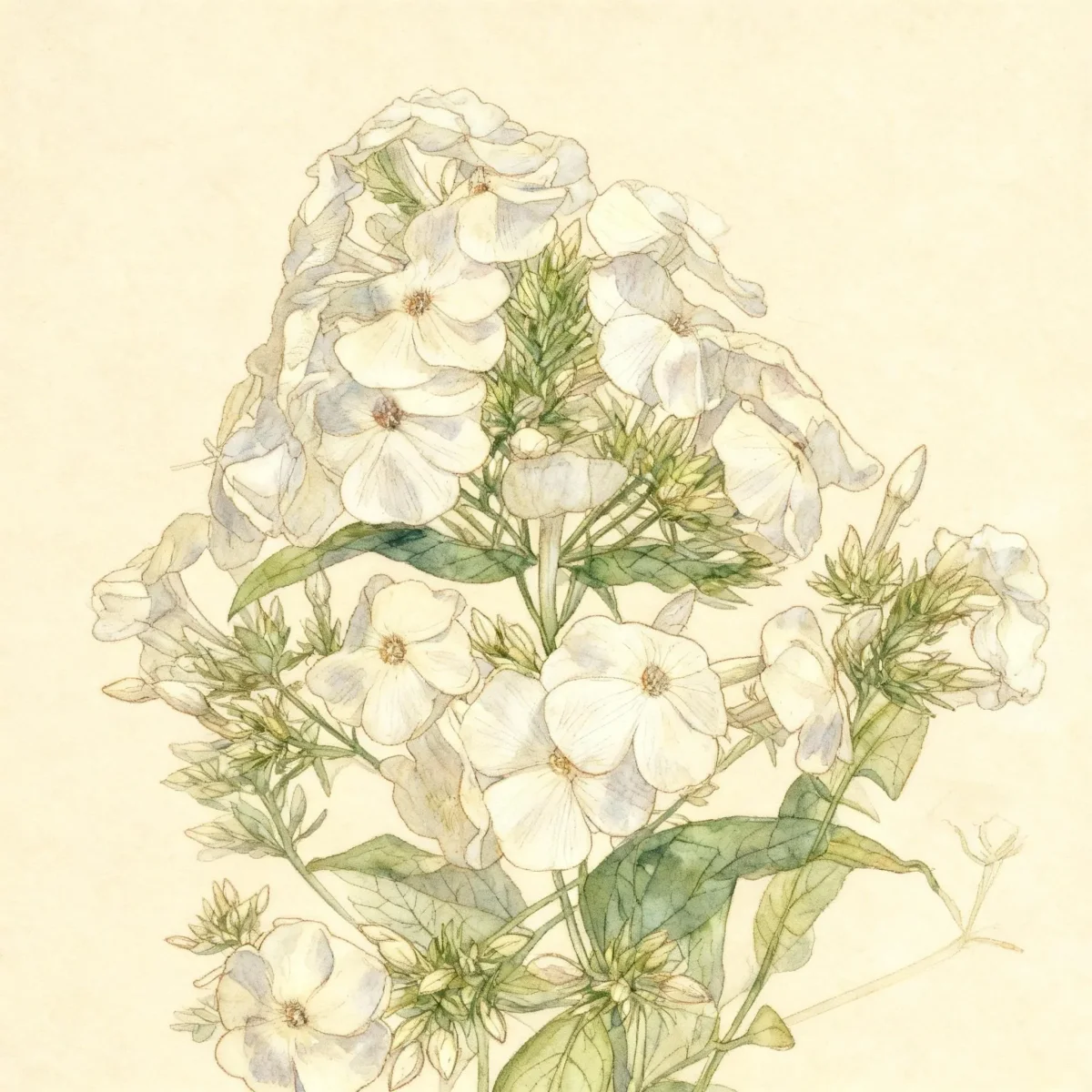
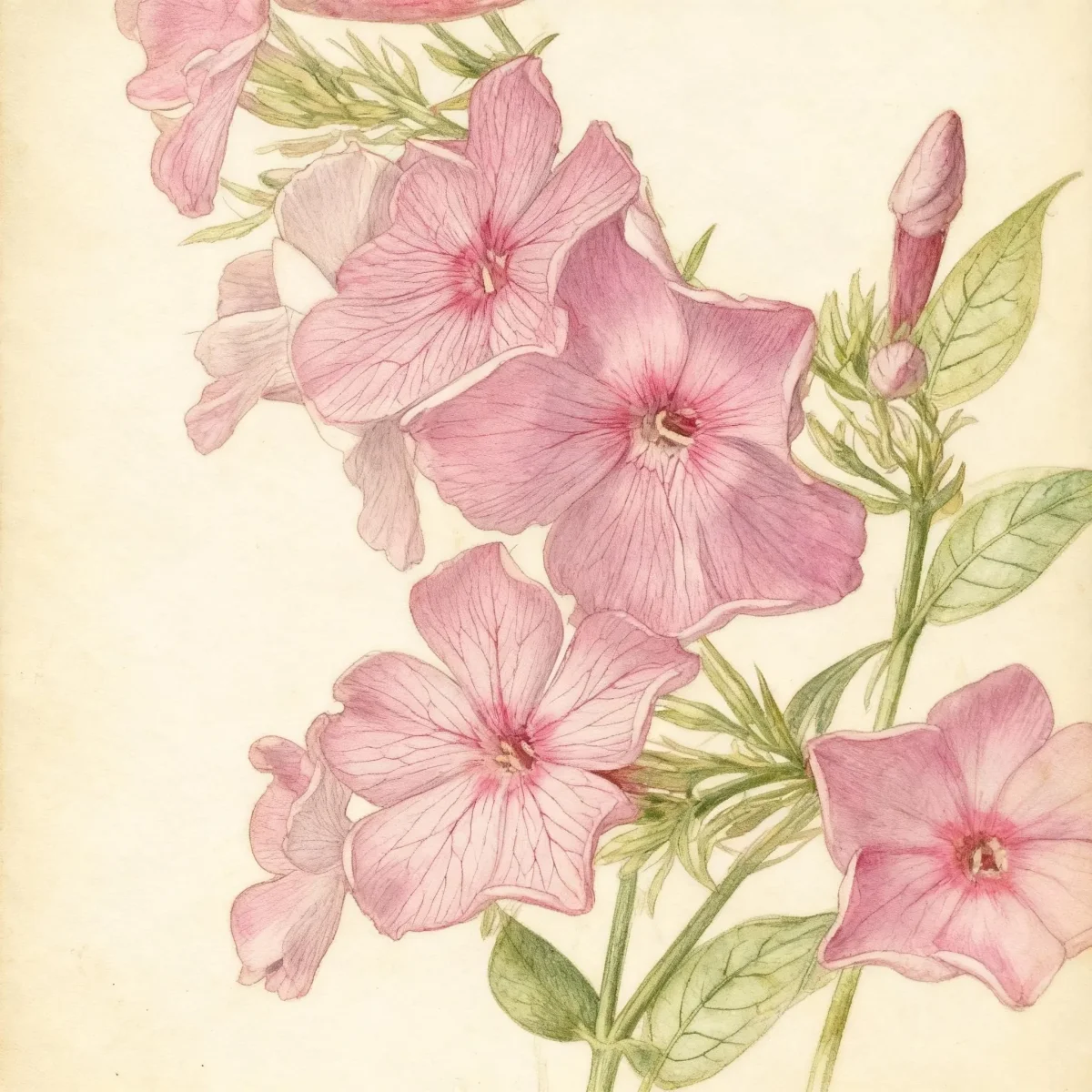
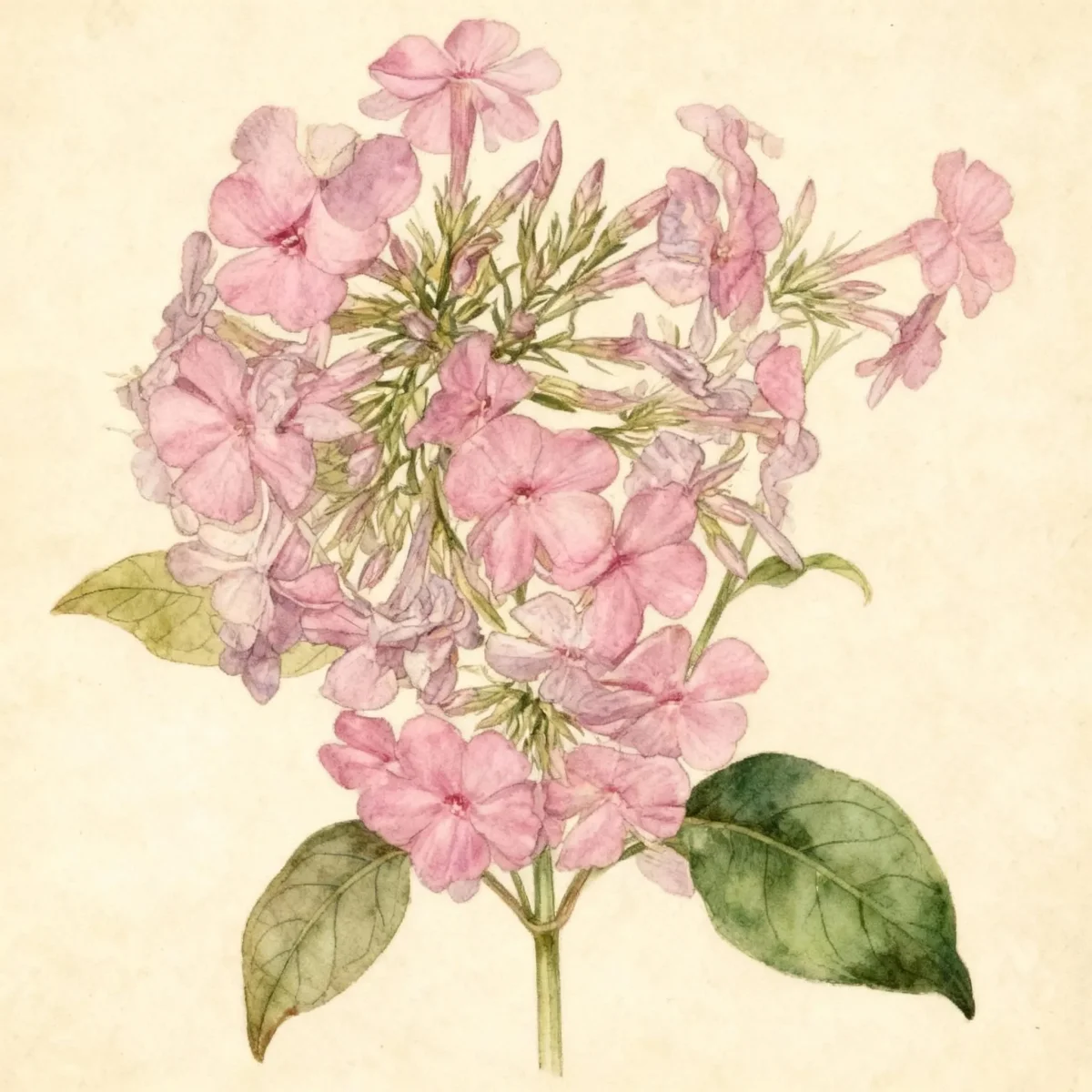
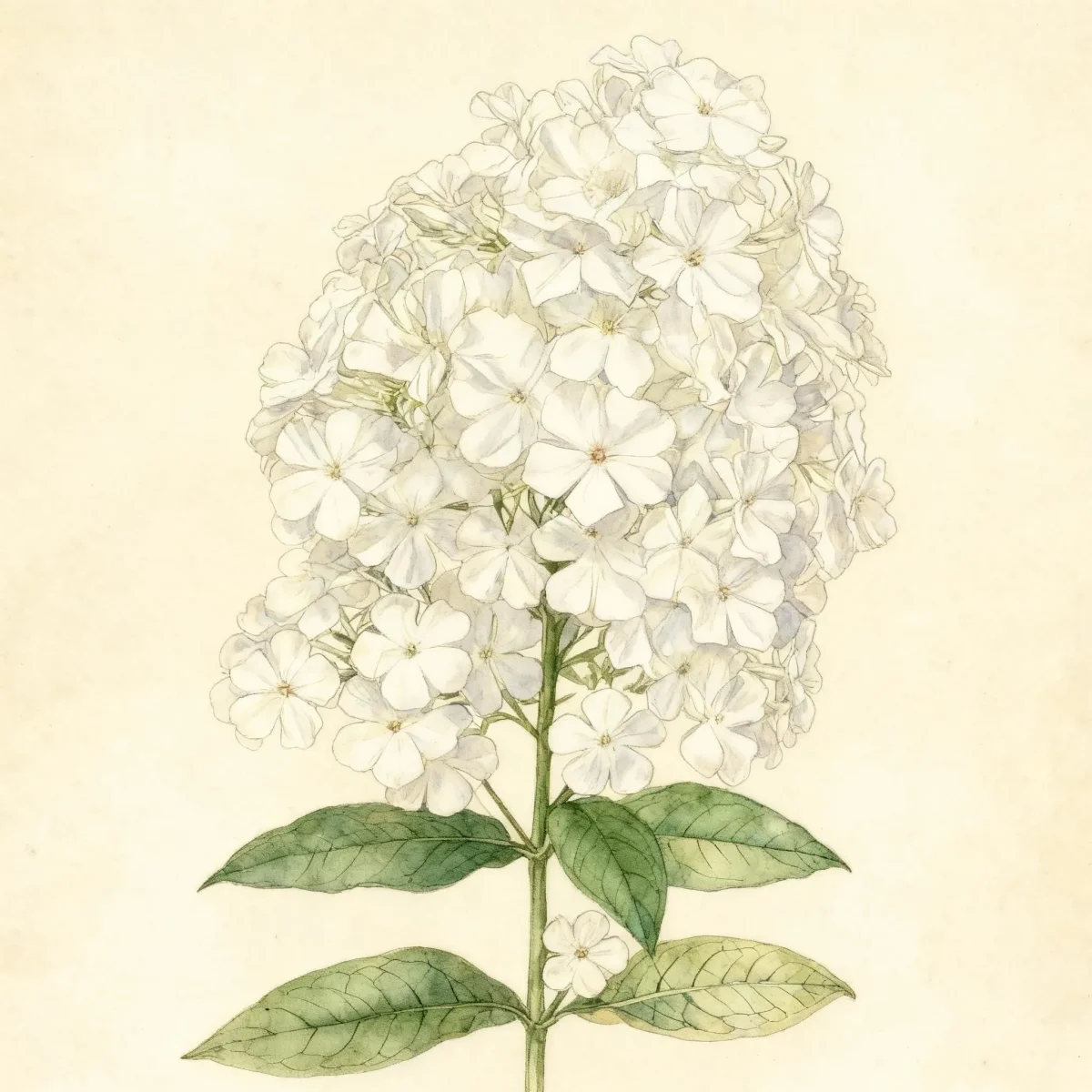
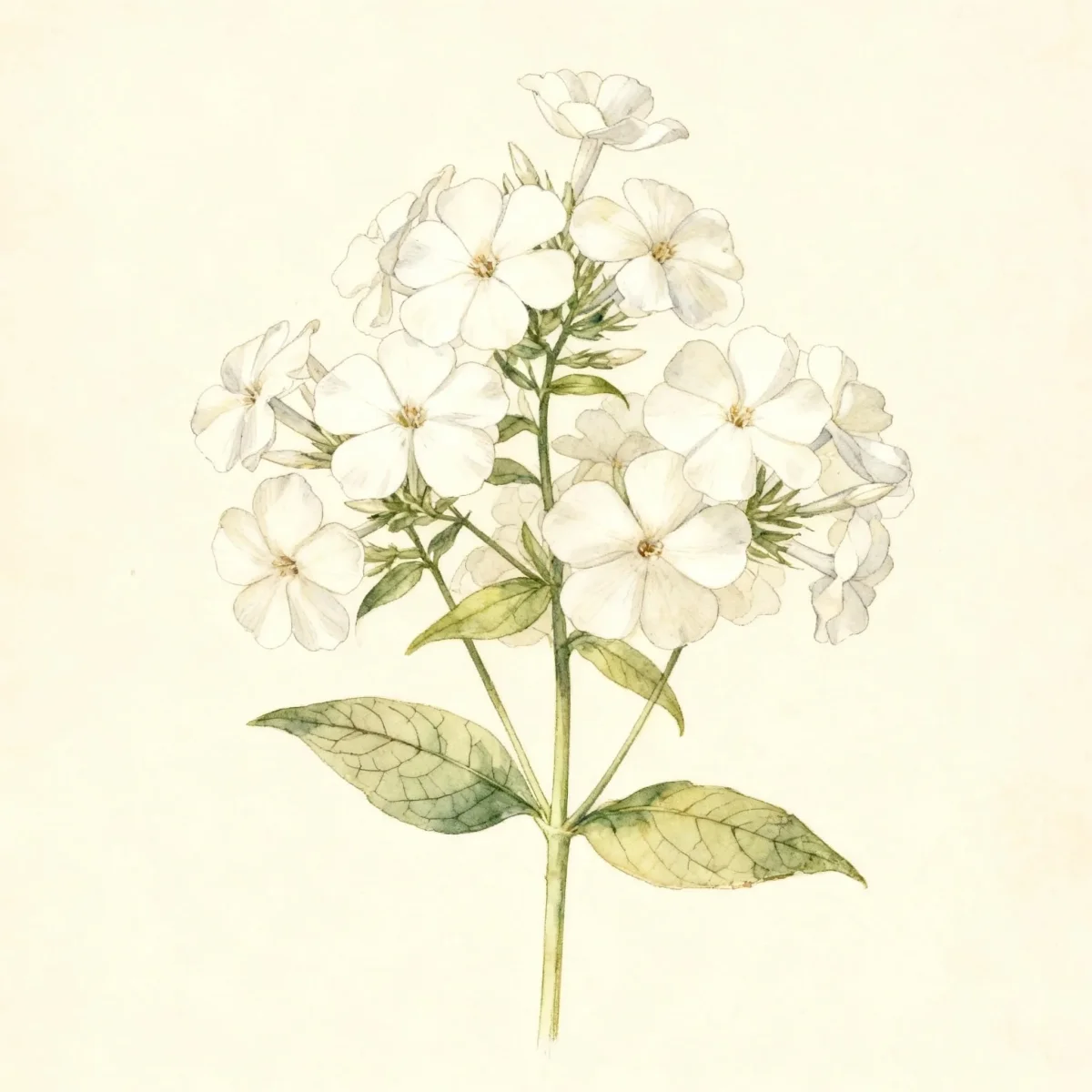
Garden phlox (Phlox paniculata 'Eden's Glory')
Achieve stunning summer fragrance with Phlox paniculata 'Eden's Glory'. This Garden phlox offers pure white blooms and deer resistance in USDA Zones 4-8.
Scroll down to discover growing tips, care requirements, companion plants, and more
Complete Plant Information
Overview
Phlox paniculata ‘Eden’s Glory’ is a standout cultivar of Garden phlox, prized for its intensely fragrant, pure white flower clusters that provide reliable mid to late-summer color. This upright perennial offers a classic cottage garden look, growing compactly to an impressive height ideal for mixing within the perennial border. Garden phlox contributes significantly to late-season nectar sources, attracting vital pollinators like butterflies and hummingbirds.
This specific variety, Phlox paniculata ‘Eden’s Glory’, maintains stiff, upright stems, meaning staking is rarely required, which simplifies maintenance in the landscape. While Garden phlox generally thrives in rich, moist soil, providing excellent air circulation is key to success, especially in areas prone to humidity. Its beauty and reliable performance secure its place as a staple in perennial beds across USDA Zones 4 through 8.
Fast Facts
- Plant Family: Polemoniaceae
- Plant Type: Herbaceous perennial
- Hardiness Zones: USDA Zones 4-8
- Size at Maturity:
- Height: 1.5-2 ft
- Spread: 1-1.5 ft
- Bloom Time: July to September
- Bloom Description: Pure white
- Sun Exposure: Full sun to part shade
- Water Needs: Medium
- Maintenance Level: Medium
How to Grow
Start by siting Phlox paniculata ‘Eden’s Glory’ in a location receiving full sun for the best bloom performance, though light afternoon shade is tolerated. These plants perform best in soil that is moderately fertile, rich in organic matter, and consistently moist, yet well-drained. Good drainage is essential to prevent root issues. If you live in areas known for very hot summers, aim for locations sheltered from the most intense afternoon heat.
Water needs for Garden phlox are medium; ensure regular watering, especially during dry spells, as this plant is intolerant of drought. Avoid overhead watering, which can foster fungal issues. A summer mulch helps keep the root zone cool and conserves moisture. To manage potential powdery mildew, ensure excellent air circulation by spacing plants appropriately and thinning out interior stems if necessary.
Routine maintenance involves deadheading faded flower panicles to prolong the bloom period well into September. In late fall, after the plant has finished flowering, cut the stems down to the ground and rigorously clean up all debris. This crucial step minimizes the overwintering risk of fungal spores, ensuring a healthier start next spring for your Phlox paniculata ‘Eden’s Glory’.
Landscape Uses
Garden phlox is undeniably a foundation plant for the perennial border, providing vertical interest and dense summer color when many spring bloomers have faded. Phlox paniculata ‘Eden’s Glory’ mixes exceptionally well with later-blooming perennials like asters, Joe Pye weed, or Coneflowers, creating a layered, dynamic display that lasts for months. Due to the highly fragrant nature of this Summer perennial phlox mixed with its attractiveness to wildlife, it is an excellent choice for including near patios or windows where fragrance can be enjoyed, and is a superb selection for dedicated bird or pollinator gardens.
Standout Features
Flower Qualities
- Showy
- Fragrant
Noteworthy Characteristics
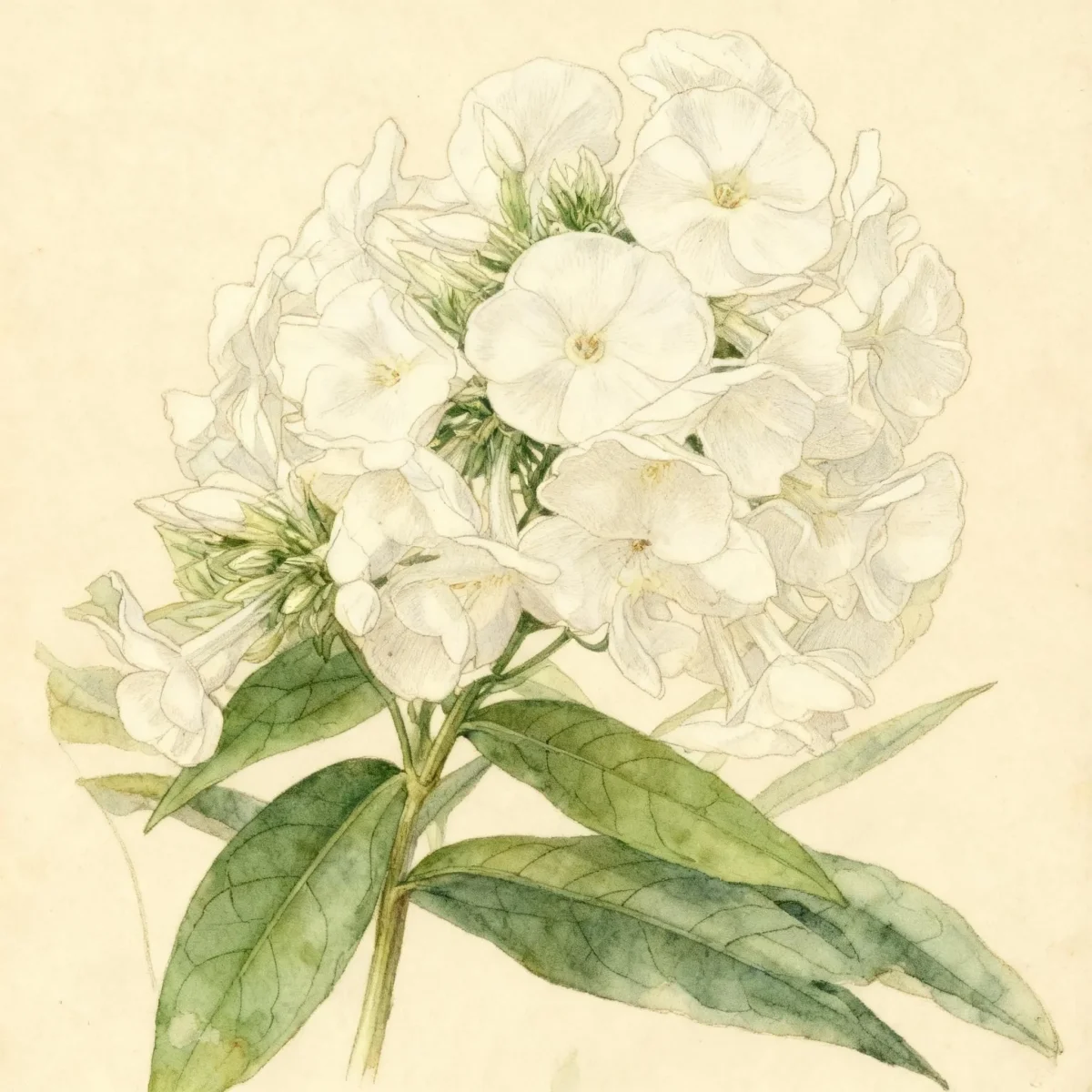
Phlox paniculata, commonly known as garden phlox, is native from New York to Iowa south to Georgia, Mississippi and Arkansas. This is an upright perennial that grows in a clump on stiff stems clad with conspicuously veined, deep green leaves. Fragrant, tubular florets are densely packed in large, tiered, domed terminal clusters over a long July to September bloom period. ‘Eden’s Glory’ is a garden phlox cultivar which produces pure white, fragrant, tubular flowers densely arranged in large, terminal, pyramidal clusters atop stiff, upright stems which seldom need staking.
Tolerances
- Deer
- Clay Soil
- Black Walnut
Potential Problems
Phlox is not always an easy plant to grow well, and vigilance is required for successful cultivation. Major concerns include phlox bugs, which can damage flower heads, and fungal diseases like powdery mildew and root rot. Mildew is exacerbated by poor air circulation and overhead watering, so ensure plants have space and avoid wetting the foliage late in the day.
To manage pests and diseases, particularly powdery mildew, ensure you clean up all spent plant material in the fall to remove potential overwintering sources. Spider mites can occur during periods of hot, dry weather; address these proactively with regular watering and inspection. While Phlox paniculata ‘Eden’s Glory’ is sturdy, some taller stems may still benefit from staking if planted in highly exposed, windy areas, although this cultivar tends to be more compact.
Frequently Asked Questions
What hardiness zones is Garden phlox suitable for?
Phlox paniculata ‘Eden’s Glory’ is adaptable to a wide range of climates, thriving best in USDA Zones 4 through 8.
How large does Phlox paniculata ‘Eden’s Glory’ grow?
This specific cultivar typically reaches a height between 1.5 and 2 feet tall, with a spread of 1 to 1.5 feet, offering a tidy mound shape.
What sun exposure does Garden phlox need?
For optimal flowering and health, Garden phlox requires full sun, though it can tolerate a location receiving only partial shade.
When does Phlox paniculata ‘Eden’s Glory’ bloom?
This variety provides reliable color starting in July and continues its pure white flowering display through September.
Conclusion
Phlox paniculata ‘Eden’s Glory’ delivers the classic beauty and intoxicating fragrance Garden phlox is known for, condensed into a manageable, pure white presentation. Its resilience against deer and toleration of clay soil make it a practical choice for many gardeners. Before planting, evaluate your site conditions, ensuring adequate moisture and sunlight, and prepare the soil richly to enjoy the long, beautiful bloom period of this excellent perennial.
Companion Planting
Selecting appropriate neighbors will enhance the visual appeal and aid in managing the horticultural needs of Summer phlox. Plant companions that appreciate similar conditions—moist, rich soil and full to part sun—and whose growth habits complement the upright structure of Phlox paniculata ‘Eden’s Glory’. Consider pairing it with plants that flower before or after it, such as Siberian Iris for early summer interest or Sedum ‘Autumn Joy’ for its structural fall display, allowing for continuous color in the border.
To help manage the microclimate around the base of the phlox, choose shorter, mounding companions that can shade the soil surface from excessive heat without competing aggressively for root space. Plants like Geranium ‘Rozanne’ or low-growing Hostas work effectively at buffering the roots and masking the foliage base later in the season.
Wildlife Benefits
The tubular flowers of Garden phlox are highly evolved to attract long-tongued pollinators, making Phlox paniculata ‘Eden’s Glory’ a prime target for wildlife gardeners. The dense terminal clusters of florets provide an abundant source of nectar throughout the mid to late summer season. Butterflies, recognized visitors to this genus, rely on these blooms when many other nectar sources begin to decline.
Furthermore, this plant is specifically noted as being attractive to hummingbirds, providing essential energy sources for their frequent feeding schedule during migration and nesting periods. By incorporating this highly fragrant favorite into your landscape, you actively contribute to supporting local pollinator populations throughout the dog days of summer.