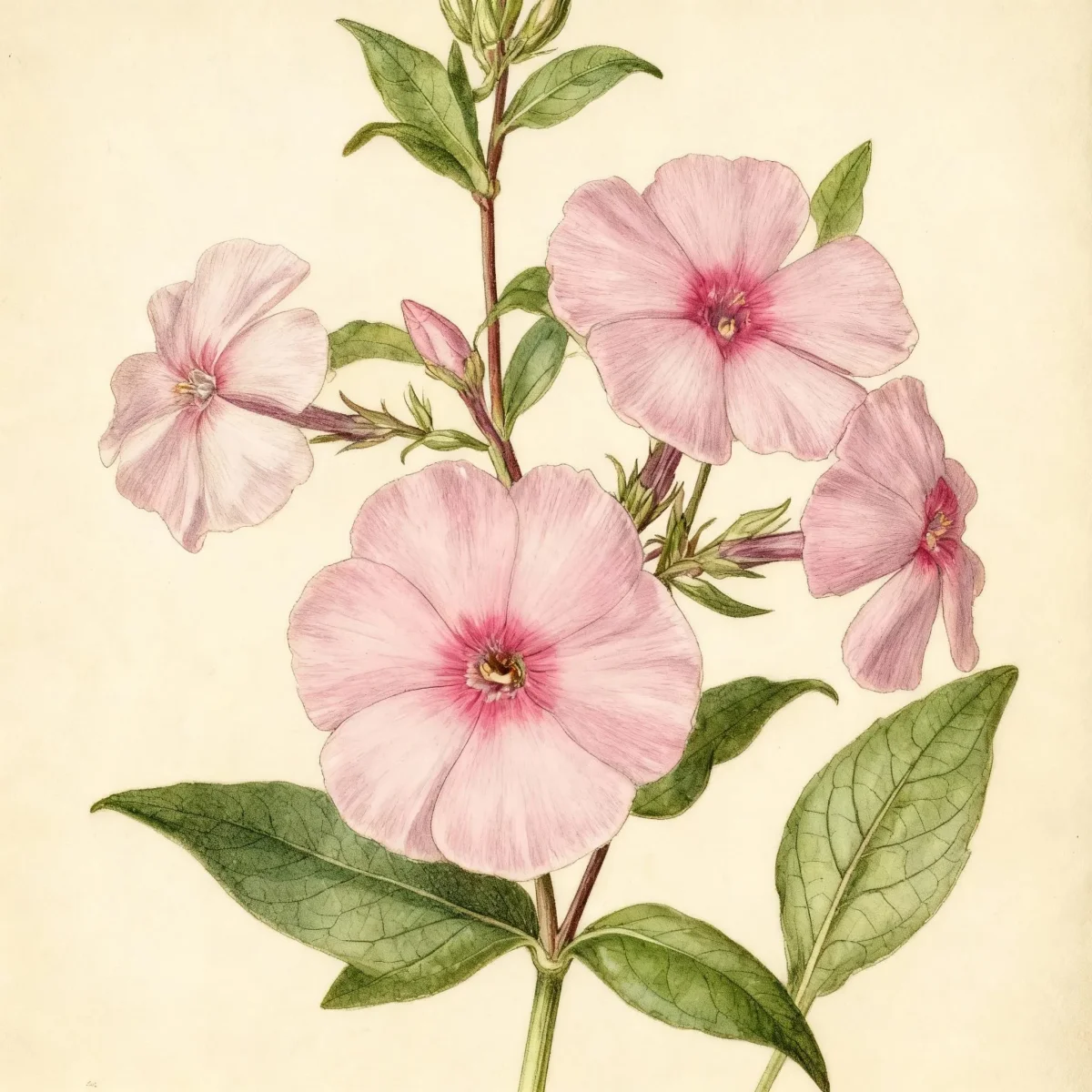
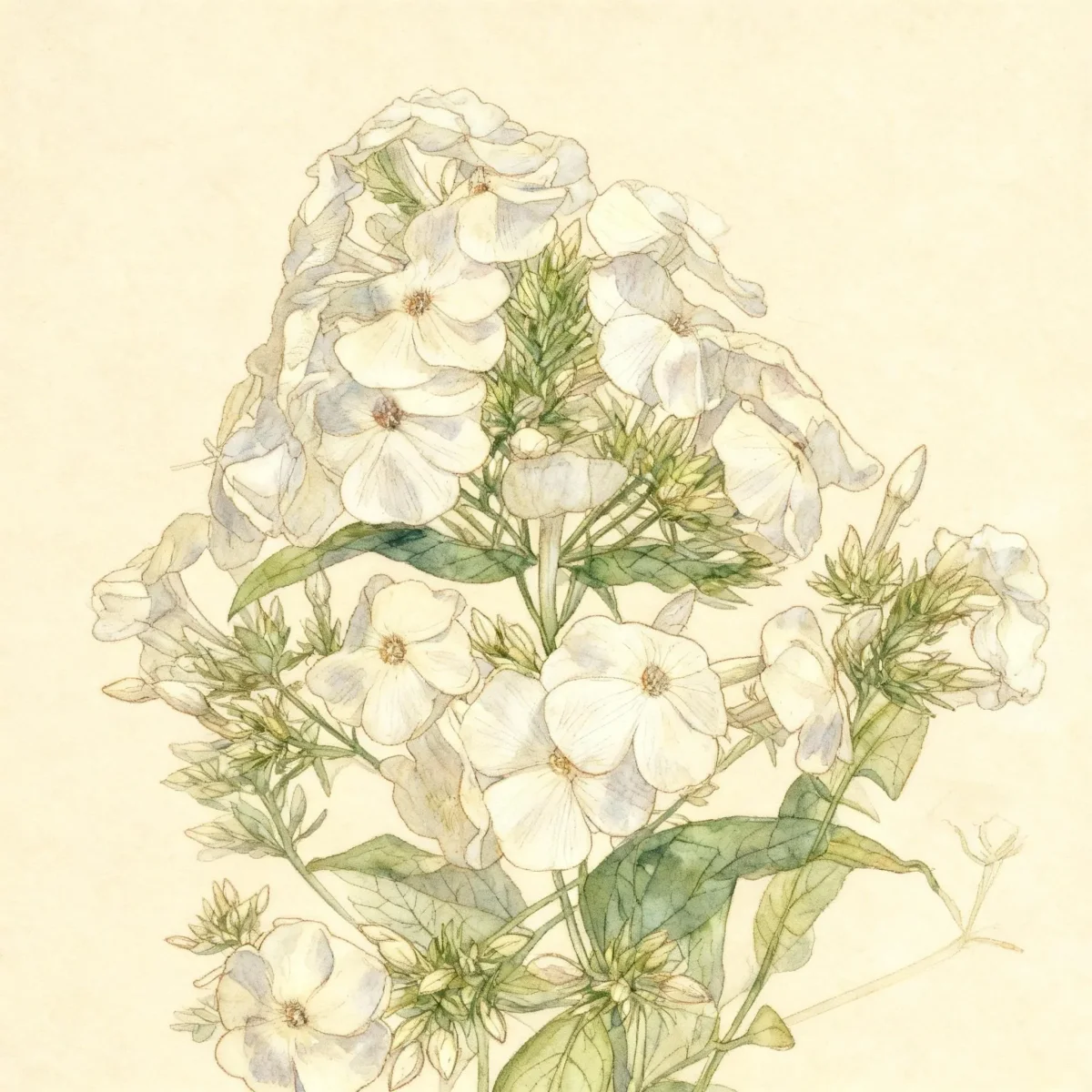
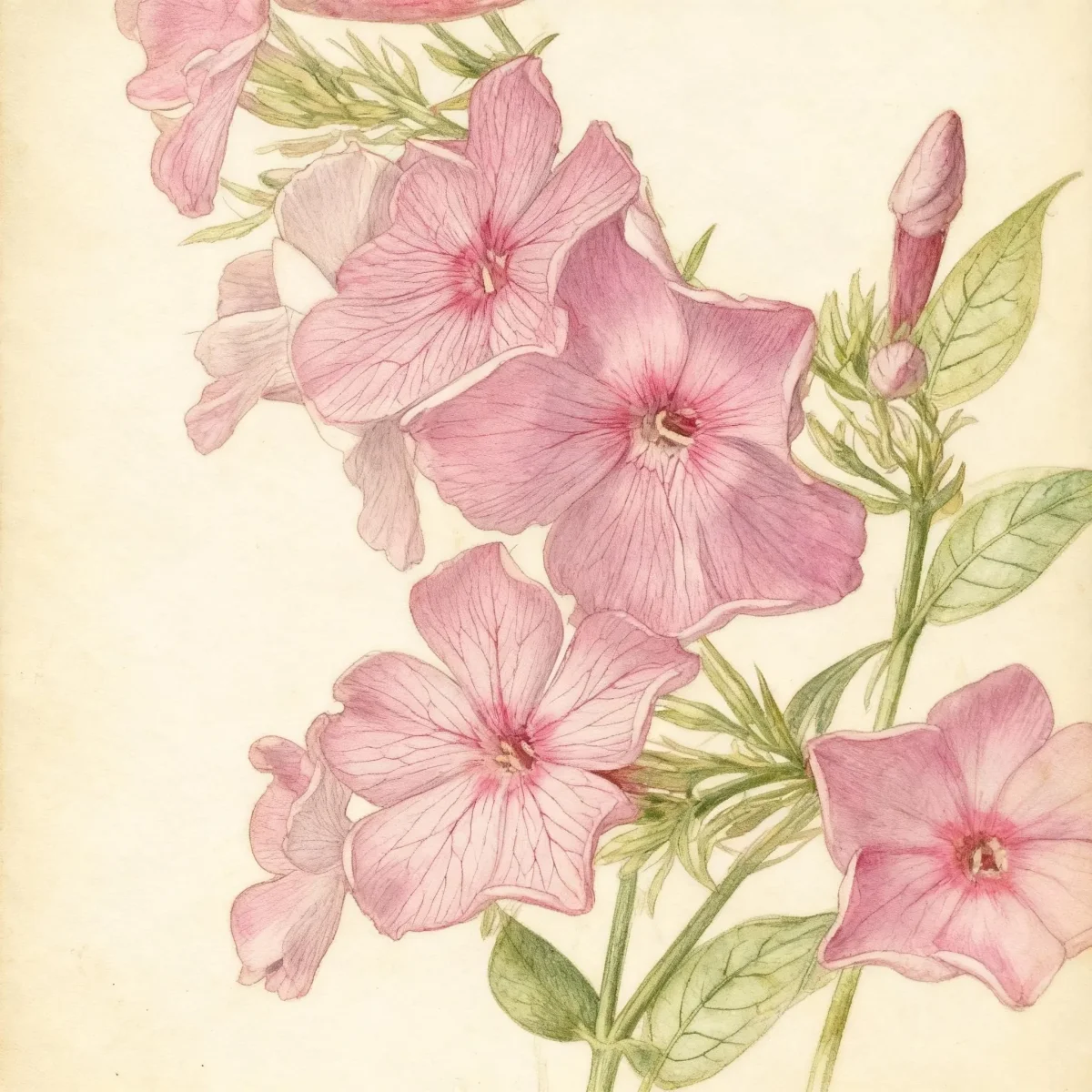
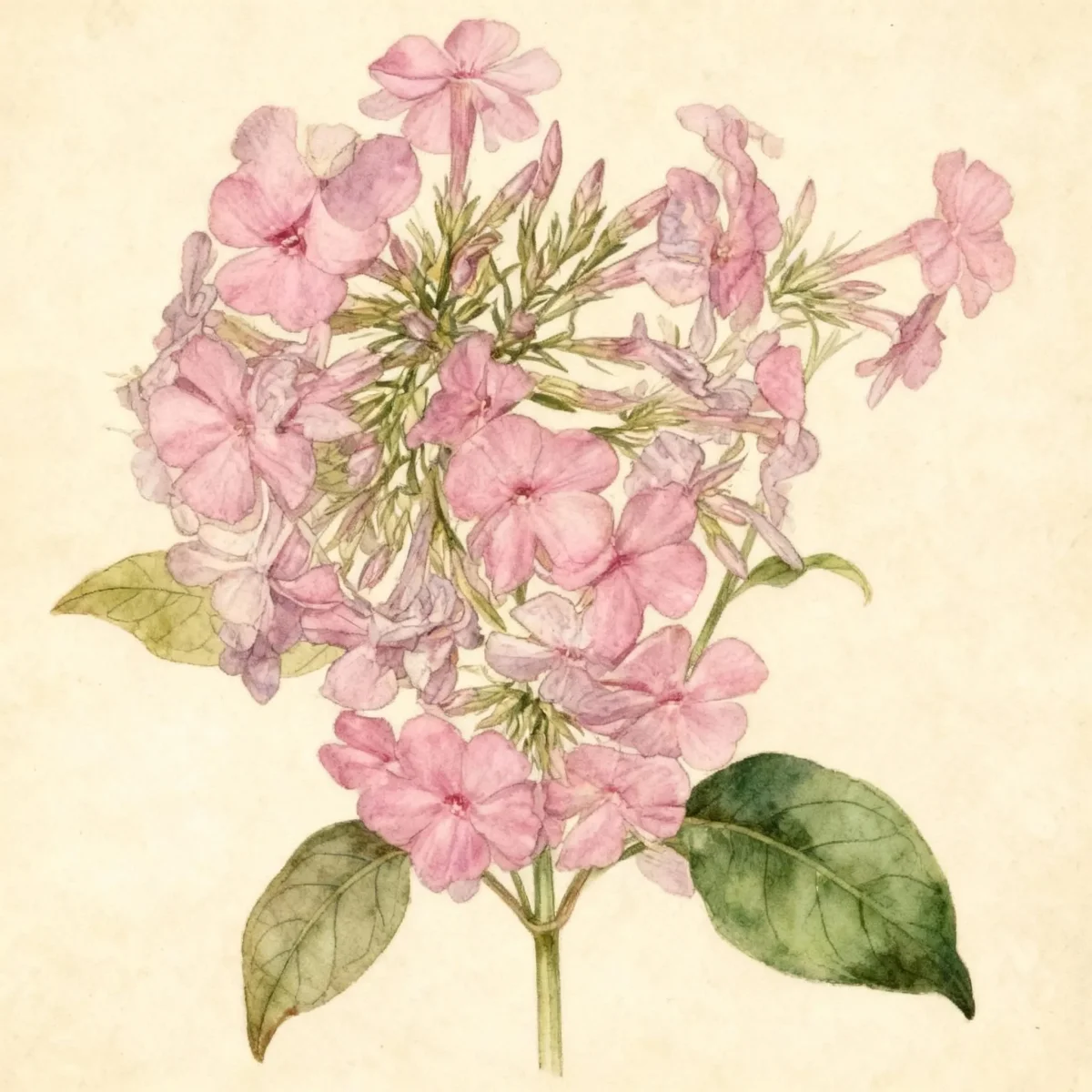
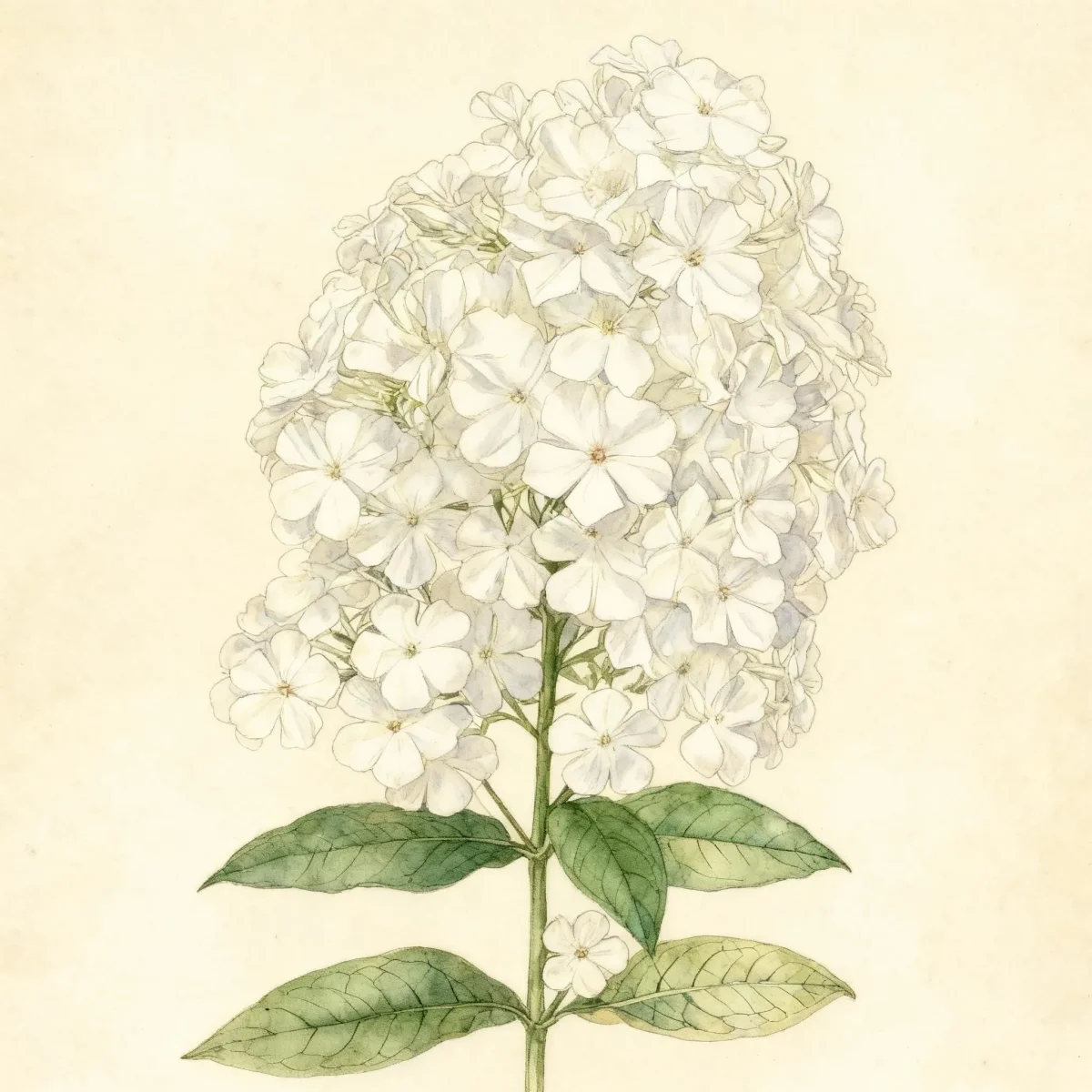
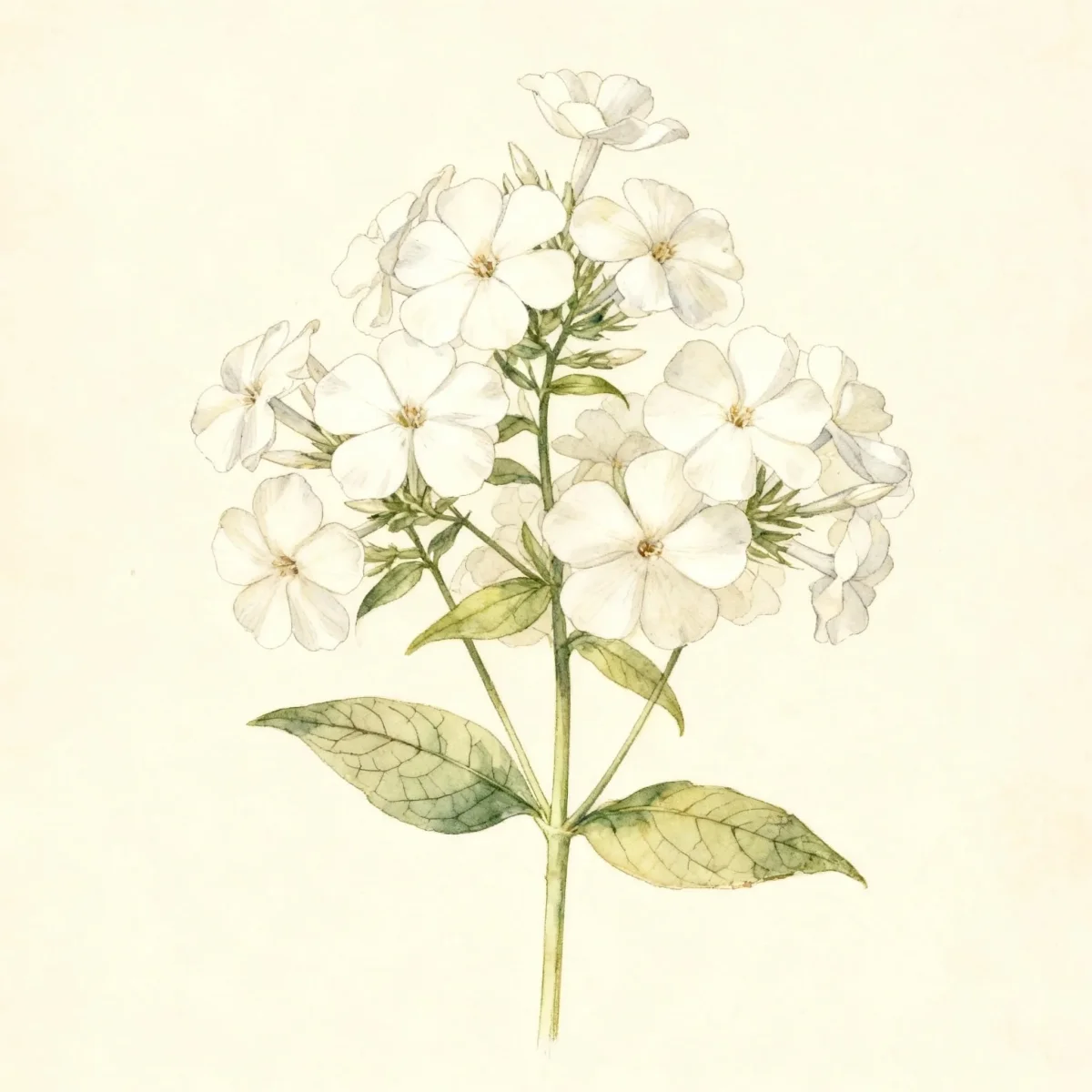
Garden phlox (Phlox paniculata 'Eden's Glow')
Phlox paniculata 'Eden's Glow', a fragrant Garden phlox, offers showy, orchid pink blooms from July to September in zones 4-8.
Scroll down to discover growing tips, care requirements, companion plants, and more
Complete Plant Information
Overview
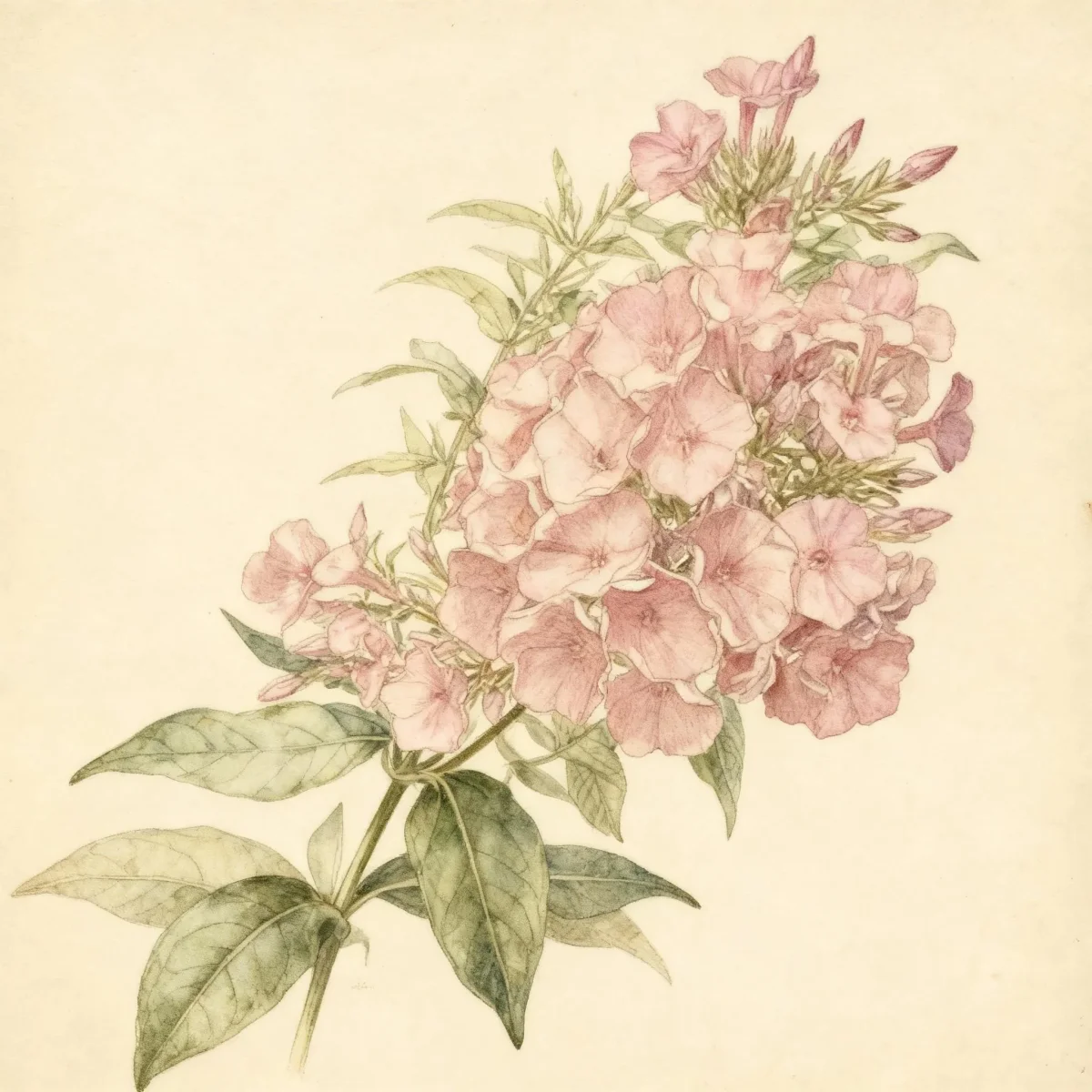
Phlox paniculata ‘Eden’s Glow’ is a highly desirable cultivar of Garden phlox, renowned for its striking floral display and pleasing fragrance. This variety produces dense, pyramidal clusters of orchid pink, tubular flowers that last for an extended period from mid-summer into early fall. As an upright herbaceous perennial, the garden phlox contributes excellent vertical structure to the perennial border.
Phlox paniculata ‘Eden’s Glow’ offers significant aesthetic value, attracting butterflies and hummingbirds with its showy blooms. It reaches a modest height of 2 to 2.5 feet, making it manageable in most garden settings where good air circulation is maintained. Successful cultivation relies on providing consistent moisture and ensuring placement allows for sunlight exposure.
While Garden phlox is a classic staple, choosing mildew-resistant cultivars like Phlox paniculata ‘Eden’s Glow’ simplifies management, especially in humid climates. These plants anchor summer landscapes, providing reliable color when many spring bloomers have faded.
Fast Facts
- Plant Family: Polemoniaceae
- Plant Type: Herbaceous perennial
- Hardiness Zones: USDA Zones 4-8
- Size at Maturity:
- Height: 2-2.5 ft
- Spread: 1.5-2 ft
- Bloom Time: July to September
- Bloom Description: Orchid pink
- Sun Exposure: Full sun to part shade
- Water Needs: Medium
- Maintenance Level: Medium
How to Grow
Plant Phlox paniculata ‘Eden’s Glow’ in the spring or fall, ensuring it is situated in a spot that receives full sun for the best flowering, though light afternoon shade is tolerated. This popular garden phlox thrives best in moderately fertile, medium moisture, well-drained soil rich in organic matter. For optimal health, particularly in hotter climates, aim for locations with milder summers and ensure plants are spaced adequately to promote excellent air circulation, which is crucial for disease prevention.
Watering requirements are medium; the soil should remain consistently moist, especially during dry spells, as this species is intolerant of drought. Avoid overhead watering to minimize the risk of fungal issues. Applying a summer mulch will help keep the root zone cool and retain necessary moisture during peak heat.
Routine maintenance includes removing faded flower panicles throughout the blooming season to encourage continued flower production and prevent unwanted self-seeding. At the close of the season, cut the sturdy stems of the Garden phlox to the ground and thoroughly clean up all plant debris from the garden area. This winter cleanup is vital for minimizing the overwintering spores that cause powdery mildew.
Landscape Uses
Garden phlox is an indispensable component of the traditional perennial border, valued for providing continuous, vibrant color during the mid-to-late summer months. Phlox paniculata ‘Eden’s Glow’ mix aesthetically with complementary textures and heights, such as ornamental grasses or shorter late-season bloomers. The upright, stiff stems of this cultivar mean staking is generally not required, maintaining a clean, architectural line in the design.
Because this variety is attractive to hummingbirds, it is an excellent inclusion in mixed beds intended as wildlife or pollinator gardens. Consider grouping several plants together to maximize the impact of the fragrant, orchid pink blooms. The dense flower heads pair beautifully with the looser forms of coneflowers or the silvery foliage of Lamb’s Ears.
Standout Features
Flower Qualities
- Showy
- Fragrant
Noteworthy Characteristics
Phlox paniculata, commonly known as garden phlox, is native from New York to Iowa south to Georgia, Mississippi and Arkansas and has naturalized widely. This is an upright perennial that grows in a clump on stiff stems clad with conspicuously veined, deep green leaves. Fragrant, tubular florets are densely packed in large, tiered, domed terminal clusters over a long July to September bloom period, making Phlox paniculata ‘Eden’s Glow’ a significant visual anchor.
Tolerances
- Deer
- Clay Soil
- Black Walnut
Potential Problems
Phlox paniculata ‘Eden’s Glow’ can suffer from several common issues, making vigilance necessary for gardeners. Powdery mildew is the most frequent complaint, manifesting as a white, powdery coating on the leaves; this is exacerbated by high humidity and poor air circulation. To manage this, ensure proper spacing and consider avoiding overhead watering.
Pests such as phlox bugs and spider mites can also target your garden phlox, especially when conditions become hot and dry. Inspect foliage regularly, and address mite infestations by increasing watering or using horticultural oil if necessary. Root rot remains a concern if drainage is poor, underscoring the importance of amending heavy clay soils prior to planting.
Frequently Asked Questions
What hardiness zones is Garden phlox suitable for?
Phlox paniculata ‘Eden’s Glow’ thrives across a wide range of climates, being suitable for USDA Hardiness Zones 4 through 8.
How large does Phlox paniculata ‘Eden’s Glow’ grow?
This specific cultivar typically matures to a height between 2 and 2.5 feet tall, with a spread ranging from 1.5 to 2 feet wide.
When does Garden phlox bloom?
This perennial provides reliable color during the summer and early fall, blooming consistently from July all the way through September.
What sun exposure does Phlox paniculata ‘Eden’s Glow’ need?
For the best performance and best resistance to powdery mildew, aim for full sun, though it will tolerate light shade.
Conclusion
Phlox paniculata ‘Eden’s Glow’ remains a cornerstone of summer gardens due to its reliable height, extended bloom time, and delightful fragrance. By ensuring good soil drainage and adequate air movement, you can enjoy the showy, orchid pink blooms of this superior Garden phlox cultivar throughout the season. Check your local USDA zone compatibility and plan to plant this perennial in the spring or fall for the best establishment.
Companion Planting
Selecting appropriate companions enhances the beauty and health of your Garden phlox planting. Because Phlox paniculata ‘Eden’s Glow’ prefers moisture-retentive but well-drained soil, pair it with other perennials that have similar cultural needs, such as Astilbe, Ligularia, or various shade-tolerant Hostas if planted near the edge of the light shade zone. Avoid pairing it with plants that require consistently dry feet, as this will stress the phlox.
For sunnier borders, consider integrating shorter perennials like Catmint (Nepeta) or ornamental grasses like Calamagrostis to provide contrasting texture and foliage. The upright structure of Phlox paniculata ‘Eden’s Glow’ works well behind lower-growing mounding plants, creating visual depth in your landscape layers.
Wildlife Benefits
The structure and nectar content of the flowers on Phlox paniculata ‘Eden’s Glow’ make it exceptionally valuable for supporting local fauna. The long corolla tubes of the florets are perfectly shaped for the long-tongued pollinators, making this plant a favorite for hummingbirds seeking nectar throughout the summer. Butterflies are also frequently observed visiting these dense flower clusters.
By including this traditional Garden phlox cultivar, gardeners actively contribute to pollinator health during the mid-summer slump when other flowers may be momentarily absent. Planting large drifts rather than single specimens offers a more concentrated, attractive target for these beneficial visitors.