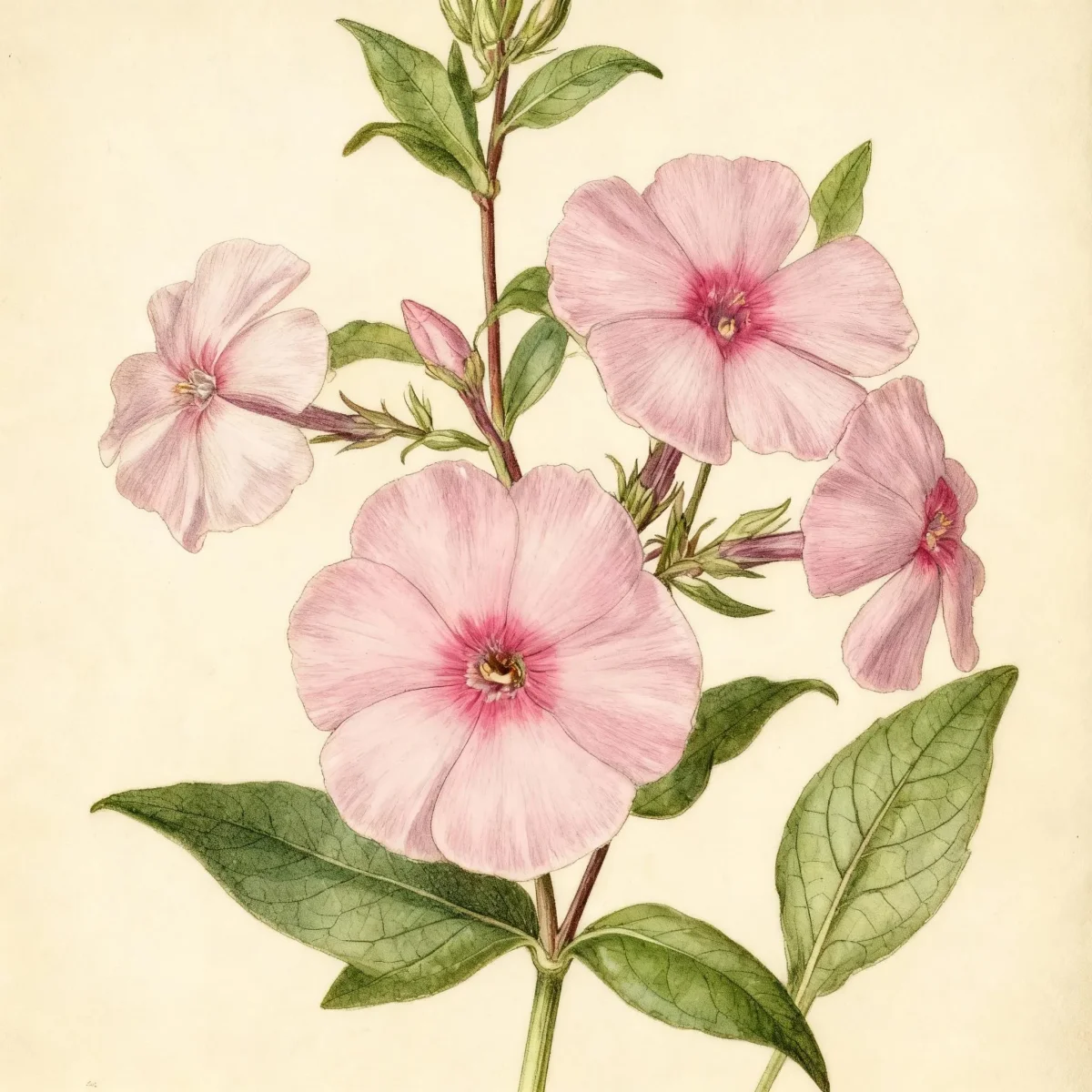
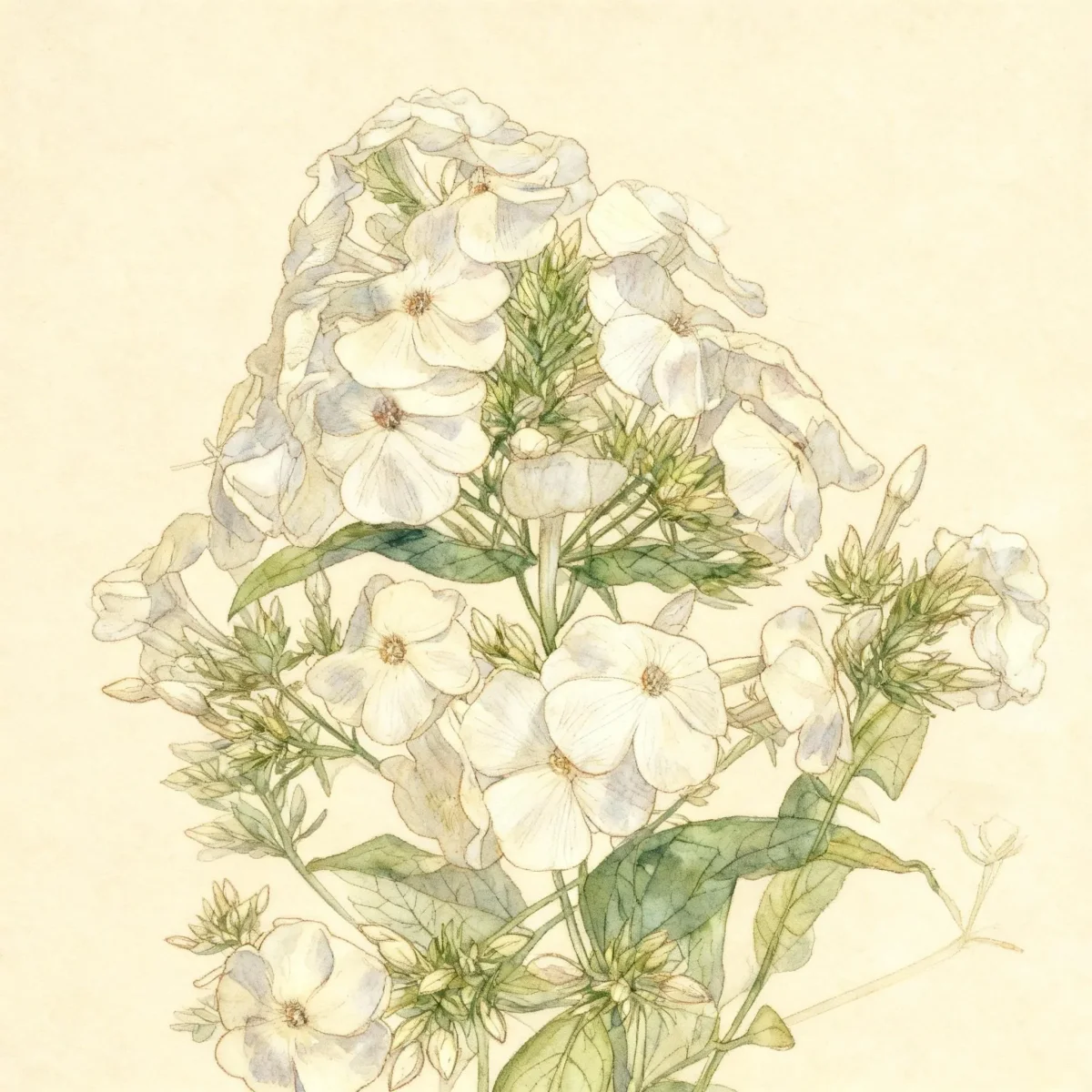
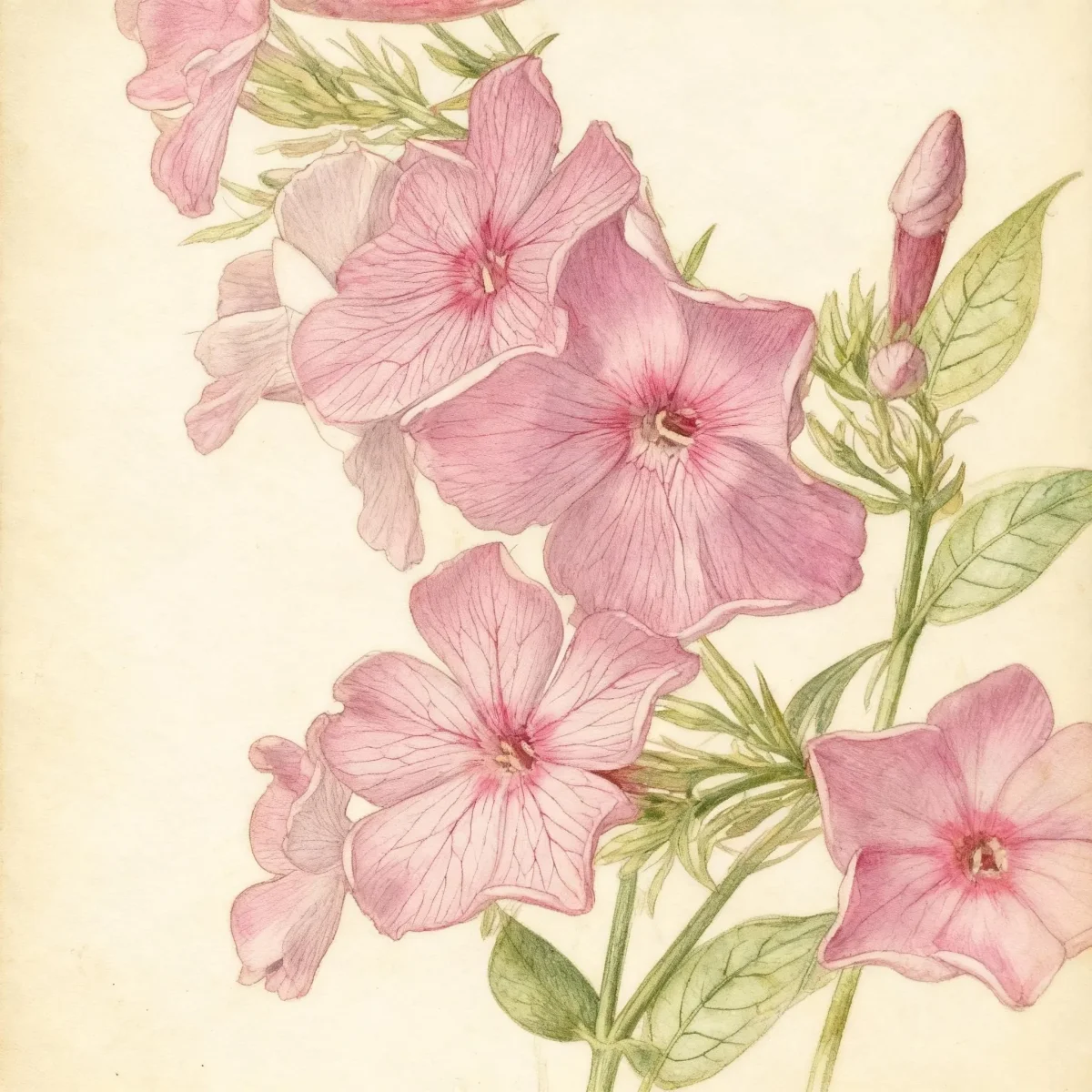
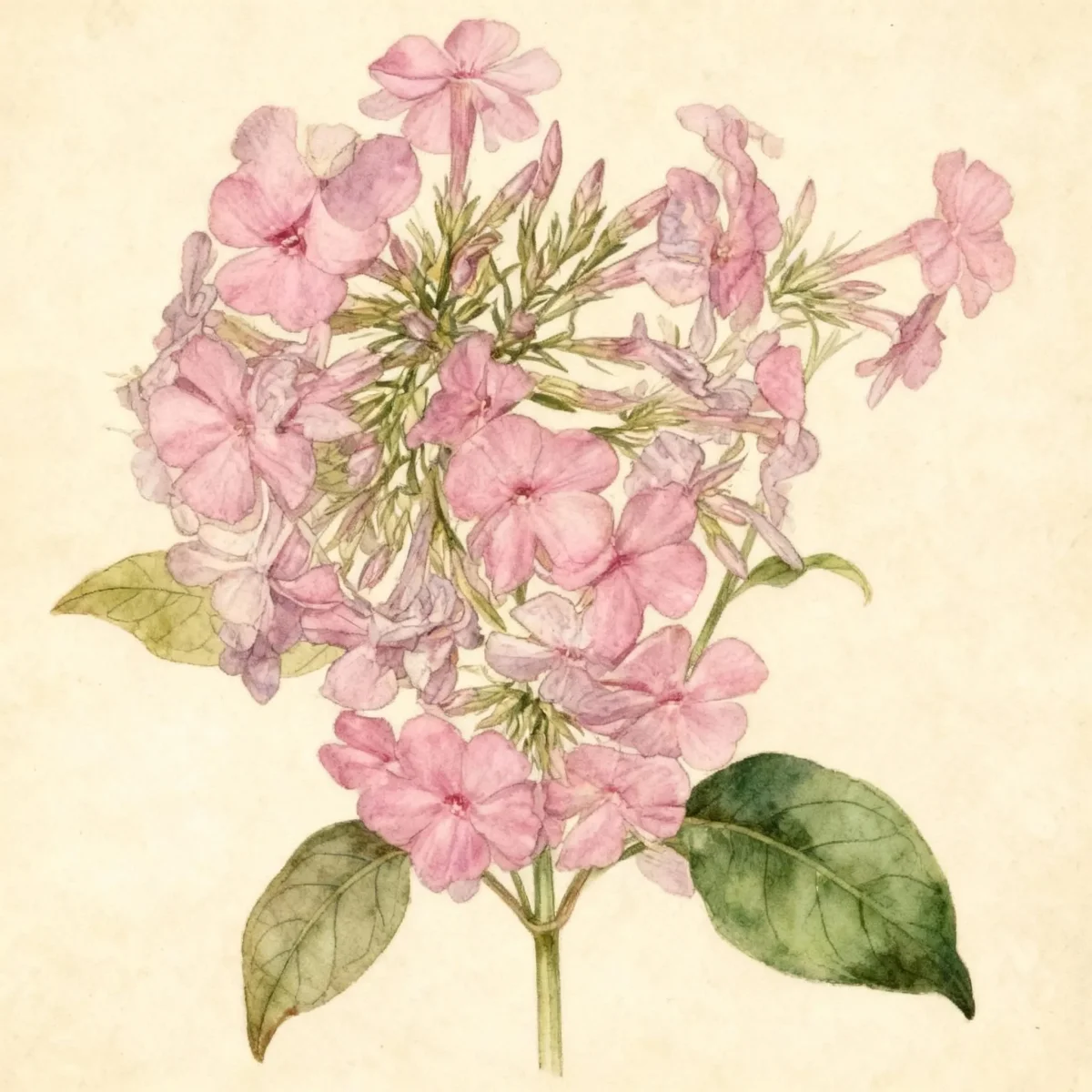
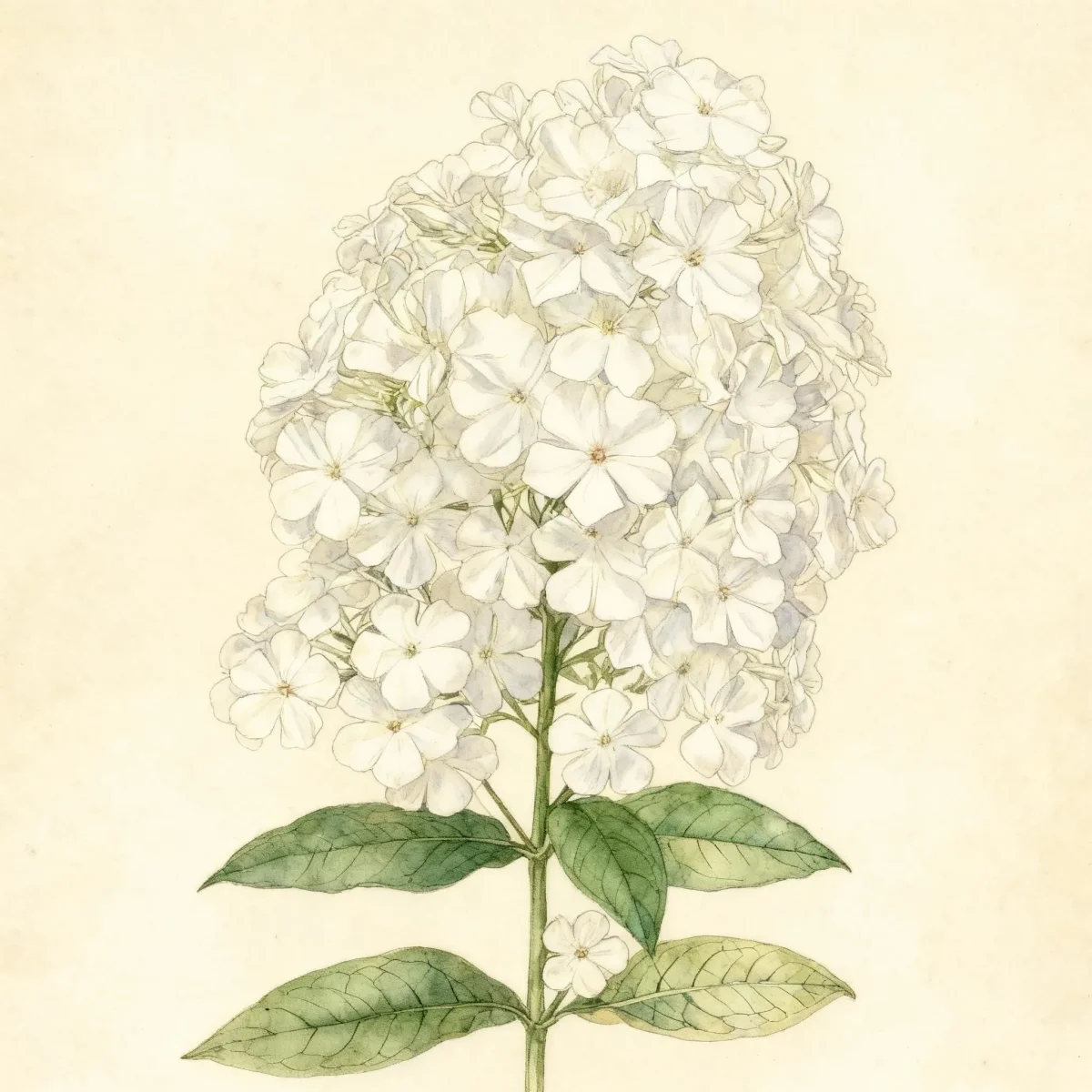
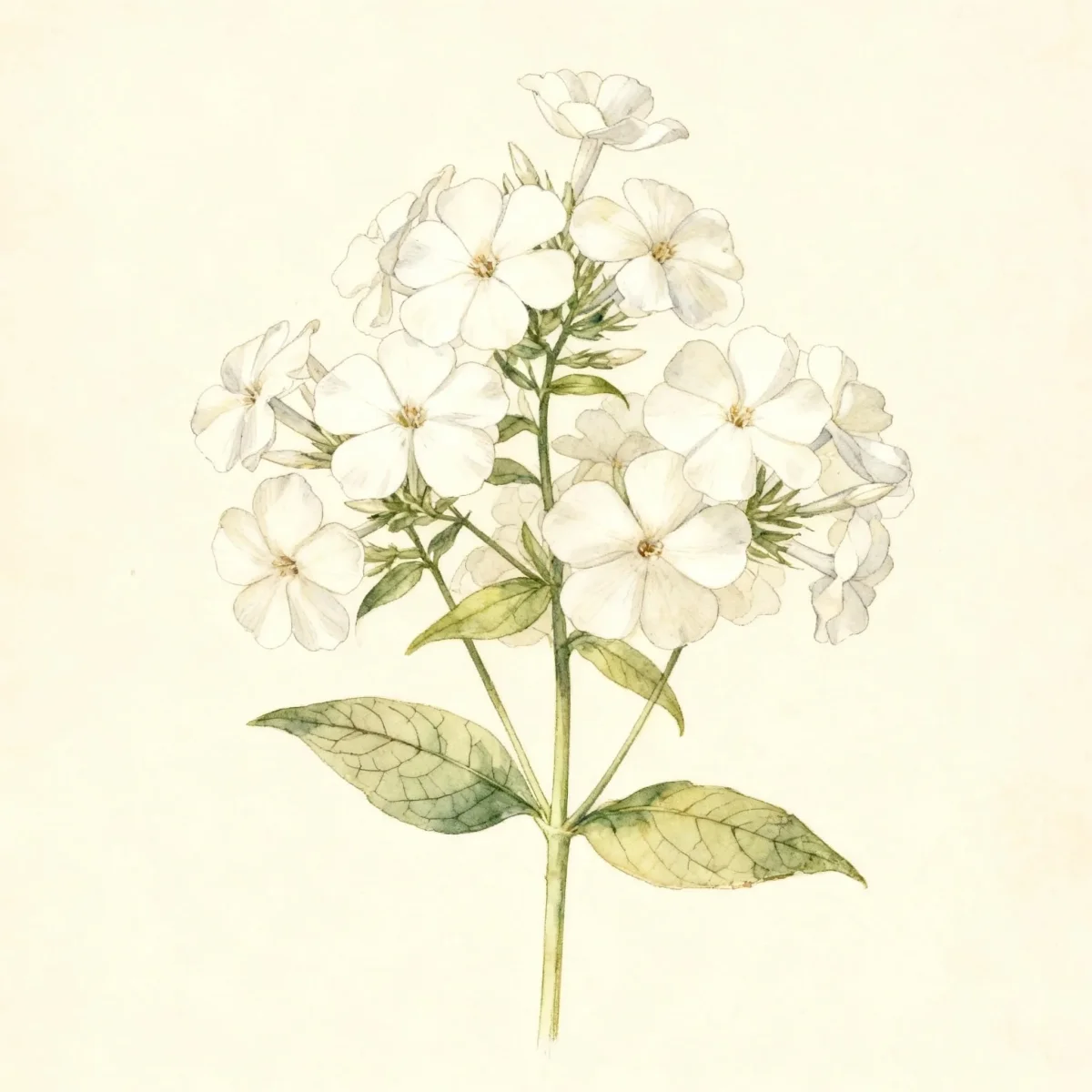
Garden phlox (Phlox paniculata 'Red Riding Hood')
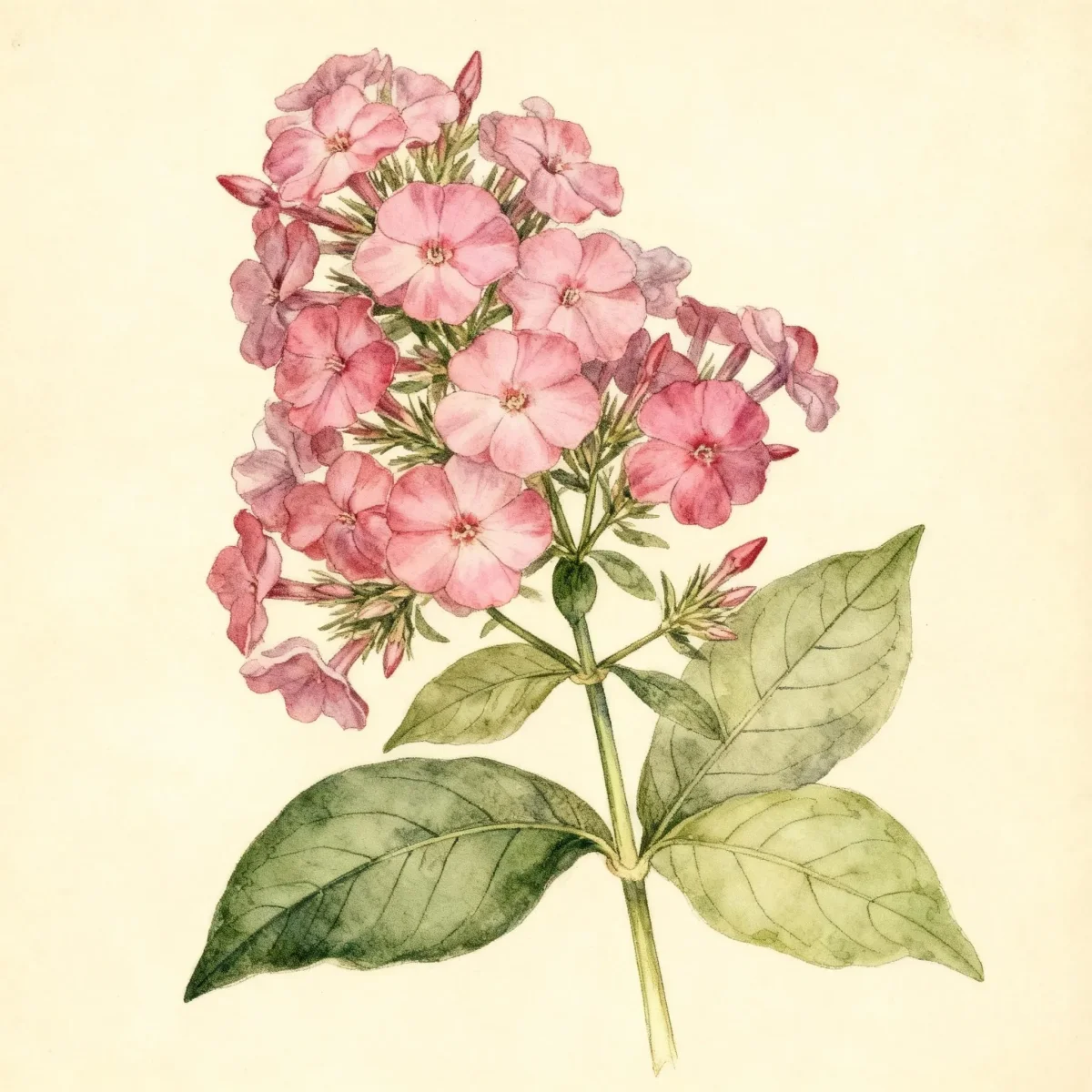
Stunning Oriental Garden phlox, Phlox paniculata 'Red Riding Hood', features fragrant, cherry red flowers from July to September. Hardy in Zones 4-8.
Scroll down to discover growing tips, care requirements, companion plants, and more
Complete Plant Information
Overview
Phlox paniculata ‘Red Riding Hood’ is a cherished cultivar of Garden phlox, prized for its dependable, richly colored summer blooms. This upright perennial brings intense cherry red color to the mid to late season garden when many other perennials are waning. It thrives when given adequate air circulation, crucial for maintaining its health throughout the humid summer months.
As a classic addition to mixed borders, this Garden phlox cultivar offers both visual appeal and fragrance, attracting beneficial pollinators. It typically reaches a manageable height of 1.5 to 2 feet, making it a strong mid-border performer. Successful cultivation of Phlox paniculata ‘Red Riding Hood’ relies heavily on careful placement regarding sunlight and space.
The rich history of garden phlox showcases why this group remains so popular, and cultivars like ‘Red Riding Hood’ offer improved performance in modern gardens. Ensure you provide the rich, moist soil it prefers to maximize the impressive bloom display lasting from July well into September.
Fast Facts
- Plant Family: Polemoniaceae
- Plant Type: Herbaceous perennial
- Hardiness Zones: USDA Zones 4-8
- Size at Maturity:
- Height: 1.5-2 ft
- Spread: 1-1.5 ft
- Bloom Time: July to September
- Bloom Description: Cherry red
- Sun Exposure: Full sun to part shade
- Water Needs: Medium
- Maintenance Level: Medium
How to Grow
Plant Phlox paniculata ‘Red Riding Hood’ in moderately fertile, medium-moisture, well-drained soil, aiming for full sun for the best performance, though it tolerates light shade. Garden phlox prefers rich, moist, organic soils and benefits significantly from a summer mulch to keep the root zone cool during dry spells. Proper spacing is vital, as good air circulation helps fight off potential powdery mildew issues common to this genus.
Maintain moisture levels consistently, as this perennial is intolerant of drought and requires watering during dry periods; however, avoid overhead watering to keep foliage dry. Deadheading faded flower panicles encourages a longer bloom period and minimizes unwanted self-seeding.
For winter preparation, cut the plants completely to the ground and thoroughly clean up all debris in the garden area. This diligent sanitation practice helps reduce the chances of overwintering fungal spores, ensuring a healthier start for your Garden phlox next season.
Landscape Uses
Garden phlox, generally, remains an indispensable staple of the traditional perennial border because of its strong vertical habit and long bloom time. Phlox paniculata ‘Red Riding Hood’ is excellent for adding a punch of vibrant cherry red color to the middle layer of a mixed planting. Because it attracts hummingbirds, including this plant is highly recommended for any dedicated bird garden design.
Mix this cultivar with later-blooming perennials or those that contrast nicely in texture, such as ornamental grasses or solid green foliage plants, to balance the visual weight of the dense flower clusters. Its predictable size makes it easy to integrate alongside shorter edging plants or taller background shrubs.
Standout Features
Flower Qualities
- Showy
- Fragrant
Noteworthy Characteristics
Phlox paniculata, commonly known as garden phlox, provides substantial summer interest with fragrant, tubular florets densely packed in large clusters. This cultivar, ‘Red Riding Hood’, is noted for its upright growth habit, reaching 1.5-2 feet tall without excessive staking, topped by clusters of intense cherry red flowers which are highly attractive to butterflies and hummingbirds. Its lance-shaped, deep green leaves offer excellent foliage texture throughout the season.
Tolerances
- Deer
- Clay Soil
- Black Walnut
Potential Problems
Phlox is not always an easy plant to grow well, and gardeners should be vigilant against a few common issues affecting Garden phlox. Powdery mildew is perhaps the most notorious problem, especially in humid conditions or when air circulation is poor; ensure sufficient space between plants and avoid overhead watering to mitigate this risk. Additionally, watch for Phlox bugs, spider mites, and root rot, particularly if drainage is compromised. Taller stems on some varieties may require staking for upright presentation.
Frequently Asked Questions
What hardiness zones is Garden phlox suitable for?
Phlox paniculata ‘Red Riding Hood’ is suitable for USDA Hardiness Zones 4 through 8.
How large does Phlox paniculata ‘Red Riding Hood’ grow?
This cultivar typically reaches a height between 1.5 and 2 feet tall, spreading to between 1 and 1.5 feet wide.
When does Garden phlox bloom?
This variety provides color from July through September with showy, cherry red blooms.
What sun exposure does Garden phlox need?
Phlox paniculata ‘Red Riding Hood’ performs best in full sun but will tolerate part shade conditions.
Conclusion
Phlox paniculata ‘Red Riding Hood’ remains a deservedly popular choice, lending vibrant cherry red color and fragrance to the mid-summer landscape. Proper soil preparation and ensuring good airflow are the keys to success when growing this Garden phlox. Before planting, confirm your growing site falls within USDA Zones 4-8 for the best results.
Wildlife Benefits
This plant is highly attractive to native fauna, making it an excellent addition to ecologically minded landscapes. The tubular structure of the flowers provides excellent nectaring sources for hummingbirds, which are frequently observed visiting garden phlox in mid to late summer. Furthermore, the dense flower heads also attract butterflies, contributing significantly to garden biodiversity.
Companion Planting Strategies
Due to its preference for medium moisture, rich soil, and its mid-season bloom time, Garden phlox pairs beautifully with plants that have different needs or bloom times, ensuring continuous garden interest. Consider pairing Phlox paniculata ‘Red Riding Hood’ with plants like Coneflowers (Echinacea) which tolerate slightly drier conditions once established, or plant alongside Astilbe in areas that receive dappled afternoon shade to manage the heat. The upright structure also benefits from being placed near lower-growing ground covers that can help keep the base of the stems cooler and shaded.