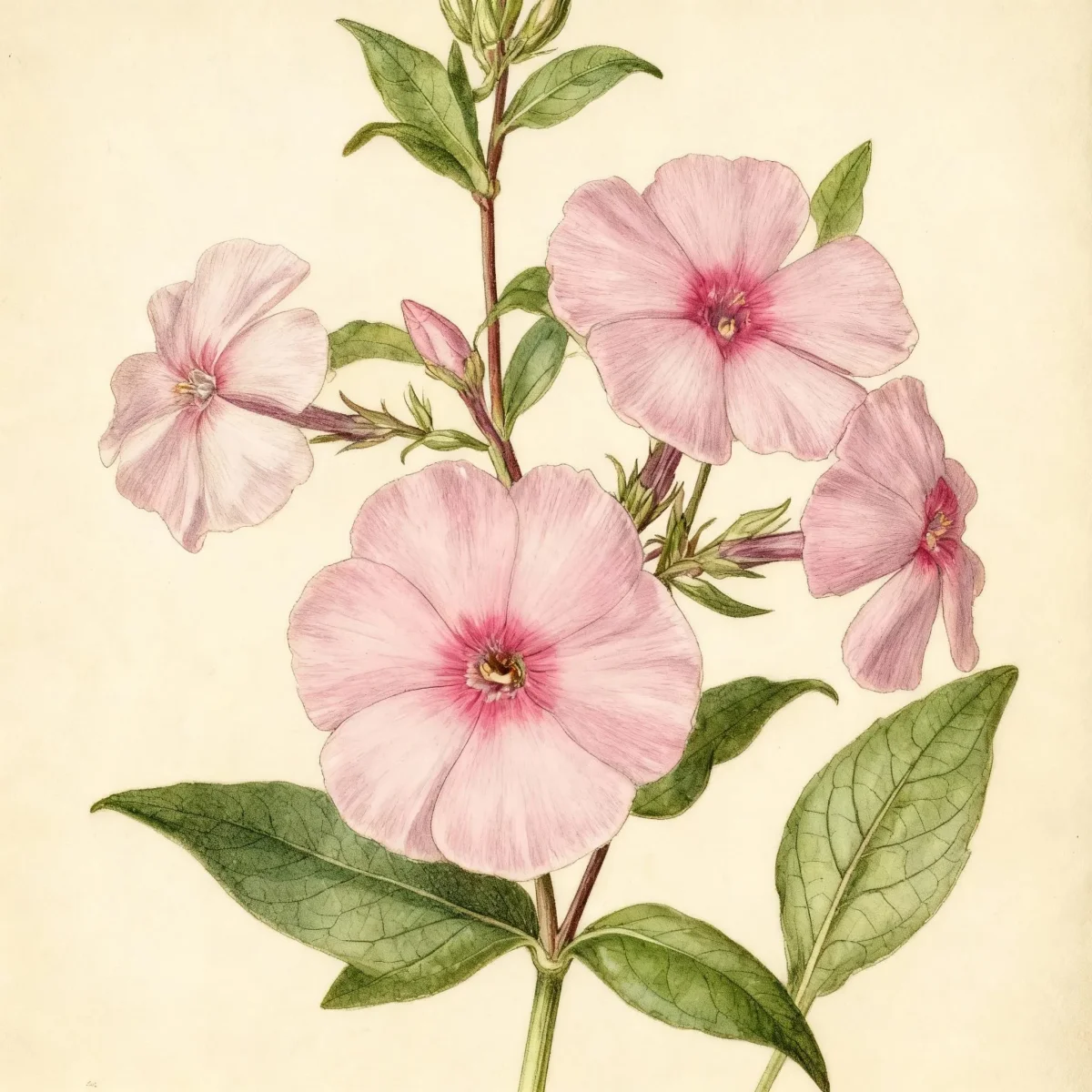
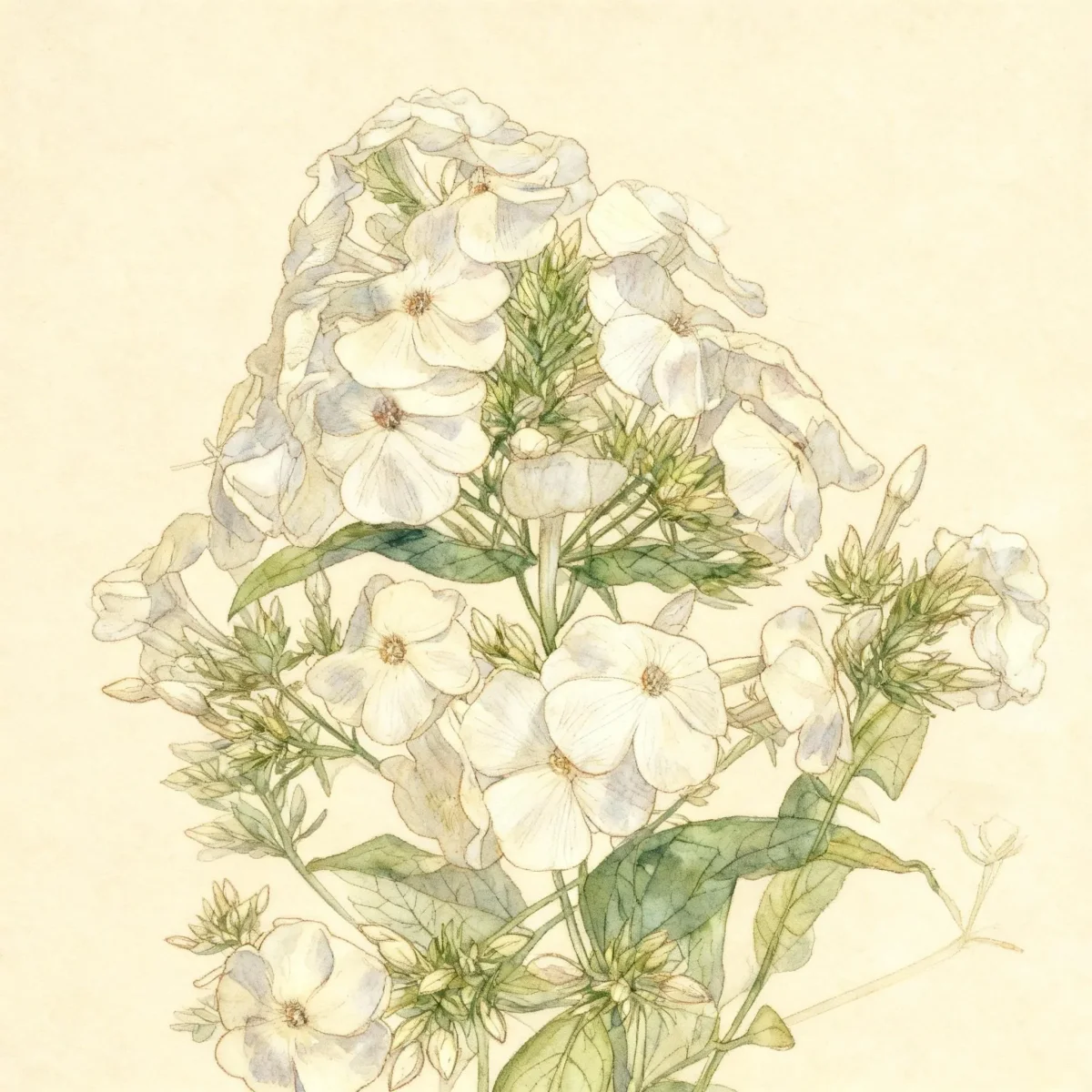
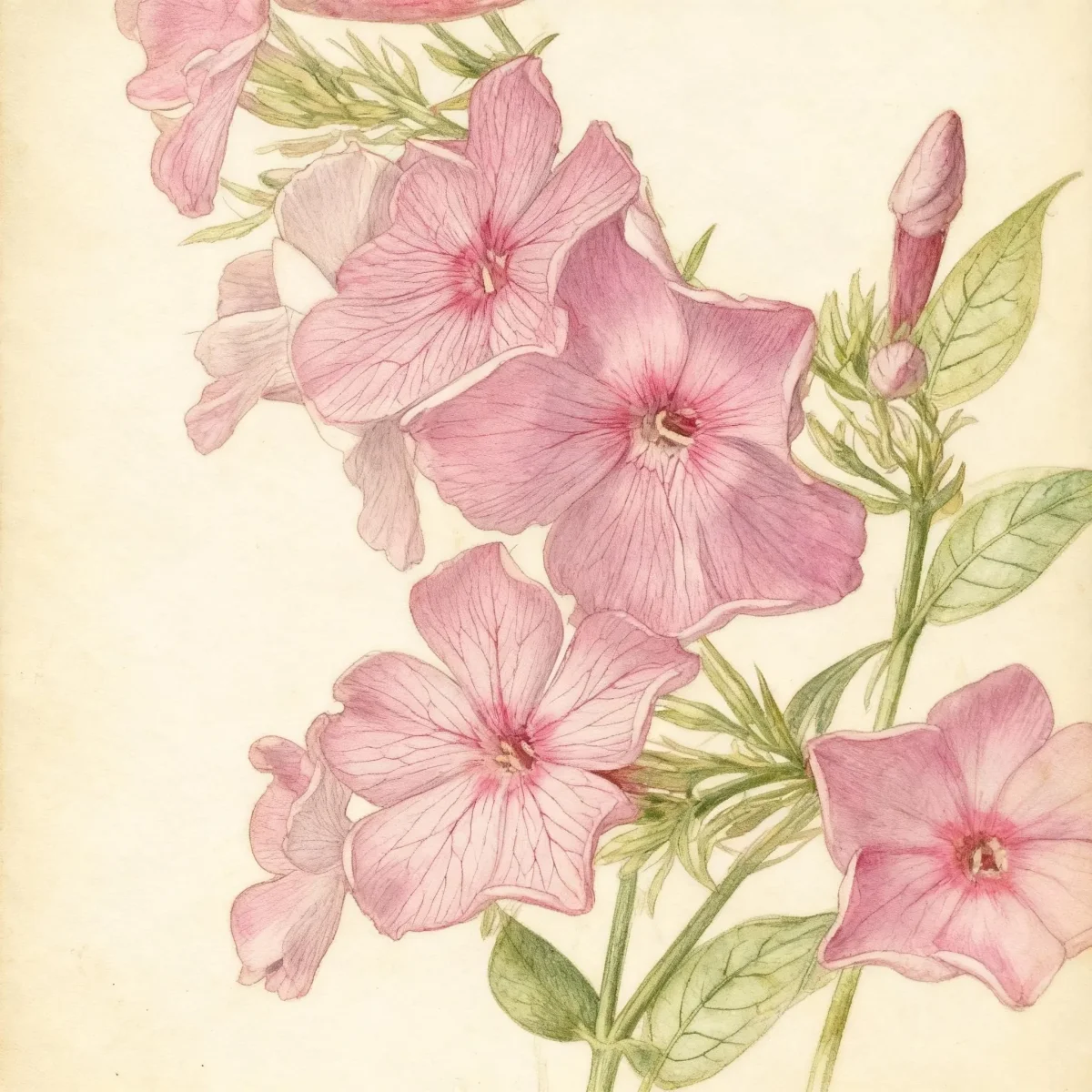
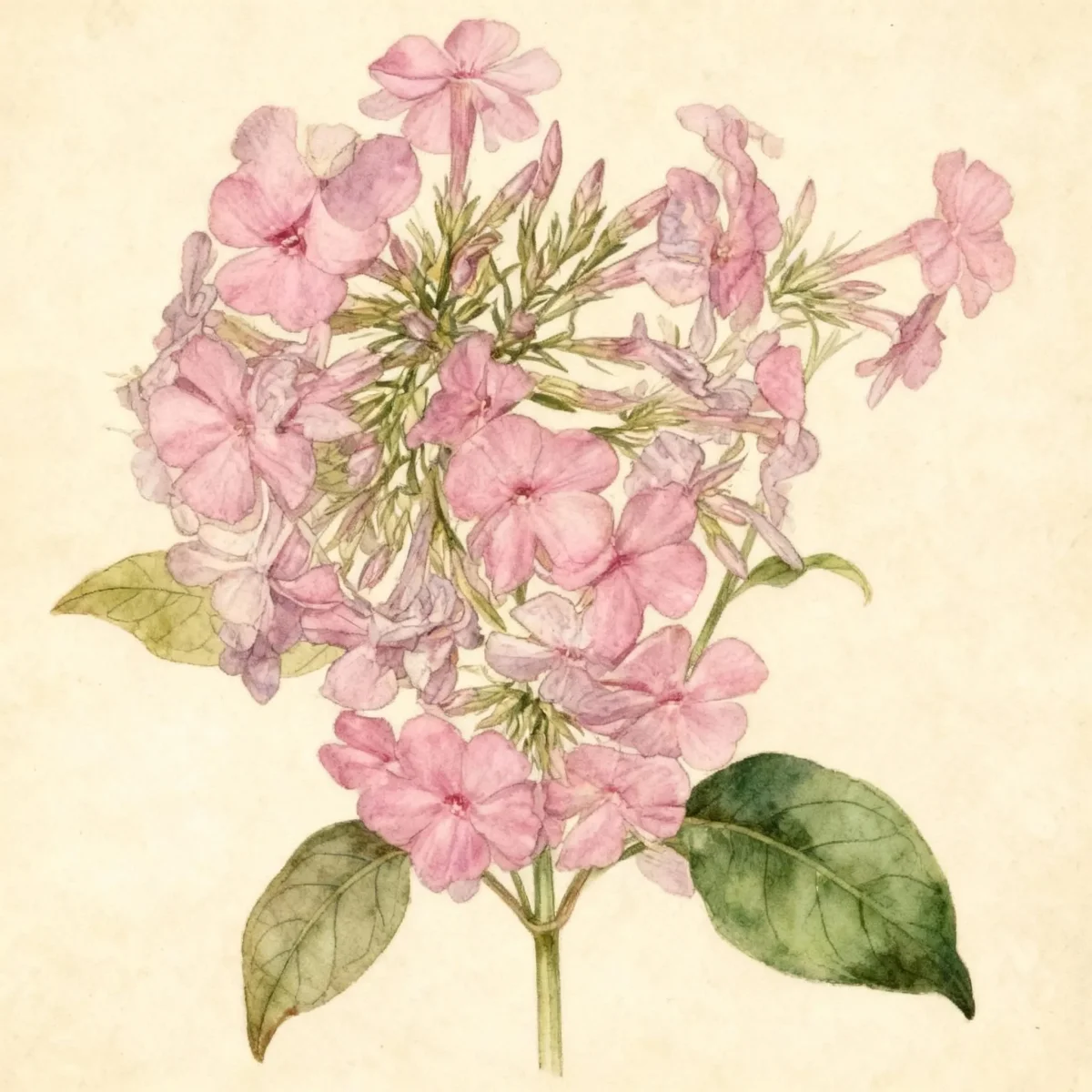
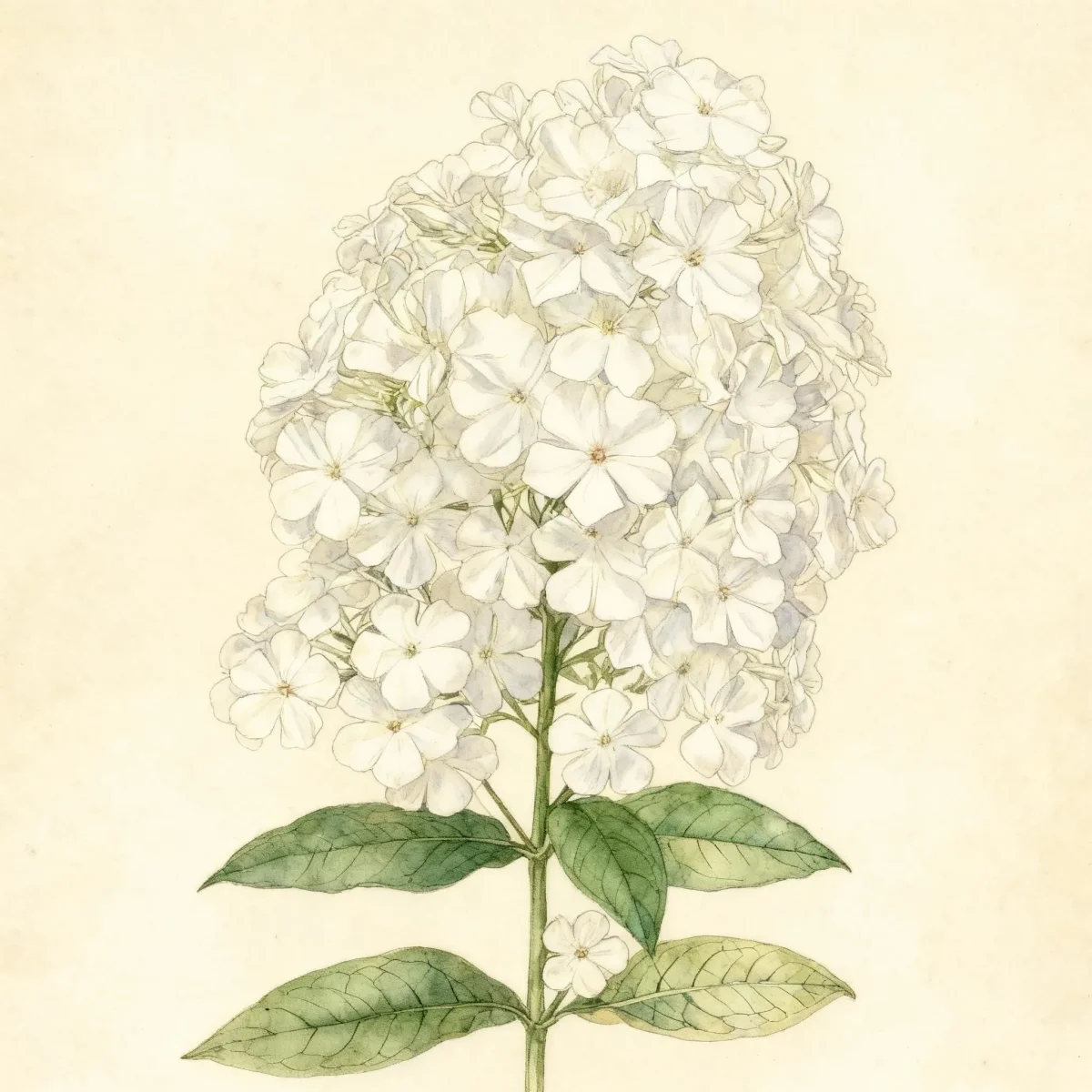
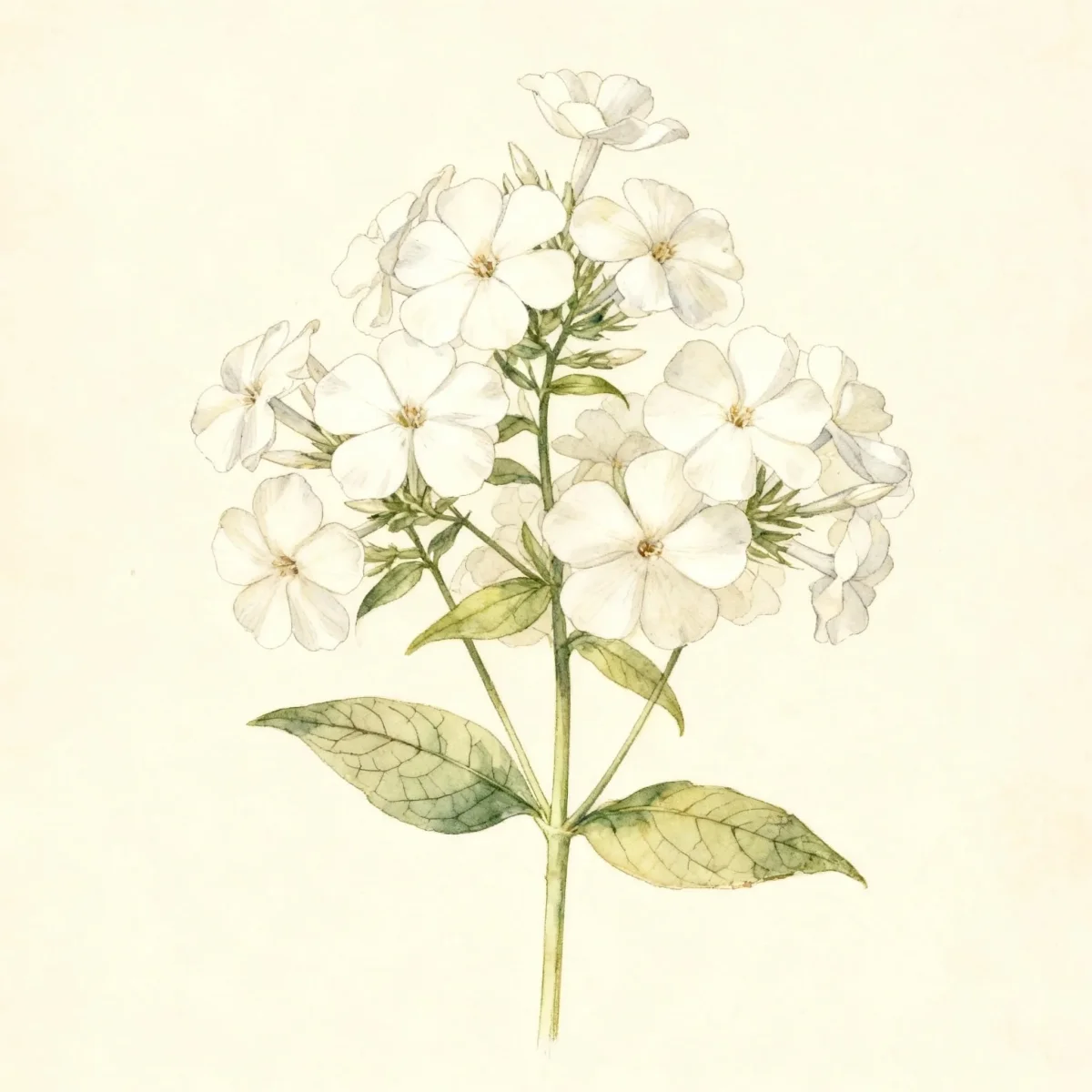
Garden phlox (Phlox paniculata 'Starfire')
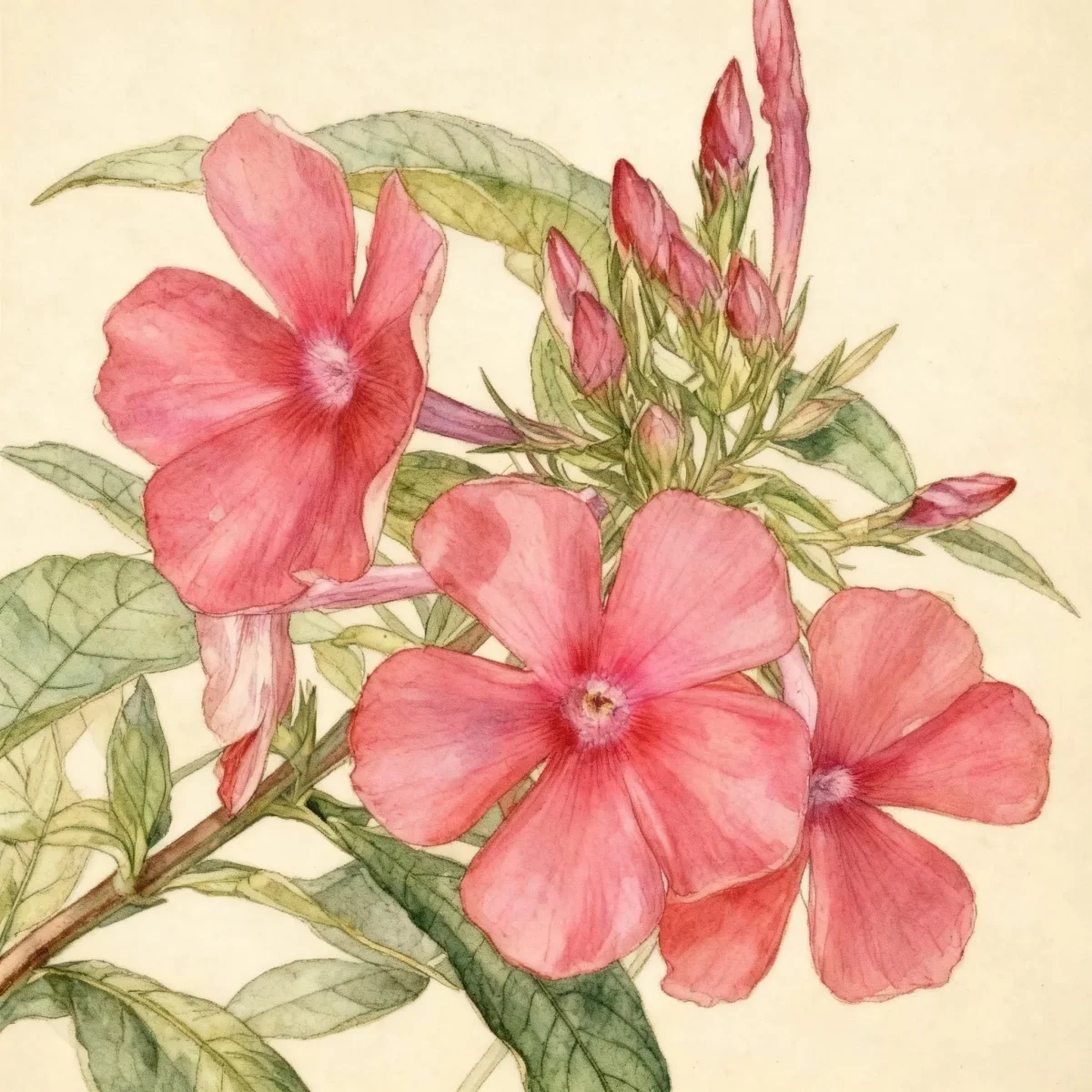
Phlox paniculata 'Starfire' offers brilliant, fragrant deep red summer blooms. This Garden phlox is deer resistant and thrives in USDA Zones 4-8.
Scroll down to discover growing tips, care requirements, companion plants, and more
Complete Plant Information
Overview
Garden phlox, specifically the striking cultivar Phlox paniculata ‘Starfire’, is a cornerstone plant for achieving robust, long-lasting summer color in the garden border. Renowned for its intensely colorful, deep red terminal flower clusters, this Garden phlox variety attracts beneficial pollinators, including hummingbirds. Phlox paniculata ‘Starfire’ typically forms an upright clump of deep green foliage, providing vertical interest from mid-summer well into the fall. While it provides intense aesthetic value, gardeners must adhere to specific cultural needs, primarily ensuring good air circulation to maintain plant health throughout its blooming period.
Fast Facts
- Plant Family: Polemoniaceae
- Plant Type: Herbaceous perennial
- Hardiness Zones: USDA Zones 4-8
- Size at Maturity:
- Height: 2-3 ft
- Spread: 1.5-2 ft
- Bloom Time: July to September
- Bloom Description: Deep red
- Sun Exposure: Full sun to part shade
- Water Needs: Medium
- Maintenance Level: Medium
How to Grow
The ideal time for planting Garden phlox is when conditions are favorable for root establishment. Select a location that offers full sun to light shade, though full sun generally produces the best flower performance. Phlox paniculata ‘Starfire’ thrives in moderately fertile, medium moisture, well-drained soils, preferring rich, organic content. Ensure you space plants adequately; this is crucial as good air circulation helps combat the common issue of powdery mildew, especially in humid climates. Watering should be consistent throughout dry spells, maintaining medium moisture levels, but avoid overhead watering to keep foliage dry.
For ongoing care, appreciate that this plant prefers cooler summers; in hot regions, afternoon shade can be beneficial. Summer mulching helps keep the root zone cool and conserves moisture, mitigating drought stress. Deadheading faded flower panicles is recommended to prolong the bloom period and discourage unwanted self-seeding, although cultivars like Phlox paniculata ‘Starfire’ generally do not come true from seed.
As winter approaches, complete your seasonal cleanup by cutting the stems down to the ground and ensuring all garden debris is removed. This diligent sanitation practice minimizes the overwintering opportunities for fungal pathogens, ensuring a healthier start for your plants next spring.
Landscape Uses
Garden phlox is an undeniable staple within the traditional perennial border, providing essential height and mid-to-late-season color when many spring bloomers begin fading. The vibrant, deep red blooms of Phlox paniculata ‘Starfire’ create a dramatic focal point. Mix this variety with other mid-sized perennials that share similar sun and moisture requirements to create unified drifts of texture and color. Regardless of the specific hue you choose, the flower clusters of Garden phlox are highly attractive to native pollinators, making them an excellent selection for any wildlife or bird garden design.
Standout Features
Flower Qualities
- Showy
- Fragrant
Noteworthy Characteristics
Phlox paniculata, commonly known as garden phlox, is native from New York to Iowa south to Georgia, Mississippi and Arkansas. It has escaped gardens and naturalized into areas beyond its original native range. Specific epithet refers to the plant bearing flowers in panicles. ‘Starfire’ is a garden phlox cultivar which typically grows in an upright clump to 2-3’ tall; its fragrant, tubular flowers are a striking bright deep red, densely arranged in large, pyramidal clusters atop stiff stems which seldom need staking.
Tolerances
- Deer
- Clay Soil
- Black Walnut
Potential Problems
Phlox is not always an easy plant to grow well, often encountering specific challenges that require proactive management. Powdery mildew is perhaps the most frequently cited issue, appearing as a white, dusty coating on the foliage, especially in crowded conditions or if overhead watering is used. To manage this, ensure excellent air circulation by spacing plants properly and thinning stems if necessary. Root rot can occur in poorly drained soils, so improving soil structure is vital before planting. Additionally, pests like Phlox bugs and spider mites can cause damage, particularly during hot, dry weather spells.
If tall stems become top-heavy with blooms, minor staking may be required to prevent flopping, although cultivators like Phlox paniculata ‘Starfire’ are bred for sturdy stems. Consistent monitoring and prompt action against mildew and pests will ensure your Garden phlox remains vibrant throughout the summer.
Frequently Asked Questions
What hardiness zones is Garden phlox suitable for?
Phlox paniculata ‘Starfire’ is generally hardy and performs best within USDA Zones 4 through 8.
How large does Phlox paniculata ‘Starfire’ grow?
This herbaceous perennial typically achieves a height between 2 to 3 feet tall, with a spread ranging from 1.5 to 2 feet wide at maturity.
What sun exposure does Garden phlox need?
For optimal flowering and health, Phlox paniculata ‘Starfire’ prefers full sun but will tolerate part shade, particularly in the hottest climates.
When does Garden phlox bloom?
This variety provides a rewarding, long bloom period extending from July through September, showcasing masses of deep red florets.
Conclusion
Phlox paniculata ‘Starfire’ offers superb value to the seasoned gardener through its intense deep red coloration and significant fragrance, making it a mid-summer garden staple. Successfully growing vibrant Garden phlox relies heavily on adequate spacing for air flow and consistent soil moisture. Before planting, be sure to assess your specific site conditions to confirm compatibility with USDA Zones 4-8 and the need for medium water requirements.
Wildlife Benefits
Garden phlox flowers are inherently rich in nectar, drawing in beneficial insects crucial for local ecosystems. The long corolla tubes of the florets are perfectly shaped for hummingbirds, making this an excellent addition to any bird-friendly landscape design. Planting Phlox paniculata ‘Starfire’ ensures a reliable food source during the main summer growing season when many earlier spring flowers have finished their display.
Design Ideas for Tall Garden Phlox
Utilize the upright habit of Garden phlox to add structure to the middle or back of a mixed perennial border where its height (2-3 feet) can be appreciated without overwhelming shorter plants. Combine the deep red of Phlox paniculata ‘Starfire’ with silvery foliage fillers or complementary blues and purples, such as Russian Sage or taller Salvia cultivars, which share similar sun and soil needs. Because it tolerates clay soil and is deer resistant, it offers reliable performance in mixed plantings where browsing might be a concern.