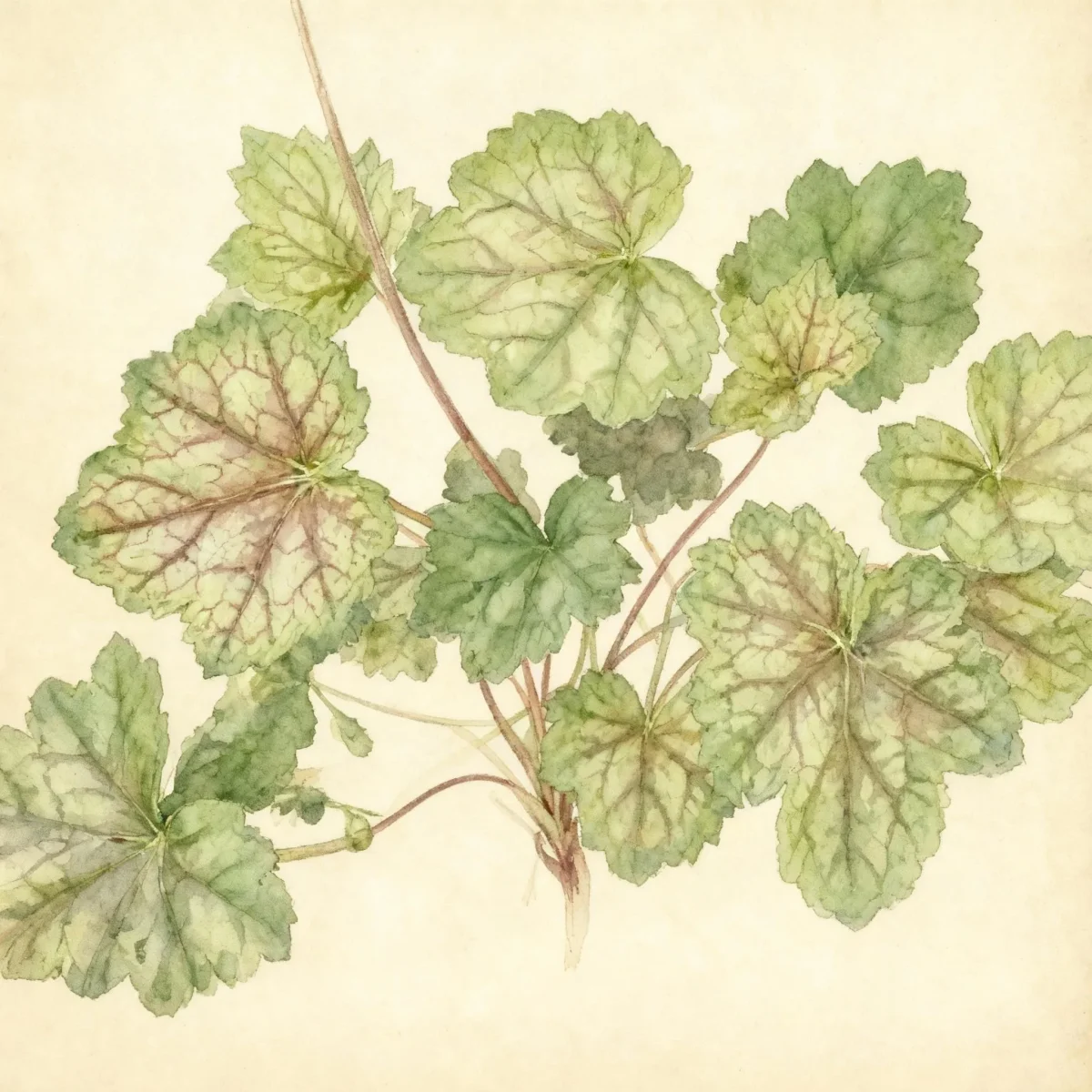
Coral bells (Heuchera 'Amber Waves')
Heuchera 'Amber Waves' offers vigorous, clump-forming coral bells known for ruffled, amber-gold foliage adaptable to zones 4-9.
Scroll down to discover growing tips, care requirements, companion plants, and more
Complete Plant Information
Overview
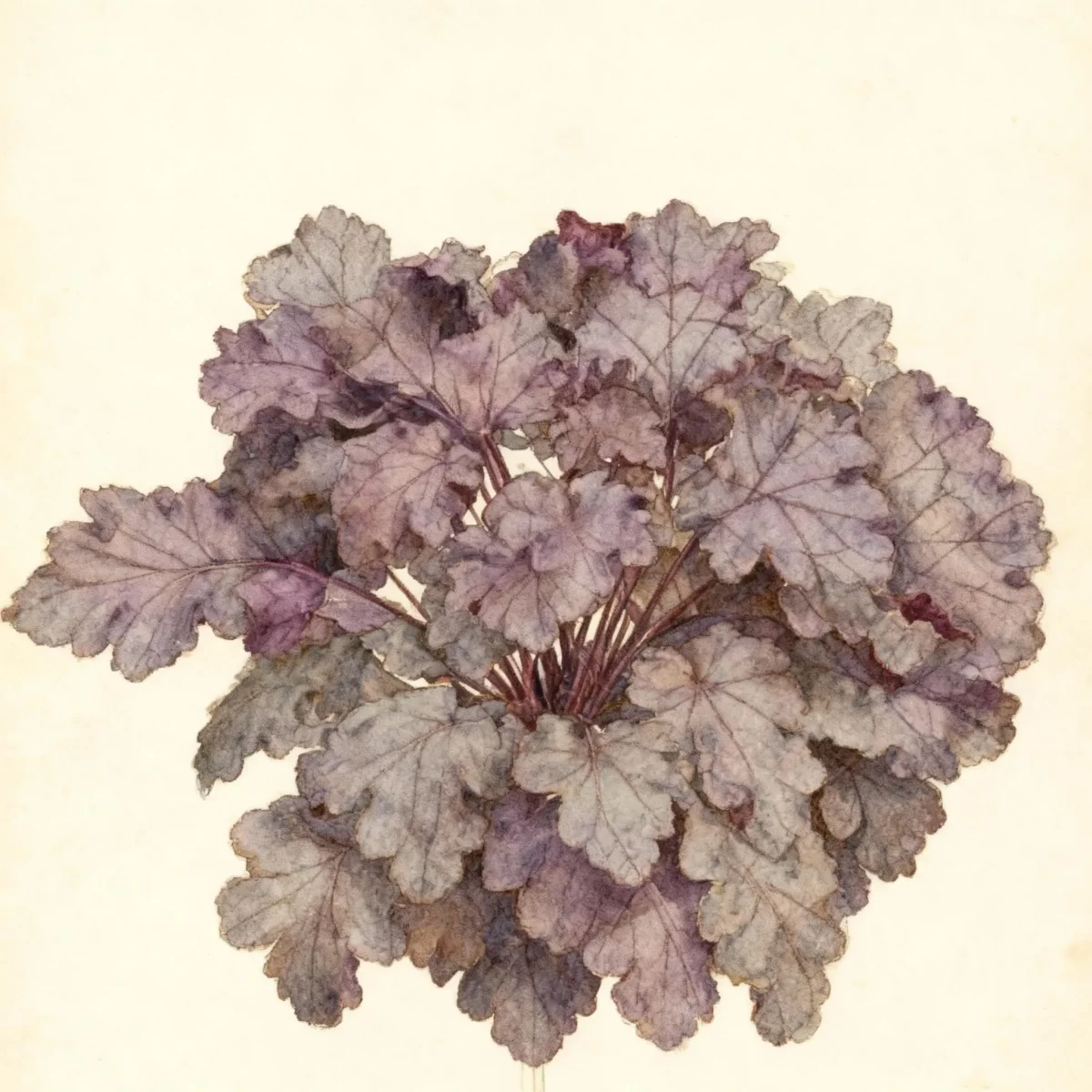
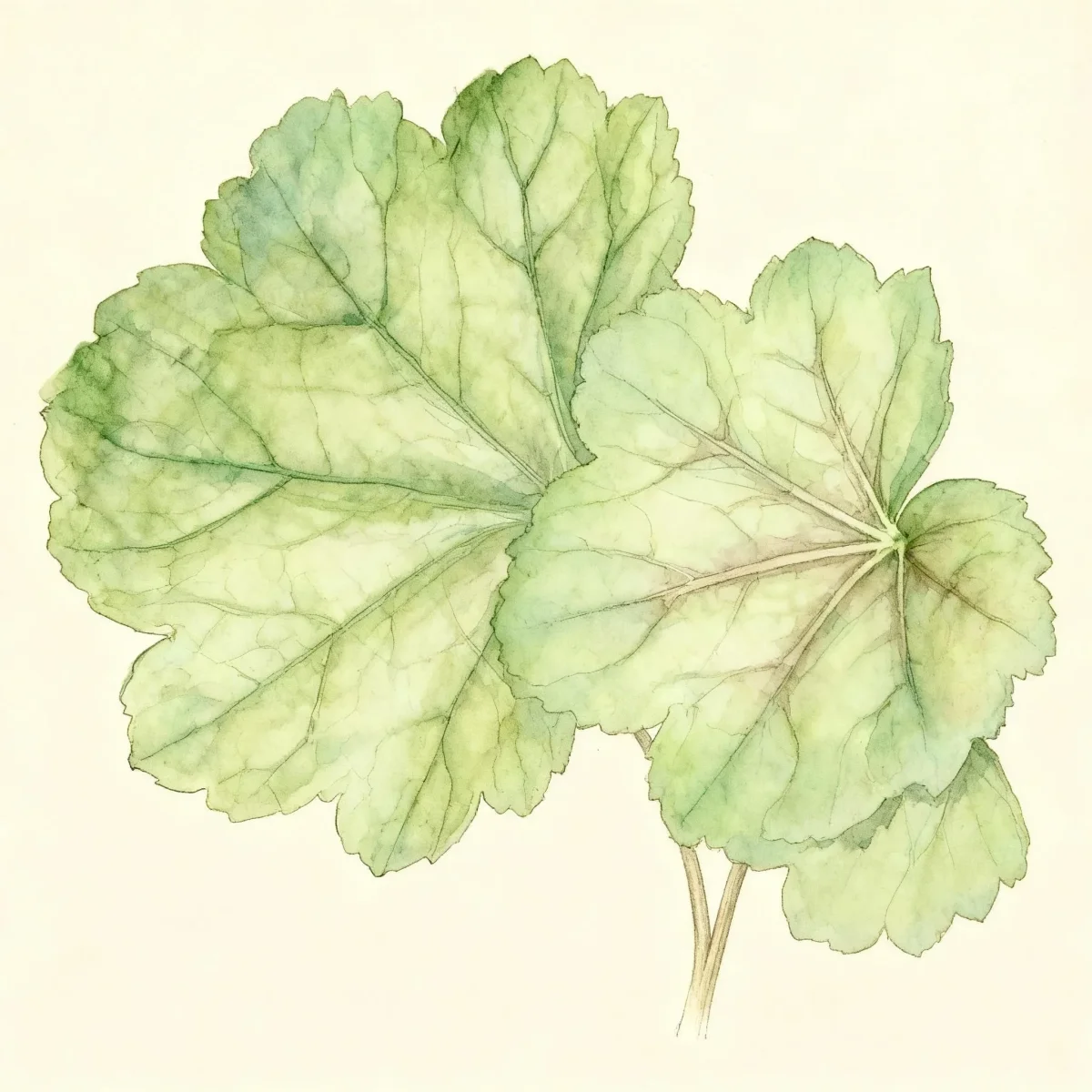
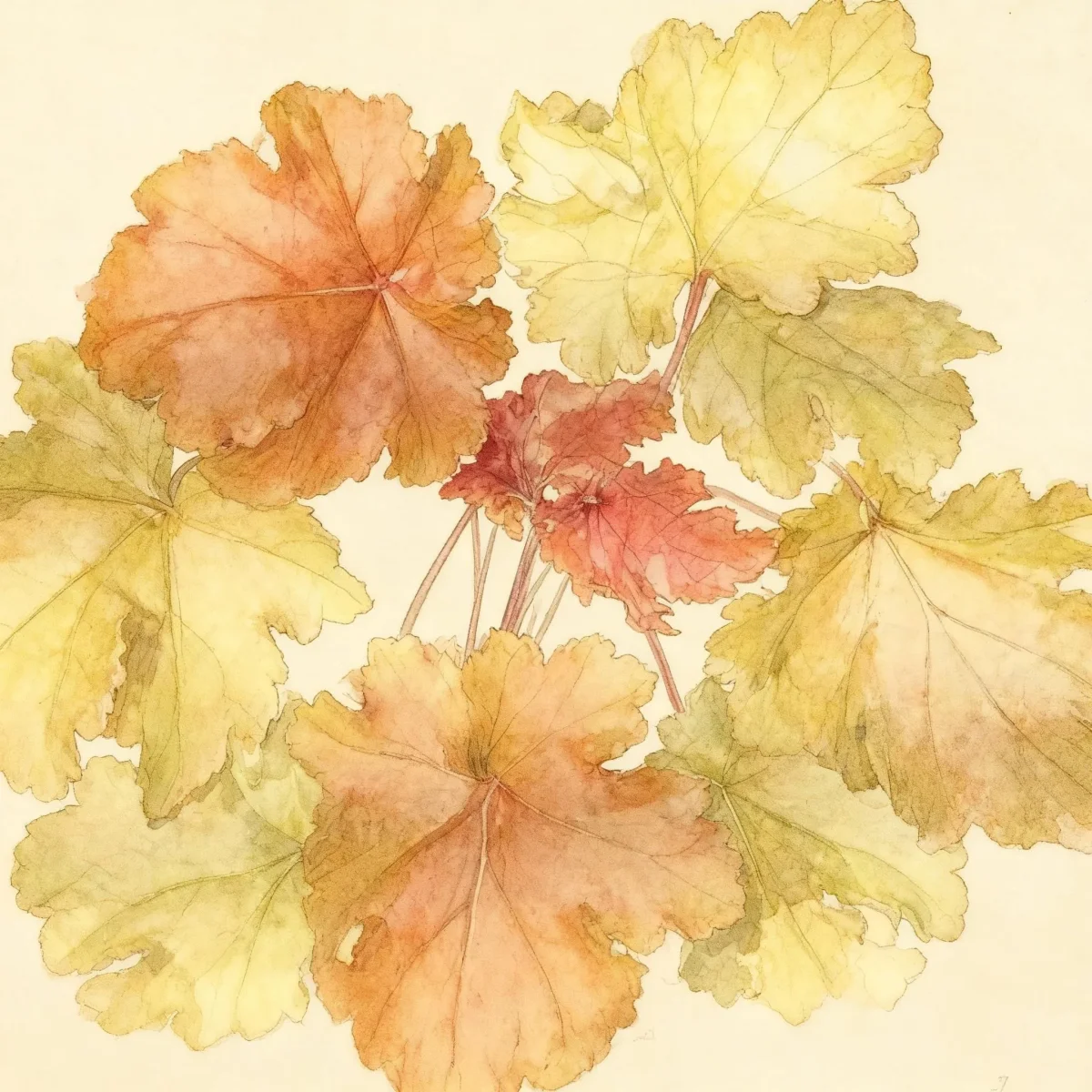
Heuchera ‘Amber Waves’, a prized cultivar of coral bells, stands out due to its vigorous clumping habit and exceptionally ornamental foliage. This variety produces large, ruffled leaves displaying beautiful amber-gold tones, making it a colorful anchor in the garden landscape year-round. It is a semi-evergreen perennial native to North America, valued for providing consistent texture and color where many plants fade.
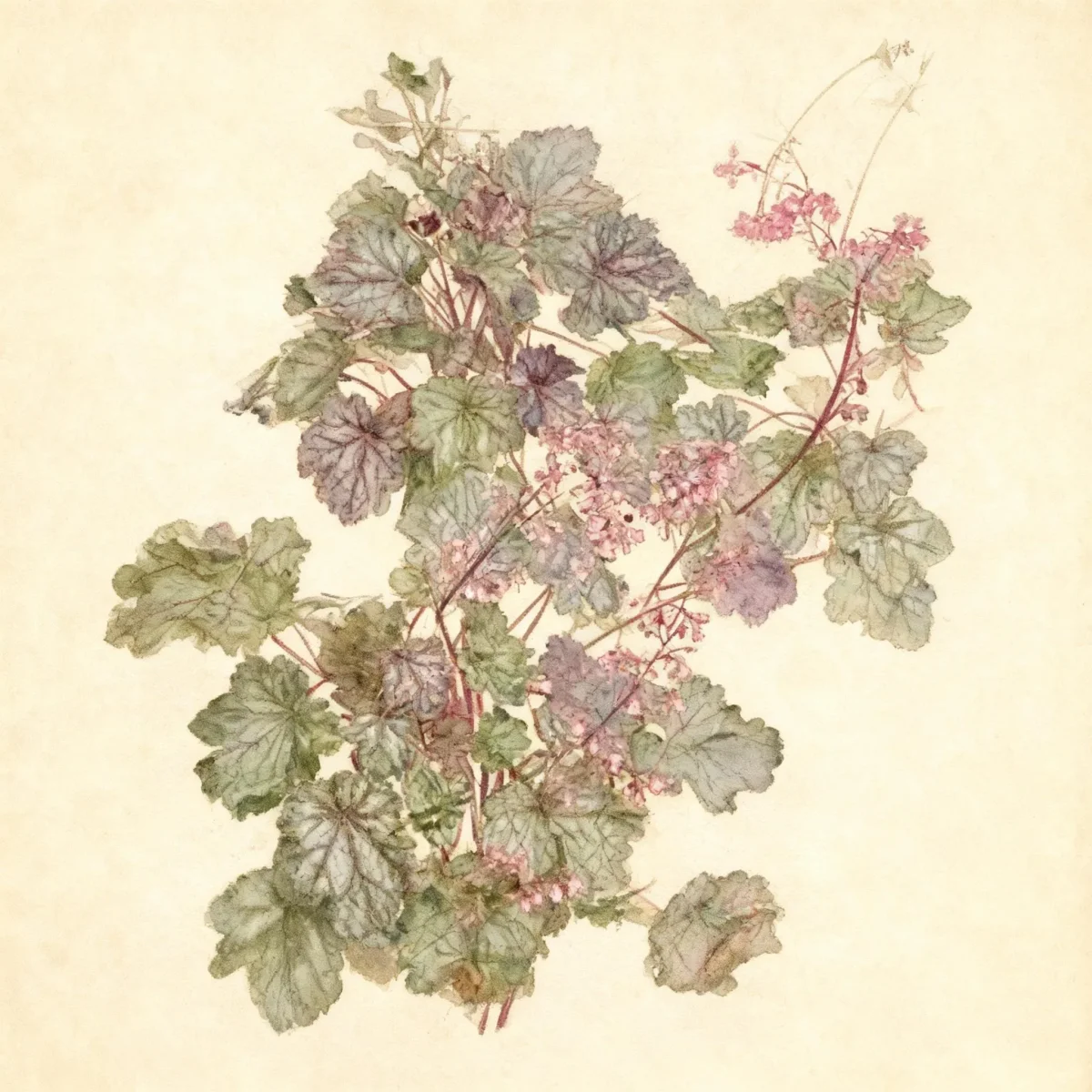
The reliable performance of Heuchera ‘Amber Waves’ ensures visual interest from spring through fall, often retaining good color even through mild winters. While its main draw is the foliage, it also provides airy spikes of light rose flowers in early summer, adding a delicate contrast to the dense basal mound. Gardeners appreciate this coral bells cultivar for its relatively compact size and adaptability across a wide range of hardiness zones.
As a selection resulting from tissue culture, Heuchera ‘Amber Waves’ offers consistency in performance and appearance, making it a trustworthy choice for mass plantings or borders. Proper soil management is key to maximizing the brilliance of its amber hues, ensuring this perennial adds lasting impact to borders and woodland settings.
Fast Facts
- Plant Family: Saxifragaceae
- Plant Type: Herbaceous perennial
- Hardiness Zones: USDA Zones 4-9
- Size at Maturity:
- Height: 0.75-1 ft
- Spread: 1-1.5 ft
- Bloom Time: June to July
- Bloom Description: Light rose
- Sun Exposure: Full sun to part shade
- Water Needs: Medium
- Maintenance Level: Medium
How to Grow
Planting Heuchera ‘Amber Waves’ is best done in spring or early fall when cooler temperatures promote root establishment. These coral bells thrive in organically rich, humusy soils that maintain medium moisture but drain exceptionally well. While many heucheras prefer afternoon shade, especially in southern heat, Heuchera ‘Amber Waves’ can successfully handle full sun in northern climates provided consistent moisture is maintained. Scorch or decline can quickly occur if the soil dries out completely when exposed to intense sun.
Watering should be consistent, aiming for that medium moisture level specified in its needs. Avoid letting the soil become waterlogged, as this can quickly lead to root issues. Fertilization is rarely required if the planting site has rich, amended soil; otherwise, a light application of balanced, slow-release fertilizer in early spring is sufficient for vigorous growth.
Maintenance for this perennial is moderate. Deadheading the faded spikes of light rose flowers is recommended to encourage any potential repeat blooming, although the flowers are not the primary feature. In colder zones, apply a winter compost mulch after the ground freezes to prevent root heaving caused by fluctuating winter temperatures. Clumps should be divided every three to four years in the spring to maintain vigor and prevent overcrowding.
Landscape Uses
Heuchera ‘Amber Waves’ excels as an edging plant, offering vibrant mound-forming color along walkways or framing the front of perennial borders. Its sturdy, low-growing habit makes it perfect for mass plantings where drifts of amber foliage create a cohesive, glowing effect throughout the growing season. These coral bells also find a wonderful home in rock gardens, softening hard lines with their dense, ruffled texture.
Companion planting is easy with this adaptable perennial. Pair the warm amber tones of Heuchera ‘Amber Waves’ with cooler colors like blue or silver foliage plants, such as blue hostas or Artemisia. In woodland garden designs, they look fantastic nestled beneath taller shrubs or alongside ferns, where they appreciate the filtered light. Grouping several Heuchera ‘Amber Waves’ together provides maximum visual impact with their foliage.
Standout Features
Flower Qualities
- Showy
Noteworthy Characteristics
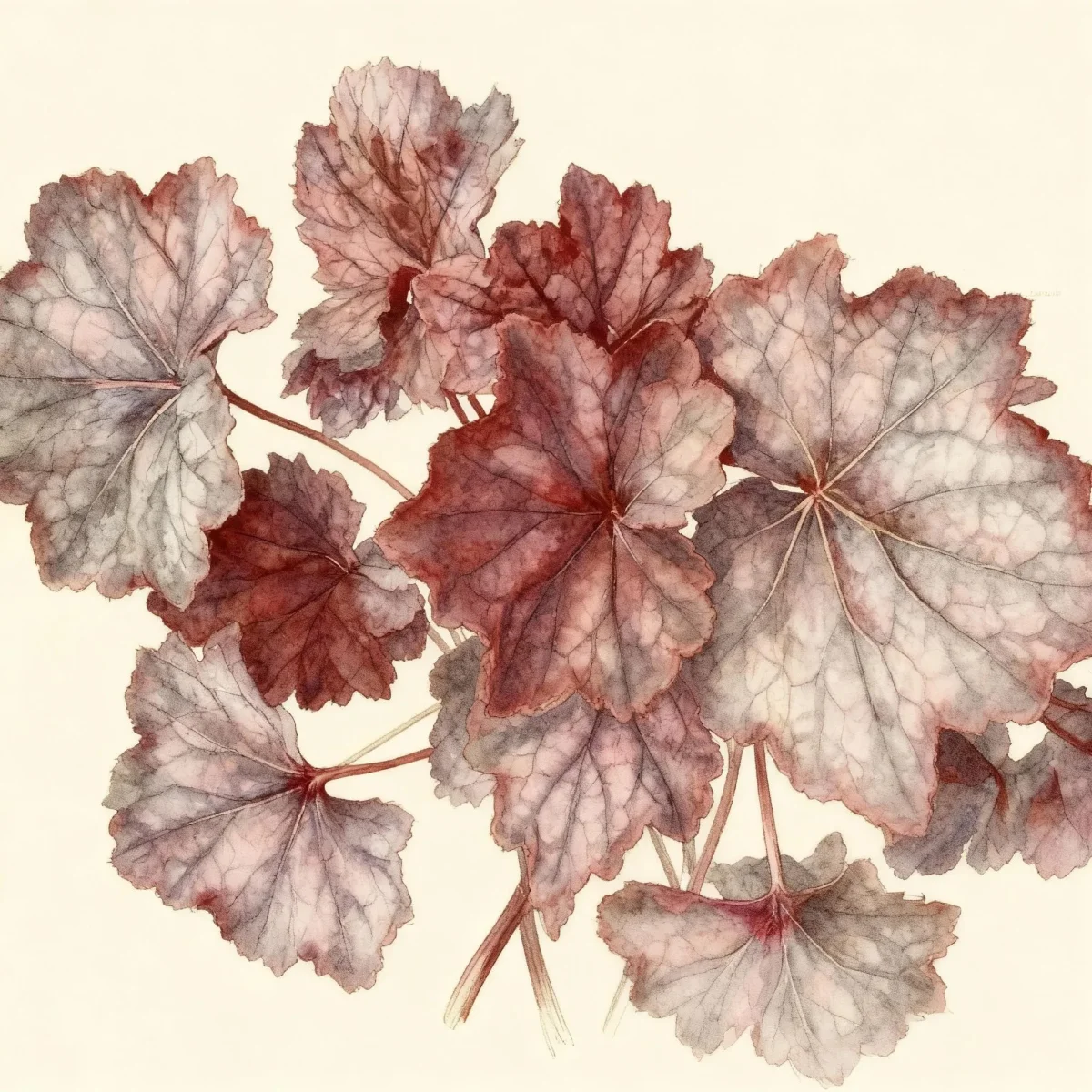
Heuchera, commonly called coral bells or alumroot, is a diverse genus of evergreen to semi-evergreen herbaceous perennials native to North America. Hybrids like ‘Amber Waves’ feature leaves in an expanded, rich palette, often with striking variegation or ruffling, contrasting nicely with their delicate bloom spikes. ‘Amber Waves’ specifically is celebrated for its ruffled, amber-gold leaves forming a dense mound, making it a vigorous, standout cultivar in the garden design.
Tolerances
- Frost heaving of roots may occur when winter temperatures fluctuate widely.
Potential Problems
Potential issues for Heuchera ‘Amber Waves’ relate primarily to moisture stress and specific pathogens. Root heave is a risk during winter when freeze-thaw cycles alternate rapidly; mitigating this with a winter mulch applied after the ground freezes is crucial preventative care. For disease, watch for powdery mildew, rust, and bacterial leaf spot, which generally indicate poor air circulation alongside high humidity or overly wet foliage. Insect pests, including weevils and foliar nematodes, are less common but require monitoring if decline is observed.
If growing Heuchera ‘Amber Waves’ in full sun, the risk of foliage scorch increases significantly if irrigation is inconsistent. Ensure deep, regular watering during hot spells to maintain the integrity and color of the vibrant foliage.
Frequently Asked Questions
What hardiness zones is Coral bells suitable for?
Heuchera ‘Amber Waves’ is reliably hardy in USDA Zones 4 through 9.
How large does Coral bells grow?
This coral bells cultivar typically reaches a height between 0.75 and 1 foot and spreads between 1 and 1.5 feet wide, forming a dense basal mound.
What sun exposure does Heuchera ‘Amber Waves’ need?
It performs best in a location receiving full sun to part shade, though afternoon shade is beneficial in the hottest regions to protect the foliage.
When does Heuchera ‘Amber Waves’ bloom?
The light rose flowers appear on slender stems from June through July, rising above the foliage mound.
Conclusion
Heuchera ‘Amber Waves’ provides exceptional, season-long architectural interest through its richly colored, ruffled amber foliage, making it a staple for texture and contrast in shaded and partially sunny borders. Integrating this specific coral bells cultivar into your landscape ensures vibrant color persistence, even when flowers are not present. Before planting, verify that your site offers the well-draining, organically rich soil necessary for this perennial to flourish across its full hardiness range.
Propagation Tips
Propagation for most hybrid coral bells, including Heuchera ‘Amber Waves’, is most effectively achieved through division rather than seed. Clumps should be carefully dug up and separated in the spring every three to four years to maintain plant vitality and prevent overcrowding. Ensure each separated division has a healthy section of the crown and adequate roots before replanting them promptly into prepared soil.
Division is necessary because while species plants can be grown easily from seed, relying on seed for named hybrids like ‘Amber Waves’ will not reproduce the desired parent characteristics. This propagation method ensures that you retain the exact ruffled, amber-gold foliage that makes this plant so valuable to the garden design.
Companion Planting
Coral bells look fantastic when paired with plants offering contrasting leaf texture or color. Consider planting Heuchera ‘Amber Waves’ alongside fine-textured ground covers or upright ferns to enhance the visual density of the foliage display. Because this perennial requires well-drained soil and appreciates similar moisture levels, excellent companions include Hosta varieties with blue or variegated leaves, or low-growing ornamental grasses like Hakonechloa (Japanese Forest Grass) for movement. Ensure that any companion planting respects the ultimate size of the coral bells cluster, allowing 1 to 1.5 feet for spread.