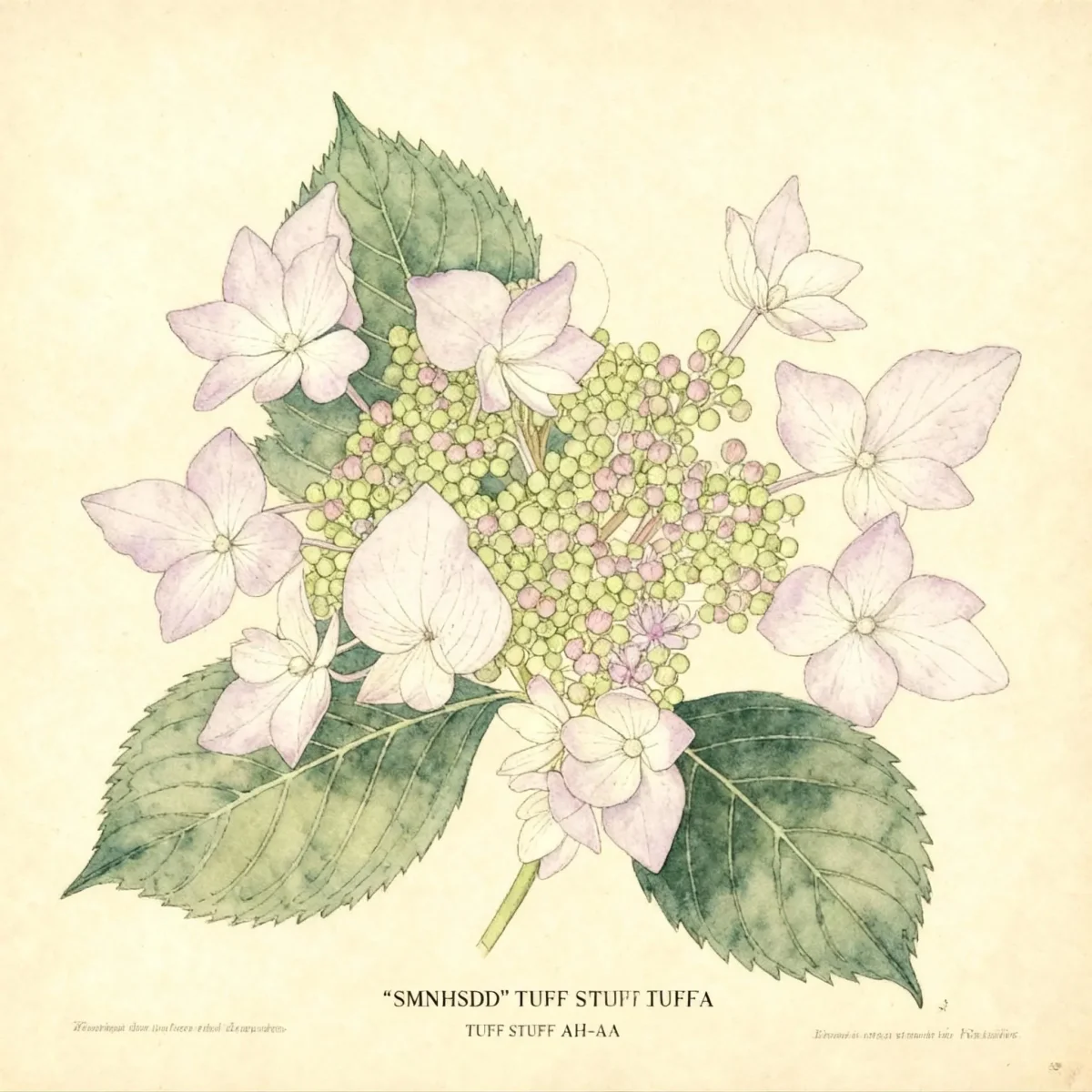
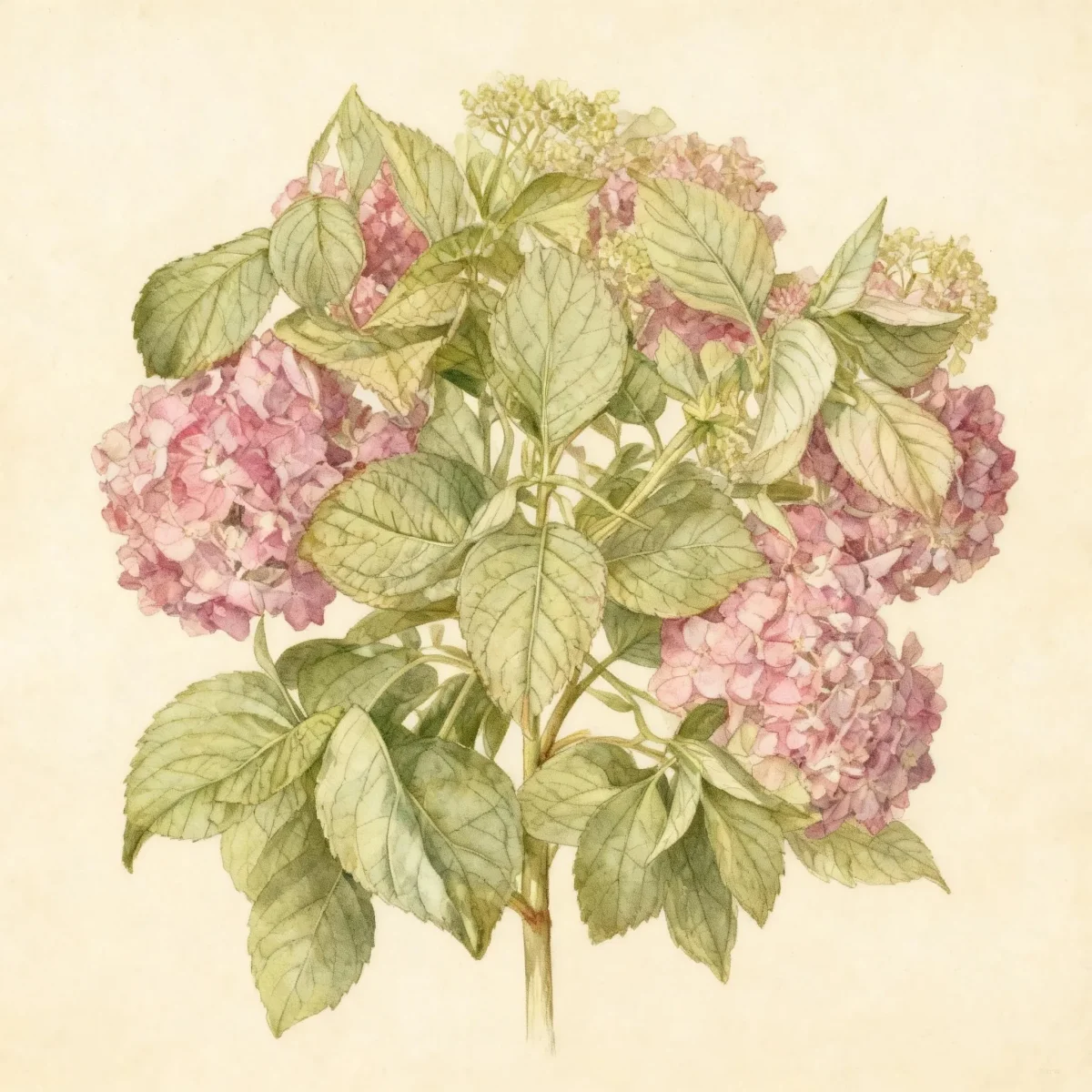
Hydrangea (Hydrangea serrata 'Golden Sunlight')
Discover Hydrangea serrata 'Golden Sunlight', a compact, golden-leaved Hydrangea with lacecap blooms. Perfect for shady borders in Zones 6-9.
Scroll down to discover growing tips, care requirements, companion plants, and more
Complete Plant Information
Overview
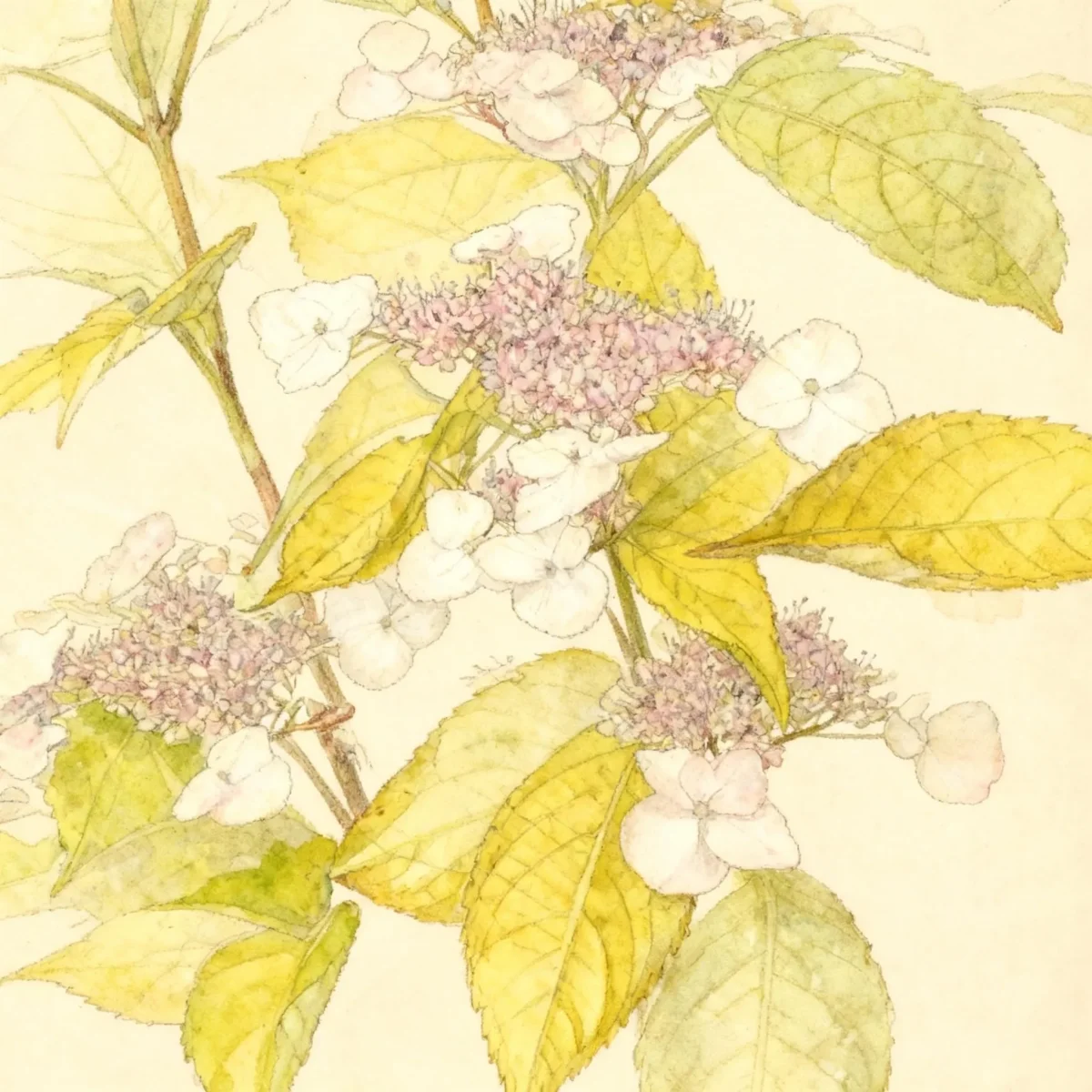
Hydrangea serrata ‘Golden Sunlight’ offers a dynamic, colorful alternative to traditional Hydrangea varieties, making it a prized addition to any landscape. This cultivar is celebrated for its striking foliage, which emerges bright lemon yellow in the spring before maturing, offering garden interest long before and after its summer bloom. As a Lacecap-type Hydrangea, it produces charming clusters where showy sterile florets encircle tiny fertile ones.
This smaller, compact deciduous shrub is botanically related to the Big Leaf Hydrangea (H. Macrophylla) but maintains a more delicate stature. Gardeners prize Hydrangea serrata ‘Golden Sunlight’ for its manageable size, typically reaching 2 to 4 feet tall, and its rich color palette that shifts through yellow, green, and burgundy tints in the autumn. Successful cultivation of this specific Hydrangea requires attention to its moisture and light needs to ensure both vibrant leaves and abundant flowering.
The ability of this Hydrangea to produce blooms on old wood means careful pruning management is essential, and bloom color modulation based on soil pH adds another layer of customization for the dedicated gardener. Growing Hydrangea serrata ‘Golden Sunlight’ effectively brings consistent texture and color contrast to partially shaded garden beds throughout the growing season.
Fast Facts
- Plant Family: Hydrangeaceae
- Plant Type: Deciduous shrub
- Hardiness Zones: USDA Zones 6-9
- Size at Maturity:
- Height: 2-4 ft
- Spread: 2-4 ft
- Bloom Time: July to August
- Bloom Description: Pink edged with white
- Sun Exposure: Part shade
- Water Needs: Medium
- Maintenance Level: Medium
How to Grow
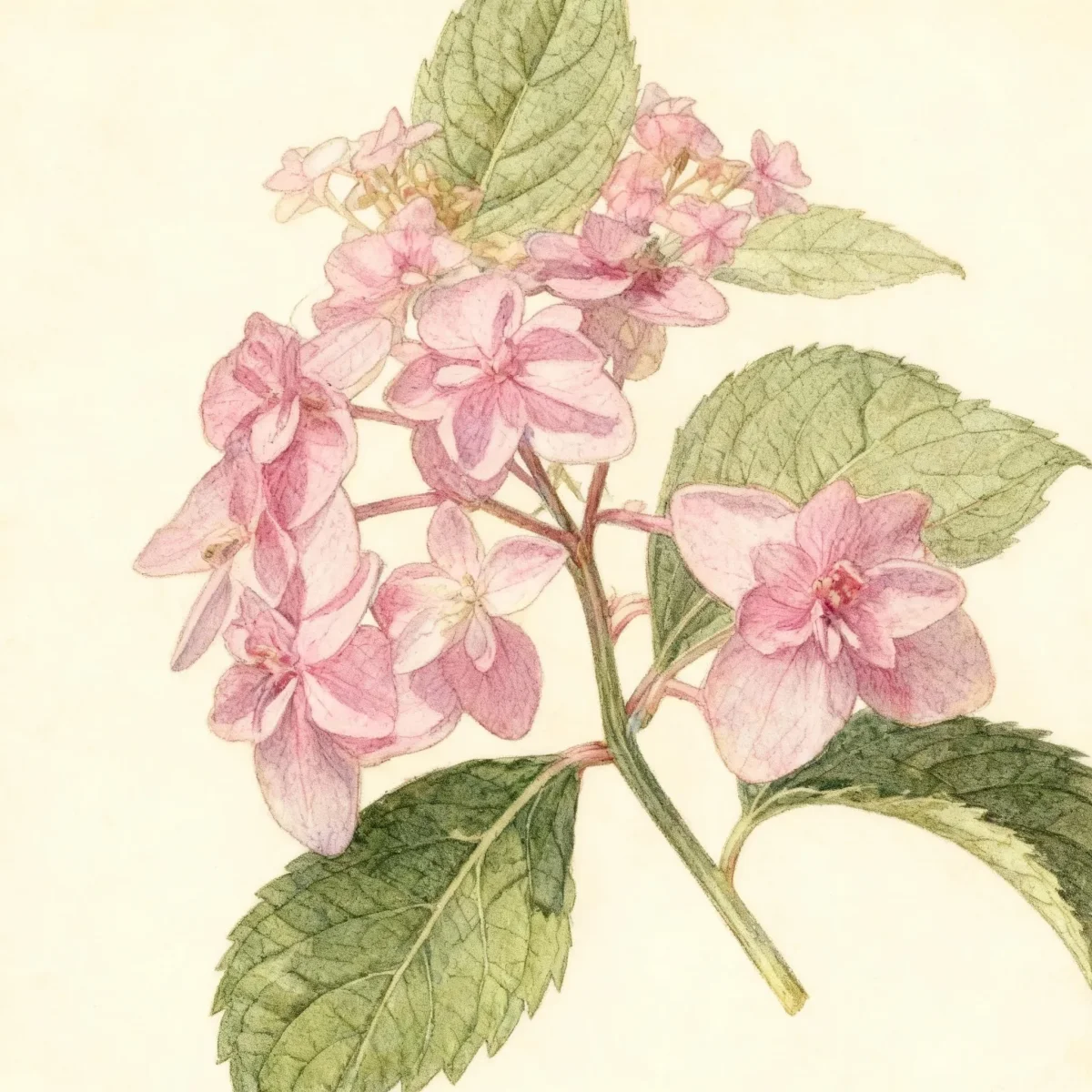
The ideal planting location for Hydrangea serrata ‘Golden Sunlight’ is rich, medium-moisture, well-drained soil situated in part shade. While this specific Hydrangea cultivar tolerates full sun, it demands consistently moist soil conditions if planted in brighter exposures. If your goal is to influence flower color, remember that soil pH mimics H. macrophylla: acidic soils encourage blue tones, while slightly acidic to alkaline soils yield lilac or pink blooms, like the pink edged with white seen here.
Watering should be consistent; aim for medium requirements, ensuring the soil never fully dries out, especially during hot summer months or when grown in brighter sun. Maintenance is considered medium, largely due to the need to protect established flower buds, as bloom occurs reliably on old wood.
Pruning on the Hydrangea serrata ‘Golden Sunlight’ should be minimal. The best practice is to prune immediately after flowering, cutting back spent flowering stems down to a pair of healthy, outward-facing buds. In early spring, focus pruning efforts on removing any stems that appear weak or show signs of winter damage. Gardeners in Zone 6 should implement winter protection, such as mulch or burlap wrap, especially in harsher seasons, to safeguard the developing flower buds from dieback.
Landscape Uses
Hydrangea serrata ‘Golden Sunlight’ excels when used to provide structure and color contrast in sheltered garden settings. Its manageable 2-4 foot height makes it excellent for grouping or mass plantings within the mixed shrub border, softening transitions between lawns or pathways. Due to its striking foliage that emerges bright yellow, it functions beautifully as an accent plant near patios or entryways where its golden hues can be appreciated up close.
Consider planting this Hydrangea near companions that share similar cultural needs for part shade and consistent moisture, such as hostas, astilbes, or Japanese forest grass. The lacecap flowers, tinged pink edged with white, pair well with plants offering contrasting bloom forms, like mophead hydrangeas or large-flowered rhododendrons. Use the golden foliage of Hydrangea serrata ‘Golden Sunlight’ strategically to brighten dark corners beneath taller deciduous trees.
Standout Features
Flower Qualities
- Showy
Noteworthy Characteristics
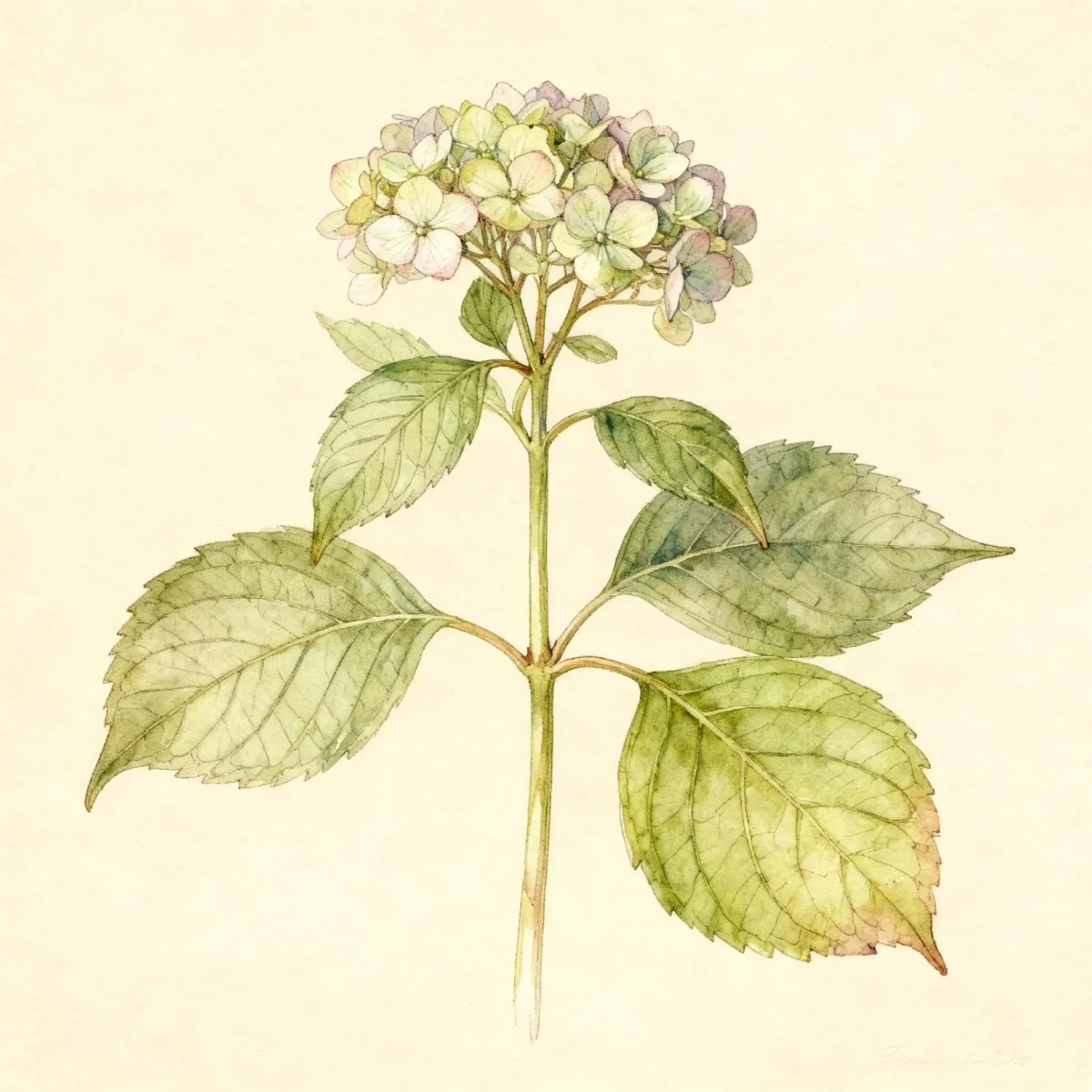
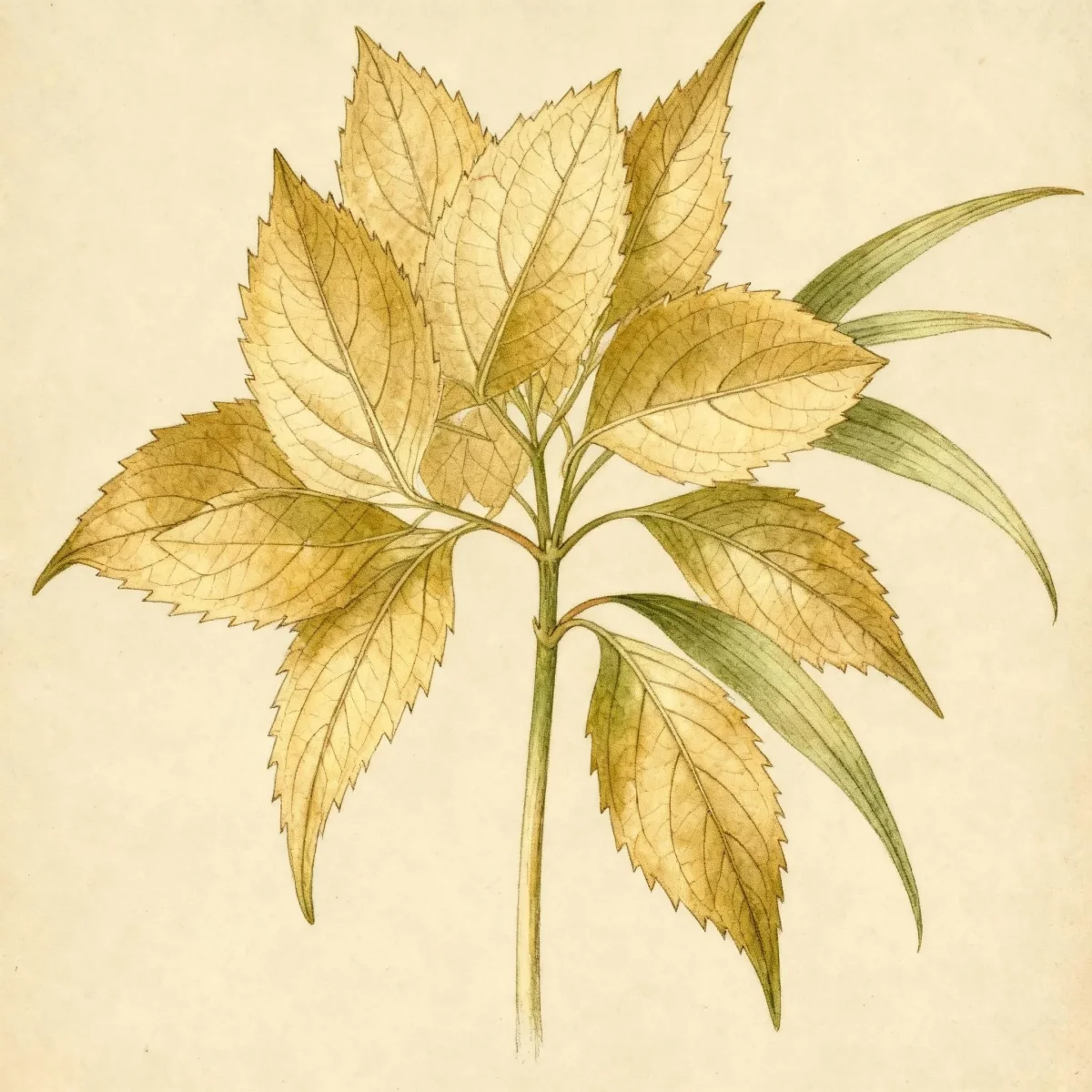
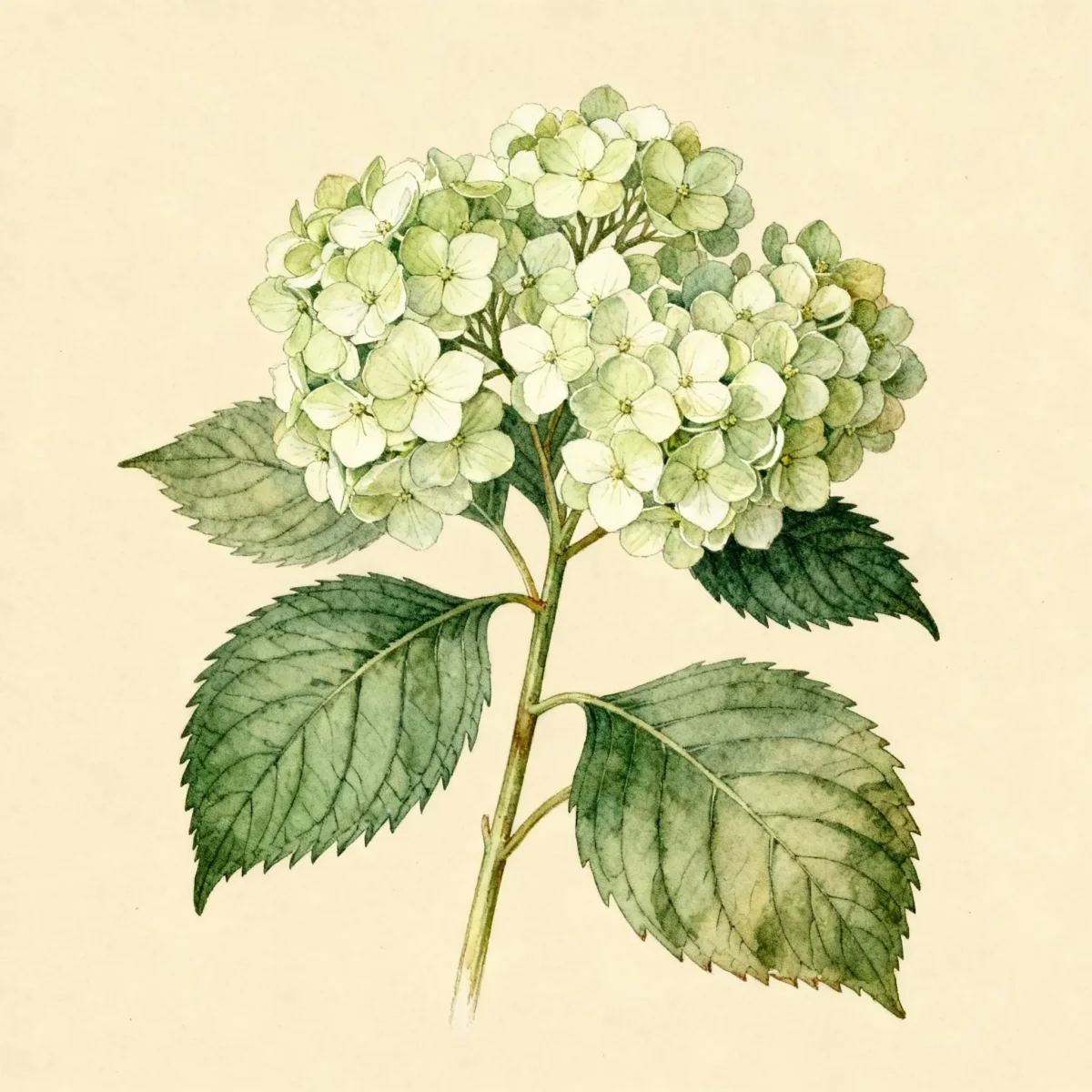
Hydrangea serrata is similar to big leaf hydrangea (H. Macrophylla) except it is a smaller more compact shrub with smaller flowers and leaves. It was formerly listed and sold as Hydrangea macrophylla var. Serrata. It is native to moist woodland mountain valleys in Japan. It is a deciduous shrub with a rounded habit that, in the St. Louis area, typically grows 2-4’ tall and as wide unless damaged by harsh winters or pruned smaller. It generally features toothed, ovate, dull green leaves (to 6” long) and long-blooming summer flowers. Flowers appear in flattened clusters in lacecap form, with the scattered showy sterile florets forming an outer marginal ring around the tiny fertile florets. Plants are grown in alkaline soils for pink florets or in acidic soils for blue florets. Leaves of Hydrangea serrata can be used to make a sweet tea, hence the sometimes used common name of tea of heaven for this shrub.The genus name Hydrangea comes from hydor meaning “water” and aggeion meaning “vessel”, in reference to the cup-like capsular fruit.Specific epithet is in reference to the serrated leaves.‘Golden Sunlight’ is, as the name suggests, a golden-leaved cultivar. It typically grows to 2-3’ tall and as wide. Leaves emerge bright lemon yellow in spring, gradually mature to light green by flowering time and then acquire burgundy tints by fall. It is a lacecap-type featuring pink florets edged with white. Plant patent applied for (PPAF).
Tolerances
No specific tolerances listed in the provided data.
Potential Problems
This Hydrangea variety exhibits some susceptibility to common fungal and bacterial issues, including bud blight, bacterial wilt, leaf spot, and mildew. Regular monitoring, especially in humid conditions, is key to early intervention. Aphids are occasionally noted as minor visitors, easily managed with insecticidal soap or a strong stream of water if populations are low.
The most significant potential problem for cultivating Hydrangea serrata ‘Golden Sunlight’ is winter hardiness, particularly in the colder reaches of its range, Zone 6. Harsh winters can lead to the death of wood that holds the flower buds, resulting in a season with plenty of green leaves but little to no bloom the following summer. Proactive winter protection, such as heavy mulching around the base and wrapping the plant structure, is highly recommended in borderline climates.
Frequently Asked Questions
What hardiness zones is Hydrangea serrata ‘Golden Sunlight’ suitable for?
This Hydrangea variety is reliably hardy in USDA Zones 6 through 9, though Zone 5 protection may be required to ensure bud survival.
How large does Hydrangea grow?
Hydrangea serrata ‘Golden Sunlight’ is a compact shrub, typically reaching a mature height between 2 and 4 feet, with a similar spread of 2 to 4 feet.
When does Hydrangea bloom?
Bloom time for this cultivar is typically from July through August, featuring distinctive lacecap flowers described as pink edged with white.
What sun exposure does Hydrangea need?
This plant thrives best when situated in part shade, though it can manage full sun if provided with consistently adequate moisture.
Conclusion
Hydrangea serrata ‘Golden Sunlight’ provides exceptional value through its year-round interest, highlighted by its brilliant golden foliage and delicate lacecap flowers. This specific Hydrangea cultivar offers a compact solution for shaded garden areas, blending aesthetic appeal with manageable cultural needs. Before planting, confirm that your site falls within USDA Zones 6-9 and plan your seasonal pruning schedule around the fact that blooms appear on old wood.
Companion Planting
When planning borders around your Hydrangea serrata ‘Golden Sunlight’, focus on shade-tolerant plants that offer complementary foliage texture. Ferns, such as Japanese Painted Ferns or Ostrich Ferns, thrive in the same moist, dappled light conditions and provide fine, airy contrast to the broad leaves of the Hydrangea. Consider underplanting with low-growing groundcovers like Ajuga reptans (Bugleweed) or Heuchera (Coral Bells), selecting varieties with deep purple or lime-green foliage to enhance the yellow tones of ‘Golden Sunlight’.
To maximize summer visual interest, integrate perennials that bloom later, as the Hydrangea blooms in mid-summer. Hellebores are excellent early spring companions whose evergreen foliage provides winter interest before the Hydrangea leaves emerge. Hostas remain a classic partner; selecting variegated or blue-leaved varieties will make the golden foliage of the Hydrangea truly pop when they are side-by-side.
Seasonal Care Calendar
Early Spring: Before new growth begins, carefully prune out any dead or damaged stems from winter weather. Apply a slow-release fertilizer formulated for acid-loving plants early in the season to support bloom development and leaf color. Check mulch depth, ensuring roots are well-insulated.
Summer (Bloom Season): Focus intensely on consistent watering, especially during dry spells, to support the medium water needs and maintain the performance of the golden leaves. Deadheading is generally not required for lacecap forms, but you can clean up faded flower trusses after they finish to neaten the plant’s appearance.
Fall & Late Winter: As temperatures drop, the foliage of Hydrangea serrata ‘Golden Sunlight’ will develop attractive burgundy tints, signaling the end of the season. In cold regions (Zone 6), apply winter protection materials after the ground has frozen slightly to protect the latent flower buds forming on the old wood. Avoid heavy pruning in the fall, as this can trigger tender new growth susceptible to early frost.