Lungwort (Pulmonaria 'Lewis Palmer')
Pulmonaria 'Lewis Palmer' Lungwort is a low-maintenance perennial prized for spotted foliage and spring blue-purple flowers in zones 4-8.
Scroll down to discover growing tips, care requirements, companion plants, and more
Complete Plant Information
Overview
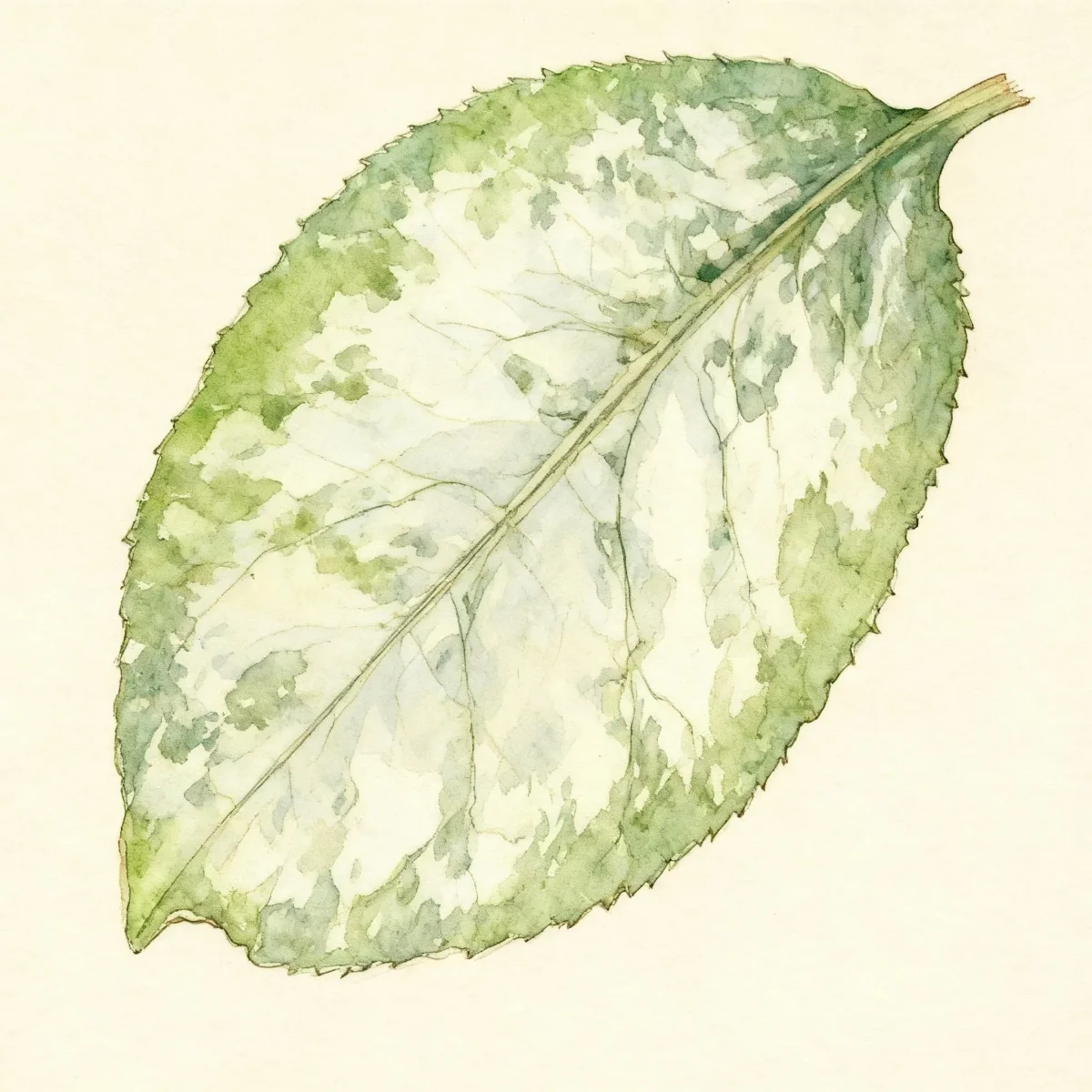
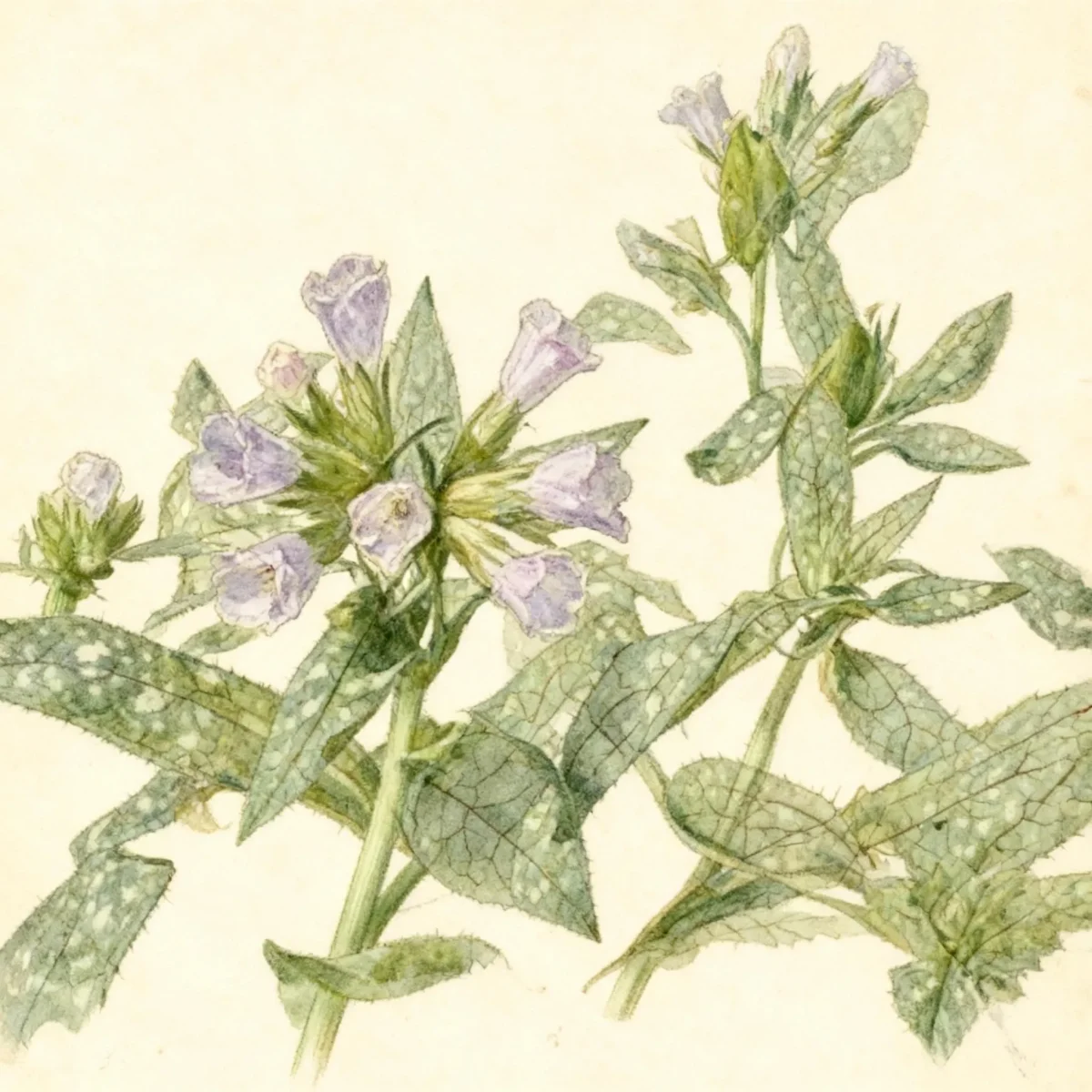
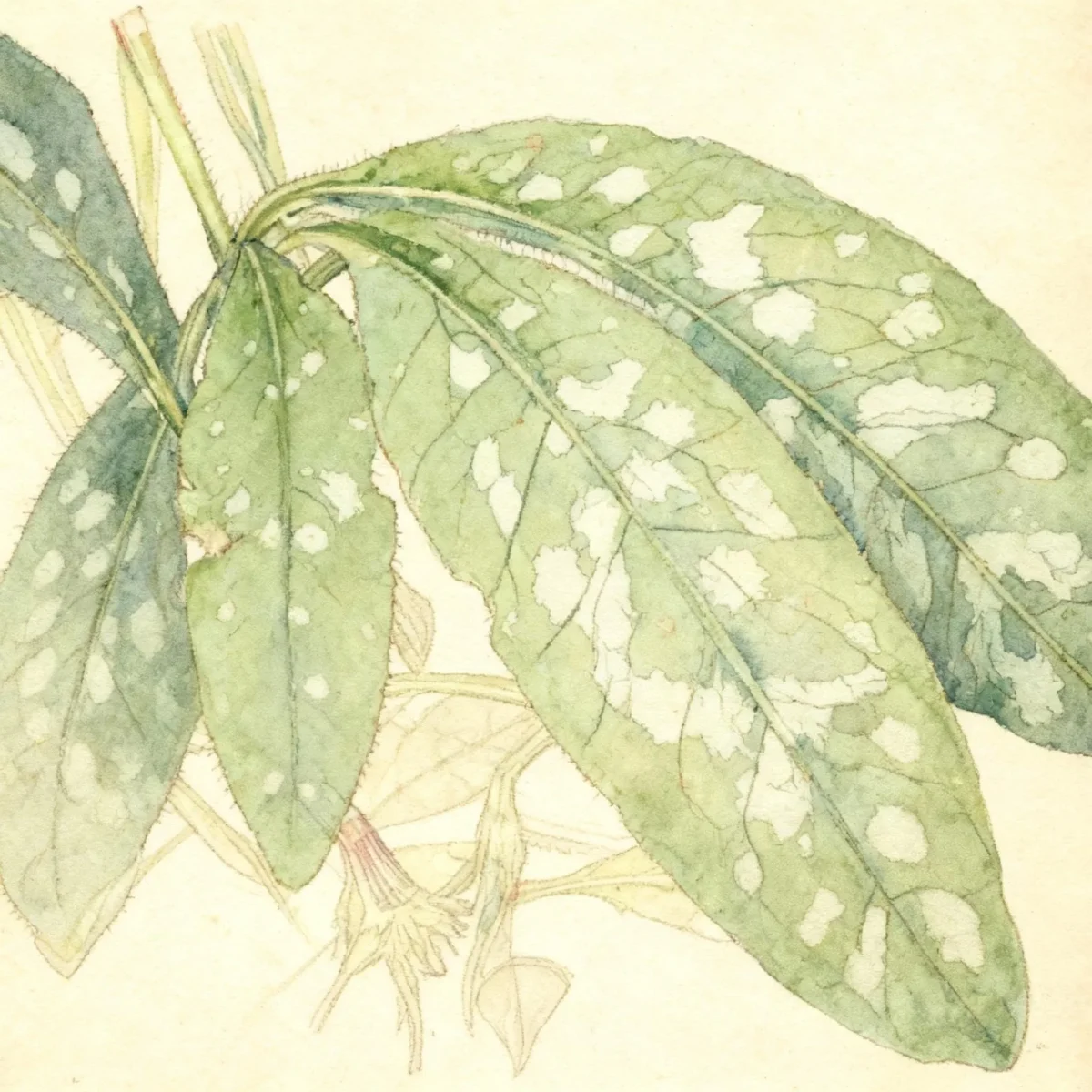
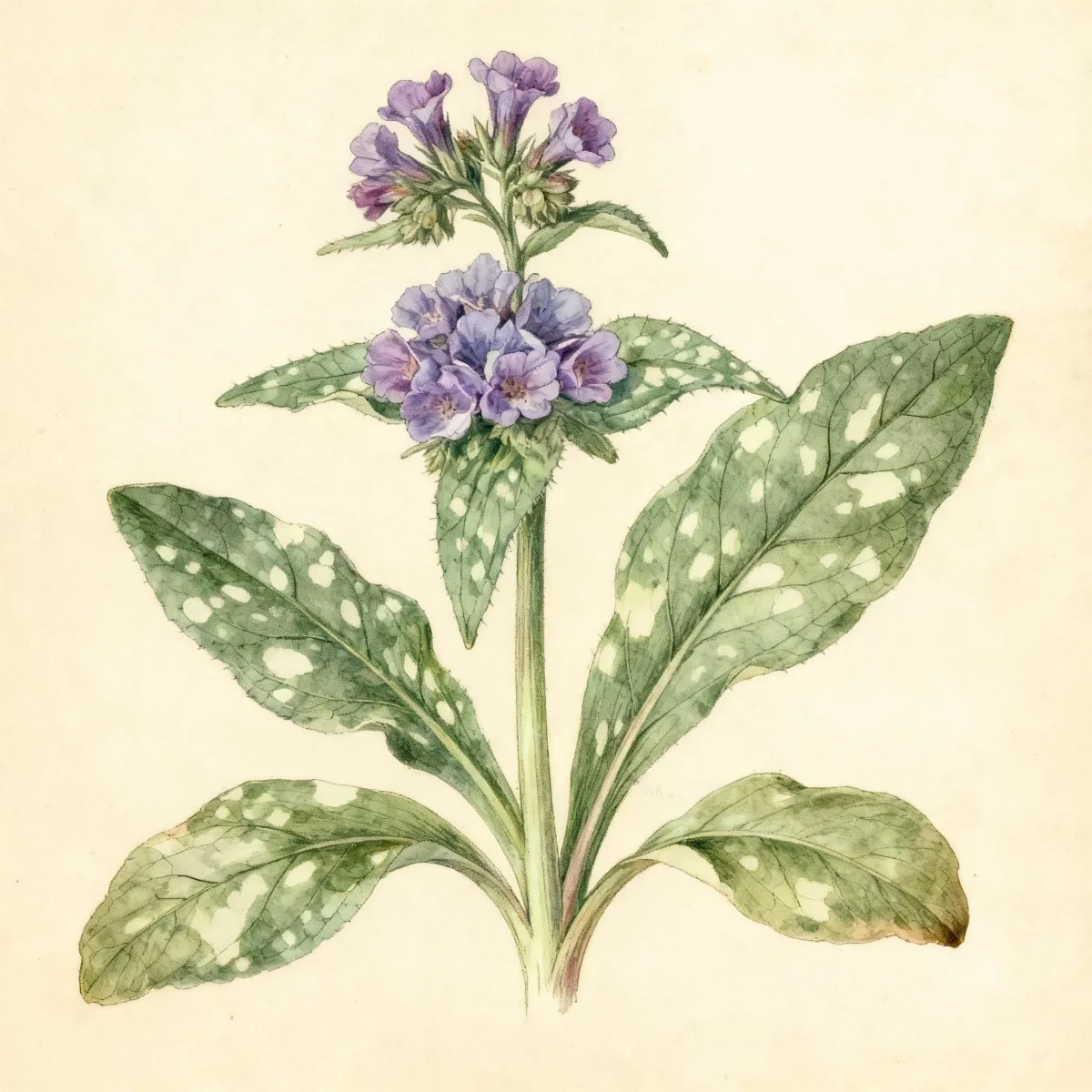
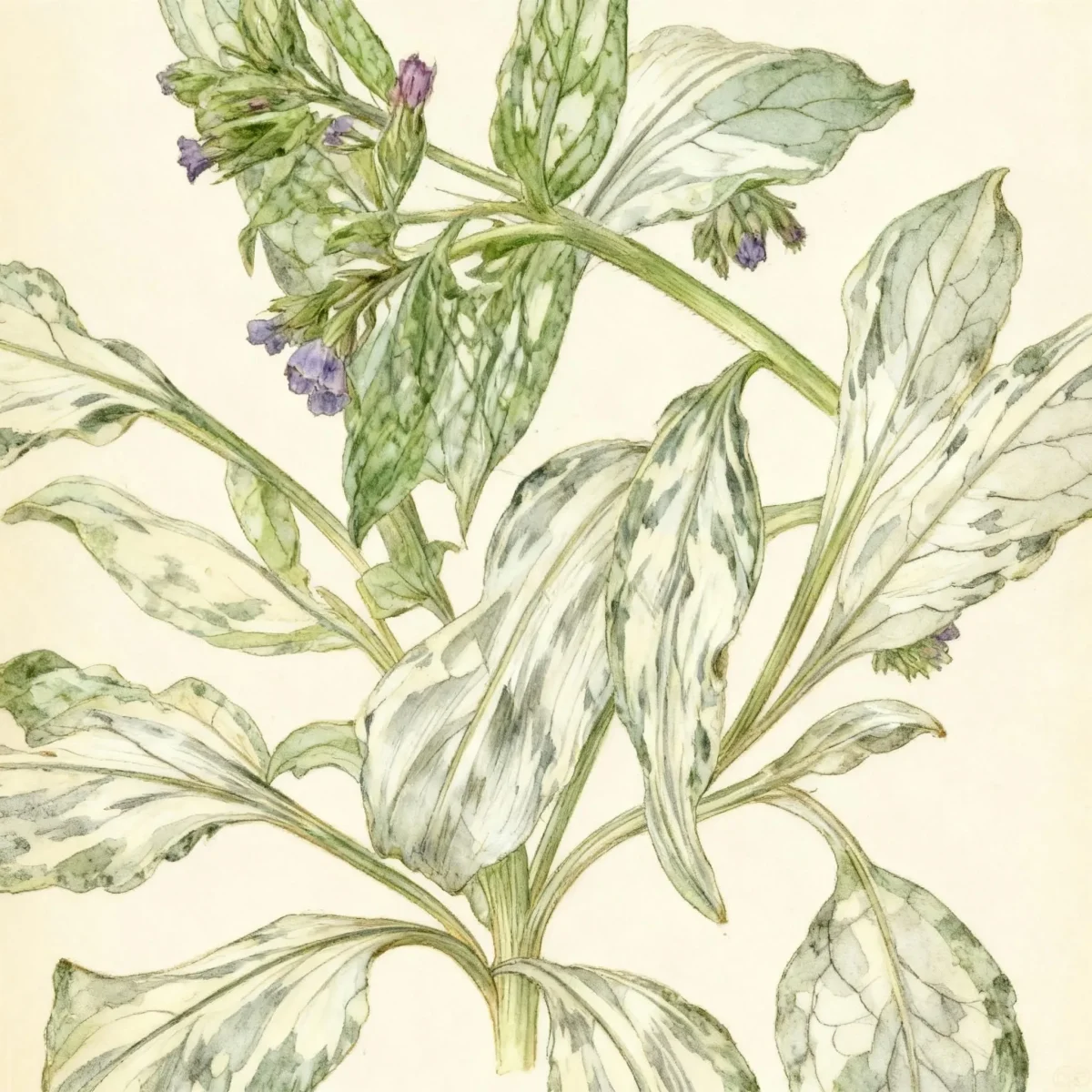
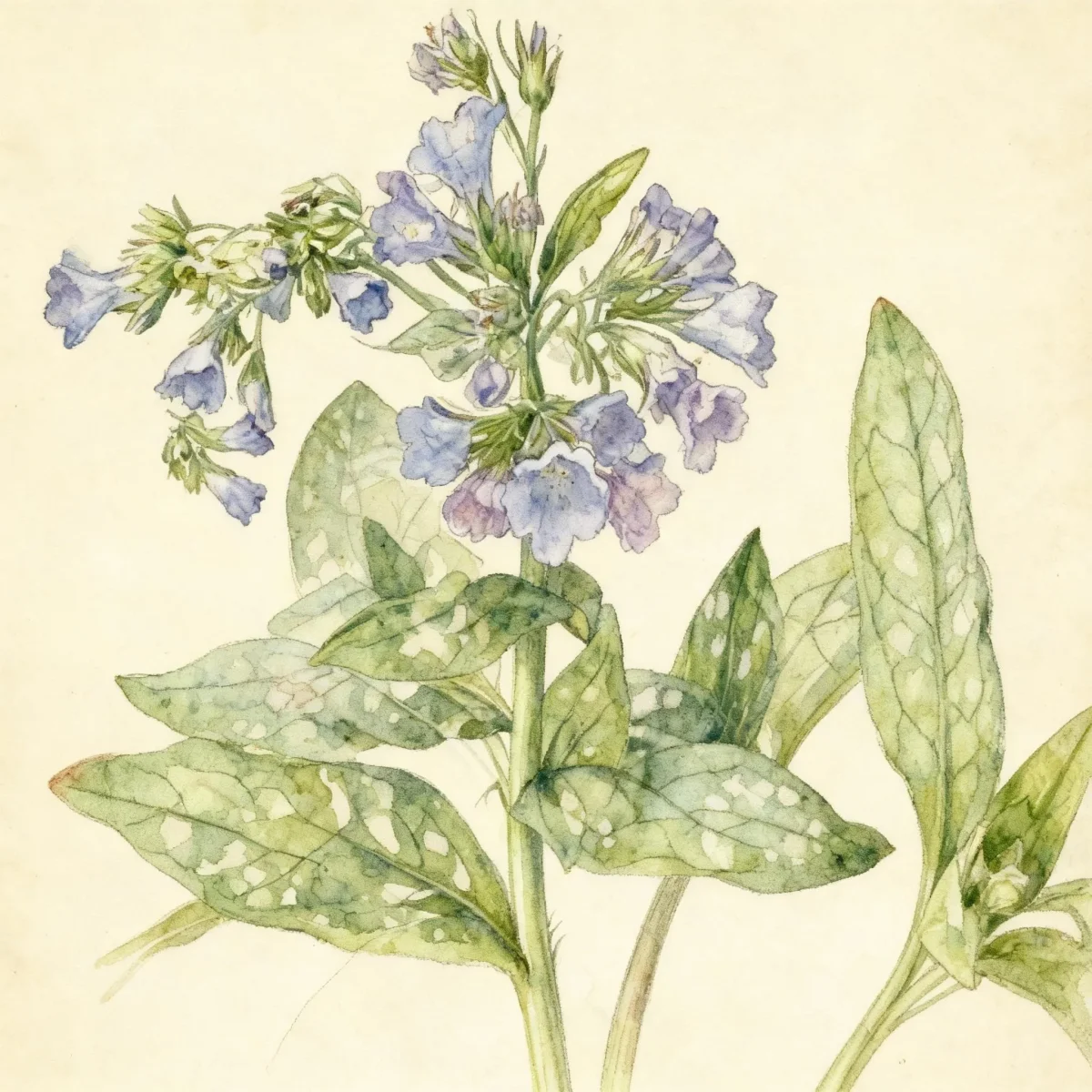
Pulmonaria ‘Lewis Palmer’ is an esteemed herbaceous perennial, commonly known as Lungwort, highly valued for its attractive foliage that brightens dim garden corners. This cultivar features basal clumps of oval, green leaves heavily accented with silvery-white spotting, providing visual interest long before and after its spring floral display. Gardeners appreciate Pulmonaria ‘Lewis Palmer’ for its robust nature and low maintenance requirements, fitting perfectly into established woodland or shade gardens.
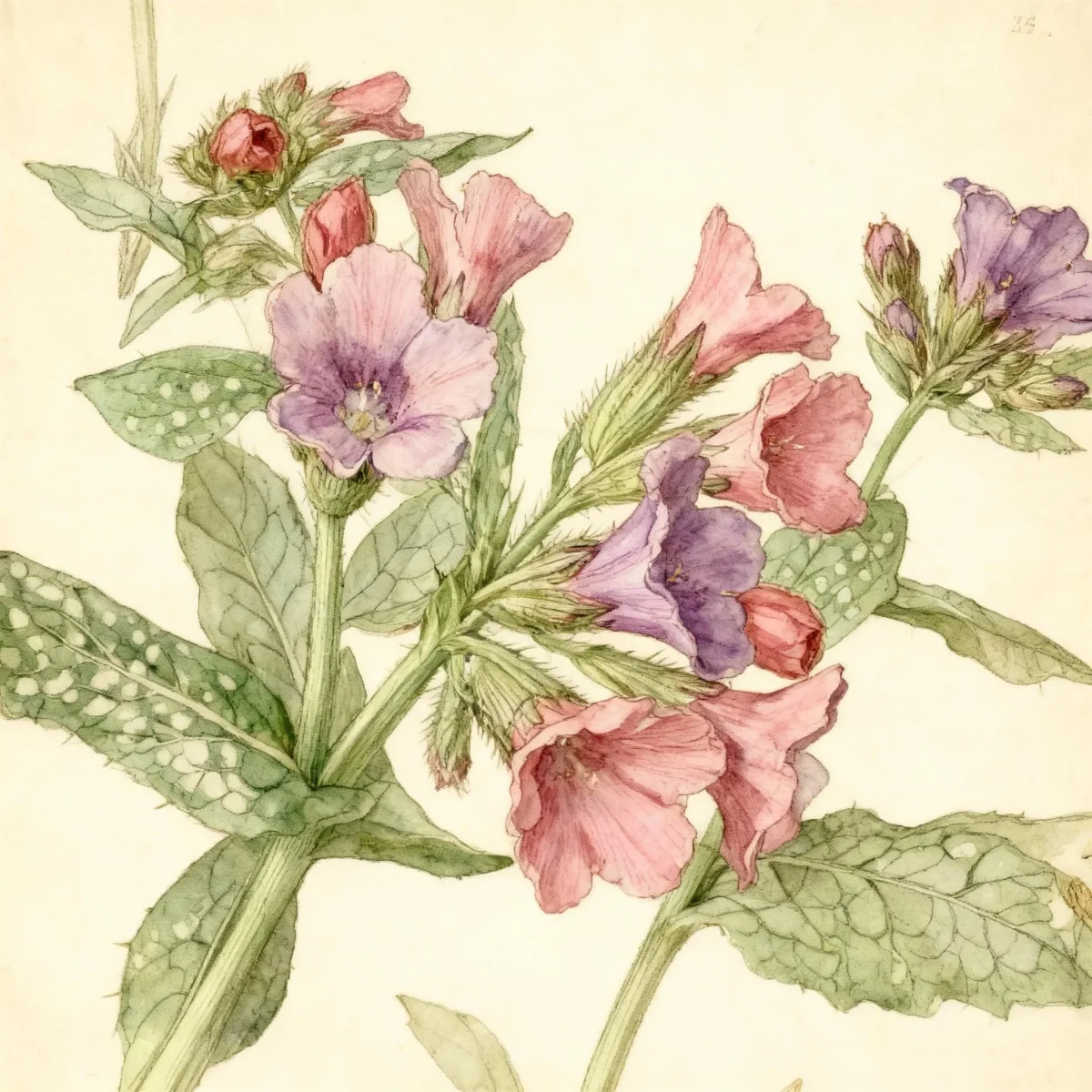
This Lungwort produces charming, funnel-shaped terminal clusters of flowers that open a striking blue-purple before maturing to shades of pink, offering extended color interest in early spring. As a slow-spreading plant, it effectively functions as an excellent ground cover, helping to suppress weeds while maintaining a neat footprint. Growing Pulmonaria ‘Lewis Palmer’ ensures you have a reliable, attractive texture contrast plant for shaded environments.
Fast Facts
- Plant Family: Boraginaceae
- Plant Type: Herbaceous perennial
- Hardiness Zones: USDA Zones 4-8
- Size at Maturity:
- Height: 0.75-1.5 ft
- Spread: 1-1.5 ft
- Bloom Time: April to May
- Bloom Description: Blue-purple aging to pink
- Sun Exposure: Part shade to full shade
- Water Needs: Medium
- Maintenance Level: Low
How to Grow
The best time to establish Pulmonaria ‘Lewis Palmer’ is when planting in the spring or fall after the threat of extreme heat has passed. This Lungwort thrives in average, medium-moisture, well-drained soils. It is crucial that the soil remains organically rich and humusy, as the plants require consistent moisture throughout the growing season.
Watering must be attentive; do not allow the soil to dry out, especially during warmer periods. In very hot summers, particularly in regions like St. Louis, the foliage may temporarily go dormant or suffer scorch if hydration is inadequate. While light morning sun is tolerated, afternoon shade is non-negotiable for maintaining healthy leaf quality on your Pulmonaria ‘Lewis Palmer’.
Maintenance is generally simple. Remove spent flower stems immediately after the blooming period concludes to tidy the appearance. Although plants spread slowly via creeping roots, established clumps can be divided in the fall if crowding occurs or if propagation is desired.
Landscape Uses
Pulmonaria ‘Lewis Palmer’ excels where deep green and cool tones, combined with speckled texture, are needed. Its best use is as an excellent foliage plant massed densely as a ground cover across shady areas of the landscape. It integrates beautifully into woodland settings or shaded border margins, creating a lush carpet effect beneath taller shrubs or trees.
Consider using this Lungwort as an effective edging plant along shaded pathways where its low mound habit naturally frames the walkway without obstructing movement. Because it tolerates heavy shade and even Black Walnut root competition, it fills difficult, dry-shade niches where many other perennials fail. Group plantings of Pulmonaria ‘Lewis Palmer’ offer the most visual impact during its spring bloom.
Standout Features
Flower Qualities
- Showy
Noteworthy Characteristics
Pulmonaria is noted for developing attractive, variegated foliage, leading many gardeners to value it more for its leaves than its spring flowers. The common name Lungwort refers to the historical belief that its spotted leaves resembled diseased lungs. ‘Lewis Palmer’ features large, blue-purple flowers that shift to pink, blooming above basal clumps of highly decorative, white-spotted leaves suitable for shade garden structure.
Tolerances
- Deer
- Heavy Shade
- Black Walnut
Potential Problems
Pulmonaria ‘Lewis Palmer’ is generally resistant to serious insect or disease issues, although slugs and snails may occasionally feed on the tender leaves. The most common cultural issue stems from inconsistent moisture; if soils dry out during summer heat, powdery mildew can become problematic. Furthermore, exposure to excessive sunlight or high temperatures can cause the attractive foliage to scorch or depreciate considerably.
To manage potential issues, ensure soil moisture is maintained consistently. If powdery mildew appears, improve air circulation if possible or adjust watering to avoid wetting the foliage late in the day. Protecting plants from the harshest afternoon sun dramatically reduces leaf scorch.
Frequently Asked Questions
What hardiness zones is Lungwort suitable for?
Pulmonaria ‘Lewis Palmer’ is resilient and suitable for USDA Hardiness Zones 4 through 8.
How large does Pulmonaria ‘Lewis Palmer’ grow?
This perennial typically reaches a height between 0.75 and 1.5 feet tall, spreading outward to 1 to 1.5 feet wide.
When does Lungwort bloom?
The characteristic blue-purple aging to pink flowers generally appear from April to May, just above the basal foliage mound.
What sun exposure does Pulmonaria ‘Lewis Palmer’ need?
This plant demands part shade to full shade; afternoon sun should always be avoided to prevent leaf scorch.
Conclusion
Pulmonaria ‘Lewis Palmer’ stands out in shaded landscapes due to its dependable, speckled foliage texture and its cheerful display of early spring flowers. This easy-to-grow Lungwort offers significant aesthetic rewards for minimal effort, especially when planted in moist, rich soil. Assess your garden’s dry shade spots and plan to install your Pulmonaria ‘Lewis Palmer’ this fall for guaranteed seasonal impact next spring.
Companion Planting
When planning a shade garden utilizing Pulmonaria ‘Lewis Palmer’, focus on companions that complement its medium moisture needs and textural variation. Hostas thrive under similar conditions and offer vastly different leaf shapes and colors, providing excellent contrast to the spotted leaves of the Lungwort. Ferns, such as Japanese Painted Ferns or Autumn Ferns, naturally accompany this plant, enhancing the woodland aesthetic.
Astilbes and Tiarella (Foamflower) are also strong partners, offering late spring or early summer flowers while sharing the cool, humusy soil requirements. Grouping these shade lovers together ensures a layered, season-long display that thrives away from direct summer sun.
Propagation Tips
The primary and easiest method for increasing your stock of Pulmonaria ‘Lewis Palmer’ is through division. As plants spread slowly by creeping roots, they form dense clumps over time. Wait until late summer or early fall when flowering is complete, carefully dig up the entire clump, and gently tease apart the root sections.
Ensure each new division has sufficient roots and crown tissue to establish itself. Replant the divided sections immediately into their desired locations, making sure to provide the consistent moisture that Pulmonaria ‘Lewis Palmer’ requires for successful establishment in its new spot.