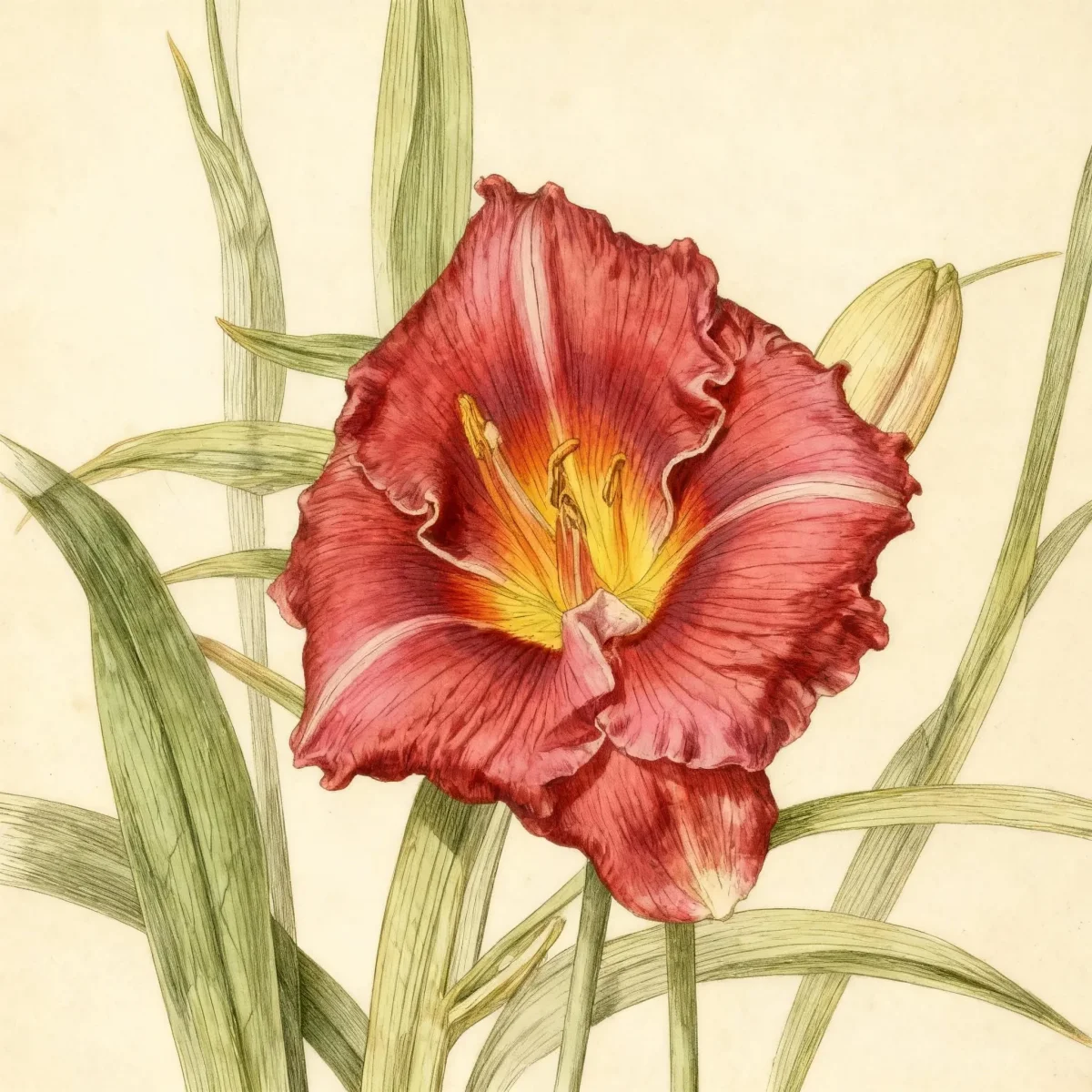
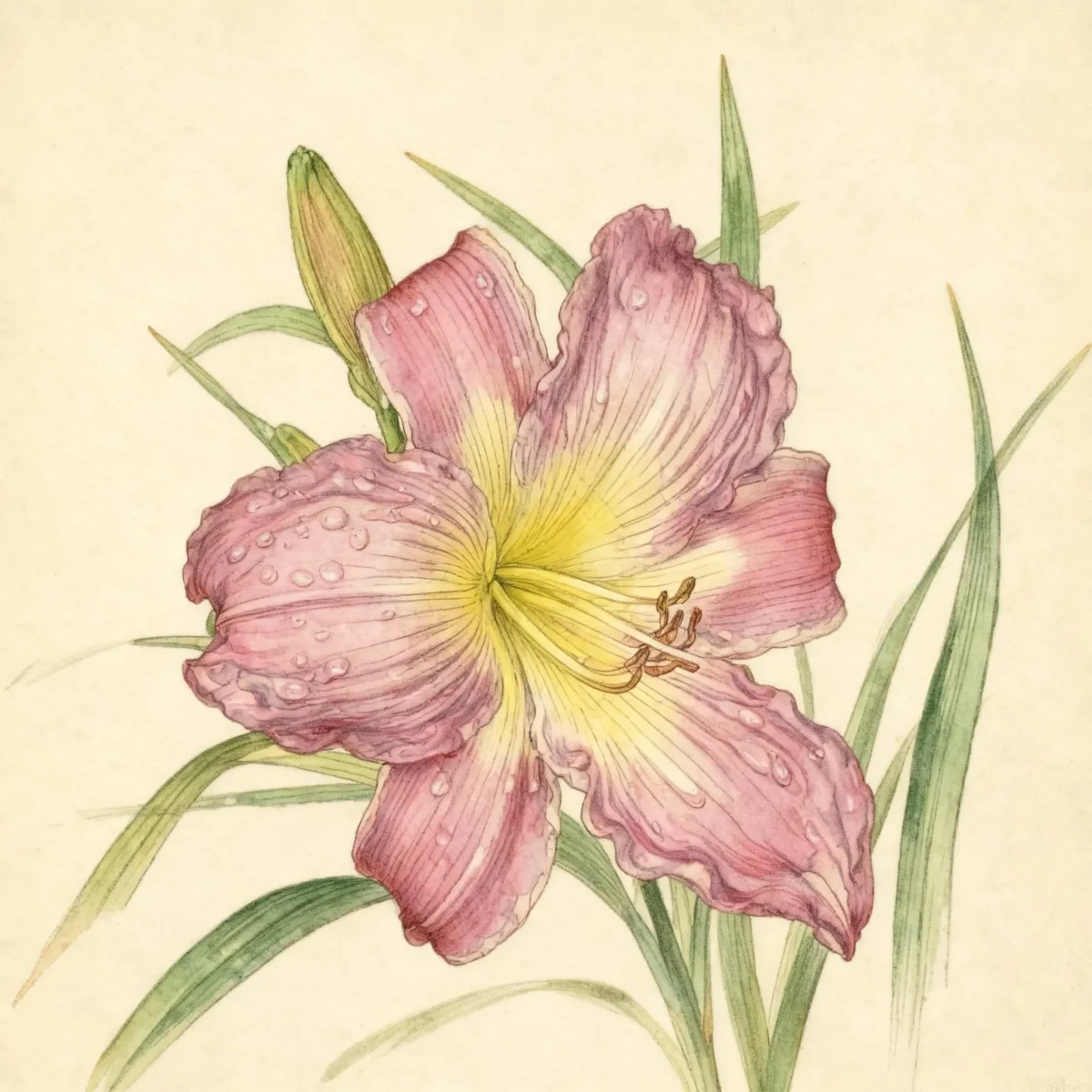
Daylily (Hemerocallis 'Lady Jackie')
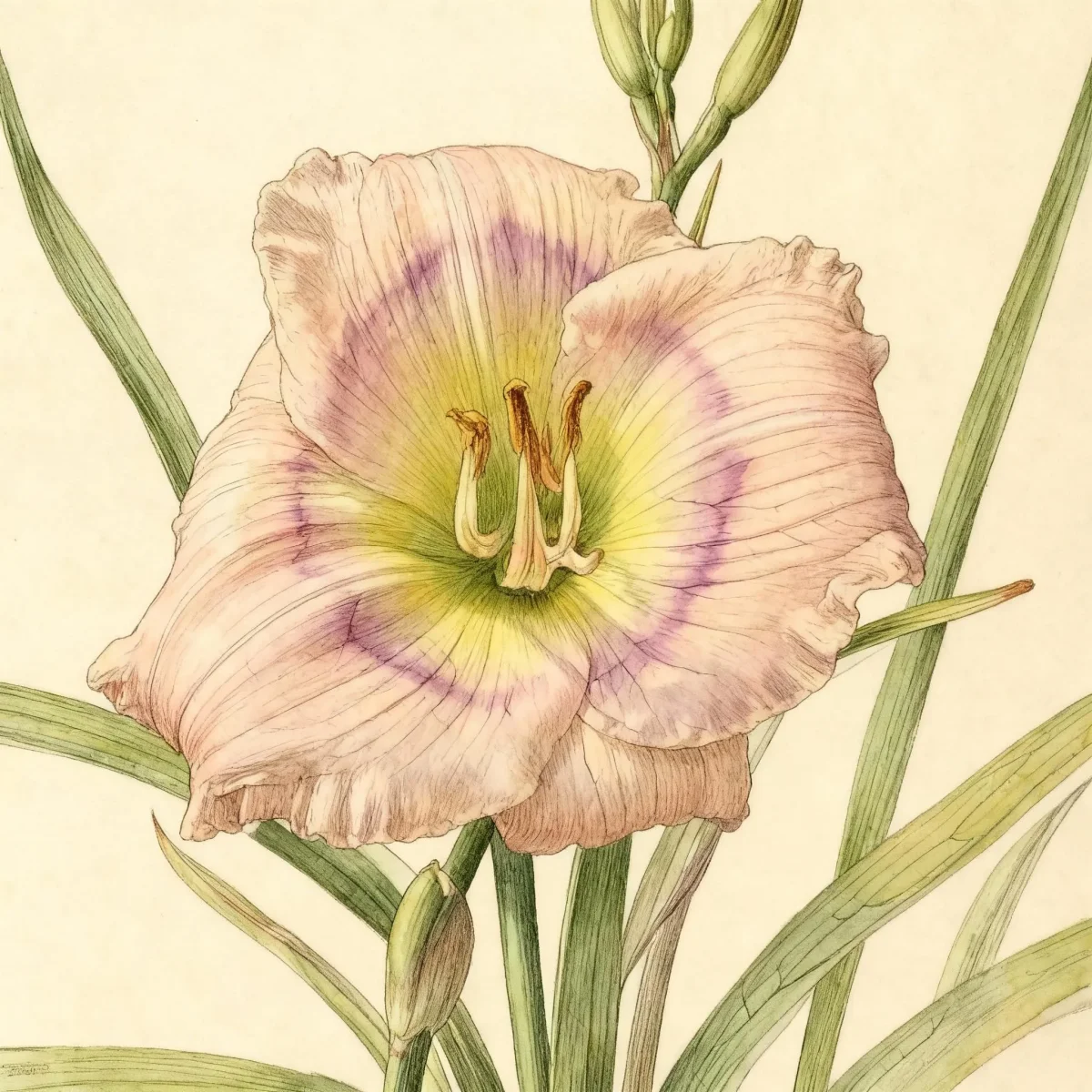
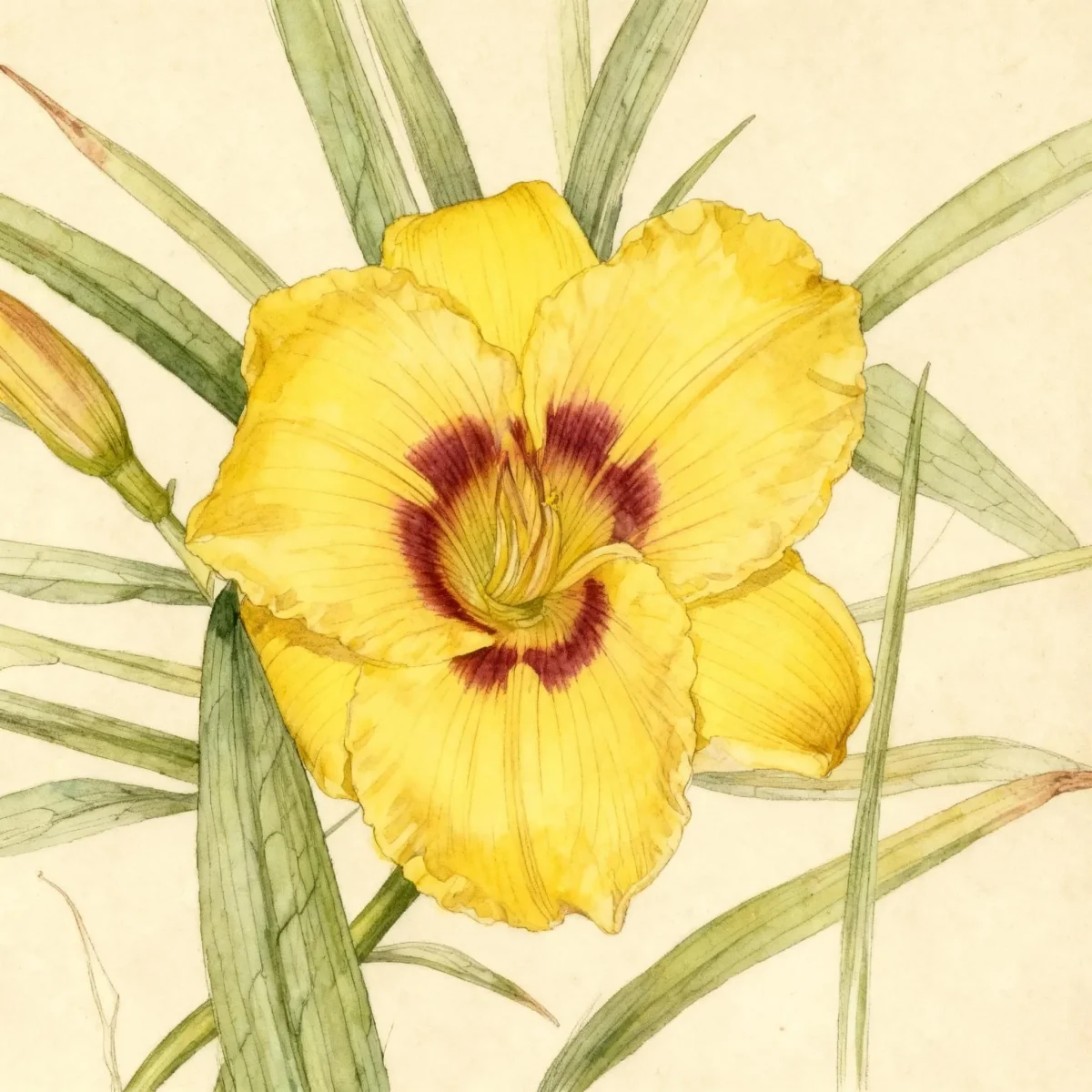
Hemerocallis 'Lady Jackie' is a low-maintenance Daylily, offering striking June-July blooms in mulberry with plum eyezones.
Scroll down to discover growing tips, care requirements, companion plants, and more
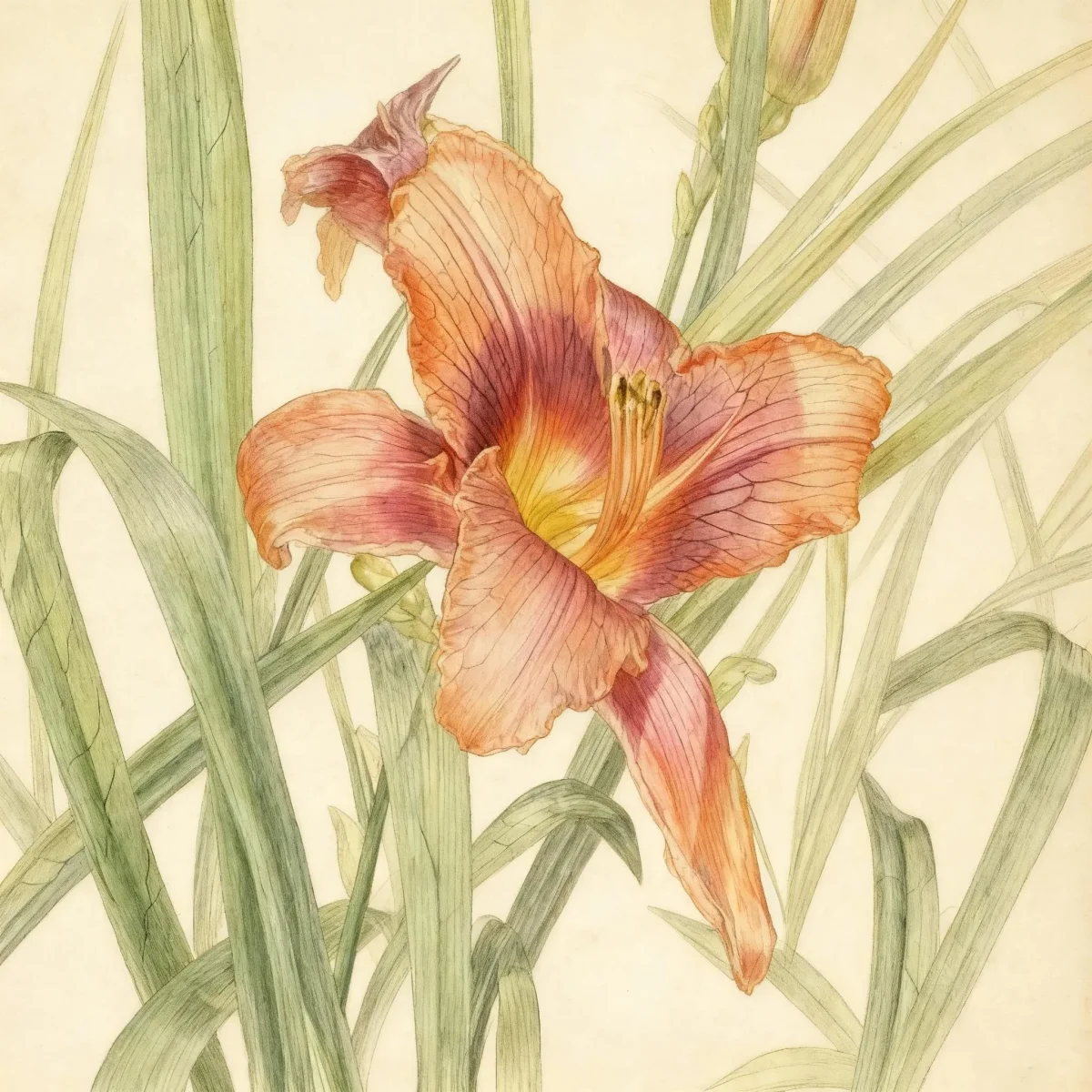
Complete Plant Information
Overview
Hemerocallis ‘Lady Jackie’ is a highly valued Daylily cultivar known for its dependable performance and attractive mid-season flowers. This herbaceous perennial provides excellent color contrast in the summer garden, displaying showy blooms that stand above neat, clumping foliage. Its low maintenance needs make it a staple for both novice and experienced gardeners seeking reliable performance.
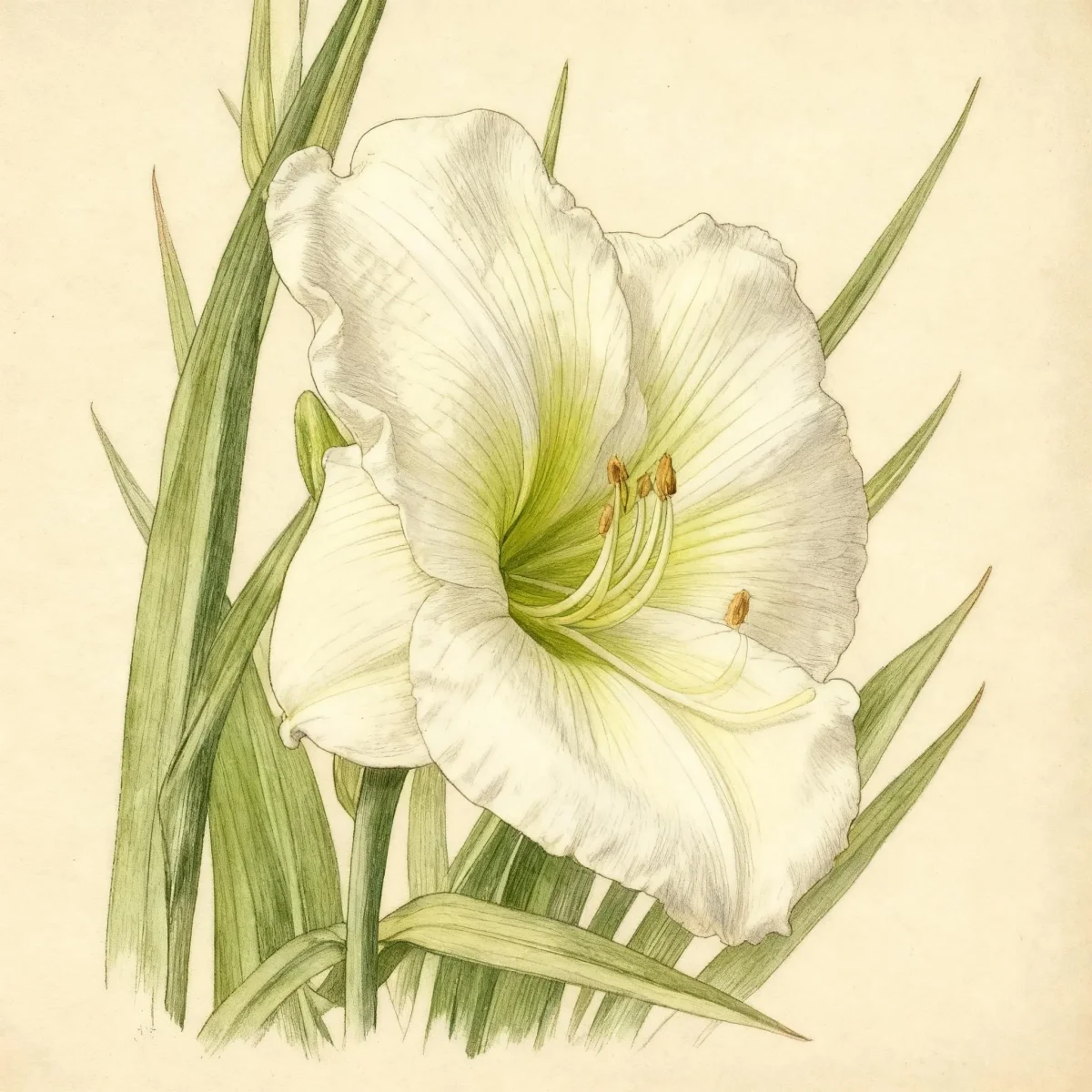
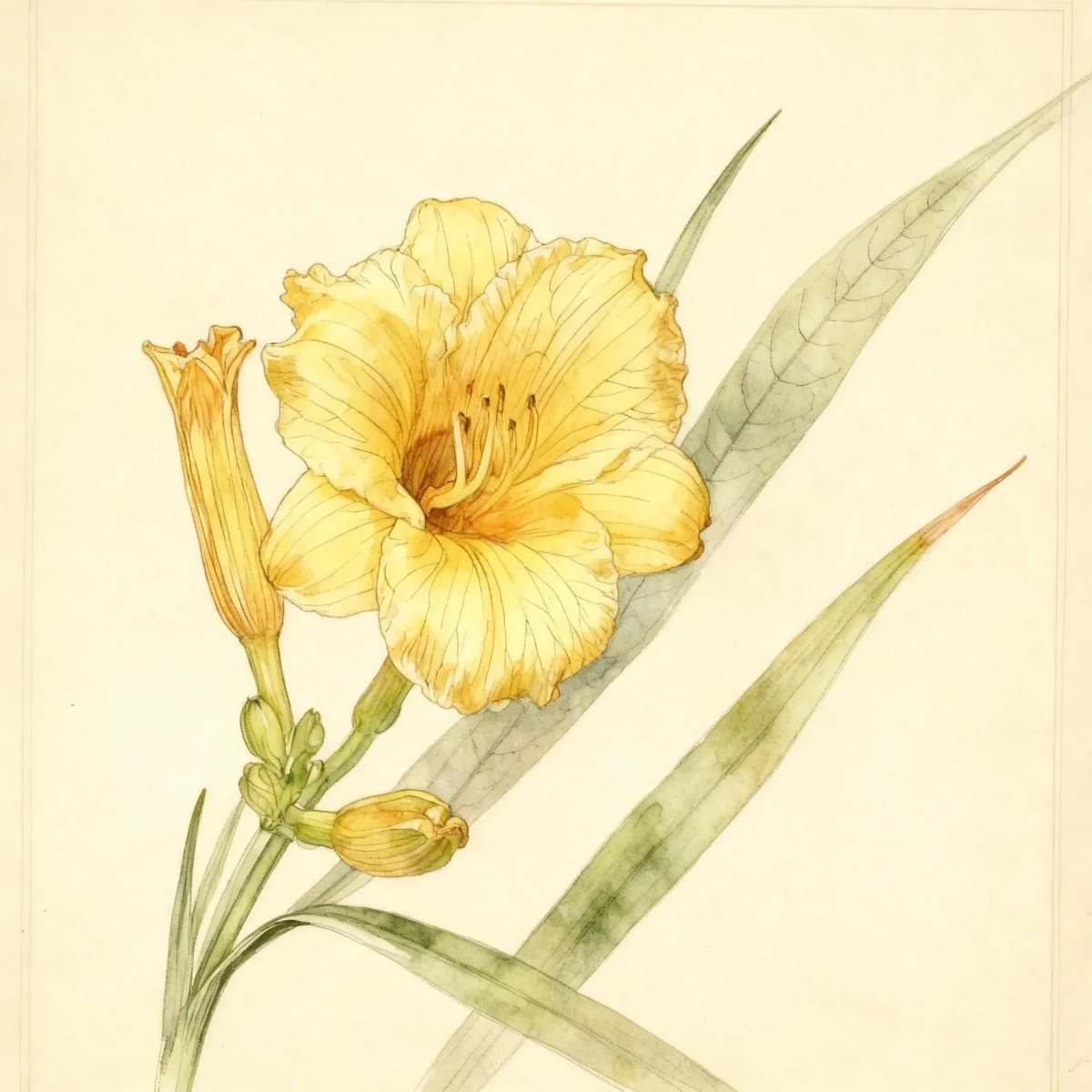
As part of the diverse Hemerocallis genus, ‘Lady Jackie’ offers the beauty of funnel-shaped flowers, which typically last for a single day but are produced profusely throughout the blooming period. Reaching a moderate height, this variety is well-suited for defining borders or providing mass plantings where consistent texture and color are desired from June through July.
Gardeners appreciate the resilience of this Daylily; it tolerates various conditions while maintaining an attractive appearance. Ensuring proper division every few years will keep the performance of your Hemerocallis ‘Lady Jackie’ vigorous, securing reliable blooms for years to come.
Fast Facts
- Plant Family: Asphodelaceae
- Plant Type: Herbaceous perennial
- Hardiness Zones: USDA Zones 4-9
- Size at Maturity:
- Height: 1.5-2 ft
- Spread: 1-1.5 ft
- Bloom Time: June to July
- Bloom Description: Mulberry to buff mauve with plum eyezones
- Sun Exposure: Full sun to part shade
- Water Needs: Medium
- Maintenance Level: Low
How to Grow
Planting the Daylily ‘Lady Jackie’ is best accomplished in spring or fall, though spring division is preferred in colder northern climates. These plants thrive in average, medium moisture, well-drained soils. While they perform well in many soil types, deep, fertile loams yield the best results for vibrant Hemerocallis growth. Locate them where they receive at least six hours of direct sun for the best flower production, though they tolerate partial shade.
Ongoing care for this low-maintenance variety focuses primarily on aesthetics and hydration. Deadhead spent flowers daily to maintain neatness, and remove the entire flower scape once the blooms are finished. Although Daylilies are drought-tolerant once established, they appreciate deep watering during dry spells to keep the foliage looking fresh, especially during hot summer periods.
For sustaining vigor, it is beneficial to divide clumps of Hemerocallis ‘Lady Jackie’ every three to four years. This division should occur in spring or fall. Remember that for winter-dormant types like this one, a cold period of winter dormancy is essential for optimal blooming; therefore, avoid planting them south of Zone 9.
Landscape Uses
The reliable structure and size of Hemerocallis ‘Lady Jackie’ make it exceptionally versatile in landscape design. As an easy-to-grow herbaceous perennial, it excels when used along garden borders where its arching foliage provides a soft edge throughout the season. It is also effective planted in masses across large areas, creating blankets of consistent color during the summer.
Consider using this Daylily for massing near walkways or in front of taller shrubs where the striking mulberry blooms can be easily appreciated. Dwarf cultivars offer special utility in rock gardens, though ‘Lady Jackie’ provides a medium vertical element perfect for mid-borders. Pair them with early-season bloomers that finish before the Daylily starts, or with late-season spikes to ensure continuous garden interest.
Standout Features
Flower Qualities
- Showy
Noteworthy Characteristics
Hemerocallis is a genus famous for its adaptability and beauty; the generic name references the flower’s one-day lifespan. Hybridizers have developed over 60,000 registered cultivars, featuring diverse shapes and colors, with ‘Lady Jackie’ specifically noted for its 5” diameter mulberry flowers possessing crepe-edged petals and dark plum eye zones which appear on scapes rising 23-26” tall. Each flower has six perianth segments, and the plant features basal, linear, grass-like foliage.
Tolerances
- Rabbit
- Erosion
- Air Pollution
Potential Problems
Daylilies are renowned for being highly adaptable and largely pest-free perennials. Occasional minor issues may include spider mites, aphids, or thrips, which are usually manageable. Gardeners should be vigilant for Daylily rust, which can be a significant issue in humid areas, requiring preventative treatment. Because rabbits generally avoid consuming Daylily foliage, this plant offers a good solution for areas where deer or rabbits are problematic landscape visitors.
Frequently Asked Questions
What hardiness zones is Daylily suitable for?
Hemerocallis ‘Lady Jackie’ is suitable for USDA Zones 4 through 9.
How large does Daylily grow?
At maturity, the Daylily ‘Lady Jackie’ typically reaches a height between 1.5 and 2 feet, with a spread of 1 to 1.5 feet.
When does Daylily bloom?
This variety typically blooms from June to July, showing off mulberry to buff mauve flowers with plum eyezones.
What sun exposure does Hemerocallis ‘Lady Jackie’ need?
This Daylily requires full sun exposure for optimal performance but tolerates partial shade gracefully.
Conclusion
The Hemerocallis ‘Lady Jackie’ Daylily stands out due to its low maintenance demands and the striking, richly colored mulberry blooms it delivers reliably each summer. This adaptable perennial provides excellent structure and color, proving why Daylilies remain foundational plants in temperate gardening. Check your local hardiness rating, and plan to implement your Hemerocallis ‘Lady Jackie’ into the landscape this coming spring or fall for beautiful results.
Companion Planting
Choosing thoughtful companions can enhance the visual appeal of your Daylily planting throughout the season. Since Daylilies are pruned back after flowering, pairing them with plants that offer strong mid-to-late season interest helps mask any fading foliage. Good neighbors include Russian Sage (Perovskia atriplicifolia), which offers airy, silver-blue contrast, or low-growing Sedums that fill the ground space effectively. Hostas are excellent companions, as they share similar light and moisture needs, though ensure the Hosta foliage doesn’t overly shade the Daylily crowns, which prefer sun.
Propagation Tips
Propagating Hemerocallis ‘Lady Jackie’ is best achieved through division, as hybrid daylilies will not come true from seed. The best time to divide the fibrous root structure is in the spring, especially in very cold winter climates, although fall division is also an option. Gently lift the entire clump using a garden fork, taking care not to damage the roots excessively. Separate the fans of foliage into sections, ensuring each new division has a healthy root system attached. Replant immediately at the same depth, watering thoroughly to help them reestablish quickly.