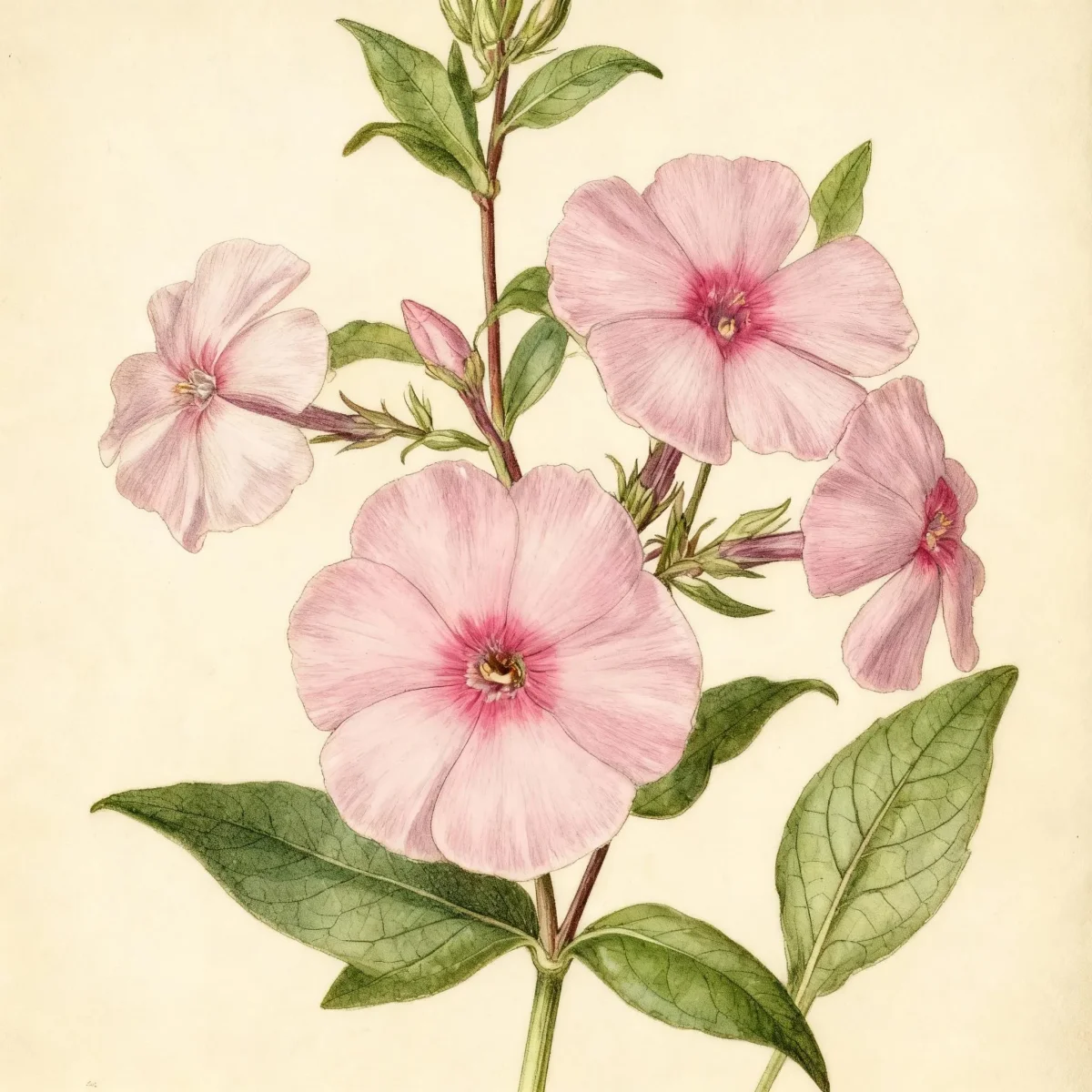
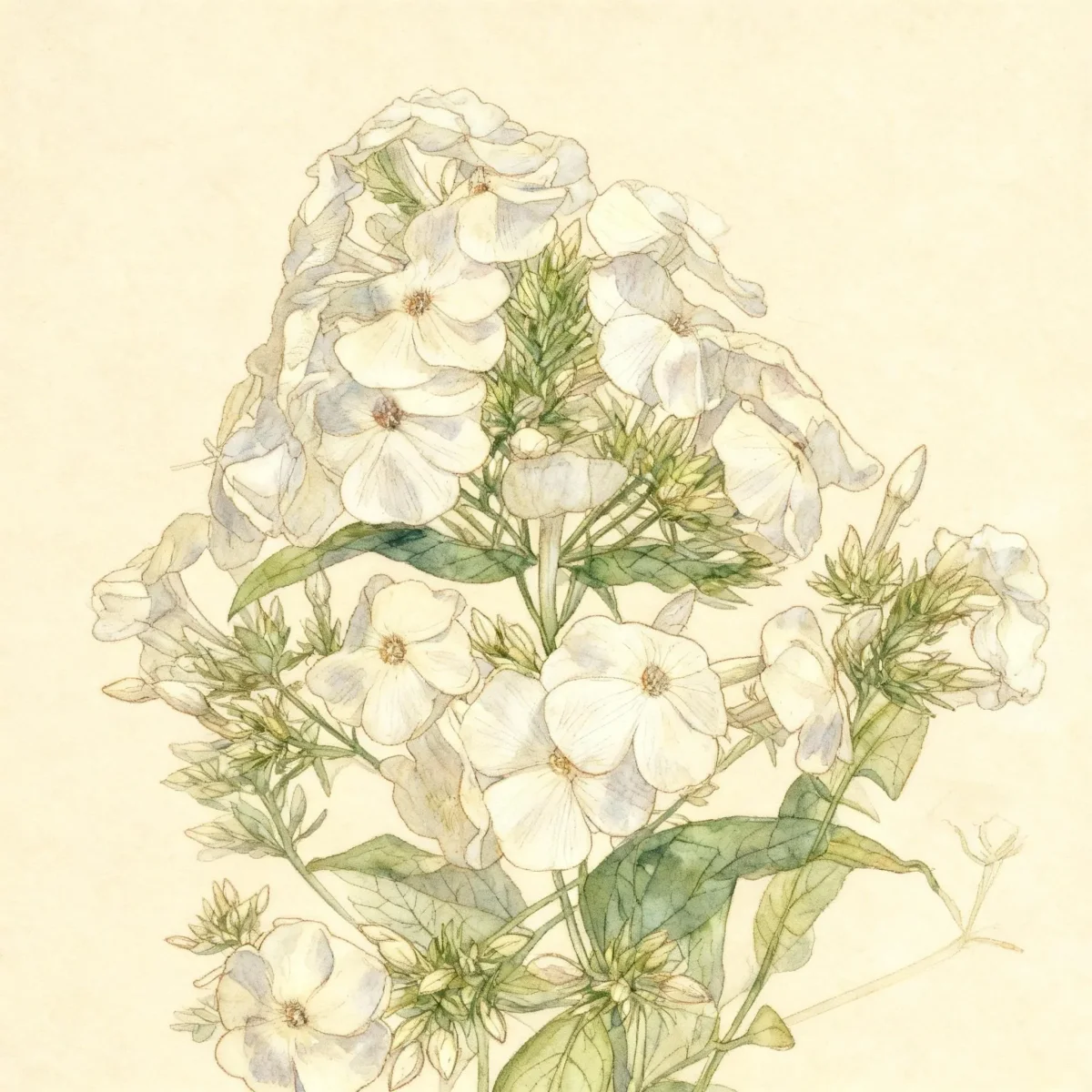
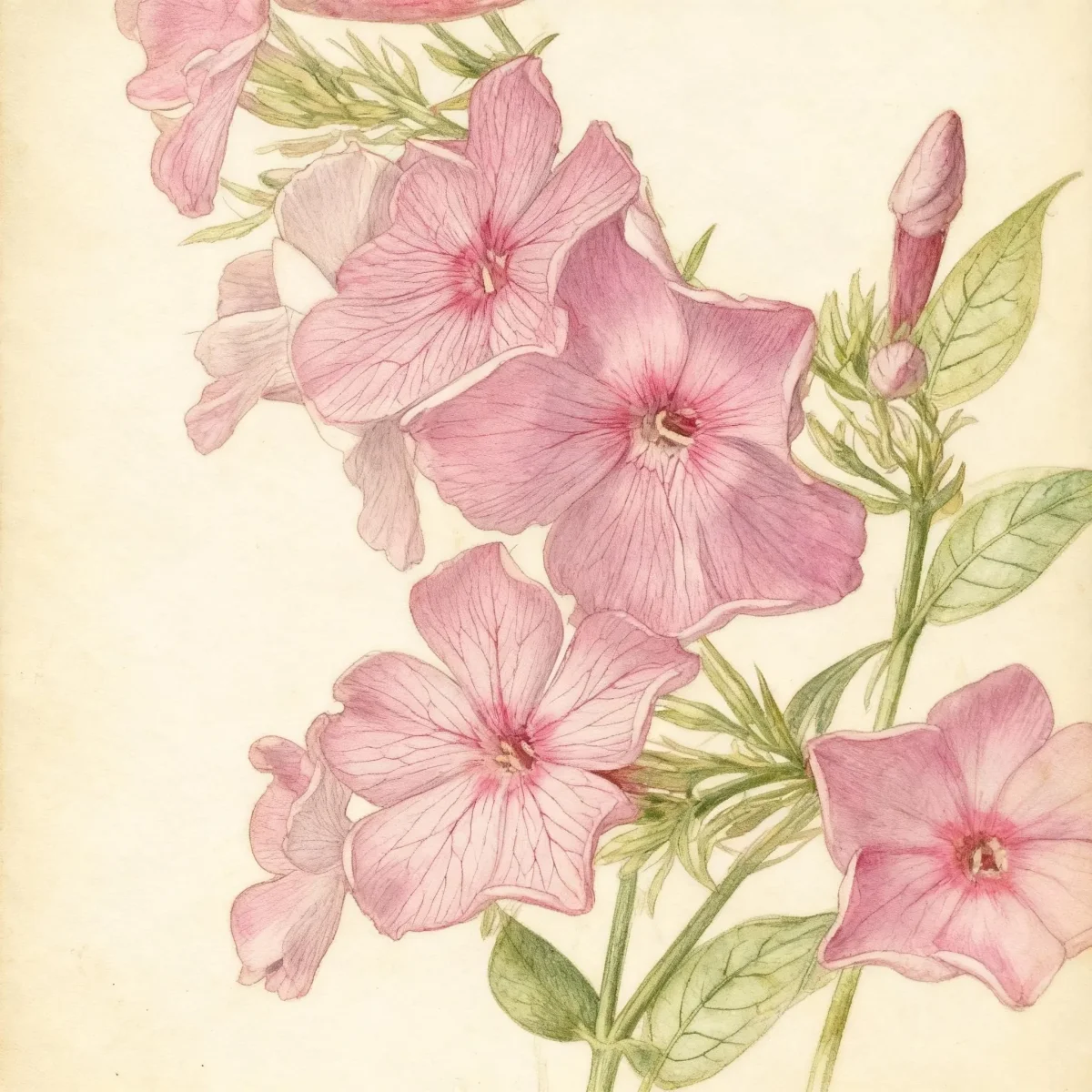
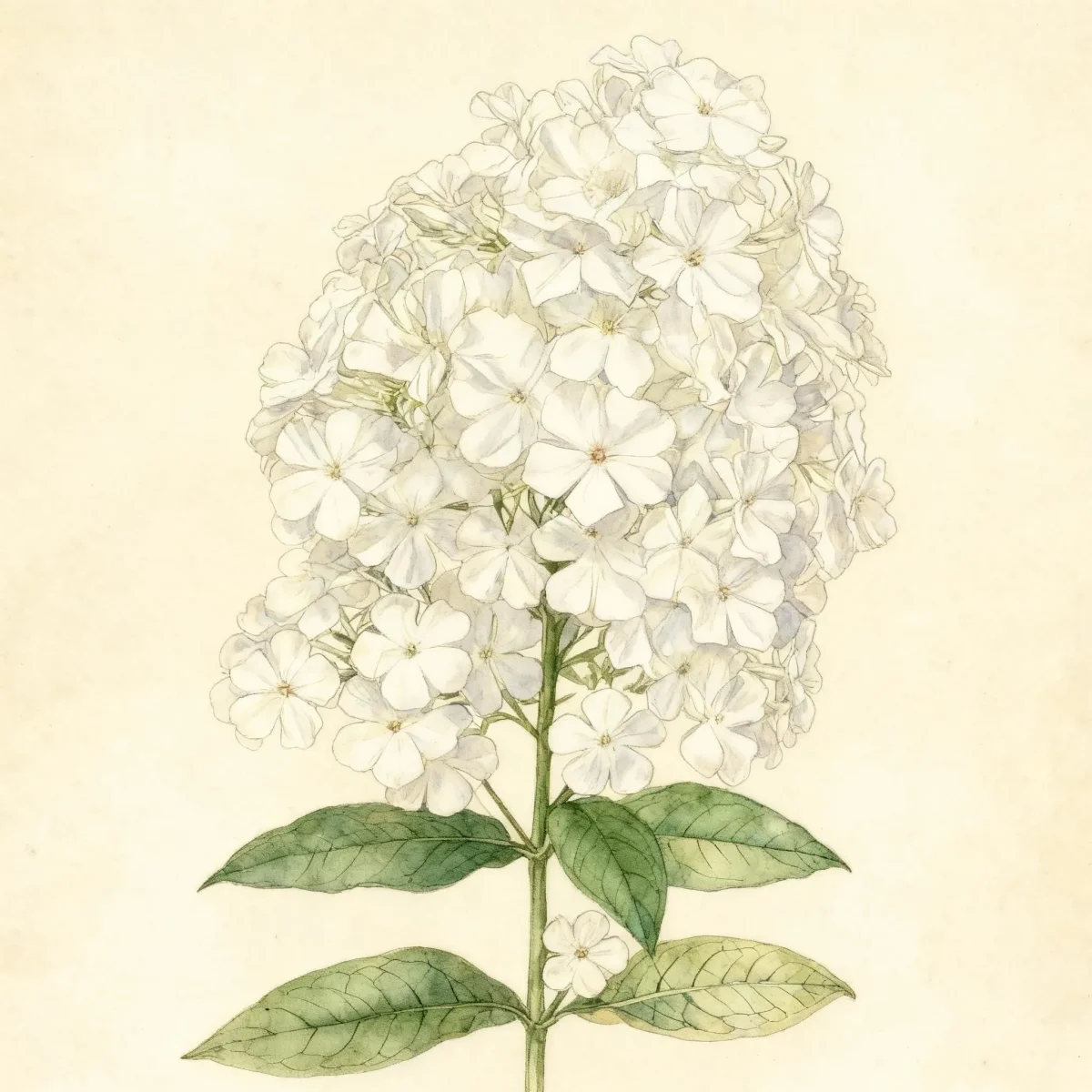
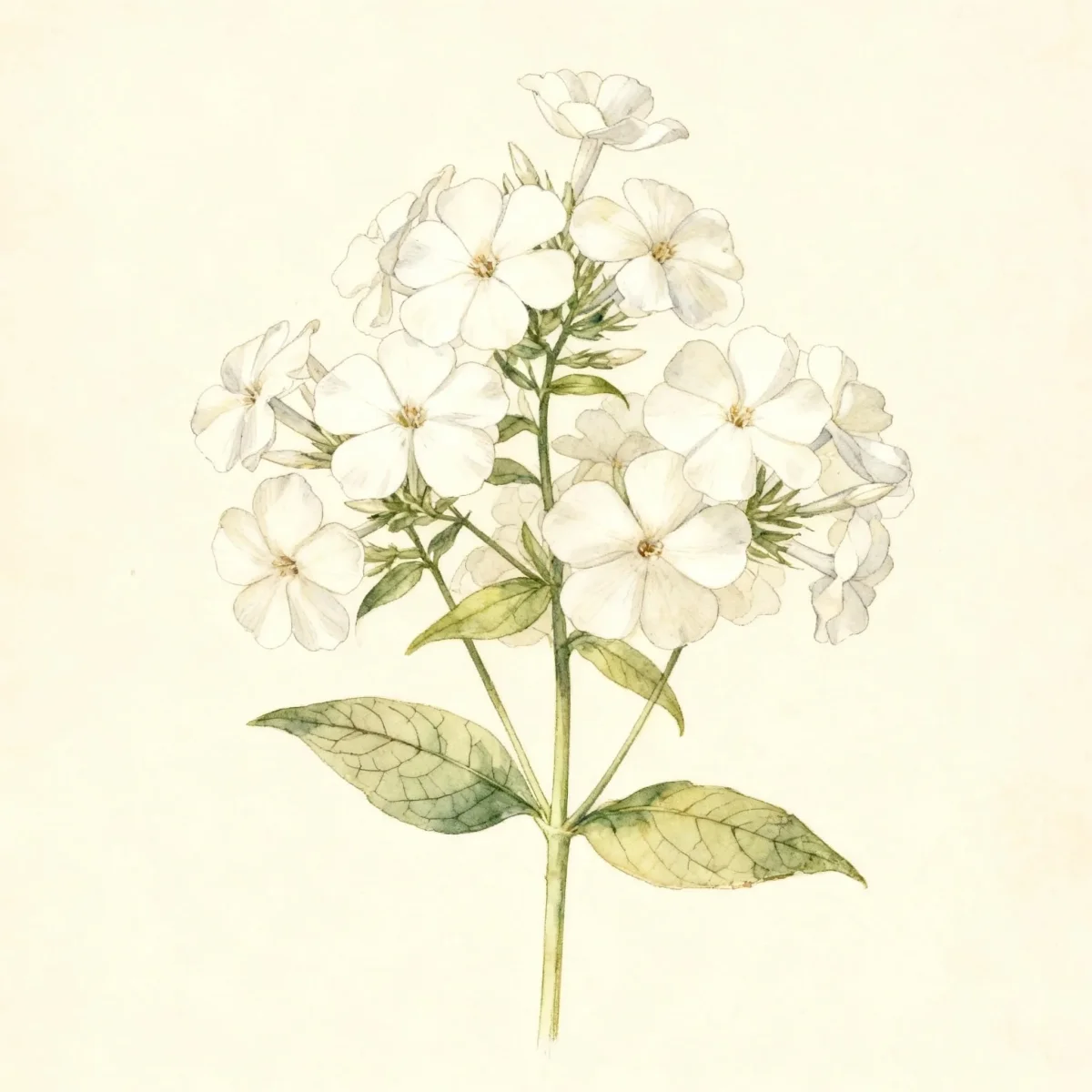
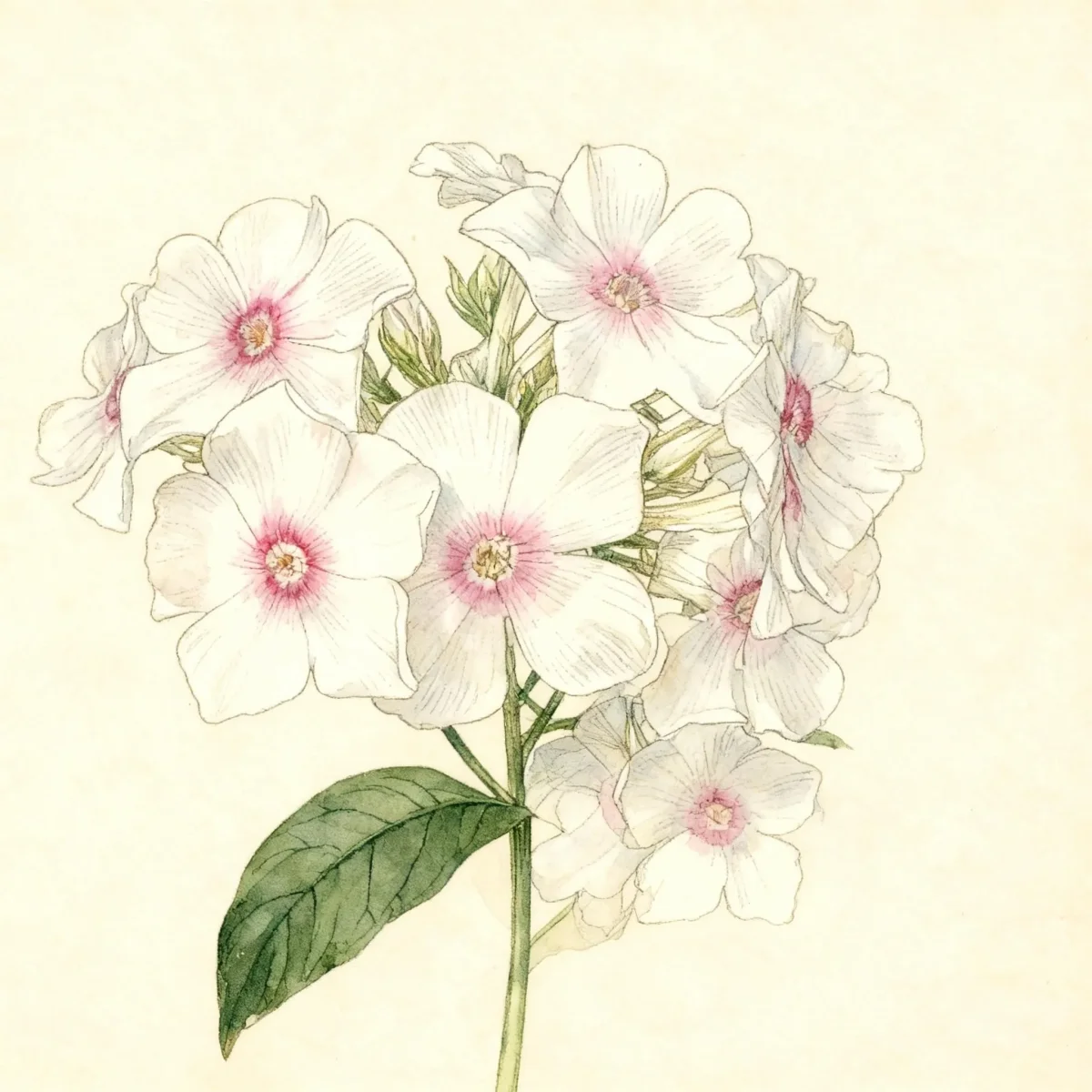
Garden phlox (Phlox paniculata 'Barten' LILAC FLAME)
Discover Phlox paniculata 'Barten' LILAC FLAME, a dwarf Garden phlox with fragrant, lilac-purple blooms from July to September. Ideal for borders and containers.
Scroll down to discover growing tips, care requirements, companion plants, and more
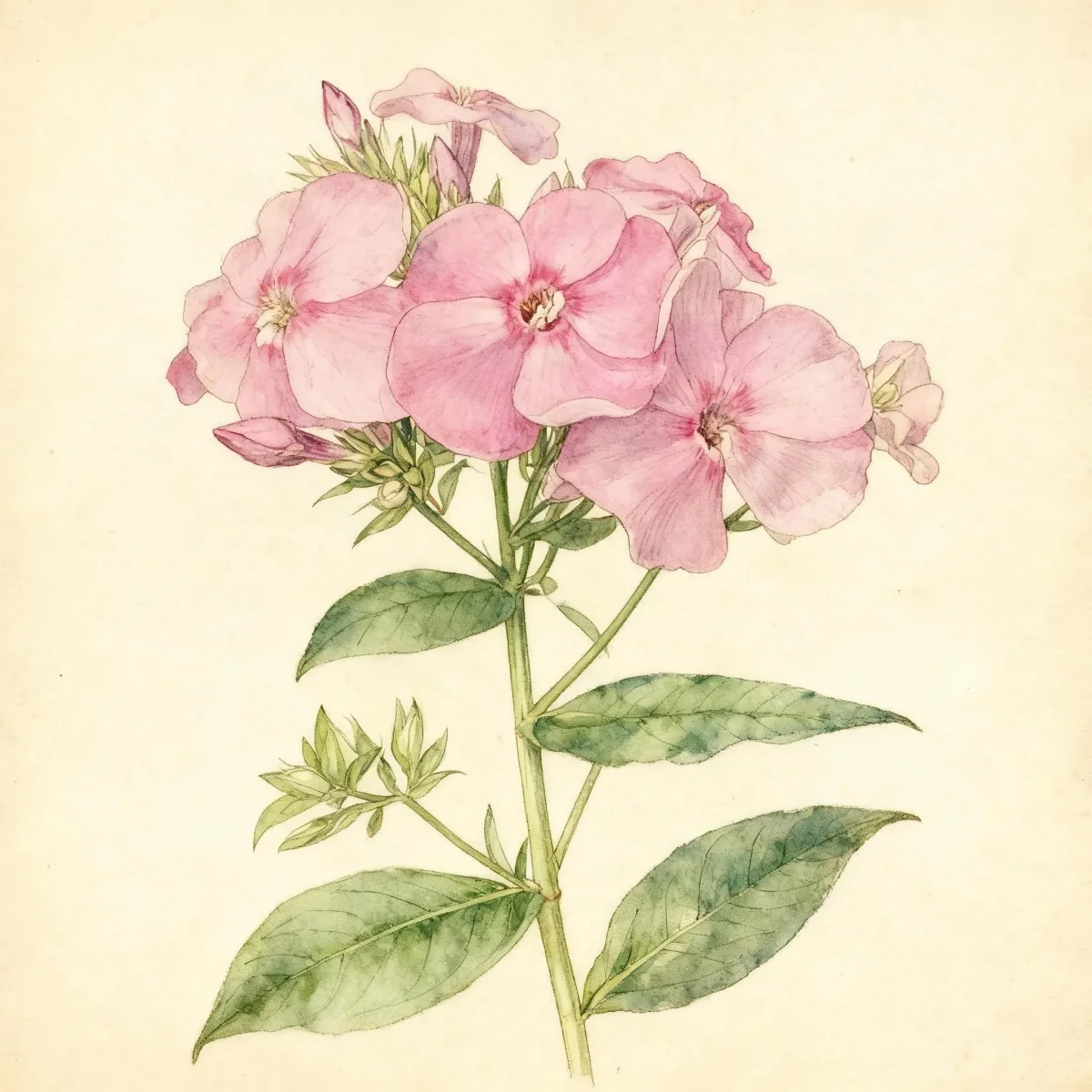
Complete Plant Information
Overview
Phlox paniculata ‘Barten’ LILAC FLAME is a highly valued dwarf cultivar of Garden phlox, celebrated for its compact stature and reliably attractive summer flowering. This variety delivers showy, fragrant blooms of lilac-purple punctuated by delicate white eyes, making it a standout feature in late-season gardens. As a variety of dependable perennial phlox, it offers weeks of color when many other spring bloomers have faded.
This plant thrives when provided with consistent moisture and good air circulation, characteristics essential for healthy growth. Its tolerance for clay soil and marginal shade makes Phlox paniculata ‘Barten’ LILAC FLAME versatile for various garden placements within its hardiness range. Gardeners appreciate this species for reliably attracting butterflies and hummingbirds throughout its long bloom window.
The species Phlox paniculata has naturalized across large swaths of the Eastern US, but cultivars like LILAC FLAME offer controlled size perfect for smaller spaces. Incorporating this mid-to-late summer bloomer ensures continuous vibrancy in perennial beds, drawing attention to its richly colored and aromatic flower clusters.
Fast Facts
- Plant Family: Polemoniaceae
- Plant Type: Herbaceous perennial
- Hardiness Zones: USDA Zones 3-8
- Size at Maturity:
- Height: 1-1.5 ft
- Spread: 0.75-1 ft
- Bloom Time: July to September
- Bloom Description: Lilac-purple with small white eyes
- Sun Exposure: Full sun to part shade
- Water Needs: Medium
- Maintenance Level: Medium
How to Grow
For optimal performance, plant Phlox paniculata ‘Barten’ LILAC FLAME in a location receiving full sun, though light afternoon shade is acceptable. It performs best in rich, moist, and well-drained soil, ideally amended with organic matter to ensure fertility. Proper spacing is crucial; ensure good air circulation around the plants to reduce the risk of fungal issues, particularly powdery mildew.
Maintain even moisture levels throughout the growing season, as this Garden phlox is intolerant of drought and requires watering during dry spells. Avoid overhead watering systems; instead, water at the base of the plant to keep foliage dry. Applying a summer mulch will help keep the root zone cool, which the plant appreciates, especially in warmer climates.
To prolong the blooming period of your Phlox paniculata ‘Barten’ LILAC FLAME and keep the plants tidy, promptly remove faded flower panicles throughout the summer. For winter preparation, cut the plants completely to the ground after frost and ensure all debris is removed from the area to minimize overwintering fungal spores for the next season.
Landscape Uses
Garden phlox is a foundational element in traditional perennial borders, offering necessary mid-to-late season color and height variation. Phlox paniculata ‘Barten’ LILAC FLAME, due to its dwarf habit, integrates seamlessly into the front or middle of these borders without overpowering smaller companions. It mixes beautifully with plants that share similar sun and moisture needs, such as coneflowers, coreopsis, or various ornamental grasses.
The strong vertical accent provided by the flower panicles, combined with the sweet fragrance, makes this a stellar choice for cutting gardens or near patios where the fragrance can be easily enjoyed. Furthermore, any variety of garden phlox, including this lilac flame cultivar, acts as an excellent attractant for hummingbirds and butterflies, boosting the wildlife value of your landscape design.
The compact size of LILAC FLAME also opens up possibilities beyond traditional flower beds. It serves as an excellent specimen plant when placed in large containers or decorative pots, allowing you to precisely control soil conditions and placement for maximum visual impact on decks or patios.
Standout Features
Flower Qualities
- Showy
- Fragrant
Noteworthy Characteristics
Phlox paniculata, commonly known as garden phlox, has given rise to numerous cultivars, including LILAC FLAME, which is noted for growing only 12-16” tall. The fragrant, tube-shaped flowers cluster densely atop stiff stems, rarely requiring support, and bloom from mid-to-late summer, sometimes extending into early fall. The genus name Phlox literally means “flame” in Greek, referencing the intense flower colors common to many varieties.
Tolerances
- Deer
- Clay Soil
- Black Walnut
Potential Problems
Phlox cultivation can present challenges, with powdery mildew being the most common aesthetic problem. This white, dusty coating on the leaves is best managed by ensuring excellent air circulation—space plants adequately and consider thinning interior stems. Avoid overhead watering, especially late in the day, as wet foliage encourages mildew development.
Pests like phlox bugs and spider mites can also cause damage, particularly during hot and dry periods. Regular inspection is key, and managing mites often requires consistent watering to prevent excessively dry conditions. Keep the planting area clean during winter dormancy to avoid carryover issues from pests or diseases.
Frequently Asked Questions
What hardiness zones is Garden phlox suitable for?
Garden phlox, including the Phlox paniculata ‘Barten’ LILAC FLAME cultivar, is generally suitable for USDA Zones 3 through 8.
How large does Phlox paniculata ‘Barten’ LILAC FLAME grow?
This dwarf cultivar typically reaches a manageable height between 1 and 1.5 feet tall, with spreads ranging from 0.75 to 1 foot wide.
When does Garden phlox bloom?
This perennial provides long bloom periods from July straight through September, featuring lilac-purple flowers with distinctive small white eyes.
What sun exposure does Phlox paniculata ‘Barten’ LILAC FLAME need?
For the best flowering and overall health, aim for full sun exposure, although it will tolerate part shade conditions.
Conclusion
Phlox paniculata ‘Barten’ LILAC FLAME is an invaluable, compact perennial that reliably delivers rich, fragrant color late in the gardening season. Its attractiveness to wildlife and manageable size cements its place as a superior Garden phlox selection for borders and containers alike. Before planting, confirm that your growing site falls within USDA Zones 3-8 and plan for adequate sunlight and diligent watering.
Companion Planting
When placing Phlox paniculata ‘Barten’ LILAC FLAME in mixed borders, consider companions that share its requirements for medium moisture and dappled to full sun. Plants that offer contrasting textures or bloom times help maintain visual interest when the phlox is not flowering. Good partners include Shasta Daisies, Russian Sage (Perovskia), or various ornamental grasses which help break up the density and further improve air movement around the phlox foliage.
Designing with Dwarf Phlox
The compact nature of this cultivar is ideal for preventing the leggy appearance sometimes associated with taller phlox varieties. Use LILAC FLAME as a reliable “filler” plant nestled between larger shrubs or anchors, providing a continuous, low-growing splash of color at ground level beneath taller perennials. Because it attracts pollinators, group several together near outdoor seating areas to maximize enjoyment of both the color and the sweet summer fragrance of the lilac-purple flowers.